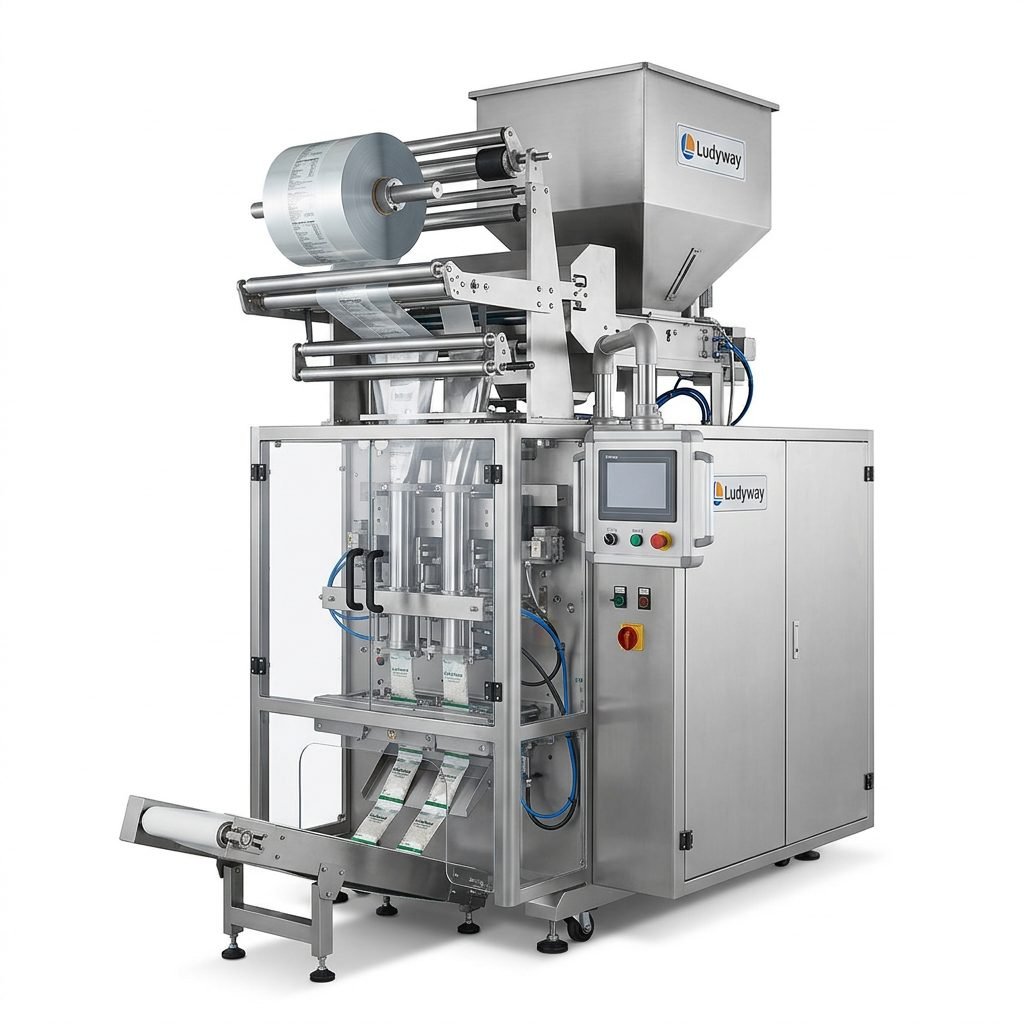
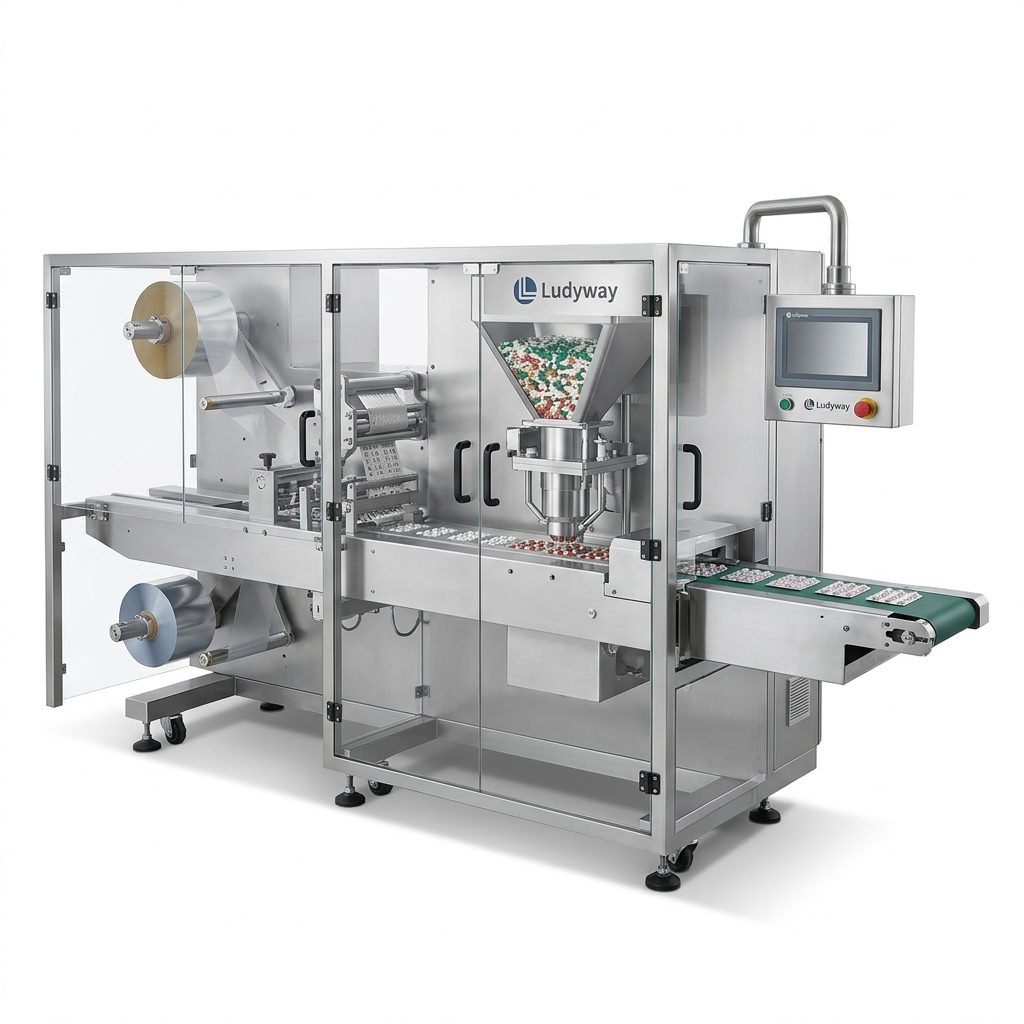
Investing in a dal packing machine is a critical decision for any pulses processing business. Whether you are packaging toor dal, moong dal, chana dal, or masoor dal, the right equipment directly impacts your production efficiency, product quality, and bottom line. With dozens of machine types, configurations, and manufacturers available, narrowing down the options can feel overwhelming. This guide walks you through every factor you need to evaluate before making your purchase.
Understanding Your Dal Packaging Requirements
Before comparing machine specifications, you need a clear picture of your own production environment. Different dals have distinct physical properties that affect how they flow, measure, and seal. Consider the following questions:
- Product characteristics: What is the granule size, density, and moisture content of your dal? Whole pulses behave differently from split or polished varieties during filling and weighing.
- Target output: How many packs per minute or hour do you need to produce? This determines whether a single-lane or multi-lane packaging system is appropriate.
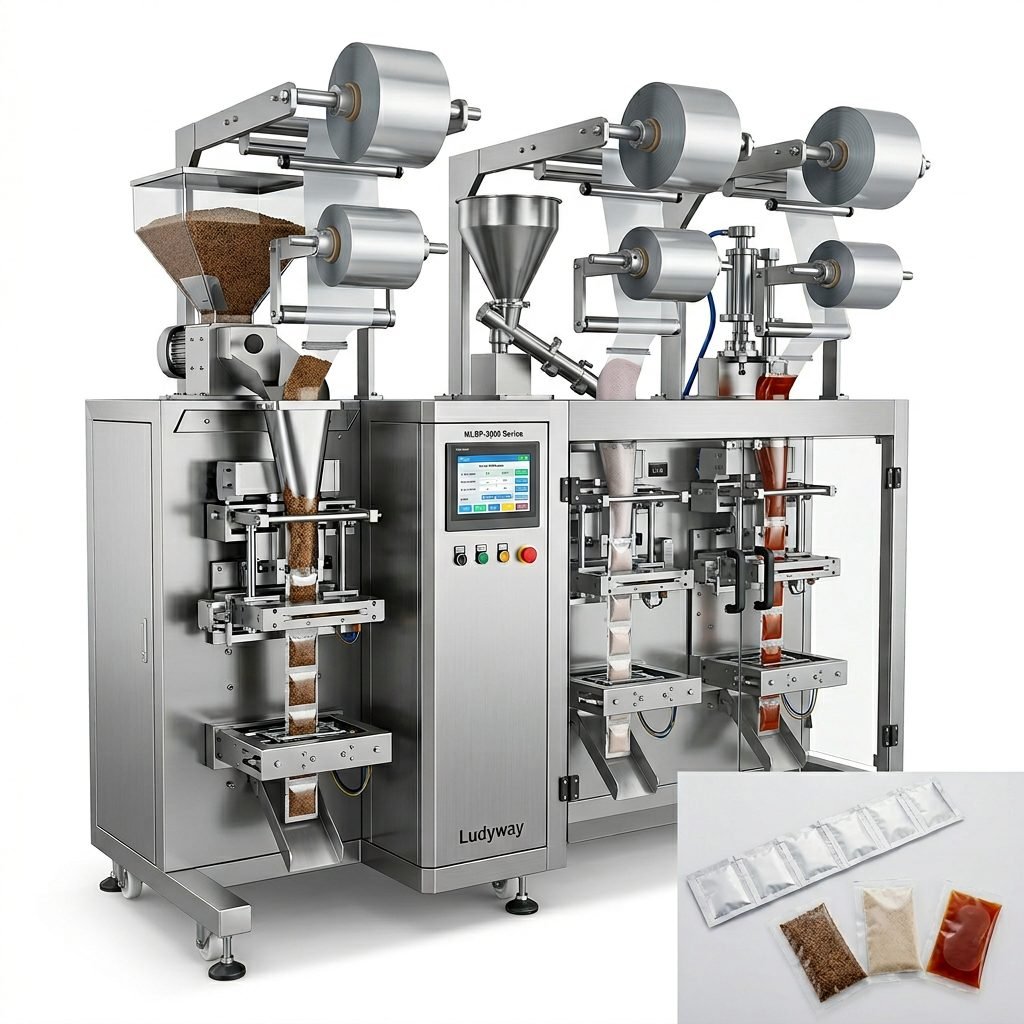
- Pack format: Are you filling pillow pouches, stand-up pouches, sachets, or stick packs? Each format requires specific forming, filling, and sealing mechanisms.
- Bag sizes: What are your minimum and maximum bag dimensions and fill weights?
- Packaging material: What type of film or laminate will you use? Heat-sealable, cold-seal, or pre-made pouches each need compatible sealing systems.
Key Factors to Evaluate When Selecting a Dal Packing Machine
1. Weighing and Filling Accuracy
Precision dosing is essential in dal packaging. Overfilling cuts into your margins, while underfilling leads to regulatory non-compliance and customer complaints. Modern dal packing machine options typically use one of these weighing technologies:
| Weighing System | Accuracy | Best For | Speed |
|---|---|---|---|
| Multi-head weigher | ±0.5–1.0g | High-speed lines, free-flowing dal | Up to 120 packs/min |
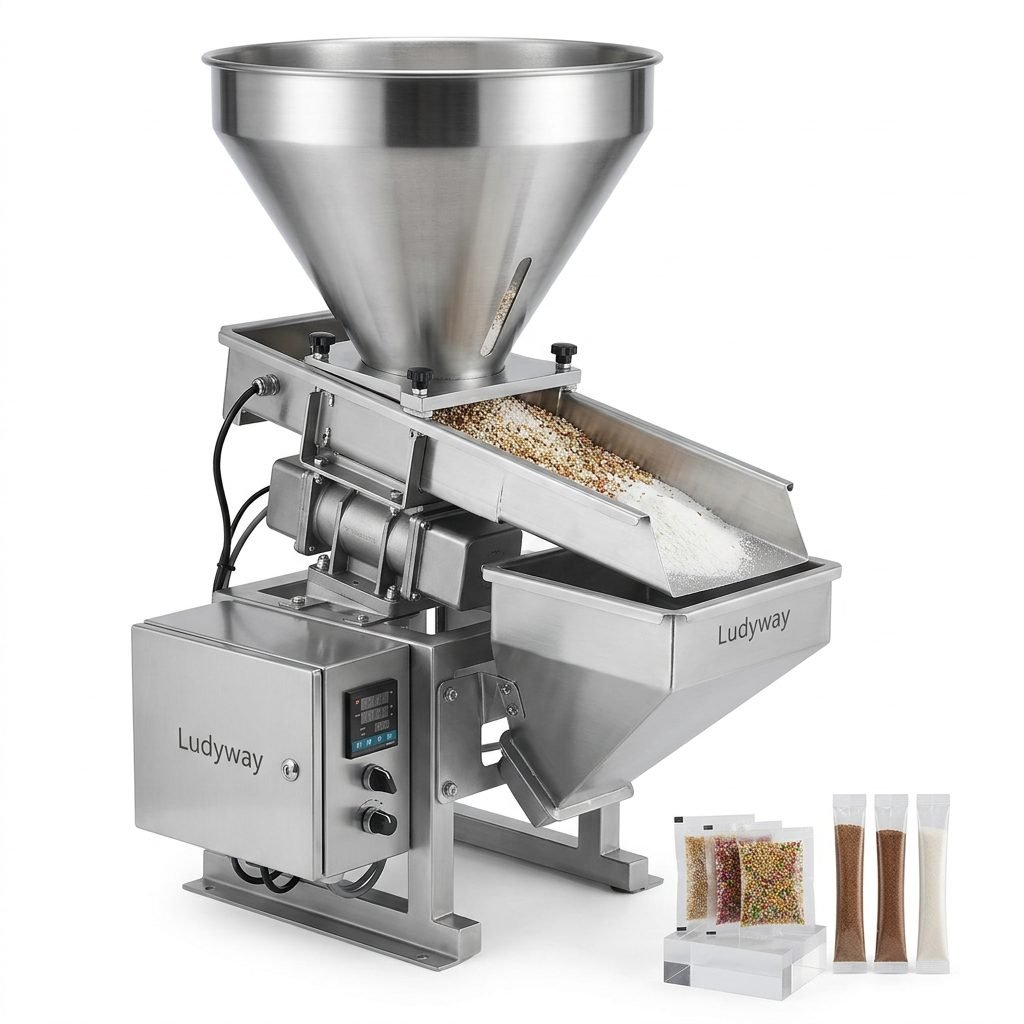
| Cup volumetric filler | ±1–2% by volume | Budget-conscious operations, uniform granule size | 30–60 packs/min |
| Auger filler | ±1–1.5% | Powdered or semi-processed dal products | 20–50 packs/min |
| Linear weigher | ±1–3g | Medium-speed applications, larger bag sizes | 10–30 packs/min |
For most commercial dal operations, a multi-head weigher offers the best balance of speed and accuracy. The ISO packaging standards provide useful benchmarks for acceptable fill tolerances in your target market.
2. Machine Speed and Automation Level
Production speed requirements vary dramatically across businesses. A small regional brand might operate comfortably at 20–30 packs per minute, while a national supplier may need 80–100 packs per minute or more. Your dal packing machine should align with both your current output and your growth projections over the next 3–5 years.
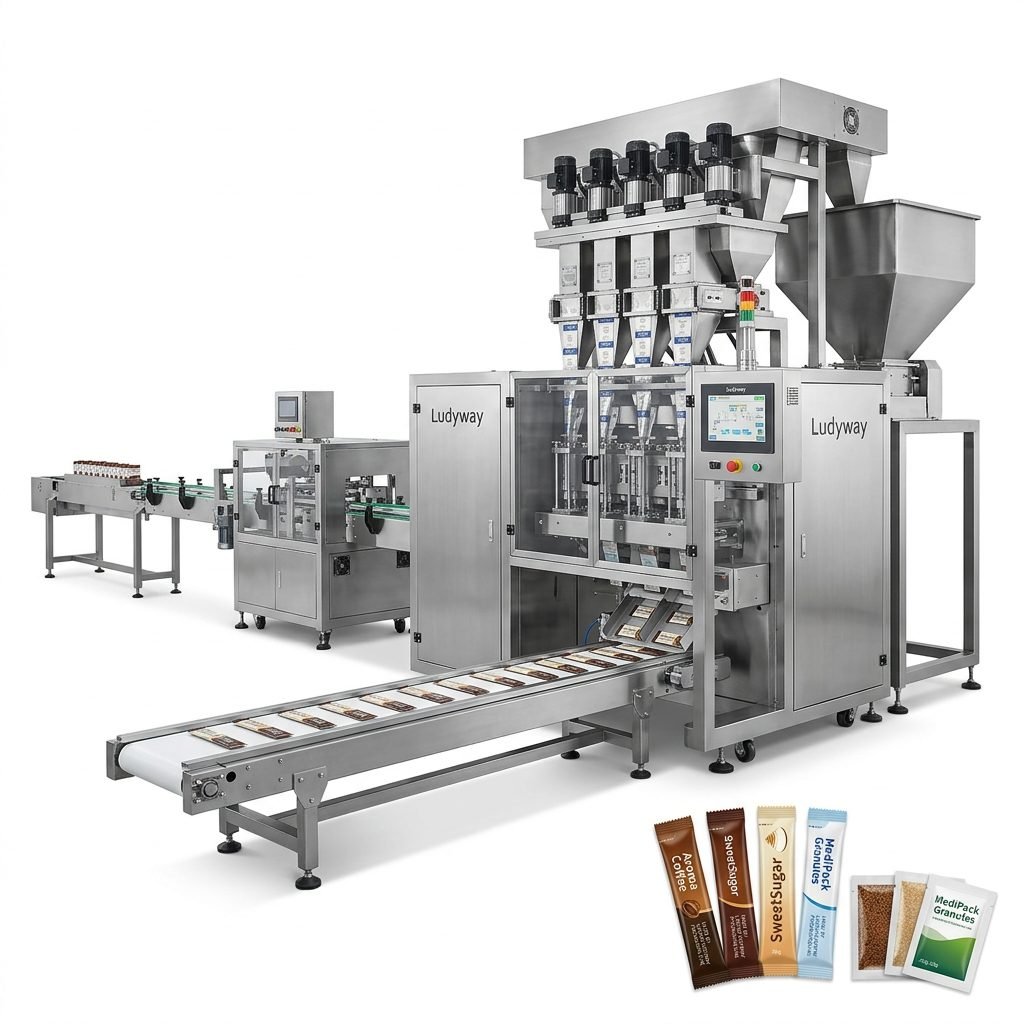
Automation level is equally important. Entry-level machines may require manual film loading and bag collection. Fully automated packaging lines integrate:
- Automatic film unwinding and tension control
- Servo-driven forming, filling, and sealing
- Inline date coding and batch printing
- Automated checkweighing and reject systems
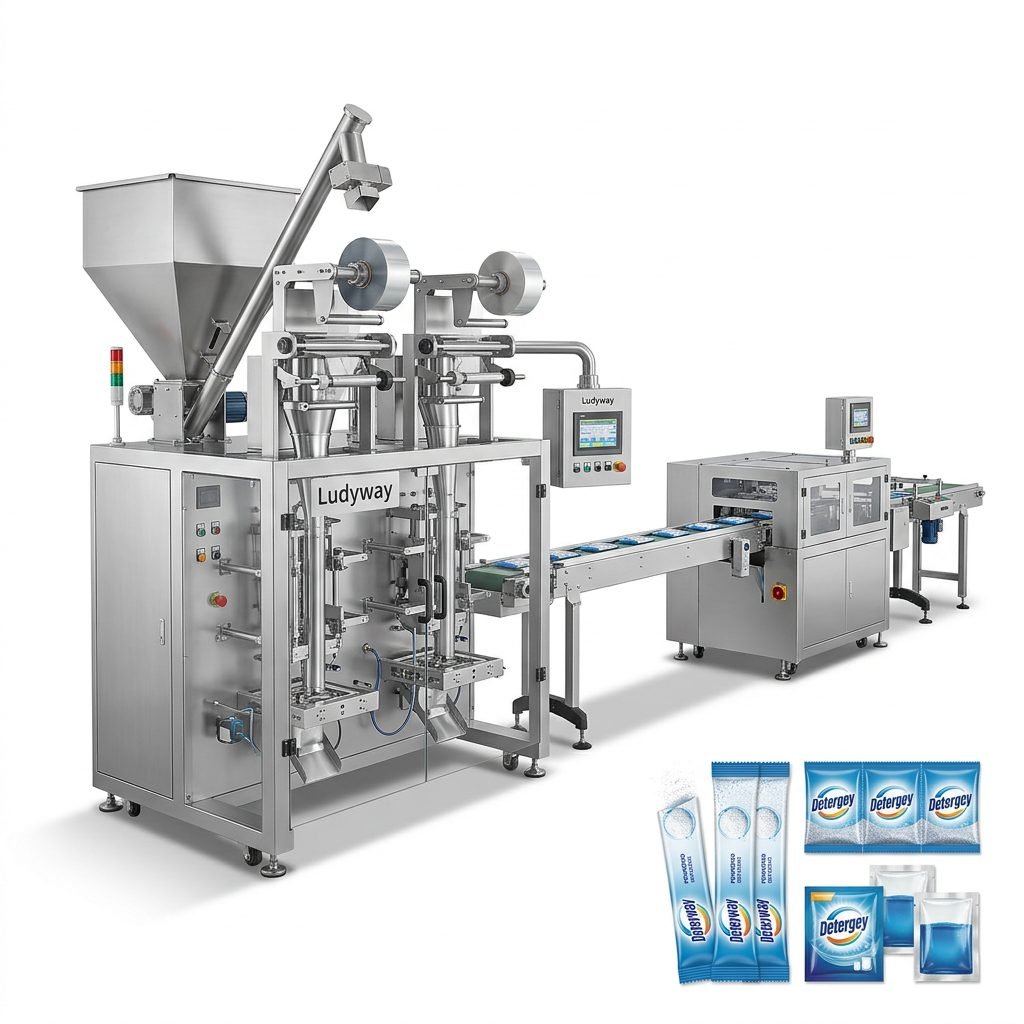
- Conveyor-based collection and cartoning
3. Sealing Integrity and Packaging Quality
Poor seals lead to product spoilage, contamination, and costly returns. Dal is particularly sensitive to moisture and pest infiltration, making seal quality non-negotiable. Look for machines with:
- Temperature-controlled sealing jaws with digital PID controllers
- Serrated or flat sealing options depending on your film type
- Gas flushing capability if you require nitrogen-modified atmosphere packaging for extended shelf life
- Tear-notch and perforation features for consumer convenience
4. Machine Construction and Hygiene Compliance
Food-grade packaging equipment must meet strict hygiene standards. When evaluating a dal packing machine, inspect the construction materials and design:
- Stainless steel (SS304 or SS316) for all product-contact surfaces
- Open-frame design for easy cleaning and maintenance access
- Tool-free disassembly of filling and sealing components
- IP65 or higher rated electrical enclosures for washdown environments
- Dust extraction compatibility to manage fine particulate generated during dal handling
5. Changeover Flexibility
If you package multiple dal varieties or bag sizes on the same line, quick changeover capability becomes critical. Modern machines feature:
- Recipe-based settings stored in the PLC
- Servo-driven adjustments for bag length and width
- Quick-release forming tubes and sealing jaws
- Digital controls that reduce changeover time to under 15 minutes
According to the Flexible Packaging Association, manufacturers who prioritize changeover efficiency see up to 25% higher overall equipment effectiveness compared to those running fixed-format machines.
Comparing Machine Types: Vertical Form Fill Seal vs. Premade Pouch
Two dominant machine architectures exist for dal packaging. Each has distinct advantages depending on your operation.
| Feature | Vertical Form Fill Seal (VFFS) | Rotary Premade Pouch Machine |
|---|---|---|
| Packaging material | Roll stock film | Pre-made pouches (stand-up, zipper, spout) |
| Speed | Higher (multi-lane capable) | Moderate (single or dual-lane) |
| Bag quality | Good; pillow or gusseted formats | Excellent; premium look with high shelf appeal |
| Initial cost | Lower to moderate | Higher machine and consumable cost |
| Best application | Bulk and standard retail dal packs | Premium, export, or branded dal products |
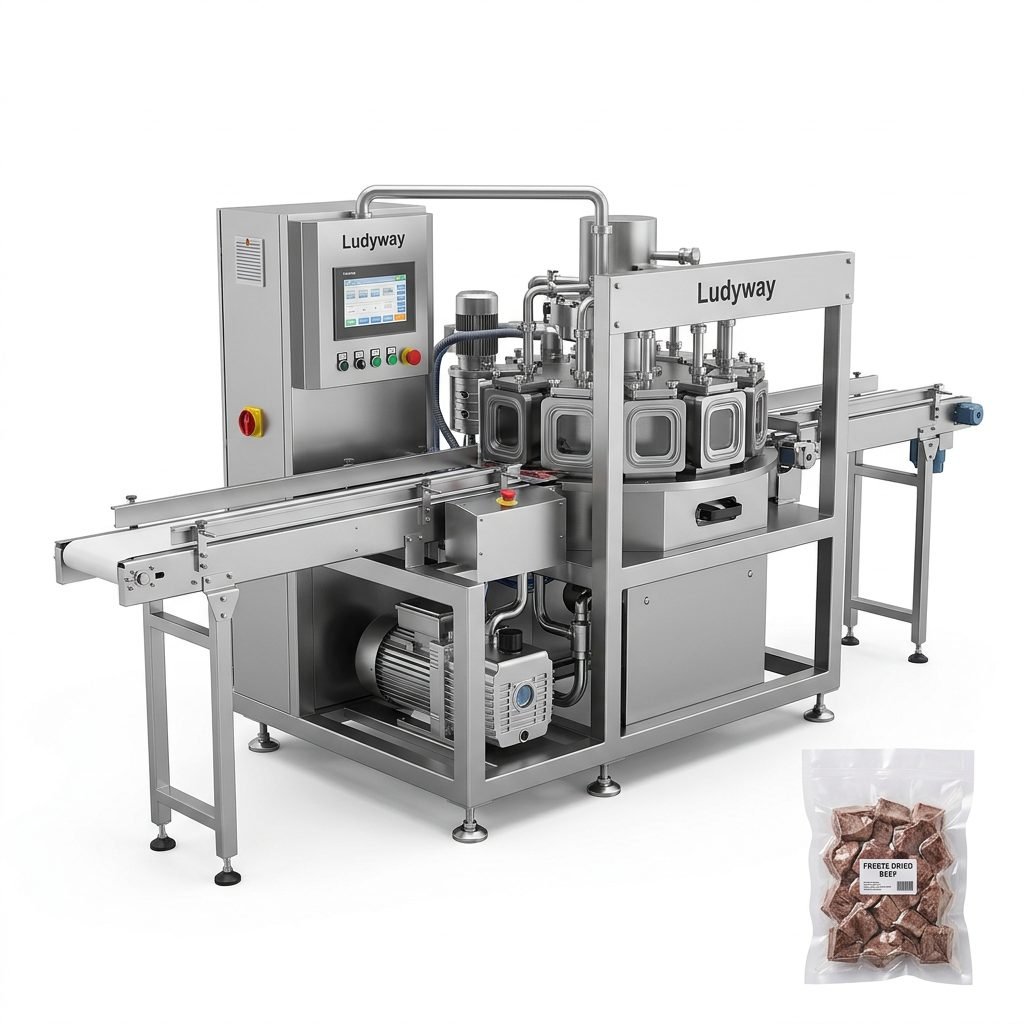
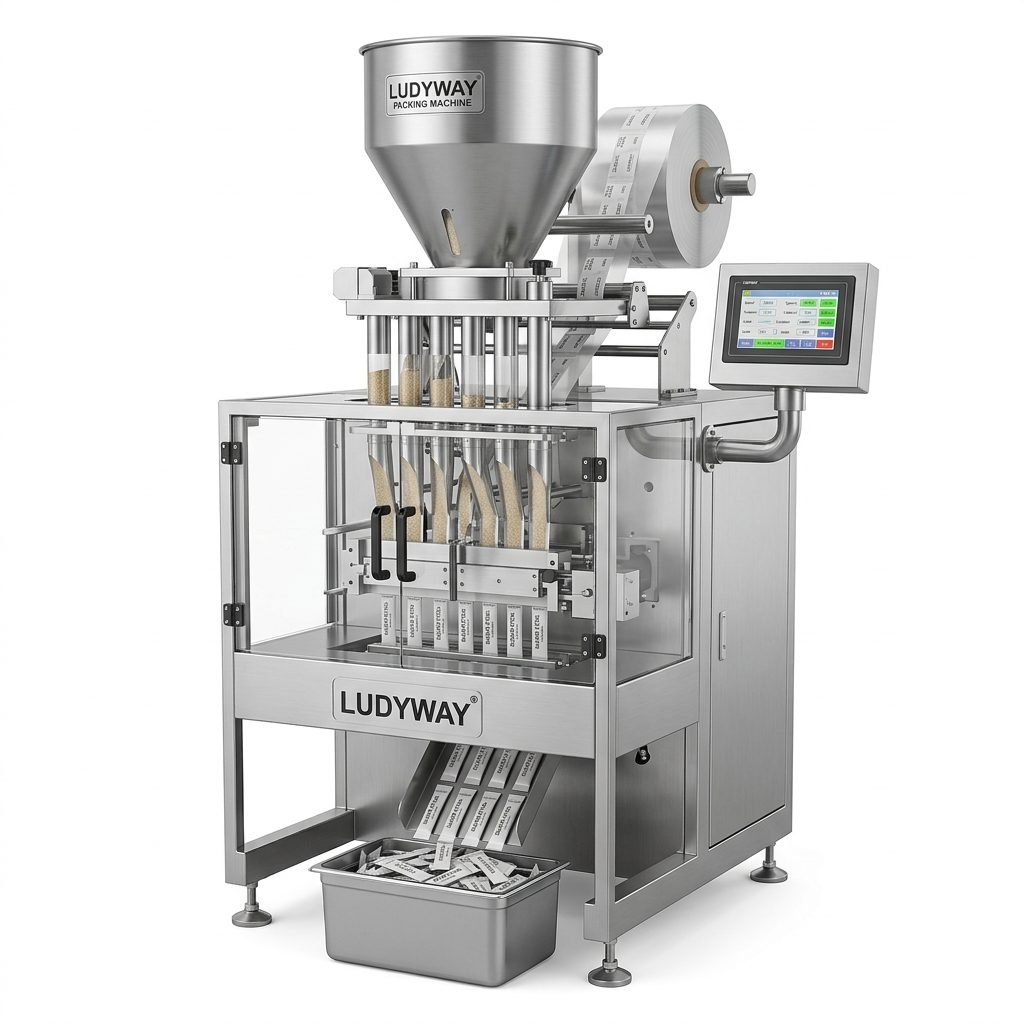
For most dal producers, a VFFS multi-lane machine offers the most cost-effective path to high-volume production. Premade pouch systems make sense for premium organic or export-focused brands where packaging aesthetics directly influence consumer purchase decisions.
Budget Considerations and ROI Analysis
A dal packing machine represents a significant capital investment. Prices vary widely based on automation level, speed, and country of manufacture:
- Entry-level semi-automatic machines: $8,000–$20,000
- Mid-range single-lane VFFS with multi-head weigher: $25,000–$60,000
- High-speed multi-lane systems: $70,000–$200,000+
- Complete turnkey packaging lines: $150,000–$500,000+
Rather than focusing solely on the purchase price, calculate your total cost of ownership including film consumption, labor savings, maintenance costs, and expected downtime. A machine that costs 30% more upfront but reduces product giveaway by 2% can deliver a positive ROI within 12–18 months. The PMMI business intelligence reports offer valuable industry benchmarks for packaging machinery ROI expectations across food sectors.
Evaluating Suppliers and After-Sales Support
Your relationship with the equipment manufacturer extends far beyond the initial sale. Before committing to a dal packing machine supplier, evaluate:
- Industry experience: How many years has the manufacturer specialized in food and pulses packaging?
- Installation and commissioning support: Does the supplier offer on-site setup and operator training?
- Spare parts availability: Are critical wear components stocked locally or available for express shipment?
- Technical support responsiveness: What are the guaranteed response times for remote and on-site service?
- Customization capability: Can the manufacturer adapt their standard machine to your specific dal product characteristics?
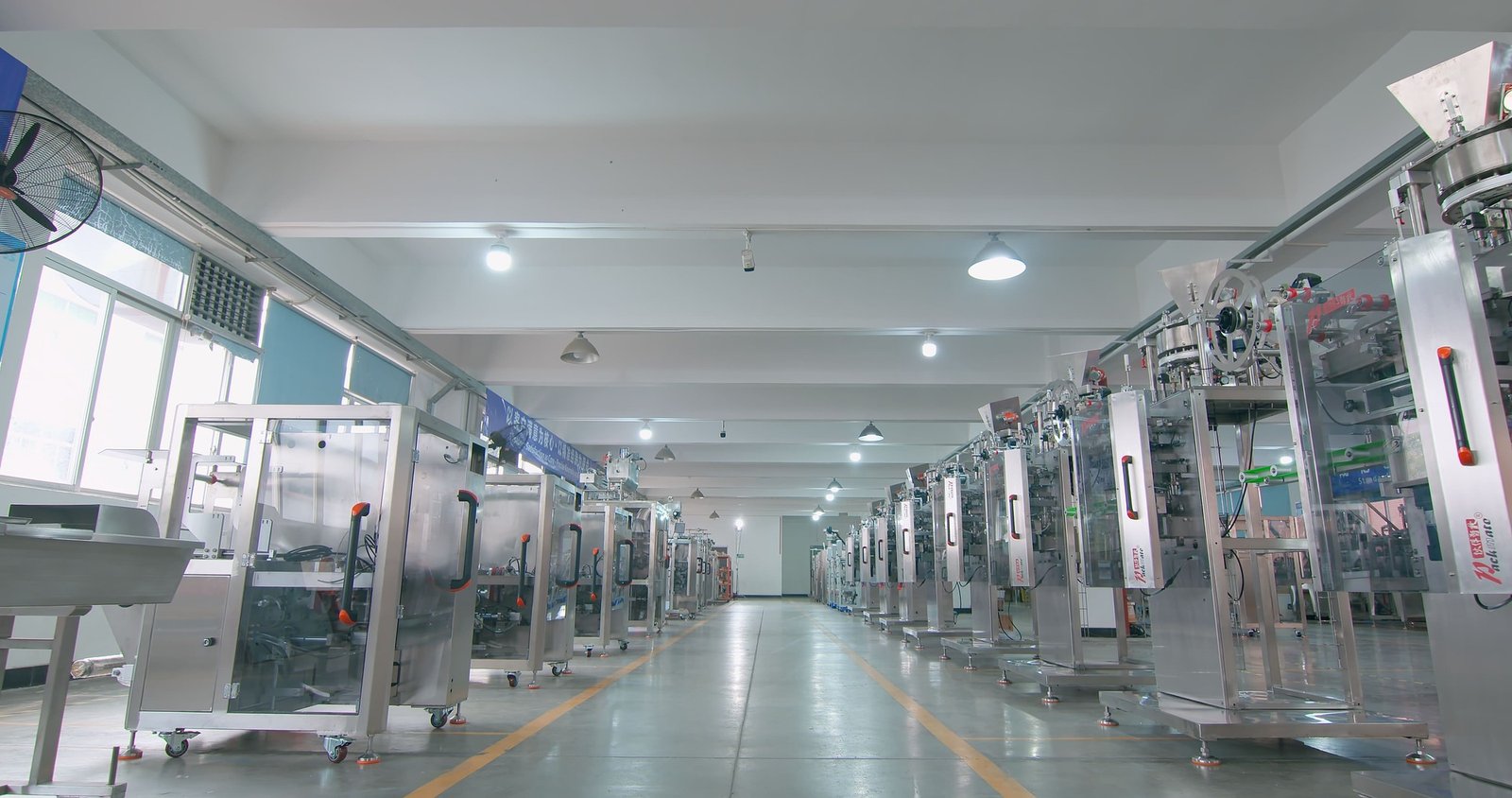
For example, Ludyway Machinery, a China-based packaging machinery manufacturer with over 30 years of experience and a 20,000-square-meter facility, provides customized dal packing machine solutions configured for different production speeds, filling volumes, bag formats, and automation levels. Working with an experienced partner who understands both the engineering and application side of pulses packaging can significantly reduce project risk.
Essential Features Checklist
Use this checklist when comparing different dal packing machine models and suppliers:
- Stainless steel construction on all food-contact surfaces
- Multi-head weigher with individual hopper adjustment
- Servo-driven film feed and sealing for precise control
- Digital temperature control with alarm functions
- User-friendly touchscreen interface with multi-language support
- Compatible with your target bag formats and sizes
- Gas flush and vacuum options if required
- Inline printing and coding integration
- CE, UL, or equivalent certifications for your market
- Documented spare parts list and maintenance schedule
Making the Final Decision
Selecting the right dal packing machine requires balancing multiple priorities: speed, accuracy, flexibility, hygiene, and budget. Start by clearly defining your production requirements, then systematically evaluate machines against those criteria rather than being swayed by impressive specifications that may not apply to your operation.
Where possible, arrange factory acceptance testing with your dal product to verify machine performance before shipment. This step alone can prevent costly surprises during installation. Request references from the manufacturer who packages similar dry food or pulses products, and ask about their long-term experience with the equipment.
With the right machine and a reliable packaging partner, you can achieve consistent pack quality, higher throughput, reduced product wastage, and a stronger position in the competitive pulses market. Take the time to evaluate thoroughly, and your investment will pay dividends for years to come.