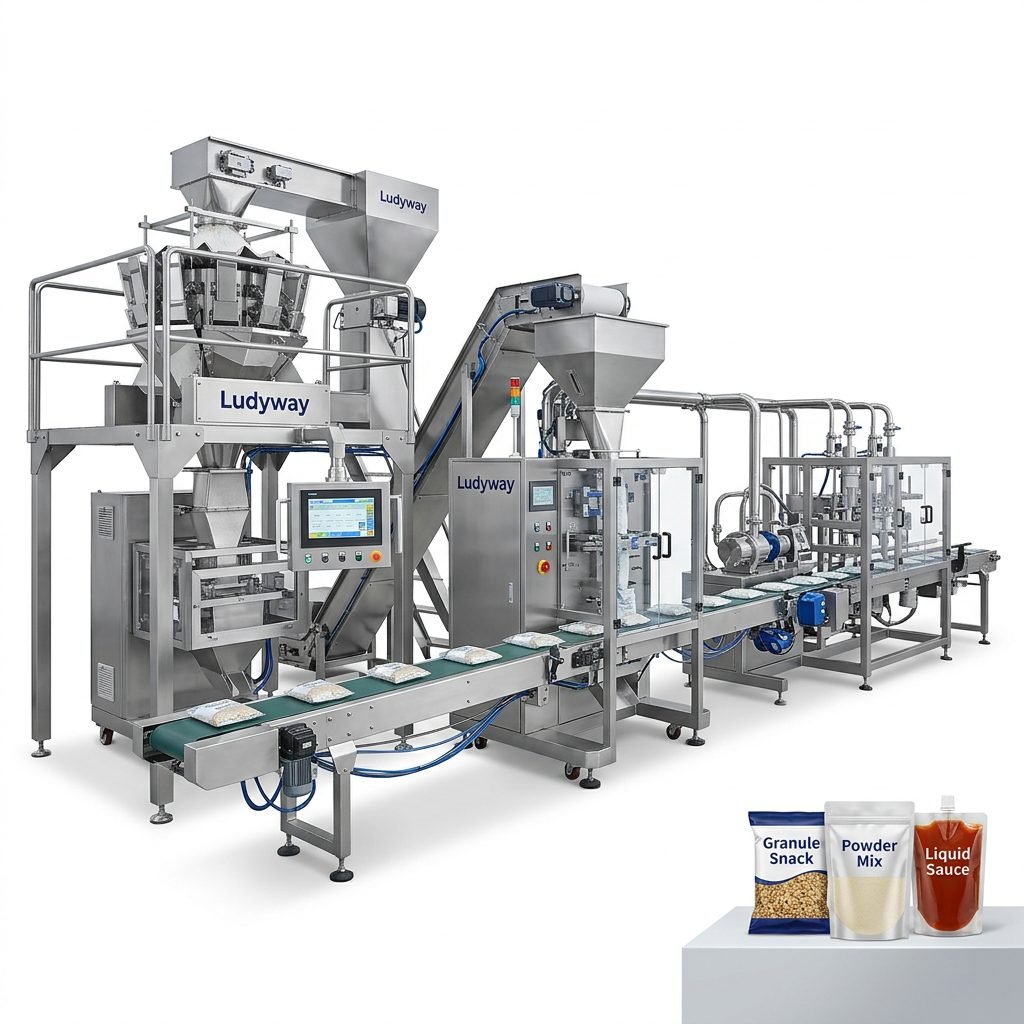
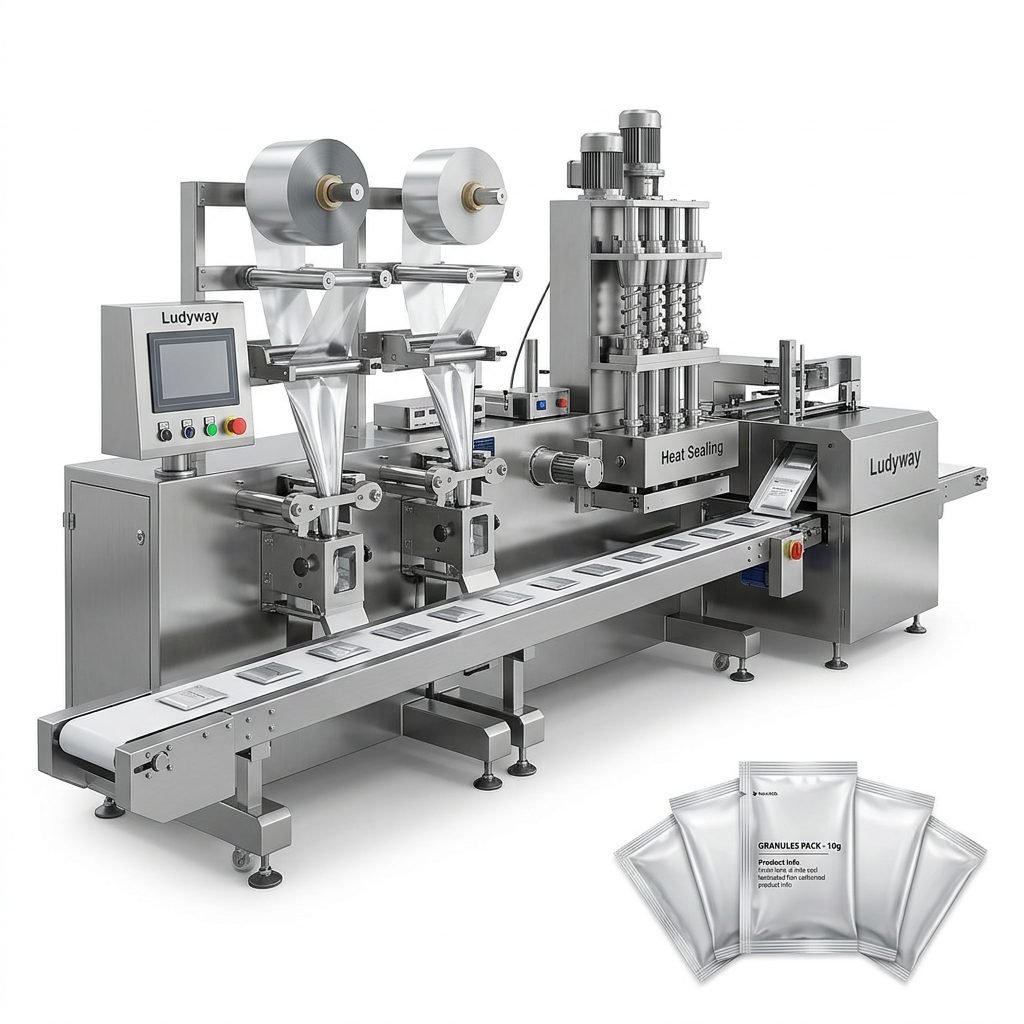
Investing in a nitrogen food packaging machine is a critical decision for food manufacturers looking to extend shelf life, preserve product freshness, and maintain quality during storage and transportation. Nitrogen flushing—also known as Modified Atmosphere Packaging (MAP)—replaces oxygen inside the package with inert nitrogen gas, significantly slowing oxidation, preventing spoilage, and protecting delicate food products from degradation. With the global food packaging machinery market continuing to expand, selecting the right nitrogen packaging equipment requires a thorough understanding of your product characteristics, production goals, and operational requirements. This comprehensive guide walks you through every factor you need to evaluate before making your purchase.
Why Nitrogen Packaging Matters for Food Products
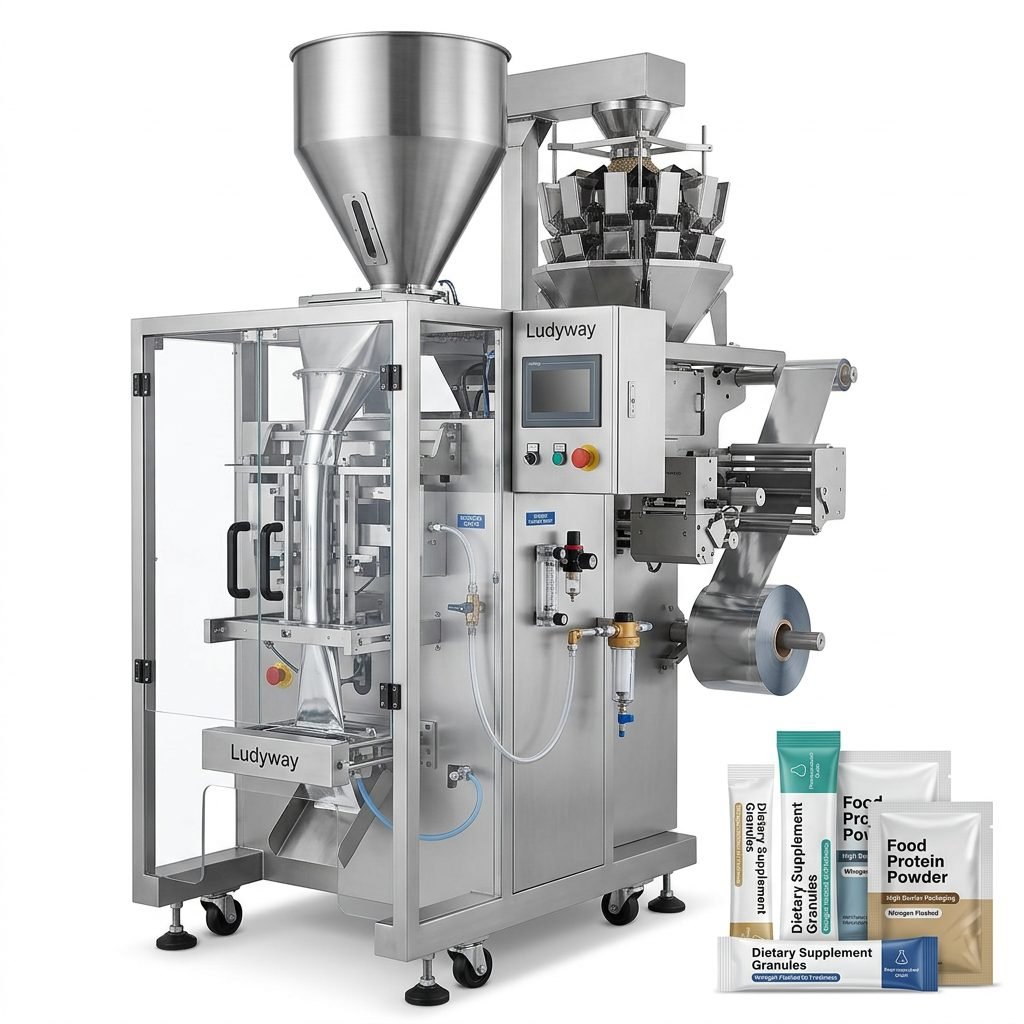
Oxygen is the primary enemy of many food products. When foods rich in fats, oils, or sensitive nutrients are exposed to oxygen, they undergo oxidative rancidity, leading to off-flavors, discoloration, and nutritional loss. Nitrogen is an inert, odorless, and tasteless gas that effectively displaces oxygen from the packaging environment. By reducing residual oxygen levels to below 1-2%, a properly configured nitrogen packaging system can double or triple the shelf life of products such as coffee, nuts, snacks, powdered milk, protein powders, dried fruits, and pharmaceutical-grade food supplements. According to industry research from the PMMI packaging industry association, modified atmosphere packaging technologies continue to see strong adoption across the food sector due to rising consumer demand for preservative-free, longer-lasting products.
Key Factors to Evaluate Before Choosing a Nitrogen Food Packaging Machine
Not all nitrogen packaging machines are built alike. The right choice depends on a combination of factors that go far beyond the initial purchase price. Below are the critical evaluation criteria you should prioritize during your selection process.
1. Product Type and Physical Characteristics
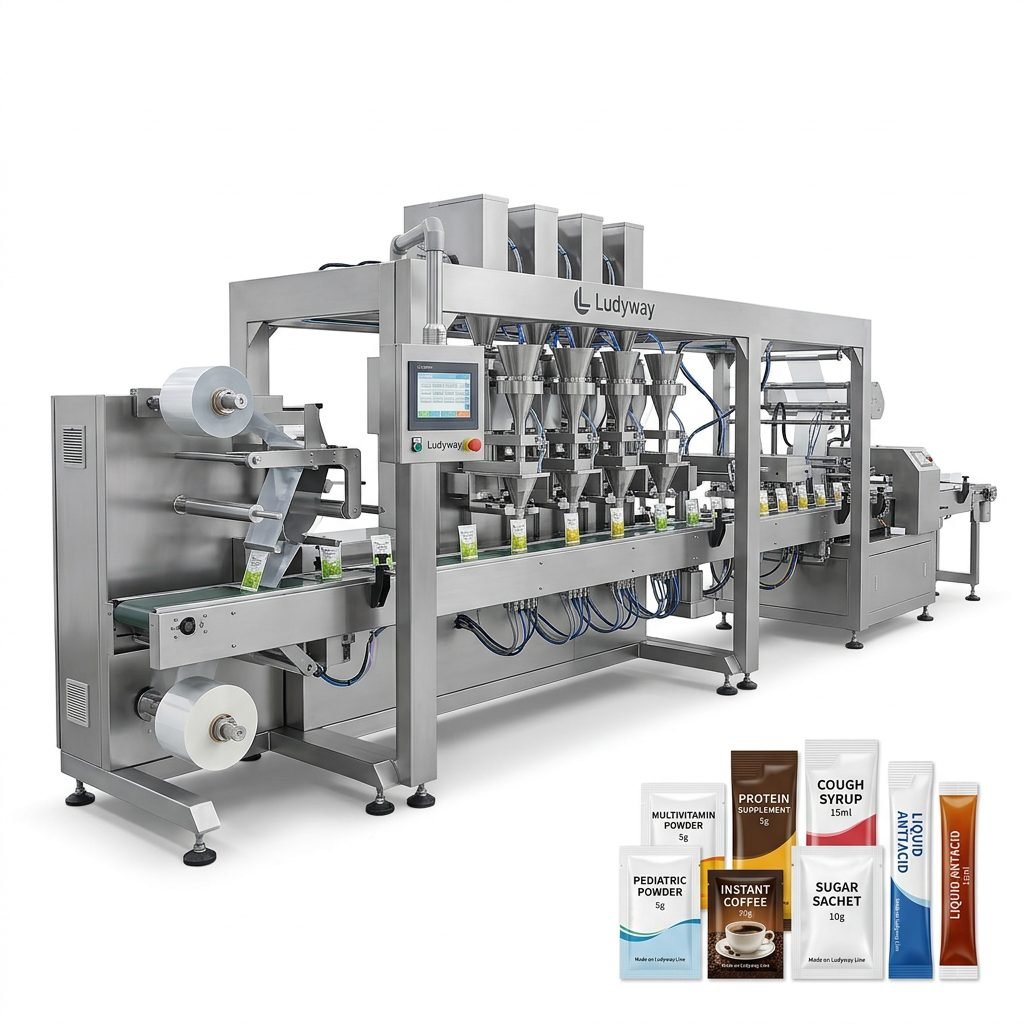
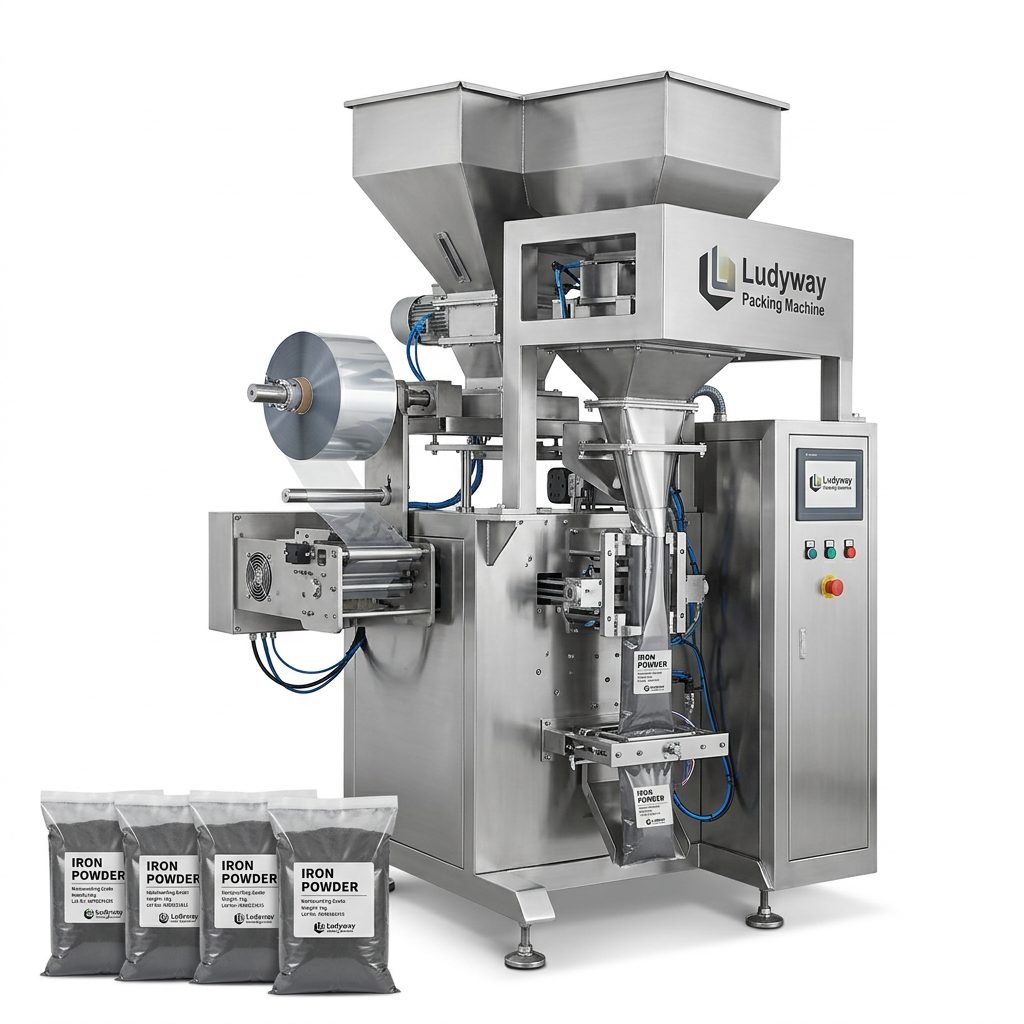
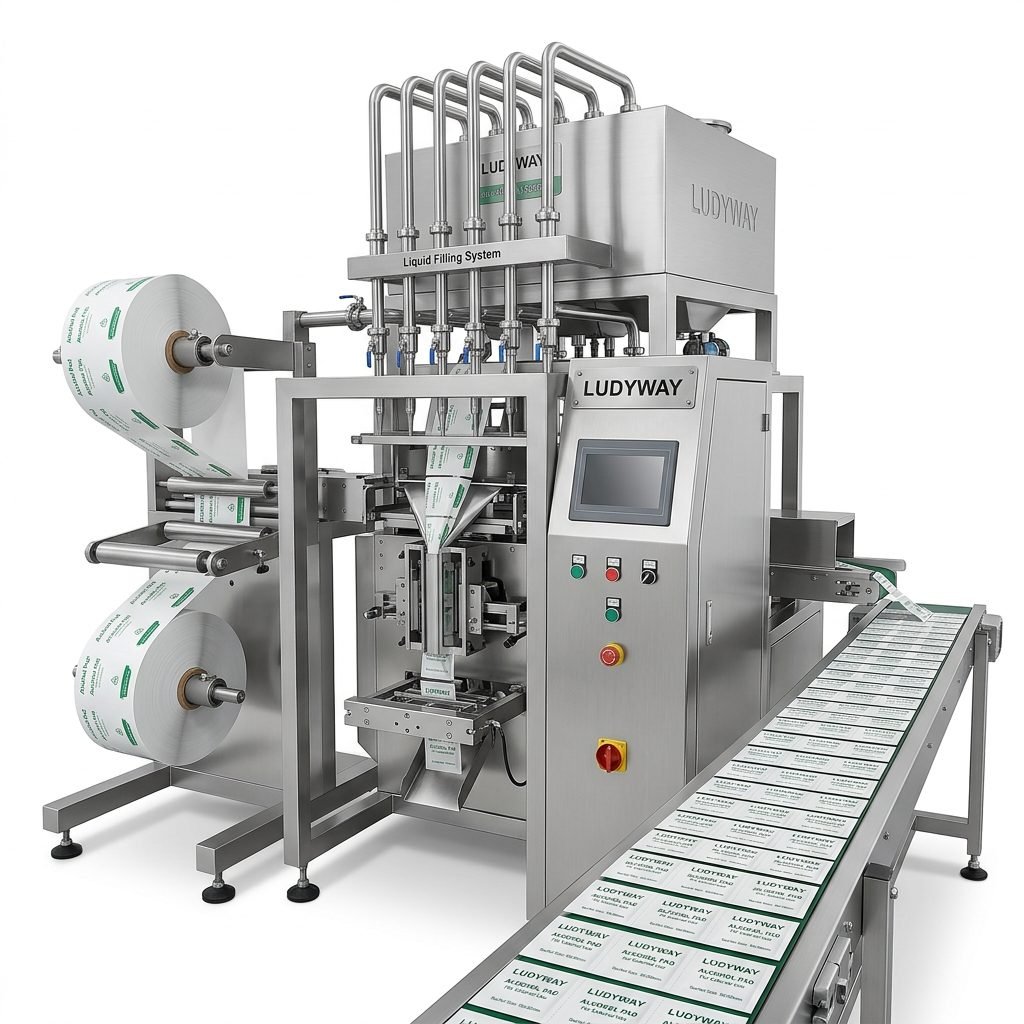
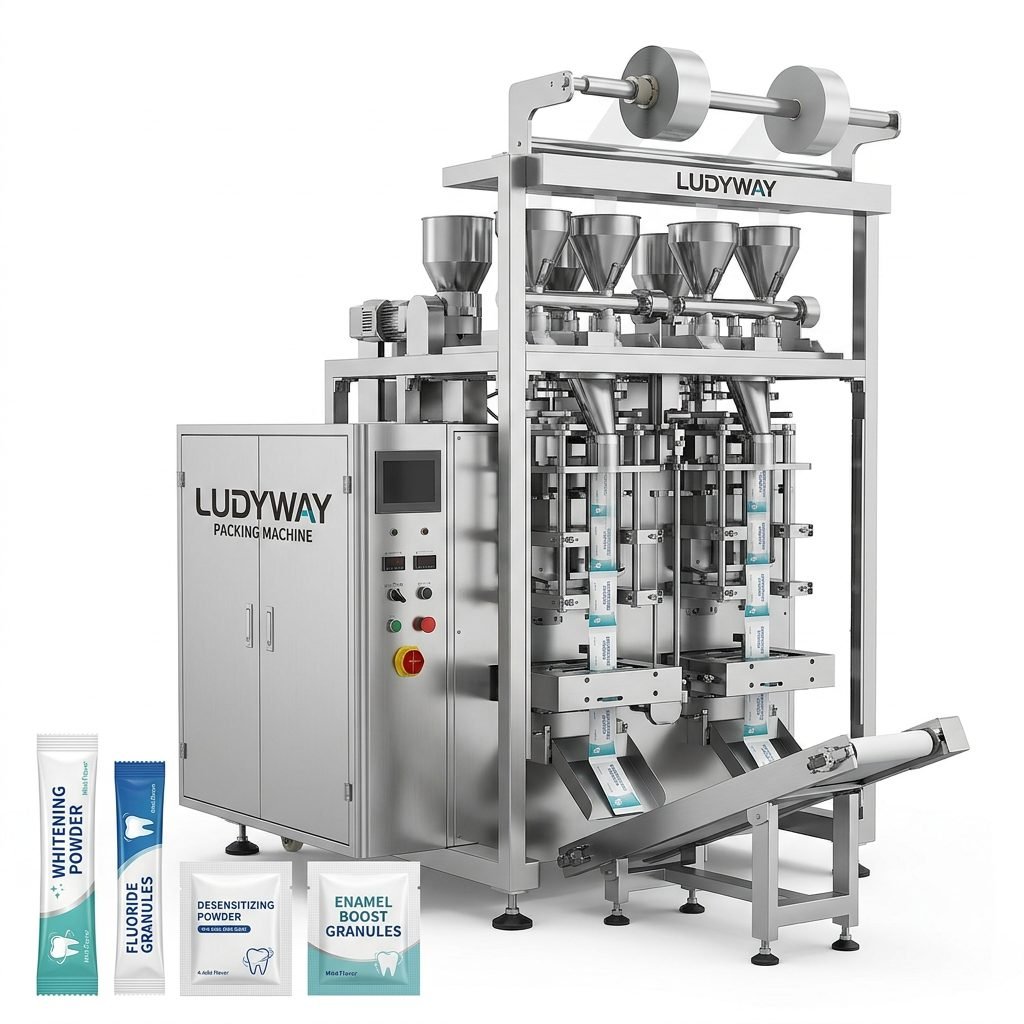
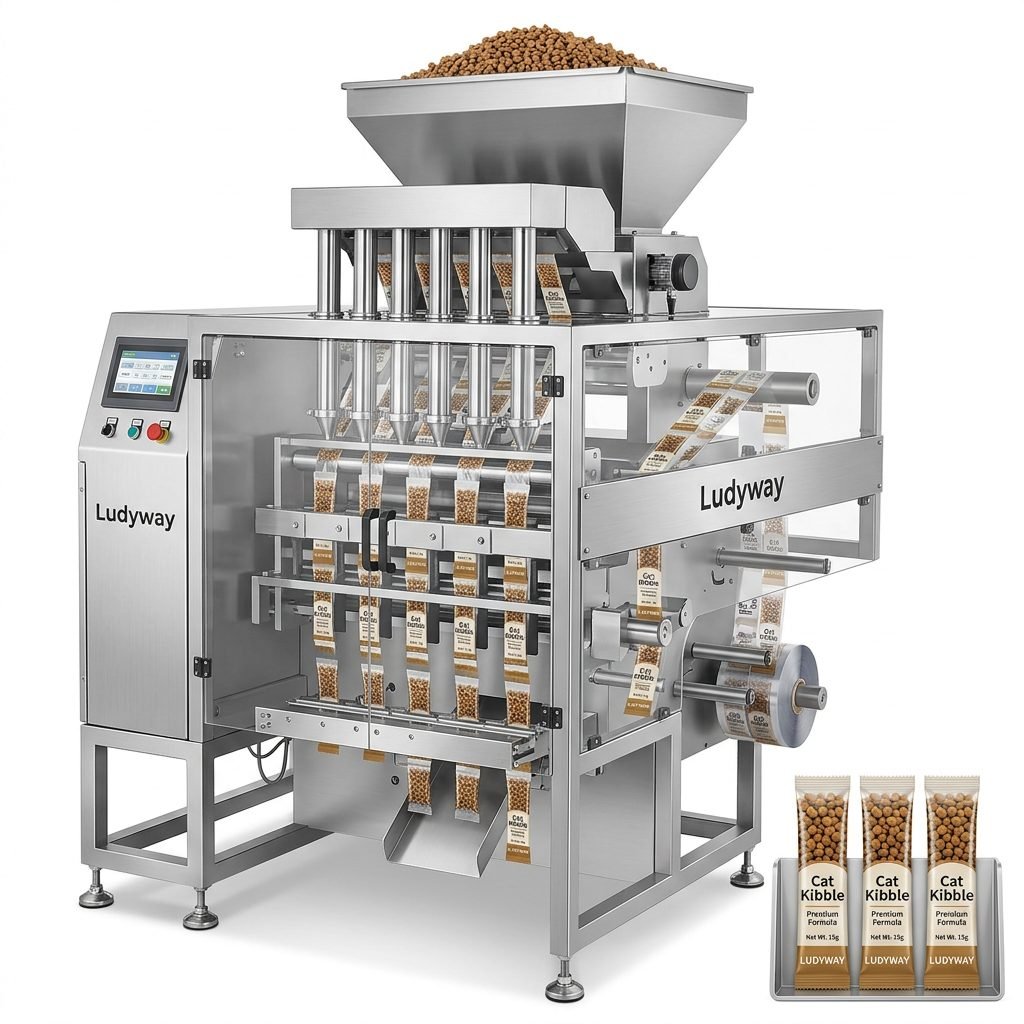
The physical form of your food product directly determines which packaging machinery configuration will work best. Granules and powders such as coffee grounds, spice blends, and protein powders require precision dosing systems and often benefit from multi-lane stick pack or sachet formats. Liquid products like edible oils, sauces, and beverages need specialized filling nozzles and sealing mechanisms. Solid or chunky foods including nuts, dried fruits, and snack mixes may require different feeding systems and bag formats. Always ensure the machine you evaluate has been tested with products similar to yours in terms of particle size, flowability, bulk density, and moisture content.
2. Packaging Format and Bag Style Requirements
The type of package your brand requires will narrow down your equipment options significantly. Common packaging formats for nitrogen-flushed food products include:
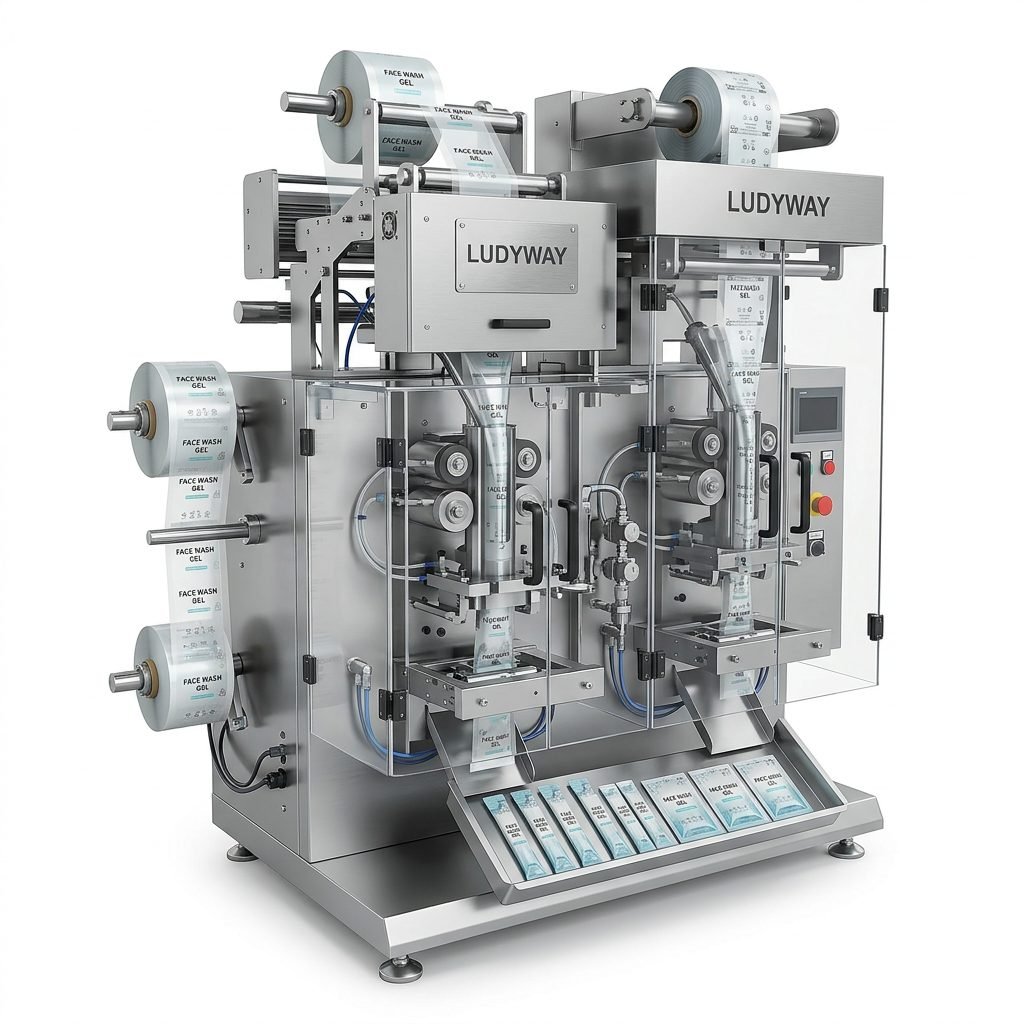
- Stick packs — narrow, single-serve sachets ideal for powders, instant coffee, and supplement servings
- Flat sachets — versatile pillow-style pouches for sauces, seasonings, and dry mixes
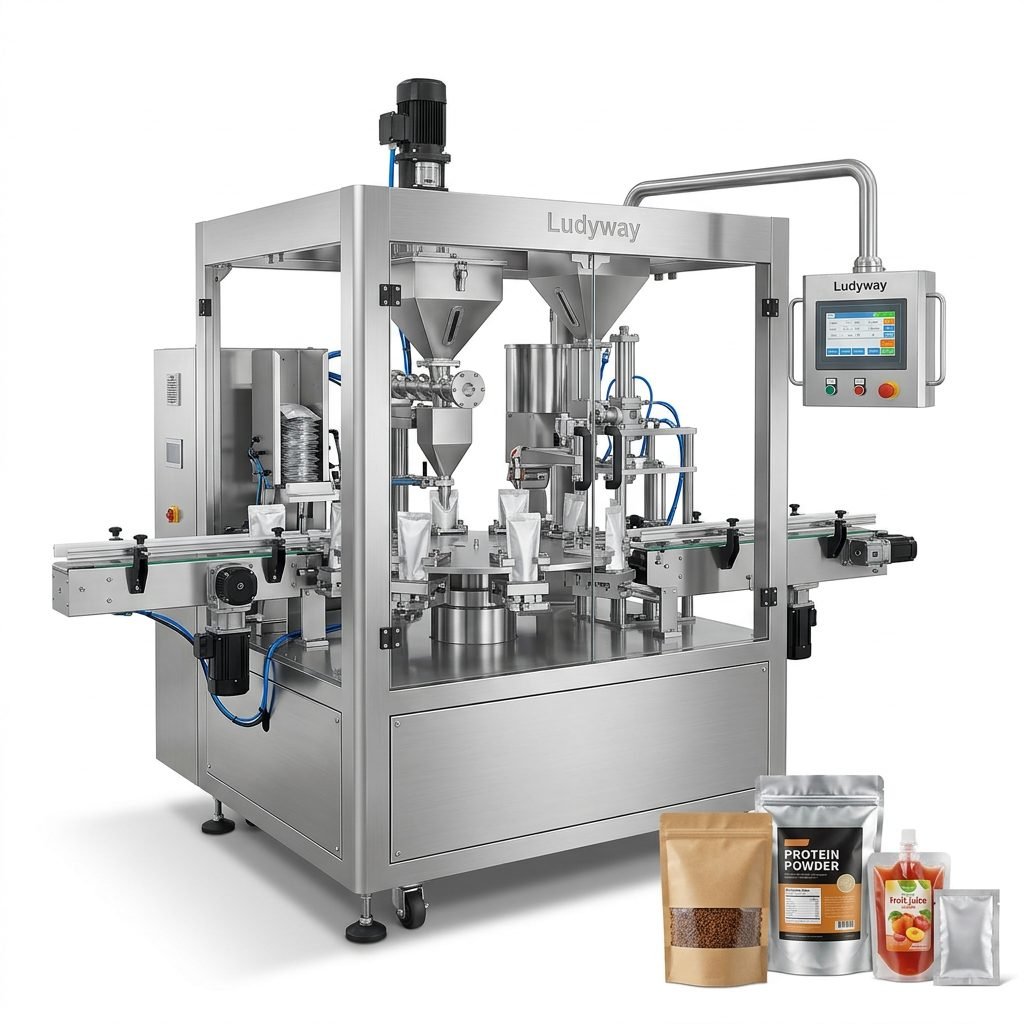
- Stand-up pouches — resealable formats with zippers, popular for snacks, nuts, and dried fruits
- Gusseted bags — expandable side-fold bags for bulk products like coffee beans and granola
- Premade pouches — ready-made bags that are filled and sealed, offering premium shelf appeal
Each format demands different forming, filling, and sealing technologies. The Flexible Packaging Association provides valuable industry data on packaging material trends that can influence your format choices. Ensure your selected machine supports the bag styles, dimensions, and material structures your product requires.
3. Production Speed and Capacity
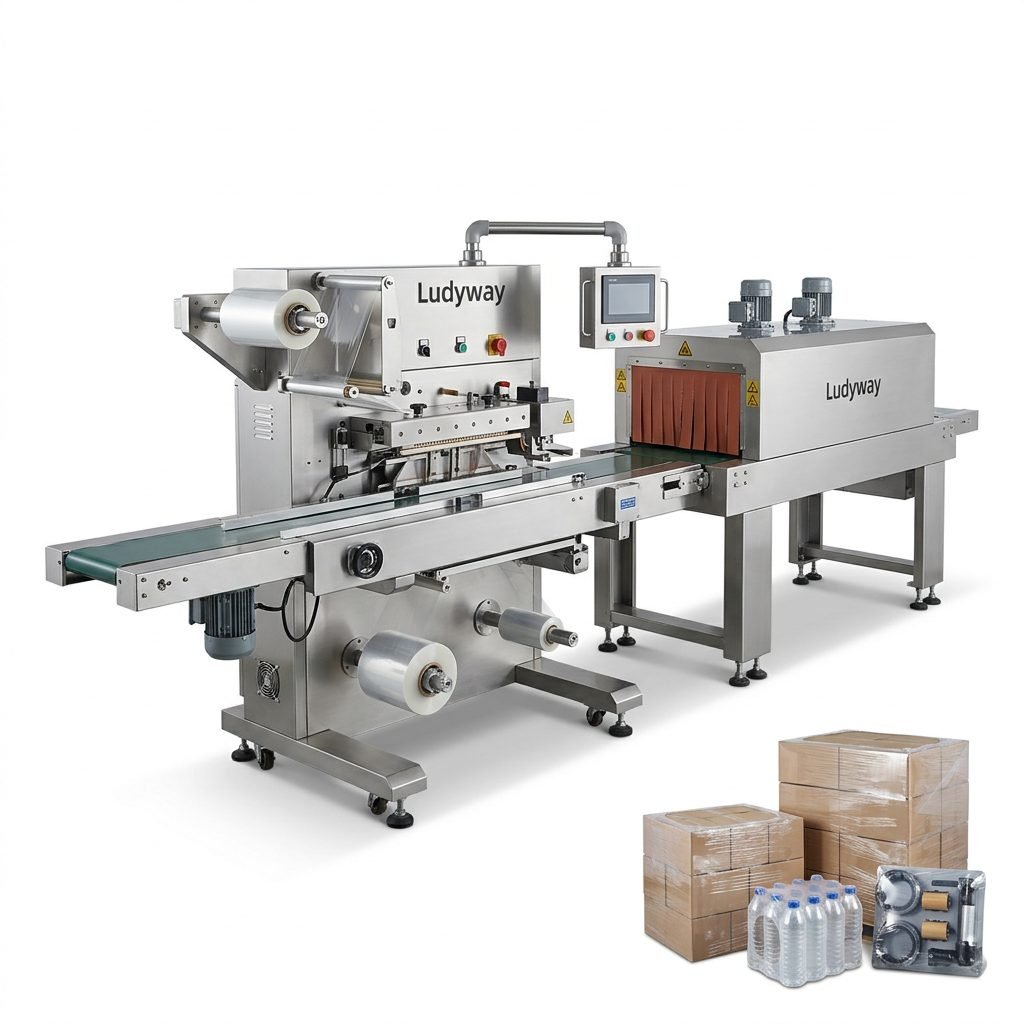
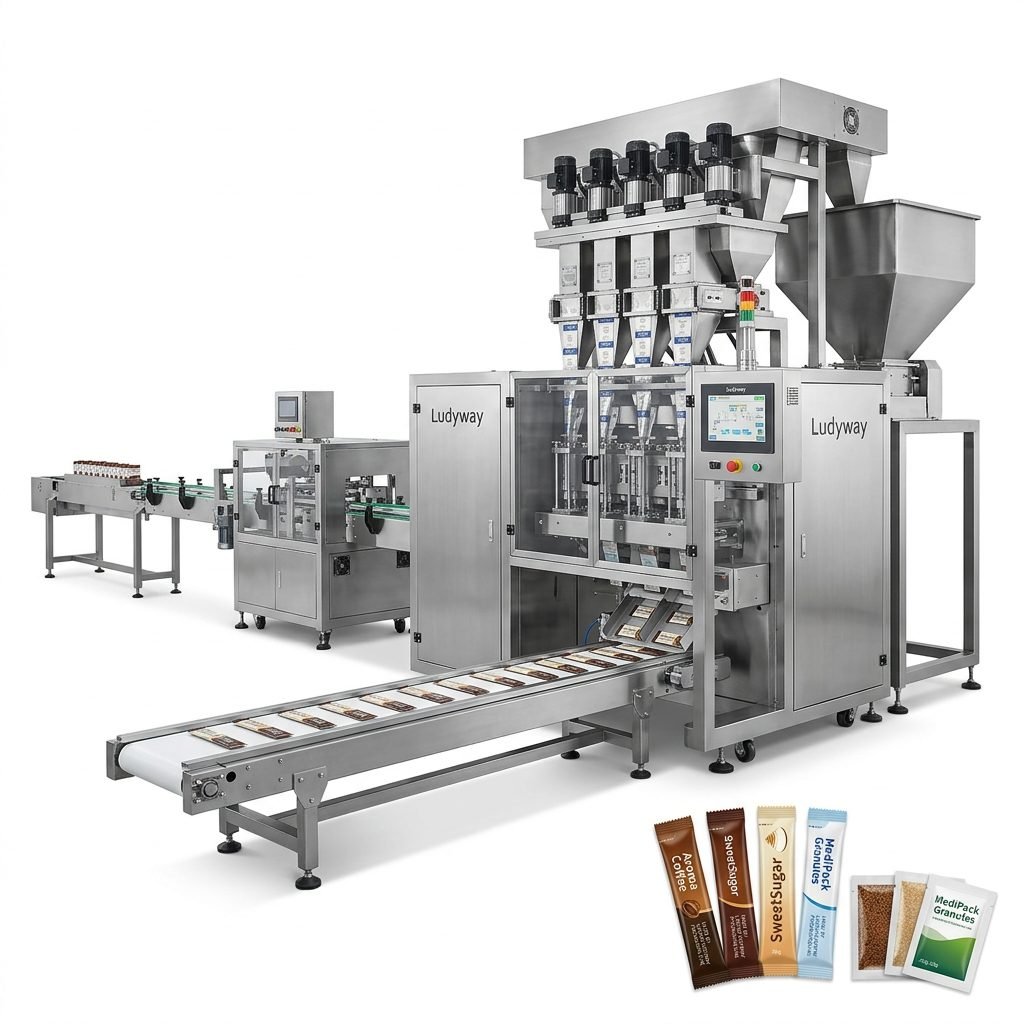
Your current and projected production volumes should guide the speed rating of your nitrogen food packaging machine. Machine throughput is typically measured in packs per minute (ppm) and can range from 30-60 ppm for smaller single-lane systems to over 400 ppm for high-speed multi-lane configurations. Consider not only your daily output requirements but also peak season demands, scalability for future growth, and the balance between automation level and labor costs. Multi-lane machines running 4, 6, 8, or more lanes simultaneously offer dramatically higher throughput and are increasingly common in high-volume food manufacturing environments.
Technical Specifications Comparison: Single-Lane vs. Multi-Lane Systems
The following table highlights the key differences between single-lane and multi-lane nitrogen packaging configurations to help you assess which approach aligns with your operational scale:
| Feature | Single-Lane System | Multi-Lane System |
|---|---|---|
| Typical Speed Range | 30–80 ppm | 120–400+ ppm |
| Ideal Production Volume | Low to medium | Medium to very high |
| Floor Space Requirement | Compact | Larger footprint |
| Initial Investment | Lower | Higher, but lower cost per unit |
| Changeover Flexibility | Easier and faster | More complex but manageable |
Residual Oxygen Control and Gas Flushing Technology
The effectiveness of your nitrogen packaging machine hinges on its ability to achieve and maintain low residual oxygen levels inside each package. Look for machines equipped with precision gas flushing systems that inject nitrogen at multiple stages—before filling, during the filling process, and immediately before sealing. Advanced systems include integrated oxygen analyzers that provide real-time monitoring and feedback control, ensuring consistent results across every production run. For products with very high sensitivity to oxidation, such as freeze-dried foods or high-fat nut products, target residual oxygen levels below 0.5%. Regulatory guidance from the FDA on food packaging and food contact substances should also be reviewed to ensure compliance with safety standards for food-grade gases and materials.
Material Compatibility and Film Handling
The packaging films used with nitrogen-flushed products often include multi-layer barrier laminates designed to prevent gas migration and moisture ingress. Your machine must be capable of handling these specialized materials without excessive waste, wrinkling, or seal failure. Key considerations include:
- Film thickness range — the machine should accommodate the micron or gauge range of your chosen laminates
- Sealing temperature control — precise, multi-zone temperature regulation prevents burn-through or weak seals
- Material registration — photo-eye or sensor-based systems for accurate print-to-cut alignment on pre-printed films
- Barrier property preservation — gentle film handling that avoids micro-perforations compromising the nitrogen barrier
Automation Level and Integration Capabilities
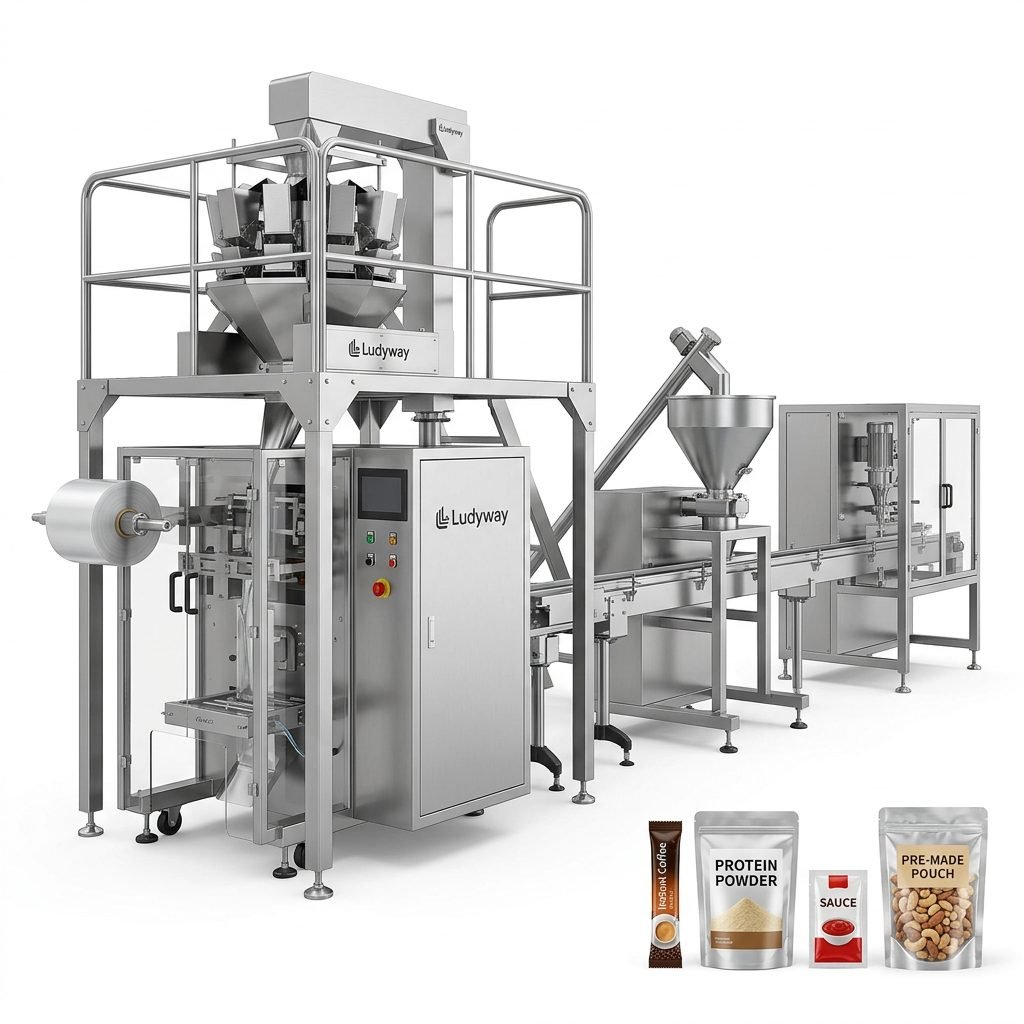
Modern nitrogen food packaging equipment ranges from semi-automatic units requiring manual product loading to fully automatic inline systems that integrate seamlessly with upstream and downstream processes. Evaluate whether you need a standalone packaging machine or a complete packaging line that includes automatic feeding, weighing, filling, nitrogen flushing, sealing, coding, inspection, and cartoning. Full integration reduces labor costs, minimizes human error, and improves overall equipment effectiveness (OEE). Many manufacturers now offer packaging solutions that can be configured with multi-lane packaging systems, automated dosing, and robotic pick-and-place modules for end-of-line cartoning.
Sanitary Design and Cleanability
Food safety regulations demand that packaging machinery be designed for thorough cleaning and sanitization. Look for machines constructed with stainless steel contact surfaces, sloped surfaces that prevent product accumulation, tool-free disassembly for quick changeovers, and sealed electrical enclosures that withstand washdown environments. Compliance with international standards such as ISO packaging standards and relevant GMP (Good Manufacturing Practice) guidelines should be verified before purchase. Machines designed with hygienic principles reduce cross-contamination risks and simplify compliance audits.
Budget, ROI, and Total Cost of Ownership
While the upfront cost of a nitrogen food packaging machine is an important consideration, smart buyers evaluate total cost of ownership (TCO) over the expected service life of the equipment. TCO factors include:
- Energy consumption — compressed air and electricity usage for heating, sealing, and controls
- Nitrogen gas consumption — efficiency of the gas flushing system directly impacts ongoing operational costs
- Spare parts availability — accessible, reasonably priced wear components reduce downtime
- Film waste rates — machines with better tension control and registration accuracy waste less material
- Labor requirements — more automated systems reduce operator oversight needs
- Maintenance and service contracts — proactive support prevents costly unplanned stoppages
A machine with a higher initial investment but lower operating costs and better reliability often delivers faster payback than a cheaper alternative with hidden ongoing expenses.
After-Sales Support and Technical Service
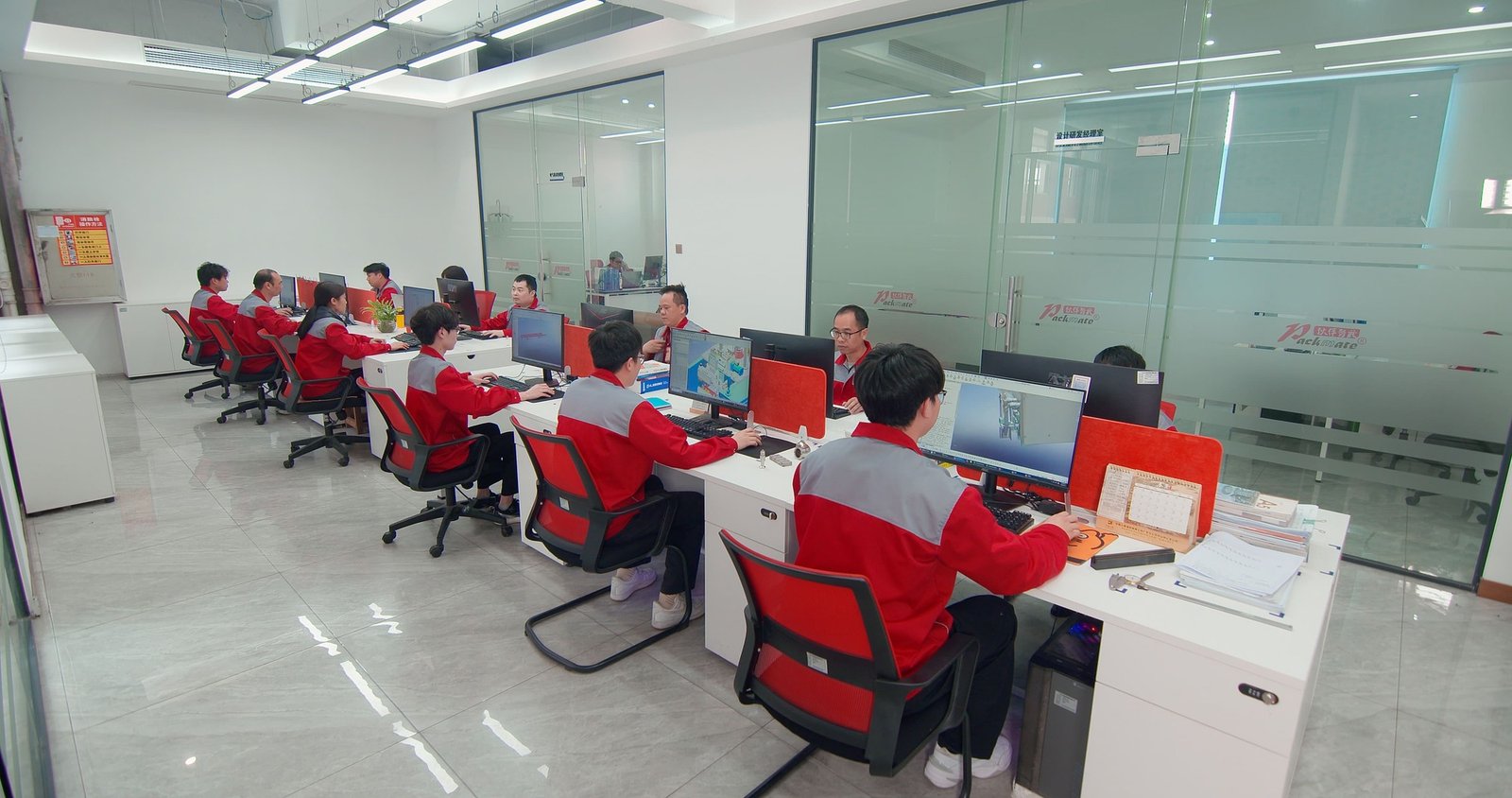
Packaging machinery is a long-term investment, and the quality of after-sales support can make or break your production efficiency. When evaluating suppliers, investigate their capabilities in installation and commissioning, operator training, remote technical support, spare parts inventory and delivery speed, and field service availability in your region. A reliable packaging machinery partner provides ongoing engineering support throughout the equipment lifecycle. For example, Ludyway Machinery, a China-based packaging machinery manufacturer with over 30 years of experience, serves customers in more than 100 countries with comprehensive technical support spanning machine selection, installation, training, troubleshooting, and spare parts supply—an approach that helps manufacturers maintain consistent packaging operations globally.
Key Questions to Ask Potential Suppliers
Before finalizing your decision on a nitrogen food packaging machine, ask the following questions to every shortlisted supplier:
- Has this machine model been tested with products similar to mine in terms of particle size, density, and flow characteristics?
- What residual oxygen level can the system reliably achieve, and can this be validated during commissioning?
- What is the expected lifespan of key wear components such as sealing jaws, belts, and filling nozzles?
- Is remote diagnostic capability available to troubleshoot issues without waiting for an on-site technician?
- Can the machine be upgraded or expanded in the future if my production requirements change?
- What documentation is provided for regulatory compliance, including material certifications and safety standards?
Industry Trends Shaping Nitrogen Packaging Technology
The nitrogen food packaging landscape continues to evolve with several notable trends influencing equipment design and capabilities. Smart packaging integration is on the rise, with machines incorporating IoT sensors for real-time performance monitoring and predictive maintenance. Sustainability pressures are driving demand for machines compatible with recyclable mono-material films and reduced material thicknesses while maintaining barrier properties. Flexible manufacturing requirements are pushing equipment designers toward rapid-changeover systems that allow one machine to handle multiple package formats with minimal downtime. Staying informed about these trends through resources like the PMMI Business Intelligence Library can help you future-proof your investment.
Making the Final Decision
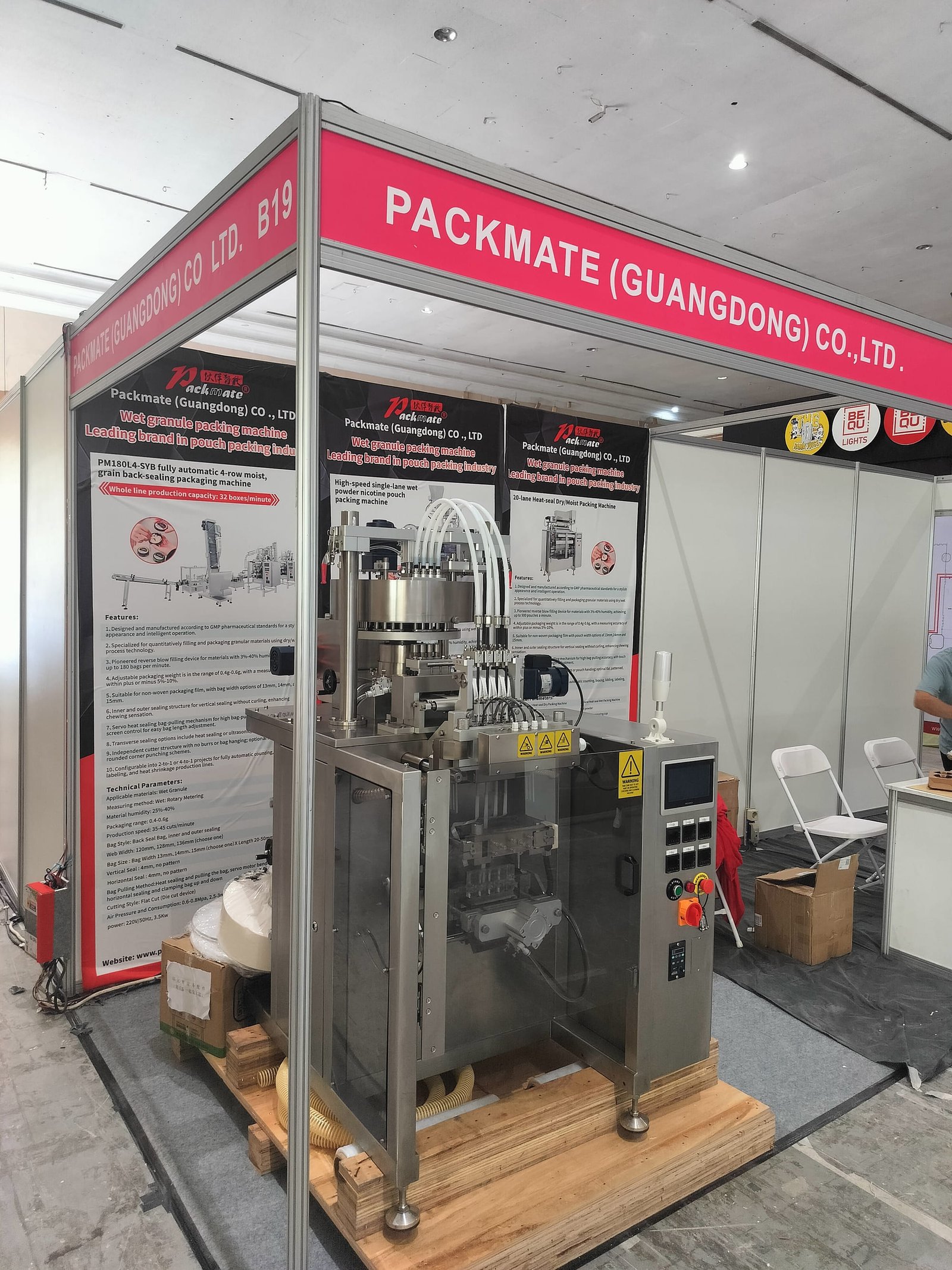
Choosing the right nitrogen food packaging machine requires balancing technical specifications, production requirements, budget constraints, and supplier capabilities. Start by thoroughly defining your product characteristics and packaging goals. Evaluate machines based on their proven performance with similar applications rather than brochure specifications alone. Visit supplier facilities or request video demonstrations of the equipment running your actual product whenever possible. Prioritize suppliers who offer customized packaging solutions rather than one-size-fits-all approaches, as product-specific engineering often makes the difference between marginal and excellent packaging results. By taking a methodical, requirements-driven approach to equipment selection, you can secure a nitrogen packaging system that delivers consistent quality, operational reliability, and strong return on investment for years to come.