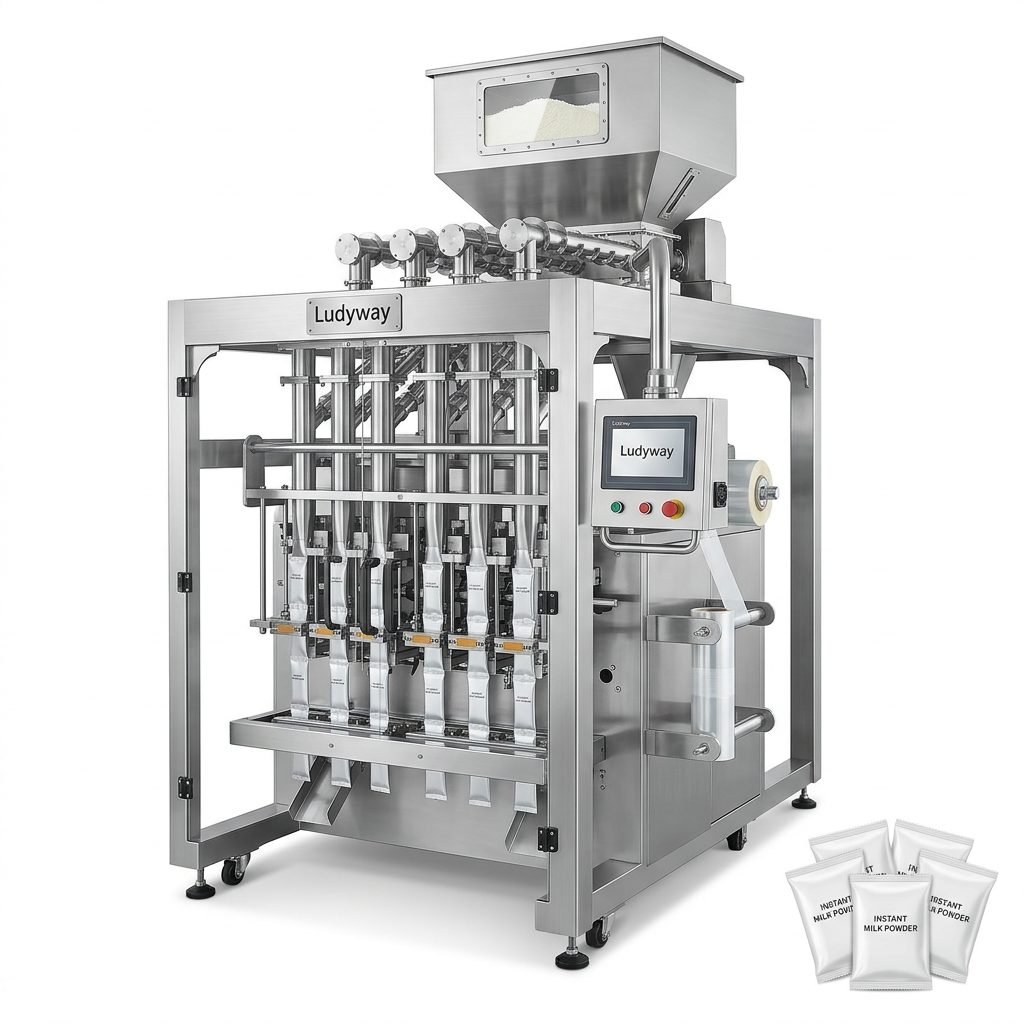
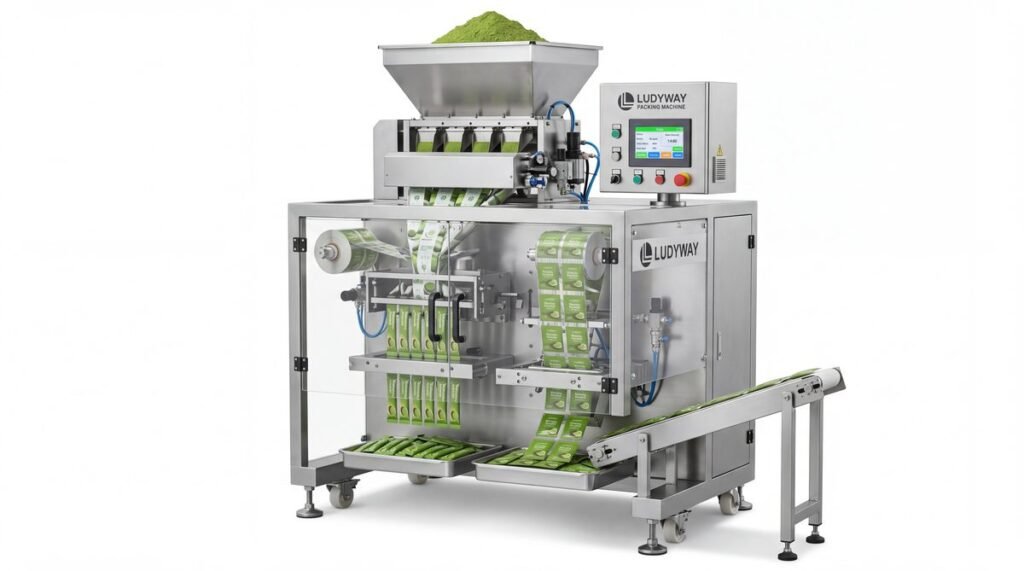
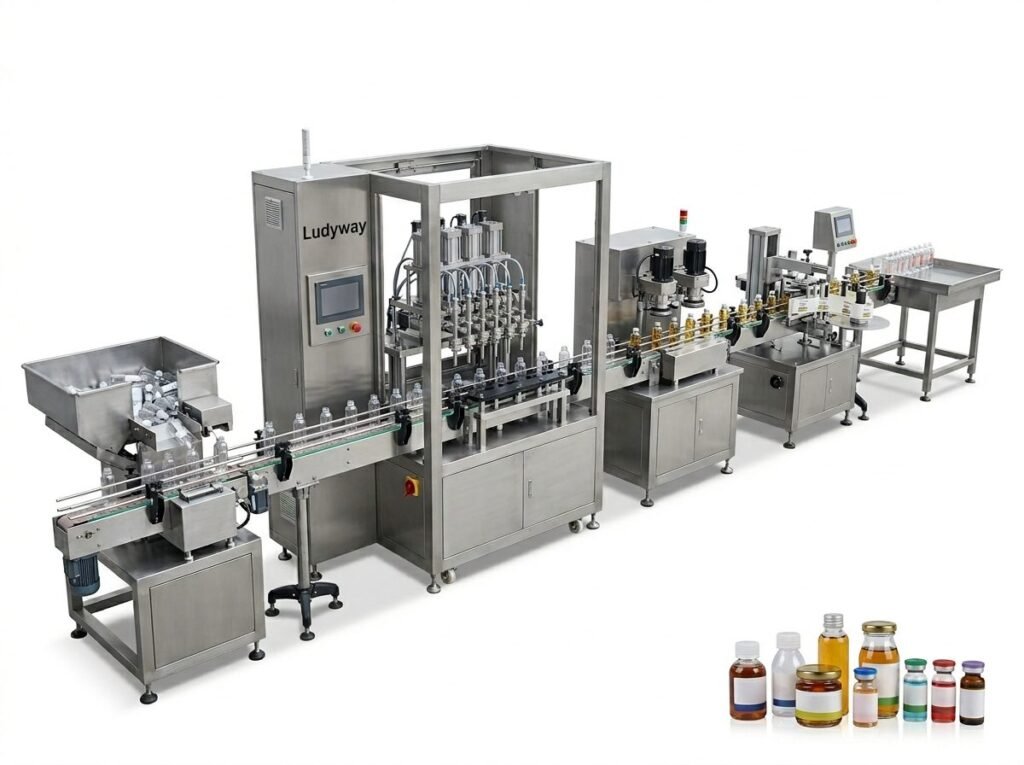
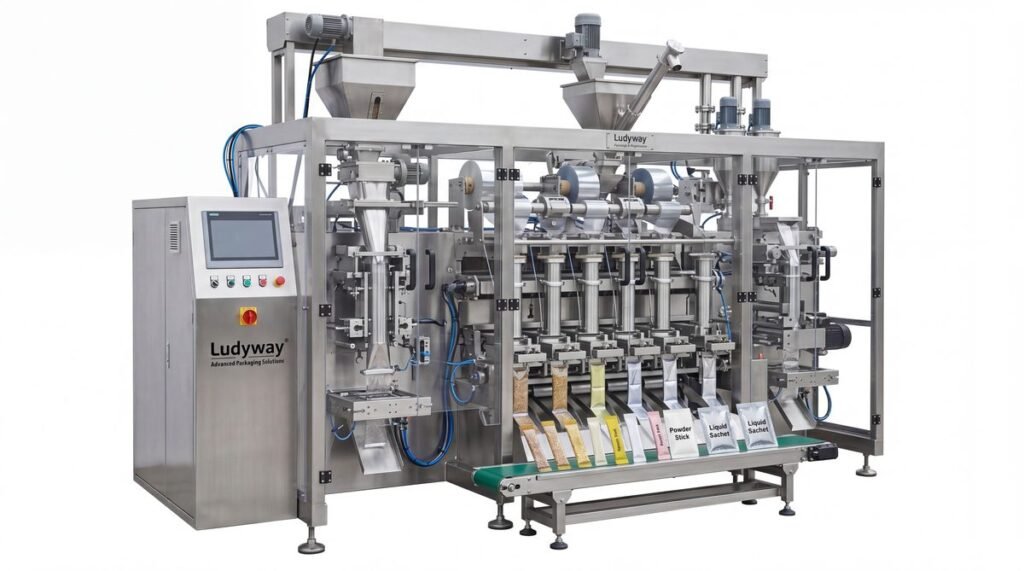
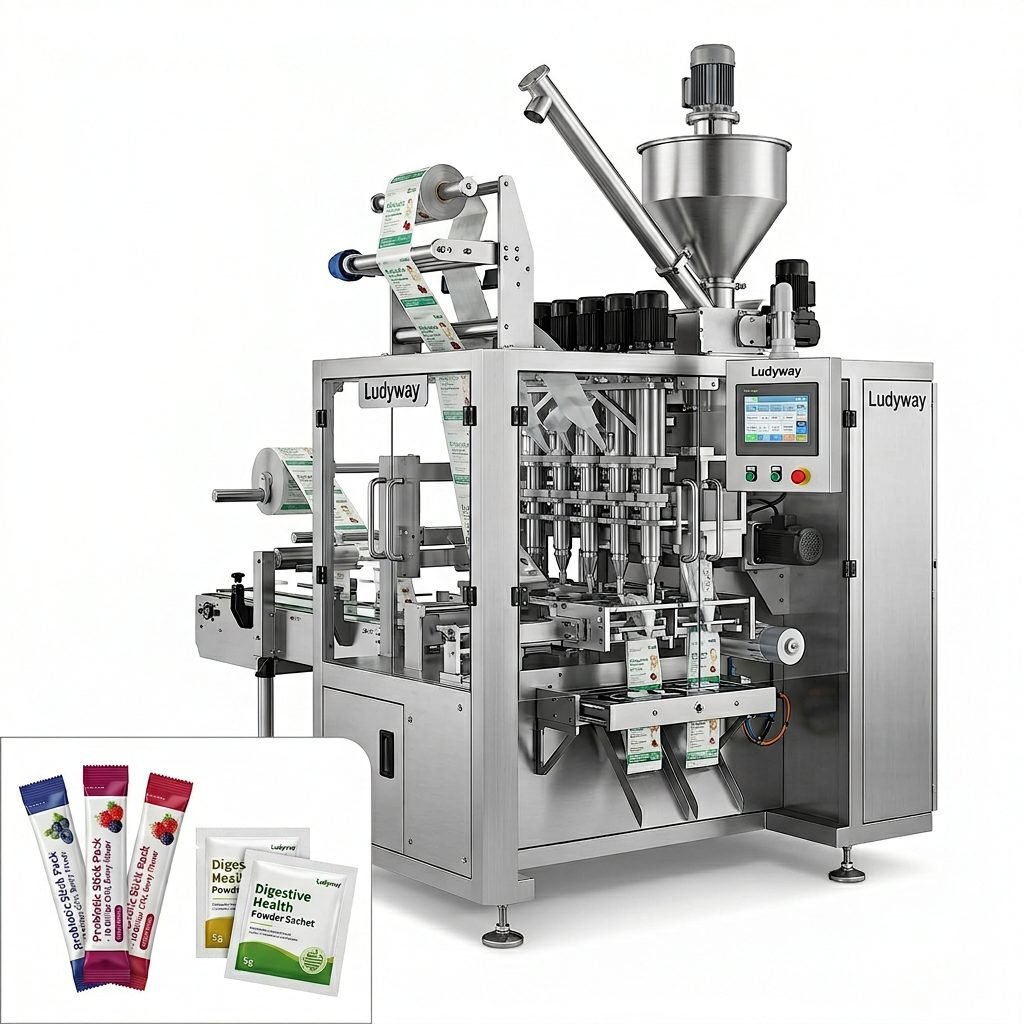
Investing in a dry food packing machine is a critical decision that directly affects your production efficiency, product quality, and long-term operational costs. Whether you are packaging granules, powders, or dry particulate products, selecting the wrong equipment can lead to inconsistent fills, excessive material waste, and unplanned downtime. This comprehensive buyer’s guide walks you through every essential factor to consider before making your purchase.
Understanding Your Product Characteristics
The foundation of choosing the right dry food packing machine begins with a thorough analysis of your product. Different dry food materials behave differently during the filling process, and your equipment must be configured accordingly.
Granules vs. Powders: Why Flowability Matters
Granular products such as rice, sugar, coffee beans, and pet kibble generally flow freely and are easier to handle with volumetric or multi-head weigher systems. In contrast, fine powders like flour, milk powder, protein supplements, and spices can be cohesive, dusty, and prone to bridging inside hoppers. According to PMMI’s business intelligence resources, understanding material flow properties is essential for selecting appropriate feeding and dosing mechanisms.
Key Product Parameters to Evaluate
- Bulk density – Affects hopper sizing and filling volume calculations
- Particle size distribution – Determines whether specialized dust control is needed
- Moisture content – Higher moisture can cause clumping and inconsistent dispensing
- Hygroscopic properties – Products that absorb atmospheric moisture may require nitrogen flushing
- Abrasiveness – Hard granular products can wear down contact parts over time
Packaging Format and Bag Style Selection
Your choice of packaging format directly influences the type of machine you need. Dry food packing machines today support a wide variety of bag styles, each suited to different market segments and shelf-life requirements.

| Packaging Format | Best For | Typical Applications |
|---|---|---|
| Stick Packs | Single-serve portions | Instant coffee, sugar, protein powder, drink mixes |
| 3-Side Seal Sachets | Small to medium volumes | Spices, seasonings, baking powder, supplements |
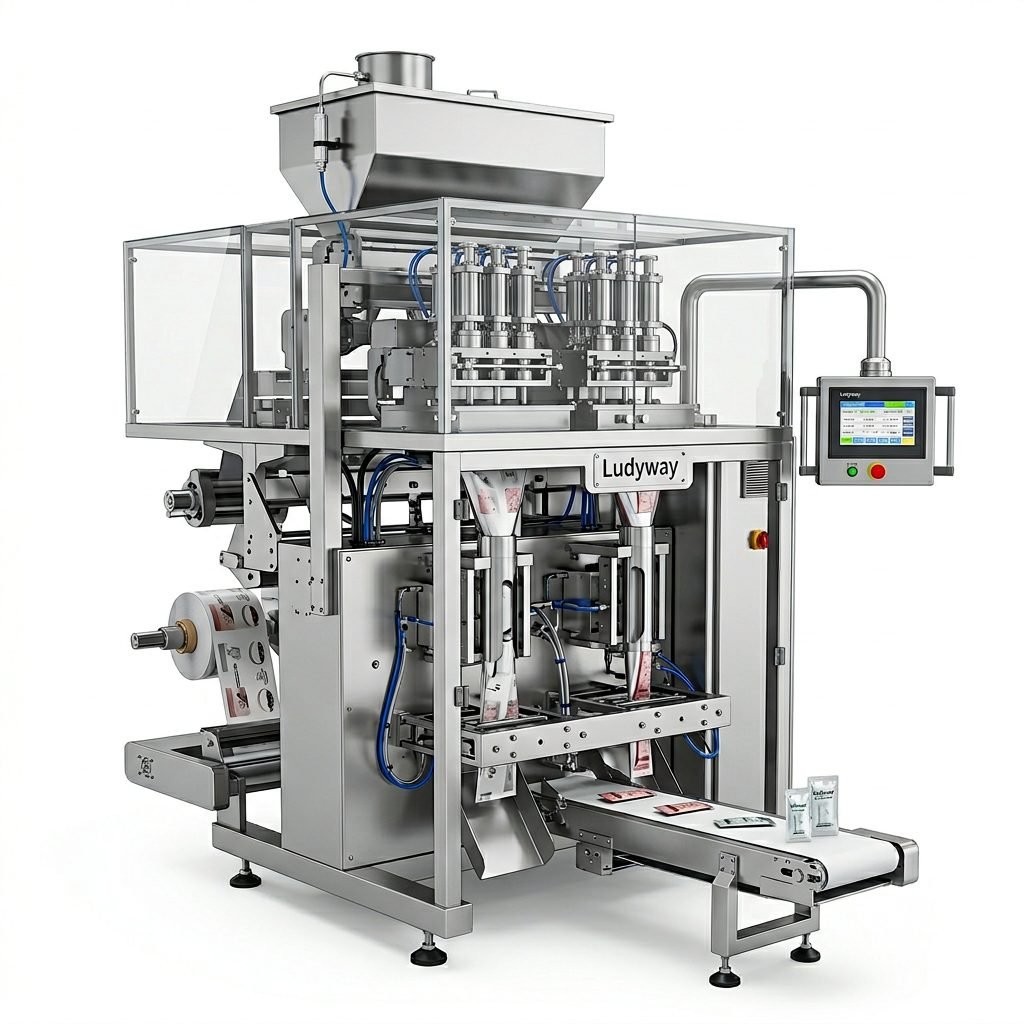
| 4-Side Seal Sachets | Products requiring extra barrier protection | Dehydrated foods, nutraceuticals, sensitive powders |
| Gusseted Pouches | Larger volumes with stand-up shelf presence | Pet food, cereal, dried fruit, snack mixes |
| Pillow Bags | High-speed commodity packaging | Rice, beans, pasta, bulk granules |
Production Speed and Capacity Planning
One of the most important technical specifications to evaluate is the machine’s throughput capacity, typically measured in packs per minute (PPM). Your required speed depends on current and projected production volumes. A common mistake buyers make is purchasing a machine that meets only their immediate needs without accounting for growth over the next 3 to 5 years.
Single-Lane vs. Multi-Lane Configurations
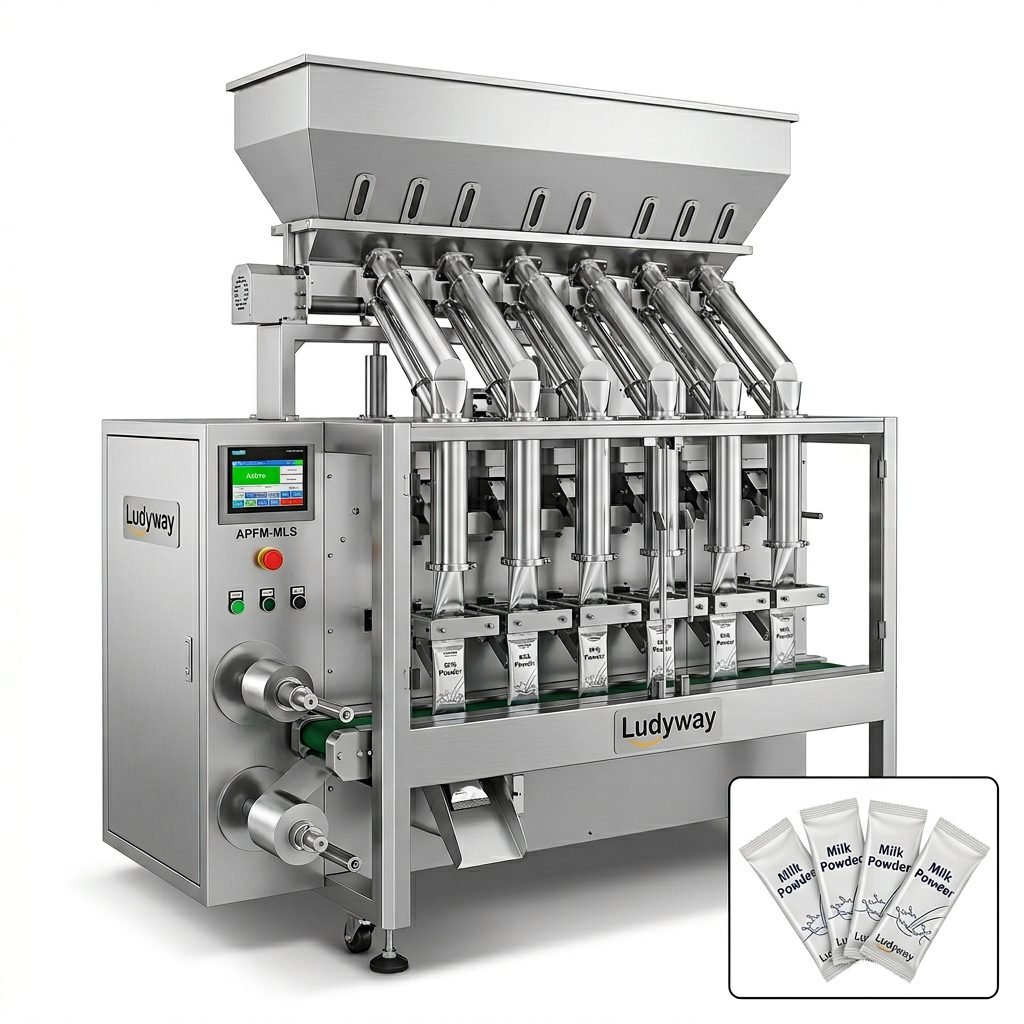
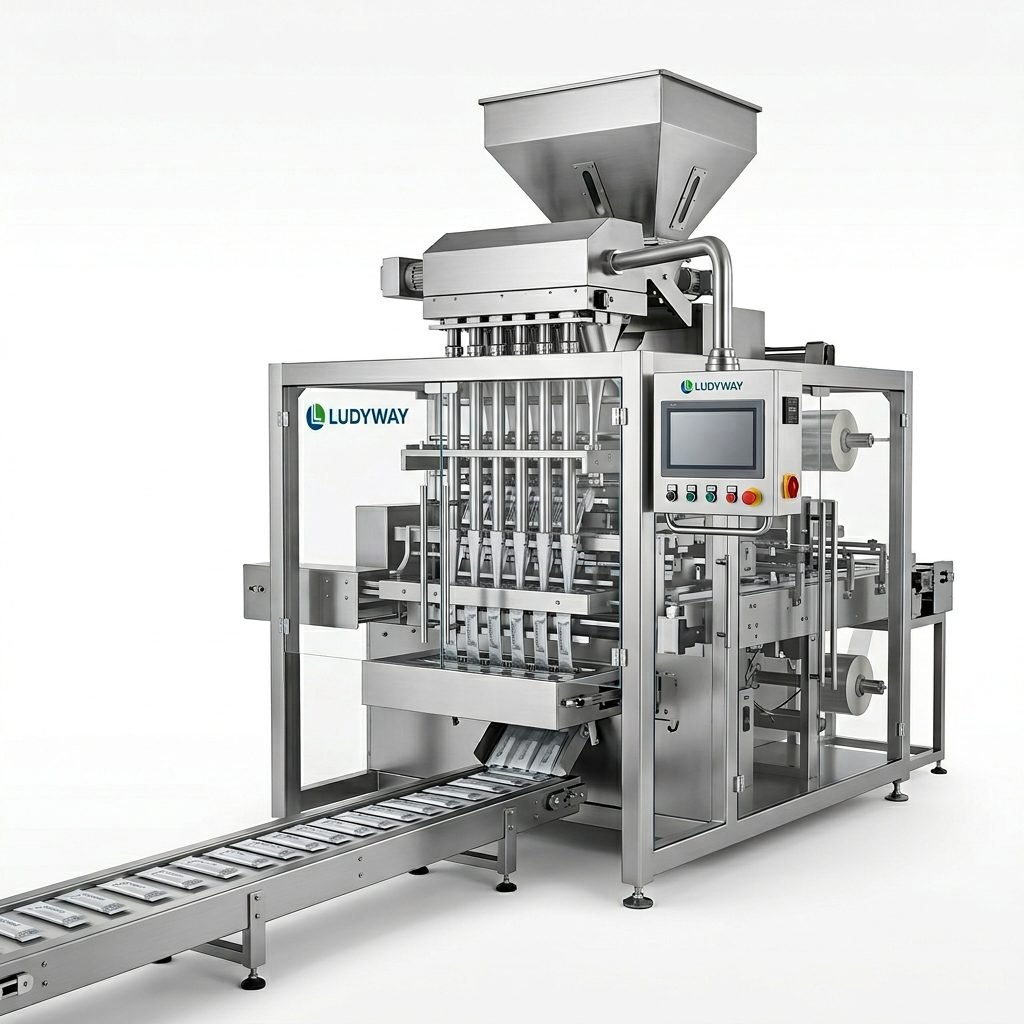
For smaller operations or startups, a single-lane machine producing 40–80 packs per minute might be sufficient. However, medium to large manufacturers often benefit from multi-lane packaging systems that can run 4, 6, 8, or even 12 lanes simultaneously, achieving outputs of 200–600+ packs per minute. The 2025 State of the Industry report from PMMI highlights that multi-lane technology continues to gain adoption for dry food applications due to its scalability.
Factors Affecting Real-World Speed
- Filling accuracy – Higher precision requirements may reduce throughput
- Bag size and material thickness – Larger or thicker packaging materials take longer to seal
- Product flow characteristics – Poor-flowing powders slow down dosing cycles
- Changeover frequency – Frequent product or bag size changes create downtime
Filling and Dosing Technology Options
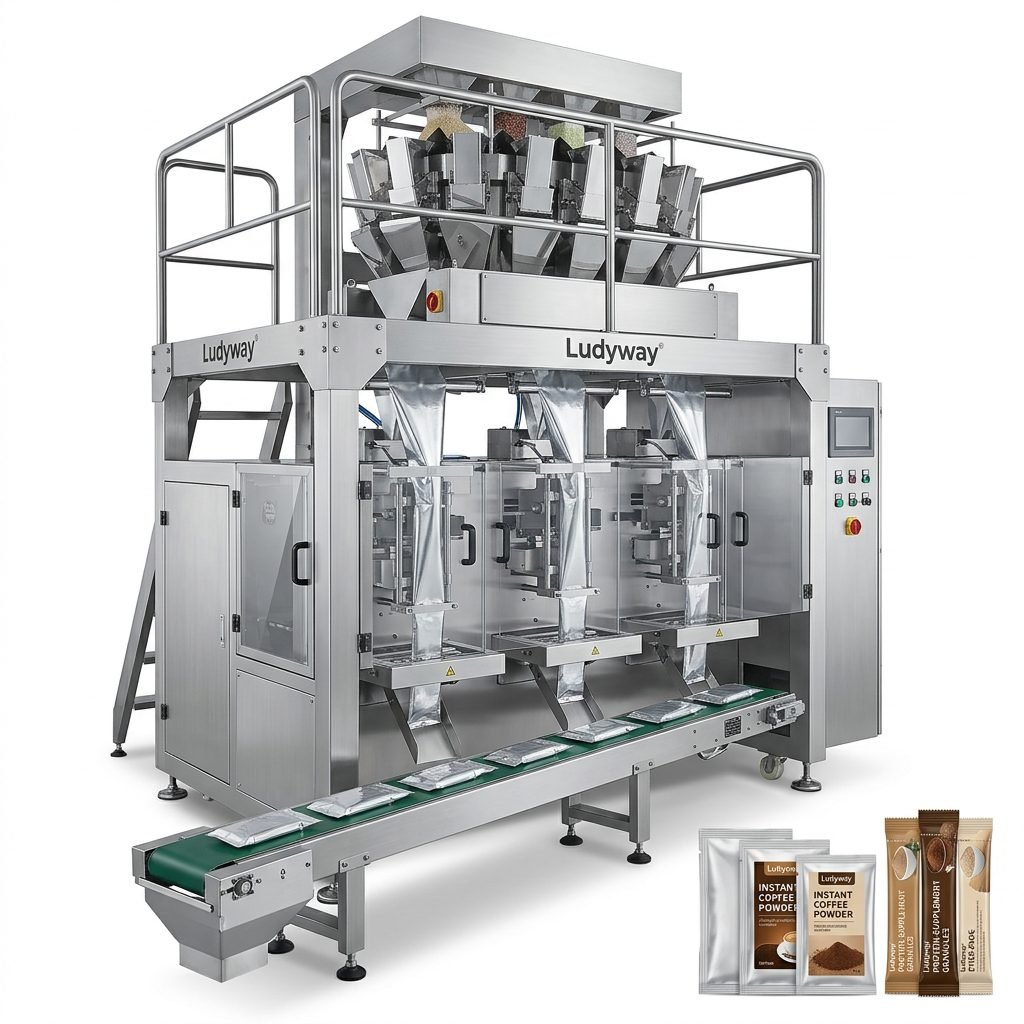
The filling system is the heart of any dry food packing machine, and selecting the right dosing technology is critical for accuracy and consistency. Different mechanisms suit different product types and speed requirements.
| Dosing Technology | Accuracy Level | Ideal Product Types |
|---|---|---|
| Volumetric Cup Filler | ±1–3% by volume | Free-flowing granules, consistent-density products |
| Auger Filler | ±0.5–2% by weight | Fine powders, sticky or bridging materials |
| Multi-Head Weigher | ±0.1–0.5% by weight | High-value granules, nuts, snacks, candies |
| Linear Weigher | ±0.5–1% by weight | Mid-speed applications for granules and small solids |
Material Compatibility and Quality Standards
For dry food applications, hygiene and food safety compliance are non-negotiable. Your packaging machine must be constructed with food-grade materials, typically 304 or 316L stainless steel for all product contact parts. The machine design should follow sanitary principles that minimize product buildup zones and facilitate thorough cleaning between production runs.
Certifications and Regulatory Considerations
Depending on your target market, your dry food packing machine may need to comply with specific international standards. The FDA’s guidelines on food packaging and food contact substances are essential for products entering the U.S. market. Similarly, ISO packaging standards provide a framework for quality and safety compliance recognized globally. Look for machines that can be configured to meet CE, GMP, and relevant food safety certification requirements.
Automation and Integration Capabilities
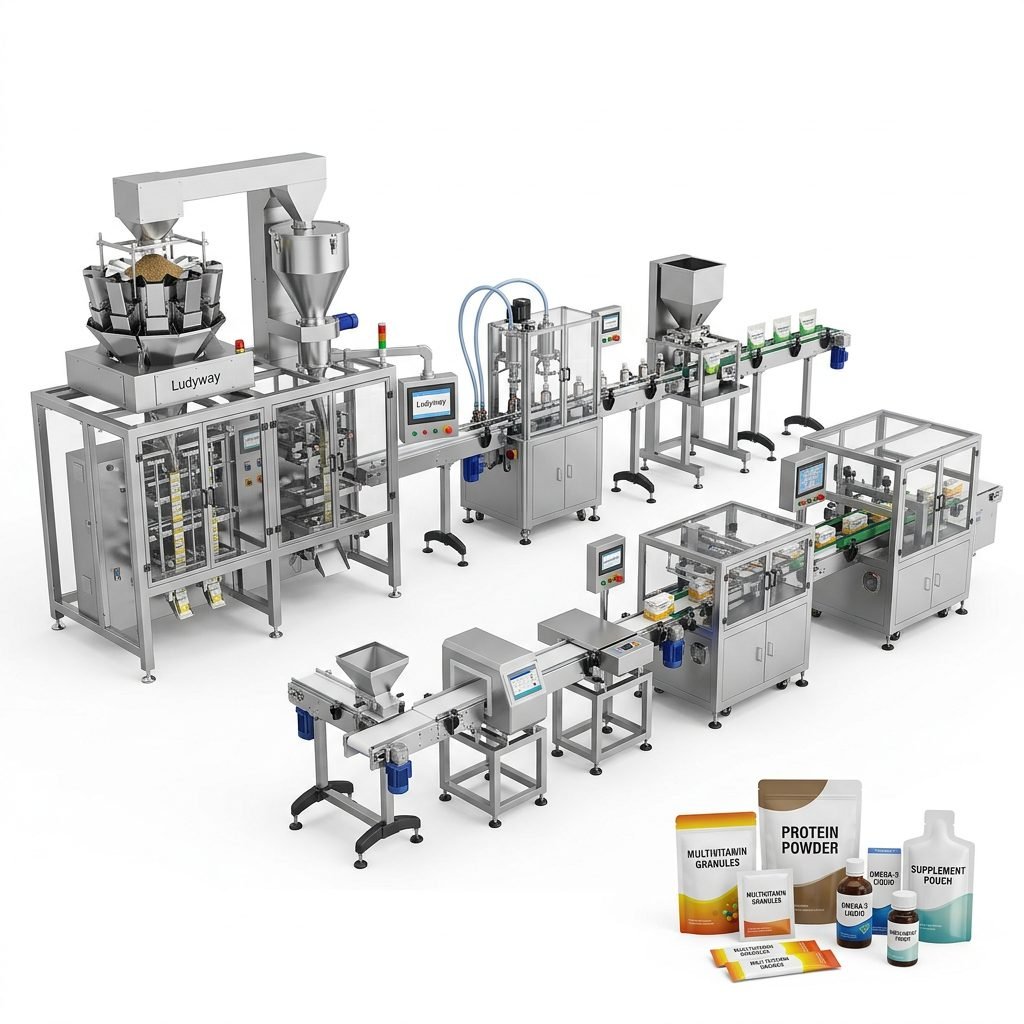
Modern dry food packing machines are rarely standalone units. For maximum efficiency, they should integrate seamlessly with upstream and downstream equipment including feeding conveyors, checkweighers, metal detectors, coding and marking systems, cartoning machines, and palletizing robots. A fully integrated line reduces manual handling, minimizes contamination risk, and dramatically improves overall equipment effectiveness (OEE).
Control Systems and Industry 4.0 Readiness
Advanced machines now feature PLC-based controls with HMI touchscreen interfaces that allow operators to store multiple recipe parameters, monitor real-time production data, and perform remote diagnostics. Connectivity features enable integration with manufacturing execution systems (MES) and enterprise resource planning (ERP) platforms, supporting the broader trend toward smart factory automation. The PMMI business intelligence library regularly publishes research on automation trends in packaging operations.
Packaging Material Considerations
The type of packaging film or laminate you use significantly affects machine configuration. Common materials for dry food packaging include PET/PE, BOPP/CPP, PET/Aluminum/PE, and paper-based laminates. Each material has different heat-sealing characteristics, barrier properties, and machinability on automated equipment. The Flexible Packaging Association’s industry resources offer valuable insights into film selection and material compatibility for dry food applications.
Key Material Properties to Confirm
- Seal strength and temperature range – Ensures consistent hermetic seals
- Coefficient of friction – Affects film transport and wrinkle formation
- Oxygen and moisture transmission rates – Critical for shelf-life requirements
- Printability and surface treatment – For branding and coding compatibility
Maintenance, Serviceability, and Total Cost of Ownership
Purchase price alone is an incomplete measure of cost. Savvy buyers evaluate total cost of ownership (TCO), which includes spare parts, consumable components, routine maintenance labor, energy consumption, and potential production losses from unplanned downtime. A machine with easily accessible critical components, clear maintenance schedules, and modular design features will generally offer lower long-term operating costs.
Supplier Evaluation and Support Capabilities
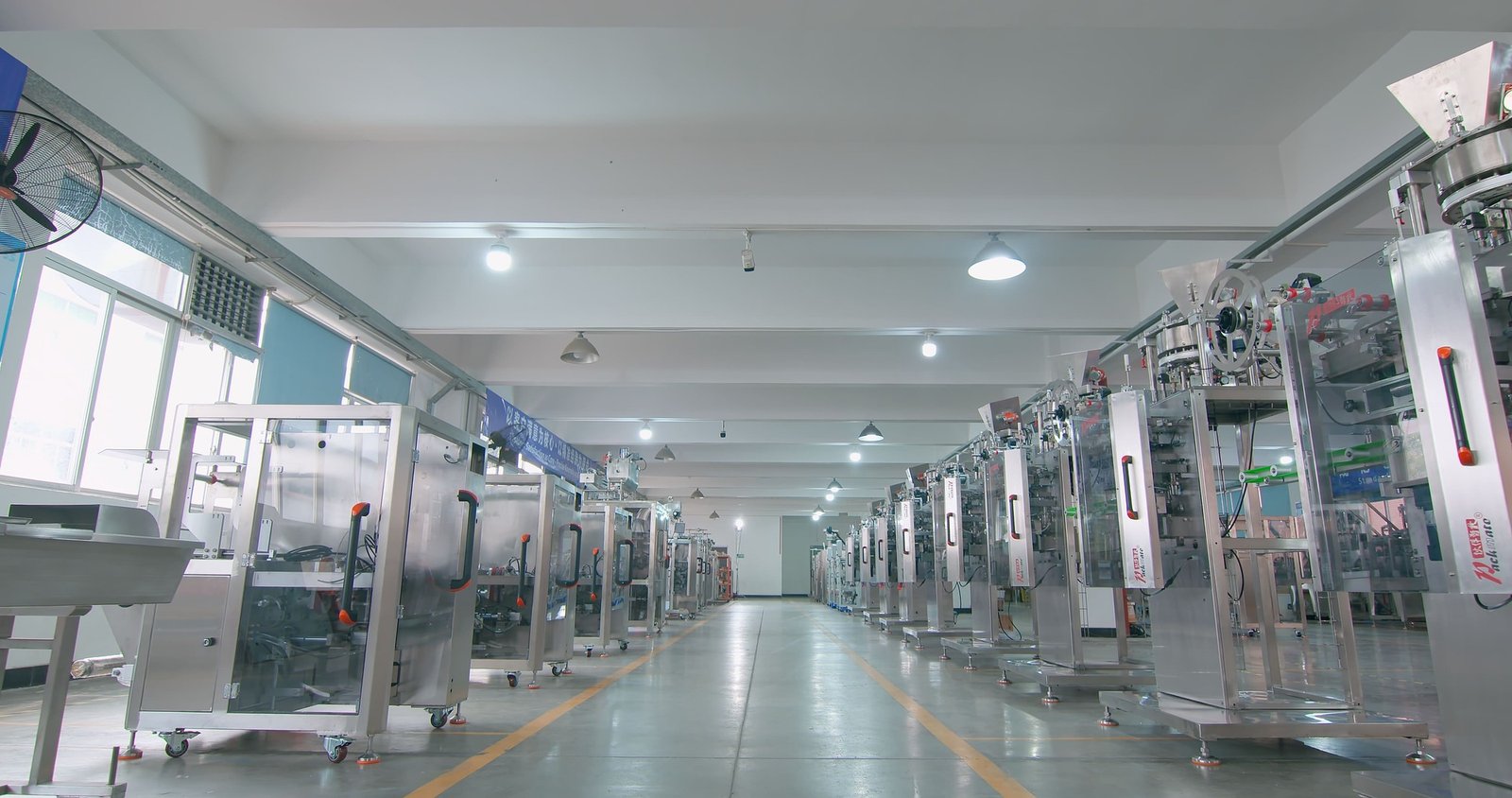
Choosing the right dry food packing machine is as much about selecting the right supplier as it is about the equipment itself. A reliable supplier should offer comprehensive pre-sales consultation, factory acceptance testing (FAT), on-site installation and commissioning, operator training, and responsive after-sales support. Companies that export to more than 100 countries, such as Ludyway Machinery, often have established service networks and remote technical assistance capabilities that help minimize operational disruptions. For more details on industry trends, see this global packaging machinery growth analysis.
Questions to Ask Potential Suppliers
- Can you provide references from customers packaging similar dry food products?
- What is the typical lead time for manufacturing and delivery?
- Do you offer FAT before shipment?
- What spare parts package is recommended for the first year of operation?
- How are remote support and troubleshooting handled across different time zones?
- What training programs do you provide for operators and maintenance staff?
Customization and Future-Proofing Your Investment
Off-the-shelf solutions rarely address every requirement perfectly. The best dry food packing machine suppliers offer customization options that align with your specific product characteristics, factory layout, automation goals, and packaging format preferences. Consider whether the machine can be reconfigured or upgraded in the future as your product portfolio expands or production volumes increase. Modular machine designs that allow adding lanes, upgrading dosing systems, or integrating new automation modules protect your initial investment and extend equipment lifecycle.
Staying informed about packaging machinery regulations and market developments is wise planning. Resources such as PMMI’s packaging industry resources and the Flexible Packaging Association provide ongoing updates on standards, technology advancements, and sustainability considerations relevant to dry food packaging operations.
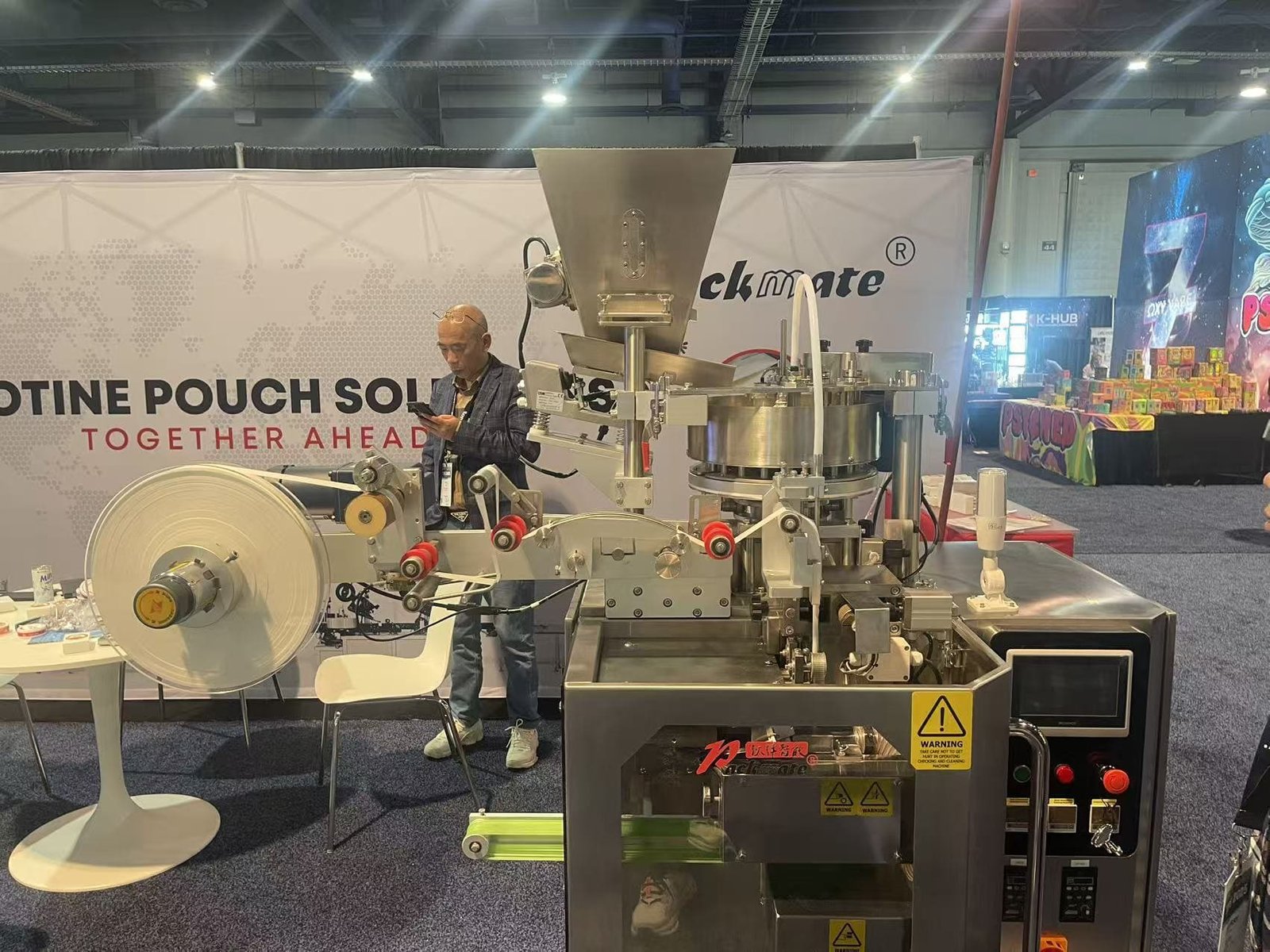
Making the Final Decision
Selecting the right dry food packing machine requires balancing technical specifications, production requirements, quality standards, and total cost considerations. By systematically evaluating your product characteristics, desired packaging format, speed requirements, filling accuracy needs, and supplier capabilities, you can make a confident investment that supports your manufacturing goals for years to come. Take time to visit supplier facilities, conduct product trials with your actual materials, and validate performance claims before finalizing your purchase. A methodical approach to machine selection pays dividends through consistent production quality, reduced waste, and improved operational efficiency.