Selecting the right pharma blister packaging machine is a critical investment decision that impacts product integrity, production efficiency, and regulatory compliance. With a wide range of machine configurations, automation levels, and technical specifications available, buyers need a structured evaluation framework. This guide walks you through the essential factors to consider when choosing pharmaceutical blister packaging equipment, helping you make an informed decision aligned with your production goals and quality requirements.

Understanding Pharma Blister Packaging Requirements
Pharmaceutical blister packaging serves multiple functions: protecting dosage forms from moisture and contamination, providing tamper evidence, and ensuring accurate dosing. Unlike general consumer goods packaging, pharmaceutical applications must adhere to stringent FDA packaging and food contact substances regulations and ISO 11607 packaging standards for terminally sterilized medical devices. The machine you select must be capable of consistently meeting these requirements across production batches.
Key Material Compatibility Factors
Blister packaging typically involves forming film (PVC, PVDC, aluminum, or multi-layer laminates) and lidding material (aluminum foil or paper-backed foil). Your chosen machine must handle specific material thicknesses and sealing parameters without compromising seal integrity. Consider whether you need cold-forming or thermoforming capabilities, as these processes have different machine requirements and are suited to different product sensitivities.
Critical Machine Specifications to Evaluate
When comparing pharma blister packaging machines, several technical specifications directly affect performance and suitability. The following table outlines the key parameters you should assess during the selection process:
| Specification | Why It Matters | Key Considerations |
|---|---|---|
| Production Speed | Determines throughput and line efficiency | Cycles per minute, blister size impact, changeover time |
| Forming Area | Defines maximum blister dimensions | Maximum forming depth, indexing length, format flexibility |
| Sealing Technology | Affects seal integrity and product shelf life | Flat sealing vs. knurling, temperature control precision |
| Automation Level | Impacts labor requirements and consistency | Manual, semi-automatic, fully automatic with inline integration |
| Validation Support | Essential for GMP compliance | IQ/OQ/PQ documentation, 21 CFR Part 11 compliance |
Regulatory Compliance and Quality Standards
Pharmaceutical packaging equipment must comply with Good Manufacturing Practice (GMP) guidelines and various international standards. Machines should be designed for easy cleaning, with minimal product contact surfaces and accessible maintenance points. Look for equipment that can be validated according to your specific regulatory requirements, including documentation for packaging machinery standards and regulations as outlined by industry associations.
Essential Compliance Checklist
- 21 CFR Part 211 compliance for finished pharmaceuticals
- Cleanroom compatibility and particulate control features
- Audit trail capabilities and data integrity safeguards
- Material traceability and certification documentation
- Changeover procedures that prevent cross-contamination
- Integration with ISO packaging standards for international markets
Evaluating Total Cost of Ownership
Purchase price alone does not reflect the true cost of a pharma blister packaging machine. A comprehensive cost analysis should include installation, operator training, routine maintenance, spare parts availability, and energy consumption. Machines with higher upfront costs often deliver lower total cost of ownership through improved reliability, reduced downtime, and longer service life.
Cost Factors to Calculate
- Initial capital expenditure including freight and installation
- Consumable costs such as forming film waste rates and sealing tool wear
- Labor requirements per shift and associated training expenses
- Maintenance contracts and spare parts inventory carrying costs
- Downtime risk and its impact on production scheduling
- Energy efficiency ratings and utility cost projections
Machine Configuration and Format Flexibility
Modern pharmaceutical production often requires handling multiple blister formats and packaging configurations. Evaluate whether you need a dedicated single-format machine or a flexible system that can accommodate various blister sizes, shapes, and materials. Format changeover time is a critical productivity metric — the best machines enable changeovers in under 30 minutes with minimal tooling changes.
Integration with Downstream Equipment
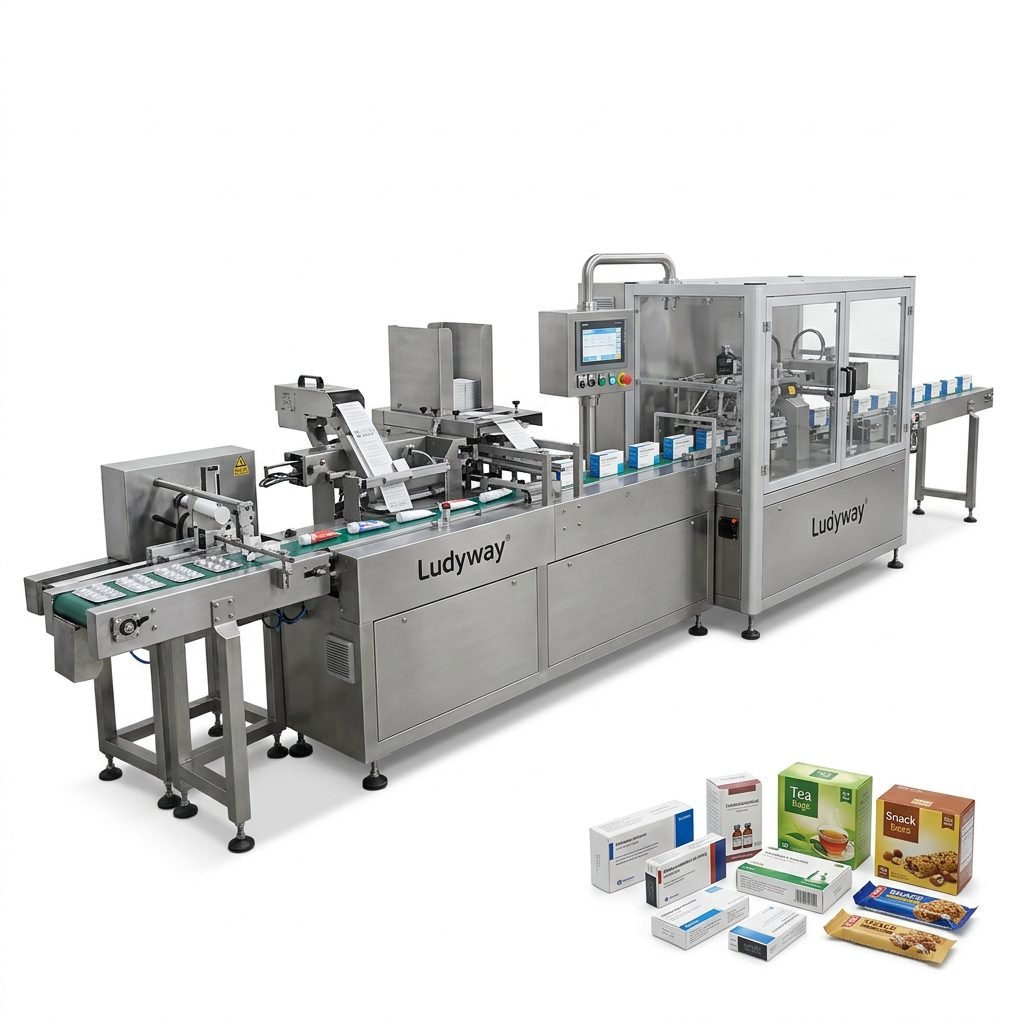
Consider how the blister packaging machine will integrate with cartoning systems, checkweighers, serialization equipment, and case packing solutions. A seamless packaging line requires compatible communication protocols and mechanical interfaces. According to PMMI business intelligence reports, integrated packaging lines can improve overall equipment effectiveness (OEE) by 15-25% compared to standalone machine configurations.
Supplier Selection and After-Sales Support
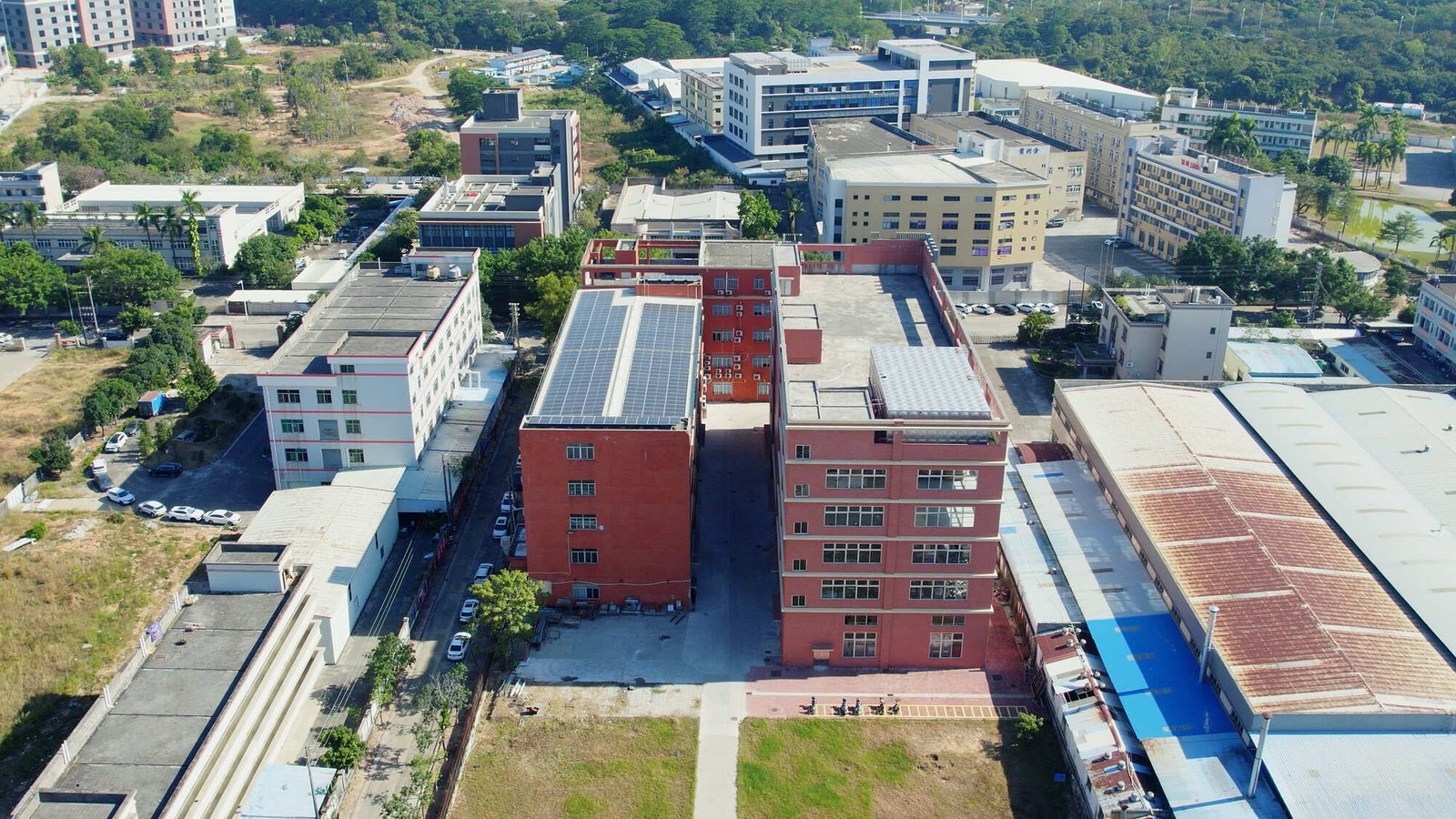
Choosing the right equipment partner is as important as selecting the right machine. Evaluate potential suppliers based on their pharmaceutical industry experience, technical support capabilities, and long-term service commitment. Ludyway Machinery, with more than 30 years of packaging industry experience and a 20,000-square-meter manufacturing facility, provides customized pharmaceutical packaging solutions with comprehensive after-sales support including installation, commissioning, operator training, and spare parts services across more than 100 countries. A reliable supplier should offer validation documentation, responsive technical assistance, and a proven track record in regulated environments.
Questions to Ask Potential Suppliers
- How many pharmaceutical packaging installations have you completed?
- Can you provide validation documentation (IQ/OQ/PQ) specific to our product?
- What is your average response time for technical support?
- Do you maintain regional spare parts inventory?
- Can you support flexible packaging industry standards and material testing?
Technology Trends in Pharma Blister Packaging
The pharmaceutical packaging landscape continues to evolve with Industry 4.0 technologies transforming machine capabilities. Smart sensors, real-time monitoring, and predictive maintenance algorithms are becoming standard features. When investing in new equipment, consider machines that support digital integration, remote diagnostics, and data analytics to future-proof your packaging operations. The 2026 State of the Industry report highlights increasing adoption of smart packaging technologies across pharmaceutical manufacturing.
Emerging Capabilities to Watch
- Track-and-trace serialization integrated at the blister level
- Vision inspection systems for 100% quality verification
- Automated recipe management for format changes
- Energy monitoring and sustainability reporting features
- Cloud-based machine performance analytics
Making the Final Decision
Selecting the right pharma blister packaging machine requires balancing technical specifications, regulatory requirements, total cost of ownership, and supplier capabilities. Start by clearly defining your current and anticipated production needs, then systematically evaluate machines against objective criteria. Conduct factory acceptance testing (FAT) before shipment and plan for comprehensive site acceptance testing (SAT) after installation. The right investment will deliver consistent, compliant packaging performance for years to come, supporting both product quality and operational efficiency in an increasingly competitive pharmaceutical market.