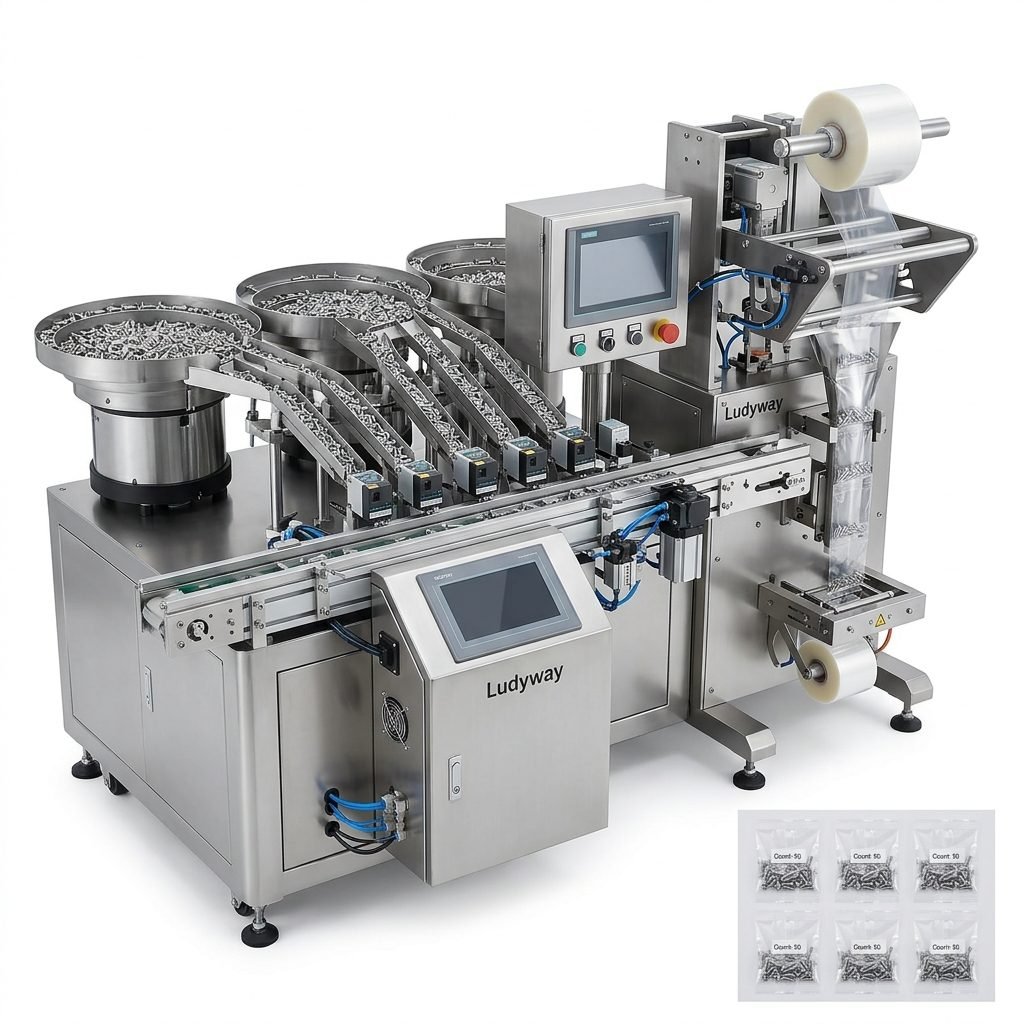
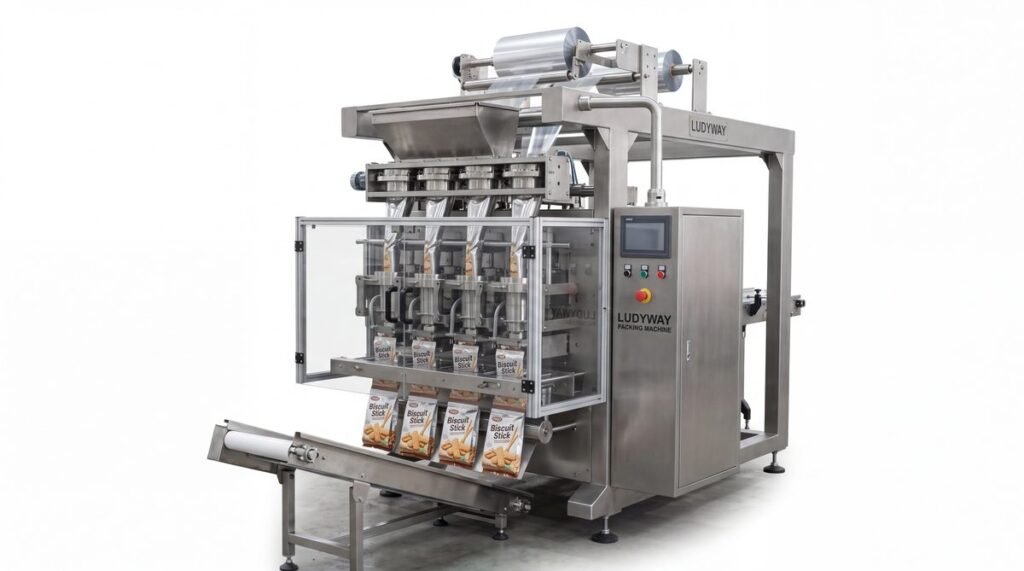
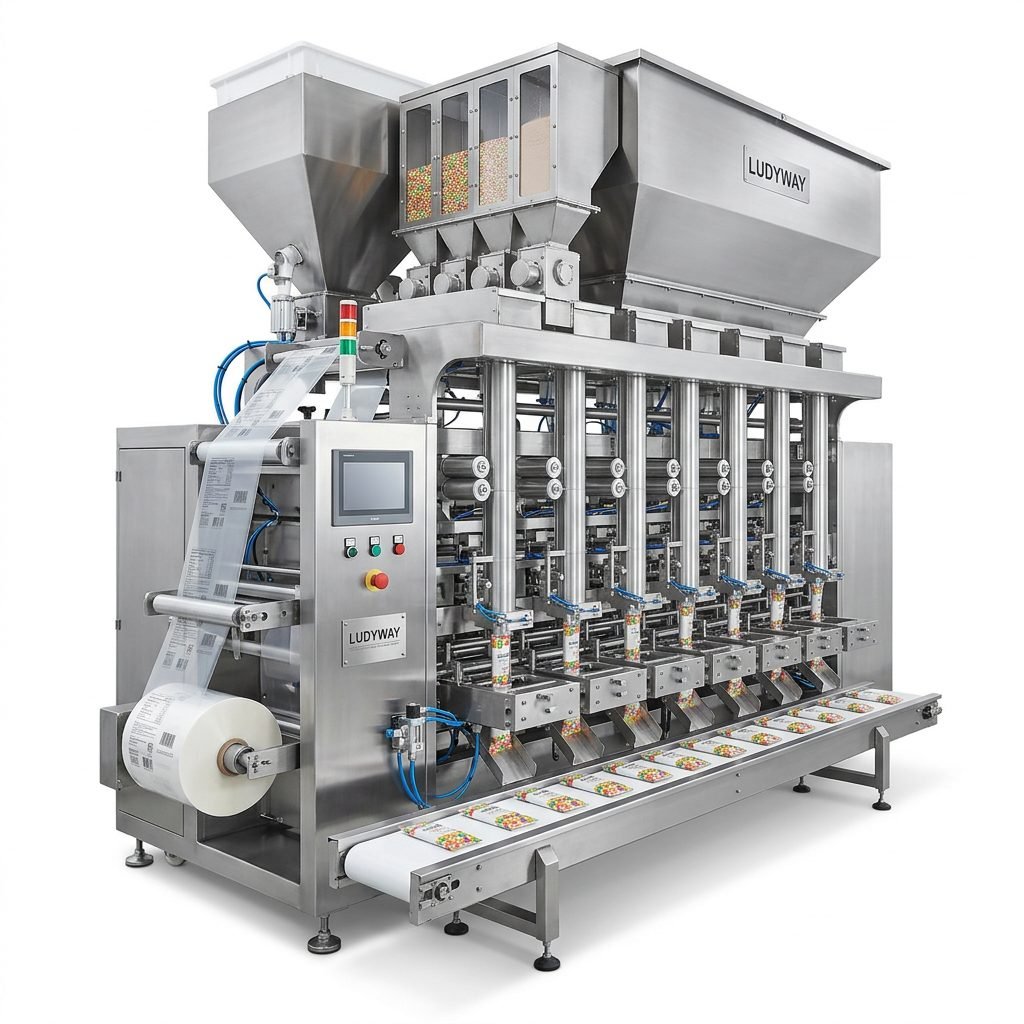
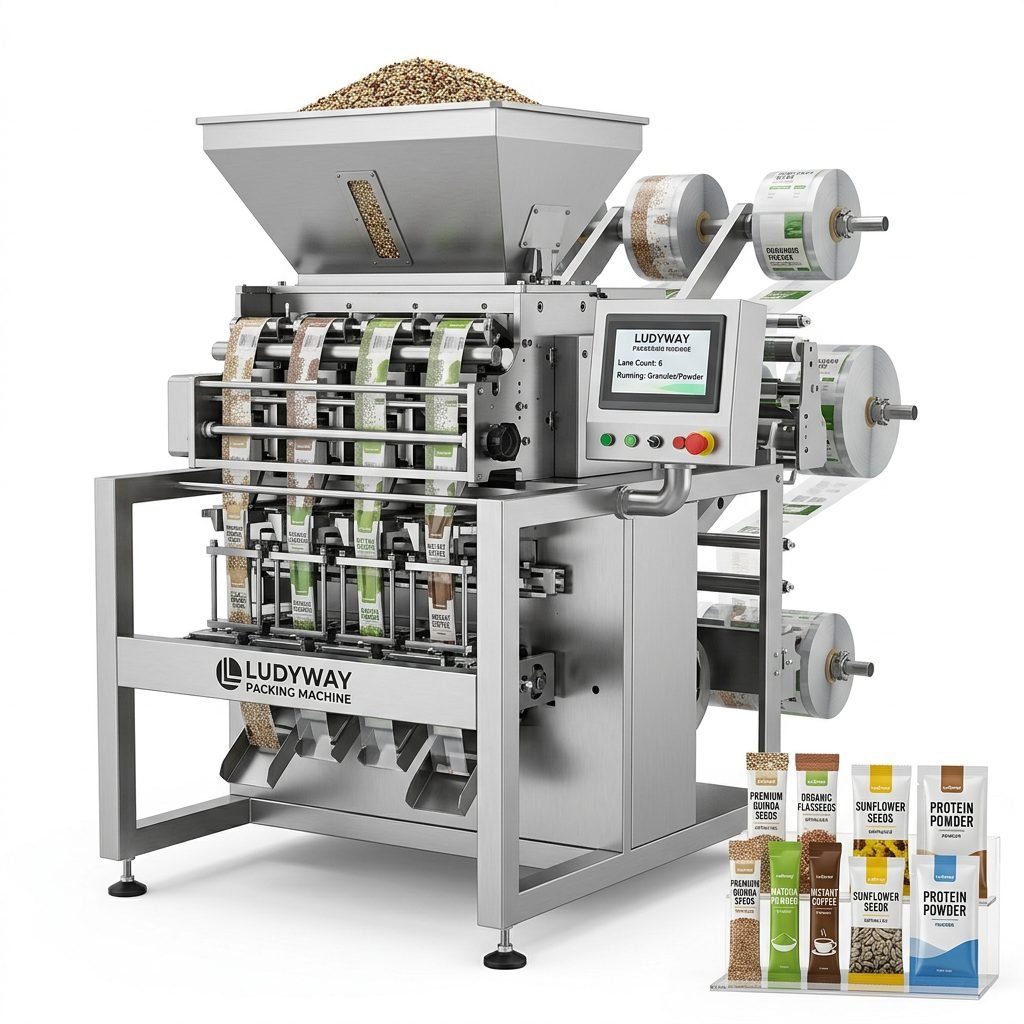
Investing in a Fawema packaging machine represents a significant commitment to packaging efficiency, product integrity, and long-term production reliability. Whether you are scaling up from manual packaging operations, expanding your product lines, or replacing outdated equipment, the selection process directly impacts your operational costs, throughput, and market responsiveness. This complete buyer’s guide outlines the critical factors to evaluate before purchasing, helping you navigate technical specifications, application requirements, and supplier considerations with confidence.
Understanding Your Product and Packaging Requirements
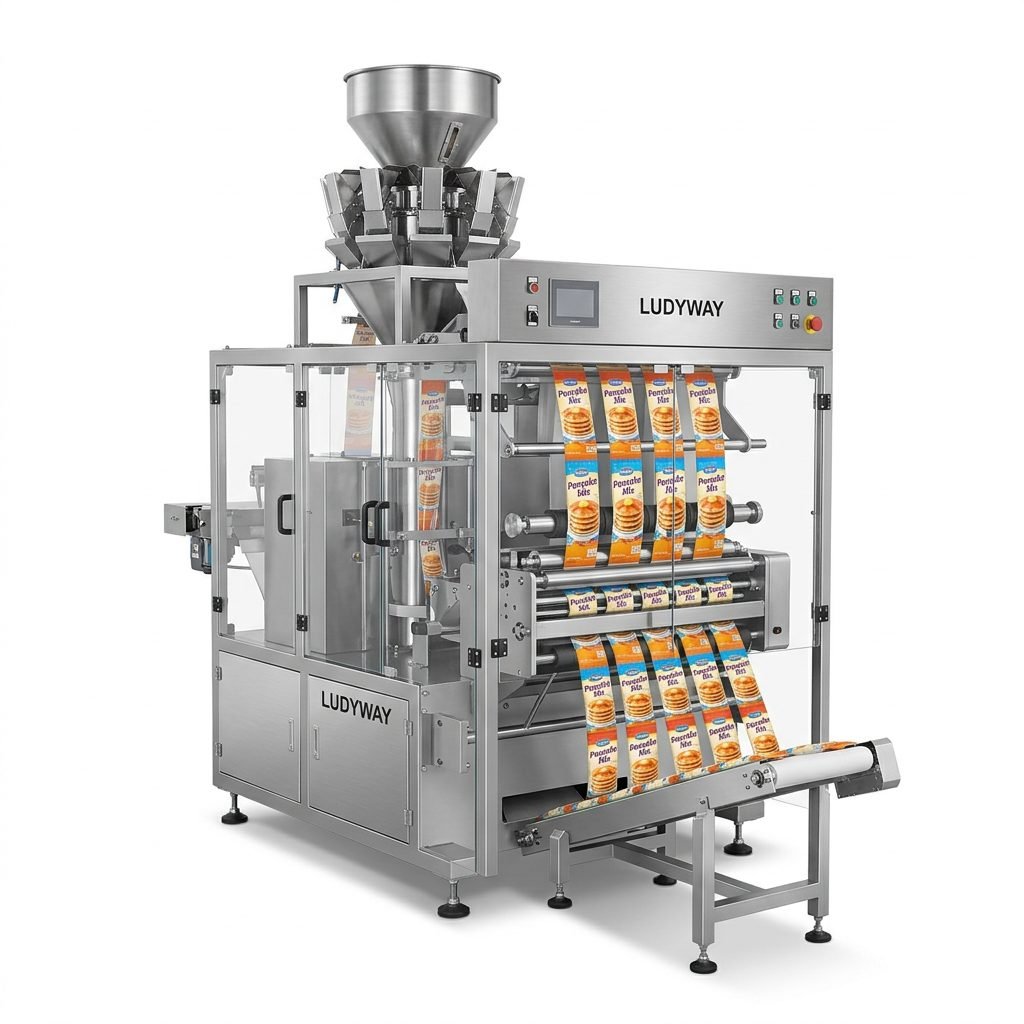
Before evaluating any packaging machinery, you must define your product characteristics with absolute clarity. The physical and chemical properties of your product determine the appropriate dosing system, filling mechanism, and sealing technology. Consider the following parameters:
- Product form: Free-flowing powders, sticky granules, viscous liquids, pastes, or solid pieces each demand fundamentally different filling systems.
- Particle size and density: Fine powders require specialized dust-control measures; dense granules need robust volumetric or gravimetric dosing.
- Flow characteristics: Hygroscopic products, cohesive powders, and temperature-sensitive materials influence feeding and sealing system design.
- Target fill weight or volume: The range and required accuracy of your fill weights directly affect machine configuration and lane count.
A thorough product analysis at this stage prevents costly reconfigurations later. Manufacturers producing multiple product SKUs should prioritize flexible machine platforms capable of quick changeover between different formulations and pack sizes.
Packaging Format and Material Compatibility
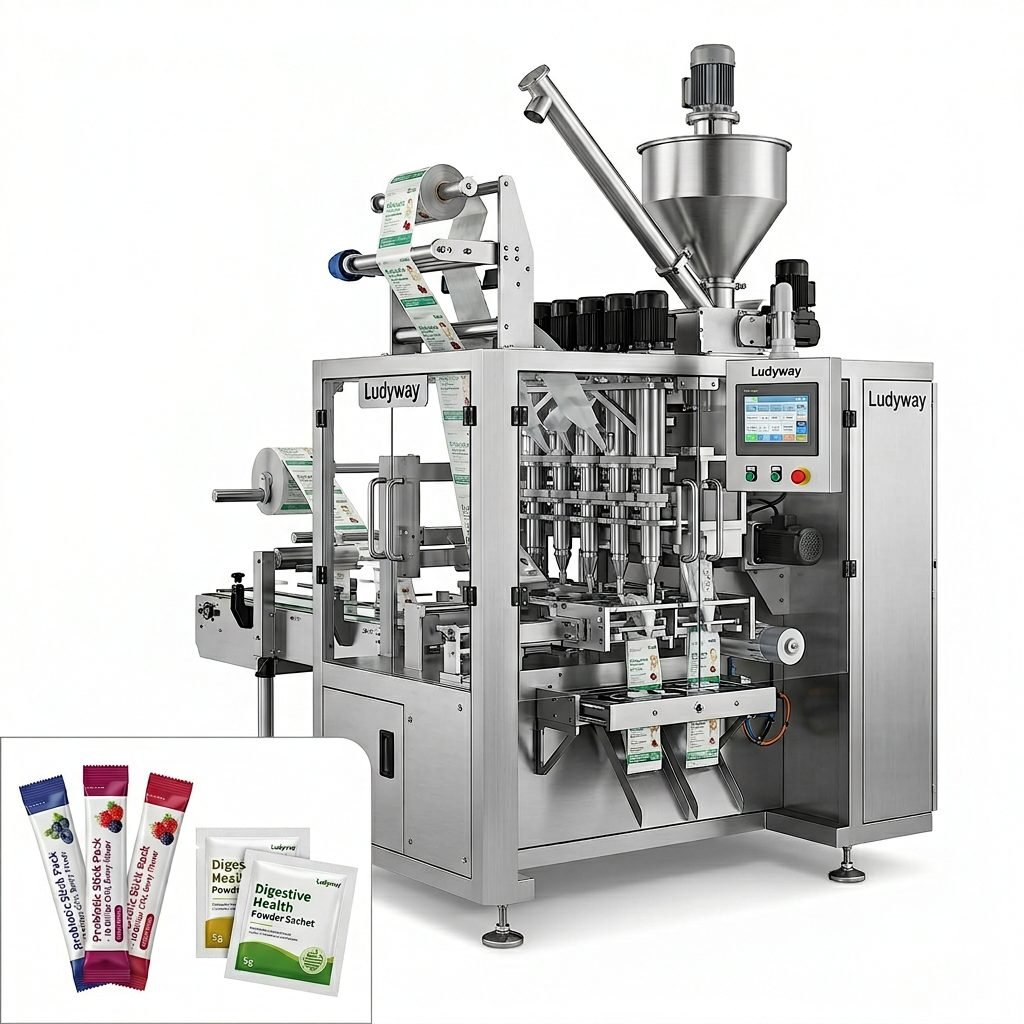
Your chosen packaging format shapes everything from machine architecture to downstream cartoning and palletizing solutions. Modern packaging machinery accommodates an array of formats: stick packs, sachets, pouches, doypacks, quad-seal bags, and gusseted formats. Each format presents unique requirements for film handling, forming, filling, and sealing.
Equally critical is packaging material compatibility. The machine’s sealing system must match your chosen laminate structure — whether polyethylene, polypropylene, aluminum foil laminates, paper-based films, or biodegradable materials. Verify that the machine’s heat-sealing temperature range, dwell time, and pressure settings work with your material specifications. Incompatibility here leads to seal failures, product spoilage, and costly material waste.
Production Speed and Capacity Planning
Matching machine speed to your production forecasts is essential for return on investment. An undersized machine creates production bottlenecks; oversized equipment generates unnecessary capital and operating costs. Evaluate your requirements across three time horizons:
| Planning Horizon | Key Consideration | Recommended Approach |
|---|---|---|
| Current demand | Established order volumes | Size machine at 70-80% of rated speed |
| 2-3 year growth | New product launches, market expansion | Select modular platform with lane expansion capability |
| Long-term scalability | Multi-shift operation, contract packaging | Evaluate multi-lane configurations and automation integration |
Evaluating Machine Configuration: Single-Lane vs. Multi-Lane Systems
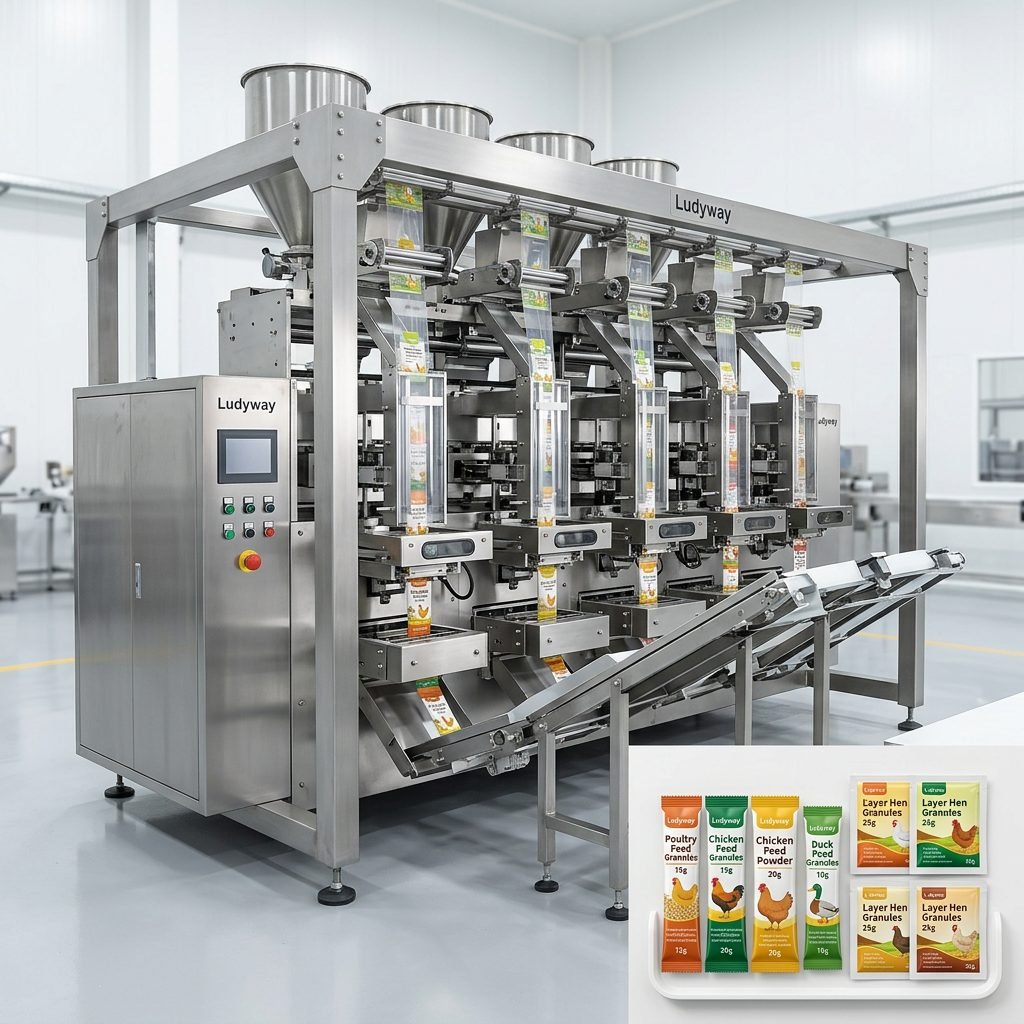
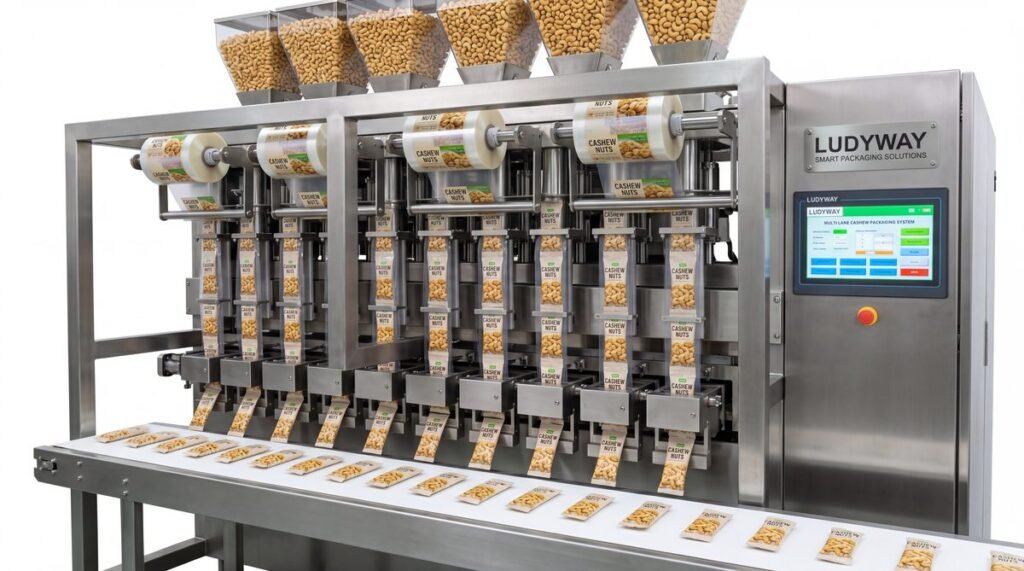
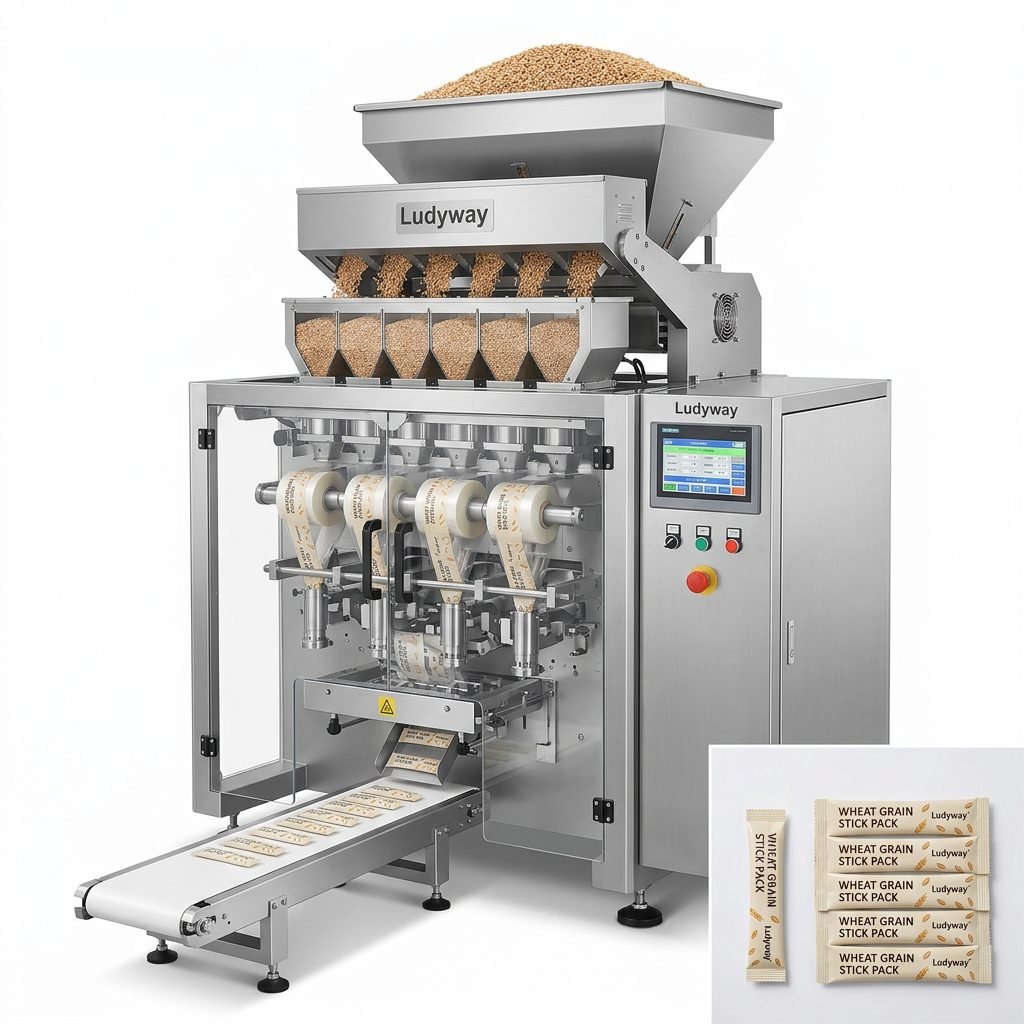
Single-lane machines suit lower-volume production or highly variable product runs where frequent changeovers are the norm. In contrast, multi-lane packaging systems multiply throughput by running parallel lanes simultaneously — ideal for high-volume stick pack and sachet production in food, pharmaceutical, and personal care sectors. Multi-lane configurations can range from 4 to 20+ lanes depending on product type and target output.
Dosing and Filling Accuracy
Fill accuracy has a direct financial impact. Overfilling erodes margins through product giveaway; underfilling creates compliance risks and customer dissatisfaction. Evaluate dosing technologies based on your product properties and accuracy requirements:
- Volumetric cup fillers: Cost-effective for free-flowing granules with consistent density.
- Auger fillers: Suitable for powders requiring controlled, dust-free dispensing.
- Multi-head weighers: Provide high-speed, high-accuracy weighing for granules and small solid products.
- Piston fillers and flow meters: Designed for liquid and semi-liquid products with precise volume control.
For products with high raw material value, investing in gravimetric systems with real-time feedback control typically pays for itself through reduced product giveaway within months of operation.
Automation Integration and Line Configuration
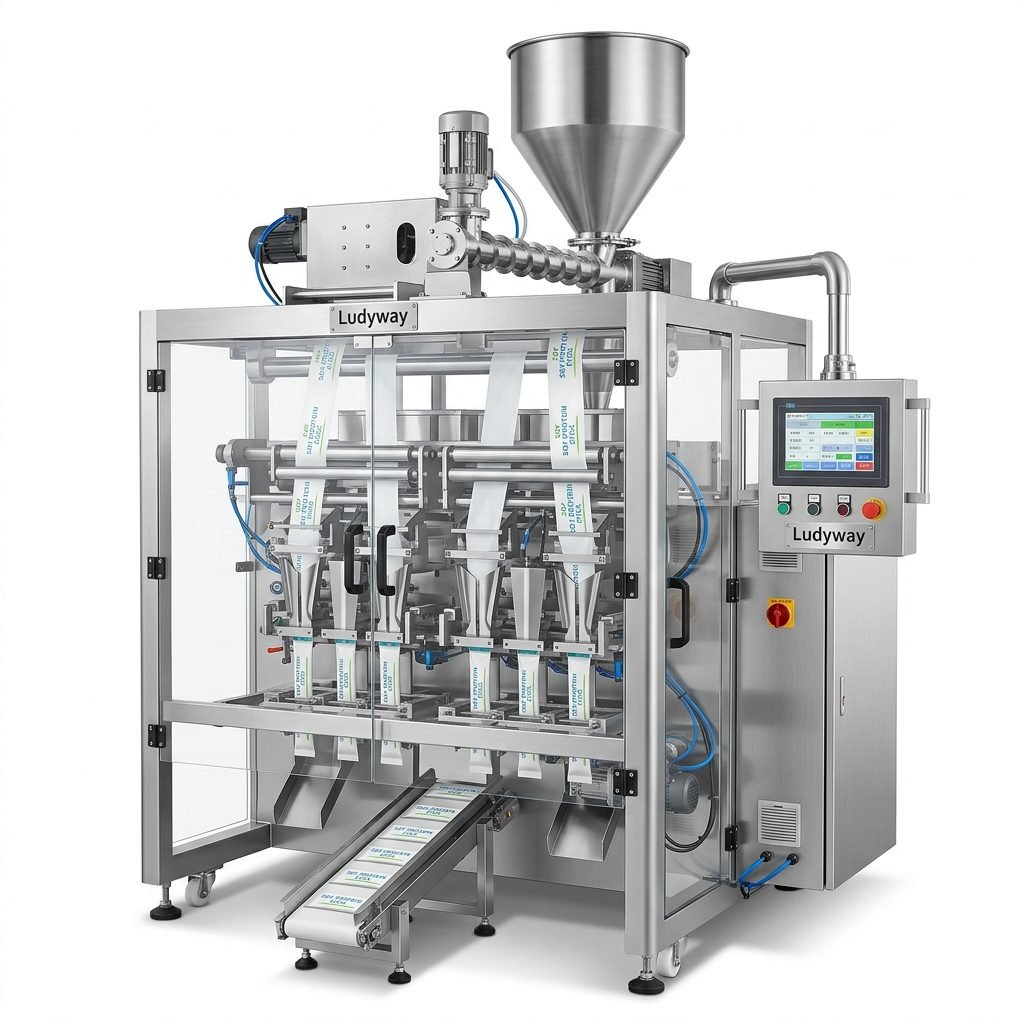
A Fawema packaging machine rarely operates in isolation. Its true productivity emerges when integrated into a coherent packaging line — from product feeding and dosing through to secondary packaging and palletizing. Evaluate the following integration points:
- Product feeding systems: Vibratory feeders, bucket elevators, screw conveyors, or vacuum conveyors must match product characteristics without degradation.
- In-line quality control: Checkweighers, metal detectors, X-ray inspection, and vision systems integrated at packaging line speeds.
- Coding and marking: Inkjet, laser, or thermal transfer printing for batch codes, dates, and traceability data.
- Secondary packaging: Cartoning, case packing, and palletizing systems that maintain throughput without creating bottlenecks.
Machines equipped with Industry 4.0 capabilities — including remote monitoring, predictive maintenance alerts, and OEE data collection — offer significant advantages for manufacturers pursuing smart factory initiatives. Industry data consistently shows that integrated automation reduces labor dependency and improves overall equipment effectiveness.
Control Systems and Operator Interface
The human-machine interface directly affects operator efficiency and error reduction. Modern packaging equipment should feature intuitive touchscreen controls with recipe management, allowing operators to recall pre-set parameters for different products and pack formats. Look for systems offering multi-language support, user access levels, and comprehensive fault diagnostic displays that minimize troubleshooting time.
Build Quality, Materials, and Hygiene Standards
Machine construction materials must align with your production environment and regulatory requirements. Key considerations include:
| Industry | Typical Requirements | Material Specifications |
|---|---|---|
| Food and beverage | Washdown capability, sanitary design | 304 or 316 stainless steel, IP65+ rated components |
| Pharmaceutical | GMP compliance, validated cleaning protocols | 316L stainless, crevice-free surfaces, clean-in-place options |
| Chemical and industrial | Corrosion resistance, hazardous area compliance | Specialized coatings, explosion-proof configurations |
Supplier Evaluation Criteria
Selecting the right packaging machinery manufacturer is as critical as selecting the right machine. Evaluate potential suppliers across multiple dimensions beyond the equipment specifications alone. A supplier’s engineering capability, application experience, and after-sales infrastructure directly impact your long-term operational success.
- Industry experience: How many installations has the manufacturer completed in your specific sector?
- Customization capability: Can the supplier adapt machine configurations to your unique product and factory requirements rather than offering only standardized solutions?
- Testing and validation: Does the manufacturer offer factory acceptance testing with your actual products and packaging materials?
- Technical documentation: Are comprehensive manuals, electrical schematics, and maintenance schedules provided?
- Spare parts availability: What is the typical lead time for critical wear components and consumables?
Global Service and Technical Support Infrastructure
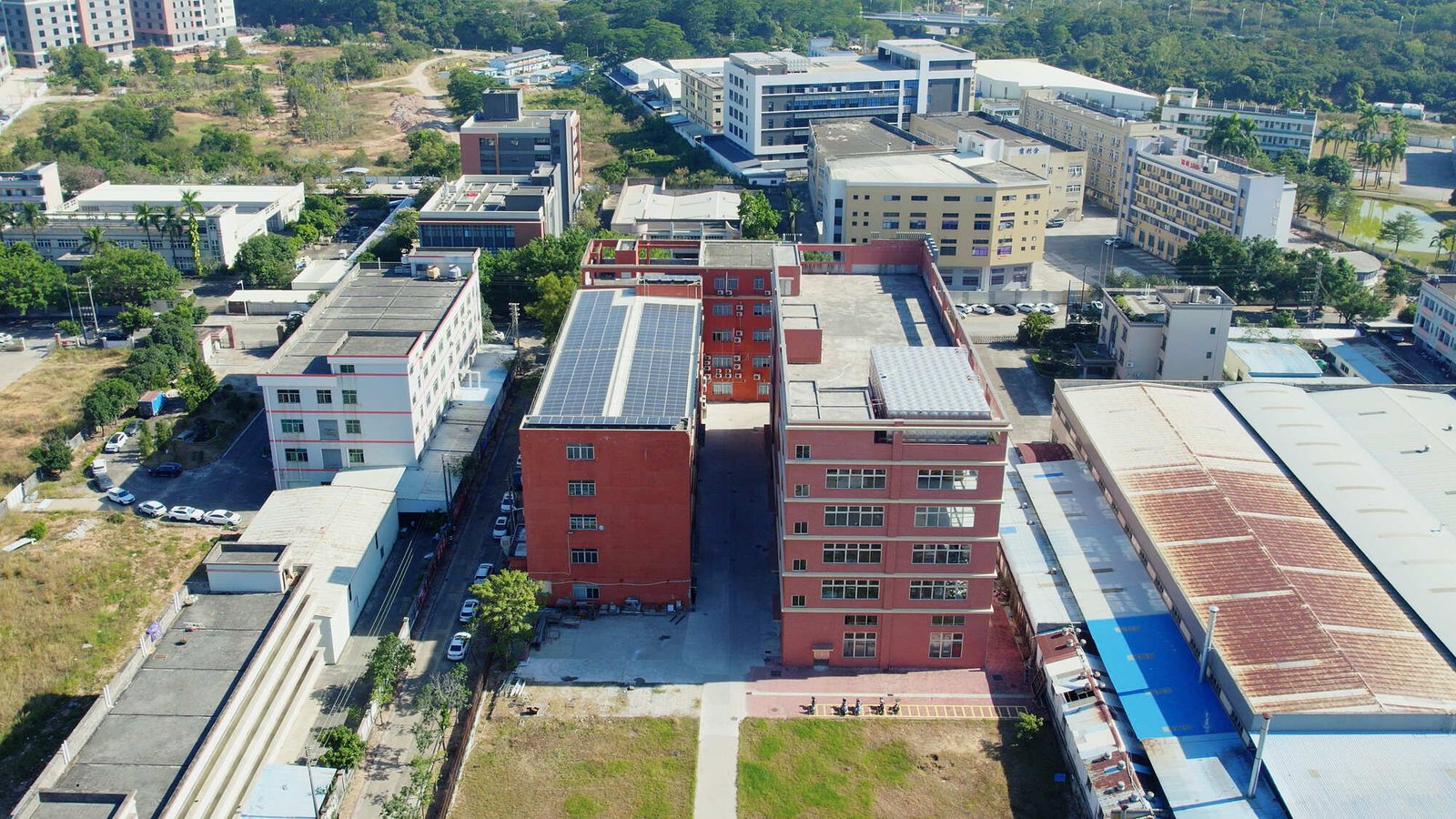
Even the most robust packaging machinery requires technical support throughout its operational life. Assess the supplier’s service capabilities: remote diagnostic support, on-site technician availability, response times, and training programs for your operators and maintenance teams. A supplier serving more than 100 countries with established support networks offers significant advantages for manufacturers operating across multiple production sites or international markets.
Total Cost of Ownership Analysis
Purchase price alone provides an incomplete picture of investment value. A comprehensive total cost of ownership analysis should account for:
- Initial capital expenditure: Machine cost, tooling, installation, and facility modifications.
- Operating costs: Energy consumption, compressed air requirements, packaging material waste rates.
- Labor requirements: Operator staffing levels per shift, technical skill requirements.
- Maintenance costs: Scheduled preventive maintenance, expected component replacement intervals.
- Downtime risk: Supplier response capability, availability of critical spare parts.
Often, a higher initial investment in a quality-engineered machine yields substantially lower costs over a 5-10 year operating period through reduced waste, higher uptime, and lower maintenance expenses. According to PMMI’s State of the Industry reports, packaging machinery that integrates advanced automation and controls consistently demonstrates better long-term value despite higher upfront costs.
Standards, Certifications, and Regulatory Compliance
Depending on your industry and target market, packaging equipment may need to meet specific standards and regulations. Key frameworks include:
- CE marking: Required for machinery sold in the European Economic Area, indicating conformity with health, safety, and environmental requirements.
- FDA compliance: Relevant for food-contact surfaces and packaging materials in the U.S. market.
- GMP and cGMP: Good Manufacturing Practice requirements for pharmaceutical and nutraceutical packaging.
- ISO standards: Including ISO 11607 for medical device packaging where applicable.
- ATEX or equivalent: For equipment operating in potentially explosive atmospheres.
Verify that the manufacturer can provide appropriate certification documentation and compliance declarations. For companies exporting packaged products, the machine’s ability to produce packaging meeting destination-market regulations is essential.
Customization and Turnkey Solutions
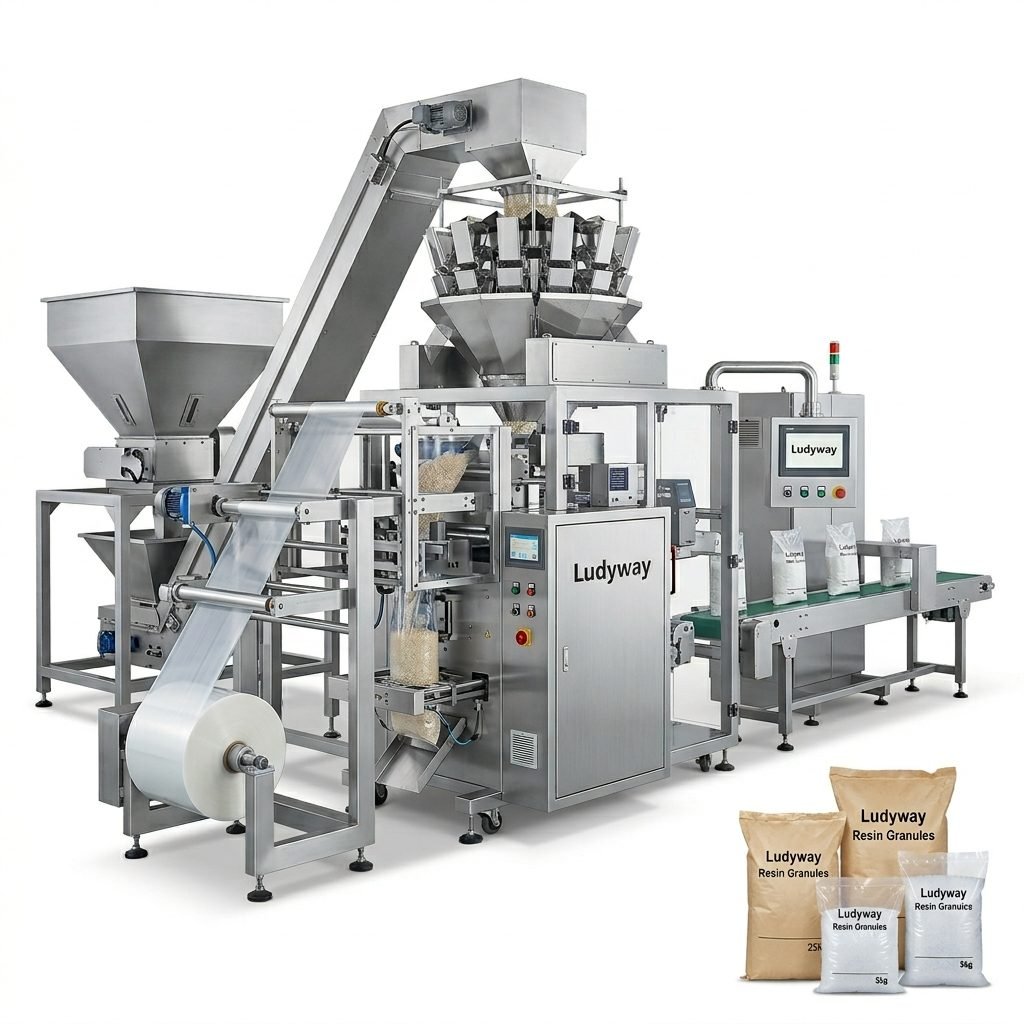
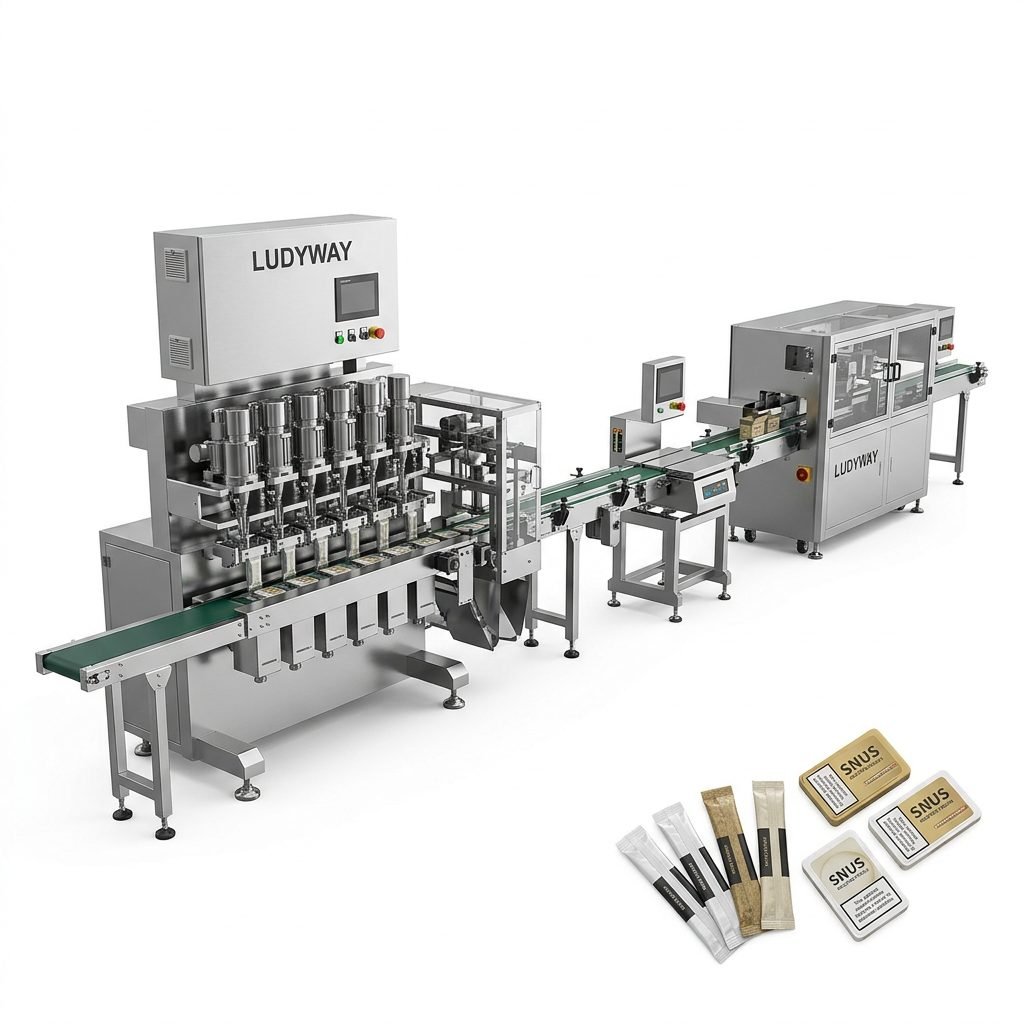
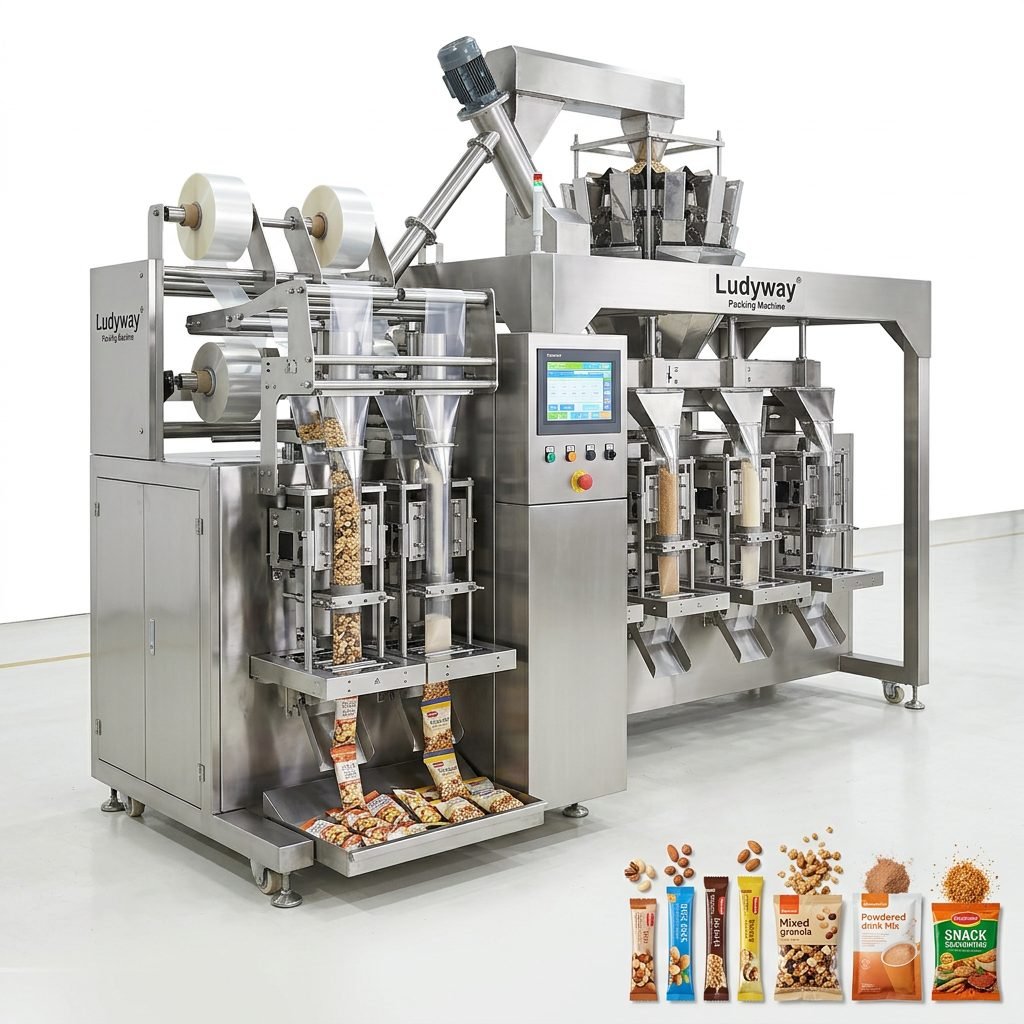
Packaging requirements vary significantly between manufacturers. Product characteristics, packaging materials, bag sizes, filling volumes, production speeds, and factory layouts all affect the appropriate equipment configuration. Working with a supplier that provides customized machinery and engineering solutions enables configurations matched to your specific requirements rather than forcing adaptation to off-the-shelf specifications. This is particularly valuable for manufacturers introducing new packaging formats, automating manual processes, or integrating equipment into existing production lines. One example of a manufacturer offering such customization is Ludyway Machinery, a China-based packaging machinery manufacturer with over 30 years of industry experience, providing automated packaging equipment and turnkey solutions across food, pharmaceutical, cosmetic, chemical, and animal feed sectors.
Commissioning, Training, and After-Sales Support
The transition from equipment delivery to full production depends heavily on commissioning quality and operator training. Clarify the following with potential suppliers:
- What is the installation and commissioning process, and what support is provided on-site?
- Is operator and maintenance training included, and can it be conducted at your facility?
- What warranty terms apply, and what is covered under warranty versus considered wear and tear?
- How is ongoing technical support delivered — remote assistance, on-site visits, or both?
- What are the recommended preventive maintenance intervals and associated costs?
Future-Proofing Your Investment
A packaging machine investment typically spans 7-15 years of operational life. During that period, your products may evolve, packaging formats may change, and production volumes will likely grow. Consider the following strategies to maximize long-term value:
- Modular machine architectures that allow lane additions, format conversions, or automation upgrades without replacing the entire system.
- Software-upgradable controls that can accommodate new features, protocols, and connectivity standards.
- Compatibility with sustainable packaging trends — machines capable of running recyclable mono-materials, paper-based films, or reduced-thickness laminates.
- Digital connectivity supporting Industry 4.0 integration, OEE monitoring, and predictive maintenance.
As flexible packaging industry data indicates, material innovation continues accelerating. Machines designed with flexibility in temperature control, tension management, and sealing parameters are better positioned to handle evolving material specifications without extensive retrofitting.
Making the Final Decision
With technical requirements defined and suppliers evaluated, consolidate your findings into a structured comparison. Key decision factors should include:
| Decision Factor | Weight | Evaluation Approach |
|---|---|---|
| Technical fit with product and format | Highest | Factory acceptance testing with your actual products |
| Build quality and reliability | High | Reference visits, user testimonials, production audits |
| Supplier experience and support | High | Track record in your industry, service infrastructure |
| Total cost of ownership | Medium-High | 5-year projection including all operating costs |
| Delivery timeline | Medium | Confirmed lead times and installation scheduling |
Selecting the right Fawema packaging machine requires balancing technical specifications, commercial considerations, and long-term partnership potential. By methodically evaluating each factor outlined in this guide, you position your operation for efficient, reliable, and scalable packaging performance that supports your business objectives for years to come.