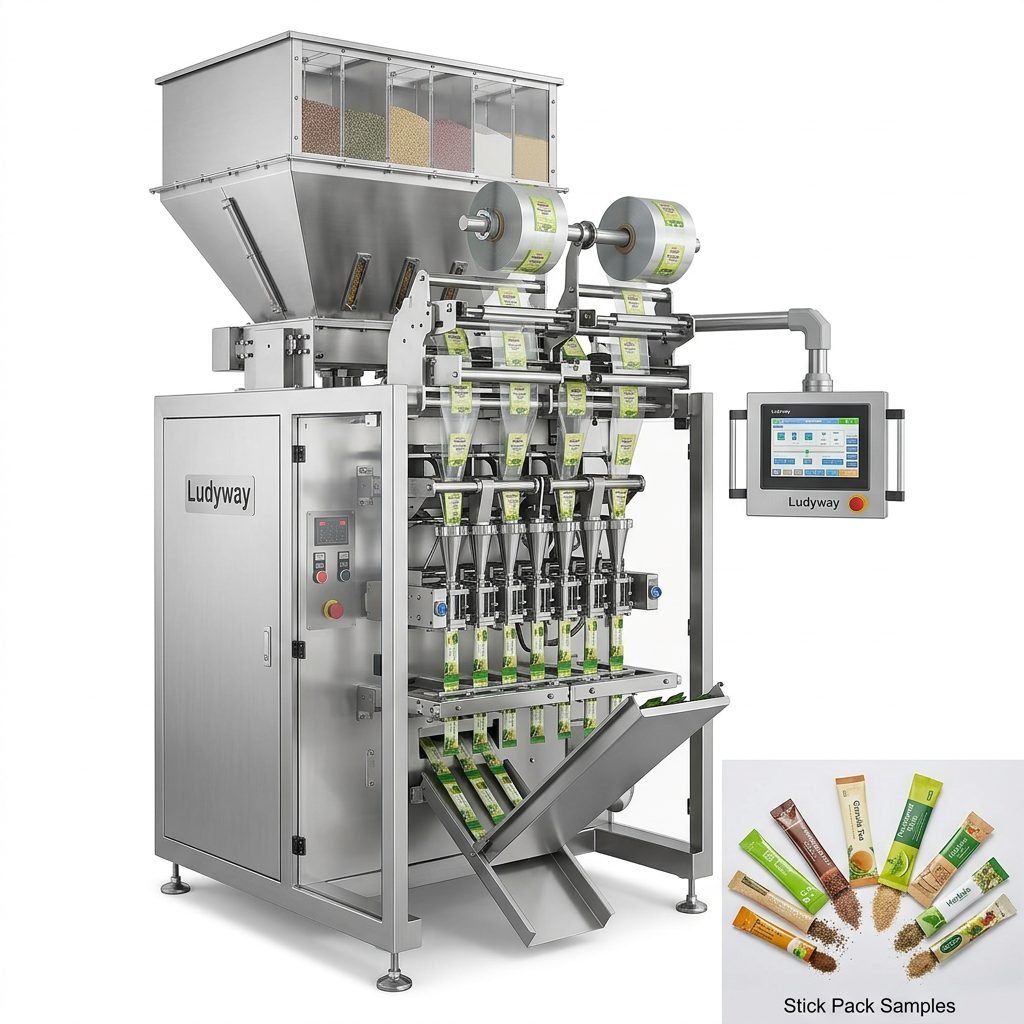
Investing in a packaging machine is one of the most significant capital decisions a manufacturer can make. Whether you are launching a new product line, scaling production, or transitioning from manual to automated packaging, selecting the right equipment directly impacts your operational efficiency, product quality, and long-term profitability. A poorly matched machine can lead to downtime, material waste, and costly retrofits. This guide walks you through the essential factors to evaluate when choosing a packaging machine that aligns with your production goals.
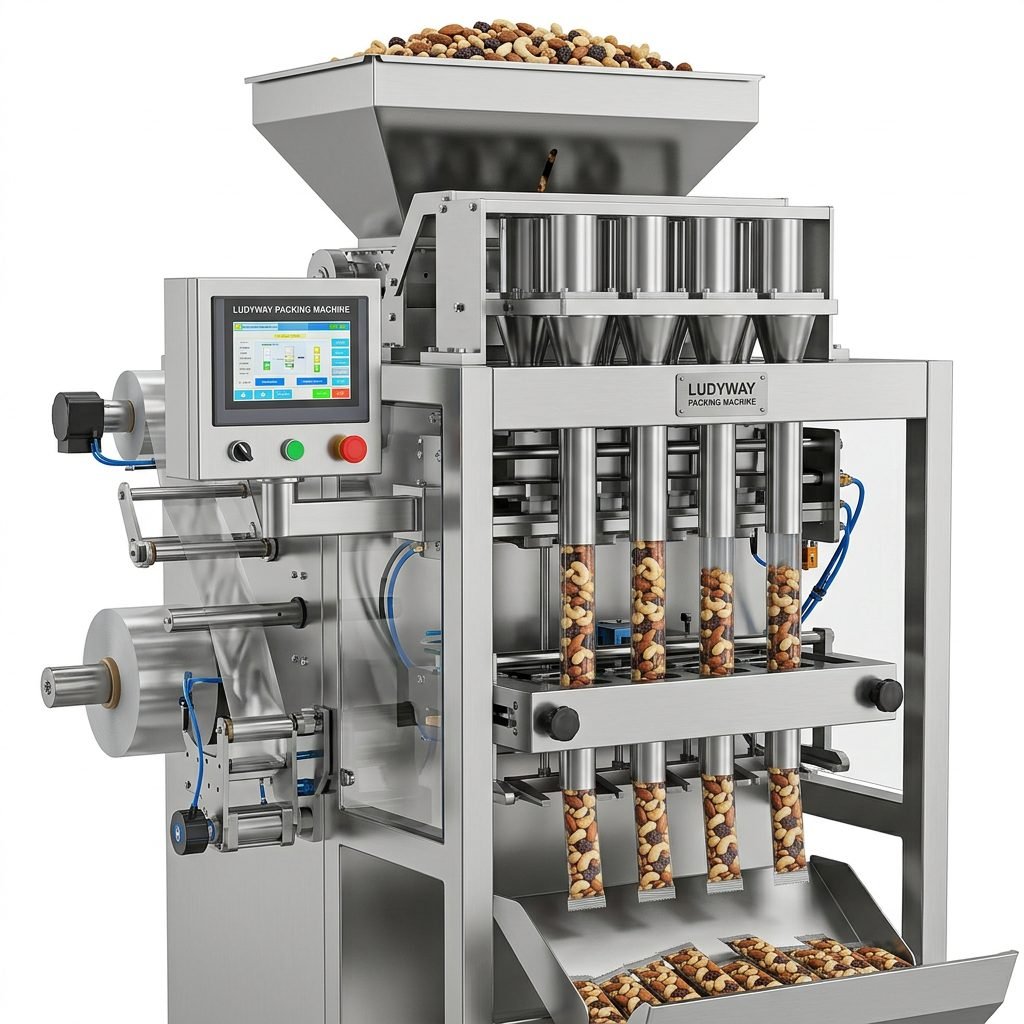
Understand Your Product Characteristics First
Before evaluating machine specifications, start with a thorough analysis of your product. Product characteristics determine the type of dosing system, filling mechanism, and sealing technology required. Ask yourself these critical questions:
- What is the physical form? Is your product a free-flowing powder, sticky granule, viscous liquid, paste, or solid piece? Each form demands a different filling approach — auger fillers for powders, piston fillers for liquids, volumetric cup fillers for granules, and multi-head weighers for solid items.
- What are the flow properties? Some powders bridge or clump; some liquids foam or contain particles. These behaviors affect filling accuracy and speed. For challenging products, specialized agitation or heating systems may be required in the hopper.
- Is the product hygroscopic, oxygen-sensitive, or temperature-sensitive? Products like powder packaging applications for nutritional supplements often require nitrogen flushing, vacuum sealing, or climate-controlled handling to maintain shelf life.
- What is the bulk density and particle size distribution? These parameters influence hopper design, feeding mechanism selection, and bag size calculations. Inconsistent particle sizes can cause segregation during filling, affecting weight accuracy.
Define Your Packaging Format and Bag Style
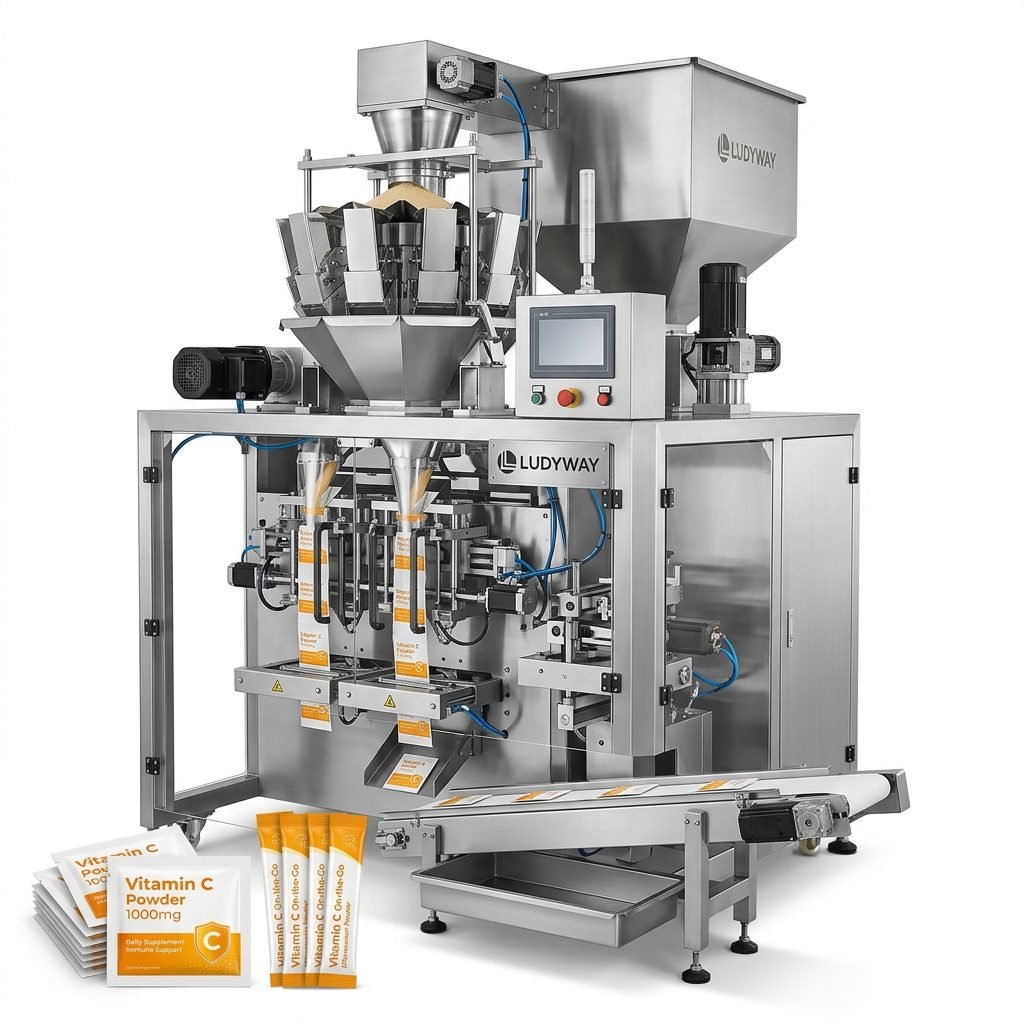
Packaging format decisions affect machine configuration, tooling, and changeover complexity. Modern packaging machinery can produce a wide variety of bag styles. Consider which format best serves your market positioning and consumer convenience:
| Packaging Format | Best Suited For | Key Advantages |
|---|---|---|
| Stick Packs | Single-serve powders, instant beverages, supplements | Compact, portable, precise dosing, excellent material efficiency |
| Three-Side-Seal Sachets | Sample packets, single-use cosmetics, condiments | Cost-effective, high-speed production, simple design |
| Four-Side-Seal Sachets | Premium samples, pharmaceutical unit doses | Enhanced barrier properties, tamper-evident, professional appearance |
| Gusseted Pouches | Coffee, pet food, bulk powders, granola | Superior shelf presence, stand-up capability, larger fill volumes |
| Premade Pouch Filling | Premium products, zipper pouches, shaped bags | High-quality print registration, complex shapes, resealable options |
| Large Bag / Sack Filling | Bulk ingredients, construction materials, agricultural products | High throughput for bulk volumes, 5kg to 50kg capacity range |
Your choice of flexible packaging material also matters. Different films — PET, PE, BOPP, aluminum foil laminates, paper-based laminates — have varying heat-seal characteristics, barrier properties, and compatibility with vertical or horizontal form-fill-seal (VFFS/HFFS) machines.
Determine Production Speed and Capacity Requirements
Production throughput is a pivotal specification. It is not simply about how many bags per minute a machine can produce — you need to evaluate the entire packaging line’s capacity, including upstream feeding and downstream cartoning or palletizing. Consider these factors:
- Current and projected demand: Select a machine that comfortably meets your peak production requirements while allowing headroom for growth. Running a machine continuously at maximum speed increases wear and reduces reliability.
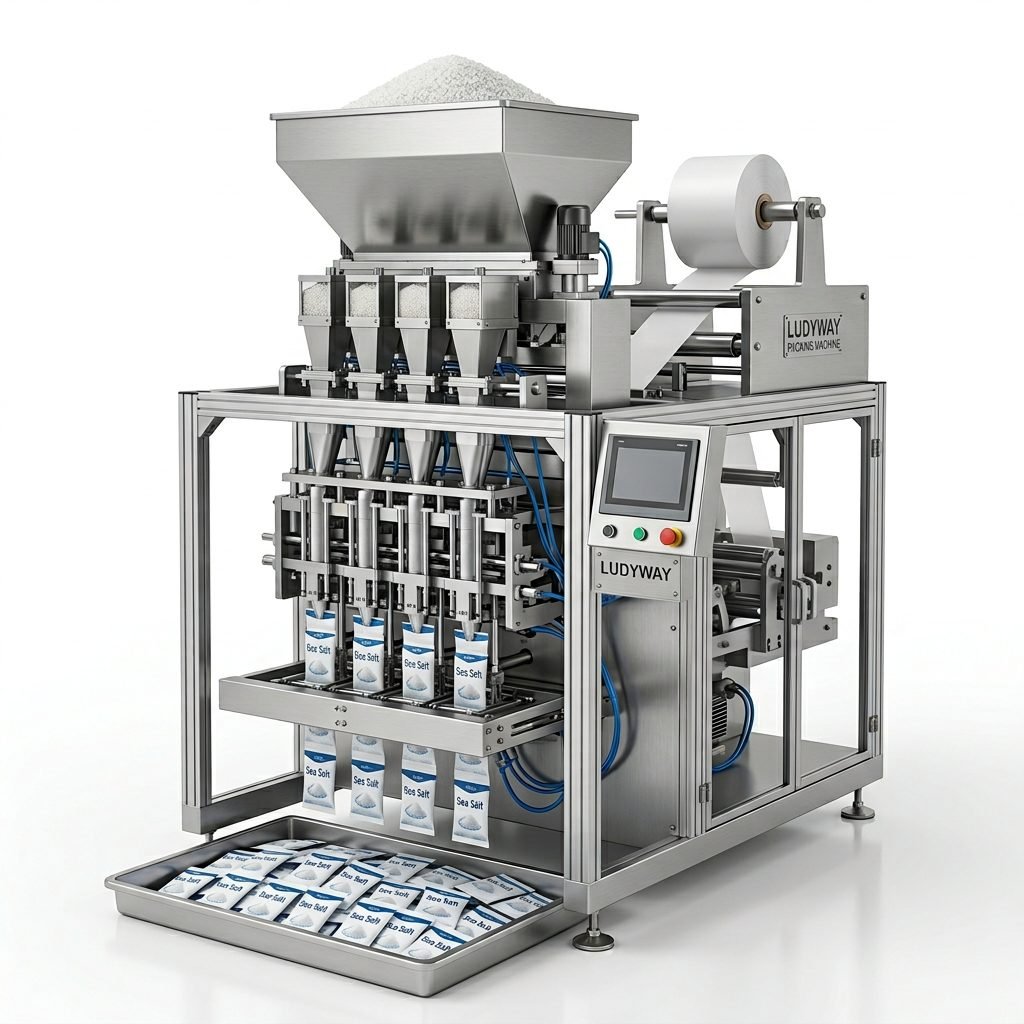
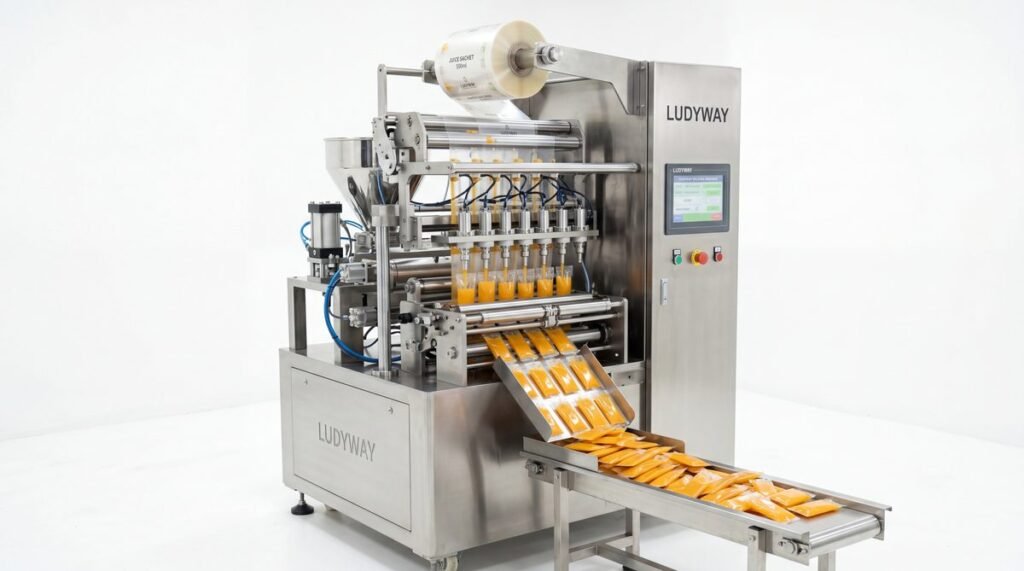
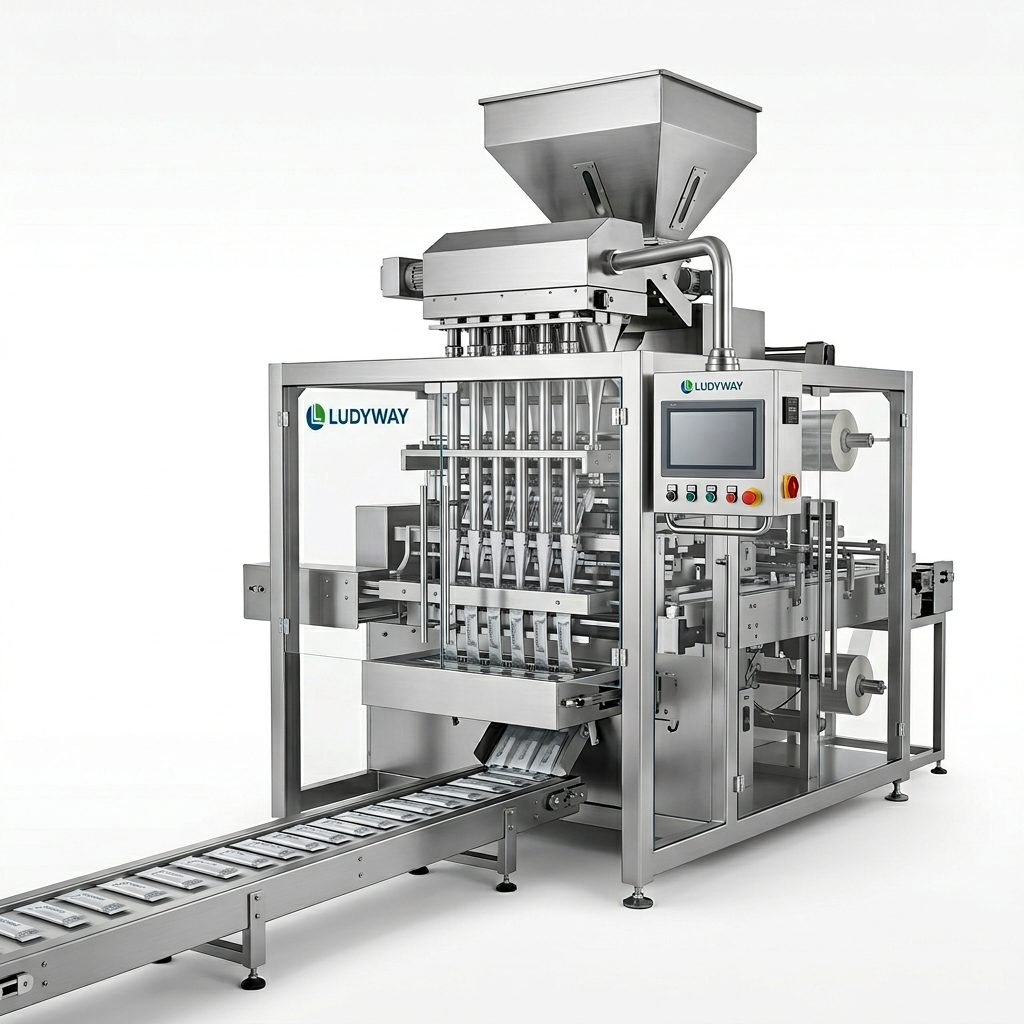
- Multi-lane configurations: For high-volume sachet and stick pack production, multi-lane machines running 4, 8, 12, or more lanes simultaneously can dramatically increase output without proportionally increasing floor space or operator requirements.
- Changeover frequency: If you run multiple products or formats on the same line, rapid changeover capability becomes essential. Look for tool-less change parts, recipe management systems, and intuitive HMI interfaces that minimize downtime between runs.
Evaluate Filling Accuracy and Dosing Technology
Fill accuracy directly affects product give-away costs and regulatory compliance. Overfilling by even a few percentage points can erode margins significantly over millions of units, while underfilling risks non-compliance with weights and measures regulations. The FDA packaging regulations and international standards set clear requirements for net content accuracy. Key dosing technologies include:
- Auger fillers — ideal for powders with consistent density; accuracy within ±0.5% to ±1% achievable
- Piston fillers — excellent for liquids and pastes; volumetric accuracy especially suitable for viscous products
- Multi-head weighers — best for solid pieces, granules, and irregular shapes; combination weighing achieves high accuracy at speed
- Net weigh fillers — weigh the product before filling; preferred for high-value products where precise weight control is critical
- Flow meters and mass flow meters — used for liquid filling with high accuracy and hygienic design
Integrating checkweighers and metal detectors downstream of the filling station provides real-time quality assurance and rejection of non-conforming packages. For pharmaceutical and food applications, this is often a regulatory requirement under ISO packaging standards and GMP guidelines.
Automation Level and Workforce Integration
The degree of automation you choose affects labor costs, operational consistency, and initial capital investment. Evaluate your current workforce situation and long-term strategy:
- Semi-automatic machines: Require operator involvement for feeding, bag handling, or product transfer. Suitable for lower volumes, startups, or products requiring manual inspection.
- Fully automatic systems: Integrate product feeding, dosing, bag forming, filling, sealing, coding, and discharge automatically. Ideal for medium to high volumes and consistent operation with minimal labor.
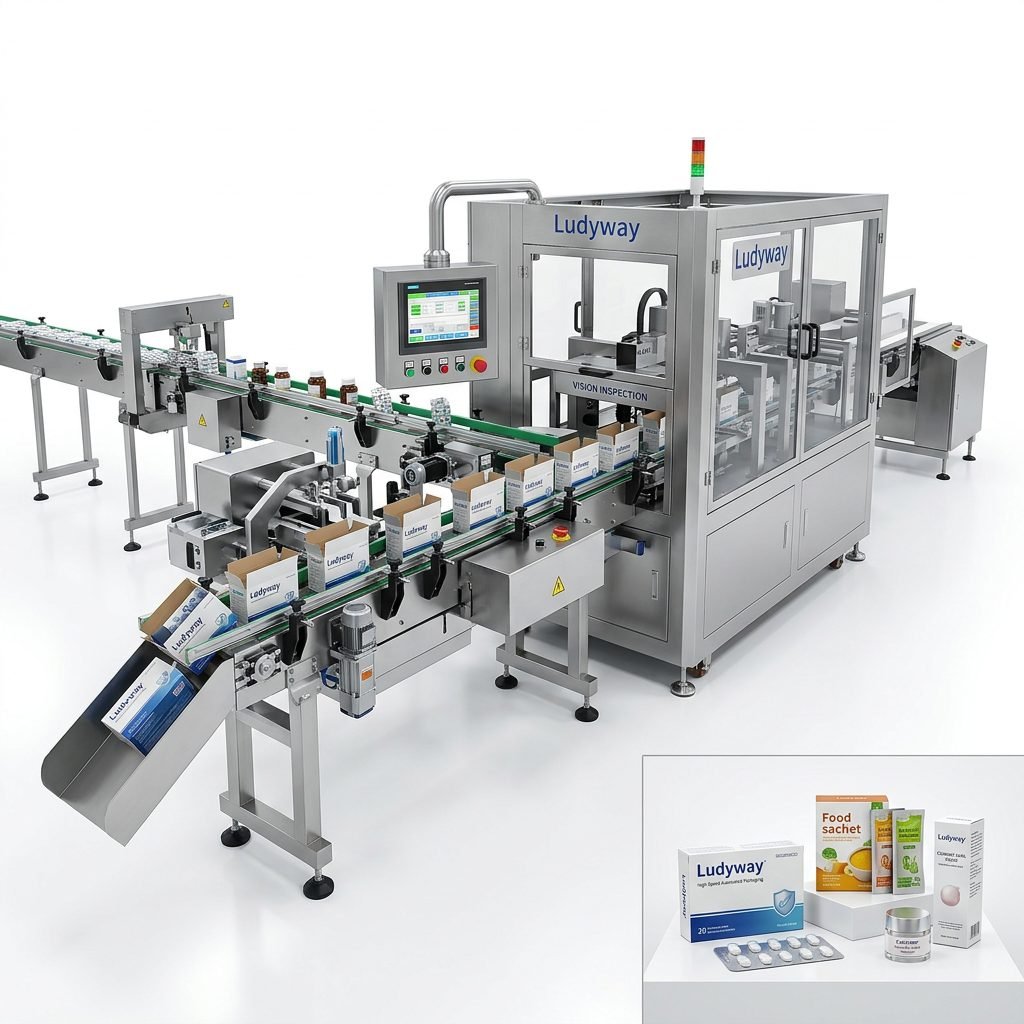
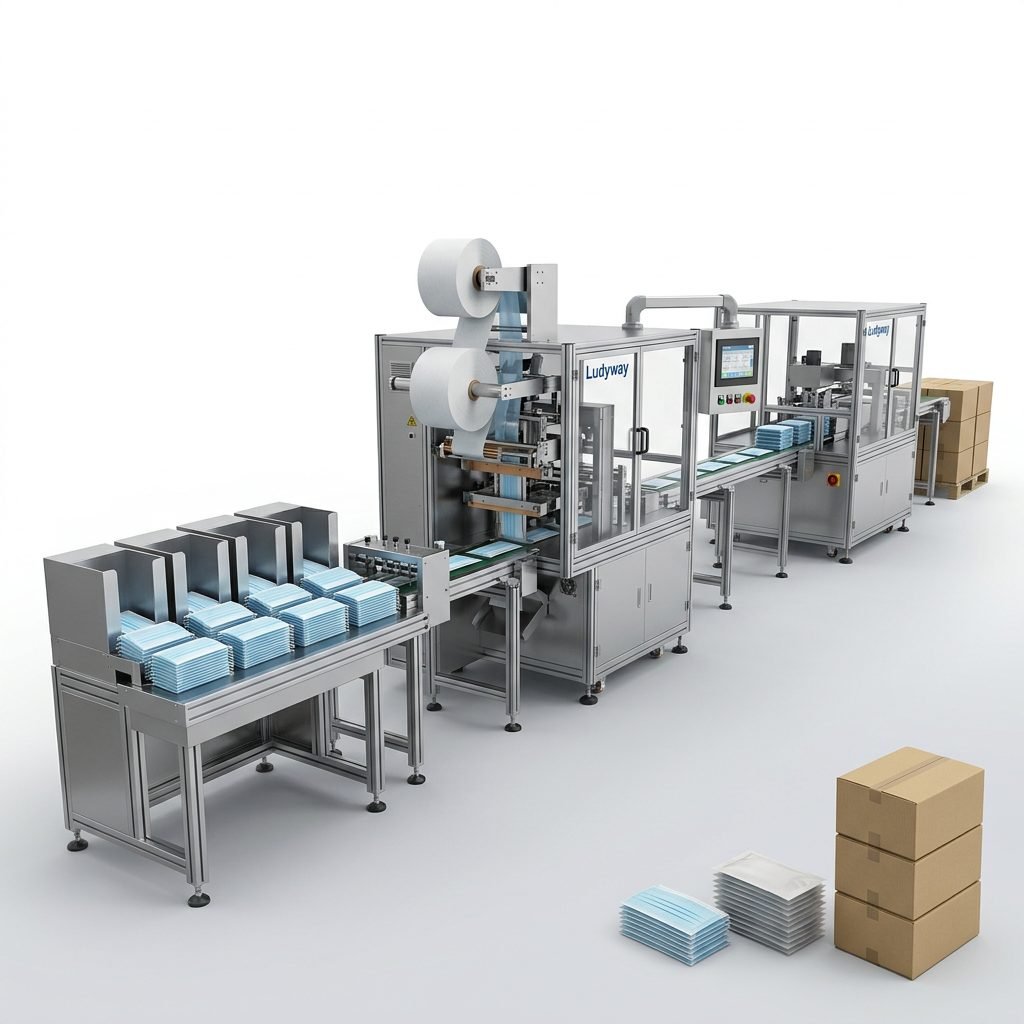
- Turnkey packaging lines: Combine multiple automated stages — feeding, filling, sealing, checkweighing, cartoning, case packing, and palletizing — into an integrated system managed through a central control platform.
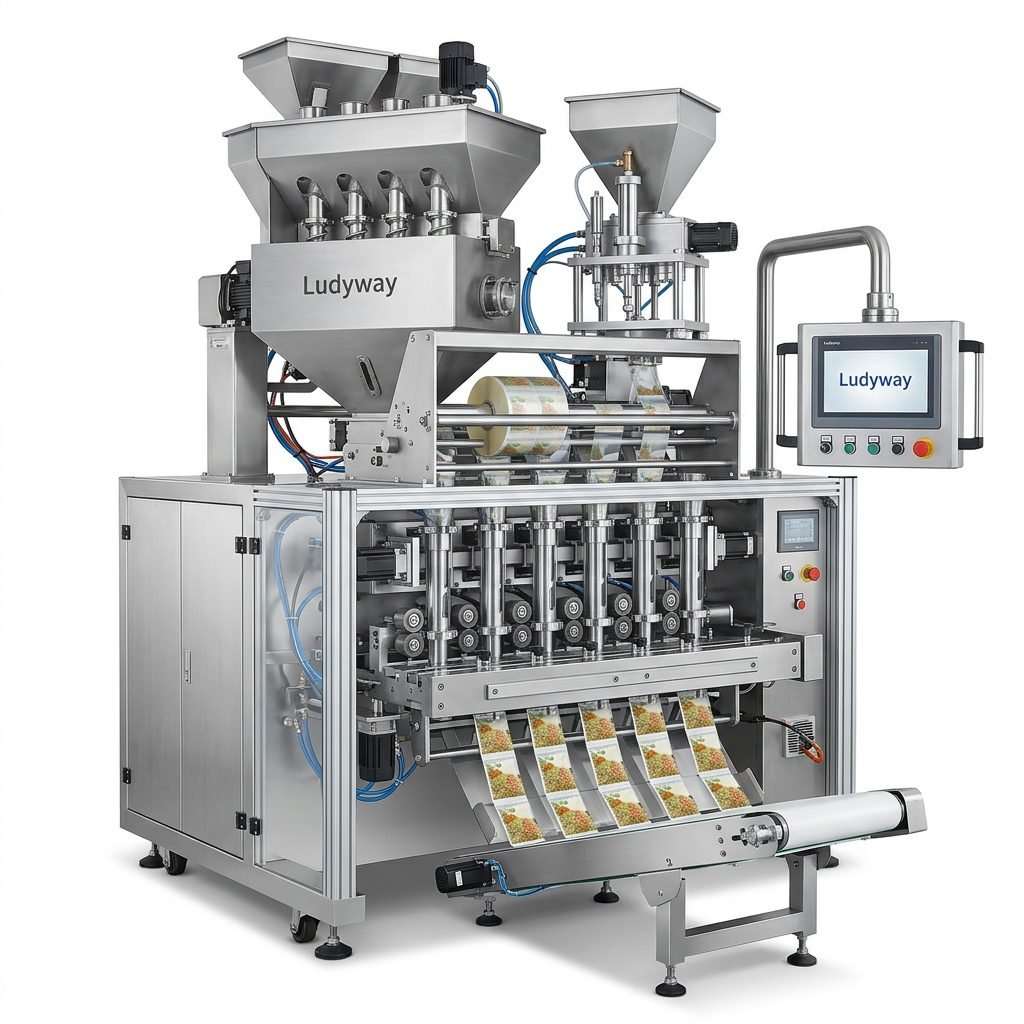
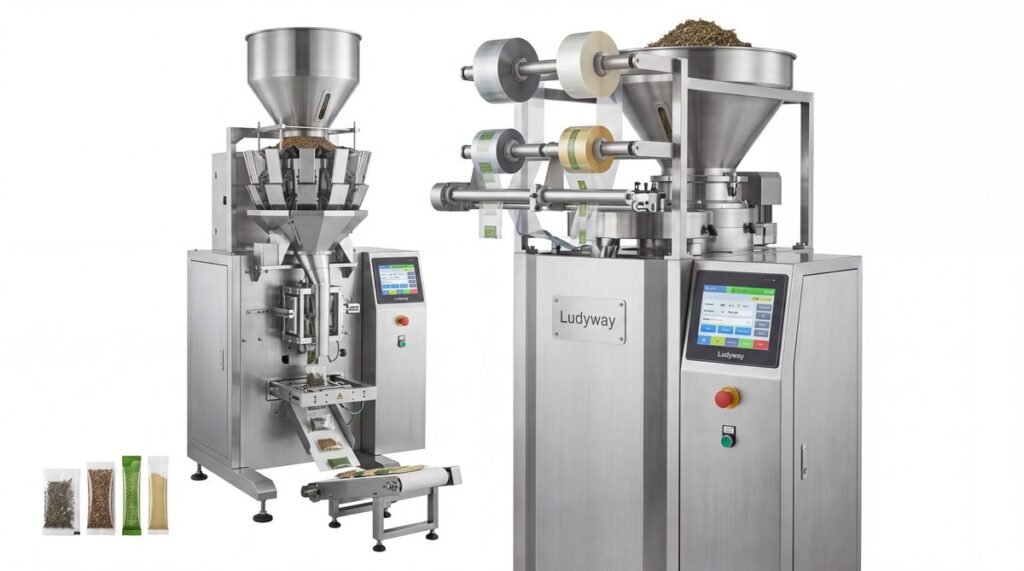
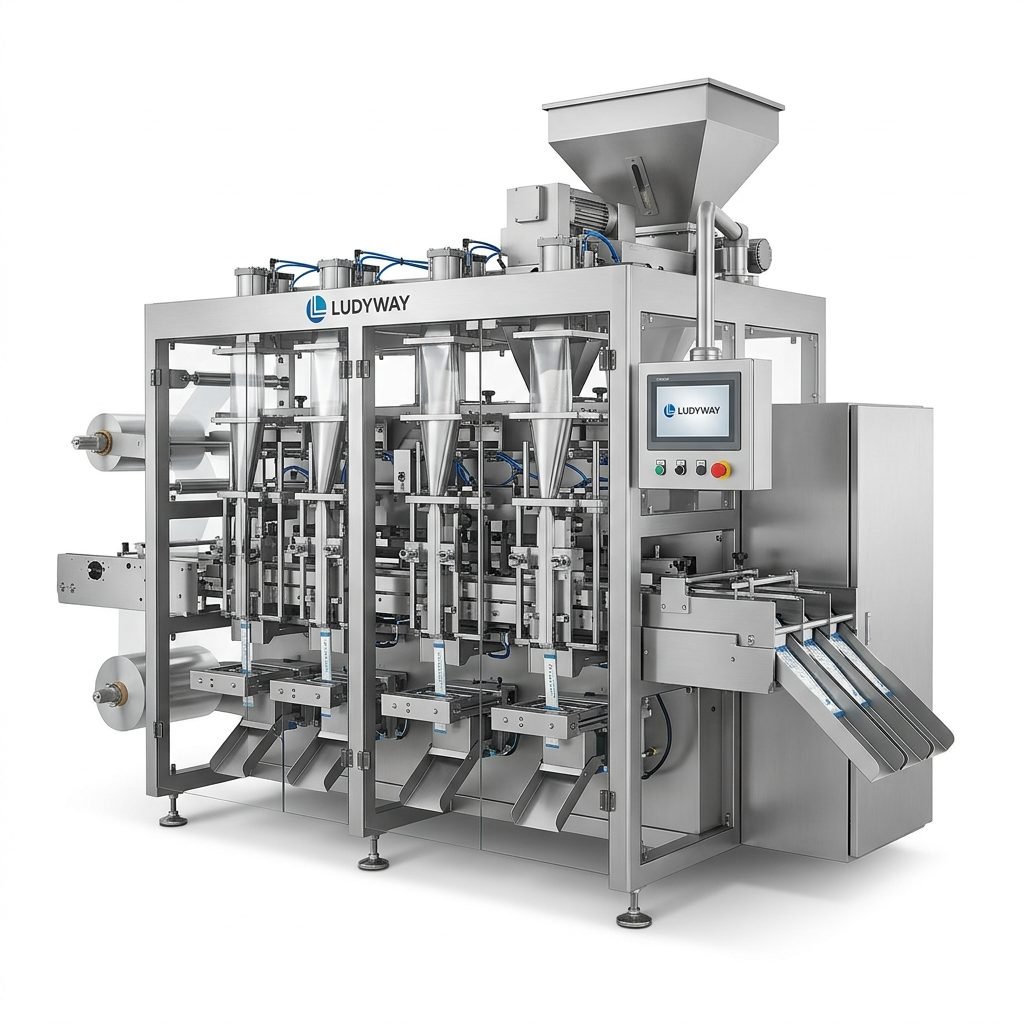
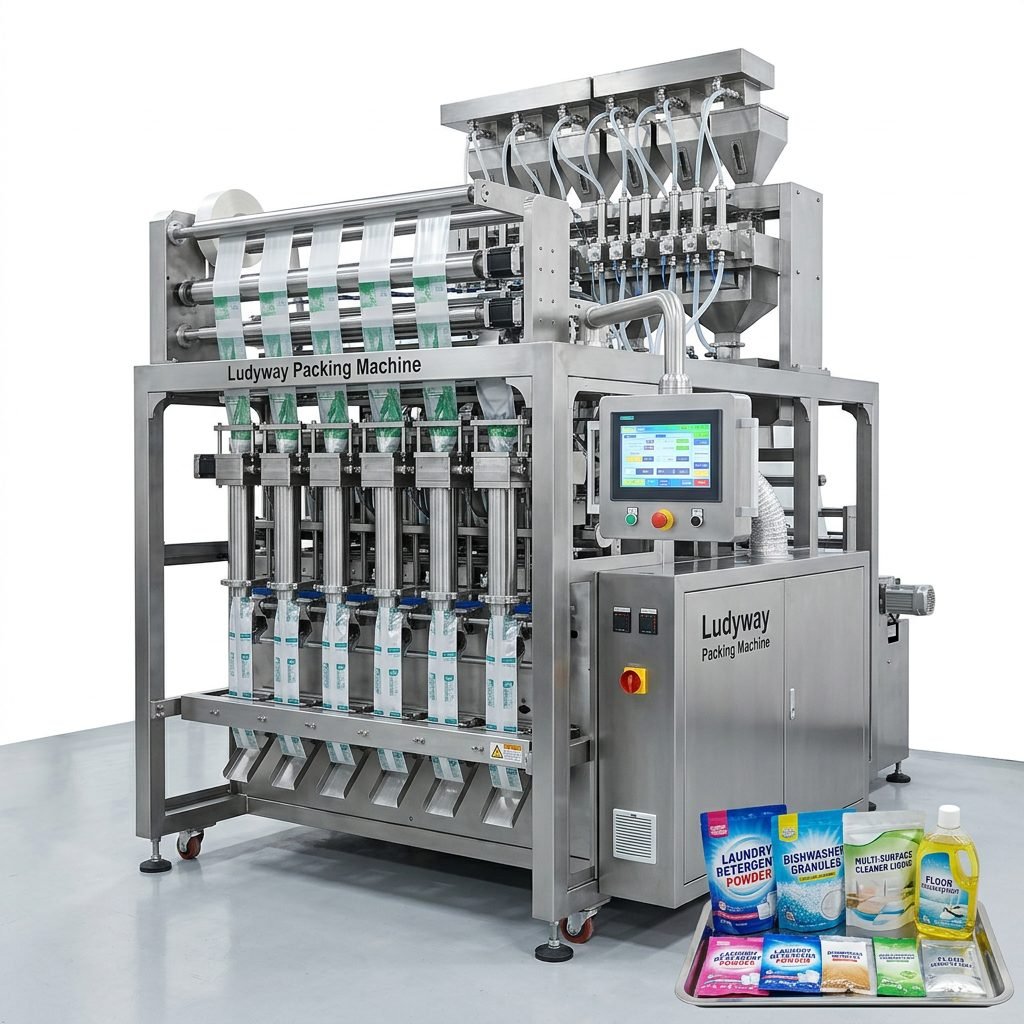
When working with an experienced packaging machinery manufacturer, you can configure the appropriate automation level for your specific operational context. Ludyway Machinery, a China-based packaging machinery manufacturer with over 30 years of industry experience, provides both individual machines and complete turnkey packaging solutions configured to match different production scales and automation requirements.

Machine Construction, Materials, and Compliance
Build quality and material selection directly influence equipment longevity, cleanability, and regulatory compliance. Critical considerations include:
- Product contact surfaces: For food, pharmaceutical, and cosmetic applications, stainless steel (typically SUS304 or SUS316L) is the standard. The finish quality — polished, mirror-finished, or electropolished — affects cleanability and bacterial adhesion.
- Frame and structural components: Heavy-duty welded steel frames with corrosion-resistant coatings provide vibration dampening and long-term dimensional stability, which is essential for maintaining seal alignment and cutting precision.
- Sealing system design: Temperature control accuracy, jaw pressure consistency, and dwell time control all affect seal integrity. Look for PID-controlled heating systems with independent temperature zones for multi-lane machines.
- Compliance documentation: Depending on your market, you may need CE marking, UL certification, FDA compliance documentation, or GMP validation packages. Verify that your supplier can provide the required documentation for your target markets, as emphasized in PMMI industry resources.
Control Systems and Industry 4.0 Readiness
Modern packaging machines increasingly incorporate smart manufacturing capabilities. Evaluate whether the control system supports:
- PLC-based control with color touchscreen HMI for intuitive operation and recipe management
- Remote diagnostics and troubleshooting via Ethernet/IP or OPC-UA connectivity
- Production data logging, OEE calculation, and integration with MES or ERP systems
- Servo-driven motion control for precise, repeatable movements without mechanical cams
- Predictive maintenance alerts based on cycle counts, temperature trends, or vibration monitoring

Evaluate Total Cost of Ownership, Not Just Purchase Price
A common mistake is focusing solely on the initial capital expenditure. Total Cost of Ownership (TCO) includes all costs incurred over the machine’s service life. A seemingly cheaper machine can become significantly more expensive when factoring in:
| Cost Category | Typical Impact on TCO | Mitigation Strategy |
|---|---|---|
| Spare parts consumption | 5-10% of machine cost annually | Choose machines with globally available components; maintain recommended spare parts inventory |
| Film and material waste | 2-8% of material cost | Precision film tracking, splice detection, and registration control minimize waste |
| Energy consumption | Varies by heating and drive technology | Servo-driven systems and efficient heating elements reduce power usage |
| Downtime and lost production | Potentially the largest hidden cost | Robust design, preventive maintenance programs, and responsive technical support |
| Operator training and turnover | Recurring cost with staffing changes | Intuitive HMI design, comprehensive documentation, and accessible training resources |
Refer to the State of the Industry reports published by PMMI for benchmarking data on packaging machinery costs and operational metrics across different industry segments.
Supplier Evaluation and After-Sales Support
Your relationship with the equipment supplier extends well beyond the initial purchase. Thorough supplier evaluation should cover:
- Industry experience and references: How many installations does the supplier have in your specific industry? Request case studies or references from manufacturers producing similar products.
- Factory acceptance testing (FAT): A comprehensive FAT before shipment allows you to verify machine performance, accuracy, and quality using your actual products and packaging materials. This significantly reduces installation and commissioning time at your facility.
- Installation, commissioning, and training: Does the supplier provide on-site installation supervision, commissioning support, and thorough operator and maintenance training?
- Spare parts availability and logistics: Evaluate the supplier’s spare parts inventory, delivery lead times, and whether critical components are sourced from globally recognized brands like Siemens, Omron, Schneider, or SMC for easy local procurement.
- Remote and on-site technical support: In today’s connected environment, remote diagnostic capabilities can resolve many issues without the delay and cost of an on-site service visit. The flexible packaging industry increasingly relies on rapid technical support to maintain production uptime.
Customization and Scalability Considerations
Standardized machines work well for common applications, but many manufacturers have unique requirements that demand custom engineering. When evaluating suppliers, assess their willingness and capability to customize:
- Product-specific dosing and feeding systems for challenging materials
- Integration with existing upstream and downstream equipment
- Custom bag sizes, shapes, or features such as tear notches, laser scoring, or hang holes
- Multi-product capability with quick-change tooling for production flexibility
- Future scalability — can the machine be upgraded or expanded as your production needs grow?
The packaging machinery market continues to evolve with new technologies in automation, sustainability, and smart manufacturing. Selecting a machine that can adapt to future requirements provides long-term value protection.
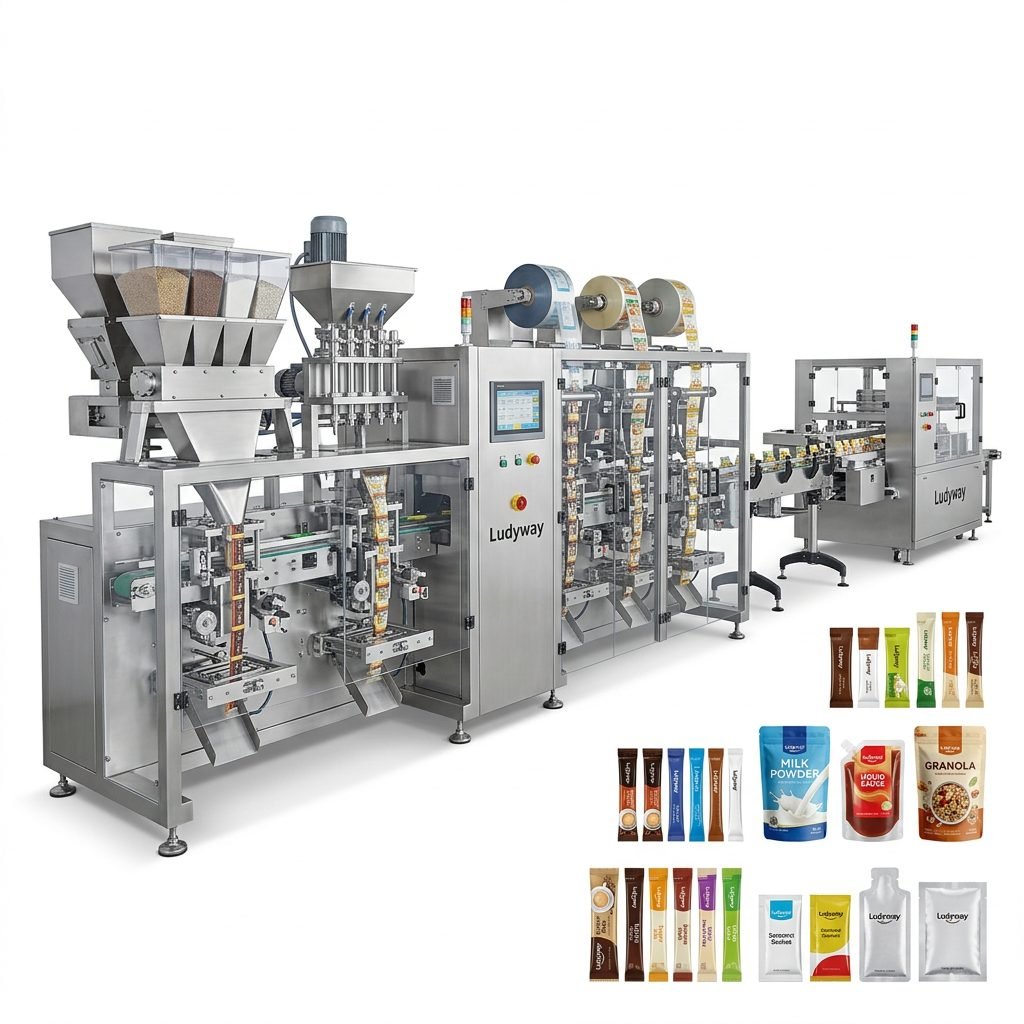
Making the Final Decision: A Structured Approach
With all the technical, operational, and commercial factors evaluated, use a structured decision-making process to finalize your selection. We recommend the following approach:
- Document your requirements in a detailed user requirement specification (URS) that covers product characteristics, packaging format, speed, accuracy, facility constraints, budget, and compliance needs.
- Shortlist qualified suppliers based on industry experience, technical capability, reference checks, and geographic proximity for support.
- Request detailed proposals including machine specifications, scope of supply, project timeline, installation and training plan, warranty terms, and total cost breakdown.
- Conduct on-site evaluations — visit supplier facilities and reference sites to see similar machines in operation with comparable products.
- Perform factory acceptance testing with your actual products and packaging materials before shipment approval.
- Negotiate terms covering not just price but also payment milestones, delivery, installation support, training, warranty period, and post-warranty service agreements.
Choosing the right packaging machine is a strategic decision that affects your production capability, product quality, and competitive position for years to come. By systematically evaluating product requirements, packaging formats, production capacity, automation level, machine quality, total cost of ownership, and supplier capability, you can make an informed investment that supports your business growth. For further insights, explore the global packaging machinery growth trends and industry forecasts to understand where the market is heading.