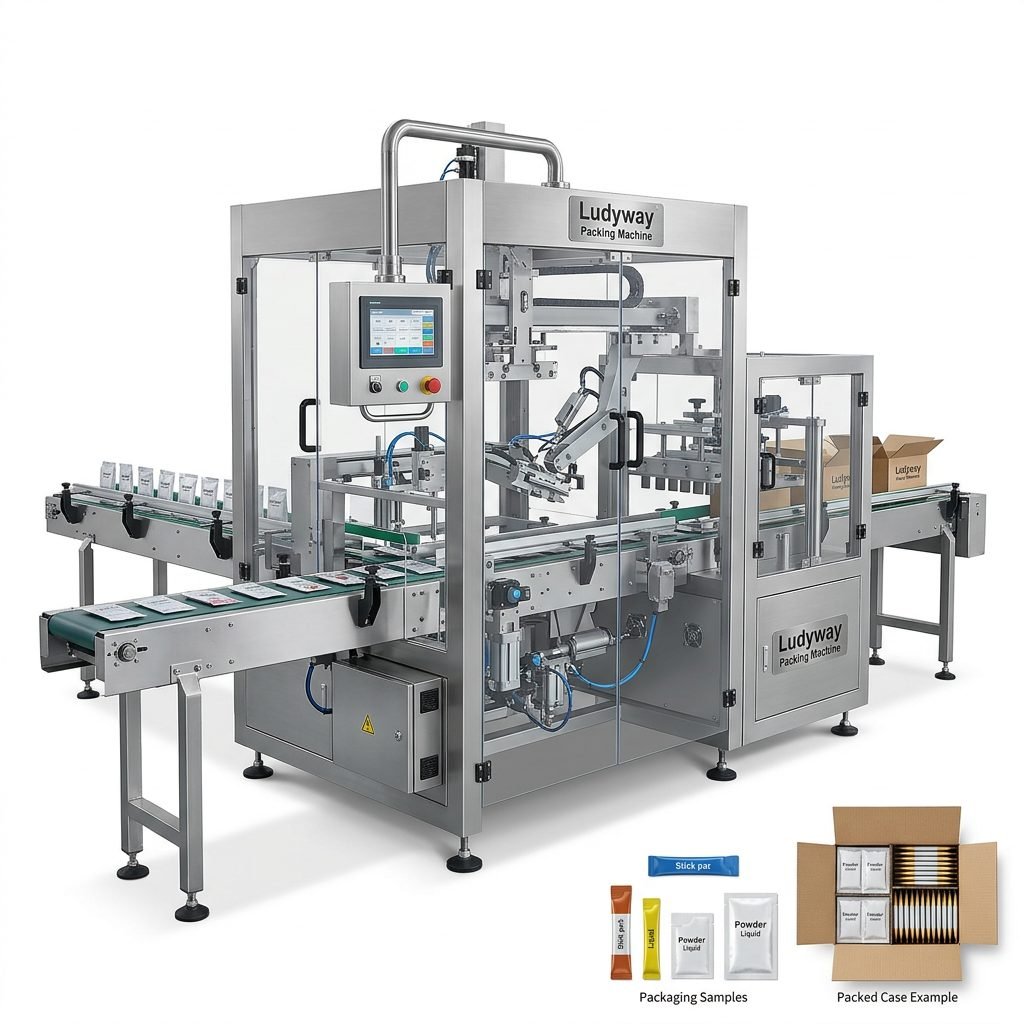
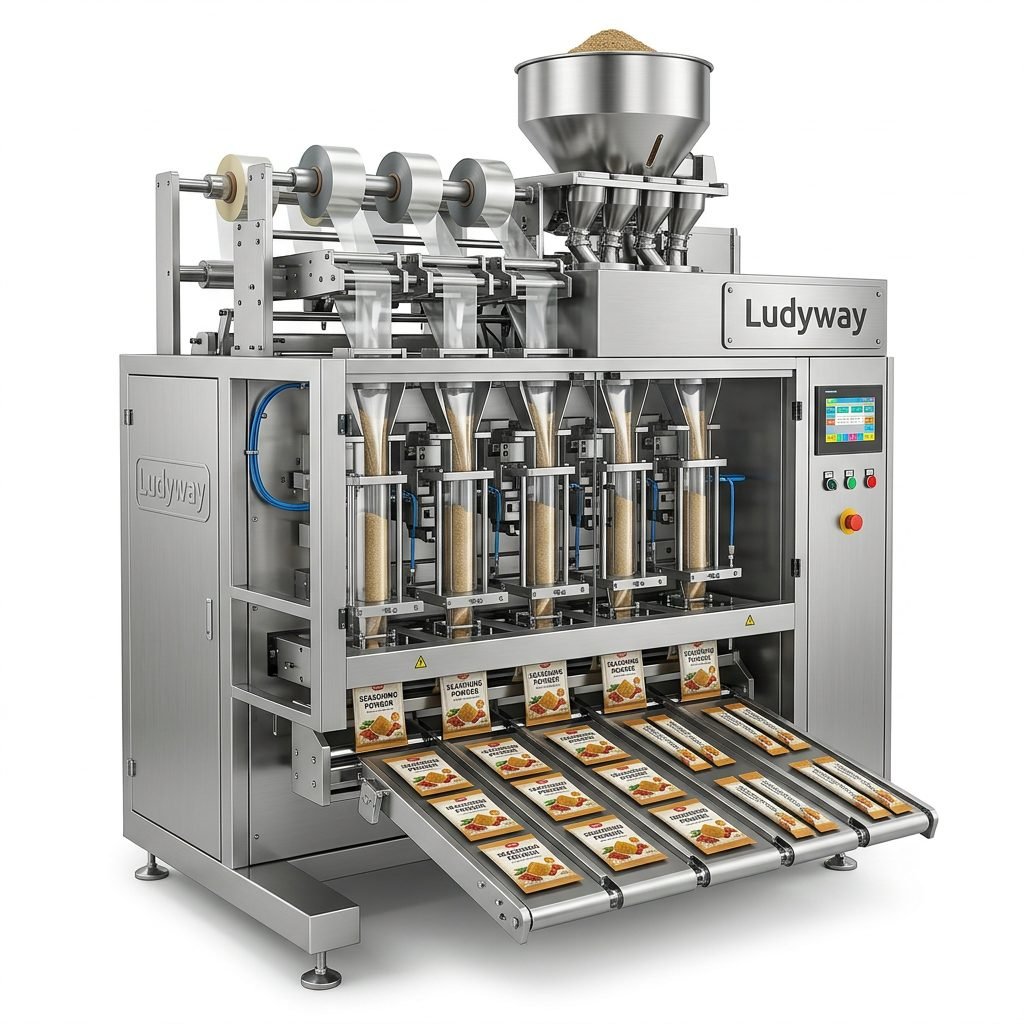
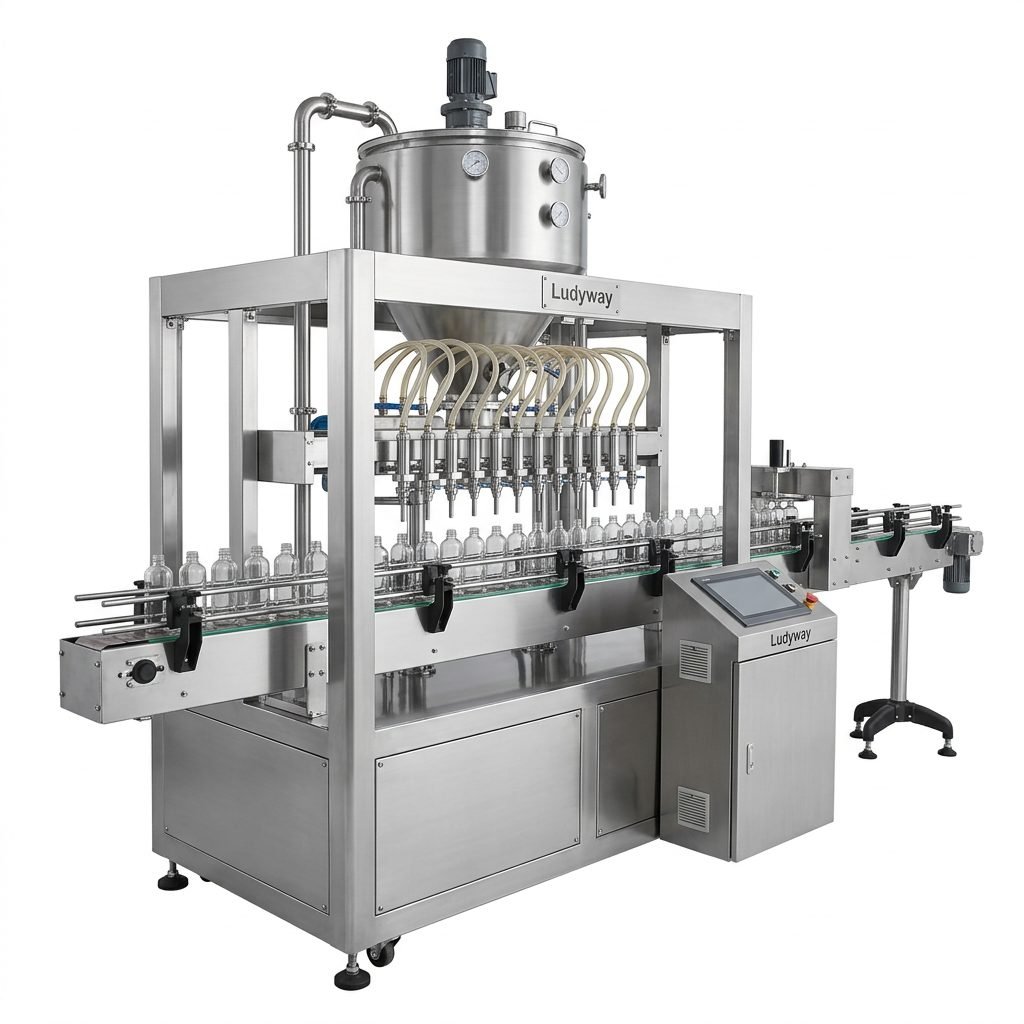
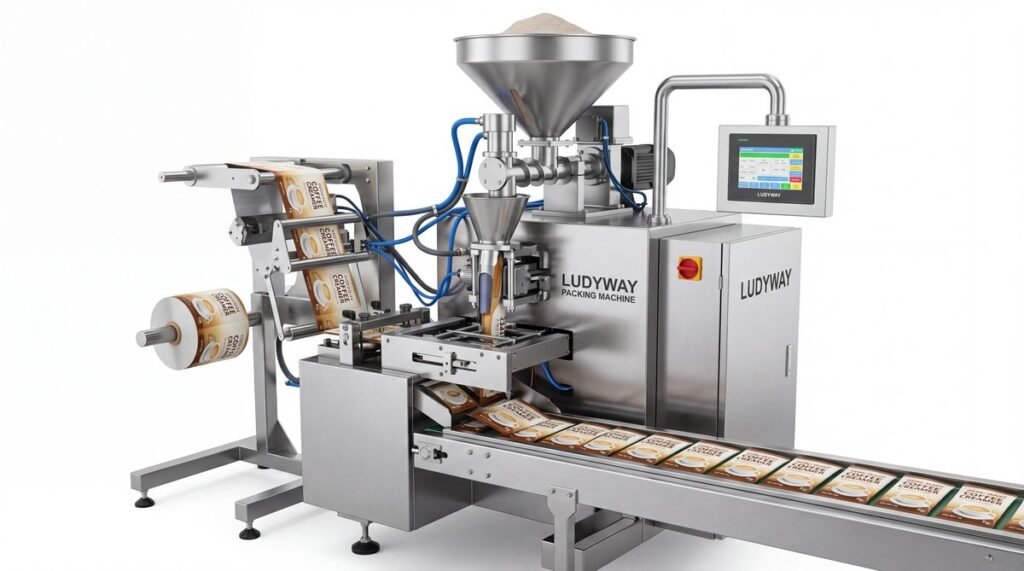
Investing in a whole chicken packaging machine is a strategic decision that directly impacts your product shelf life, operational efficiency, and overall profitability. Whether you are upgrading a manual line or automating a high-volume poultry processing facility, the right equipment ensures consistent seal integrity, precise weighing, and compliance with food safety standards. This guide walks you through the essential factors to evaluate before making a purchase.

Understanding Your Production Requirements
Before comparing machine models, you need a clear picture of your operational goals. Start by analyzing your daily or hourly throughput. A small-scale farm processing 200 birds per day has vastly different needs compared to an industrial slaughterhouse handling 10,000 birds per shift. Speed is measured in packs per minute (PPM), and matching machine capacity to your peak demand prevents bottlenecks.
Next, consider the packaging format. Are you wrapping whole chickens in shrink film, vacuum-sealing them in barrier bags, or using modified atmosphere packaging (MAP) for extended shelf life? Each format requires specific sealing technologies and film handling mechanisms. Also, evaluate chicken size variability. Your machine must accommodate weight ranges from small broilers to large roasters without compromising seal quality.
Product temperature at the point of packaging matters. Fresh chilled chicken behaves differently than frozen birds. Condensation on cold products can affect film adhesion and sealing consistency. Discuss your exact product condition with potential suppliers to ensure the machine’s design handles moisture levels appropriately. According to PMMI packaging industry resources, understanding product characteristics is the foundation of successful equipment selection.
Key Machine Types for Whole Chicken Packaging
The market offers several distinct technologies, each suited to different applications. The table below summarizes the most common types:
| Machine Type | Best For | Key Advantages |
|---|---|---|
| Vacuum Chamber Machines | Frozen whole birds, export packaging | Excellent shelf life, tight seal, durable pouch presentation |
| Shrink Wrapping Systems | Retail display, fresh poultry | Clear product visibility, tamper-evident, cost-effective film |
| MAP Tray Sealers | Premium retail, extended fresh shelf life | Gas flushing preserves color and freshness, high presentation quality |
| Flow Wrapping Machines | High-speed automated lines | Continuous motion, high throughput, flexible film options |
Critical Features to Evaluate
When comparing whole chicken packaging machines, several technical features directly affect performance and long-term reliability. Focus on these areas during your evaluation:
- Sealing System Quality: The heart of any packaging machine. Look for temperature-controlled sealing bars with uniform heat distribution. Inconsistent seals lead to leaks, contamination, and product returns. Stainless steel sealing surfaces resist corrosion in humid poultry environments.
- Hygienic Design: Poultry processing demands rigorous sanitation. Machines should feature sloped surfaces for water runoff, minimal crevices where bacteria can harbor, and IP65 or higher washdown ratings. Quick-release components simplify cleaning and reduce downtime between production runs.
- Film Handling and Changeover: Evaluate how easily the machine accommodates different film types and thicknesses. Rapid film splice systems and tool-less changeover features minimize operator intervention. If you package multiple chicken sizes, look for quick-adjust forming shoulders or tray sizes.
- Automation and Control Systems: Modern machines incorporate PLC controls with recipe storage, allowing operators to recall settings for different product specifications with a single touch. Integration with upstream weighing and labeling systems streamlines the entire line. Data logging capabilities support traceability requirements.
- Gas Flushing Accuracy: For MAP applications, precise oxygen and gas mixture control is essential. Verify that the machine maintains consistent residual oxygen levels below 1% to maximize shelf life. Look for integrated gas analyzers that monitor and adjust flushing parameters in real time.
The Flexible Packaging Association provides extensive guidance on film compatibility and packaging material selection, which directly influences machine configuration choices.

Assessing Build Quality and Construction Materials
The demanding environment of poultry processing requires machines built to withstand moisture, cold temperatures, and frequent washdowns. Prioritize the following construction elements:
- Frame Material: 304 or 316 stainless steel frames resist corrosion far better than painted carbon steel. In direct food contact zones, 316 stainless offers superior resistance to acidic cleaning chemicals.
- Electrical Enclosures: NEMA 4X or IP66 rated cabinets protect sensitive controls from high-pressure water sprays. Separate enclosures for power and control electronics reduce heat buildup and improve reliability.
- Pneumatic Components: Food-grade lubricants and corrosion-resistant cylinders extend service life. Centralized lubrication points simplify maintenance routines.
- Conveyor Belt Materials: Modular plastic belting with open mesh designs allows water drainage and debris removal. Metal-detectable belt materials add an extra layer of food safety protection.
Evaluating Total Cost of Ownership
Initial purchase price tells only part of the story. A comprehensive cost analysis should include:
- Energy Consumption: Compare motor efficiency ratings and heating element wattages across models. High-efficiency machines may cost more upfront but deliver significant savings over a 10-year service life.
- Film Waste: Machines with precise film registration and minimal trim waste reduce material costs substantially. Calculate annual film consumption based on your projected volumes.
- Labor Requirements: Fully automated systems reduce operator headcount but require skilled technicians for maintenance. Weigh labor savings against potential training investments.
- Spare Parts Availability: Confirm that critical wear components like sealing elements, cutting blades, and belts are readily available locally. Extended lead times for imported parts can cause costly production stoppages.
- Service Support: Evaluate supplier response times for technical support and field service. Remote diagnostic capabilities can resolve many issues without an on-site visit, minimizing downtime.
Regulatory Compliance and Food Safety Standards
Your packaging machine must comply with applicable food safety regulations in your target markets. Key considerations include:
- FDA Compliance: For the U.S. market, machines must use food-grade materials and facilitate sanitation per FDA food packaging regulations.
- EU Regulations: European markets require compliance with EU packaging and packaging waste directives, including material traceability and recyclability requirements.
- HACCP Integration: Critical control points within the packaging process—such as seal temperature and gas mixture ratios—should be monitorable and documented for HACCP plans.
- ISO Standards: Relevant ISO packaging standards provide frameworks for validating packaging processes and ensuring consistent quality outputs.
Supplier Evaluation and Partnership
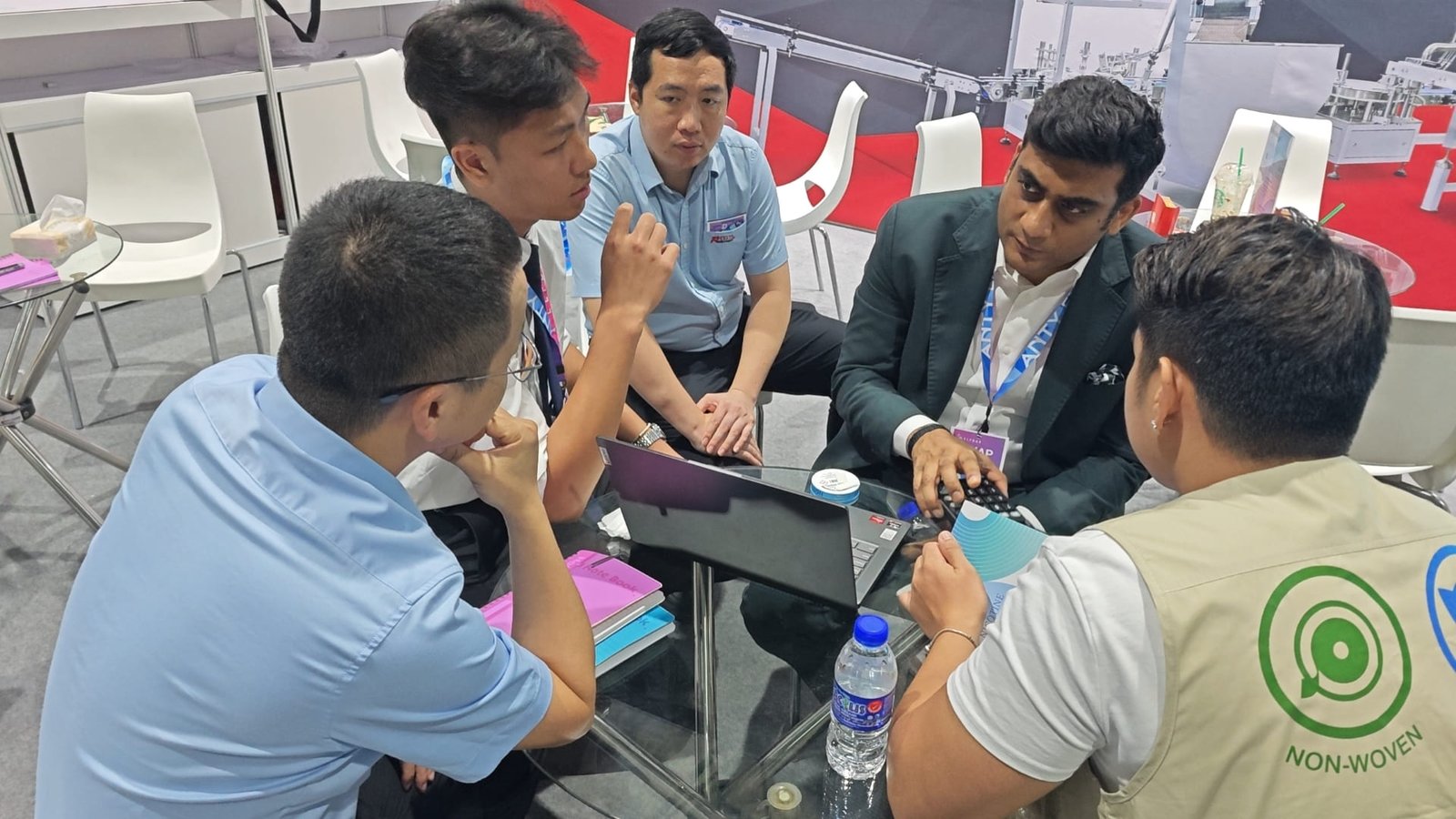
Selecting the right supplier is as important as choosing the right machine. Look for manufacturers with demonstrated experience in poultry packaging applications. Request references from operations similar to yours and, if possible, visit existing installations to observe machine performance in real production environments.
Technical support capabilities matter. Confirm that the supplier offers installation supervision, operator training, and ongoing maintenance support. Comprehensive documentation, including electrical schematics, mechanical drawings, and spare parts lists, should be provided in a language your team understands. A supplier with established relationships with component manufacturers like Busch, SMC, Siemens, or Omron can often provide faster access to replacement parts and upgrades.
Ludyway Machinery, with over 30 years of packaging machinery manufacturing experience and a 20,000-square-meter facility housing more than 130 professionals, is an example of a packaging equipment manufacturer that combines engineering expertise with application-specific customization for poultry and food processing lines. Companies serving more than 100 countries with integrated packaging solutions often demonstrate the global technical support capabilities necessary for long-term equipment reliability.
Integration with Existing Production Lines
A whole chicken packaging machine rarely operates in isolation. Evaluate how the new equipment integrates with your upstream weighing, grading, and conveying systems. Physical dimensions, conveyor heights, and direction of product flow must align with your existing layout. Machines that can be configured for either left-to-right or right-to-left product flow offer greater installation flexibility.
Data integration is increasingly important. Machines with Ethernet/IP, Profinet, or Modbus communication protocols can share production data with plant-wide manufacturing execution systems. This connectivity enables real-time performance monitoring, predictive maintenance alerts, and automated production reporting, contributing to overall equipment effectiveness improvements.
Making the Final Decision
After evaluating technical specifications, total ownership costs, and supplier capabilities, consider conducting a factory acceptance test before shipment. This test verifies that the machine meets agreed-upon performance criteria using your actual product and packaging materials. A successful FAT reduces installation and commissioning risks significantly.
Finally, negotiate warranty terms and post-installation support clearly. Standard warranties typically cover 12 months from installation, but extended coverage for major components like servo motors and controllers may be available. Clarify whether the warranty includes on-site service visits or parts-only coverage.
Choosing the right whole chicken packaging machine requires balancing throughput requirements, packaging format, hygiene demands, and long-term operational costs. By systematically evaluating each of these factors and engaging with experienced suppliers, you can select equipment that delivers reliable performance, consistent product quality, and a strong return on investment for years to come. For further insights, explore PMMI’s 2025 State of the Industry report for packaging machinery market trends and technology developments.