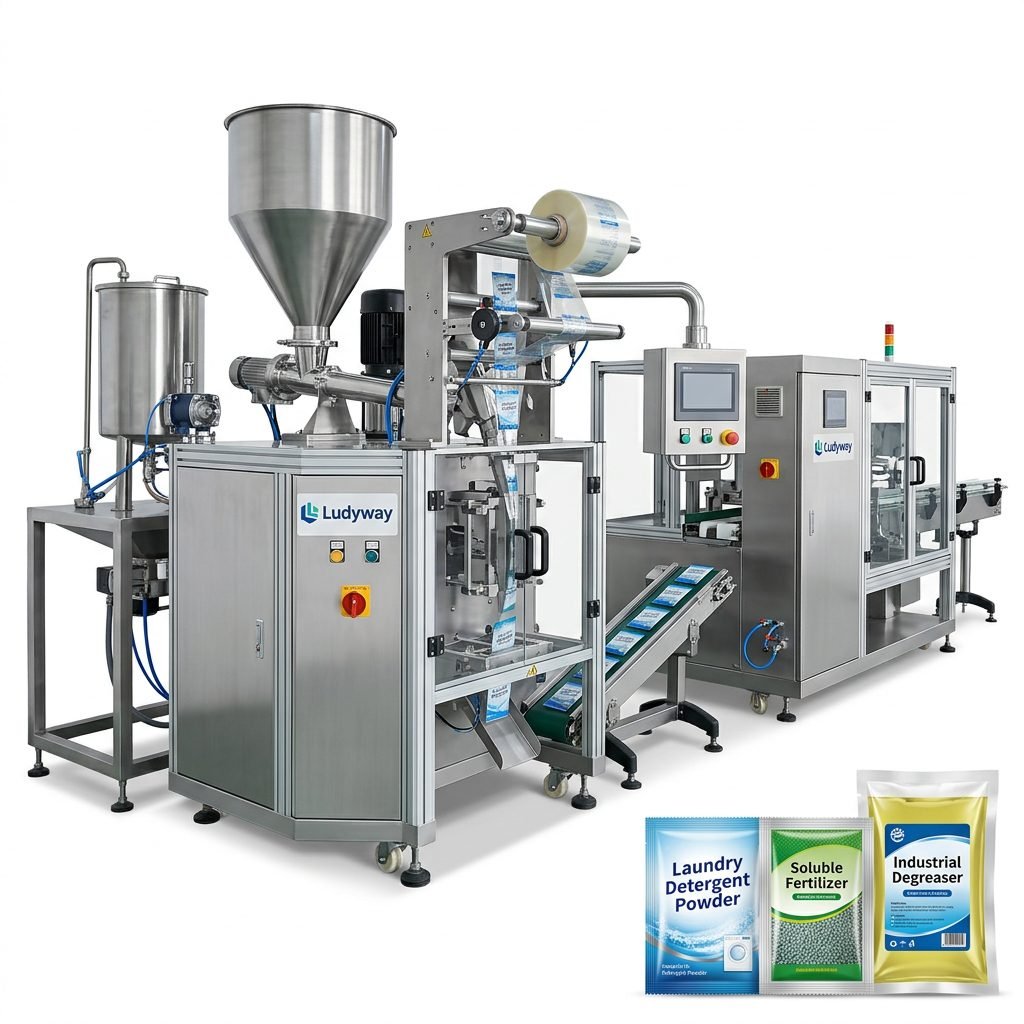
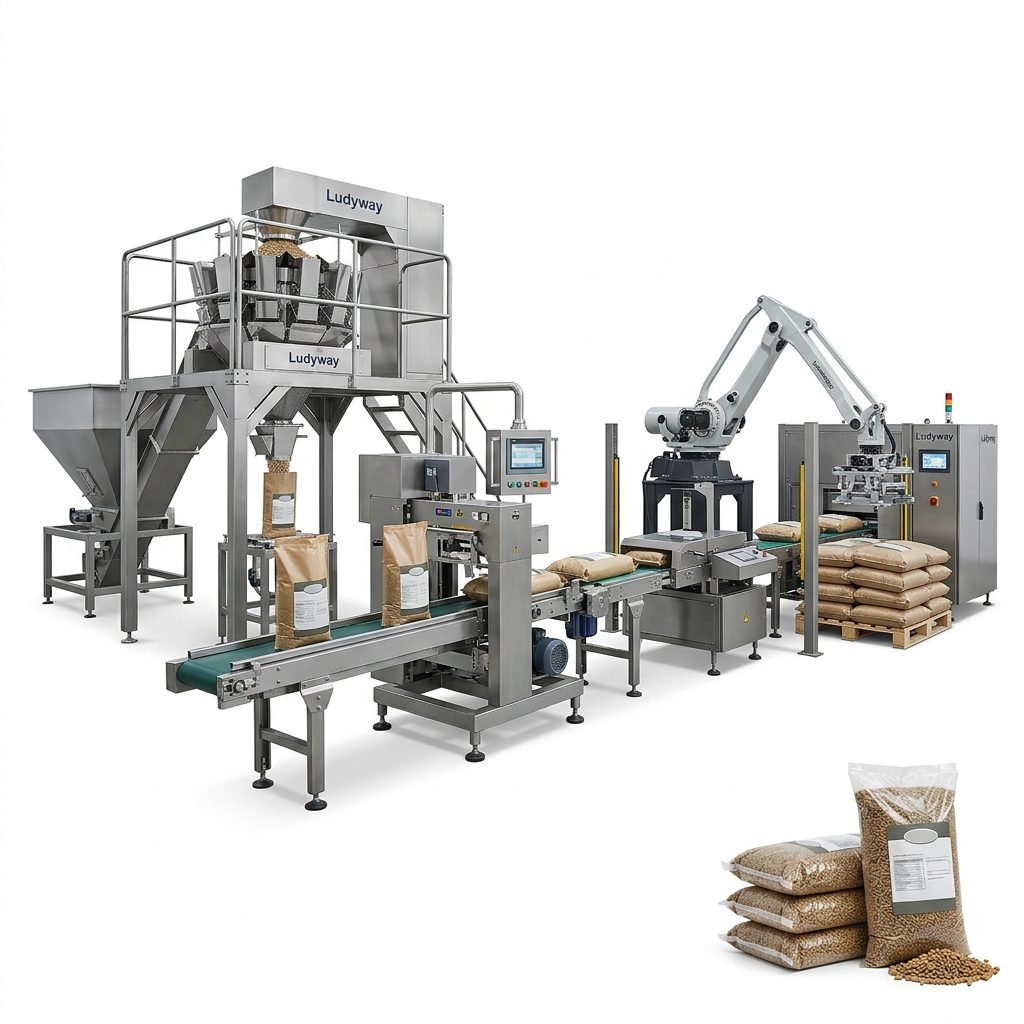
Investing in a Tiromat packaging machine is a significant decision for food processors, medical device manufacturers, and producers requiring high-performance thermoform-fill-seal (TFFS) technology. Whether you are upgrading an existing line or building a new production facility, selecting the right configuration directly impacts product shelf life, packaging quality, and overall operational efficiency.
This guide walks you through the essential factors to evaluate before purchasing a thermoform packaging machine, helping you make an informed decision that aligns with your production goals, regulatory requirements, and budget.
Understanding Thermoform-Fill-Seal Technology
Thermoform-fill-seal machines — commonly referred to by the well-known Tiromat brand name — create packaging by heating plastic film, forming it into trays or cavities, filling the formed pockets with product, and then sealing with a top film. This technology is widely used across the food industry for products such as meat, cheese, seafood, ready meals, and bakery items, as well as in medical and pharmaceutical applications.
The key advantage of TFFS technology lies in its ability to produce consistent, high-quality packaging with excellent barrier properties, extended shelf life, and efficient material utilization. Compared to preformed tray systems, inline thermoforming reduces storage requirements and offers greater flexibility in pack design.

Key Factors to Evaluate When Choosing a Tiromat Packaging Machine
1. Product Characteristics and Packaging Format
Your product’s physical properties — size, shape, weight, viscosity, and sensitivity — determine the appropriate machine configuration. Consider these critical questions:
- What is the product type? Solid cuts of meat require different tooling than liquid sauces, sliced cheese, or granular items like coffee or powder products.
- What pack format do you need? Common formats include vacuum skin packs, modified atmosphere packaging (MAP), and rigid tray packs. Each format demands specific sealing and evacuation systems.
- What are the target shelf-life requirements? Products requiring extended shelf life under MAP conditions need machines with precise gas flushing capabilities and high-integrity sealing.
- What packaging materials will you use? Film thickness, barrier properties, and sealability affect machine settings for heating, forming, and sealing stations.
2. Production Speed and Output Requirements
Matching machine speed to your production volume is essential for maximizing return on investment. Key specifications to review include:
| Production Parameter | What to Evaluate |
|---|---|
| Cycles per minute | Number of forming and sealing cycles the machine can achieve |
| Index length and layout | Film advance distance and number of packs per cycle across lanes |
| Pack output per hour | Total finished packages produced, accounting for lane count and cycle speed |
| Changeover time | Time required to switch between different pack formats or products |
| Uptime and reliability | Machine availability, maintenance intervals, and spare parts accessibility |
3. Machine Design and Construction
The build quality of a thermoform packaging machine directly affects its longevity, hygiene compliance, and operational safety. Stainless steel construction is standard for food and pharmaceutical applications. Look for:
- Washdown-ready design with sloped surfaces and minimal crevices for hygienic cleaning
- IP65 or higher protection ratings for electrical components in wet environments
- Robust frame construction that maintains alignment under high-speed operation
- Easy-access panels for routine cleaning and maintenance tasks
- Compliance with relevant food packaging regulations and safety standards
Control Systems and Automation Integration
Modern Tiromat packaging machines feature advanced control systems that enable precise parameter management, recipe storage, and data collection. When evaluating machine controls, consider:
- HMI usability: Intuitive touchscreen interfaces reduce operator training time and minimize errors during recipe changes.
- Recipe management: The ability to store and recall multiple product configurations speeds up changeovers and ensures consistency across production batches.
- Data connectivity: Integration with plant-wide networks, ERP systems, and Industry 4.0 platforms for real-time production monitoring and traceability.
- Automation compatibility: Seamless connection with upstream filling systems and downstream equipment such as checkweighers, metal detectors, labeling machines, and cartoning or case packing systems.
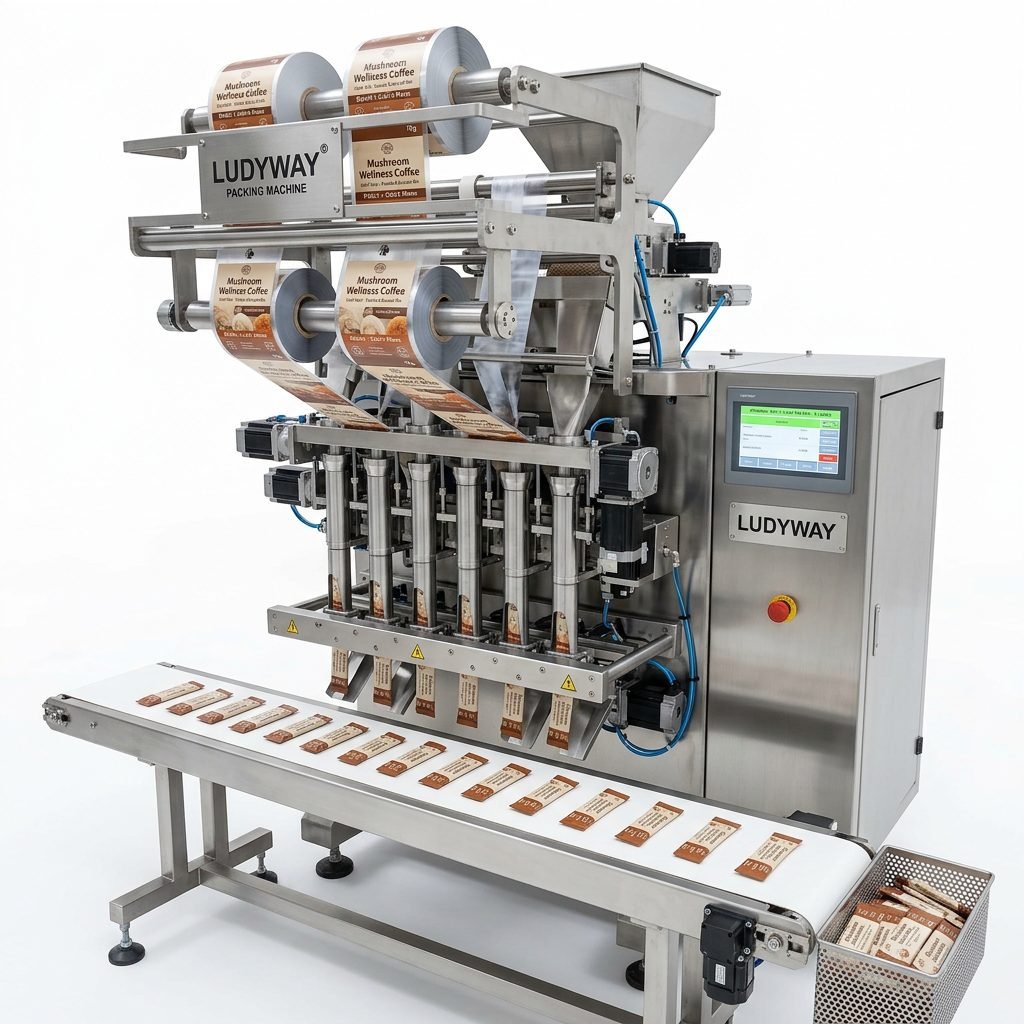
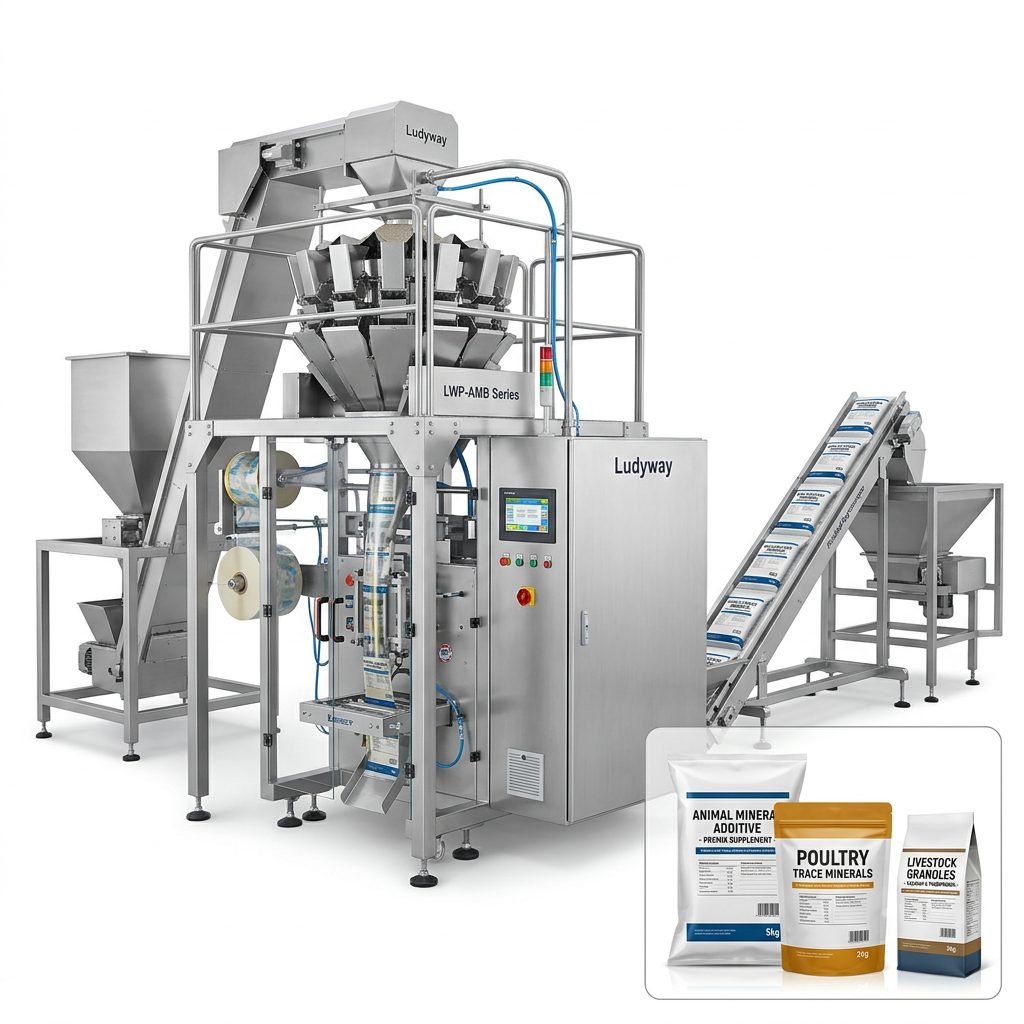
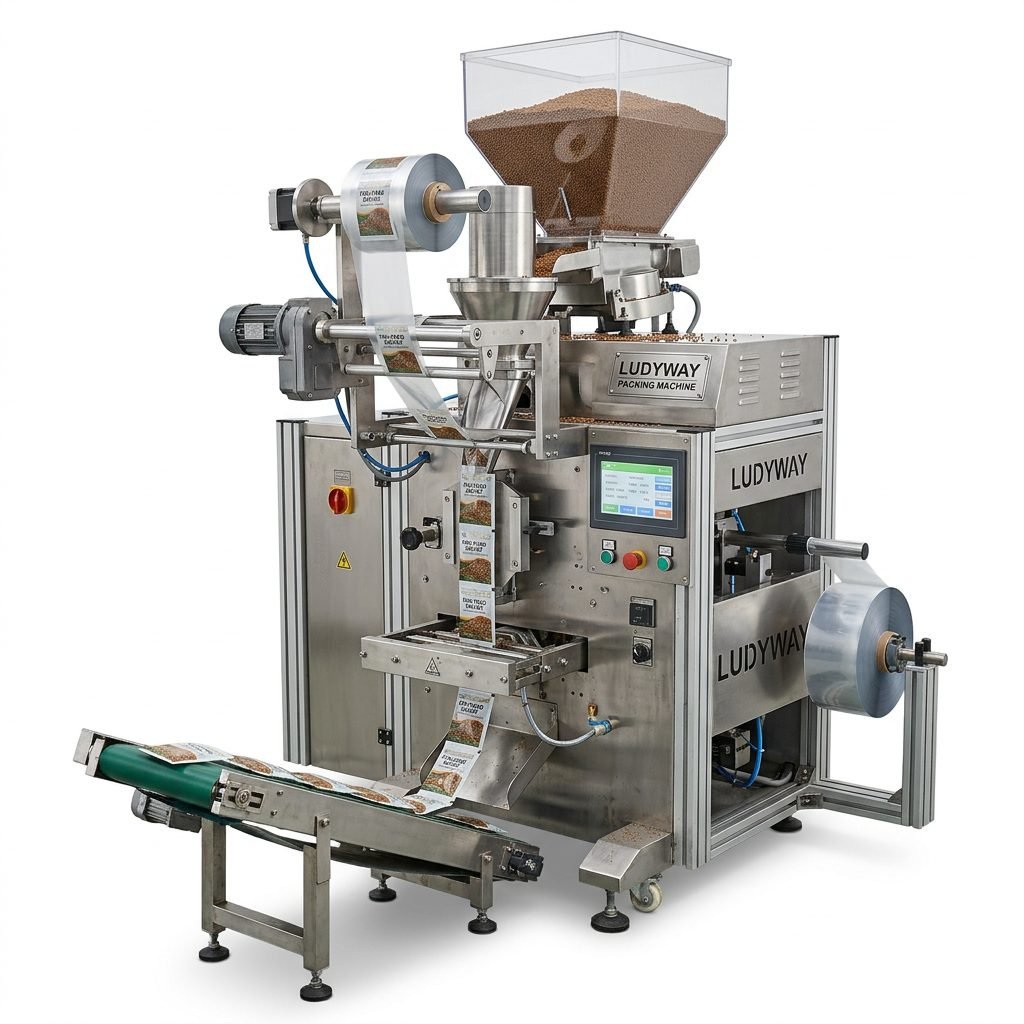
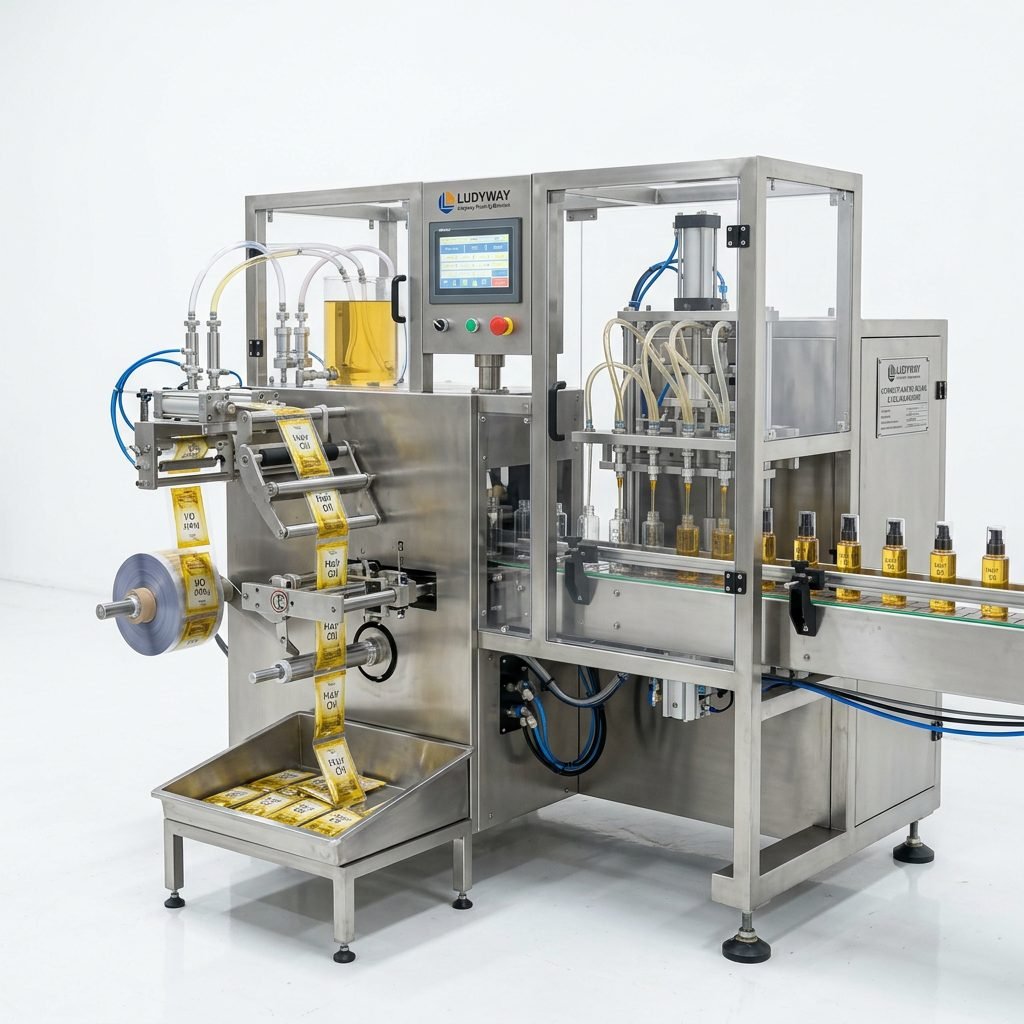
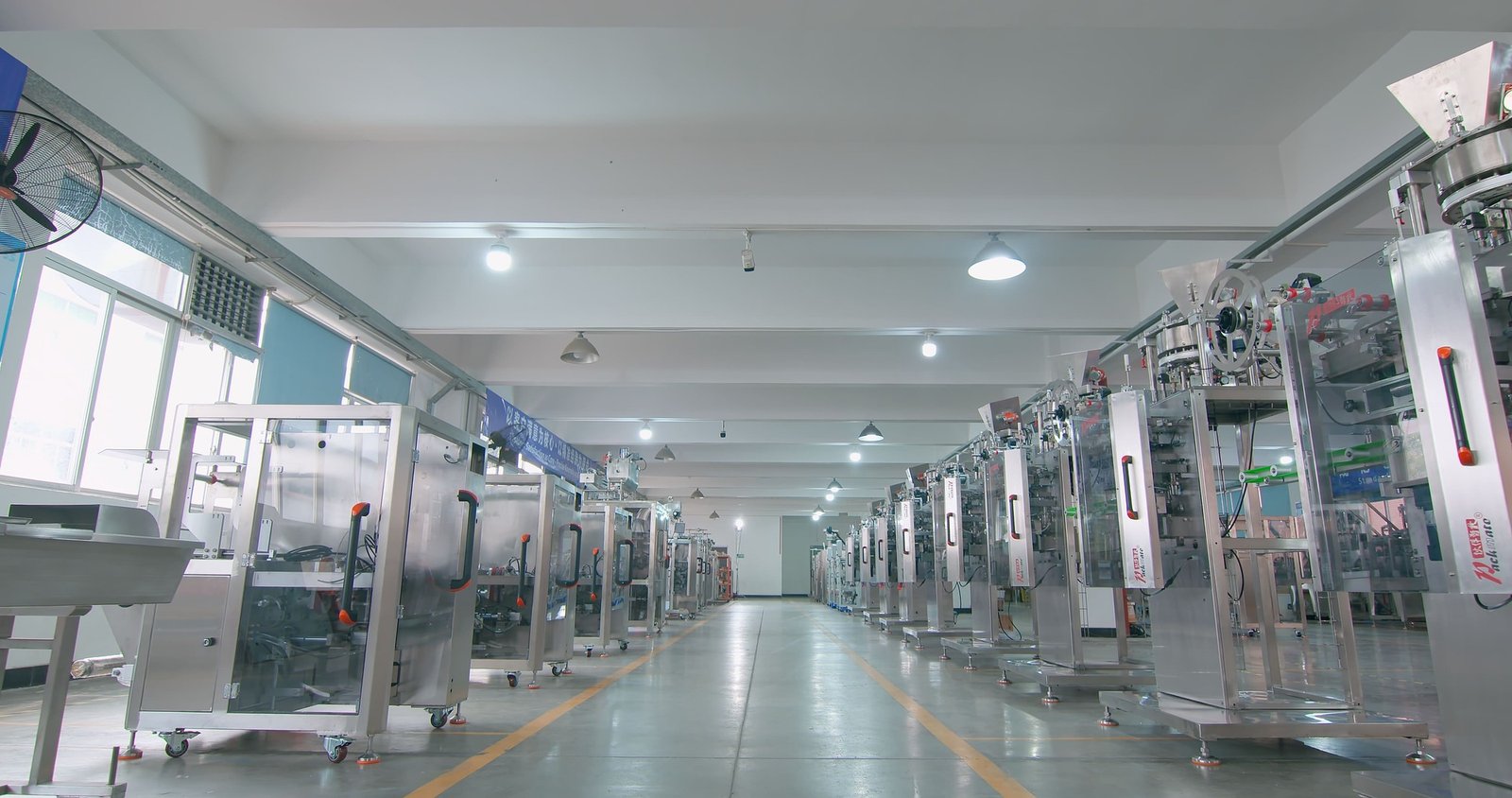
For manufacturers seeking a complete turnkey solution, it is important to work with a supplier that can provide integrated systems rather than standalone machines. Ludyway Machinery, with over 30 years of experience in the packaging industry, is one of the manufacturers offering comprehensive packaging line integration — from individual automatic packaging machines to fully automated turnkey production lines — helping customers streamline equipment selection, customization, installation, and after-sales support with a single partner.
Tooling Flexibility and Format Changes
One of the most significant operational considerations is how quickly and efficiently you can change between different pack formats. Tooling flexibility affects both capital expenditure and ongoing operational costs. Evaluate the following:
- Quick-change tooling systems: Tool-free or reduced-tool changeover mechanisms that minimize downtime between product runs
- Modular die sets: Interchangeable forming and sealing dies that allow multiple pack formats on the same machine platform
- Adjustable film handling: Systems that accommodate different film widths, thicknesses, and material types without extensive reconfiguration
- Future-proofing: The ability to add new pack formats as your product portfolio expands
Sealing Technology and Package Integrity
Package integrity is non-negotiable, particularly for modified atmosphere and vacuum packaging applications where leaks compromise product safety and shelf life. Key sealing system features include:
- Precise temperature control with uniform heat distribution across the sealing plate
- Adjustable sealing pressure and dwell time for different film combinations
- Integrated seal integrity testing and inspection systems
- Compatibility with peelable and resealable film technologies
Evaluating Total Cost of Ownership
The purchase price of a thermoform packaging machine represents only a portion of its lifetime cost. A thorough total cost of ownership (TCO) analysis should account for:
| Cost Category | Considerations |
|---|---|
| Film and material consumption | Material waste rates, film utilization efficiency, and scrap reduction features |
| Energy consumption | Heating, vacuum, compressed air, and cooling system energy requirements |
| Maintenance and spare parts | Preventive maintenance schedules, wear part life expectancy, and spare parts pricing and availability |
| Labor requirements | Operator staffing levels, skill requirements, and training needs |
| Downtime costs | Production losses during changeovers, maintenance, and unplanned stoppages |
Packaging Material Compatibility
Not all thermoform machines handle every packaging material equally. Material compatibility affects both machine configuration and long-term operational flexibility. The growing demand for sustainable packaging solutions means many processors are transitioning to recyclable mono-material films, which may require different forming and sealing parameters compared to traditional multi-layer laminates. Verify that any machine you consider can process the flexible packaging materials you currently use — and those you may adopt in the future to meet sustainability targets.
Vacuum and Gas Flushing Systems
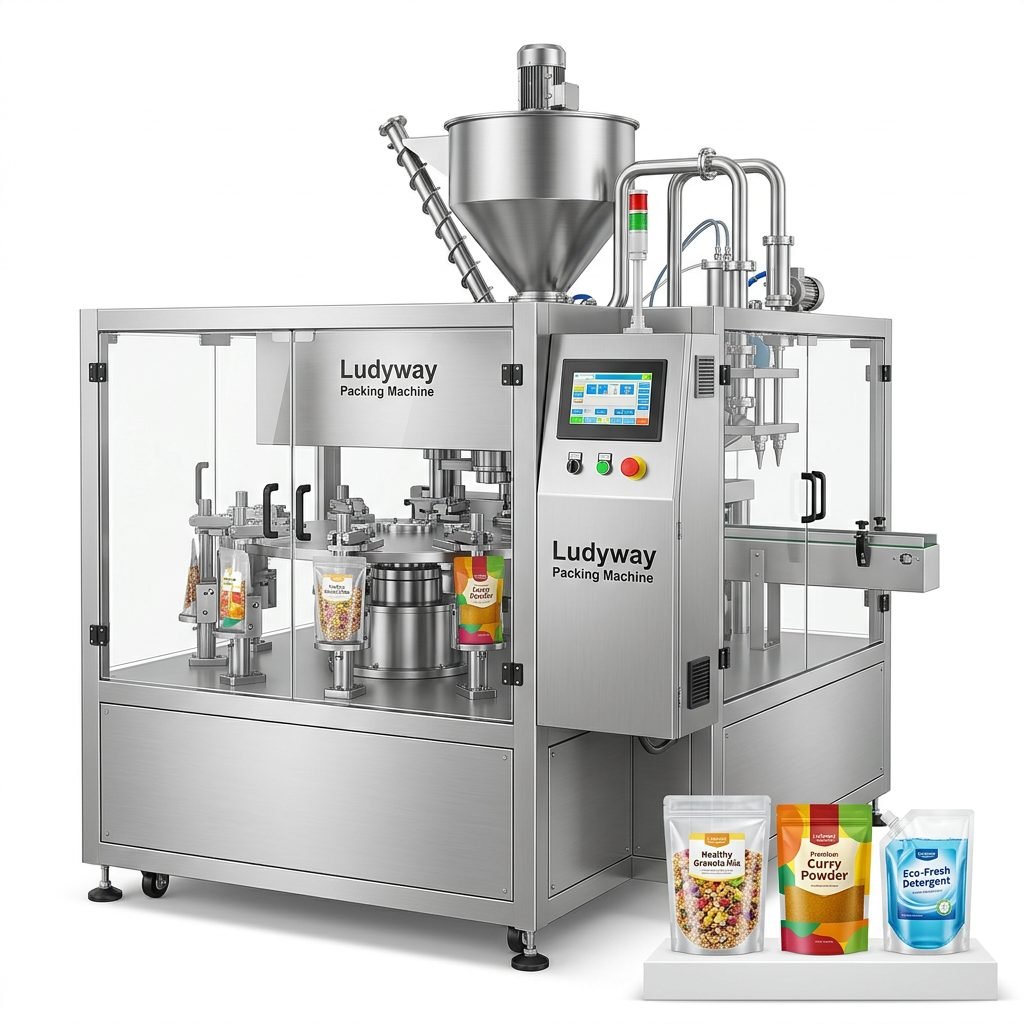
For modified atmosphere packaging applications, the performance of the vacuum and gas flushing system is critical. Evaluate:
- Vacuum pump capacity: Adequate pumping speed to achieve target residual oxygen levels at your production speed
- Gas mixing accuracy: Precision of gas blend ratios for MAP applications, typically using CO₂, N₂, and O₂ mixtures
- Gas consumption efficiency: Systems that minimize gas usage while maintaining package integrity
- Residual oxygen monitoring: Integrated sensors that verify oxygen levels in sealed packages
Supplier Selection and Support Infrastructure
Choosing the right equipment supplier is as important as selecting the right machine configuration. A reliable packaging machinery partner should offer:
- Application expertise: Demonstrated experience with products and packaging formats similar to yours
- Technical support: Responsive service teams available for installation, commissioning, troubleshooting, and emergency repairs
- Spare parts availability: Regional parts inventory and efficient logistics for minimizing downtime
- Training programs: Comprehensive operator and maintenance training to ensure safe and efficient machine operation
- Regulatory knowledge: Familiarity with applicable ISO packaging standards, FDA requirements, and other relevant regulations in your target markets
When evaluating potential suppliers, request references from customers with similar applications, visit reference installations if possible, and assess the supplier’s commitment to ongoing technical support throughout the machine’s service life.
Installation, Commissioning, and Validation
A well-planned installation and commissioning process ensures that your Tiromat packaging machine reaches full production capability quickly and reliably. Key milestones include:
- Site preparation: Ensuring adequate space, utilities (electrical, compressed air, water), and environmental conditions
- Installation and alignment: Professional setup by factory-trained technicians to ensure proper machine geometry
- Commissioning and testing: Systematic verification of all machine functions with your actual products and packaging materials
- Performance qualification: Documented testing to confirm that output, quality, and efficiency targets are met
- Operator training: Hands-on training for production and maintenance personnel on safe operation and routine upkeep
Regulatory Compliance and Certification
Depending on your industry and target markets, your packaging machine may need to comply with specific regulatory requirements. For food contact applications, materials and machine design must meet FDA or EU regulations. Medical device packaging must comply with ISO 11607 for terminally sterilized devices. Pharmaceutical applications have additional requirements for traceability and validation. Discuss your compliance needs with potential suppliers early in the selection process to ensure the machine configuration can be documented and validated appropriately.
Documentation and Traceability
Modern packaging operations increasingly require comprehensive documentation for quality assurance and regulatory compliance. Look for machines that offer integrated data collection, batch reporting, and traceability features that support your quality management system. These capabilities are especially important for manufacturers supplying retailers or healthcare systems with stringent vendor requirements.
Making the Final Decision
After evaluating technical specifications, performance characteristics, and supplier capabilities, the final decision should balance current production needs with future growth plans. A machine that barely meets today’s requirements may limit your ability to expand product lines, increase throughput, or adopt new packaging formats. Conversely, over-specifying a machine can unnecessarily increase capital expenditure and operating costs.
The right choice delivers reliable performance, flexibility for evolving market demands, and a competitive total cost of ownership over the machine’s expected service life. By systematically evaluating each factor outlined in this guide — from product compatibility and production speed to supplier support and regulatory compliance — you can select a thermoform packaging solution that supports your business objectives for years to come.