Understanding Maize Flour Characteristics Before Choosing a Machine
Maize flour is not a one-size-fits-all product. Its particle size, flowability, moisture sensitivity, and bulk density can vary significantly depending on milling processes and corn varieties. A packaging machine that works perfectly for coarse cornmeal may struggle with fine, dusty maize flour. Before evaluating any equipment, you need to define your specific material characteristics—this single factor will narrow your machine options considerably.
Fine maize flour tends to aerate and become dusty during filling, which can interfere with seal integrity and create mess on the production floor. Coarser grits flow more predictably but may require different dosing and weighing technologies. If your facility processes multiple maize-based products, look for machines with quick-change tooling and adjustable filling parameters that can handle a range of particle sizes without extensive downtime.
Types of Maize Flour Packaging Machines
Packaging machinery for maize flour generally falls into several categories, each suited to different production scales, bag formats, and budget levels. Understanding the differences will help you focus on the right technology for your operation.
Vertical Form Fill Seal (VFFS) Machines
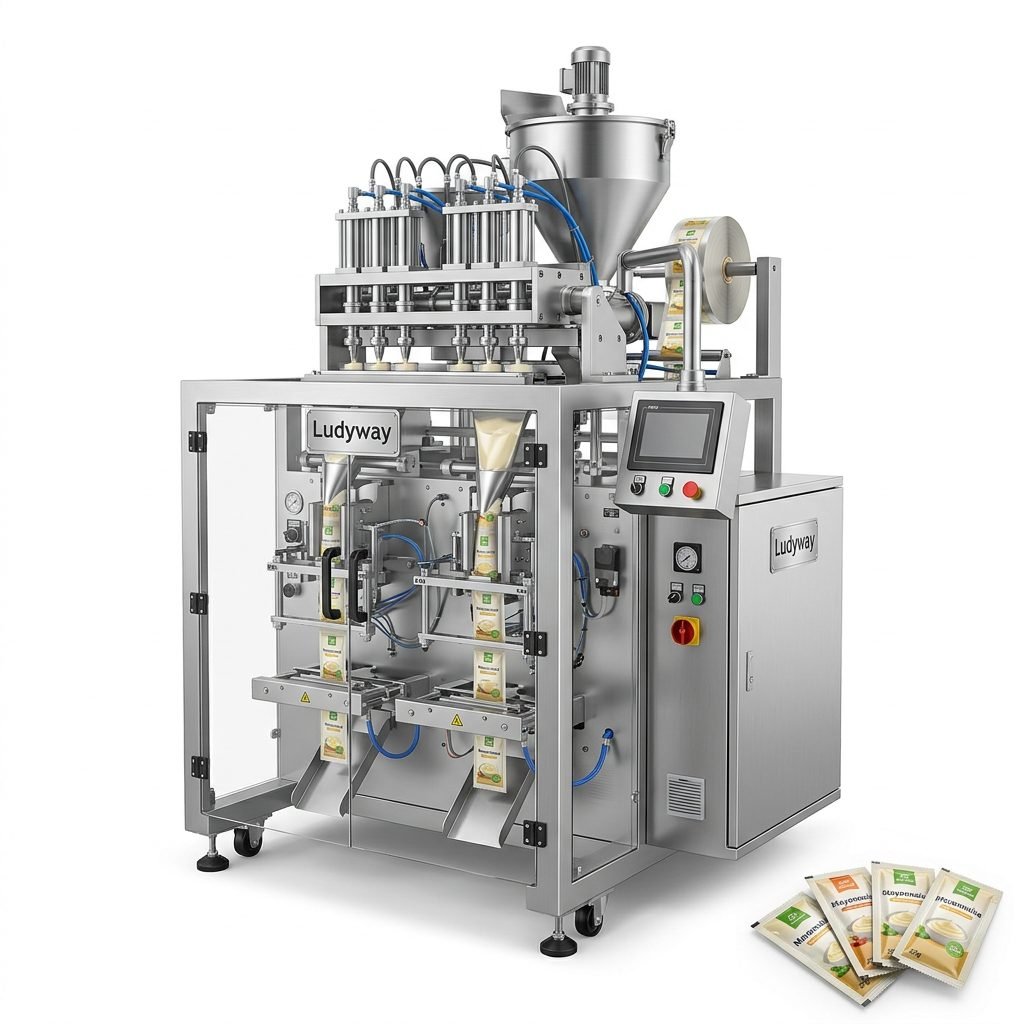
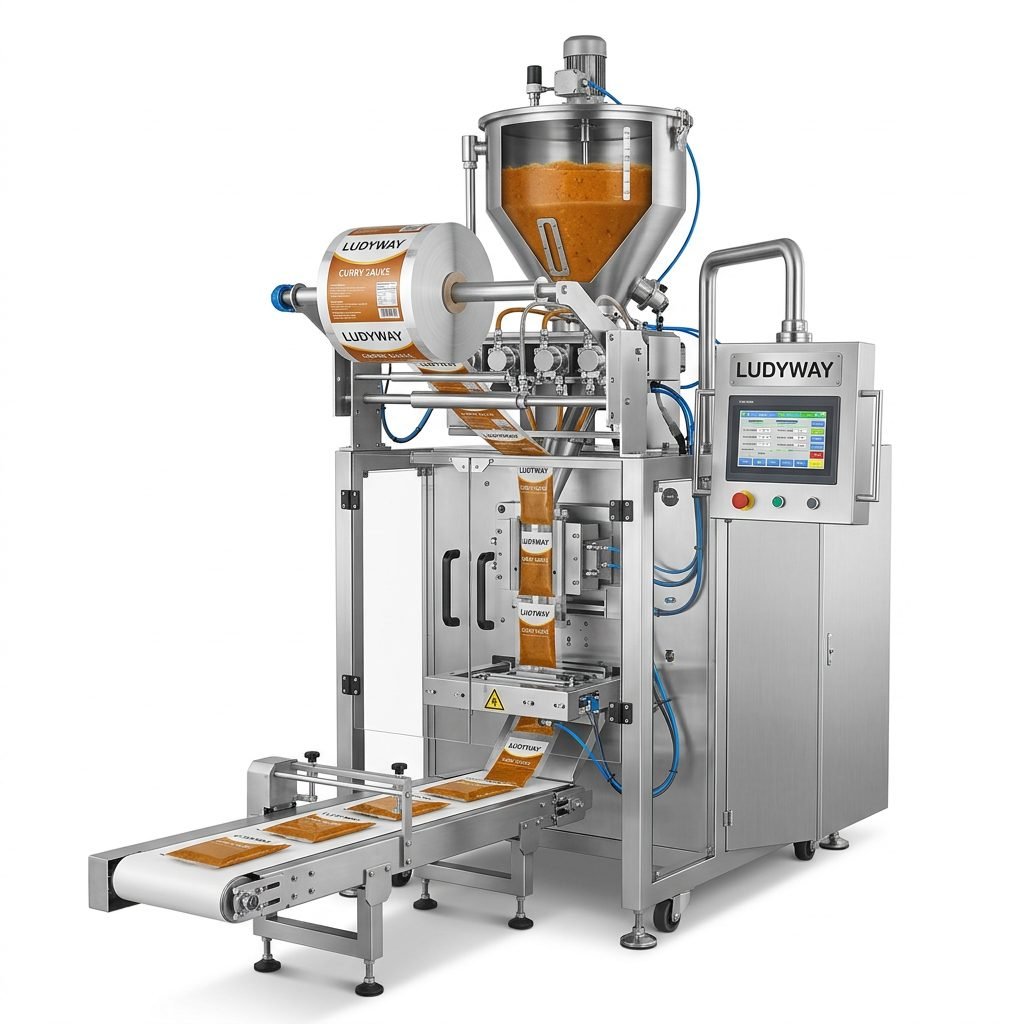
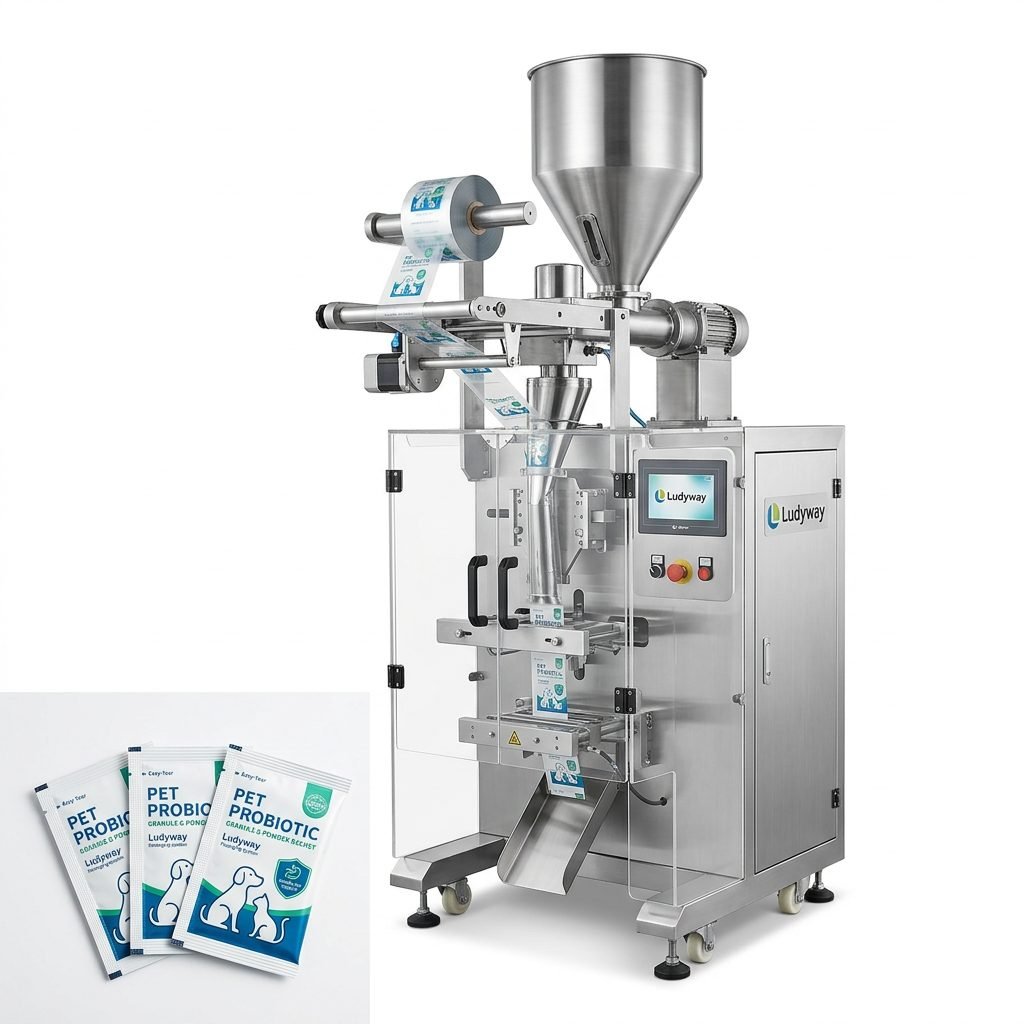
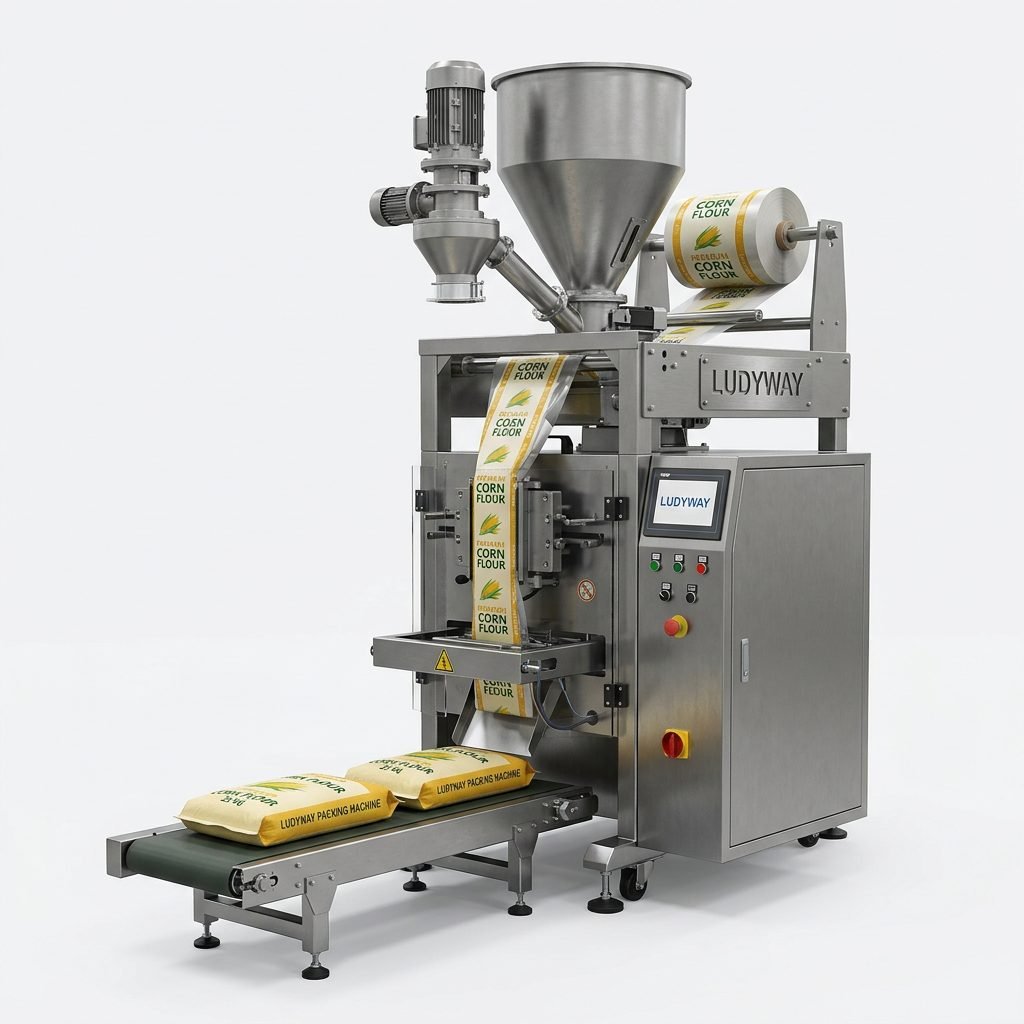
VFFS machines form a bag from a roll of flat film, fill it with maize flour, and seal it in one continuous vertical process. These are the workhorses of the flour packaging industry, capable of producing pillow bags, gusseted bags, and block-bottom bags at speeds that can exceed 120 packs per minute on multi-lane configurations. For mid-to-high-volume maize flour producers, VFFS technology offers the best balance of speed, versatility, and cost per pack.
Pre-Made Pouch Packaging Machines
If your brand uses stand-up pouches, zipper bags, or shaped packaging that cannot be formed from flat film, pre-made pouch machines are worth evaluating. These machines take ready-made pouches, open them, dose the maize flour, and seal them. They typically run slower than VFFS systems—usually 20 to 80 packs per minute—but deliver superior shelf presence and allow more complex packaging features like resealable zippers and shaped windows.
Multi-Lane Stick Pack and Sachet Machines
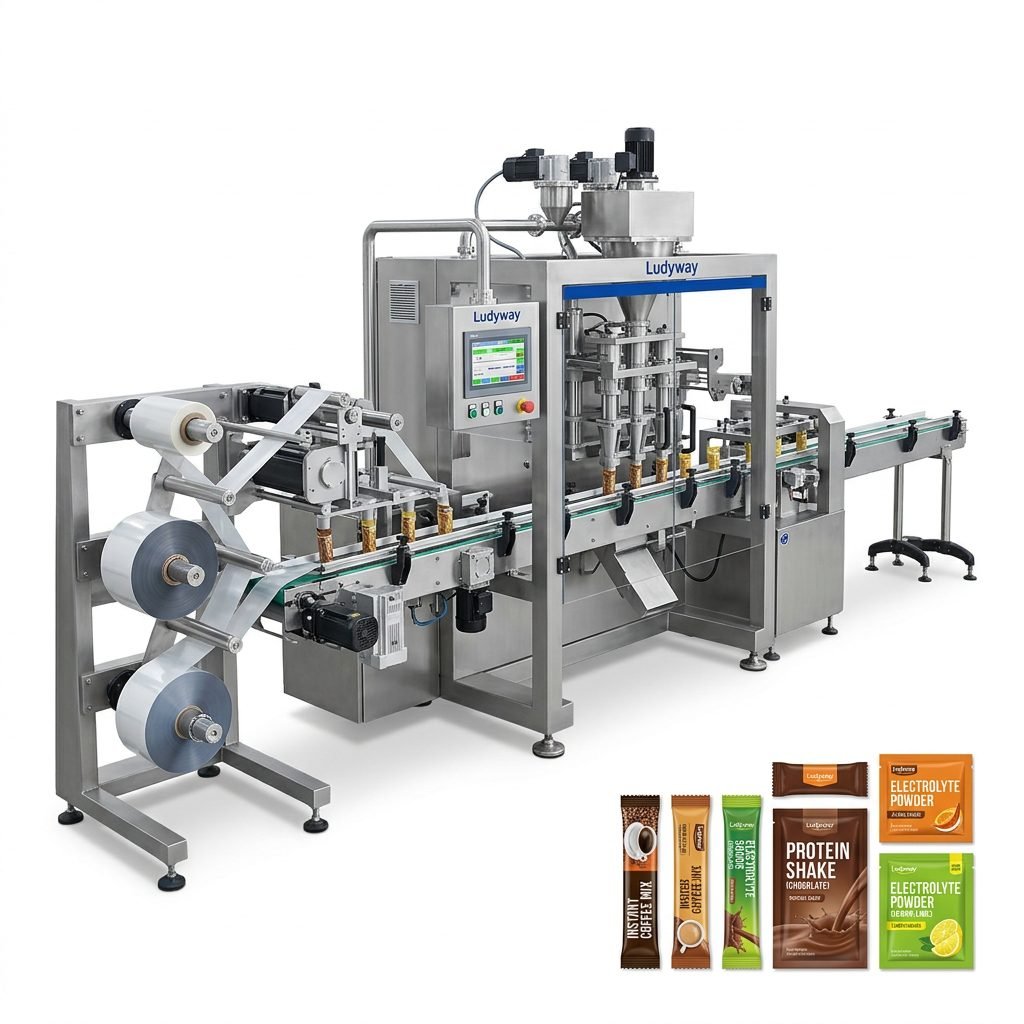
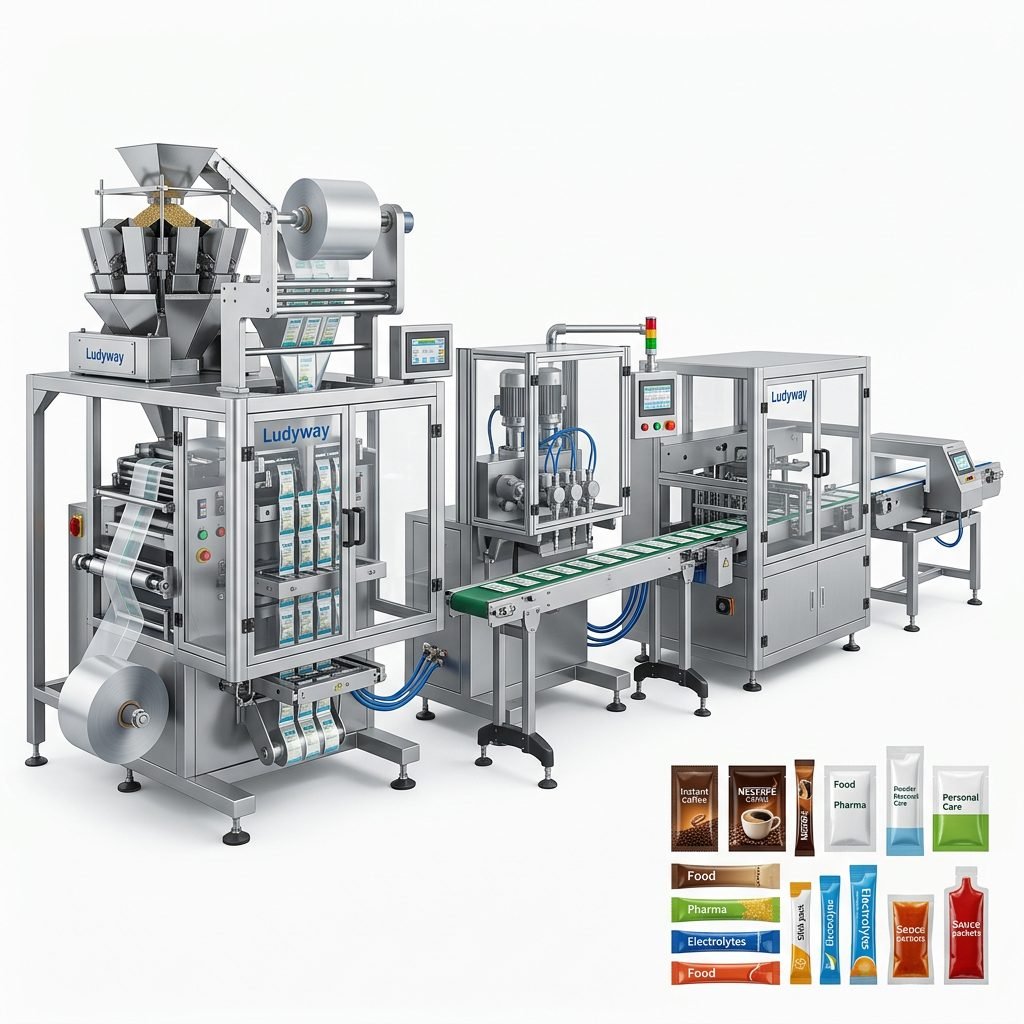
For single-serve portions, sample packs, or institutional food service formats, multi-lane stick pack and sachet machines can produce extremely high output by running multiple narrow lanes simultaneously. Modern systems can feature 4, 6, 8, or even 12 lanes, with each lane producing up to 80 sticks per minute. These machines are particularly popular for maize flour-based instant porridge mixes, fortified flour sachets, and food aid packaging programs.
10 Key Factors to Evaluate Before Purchasing
- Packaging Format – Pillow bag, gusseted bag, block-bottom, stand-up pouch, stick pack, sachet, or bulk bag. Your machine choice must align with your current portfolio and future plans.
- Production Speed – Define your required packs per minute (PPM) and factor in a 20% growth buffer. Underestimating capacity is one of the most expensive mistakes buyers make.
- Filling Accuracy – For maize flour sold by weight, consistent dosing within ±1–3g is critical. Choose between volumetric cup fillers, auger fillers, or multi-head weighers based on your precision needs.
- Material Compatibility – Not all films run equally well on every machine. Confirm the machine can handle your specific laminate or mono-material films, especially if you plan to transition to recyclable packaging under extended producer responsibility regulations.
- Changeover Time – If you produce multiple product variants, look for tool-less changeover or recipe-based settings that reduce downtime between runs.
- Automation Level – From standalone machines to fully integrated lines with automatic product feeding, checkweighing, metal detection, coding, and robotic case packing.
- Hygiene and Cleanability – Maize flour can accumulate in crevices and attract pests. Machines designed for food-grade hygiene with easy access for cleaning and maintenance reduce contamination risk.
- Floor Space and Factory Layout – Measure available space, ceiling height, and access routes. A high-speed multi-lane machine requires significantly more floor area than a single-lane unit.
- Capital Budget and Total Cost of Ownership – Look beyond the purchase price. Factor in installation, training, spare parts, film waste rates, and energy consumption over the expected machine life of 10–15 years.
- Regulatory Compliance – Compliance with ISO packaging standards and FDA food packaging guidelines is non-negotiable for manufacturers exporting to regulated markets.
Filling Accuracy and Weighing Technology for Maize Flour
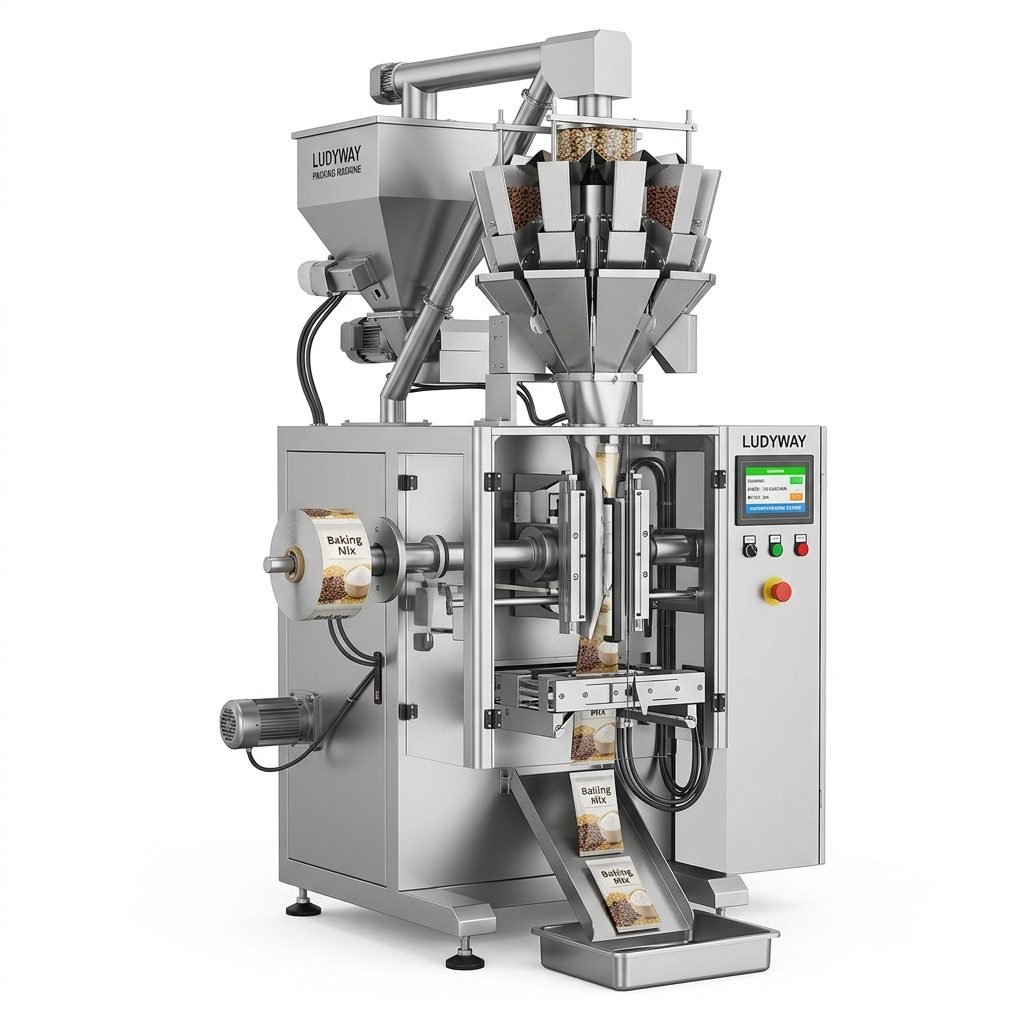
Dosing maize flour consistently is technically challenging. Auger fillers are widely used for fine powders and offer good accuracy, but can generate heat that affects product quality during long runs. Multi-head weighers deliver superior speed and precision—often within ±0.5g—and are preferred for high-speed lines, though they require more capital investment. Volumetric cup fillers are the most economical option and work adequately for coarser maize products where slight weight variations are acceptable.
For free-flowing maize grits, linear weighers or multi-head combination weighers provide the best balance of speed and accuracy. If you are packaging ultra-fine maize flour that tends to clump or aerate, look for machines with vibratory densification systems or de-aeration probes that settle the product before sealing, improving both fill consistency and shelf presentation.

Comparing Maize Flour Packaging Technologies
| Machine Type | Best For | Typical Speed (PPM) | Investment Level | Format Flexibility |
|---|---|---|---|---|
| Single-Lane VFFS | Small-to-medium producers | 30–80 | Moderate | High |
| Multi-Lane VFFS (4–12 lanes) | High-volume stick pack / sachet | 200–800 | High | Moderate (narrow formats) |
| Pre-Made Pouch Machine | Premium retail brands | 20–80 | Moderate to High | Very High |
| Open-Mouth Bagging Line | Bulk 10–50 kg bags | 4–15 | Moderate | Limited |
| Turnkey Integrated Line | Full-scale automated production | Varies (line speed optimized) | Very High | Fully customizable |
Speeds are approximate and depend on product characteristics, bag size, and machine configuration. Always request trial runs with your actual maize flour product.
Automation and Packaging Line Integration
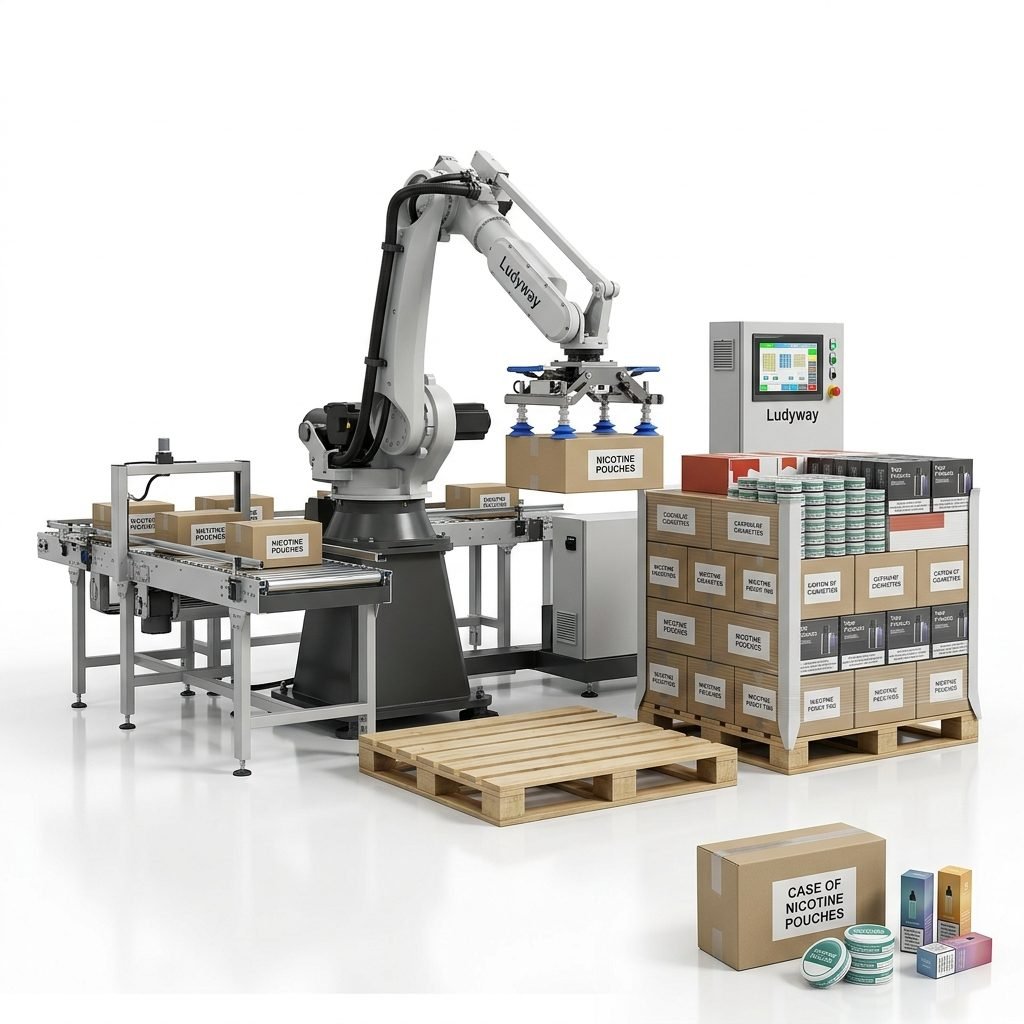
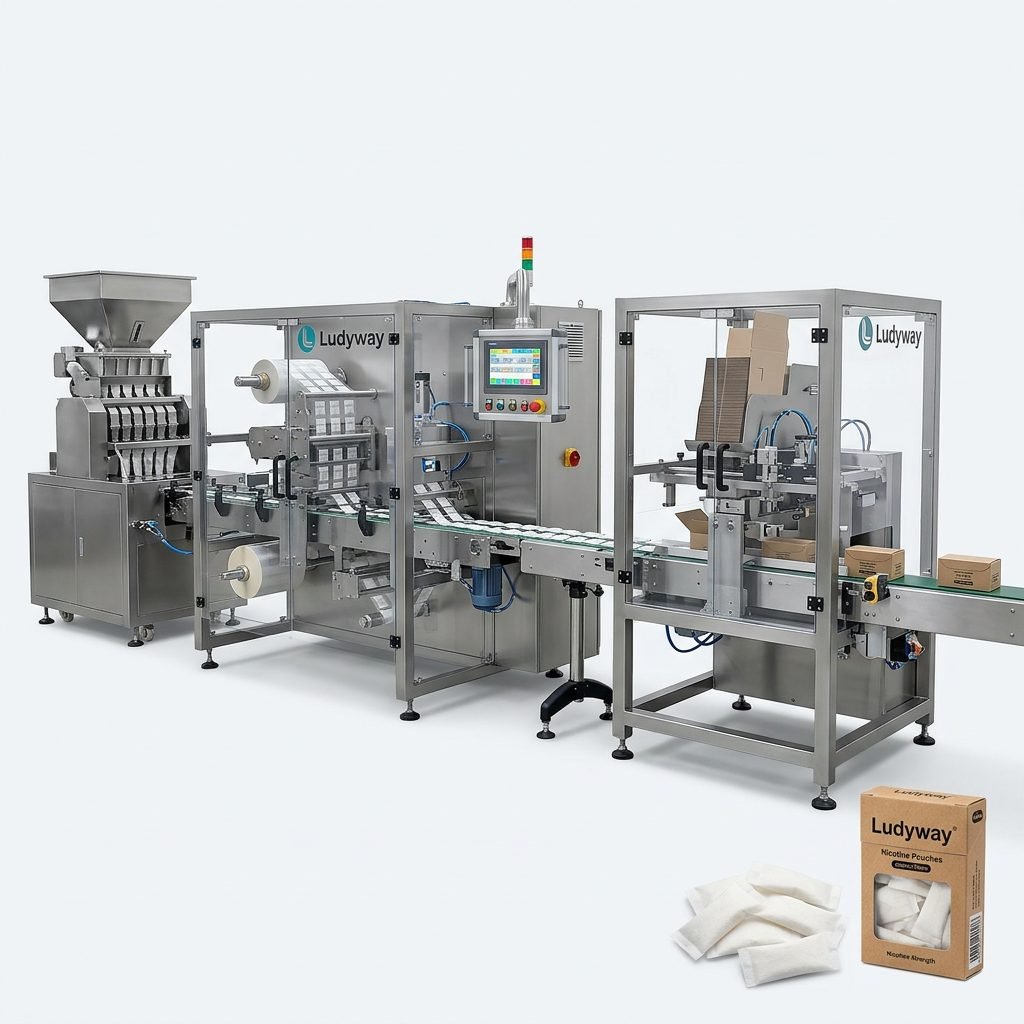
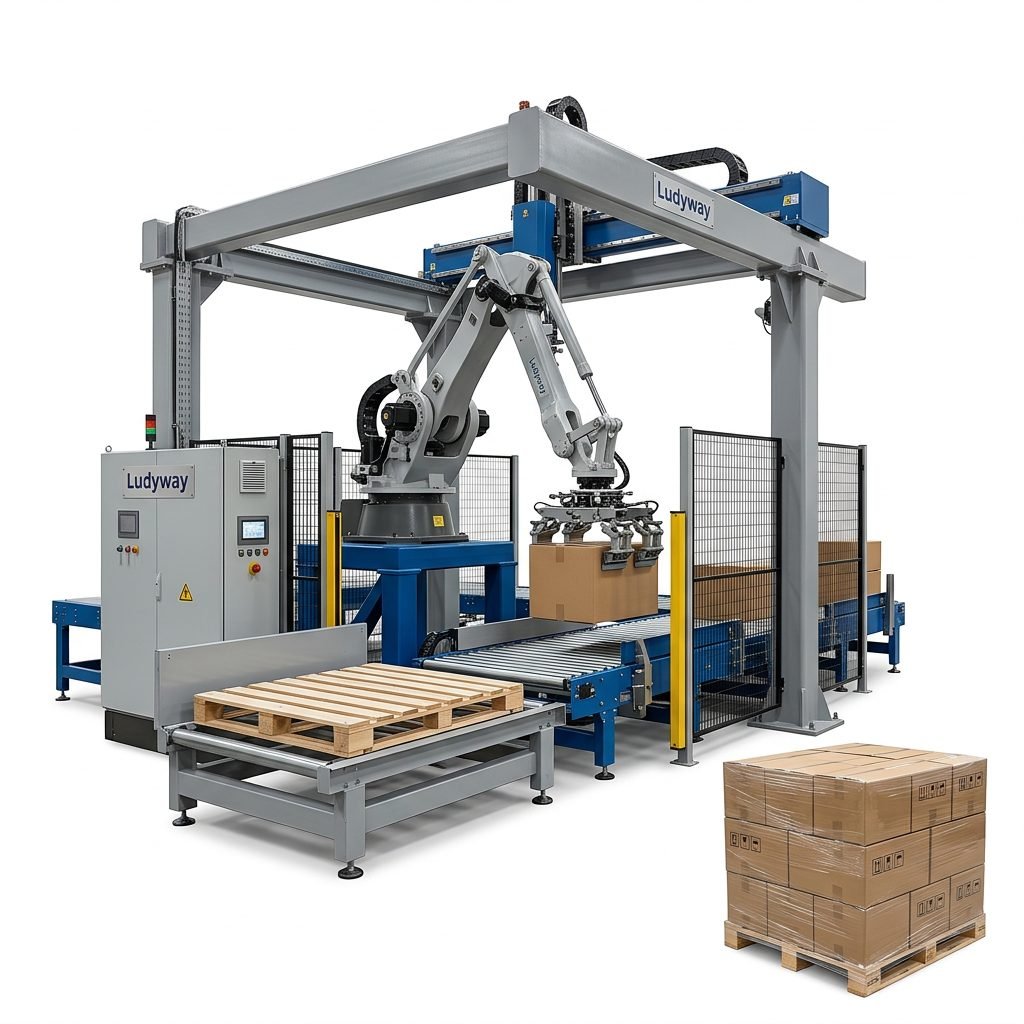
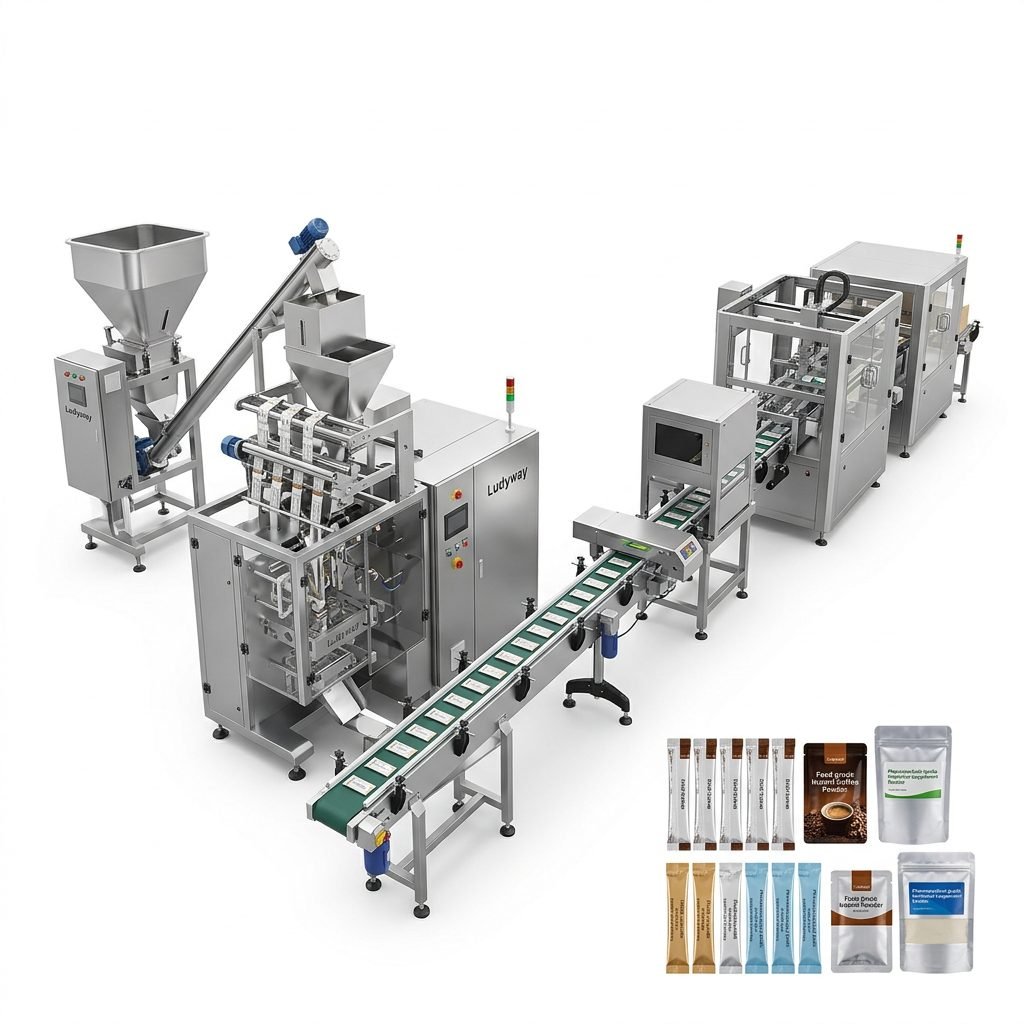
Modern maize flour packaging is rarely just about the filling machine. The real efficiency gains come from system integration. A well-designed line connects product infeed—whether from a silo, a mixer, or a grinding mill—directly to the packaging machine, then downstream through checkweighing, metal detection, coding, cartoning, case packing, and palletizing.
When evaluating suppliers, ask whether they can provide a complete integrated line rather than just a standalone machine. This approach simplifies project management, ensures compatibility between upstream and downstream equipment, and typically results in better technical support throughout the line’s lifecycle. Industry best practices from PMMI emphasize that integrated lines reduce manual handling errors and improve overall equipment effectiveness (OEE).
Evaluating Packaging Machinery Suppliers
Choosing the right machine manufacturer is as important as choosing the right machine. Look for suppliers with direct experience in powder and flour packaging, not just general packaging machinery. Request a trial or video demonstration with maize flour that closely matches your product specifications. During evaluation, pay attention to:
- Engineering depth – Can the supplier customize the machine to your specific product and packaging requirements?
- References – Ask for case studies or customer contacts in the food and flour milling industry.
- Spare parts availability – How quickly can critical parts be shipped? Are they held in regional warehouses?
- Service support – Is remote diagnostics available? What are the response times for on-site service?
- Certifications – Verify that the equipment can be configured to meet CE, UL, or other applicable standards for your target markets.
Some packaging machinery manufacturers, such as Ludyway Machinery, combine in-house manufacturing with engineering capabilities that allow machines to be configured for different maize flour formats, production speeds, and automation levels. This type of customized approach can be particularly valuable when standard equipment does not fit your product or layout requirements.

Maintenance, Spare Parts, and After-Sales Support
A packaging machine is a long-term production asset. The true cost of ownership is heavily influenced by what happens after installation. Before signing a purchase order, clarify the following:
- Preventive maintenance schedule – What daily, weekly, and monthly tasks are required, and are they manageable with your current maintenance team?
- Consumable parts list – Sealing jaws, cutting blades, belts, filters, and gaskets all wear over time. Know their expected lifespan and replacement cost.
- Technical documentation – Ensure complete manuals, electrical schematics, and troubleshooting guides are provided in a language your team can work with.
- Training – Comprehensive operator and maintenance training during commissioning reduces future downtime and user error.
- Remote support capability – Many modern machines support remote diagnostics, allowing the manufacturer’s engineers to troubleshoot issues without traveling to your facility.

Ensuring Compliance with Food Safety Standards
Maize flour is a food product, and your packaging operation must comply with FDA packaging and food contact substance rules if you export to North America, or equivalent regulations in other markets. Food-grade stainless steel construction, validated cleaning procedures, and seal integrity testing are all essential elements of a compliant packaging process.
For exporters to multiple regions, confirm that the machine builder can supply compliance documentation and, if necessary, adapt the equipment to meet different regulatory frameworks. This includes material certifications for food contact surfaces, ingress protection ratings for electrical enclosures, and safety guarding that meets regional machinery directives.
Making the Final Decision
Choosing the right maize flour packaging machine requires balancing current production needs with future growth plans, capital expenditure with long-term operating costs, and machine specifications with supplier capabilities. The most successful buyers take a structured approach: define your product characteristics, benchmark multiple technologies, test with real product, evaluate total cost of ownership, and select a supplier with proven experience in powder packaging applications.
A well-chosen packaging machine will serve your maize flour production line for a decade or more. Invest the time upfront to evaluate thoroughly, and the returns in efficiency, consistency, and reduced downtime will compound over the life of the equipment.