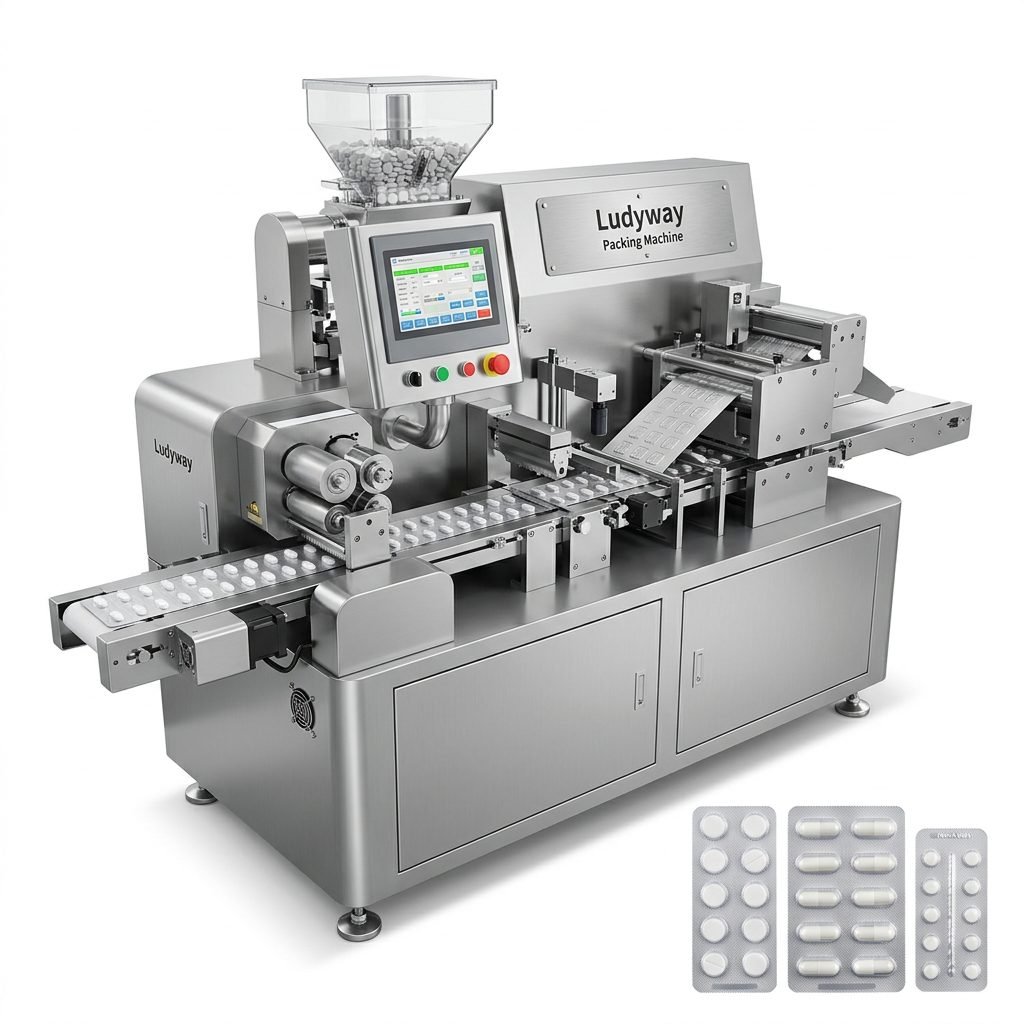
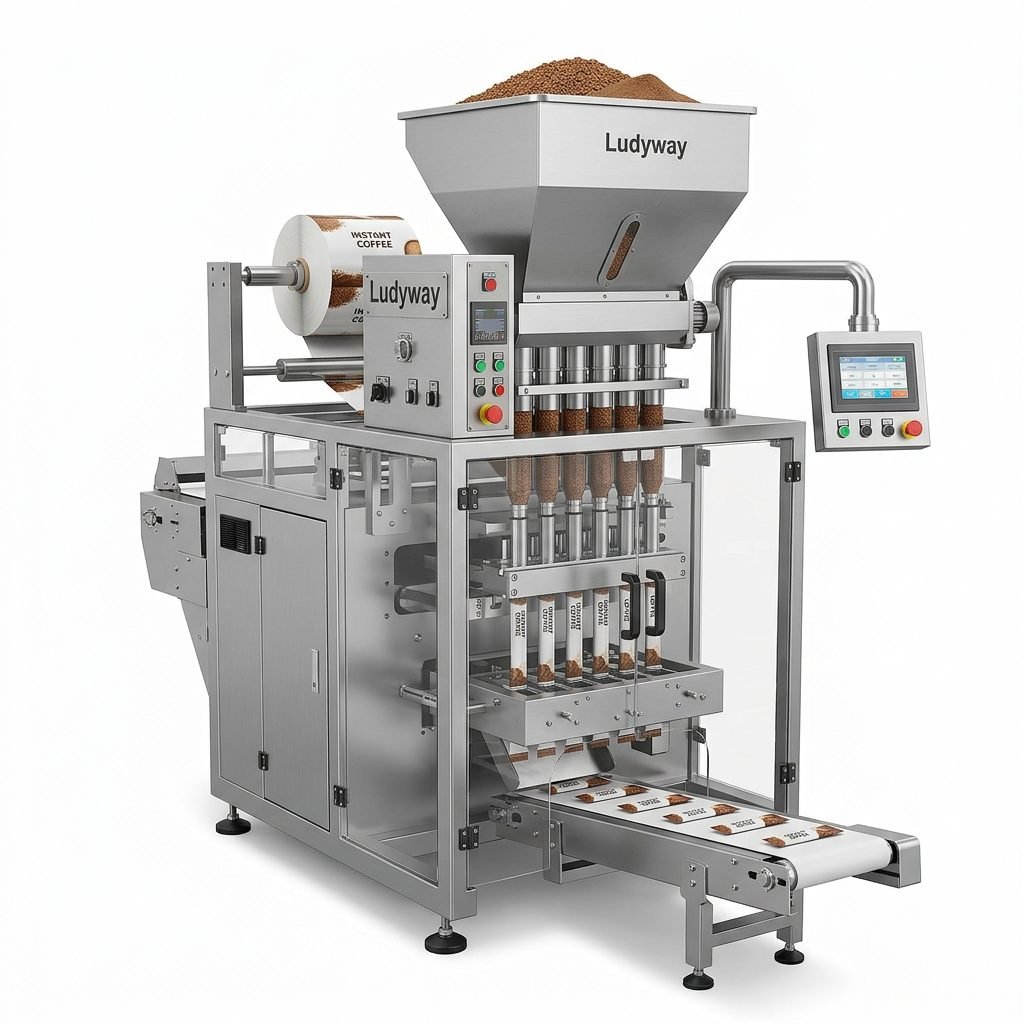
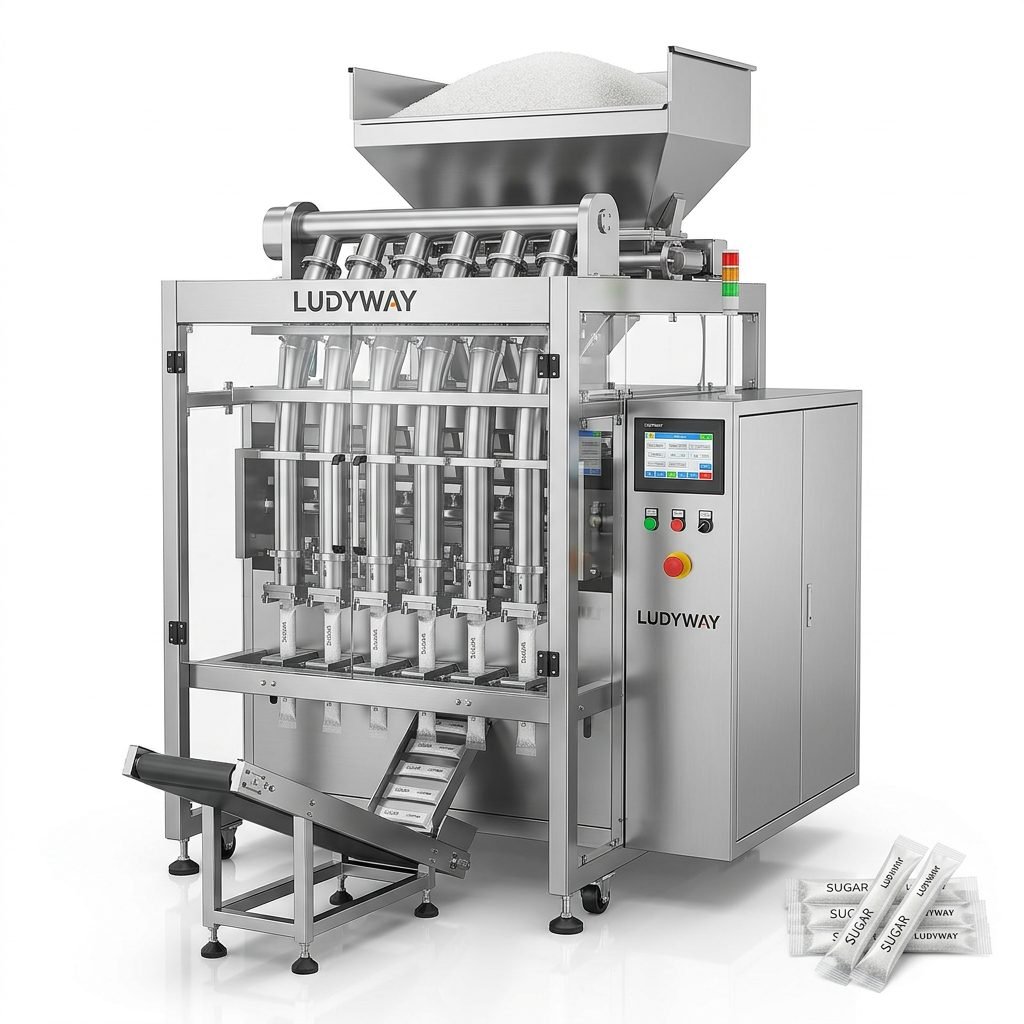
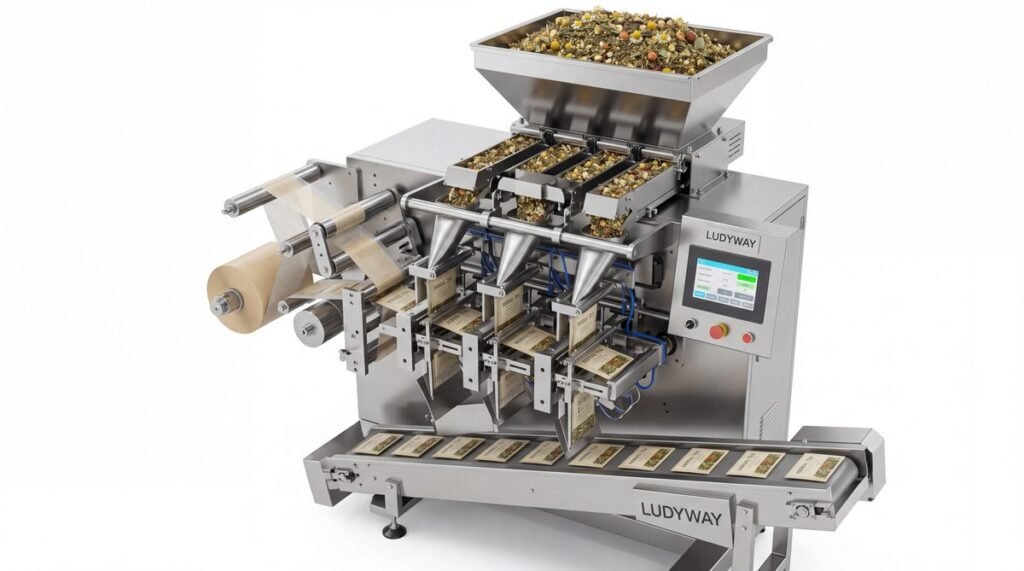
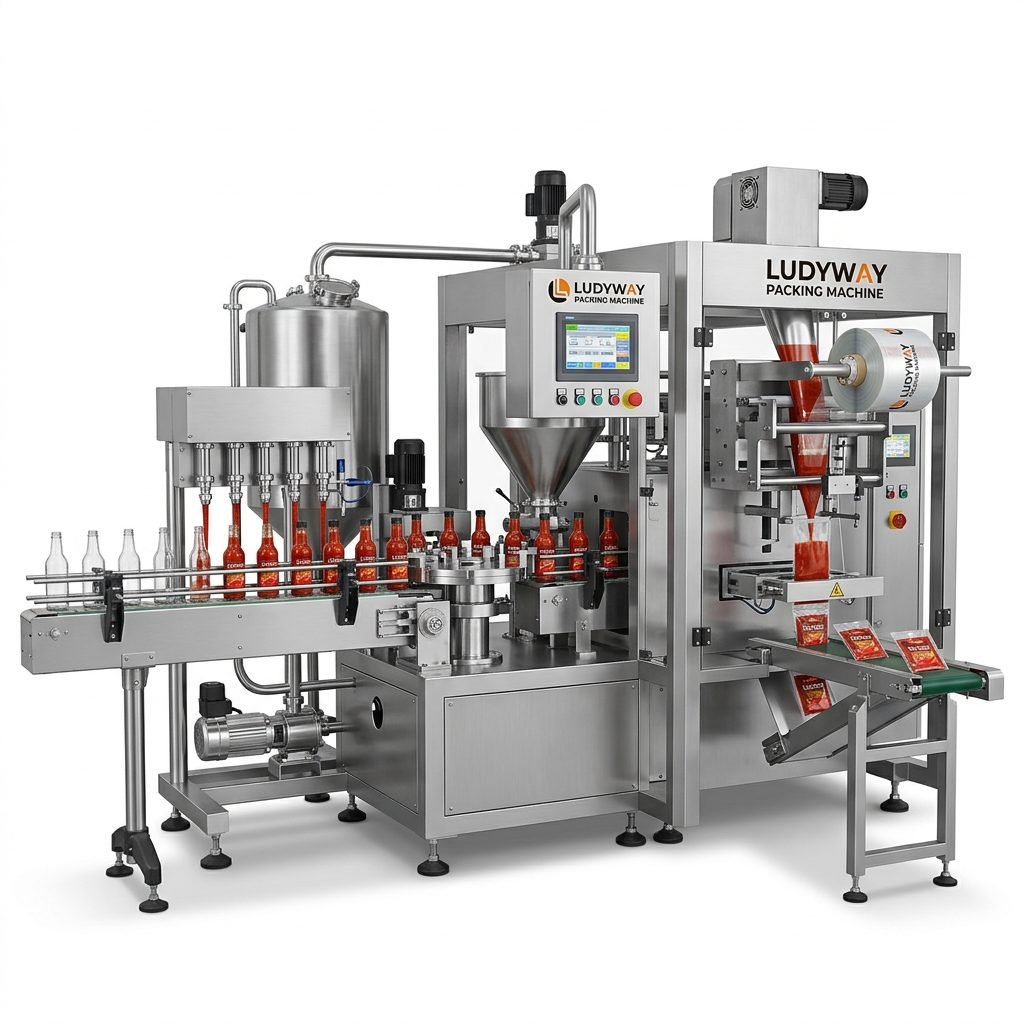
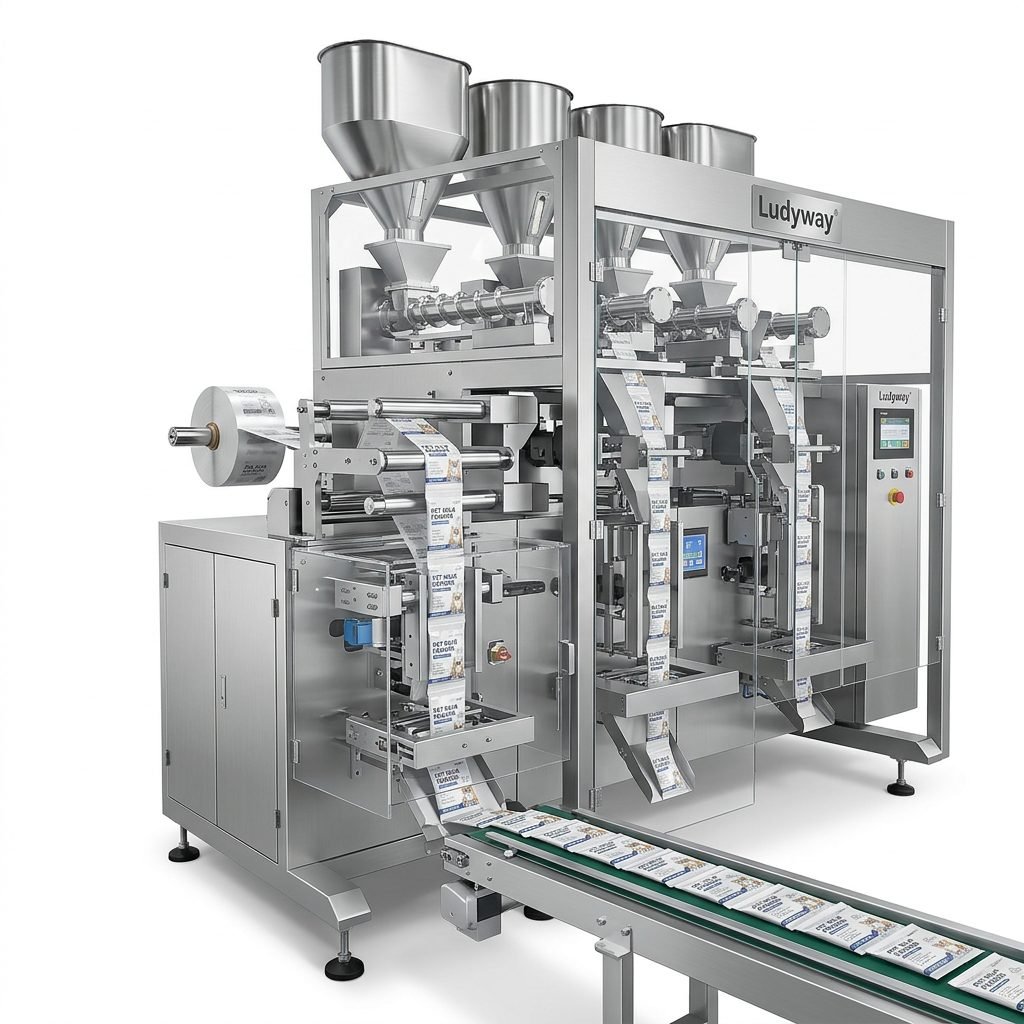
Investing in a tea sachet packing machine is a significant decision for any tea producer, co-packer, or brand looking to scale operations. Whether you are packaging herbal blends, green tea, or specialty loose-leaf varieties, the right equipment directly impacts your production efficiency, seal integrity, and product freshness. With a wide range of technologies available—from simple single-lane fillers to sophisticated multi-lane automated packaging lines—understanding the key selection criteria is essential before making a purchase.
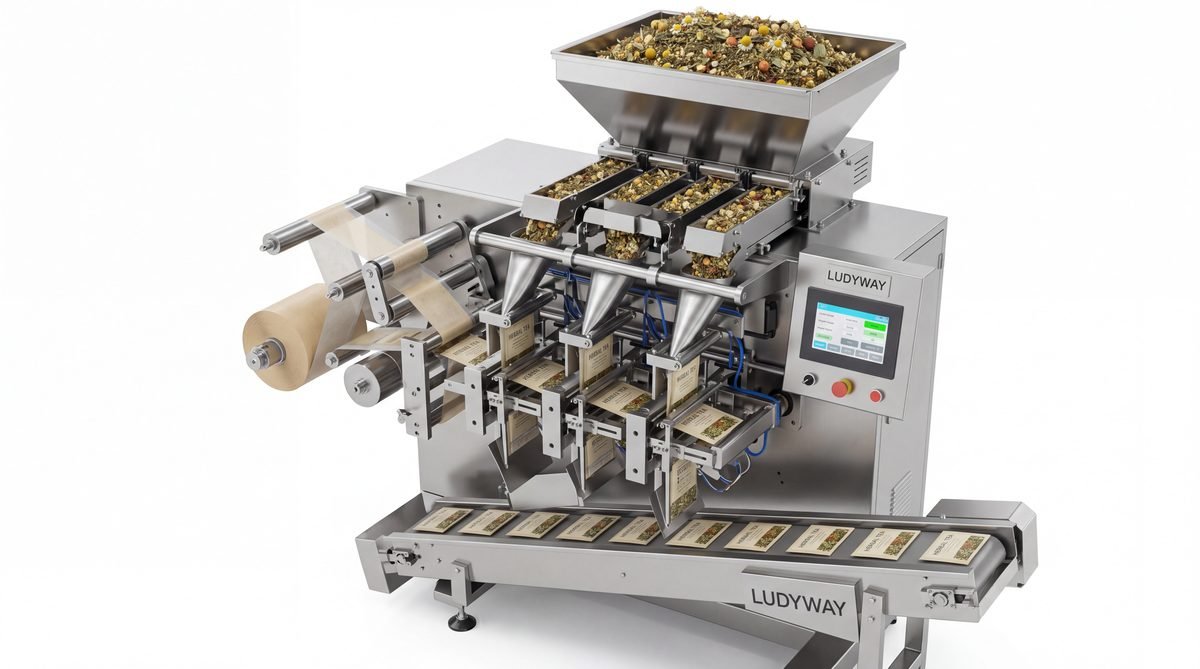
Why Choosing the Right Tea Packaging Machine Matters
The tea market continues to expand globally, with consumers demanding convenient single-serve formats such as stick packs and sachets. A poorly specified machine can lead to inconsistent fill weights, compromised seal quality, and excessive material waste. Conversely, a well-matched solution optimizes throughput while maintaining the delicate aroma and moisture-sensitive nature of tea products. According to the Flexible Packaging Association, flexible packaging formats continue to gain market share in the food and beverage sector, making automated sachet and stick pack solutions increasingly valuable for tea manufacturers.
Tea Product Characteristics That Influence Machine Selection
Before evaluating specific machine models, you must analyze the physical properties of your tea product. These characteristics determine the type of dosing system, hopper design, and sealing parameters required.
- Particle size and consistency: Fine tea dust behaves differently than whole-leaf or granular herbal blends during filling.
- Flowability: Some tea blends are free-flowing, while others clump or bridge, requiring specialized agitation or auger systems.
- Moisture sensitivity: Tea is hygroscopic. Machines should support airtight seals and nitrogen flushing if oxygen barrier protection is required.
- Density variation: Volumetric fillers may struggle with inconsistent density; weigh-filling or auger-based systems offer better accuracy.
Packaging Format: Sachet, Stick Pack, or Pouch
Your intended packaging format is a defining factor in machine selection. Tea products are commonly packed in three configurations:
| Packaging Format | Typical Applications | Key Machine Requirements |
|---|---|---|
| Sachet (Three-side seal) | Single-serve tea, instant tea powder, herbal drinks | Vertical form fill seal (VFFS), multi-lane capability, easy-tear notching |
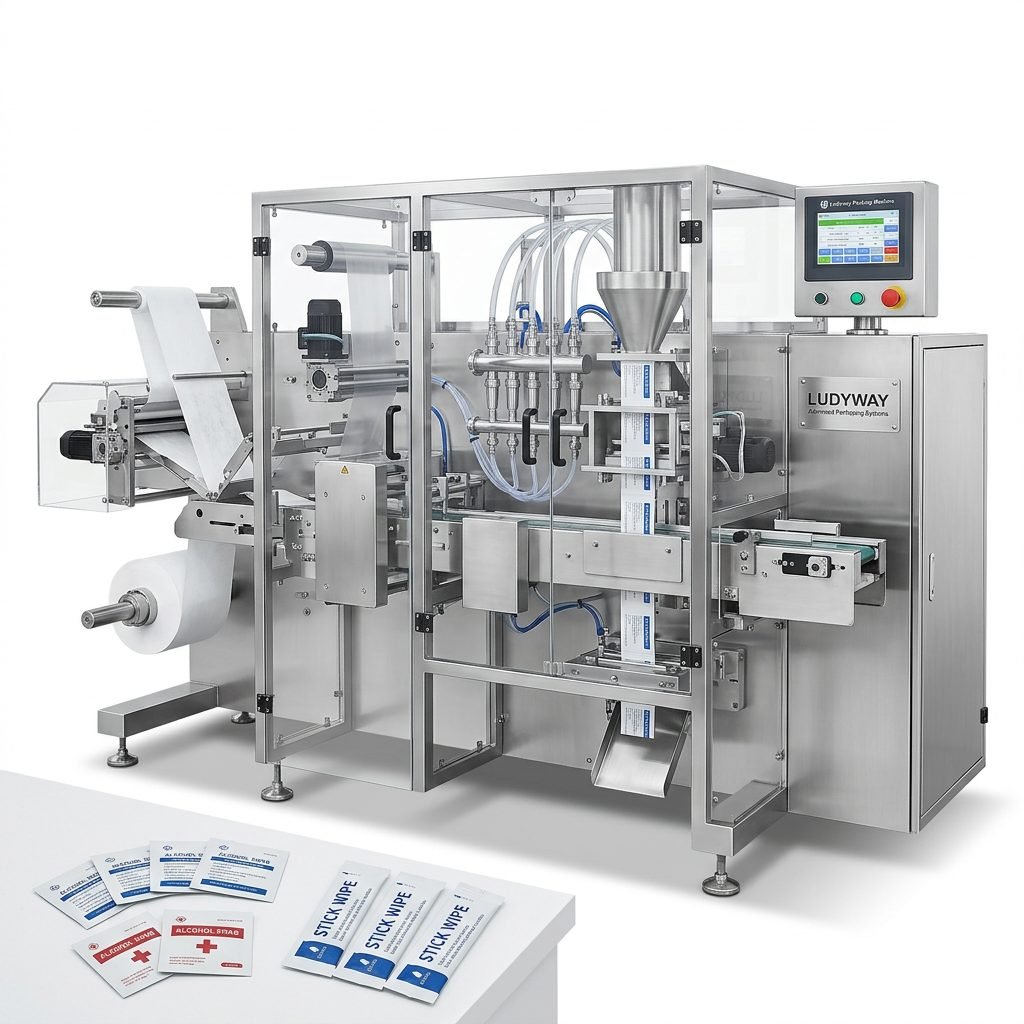
| Stick Pack | Matcha sticks, tea latte mixes, supplement blends | Narrow seal width, high-speed multi-lane, precision powder dosing |
| Flat Pouch / Stand-up Pouch | Loose-leaf tea, bagged tea, larger portion packs | Premade pouch rotary or inline filler, zipper application optional |
Production Speed and Multi-Lane Configurations
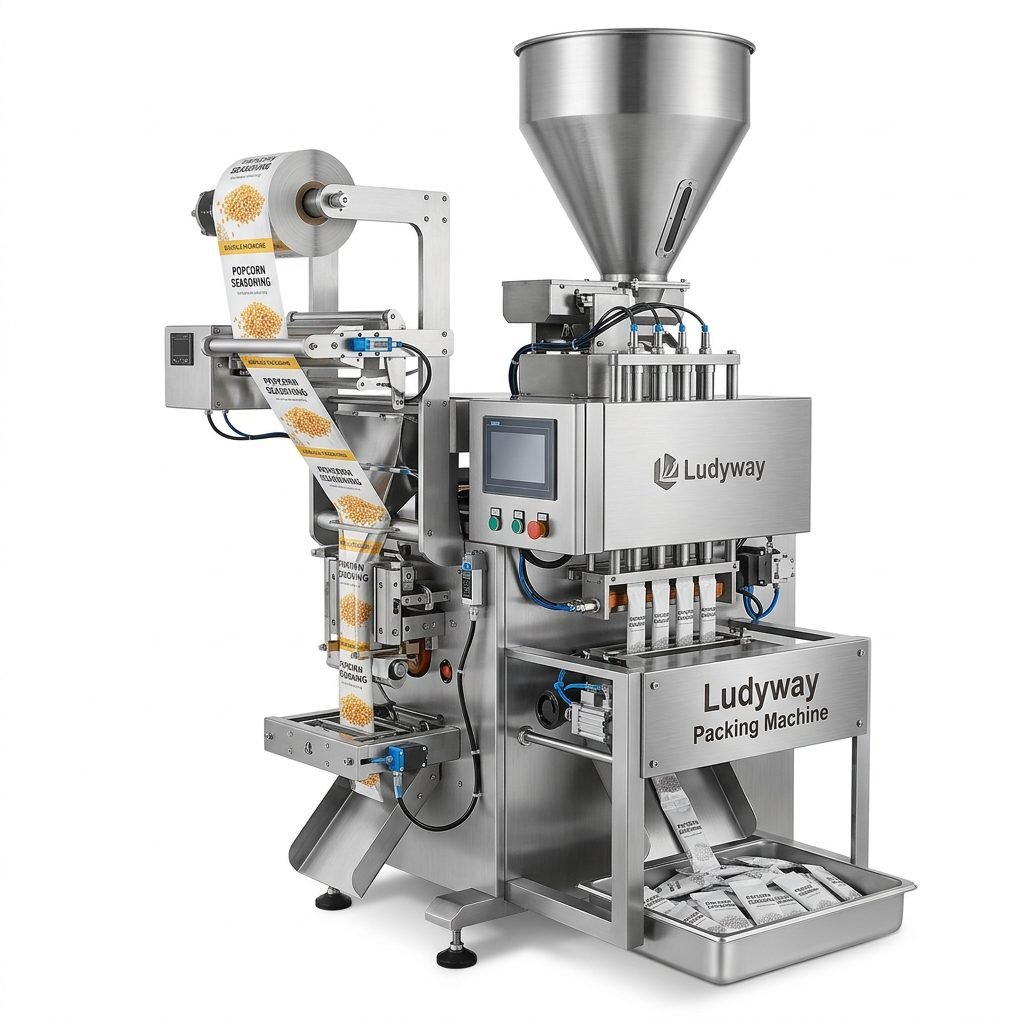
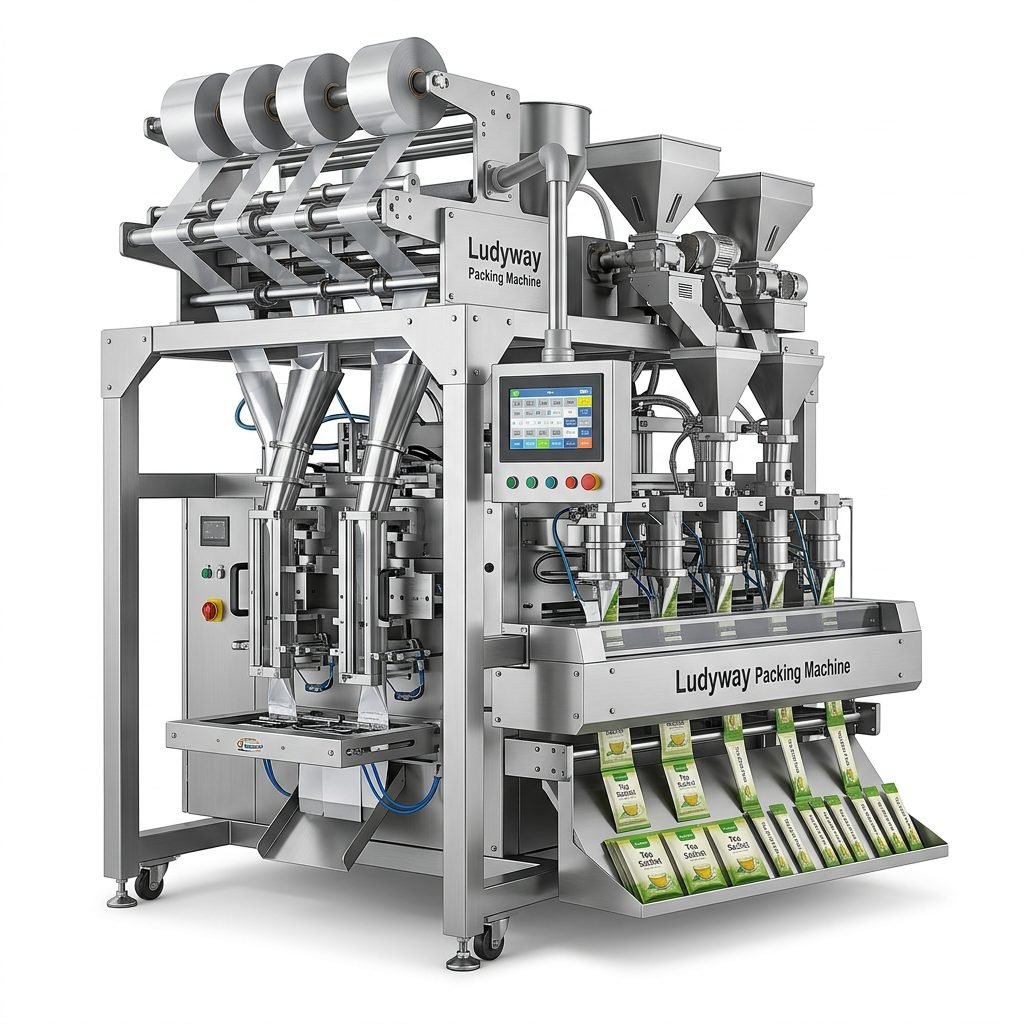
Production capacity requirements are among the first specifications to define. A small artisanal tea brand may be satisfied with 40-60 packs per minute, while high-volume contract manufacturers often demand 200-600 packs per minute or more. Multi-lane machines achieve higher throughput by running several packaging lanes simultaneously. A 4-lane, 6-lane, or 8-lane tea sachet packing machine can multiply output without proportionally increasing floor space.
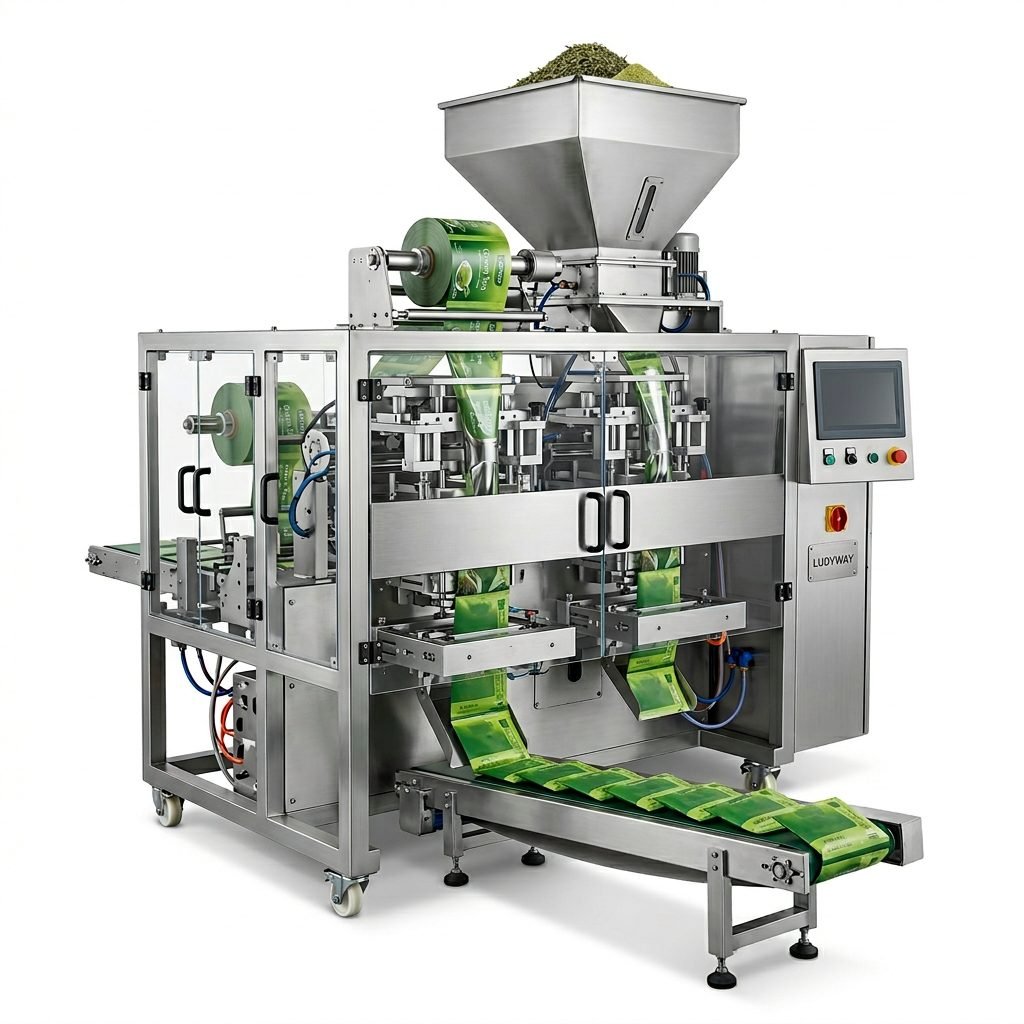
When planning your return on investment calculation, consider not just the machine’s rated speed, but OEE (Overall Equipment Effectiveness). Factors such as film-splicing downtime, cleaning procedures, and changeover time between different tea blends all impact real-world output.
Filling and Dosing Technology for Tea Products
Different tea types require different dosing mechanisms. Selecting the wrong filling technology leads to inaccurate weights and product giveaway:
- Auger filler: Best for fine tea powders, matcha, milk tea mixes, and dust-like blends. Offers high accuracy for cohesive powders.
- Volumetric cup filler: Suitable for free-flowing granular tea, such as orthodox leaf grades or herbal pieces. Economical for uniform particle sizes.
- Multi-head weigher (combination scale): Provides the highest accuracy for heterogeneous tea blends with varying piece sizes. Ideal for premium loose-leaf tea pouches.
- Liquid pump: Required for tea concentrates, liquid tea beverages, or gel-based tea products in sachet format.
Packaging Material Compatibility and Sealing Quality
Tea packaging relies on multi-layer laminated films to provide moisture, oxygen, and light barrier properties. Your chosen machine must be compatible with the film structure you intend to use—whether it is paper/PE/aluminum/PE, PET/aluminum/PE, or metallized PET structures. Critical factors include:
- Sealing temperature range and precise temperature control
- Dwell time adjustment for different film thicknesses
- Serrated or easy-tear notch features for consumer convenience
- Optional gas flushing (nitrogen) for oxygen-sensitive premium teas
Poor seal integrity is one of the top causes of product returns in the tea industry. Look for machines with independent sealing jaw temperature control and consistent pressure distribution across all lanes. Testing your specific film on the intended machine before purchase is strongly recommended.
Automation Features and Integration Capabilities
Modern tea sachet packing machines go beyond simple filling and sealing. Depending on your factory’s maturity level, you may require integrated automation features such as:
- Automatic film registration and splicing for continuous operation
- Code printing and inspection systems (date codes, batch numbers, QR codes)
- Checkweigher integration for real-time fill weight verification and feedback
- Reject systems for out-of-specification packs
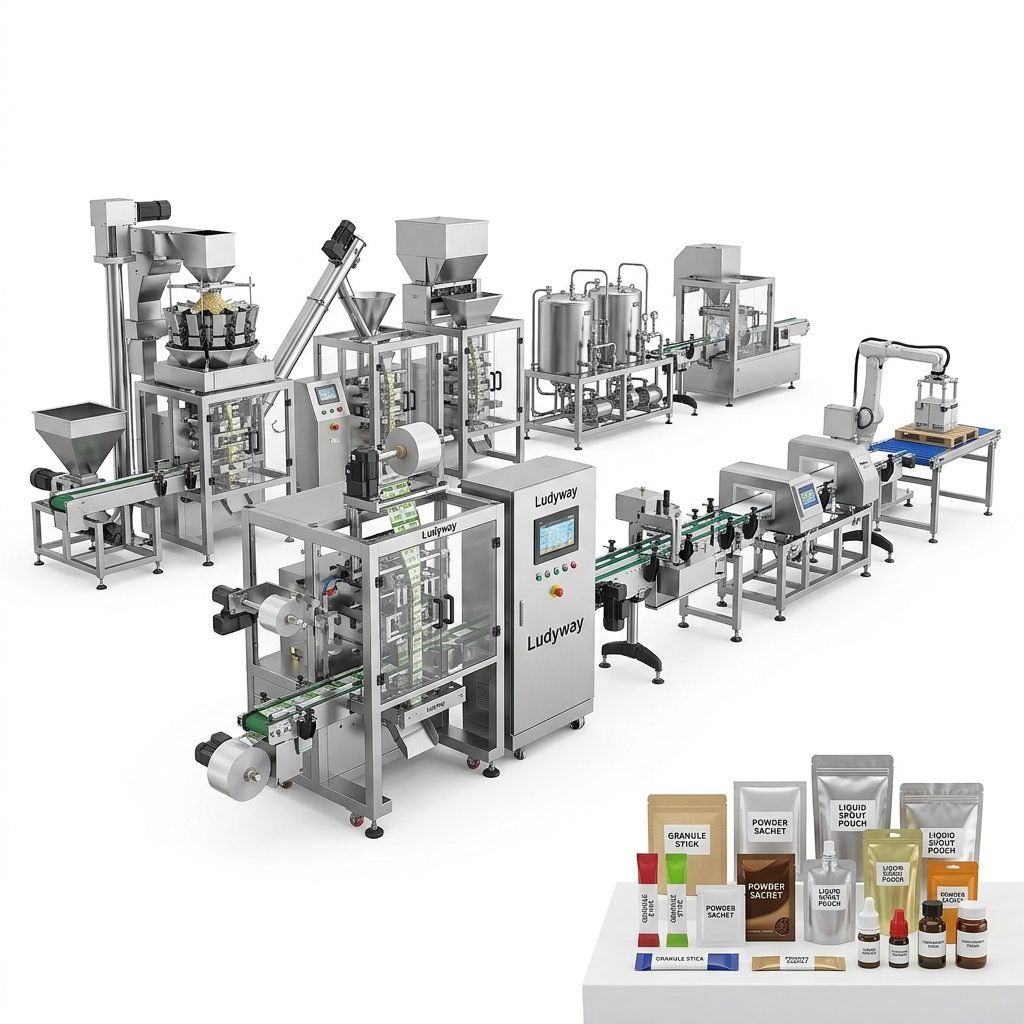
- Cartoning and case packing as part of a complete packaging line
As the PMMI business intelligence reports highlight, the trend toward connected packaging machinery continues to accelerate. Machines that support data collection, remote diagnostics, and integration with plant-wide MES systems provide long-term operational advantages.
Hygiene, Cleanability, and Regulatory Compliance
Tea is a food product, and packaging equipment must comply with food safety regulations in your target markets. Machines constructed with stainless steel contact parts, sanitary design principles, and accessible washdown areas simplify cleaning validation. Key considerations include:
- Tool-free disassembly for product contact components
- Sloped surfaces to prevent product accumulation
- Dust extraction systems for fine powder tea products
- IP65 or higher protection for electrical components in washdown zones
- Compliance with FDA, EU, or local food contact material standards
For pharmaceutical-grade tea products or nutraceutical blends, additional validation requirements such as IQ/OQ/PQ documentation may apply. Resources from the FDA on food packaging and food contact substances provide guidance on material compliance requirements for the U.S. market.
Machine Footprint and Factory Layout
Floor space is a real cost in any production facility. While multi-lane machines offer higher throughput, they also occupy more space. Before selecting a machine, evaluate:
- Available floor area and ceiling height
- Utility connections (compressed air, electrical supply, nitrogen line if applicable)
- Material flow from upstream blending to downstream cartoning
- Access for maintenance and cleaning
Some manufacturers, including Ludyway Machinery—a China-based packaging machinery manufacturer with over 30 years of experience and a 20,000-square-meter manufacturing facility—provide customized packaging line layouts to optimize equipment placement and material flow within your existing factory constraints.
Supplier Evaluation: Beyond the Machine Specification
Your selection process should extend to the machine manufacturer or system integrator behind the equipment. A comprehensive supplier evaluation should cover:
| Evaluation Criteria | Key Questions to Ask |
|---|---|
| Industry experience | How many tea-specific installations have they completed? Can they provide references? |
| Testing and validation | Do they offer factory acceptance testing (FAT) with your actual tea product and film? |
| Spare parts availability | What is the lead time for critical wear parts and sealing components? |
| Technical support | Is remote diagnostic support available? Do they have service engineers in your region? |
| Installation and training | Does the scope include on-site commissioning, operator training, and maintenance manuals? |
Total Cost of Ownership Considerations
Purchase price is only one element of the total cost of ownership (TCO). When comparing machines, factor in long-term costs such as:
- Film material waste during startup, changeovers, and rejected packs
- Energy consumption for heating, compressed air, and operation
- Spare parts consumption (sealing jaws, cutting knives, belts)
- Labor requirements for operation and changeover
- Downtime cost based on machine reliability and service support responsiveness
A slightly more expensive machine with lower film waste, higher efficiency, and faster changeovers often delivers a better return on investment over a 5-10 year operational life.
Testing Before Buying: The Importance of Factory Acceptance Tests
Before finalizing your tea sachet packing machine purchase, insist on a factory acceptance test (FAT) using your actual tea product and packaging film. This test should verify:
- Fill weight accuracy and consistency at the target production speed
- Seal integrity (visual inspection and peel-strength testing)
- Machine stability during extended continuous operation
- Changeover time between different tea blends or packaging formats
- Noise levels and operator ergonomics
The packaging industry’s major trade events, including PACK EXPO International, provide opportunities to see multiple machines in operation and compare suppliers directly. For detailed market intelligence, the PMMI 2026 State of the Industry report offers valuable insights into packaging machinery trends and benchmarks.
Future-Proofing Your Investment
A tea sachet packing machine represents a long-term capital investment. Consider how your packaging requirements may evolve. Modular machines that allow for lane additions, format changes, or automation upgrades provide flexibility as your product portfolio expands. The ability to produce multiple bag formats on a single platform can significantly improve your operational agility in responding to market trends.
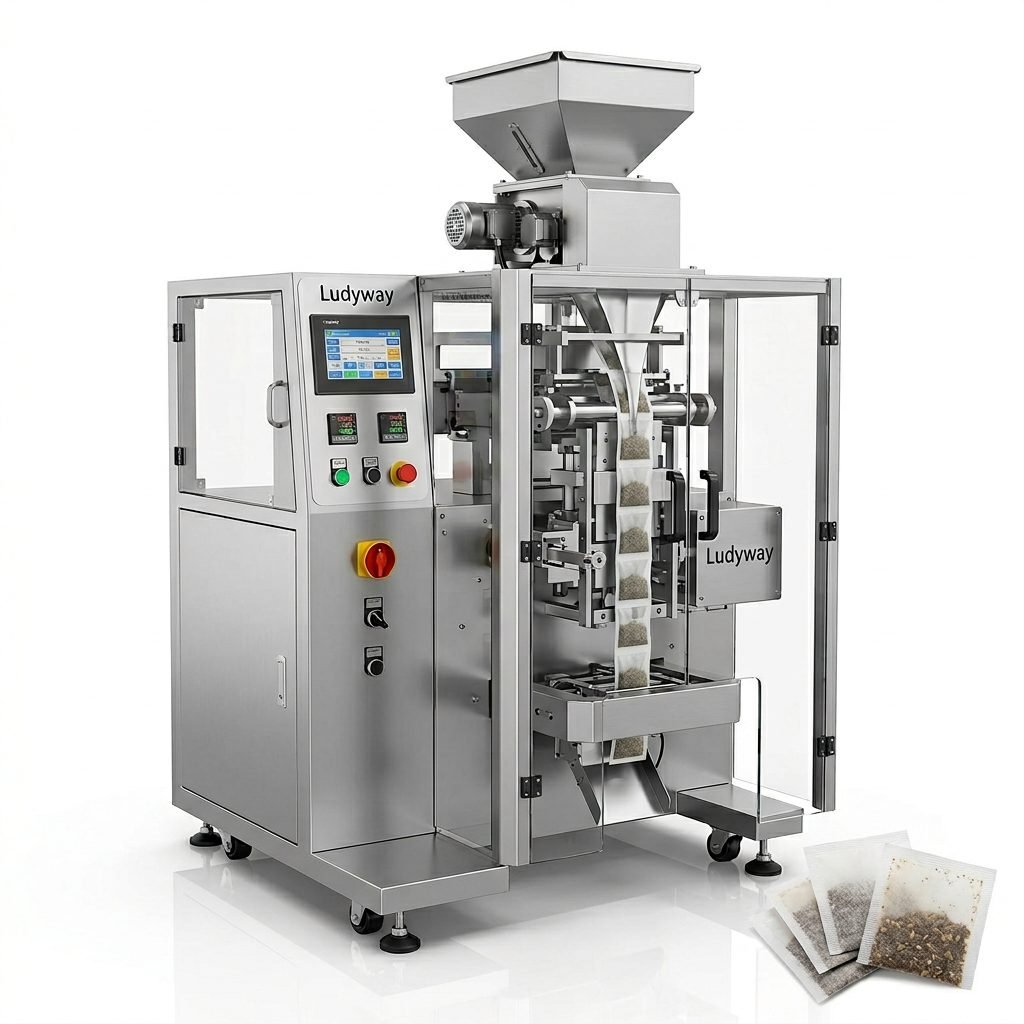
Selecting the right tea sachet packing machine requires a systematic evaluation of your product characteristics, production goals, packaging format, automation requirements, and supplier capabilities. By carefully weighing these factors and conducting thorough testing before purchase, you can invest in a solution that delivers consistent quality, operational efficiency, and profitable growth for years to come. For more information on turnkey packaging solutions and customized machinery configurations, visit Ludyway Machinery or explore additional resources at the Flexible Packaging Association to stay informed on industry standards and innovations.