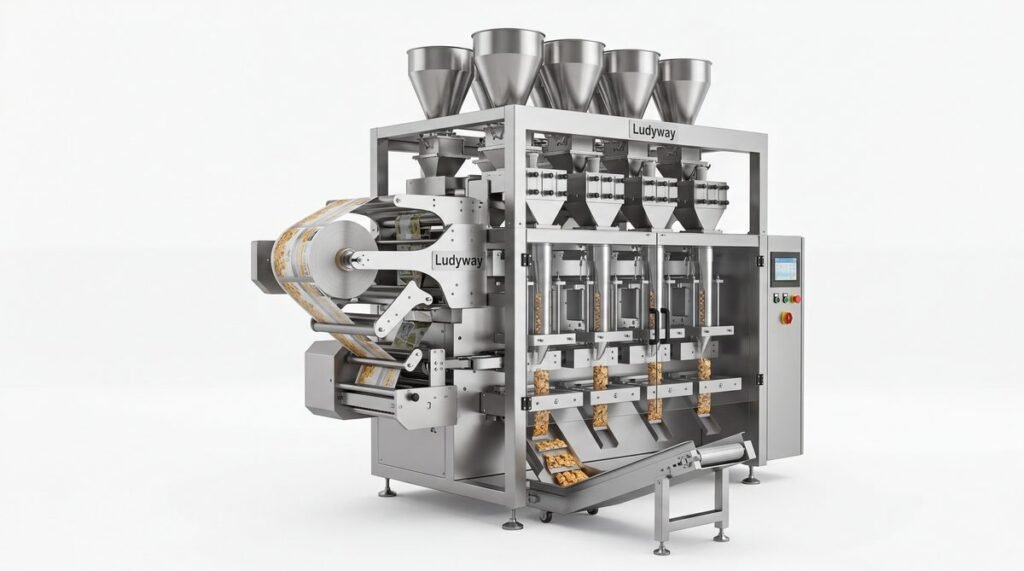
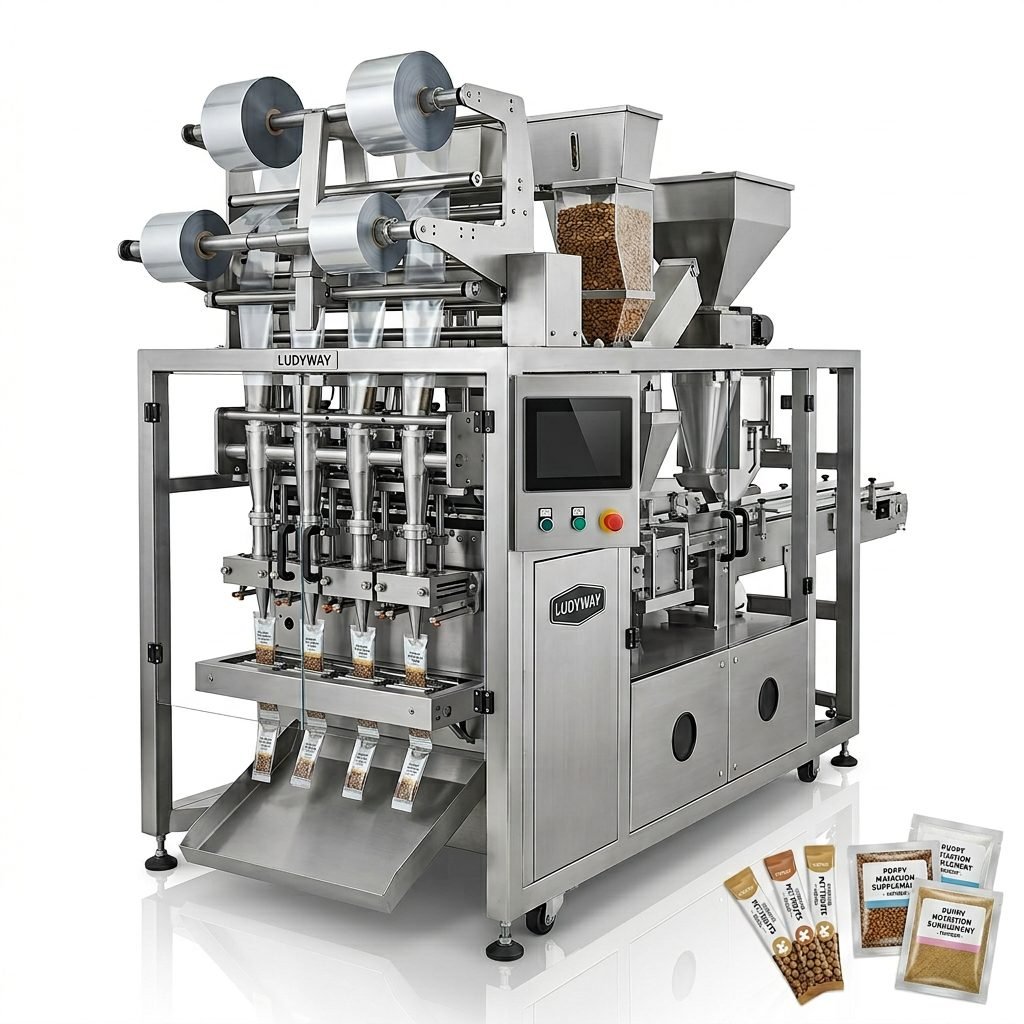
Choosing the right energy bar packaging machine is a critical decision that impacts your production efficiency, product shelf life, and brand reputation. With the global energy bar market experiencing steady growth, manufacturers are increasingly turning to automated packaging solutions to meet demand while maintaining consistent quality. This buyer’s guide walks you through the essential factors to evaluate before investing in energy bar packaging machinery.
Understanding Your Product Characteristics
Before selecting a machine, analyze your specific energy bar formulation. Is your product crunchy, chewy, sticky, or coated? Sticky or high-moisture bars often require non-stick surfaces and specialized feeding systems to prevent product buildup. The bar’s dimensions, weight, and fragility will also dictate the type of flow-wrapping or vertical packaging technology needed to prevent breakage during the high-speed packaging process.
Packaging Formats: Stick Packs vs. Sachets vs. Pillow Bags
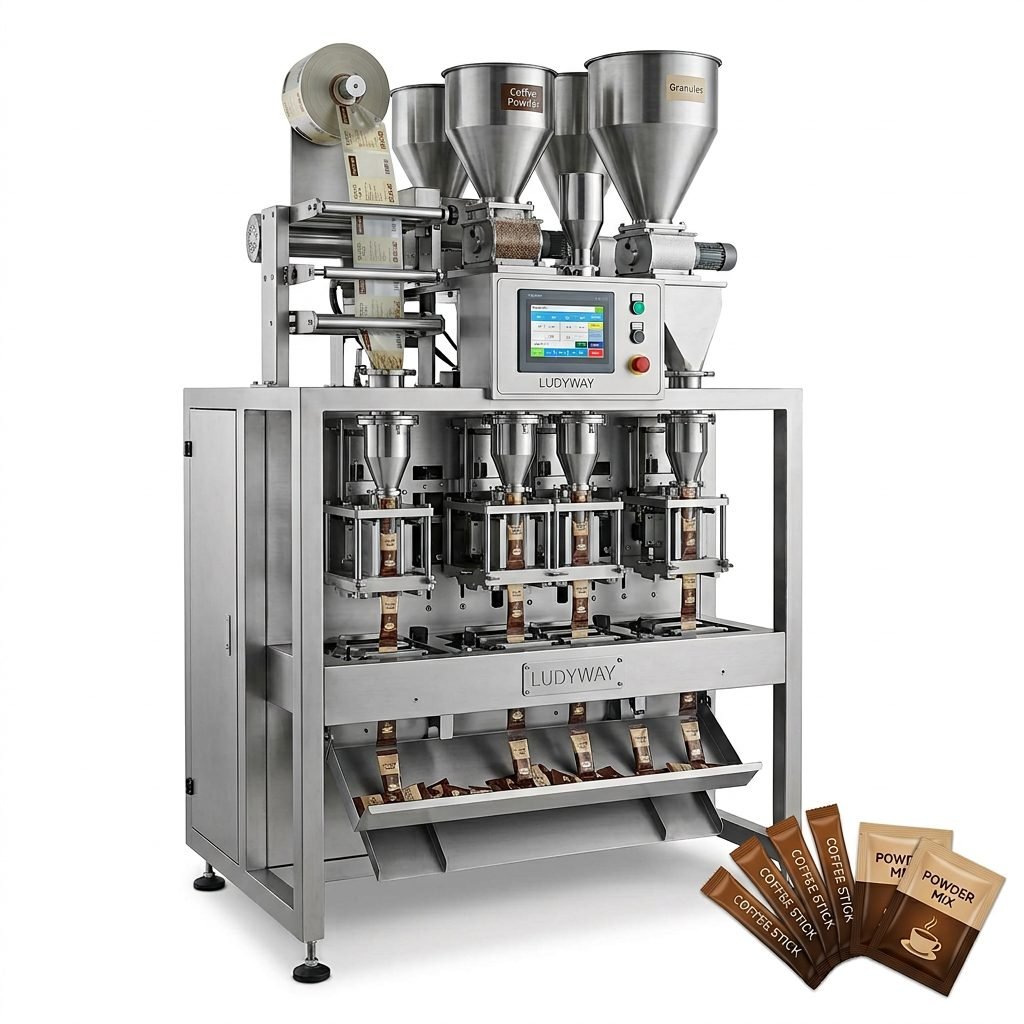
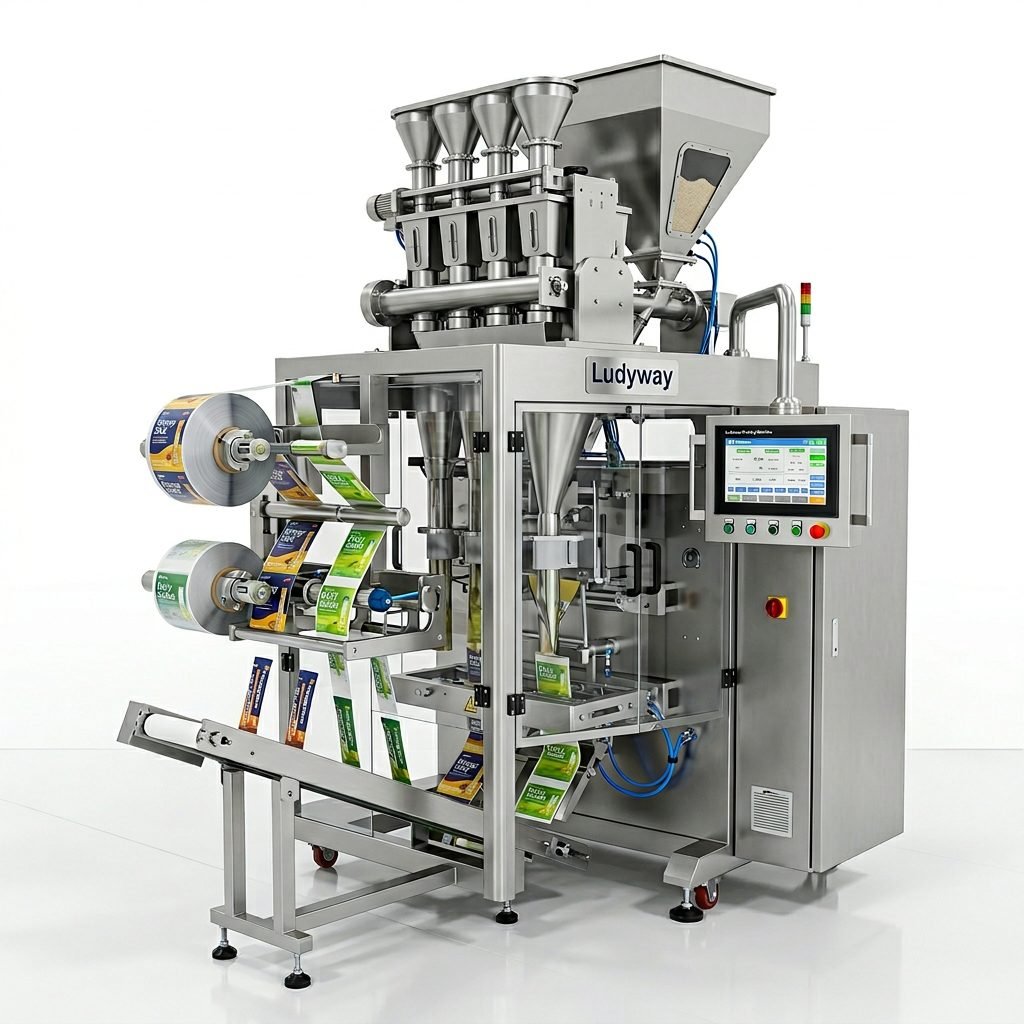
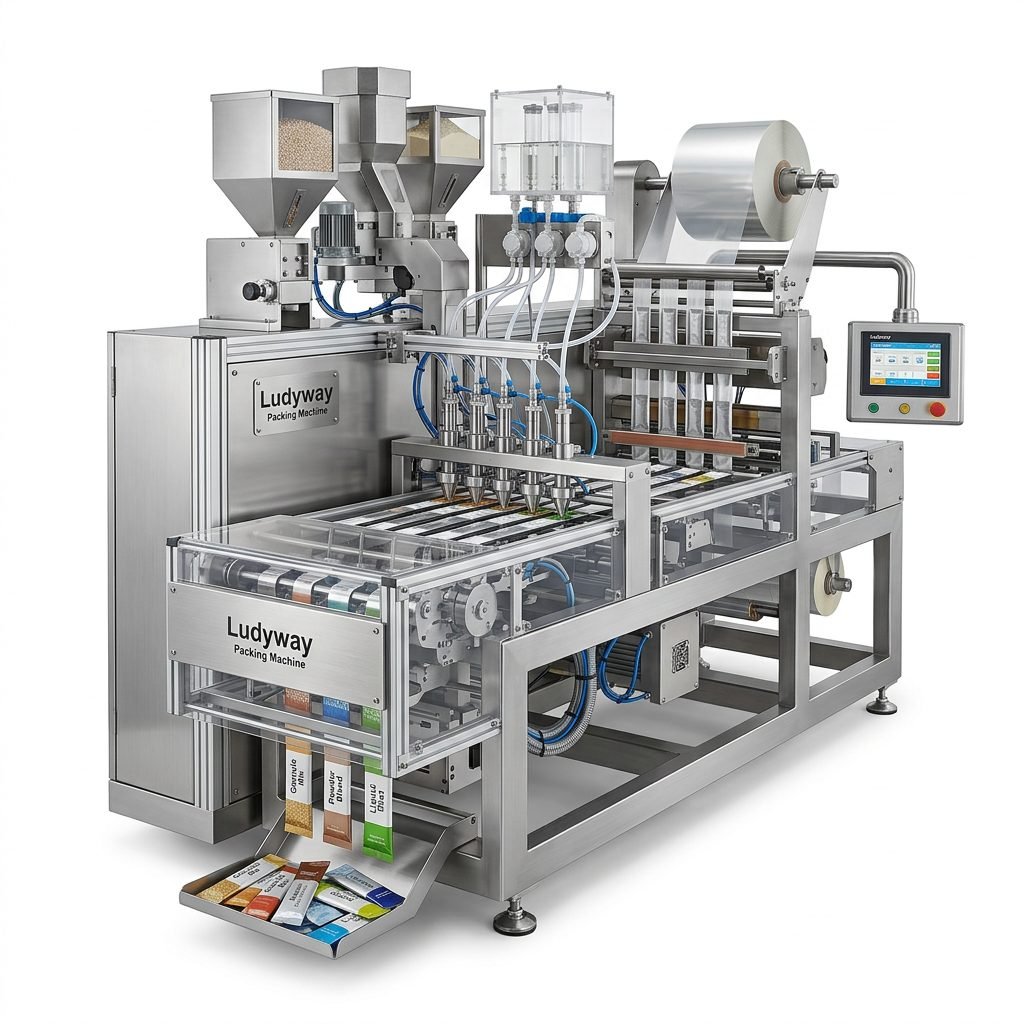
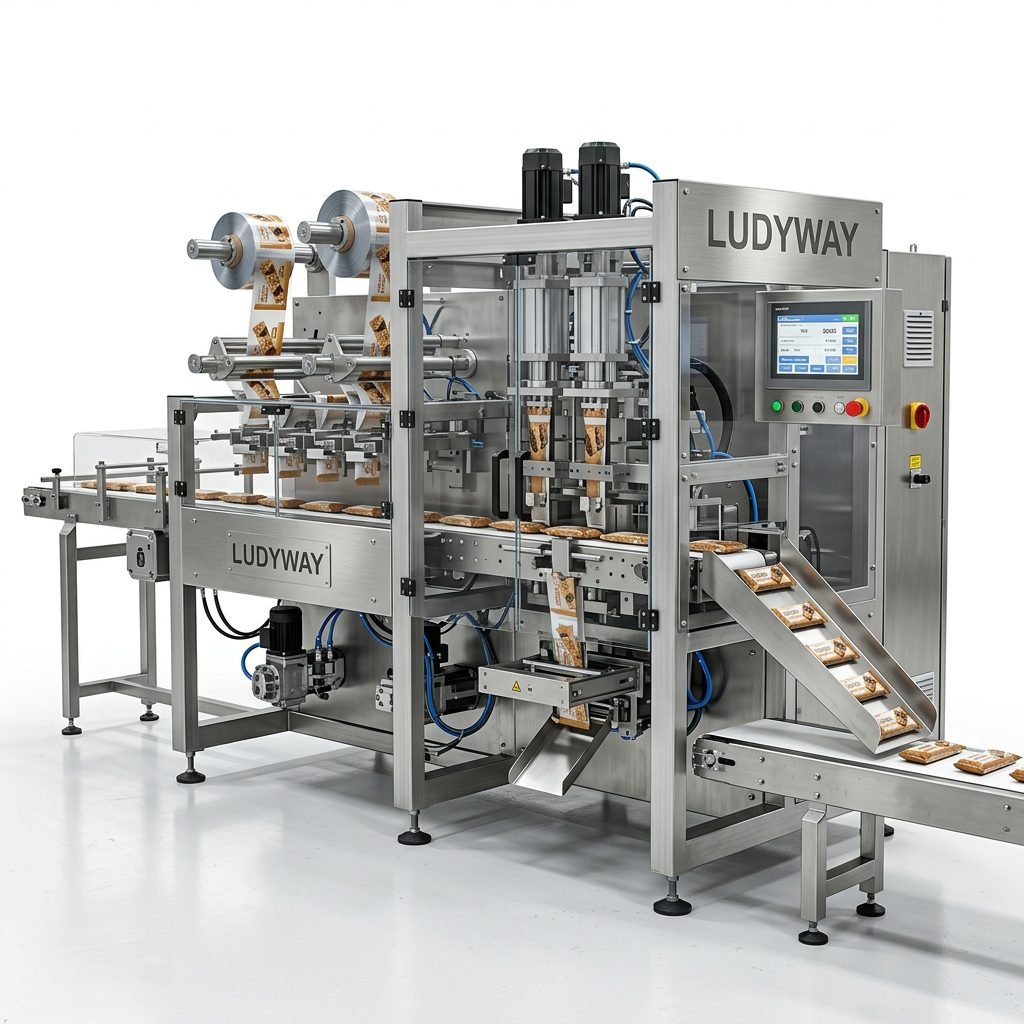
The packaging format you choose directly affects the machine’s configuration. Multi-lane stick pack machines are ideal for on-the-go consumption and single-serving portions, offering high-speed output and attractive shelf presence. Pillow packaging, often with a fin seal or lap seal, remains a popular choice for standard granola or protein bars. Consider whether you need gas flushing capabilities to extend product shelf life by reducing oxygen inside the package, which is crucial for maintaining freshness in nut-based bars.
Automation, Speed, and Throughput
Modern packaging machinery offers varying levels of automation. For high-volume production, a fully automated line that integrates feeding, wrapping, coding, and cartoning can significantly reduce labor costs. When evaluating speed, look beyond the theoretical maximum output. Operational efficiency depends on factors like film splicing time, changeover speed, and the reliability of the dosing system. For energy bars, speeds can range from 50 to over 500 packs per minute depending on the multi-lane setup.
Key Machine Features to Evaluate
| Feature | Why It Matters |
|---|---|
| Servo Motor Control | Precise film tension and accurate cut-off length, reducing material waste and ensuring a tight seal. |
| Multi-Lane Configuration | Maximizes output by running multiple lanes simultaneously, ideal for high-speed stick pack production. |
| Easy Clean Design | Tool-free disassembly for rapid product changeover and strict hygiene compliance. |
| Integrated Rejection System | Automatically removes underweight or defective packs, ensuring quality control at line speed. |
Hygiene, Materials, and Compliance
Food safety is non-negotiable. Your packaging machine should be constructed primarily of 304 stainless steel to withstand rigorous washdown procedures. The machinery should also be compatible with a wide range of recyclable and advanced barrier films. Compliance with international standards such as FDA food contact substance regulations and relevant ISO packaging standards ensures your product can be marketed globally without regulatory hurdles.
Partnering with a Reliable Manufacturer
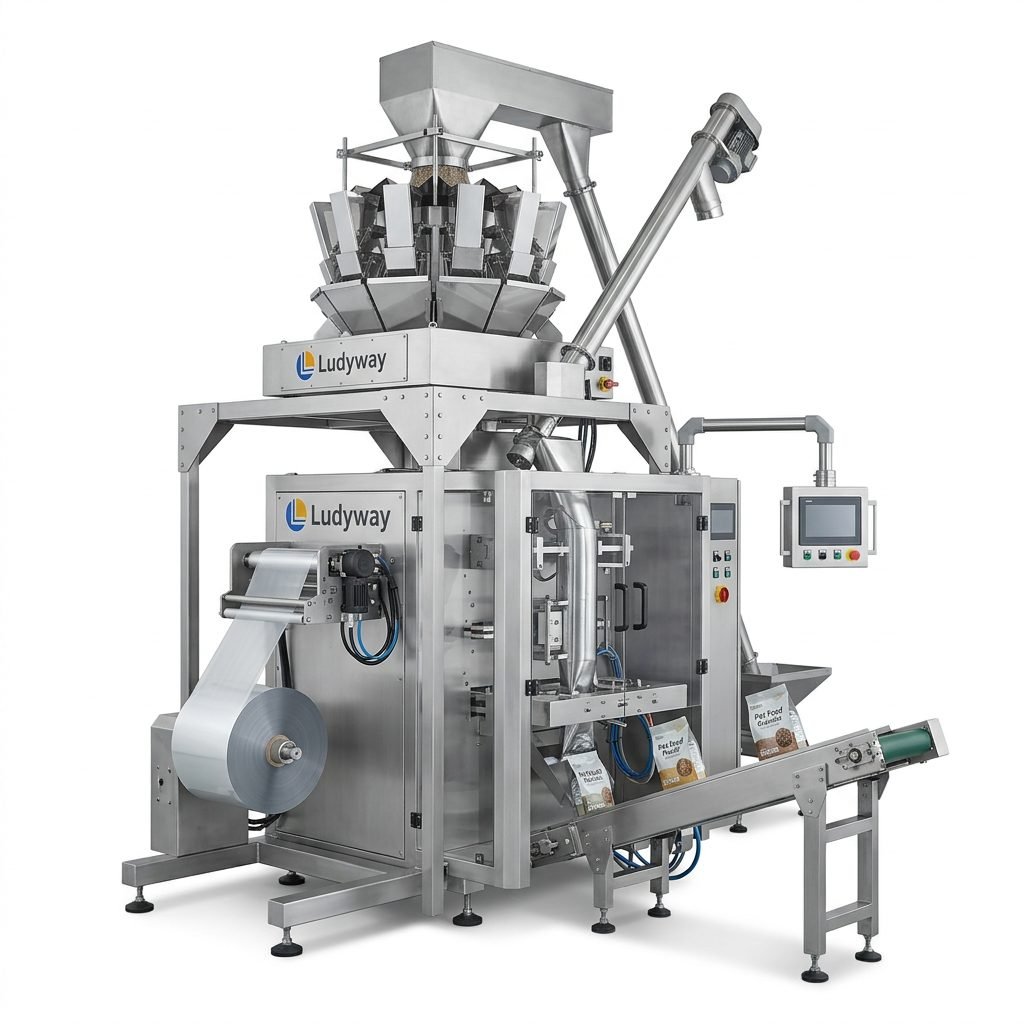
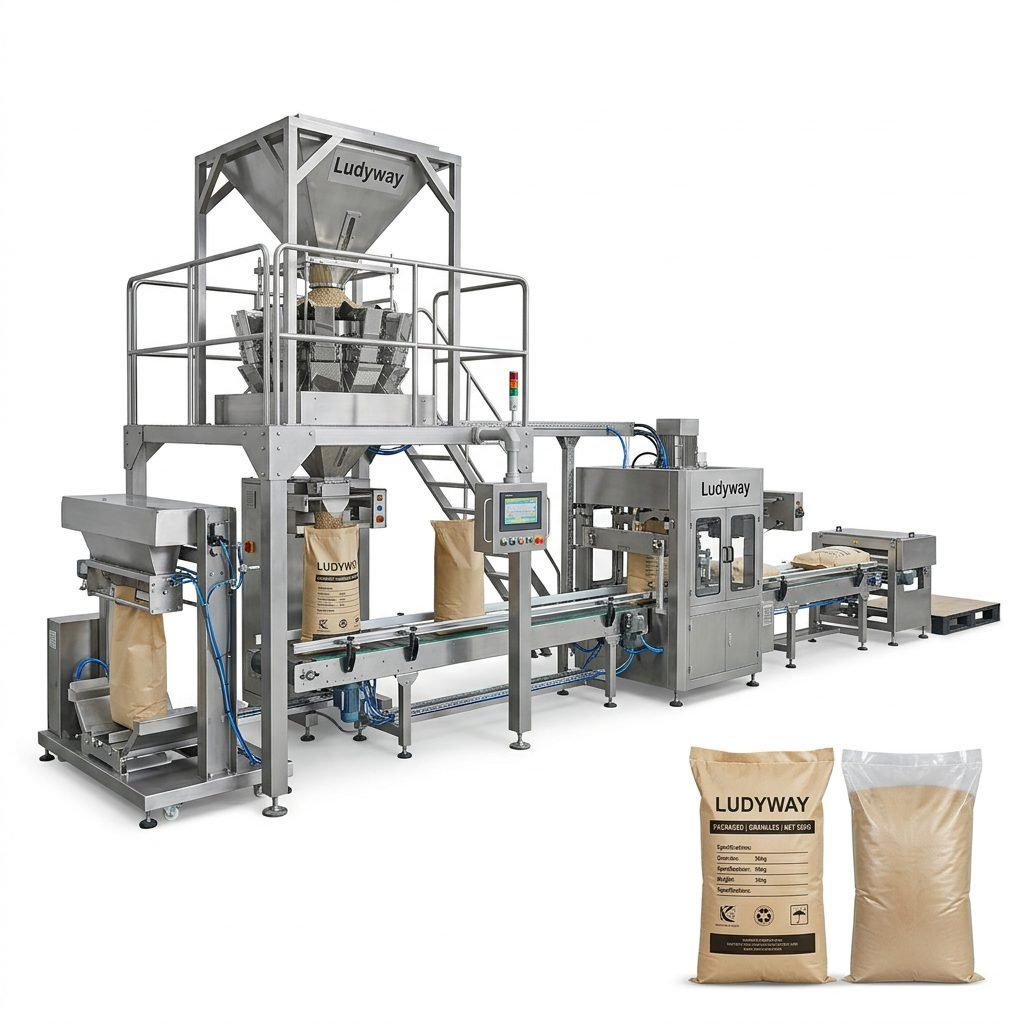
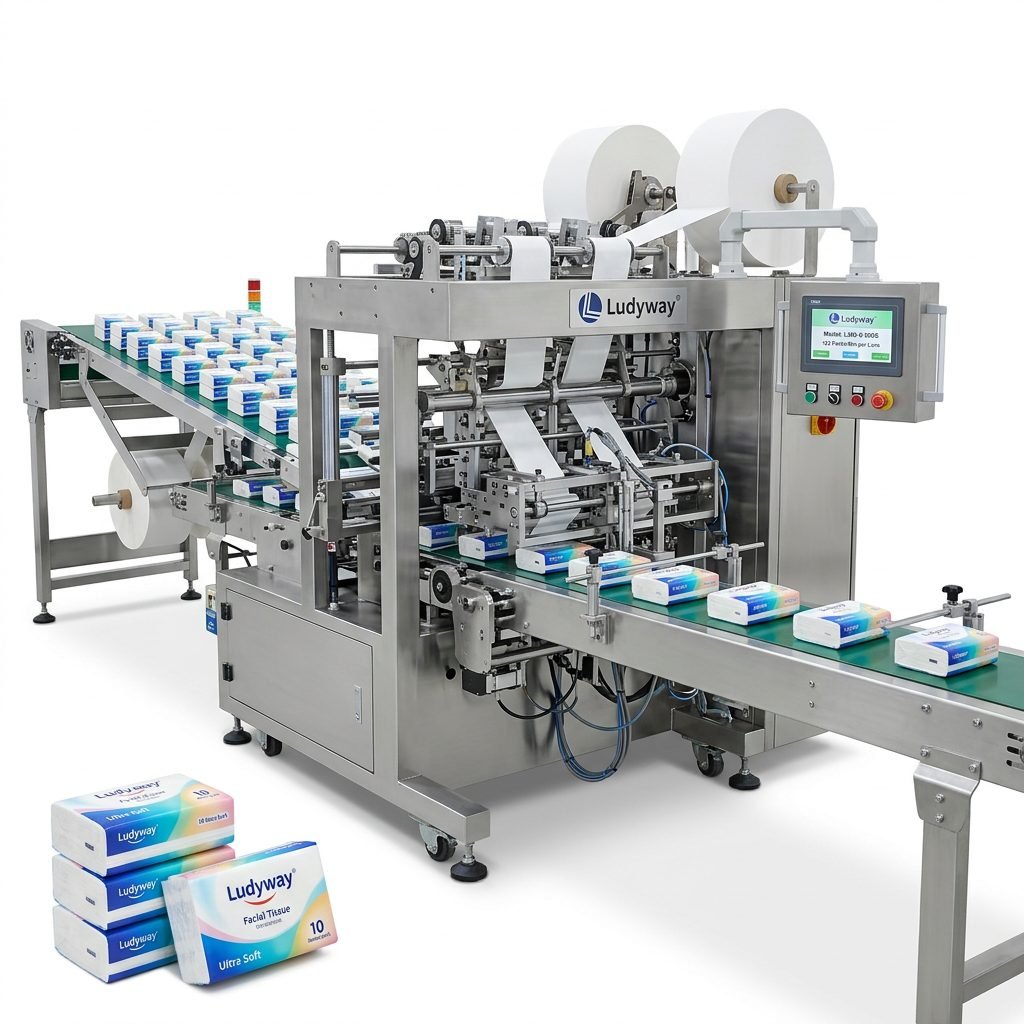
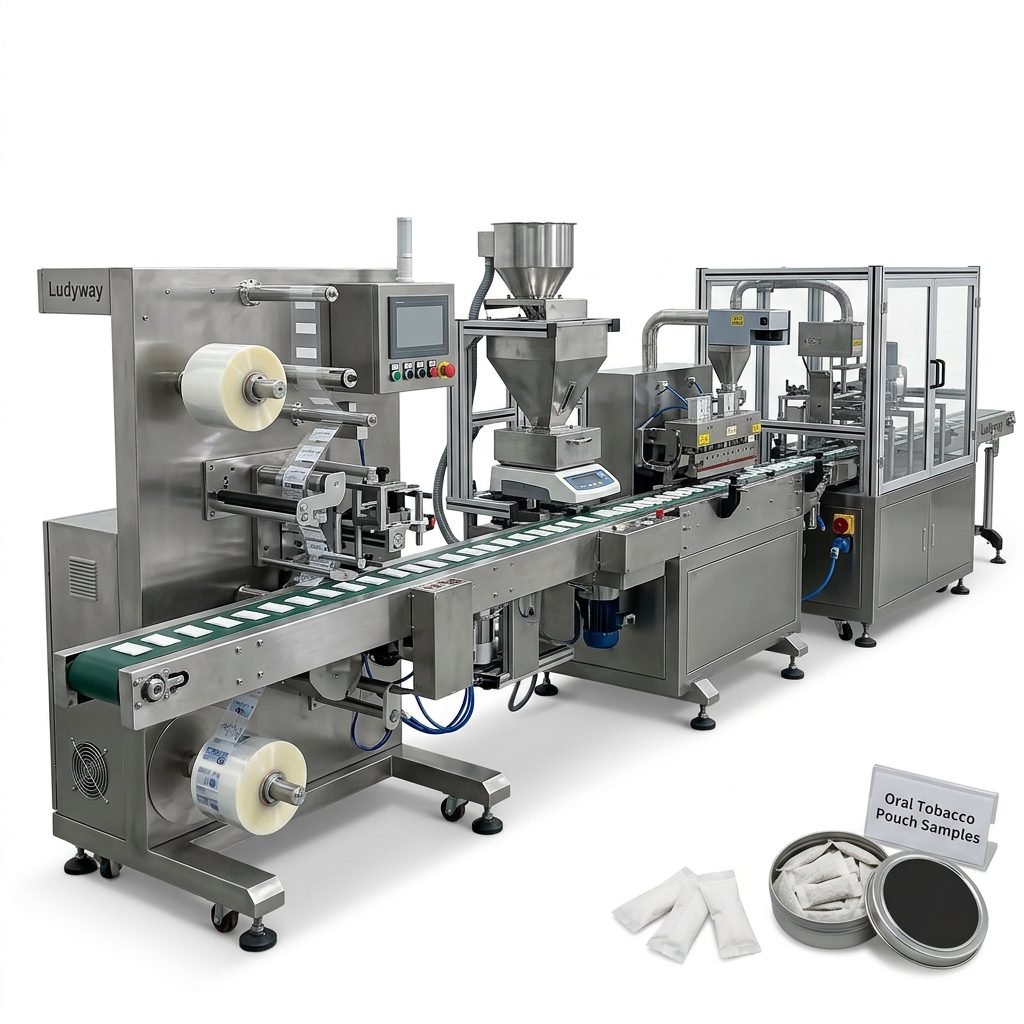
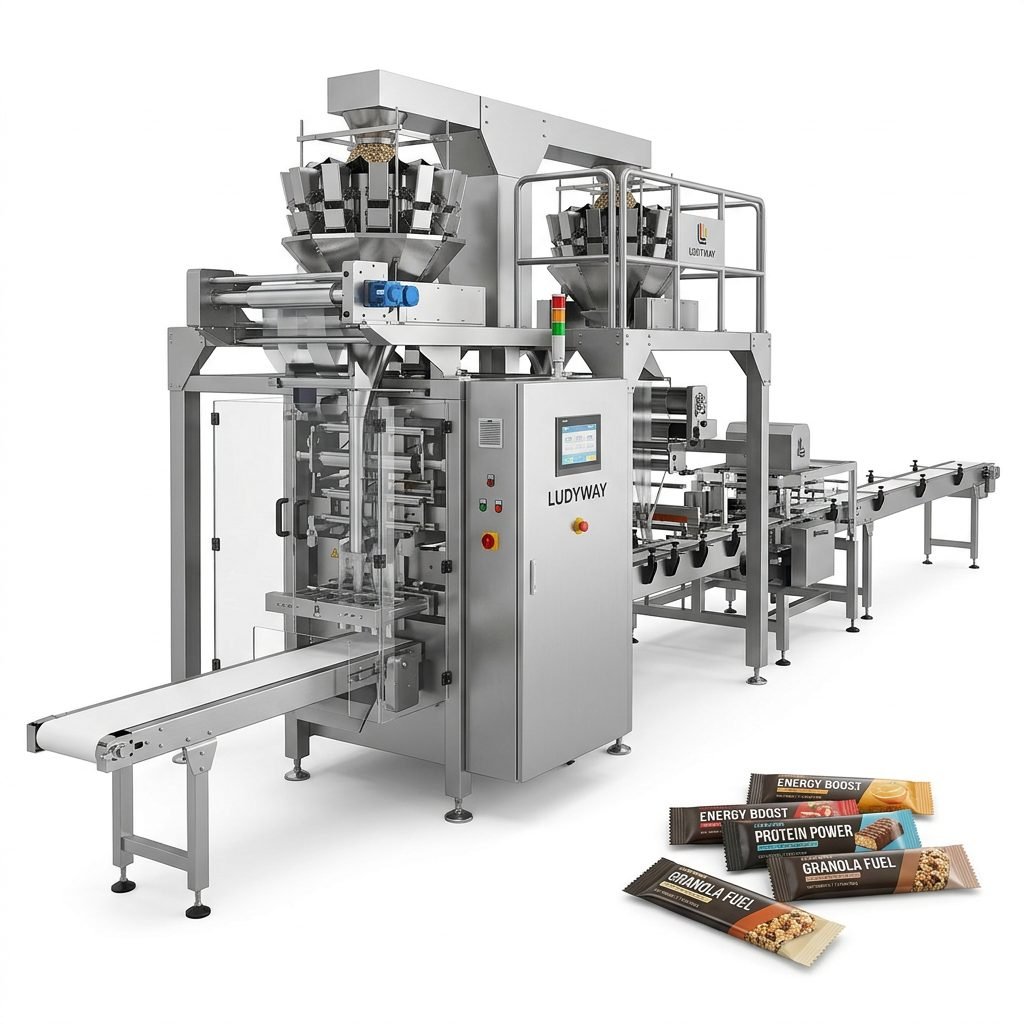
A machine is only as good as the support behind it. When selecting a partner, look for a provider with a proven track record in turnkey solutions and global service capabilities. For example, Ludyway Machinery offers over 50 packaging machine models and integrated packaging systems, designed to help manufacturers improve packaging efficiency and operational consistency. A strong partnership includes installation, commissioning, operator training, and continuous technical support.
Customization and Long-Term Scalability
The energy bar market is driven by constant innovation in flavors, shapes, and functional ingredients. Your packaging equipment must be flexible enough to adapt to new product lines and seasonal formats. Customized engineering solutions allow you to add features like multi-head weighers, automatic feeding systems, and secondary cartoning robots as your business scales, protecting your initial investment for years to come.
Investing in the right energy bar packaging machine requires a balanced assessment of your product needs, desired output, and the reliability of the machinery manufacturer. By prioritizing automation, hygiene, and future flexibility, you can secure a packaging line that drives growth and brand loyalty.