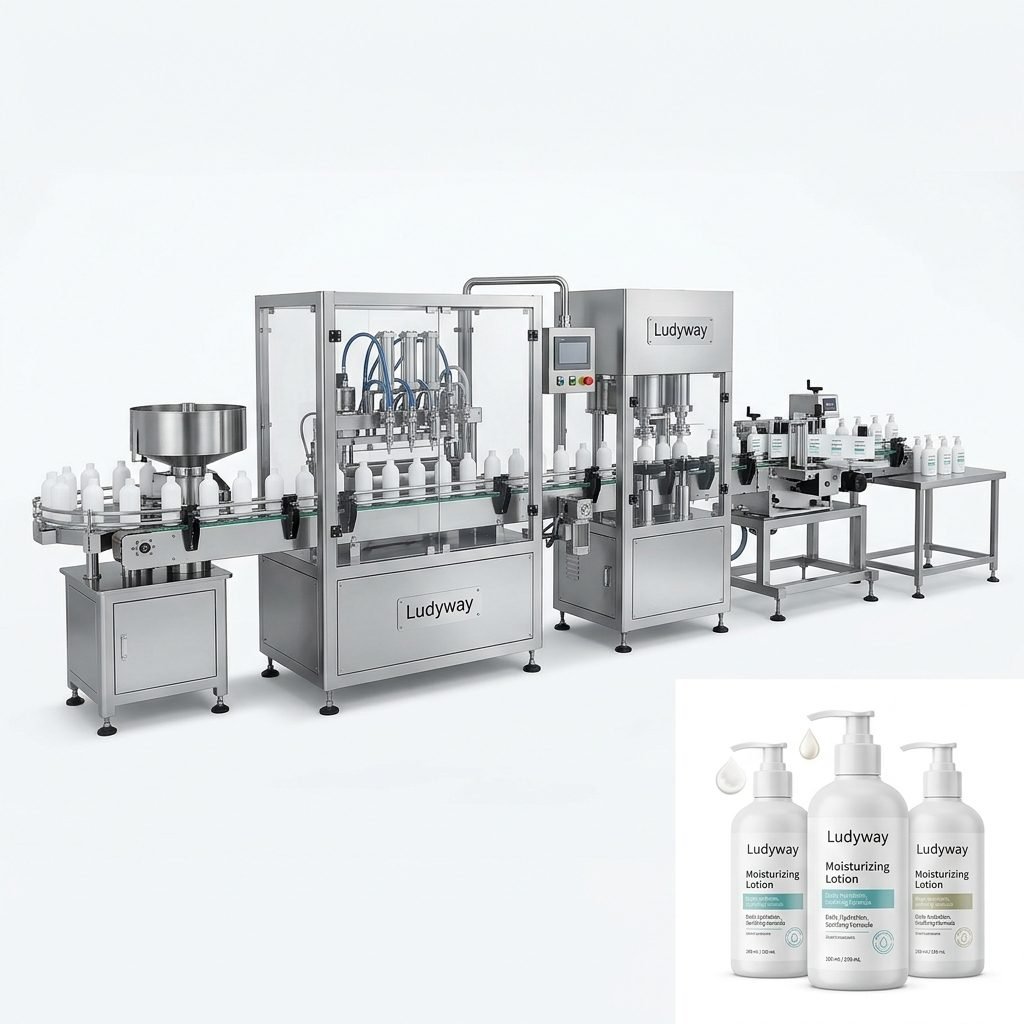
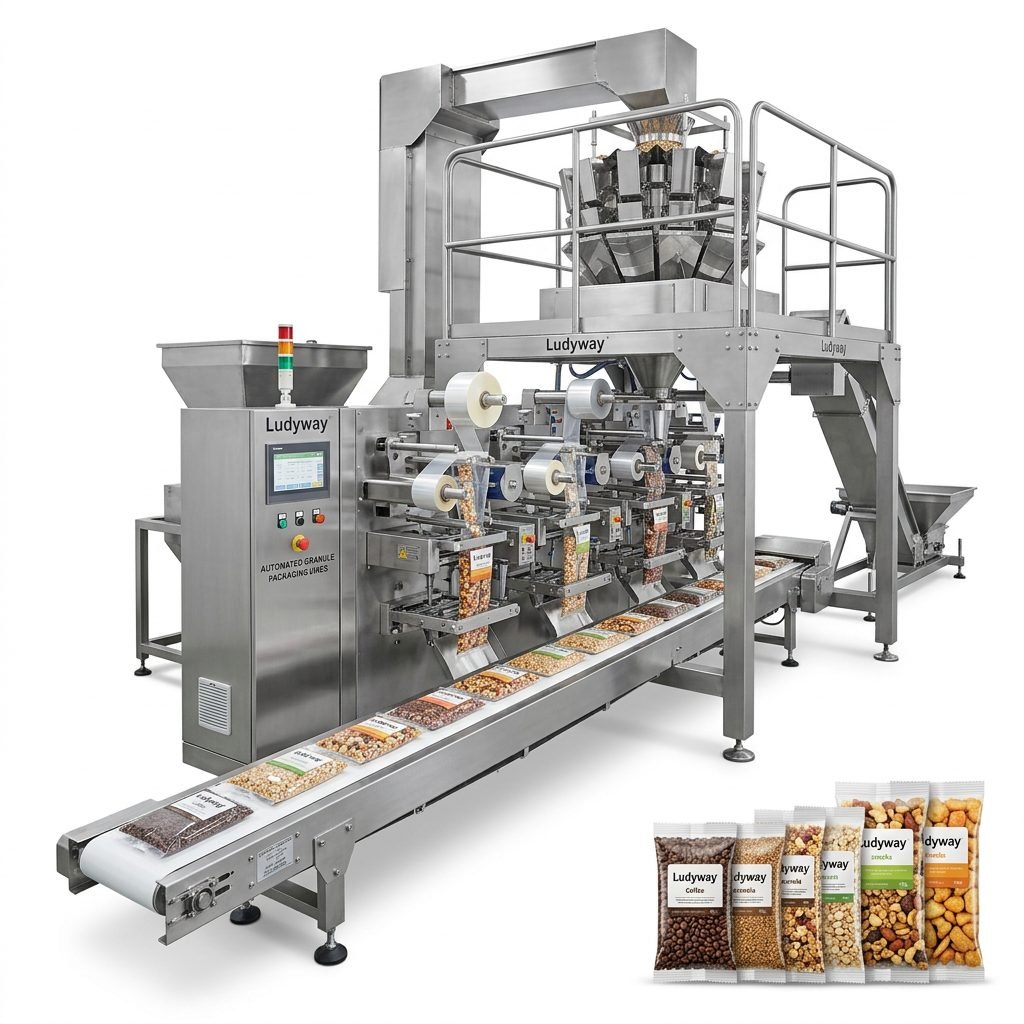
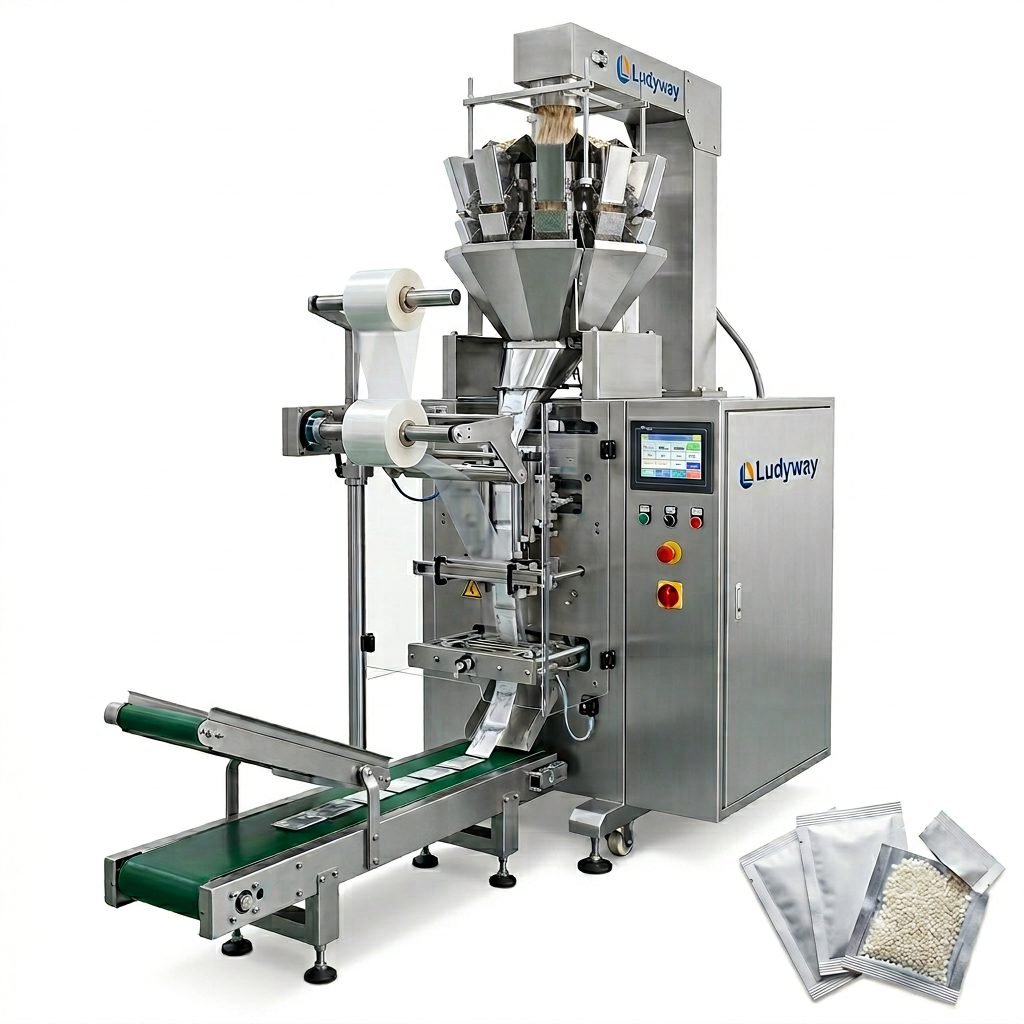
Selecting the right sausage packaging machine is a critical decision for any meat processing business. The right equipment impacts product shelf life, production efficiency, and overall profitability. This guide covers everything you need to know before investing in a sausage packaging system.

Key Factors to Evaluate in a Sausage Packaging Machine
1. Production Speed and Throughput
The required speed depends on your daily output. Machines range from compact manual models to high-speed automated systems capable of packaging hundreds of sausages per minute. Always match the machine’s throughput to your current production demands while leaving room for future growth.
2. Packaging Format and Material Compatibility
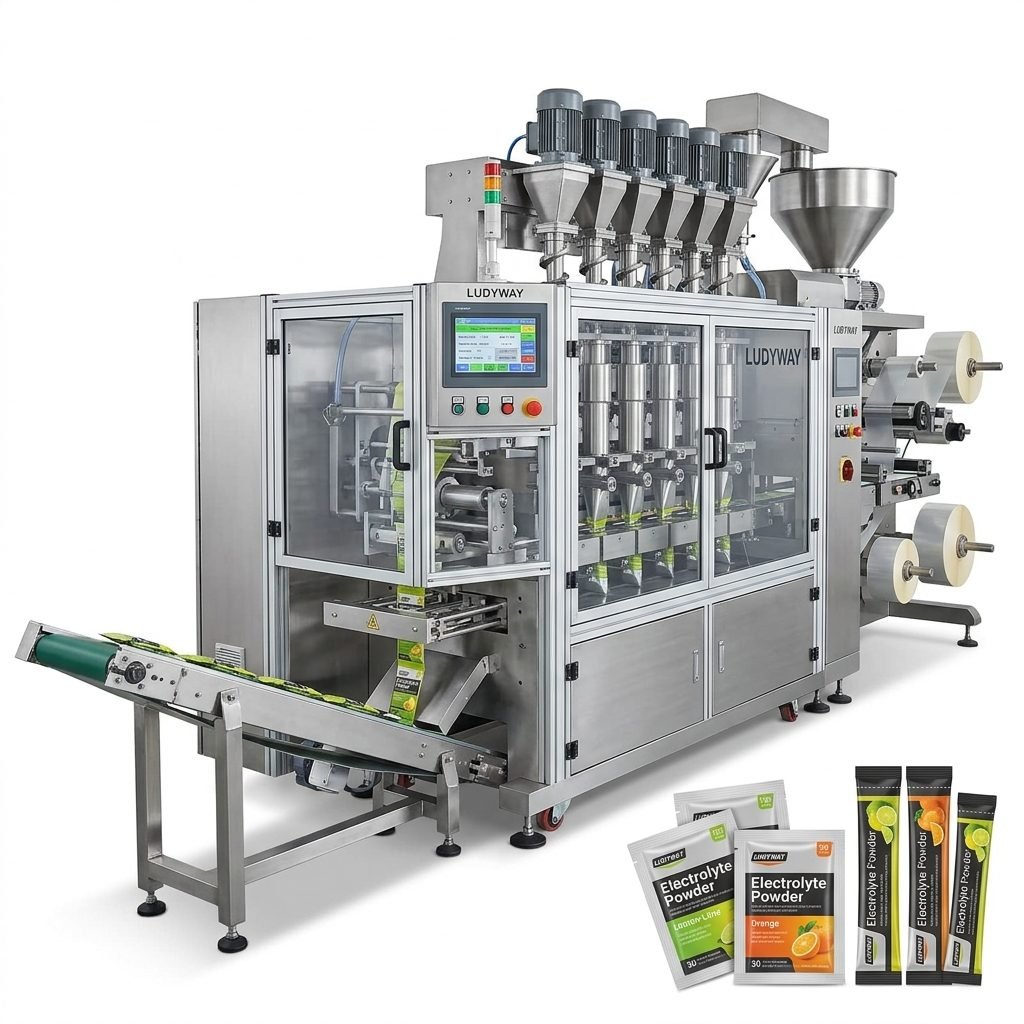
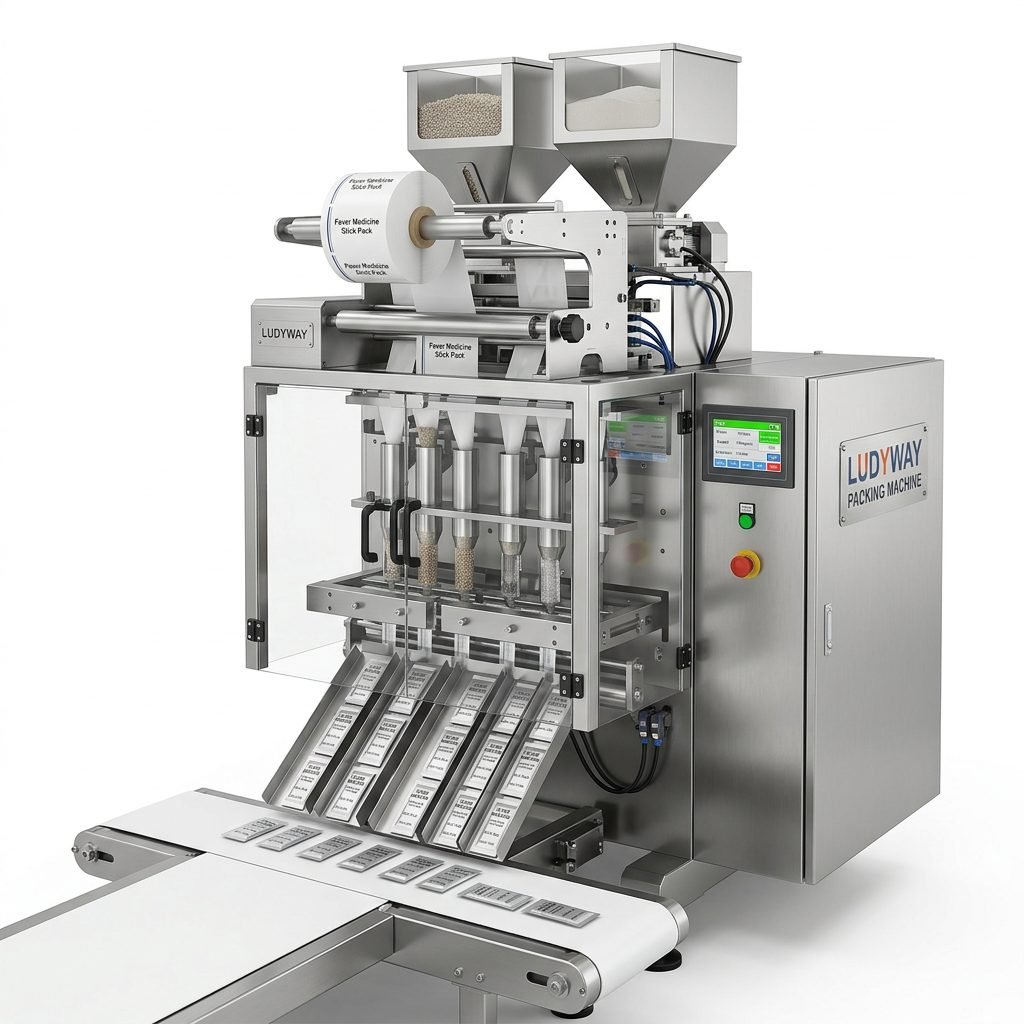
Sausage packaging comes in various formats, including vacuum pouches, MAP trays, flow wrap, and stick packs. The machine you choose must support your desired packaging style and compatible film materials such as polyethylene (PE), polyamide (PA), or EVOH for barrier properties. Selecting the right material directly affects shelf life and product presentation.
| Material | Advantages | Best For |
|---|---|---|
| PE (Polyethylene) | Low cost, good moisture barrier | Basic fresh sausage packs |
| PA/PE (Polyamide) | High strength, excellent oxygen barrier | Vacuum and MAP packaging |
| EVOH | Superior gas barrier properties | Extended shelf-life products |
3. Modified Atmosphere Packaging (MAP) Capability
If you produce fresh or cooked sausages that require an extended shelf life, a machine with MAP functionality is essential. MAP replaces air with a controlled gas mixture (usually N₂ and CO₂) to slow bacterial growth and preserve color. According to PMMI industry reports, demand for MAP-equipped packaging machinery continues to rise globally.
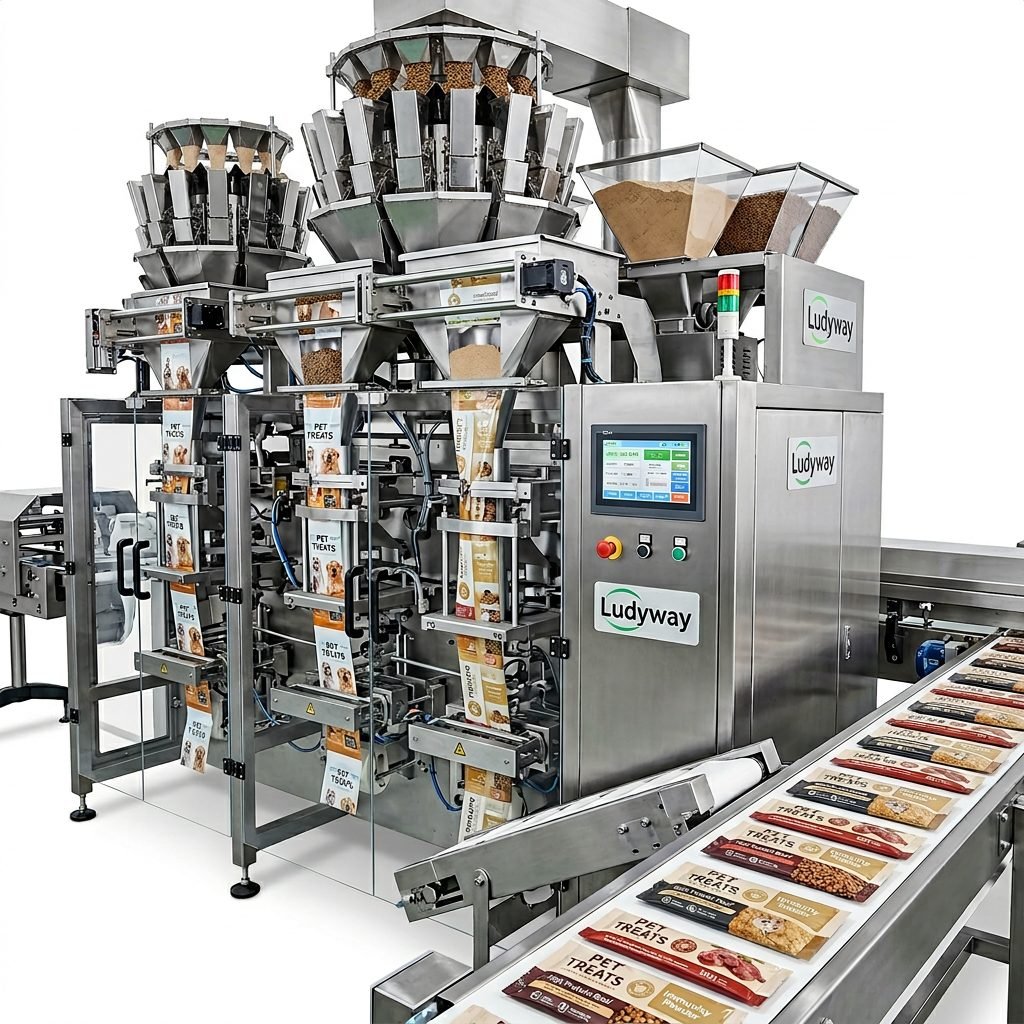
4. Automation and Integration
Consider whether you need a standalone machine or a fully integrated packaging line. Automated systems can include:
- Automatic loading and alignment
- Multi-head weighing and filling
- Gas flushing and sealing
- Inline thermal transfer coding
- Automatic checkweighing and rejection
Integration with upstream sausage linking or cutting equipment streamlines the entire process and reduces manual handling.
5. Hygiene, Cleanability, and Compliance
Sausage packaging machines must meet rigorous food safety standards. Look for stainless steel construction, washdown capability, and designs that minimize dirt traps. Compliance with FDA food packaging guidelines on food contact substances is mandatory for machines operating in regulated markets. Easy disassembly for cleaning also reduces downtime between product changeovers.
6. Supplier Experience and Customization
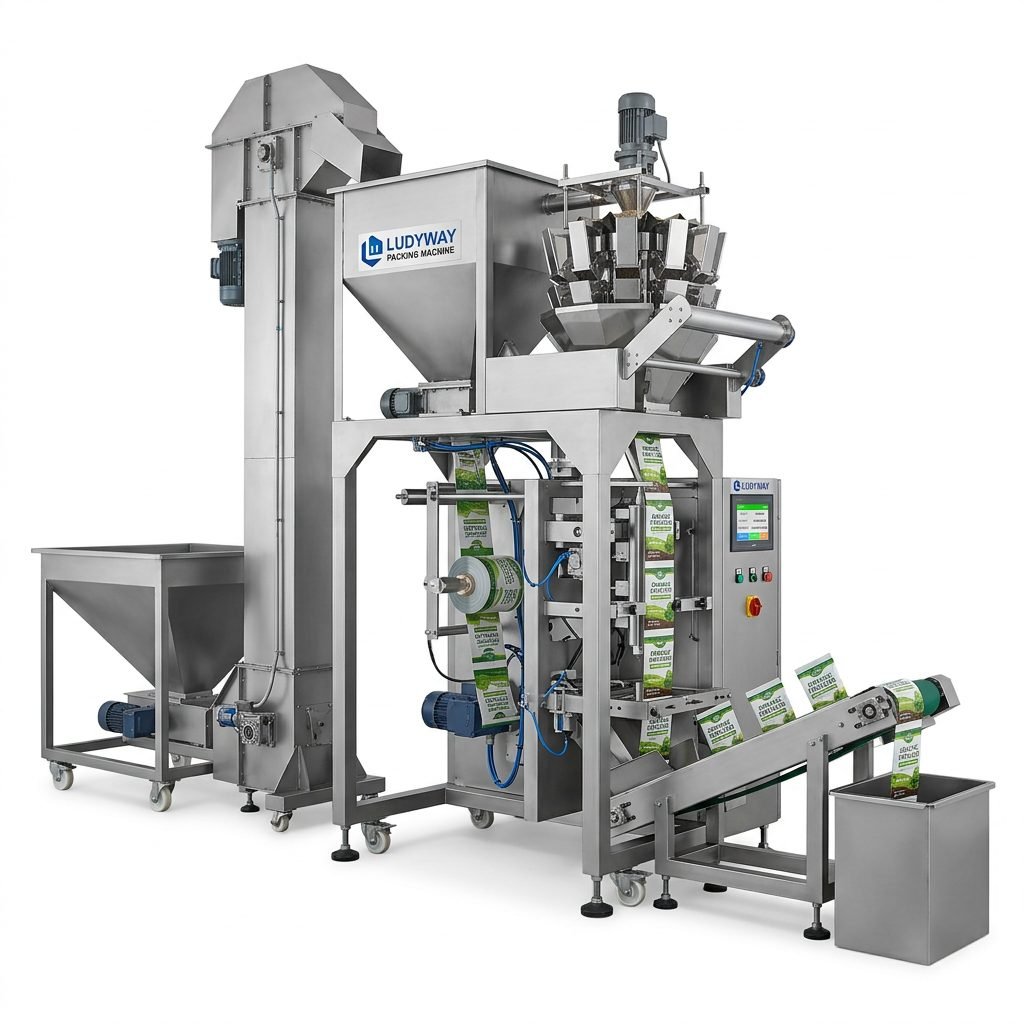
Not all sausage products are the same – size, shape, and packaging requirements vary widely. Partnering with an experienced manufacturer that offers customized packaging solutions is often the best path. One such provider is Ludyway Machinery, a China-based packaging equipment manufacturer with over 30 years of industry experience, delivering turnkey sausage packaging systems and flexible machine configurations to match diverse production requirements.

Why Customization Matters in Sausage Packaging
Standard machines may not handle unique sausage diameters, curved shapes, or specialized film structures. Customized solutions ensure optimal film utilization, reduce material waste, and seamlessly adapt to your existing production line. From multi-lane stick pack machines to complete tray sealing and MAP systems, a tailored approach delivers higher efficiency and faster return on investment.
Conclusion
Choosing the right sausage packaging machine requires a thorough evaluation of speed, packaging format, material compatibility, automation level, hygiene standards, and supplier expertise. By focusing on these key areas and consulting with reputable packaging machinery manufacturers, you can invest in a system that delivers reliability, consistent product quality, and long-term profitability.
For additional industry insights, explore resources from the Flexible Packaging Association.