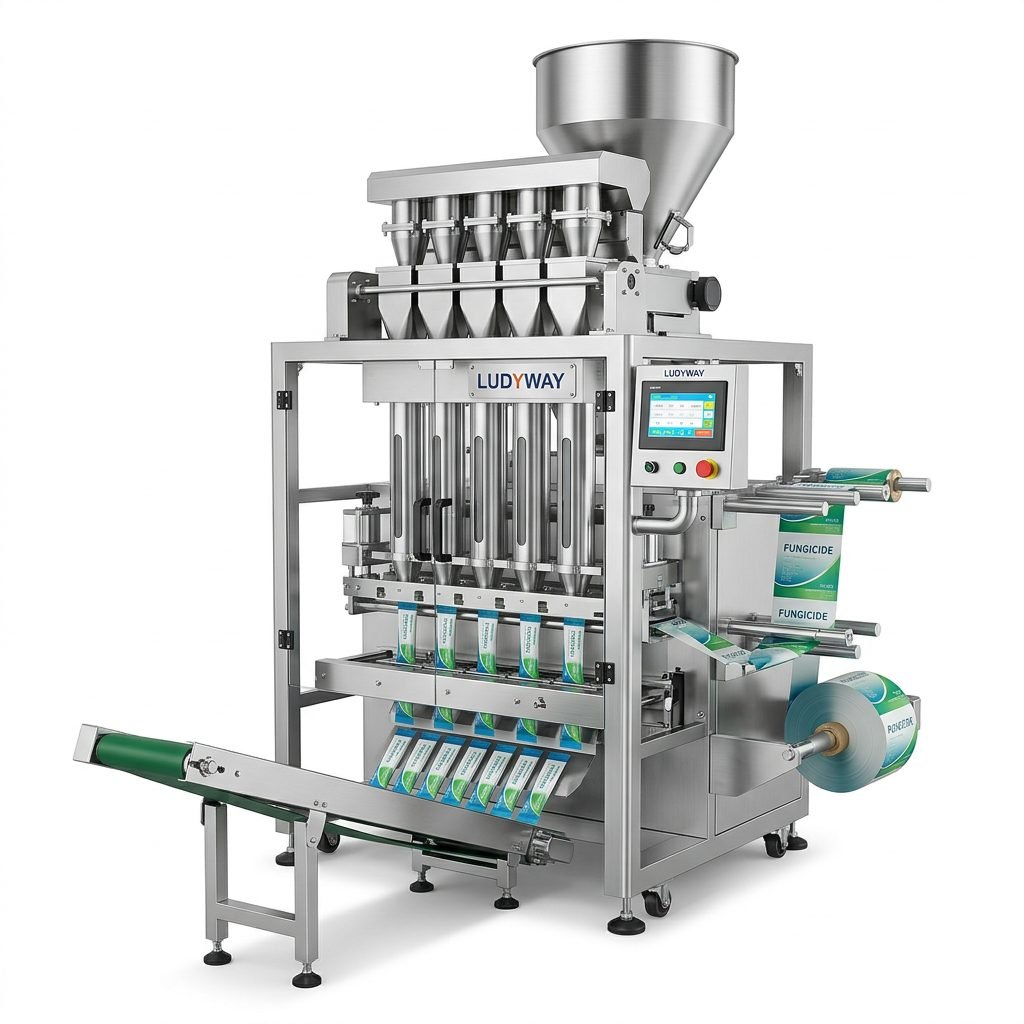
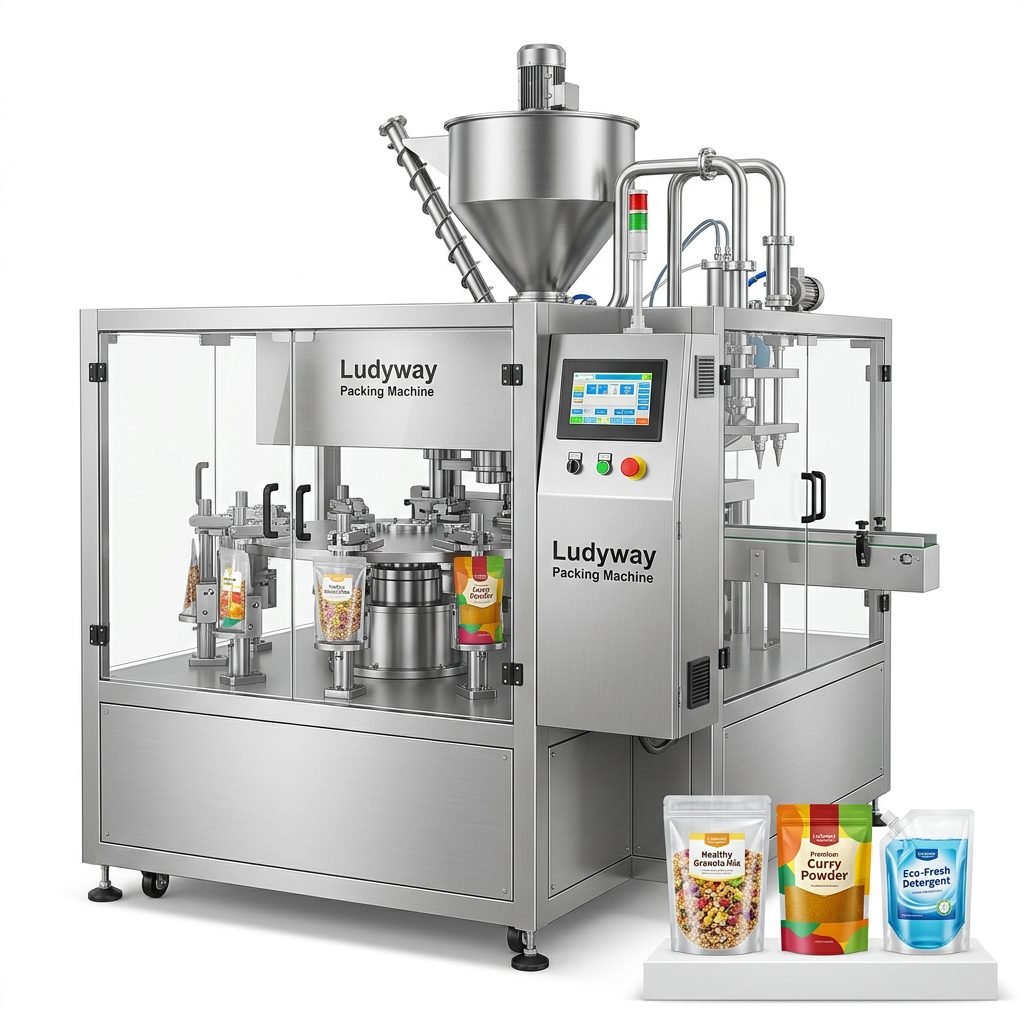
Selecting the right noodle packing machine is one of the most important equipment decisions a food manufacturer can make. The wrong choice can lead to inconsistent fill weights, packaging material waste, production bottlenecks, and costly downtime. The right machine, however, improves efficiency, maintains product quality, and supports long-term business growth. This guide walks you through the essential factors to evaluate before investing in noodle packaging equipment.
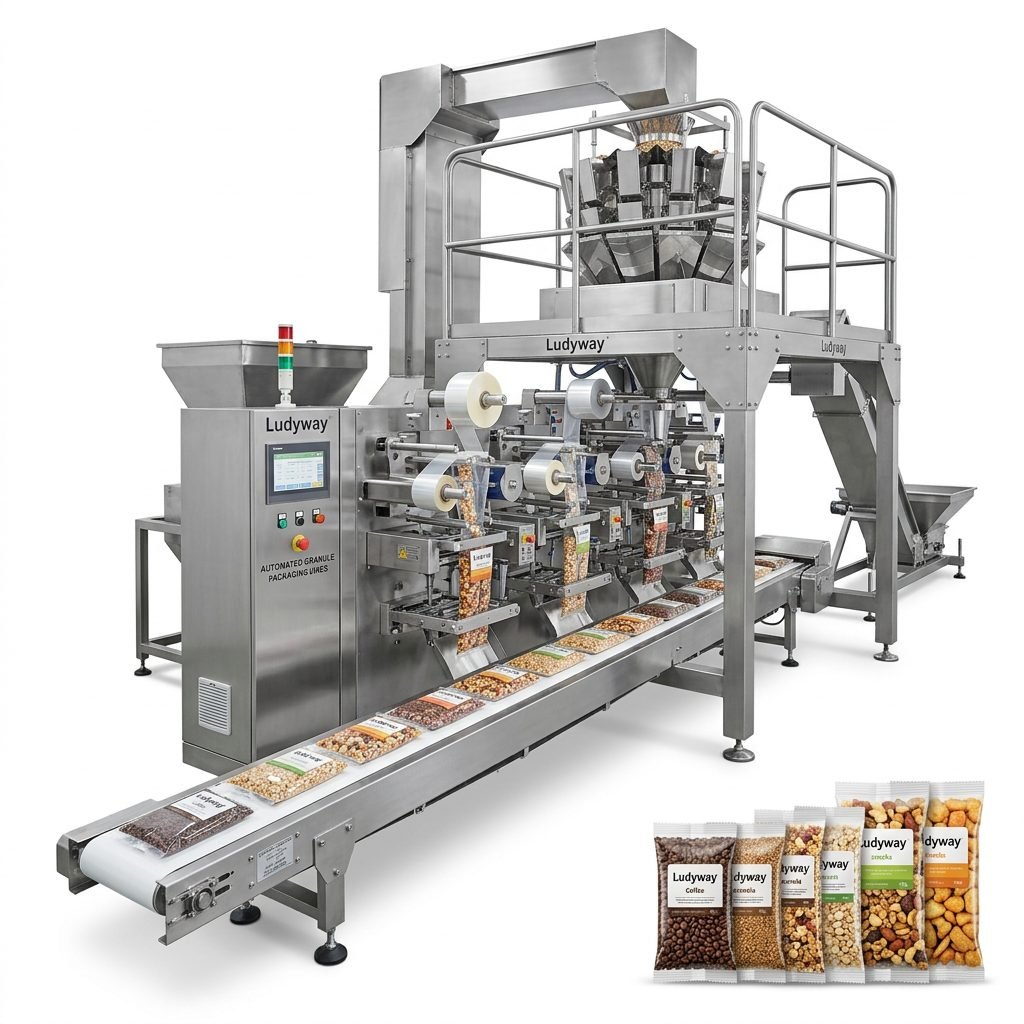
Understanding Your Noodle Packaging Requirements
Before comparing machine specifications, you need a clear understanding of your product characteristics and production goals. Different noodle types present different packaging challenges, and the noodle packing machine you choose must be compatible with your specific product.
Noodle Type and Physical Characteristics
The physical properties of your noodle product directly affect which packaging equipment is suitable. Consider the following:
- Dry noodles — Brittle and prone to breakage during filling; require gentle handling and precise weighing systems.
- Fried instant noodles — Irregular shapes with sharp edges that can puncture packaging film; demand durable film materials and careful sealing.
- Fresh or wet noodles — Higher moisture content creates different sealing requirements and may need modified atmosphere packaging (MAP) for extended shelf life.
- Frozen noodles — Require equipment capable of operating in cold environments with moisture-resistant sealing.
Packaging Format and Bag Style
The packaging format you select influences machine configuration. Common formats include pillow bags, gusseted bags, stick packs, sachets, and premade pouches. According to the Flexible Packaging Association, flexible packaging continues to gain market share in the food industry due to its cost efficiency and consumer convenience. Your chosen noodle packing machine should support the bag style that aligns with your brand positioning and retail channel requirements.
Key Factors to Consider When Choosing a Noodle Packing Machine
Production Speed and Capacity
Production speed is measured in packs per minute (ppm) and must match your current and projected output needs. A machine that operates at 30-60 ppm may be sufficient for small to medium manufacturers, while large-scale producers often require equipment capable of 100+ ppm. Do not underestimate future capacity requirements. Investing in a slightly higher-capacity noodle packing machine now can prevent the need for premature replacement as your business grows.
Filling Accuracy and Weighing Technology
Accurate filling is critical for regulatory compliance and cost control. Multi-head weighers are widely used for noodle packaging because they deliver high speed with excellent accuracy. Key specifications to evaluate include:
- Weighing range and minimum/maximum fill weights
- Accuracy tolerance (typically ±0.5-1.0% for dry noodles)
- Combination weighing capability for mixed products
- Integration with upstream and downstream equipment
Packaging Material Compatibility
Your noodle packing machine must be compatible with the packaging film you intend to use. Common materials include BOPP, PET/PE laminates, and aluminum foil composites. Different films have different heat-sealing characteristics, coefficient of friction, and barrier properties. Verify that the machine’s sealing system—whether heat seal, ultrasonic seal, or impulse seal—works effectively with your chosen material. The FDA food packaging regulations should also be reviewed to ensure material compliance for your target market.
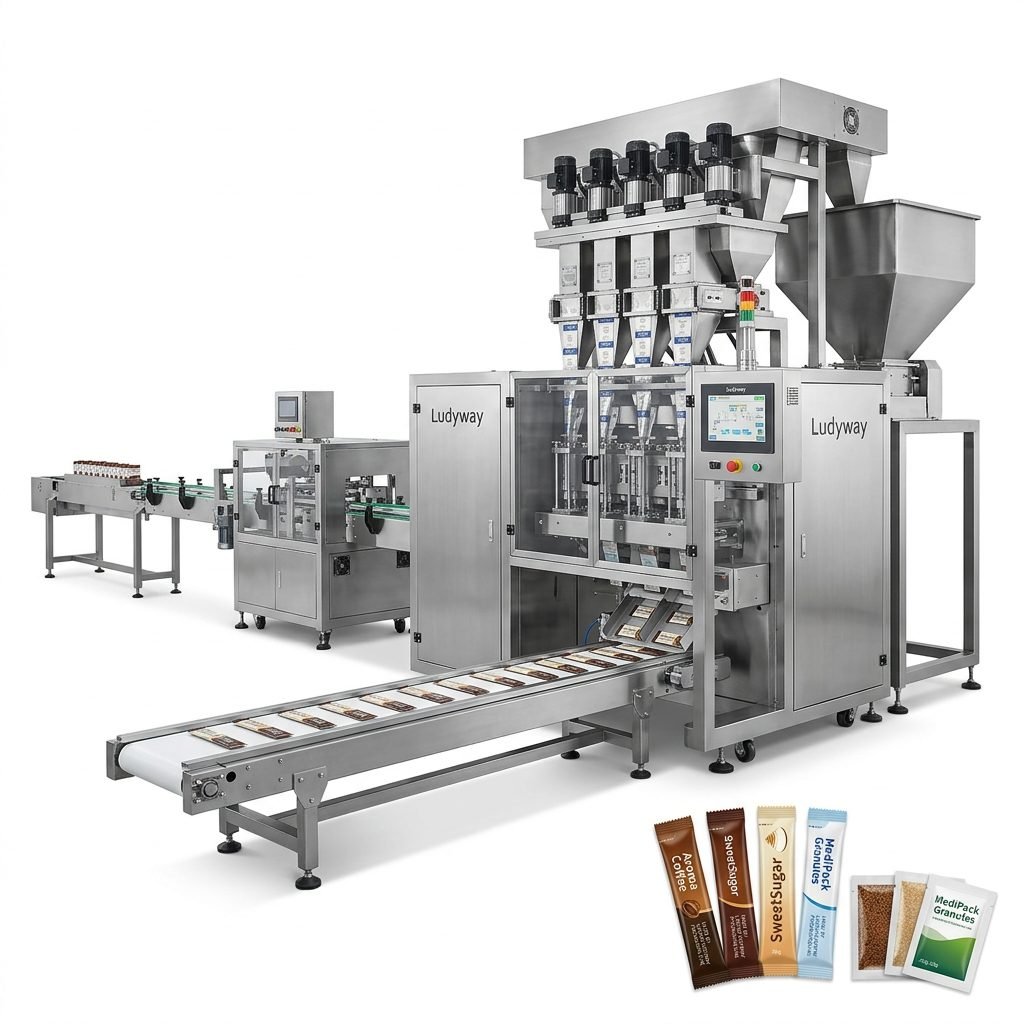
Comparing Types of Noodle Packing Machines
Different machine configurations are available depending on production scale, bag format, and automation level. The table below provides a comparative overview of the main types.
| Machine Type | Best For | Typical Speed | Key Advantage |
|---|---|---|---|
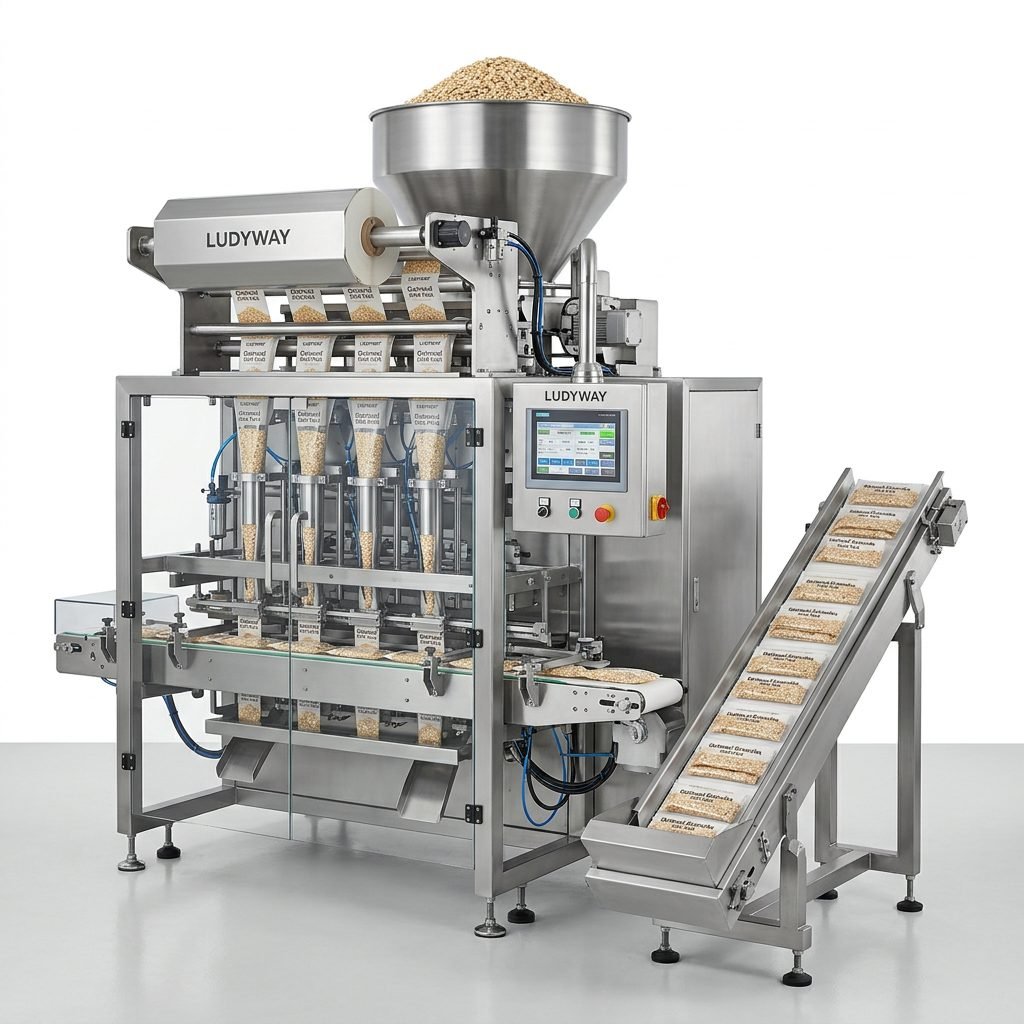
| Vertical Form-Fill-Seal (VFFS) | Dry noodles, pillow bags, gusseted bags | 30-120 ppm | Versatile, compact footprint, cost-effective |
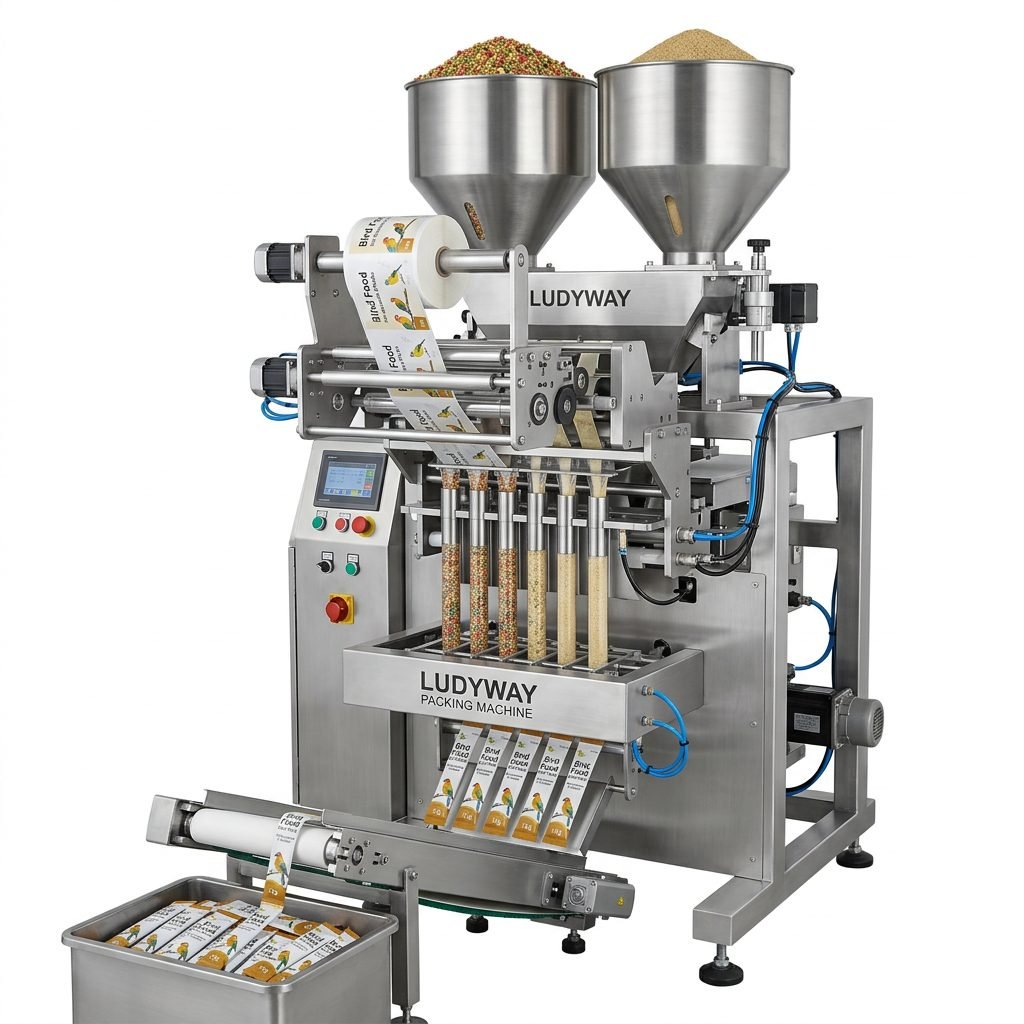
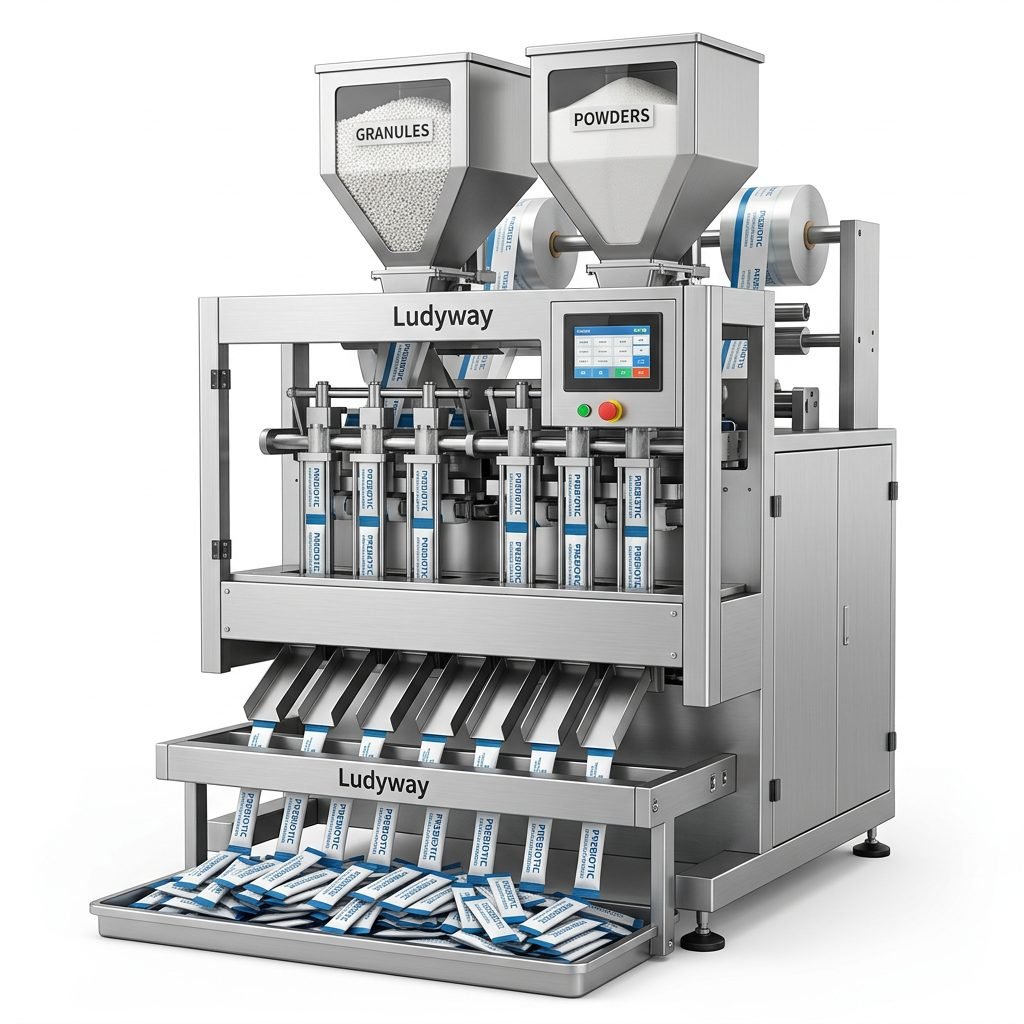
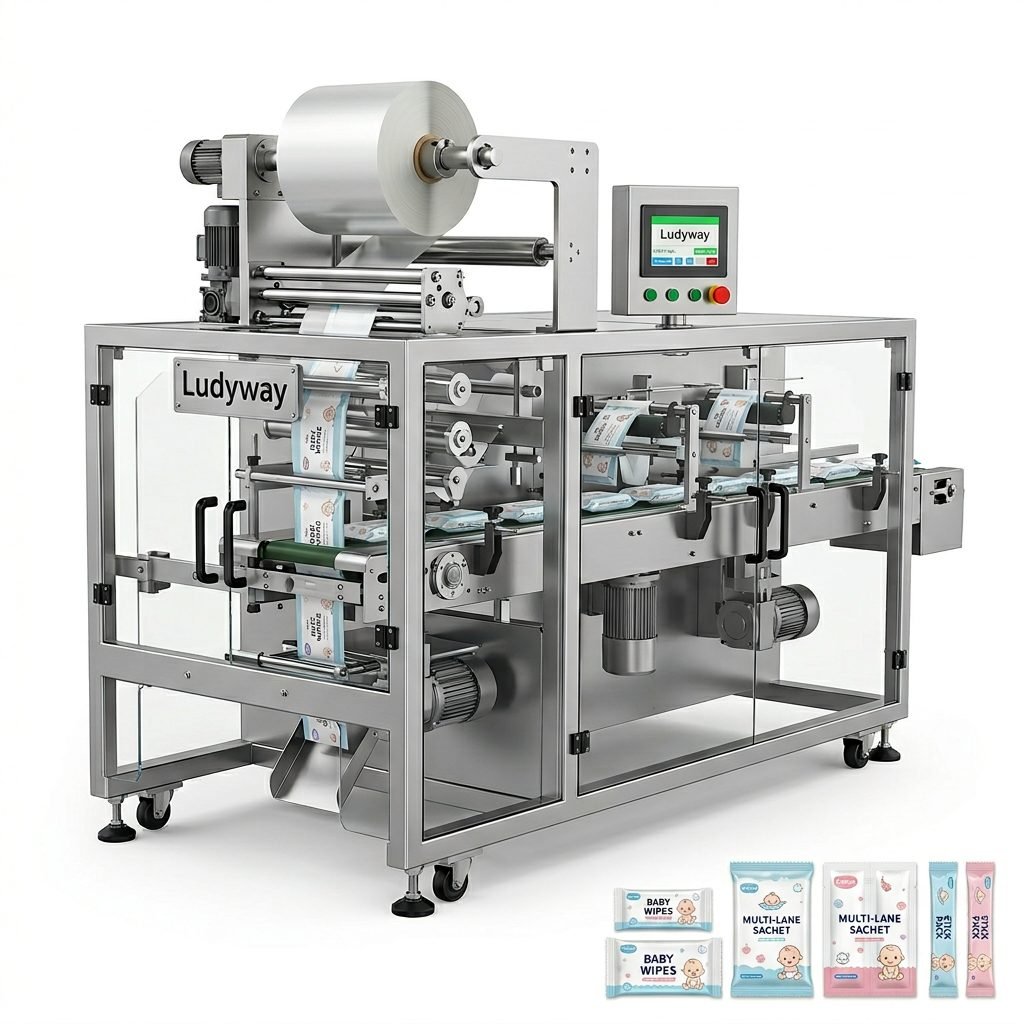
| Multi-Lane Stick Pack Machine | Single-serve instant noodle sachets | 200-600+ ppm (across lanes) | Ultra-high output, portion control, minimal material waste |
| Premade Pouch Packaging Machine | Premium packaging, zipper pouches, stand-up bags | 20-60 ppm | High-quality presentation, flexible bag styles |
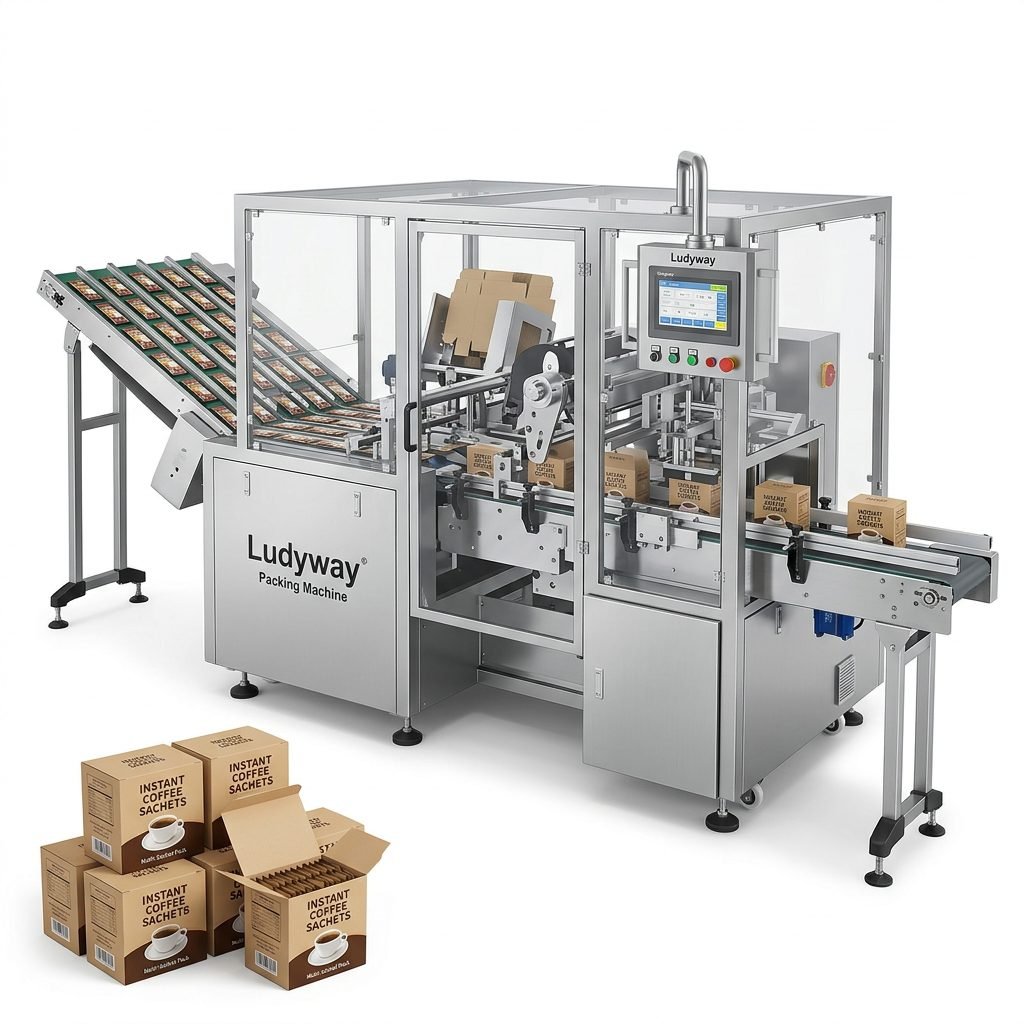
| Horizontal Flow Wrapper | Flat noodle cakes, block-shaped products | 40-150 ppm | Gentle product handling, ideal for fragile noodles |
| Rotary Packaging Machine | High-speed continuous operation | 60-200 ppm | Continuous motion, high efficiency, reduced downtime |
Essential Features to Look For
Beyond basic functionality, certain features can significantly improve the long-term performance and reliability of your noodle packing machine.
Automation and Control Systems
Modern machines equipped with PLC (Programmable Logic Controller) and HMI (Human-Machine Interface) touchscreens allow operators to adjust parameters quickly, store product recipes, and diagnose issues efficiently. Servo-driven systems offer greater precision than mechanical cam-driven alternatives and reduce changeover time between different bag sizes.
Quality Inspection Integration
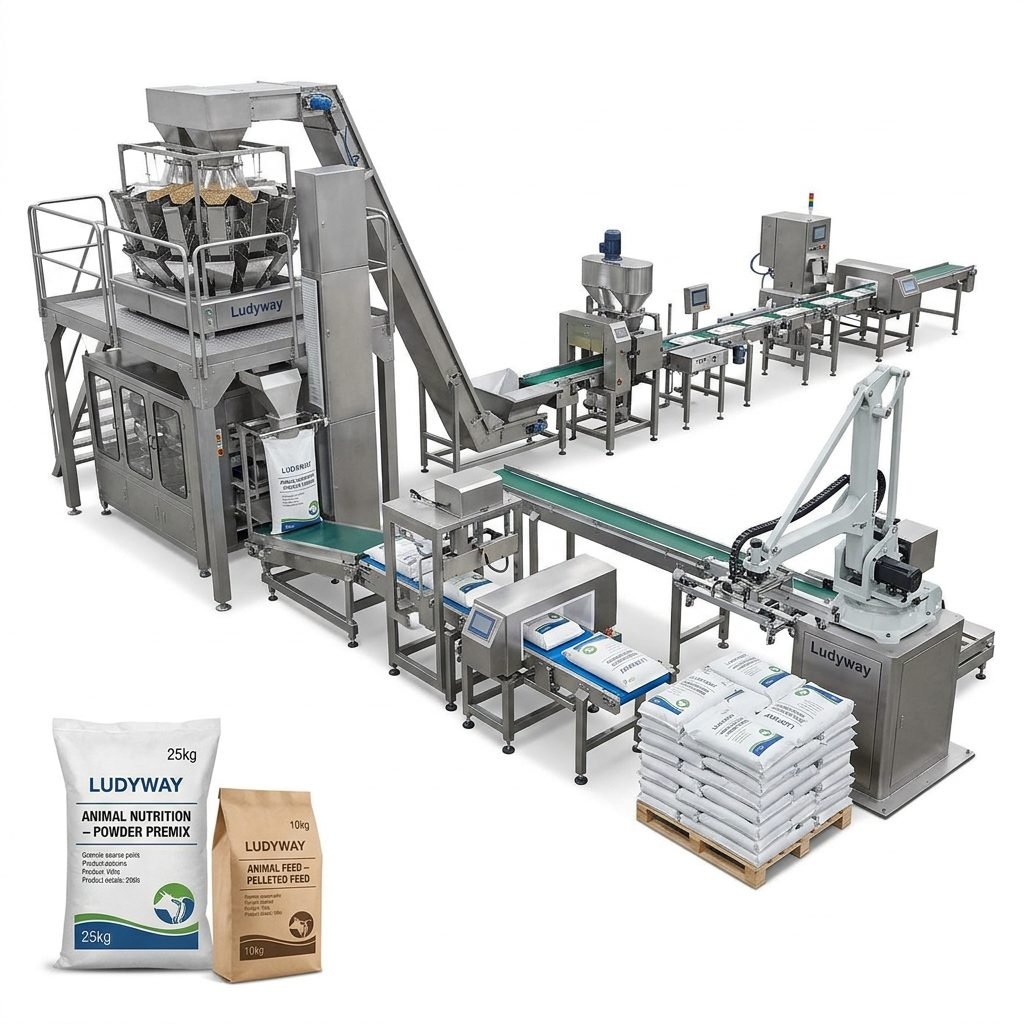
Look for machines that can integrate with checkweighers, metal detectors, and vision inspection systems. These quality control measures help ensure compliance with ISO packaging standards and retailer requirements. Reject systems can automatically remove non-conforming packs from the production line without stopping operation.
Ease of Cleaning and Maintenance
Food safety regulations demand sanitary equipment design. Features such as tool-less disassembly, washdown-compatible components, and smooth surfaces without crevices where food particles can accumulate are important considerations. Easy access to sealing jaws, forming tubes, and film rollers also reduces maintenance downtime.
Budget and ROI Considerations
The purchase price of a noodle packing machine is only one component of the total cost of ownership. A comprehensive ROI analysis should include:
- Initial equipment cost — Varies significantly based on automation level, speed, and configuration.
- Installation and commissioning — Including site preparation, utilities, and operator training.
- Consumables — Packaging film, spare parts, and wear components such as sealing bands and cutting blades.
- Labor savings — Automated equipment typically reduces the number of operators required per shift.
- Material waste reduction — Precision filling and accurate sealing minimize product giveaway and film waste.
- Downtime costs — More reliable machines with good after-sales support minimize production interruptions.
Choosing the Right Supplier
Equipment selection is only half the equation. The supplier you partner with affects installation success, ongoing performance, and long-term support quality. Evaluate potential suppliers on these criteria:
Industry Experience and Technical Expertise
Look for manufacturers with demonstrated experience in food packaging applications, particularly noodle and granular product packaging. Industry organizations such as PMMI provide resources and standards that reputable packaging machinery manufacturers typically follow. A supplier with deep technical knowledge can recommend the right configuration and help avoid costly mistakes.
After-Sales Support and Service
Reliable technical support, spare parts availability, and responsive after-sales service are critical for maintaining production uptime. Confirm whether the supplier offers remote troubleshooting, on-site service visits, operator training, and preventive maintenance programs before finalizing your purchase.
Customization Capability
Standard machines may not meet all your requirements. A supplier with engineering capabilities can customize the noodle packing machine to match your specific product characteristics, packaging format, factory layout, and automation needs. Ludyway Machinery, for example, is a China-based packaging machinery manufacturer with more than 30 years of experience, offering customized packaging solutions and turnkey systems for manufacturers worldwide, with a 20,000-square-meter manufacturing facility and over 50 packaging machine models designed for various industries including food and beverage.
Making the Final Decision
Choosing the right noodle packing machine requires balancing technical specifications, production requirements, budget constraints, and supplier reliability. Here is a summary checklist to guide your evaluation:
- Define your product characteristics — noodle type, fragility, moisture content, and shape.
- Determine required output — current and projected production volumes.
- Select packaging format — bag style, size range, and material specifications.
- Evaluate machine types — VFFS, multi-lane, premade pouch, or horizontal flow wrapper.
- Assess key features — automation level, quality inspection, and maintenance access.
- Calculate total cost of ownership — beyond the initial purchase price.
- Verify supplier credentials — experience, support infrastructure, and customization capability.
- Request product trials — test the machine with your actual product and packaging material before committing.
Investing time in thorough evaluation upfront helps ensure that your chosen noodle packing machine delivers reliable performance, consistent product quality, and a solid return on investment for years to come.