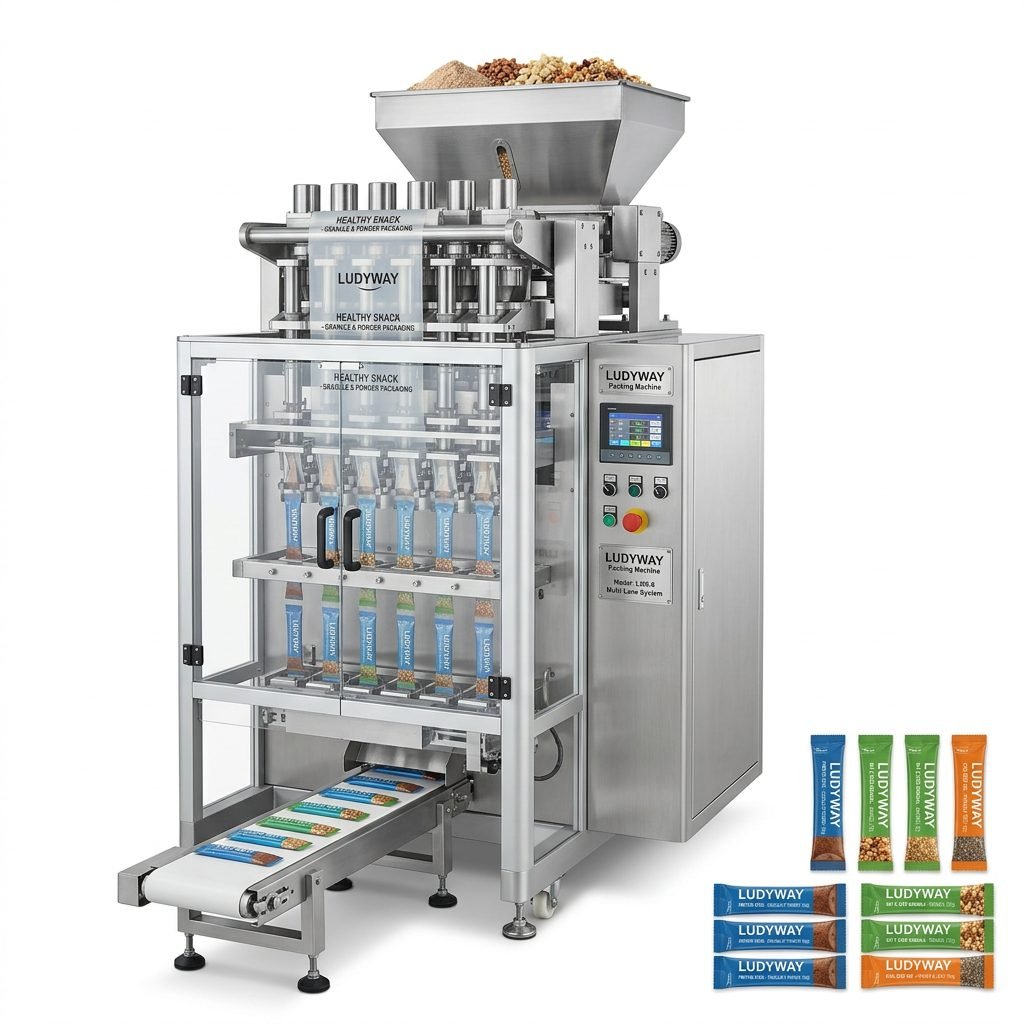
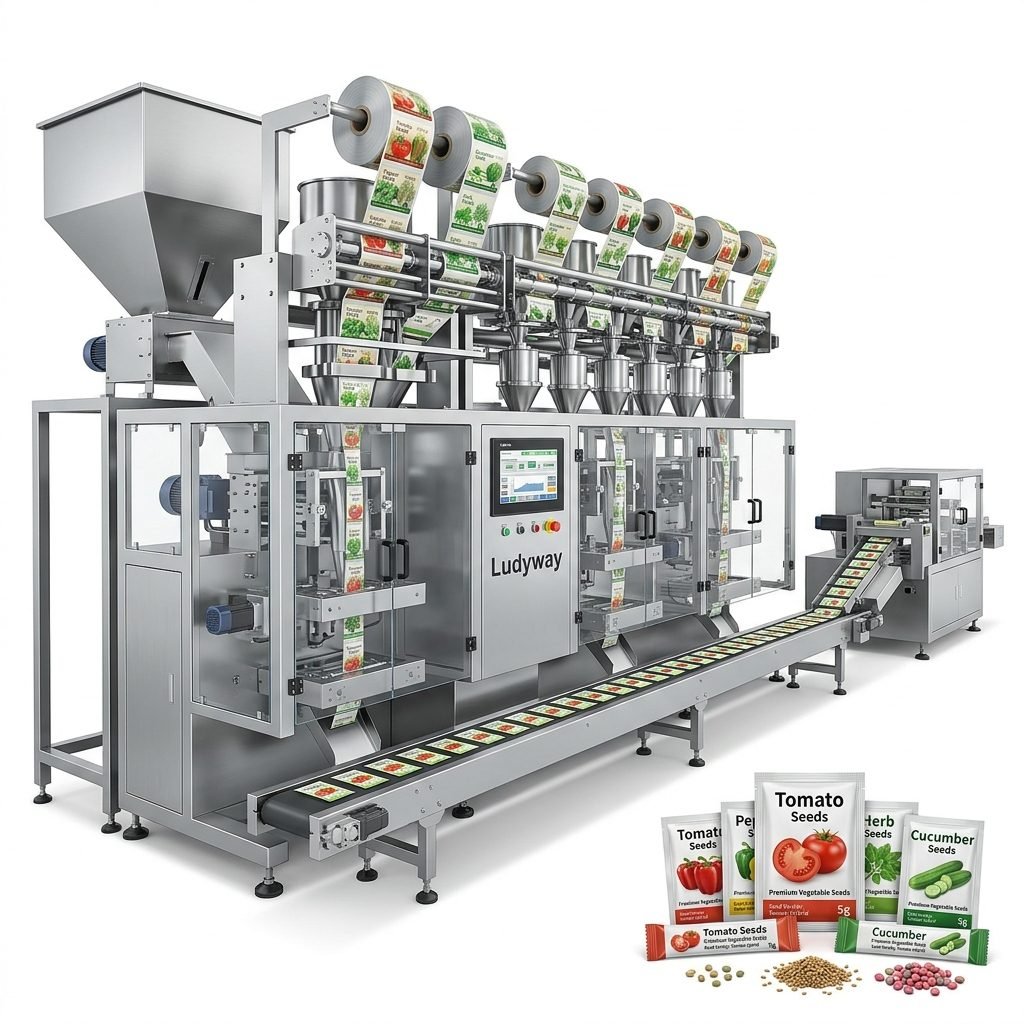
Investing in a rotary premade pouch packing machine is a significant decision for manufacturers across food, pharmaceutical, and chemical industries. Unlike vertical form-fill-seal machines, rotary systems pick, open, fill, and seal pre-formed pouches on a rotating turret, offering exceptional speed, flexibility, and reliability for high-volume production lines.
With so many configurations, suppliers, and technical specifications available, selecting the right equipment requires a systematic approach. This guide walks you through every critical factor — from pouch compatibility and filling technology to automation levels and after-sales support — helping you make an informed purchasing decision that aligns with your production goals and operational budget.
Understanding Rotary Premade Pouch Packing Technology
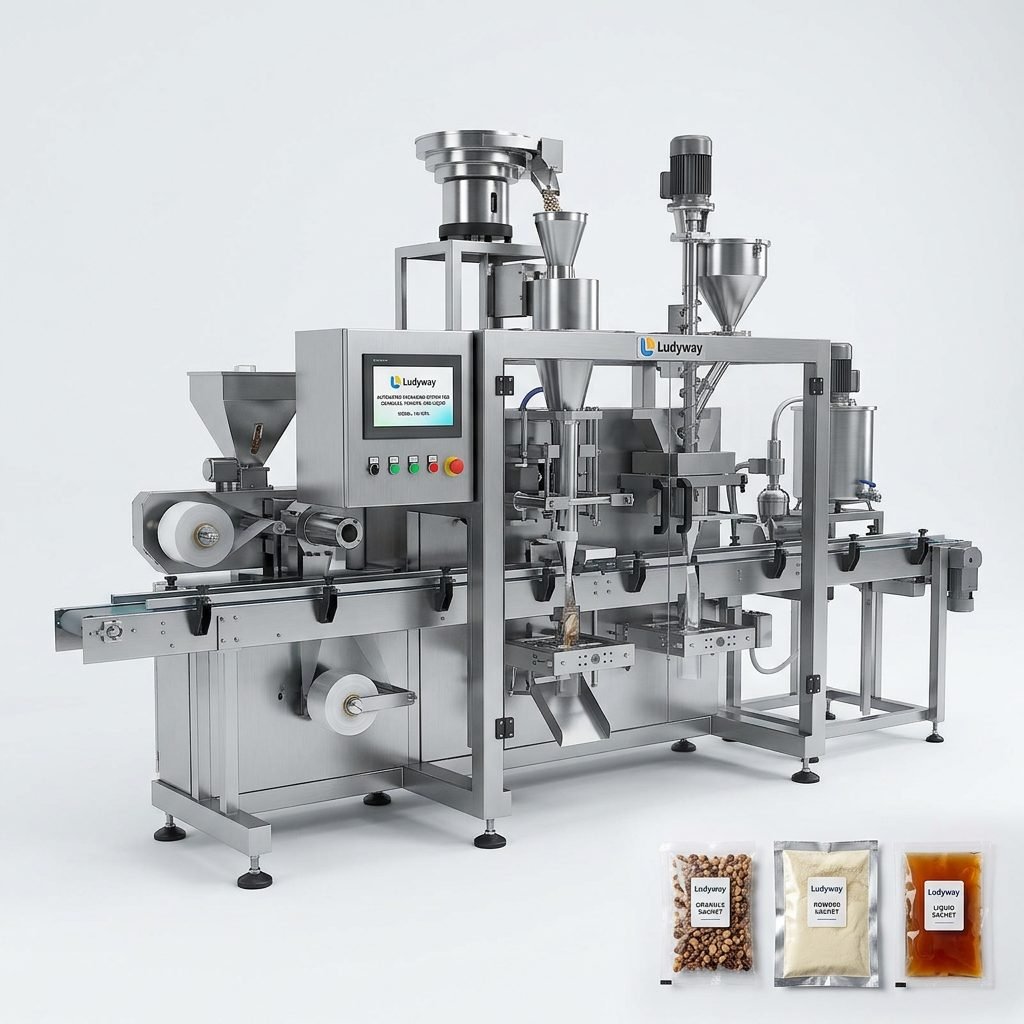
Rotary pouch packing machines operate on a continuous motion principle. Pre-formed pouches are loaded into a magazine, mechanically picked by suction cups, opened with air jets, filled with product through an auger, piston, or combination weigher, and then sealed — all while rotating through multiple stations on a turret. This parallel processing architecture enables output rates ranging from 30 to over 80 pouches per minute, depending on the number of lanes and filling volume.
Rotary vs. Inline vs. Vertical FFS: Key Differences
| Feature | Rotary Premade Pouch | Inline Premade Pouch | Vertical FFS |
|---|---|---|---|
| Speed Range | 30–80+ pouches/min | 15–40 pouches/min | 30–120+ pouches/min |
| Pouch Changeover | Quick, tool-less | Moderate | Requires film roll change |
| Dust Control | Excellent (enclosed stations) | Good | Moderate |
| Pouch Quality Output | Superior (pre-made seals) | Superior | Depends on film quality |
Step 1: Define Your Pouch Specifications
The first — and most critical — step is documenting your pouch dimensions, material structure, and style. Rotary machines handle a wide variety of pre-formed pouch formats, including:
- Stand-up pouches (SUP) — with or without zipper closures
- Flat 3-side seal pouches — ideal for single-serve applications
- Spout pouches — for liquids, gels, and beverages
- Gusseted pouches — side or bottom gusset for bulk volumes
- Retort pouches — for products requiring sterilization
- Zipper, slider, and press-to-close pouches — resealable convenience formats
Pouch width, height, and bottom gusset depth determine the machine’s gripping and opening range. Always match your current and anticipated future pouch sizes to the machine’s specified range. A machine that handles 80–180mm width and 100–250mm height covers most food and pharma applications. For more details on pouch compatibility standards, refer to Flexible Packaging Association resources.
Step 2: Match Filling Technology to Your Product
Different products demand different dosing mechanisms. Selecting the wrong filling system leads to inaccurate fills, product waste, and downtime. The table below summarizes the most common filling technologies integrated with rotary premade pouch machines:
| Filling Type | Product Examples | Accuracy | Speed Compatibility |
|---|---|---|---|
| Auger Filler | Powders: protein, spices, flour, milk powder | ±1–2% | High |
| Piston Filler | Liquids, pastes, gels, sauces | ±0.5–1% | High |
| Multi-head Weigher | Granules, snacks, pet food, nuts | ±0.5–1.5g | Very High |
| Cup/Volumetric Filler | Free-flowing granules, seeds, rice | ±2–3% | Very High |
| Net Weight Filler | High-value products requiring precise weight | ±0.1–0.5% | Moderate |
Products with high dust content (fine powders) require enclosed filling stations and dust extraction systems. Sticky or cohesive products may need agitated hoppers, special coatings, or heated filling nozzles to maintain flow consistency.
Step 3: Evaluate Production Speed and Automation Level
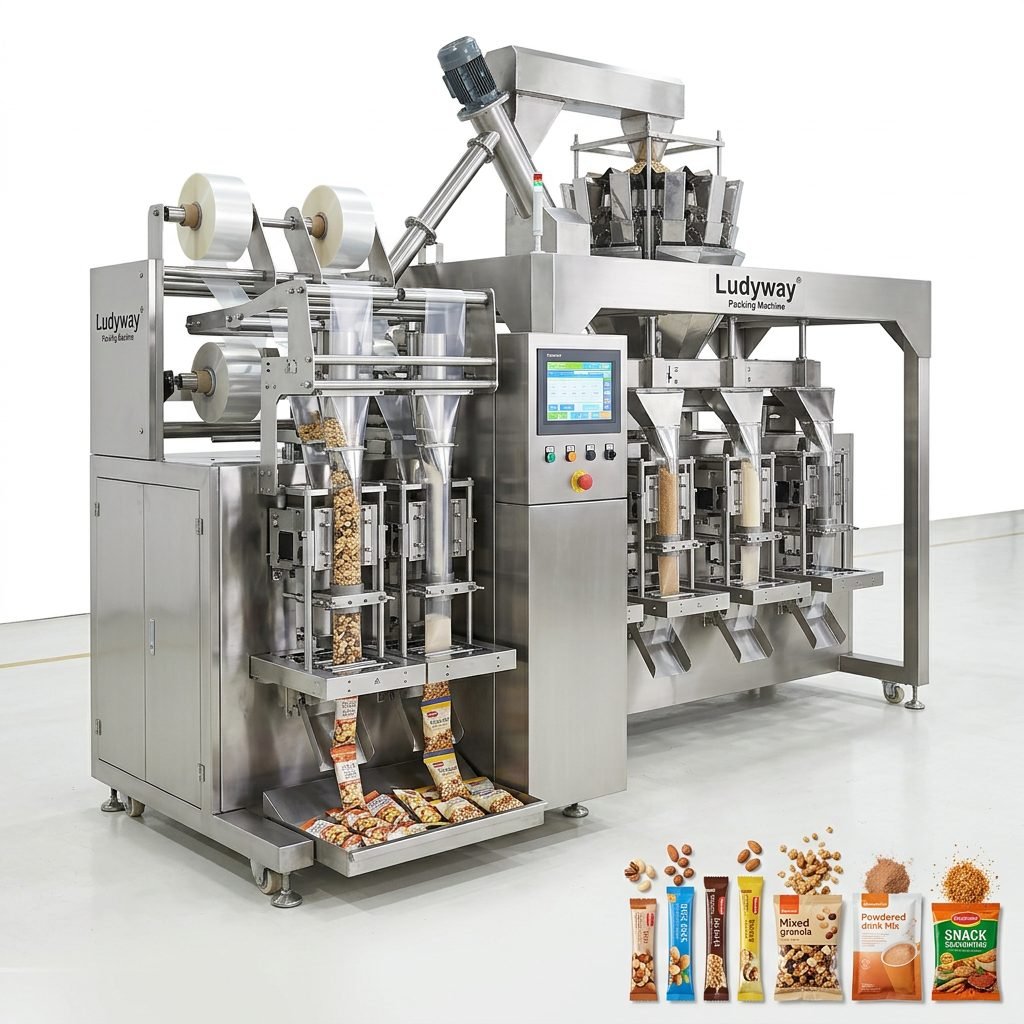
Rotary premade pouch machines are categorized by lanes and stations. Single-lane machines with 6–10 stations typically achieve 30–45 pouches per minute. Multi-lane configurations with 2–4 lanes can exceed 80 pouches per minute for small stick-pack or sachet applications.
Speed Selection Guide
- 30–40 pouches/min: Suitable for small to medium contract packers, pilot lines
- 40–60 pouches/min: Ideal for mid-size production, regional brands
- 60–80+ pouches/min: Required for high-volume national and international brands
- 80+ pouches/min (multi-lane): Necessary for stick packs, sachets, and single-serve formats
Automation level directly impacts labor requirements and consistency. Assess whether you need:
- Manual pouch loading — operator places pouches into magazine
- Automatic pouch feeding — conveyor belt or robotic pick-and-place
- Integrated checkweigher and metal detector — inline quality control
- Automatic cartoning or case packing — end-of-line integration
- SCADA or MES data integration — for Industry 4.0 smart factories
According to PMMI’s State of the Industry report, automation adoption in packaging machinery continues to accelerate, driven by labor shortages and demand for consistent quality.
Step 4: Consider Material Compatibility and Seal Integrity
Pouch materials vary widely — from PET/AL/PE laminates for moisture-sensitive products to Kraft paper with PE liners for organic branding. The rotary machine’s sealing system must handle your specific material structure.
Sealing Technologies
- Constant heat sealing — standard for most laminates; reliable and cost-effective
- Impulse sealing — quick heating/cooling cycles; suitable for thin films
- Ultrasonic sealing — cold seal process; ideal for heat-sensitive products and clean operations
- Gas flushing (MAP) — extends shelf life by replacing oxygen with nitrogen or CO₂
- Vacuum sealing — removes air before sealing for compact, shelf-stable packs
Seal integrity testing should be part of your equipment acceptance criteria. Look for machines with adjustable sealing temperature, pressure, and dwell time to accommodate different material gauges and structures. For regulatory guidance on food contact packaging materials, consult FDA packaging requirements.
Step 5: Assess Changeover Speed and Flexibility
Frequent product and pouch changeovers can significantly impact Overall Equipment Effectiveness (OEE). A machine that takes 45 minutes to change over versus one that takes 10 minutes can mean the difference between profitable production and missed deadlines.
Key changeover features to prioritize:
- Tool-less adjustments — hand knobs, quick-release clamps, and indexed positions
- Recipe management via HMI — store and recall pouch and filling parameters digitally
- Servo-driven adjustments — automatic pouch gripper width, filling stroke, and seal jaw positioning
- Modular filling stations — swap auger, piston, or weigher heads quickly
- Color-coded change parts — minimize confusion during format transitions
Step 6: Verify Cleanability and Hygienic Design
Industries like pharmaceuticals, dairy, infant nutrition, and ready-to-eat foods demand strict hygienic standards. Rotary machines designed for these sectors should feature:
- Stainless steel 304 or 316L construction — all product contact parts
- Sloped surfaces — no horizontal ledges where product can accumulate
- IP65 or higher rated electrical enclosures — withstands washdown procedures
- Tool-free disassembly — quick removal of filling components for cleaning
- HEPA-filtered air systems — for pouch opening and product protection
- CIP-compatible (Clean-in-Place) — for liquid filling systems
For pharmaceutical applications, equipment should meet GAMP 5 validation requirements and be capable of IQ/OQ/PQ documentation. Medical device packaging must comply with ISO 11607 standards for terminally sterilized devices.
Step 7: Evaluate Supplier Capabilities and Support
A machine is only as good as the supplier standing behind it. Use the following checklist to evaluate potential rotary pouch machine manufacturers:
Supplier Evaluation Checklist
| Evaluation Criterion | What to Look For | Red Flags |
|---|---|---|
| Manufacturing Experience | 10+ years, in-house production facility | Trading company without factory |
| Industry References | Verified installations in your sector | No references available |
| After-Sales Support | Remote diagnostics, spare parts inventory, local service partners | No clear service structure |
| Customization Capability | In-house engineering team for custom solutions | Only off-the-shelf models available |
| Certifications | CE, UL, GMP-capable design | No international certifications |
| Factory Acceptance Testing (FAT) | In-person or virtual FAT before shipment | Machine ships untested |
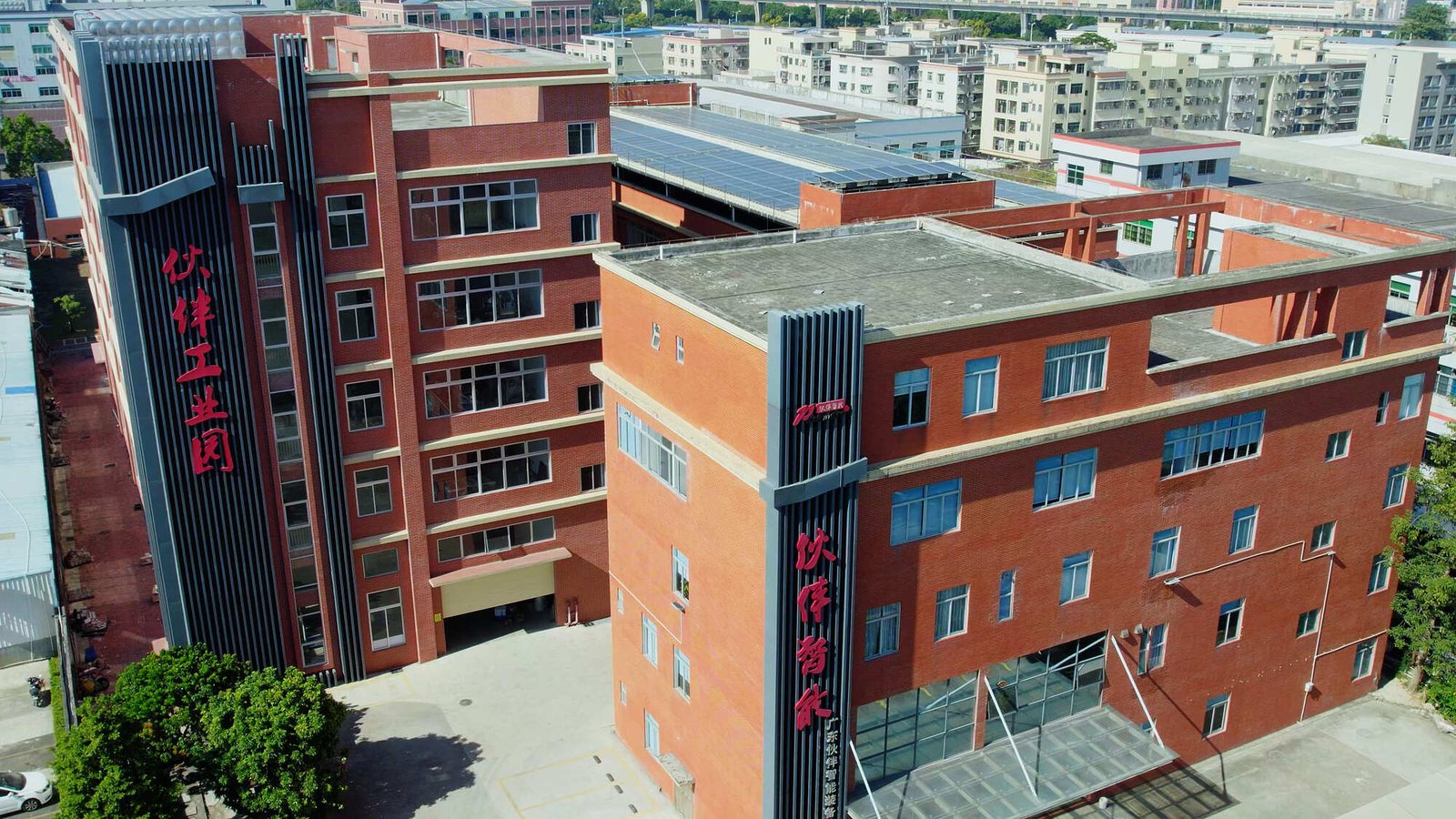
Companies like Ludyway Machinery, with over 30 years of packaging machinery manufacturing experience and a 20,000-square-meter facility, manufacture rotary premade pouch machines configured for powders, granules, liquids, and pastes across food, pharma, and chemical sectors. Their global presence in more than 100 countries provides a reference base for evaluating supplier reliability.
Step 8: Calculate Total Cost of Ownership (TCO)
Purchase price is only one component of the long-term investment equation. A comprehensive TCO analysis should include:
- Initial capital expenditure: machine cost, tooling, installation, and commissioning
- Operating costs: labor, energy consumption, compressed air usage
- Maintenance costs: preventive maintenance contracts, spare parts, technician visits
- Changeover costs: downtime during format changes, change part sets
- Downtime risk: machine reliability, mean time between failures (MTBF), mean time to repair (MTTR)
- Product waste: filling accuracy impact on giveaway and reject rates
- Scalability: ability to add lanes, upgrade controls, or integrate new filling technologies
A machine priced 20% lower upfront can cost significantly more over a 5–7 year lifecycle if it suffers from higher downtime, lower speed, or limited support. Factor in at least a 3-year operational window when comparing quotes.
Step 9: Plan for Installation, Training, and Validation
Successful equipment deployment extends well beyond delivery. Ensure your supplier provides:
- Site preparation guidance: utility requirements, floor space, and integration points
- Installation and commissioning: mechanical setup, electrical connections, and software configuration
- Operator training: hands-on instruction for machine operators and maintenance staff
- Validation documentation: IQ (Installation Qualification), OQ (Operational Qualification), PQ (Performance Qualification) for regulated industries
- Remote support capability: VPN-based diagnostics, video-assisted troubleshooting
For international buyers, clarify time zones, language support, and local service partner availability. A supplier’s willingness to conduct a virtual FAT can save significant travel costs while ensuring equipment meets specifications before shipping.
Step 10: Future-Proof Your Investment
Packaging trends evolve. Today’s pouch format may not match tomorrow’s market demands. When selecting a rotary premade pouch machine, consider:
- Modular design: can you add a zipper applicator, gas flush, or second filling station later?
- Control system upgradeability: is the PLC and HMI from a widely supported brand (Siemens, Allen-Bradley, Mitsubishi)?
- Sustainable material readiness: can the machine handle recyclable mono-material films, paper-based pouches, or compostable structures?
- IIoT connectivity: does the machine support OEE tracking, predictive maintenance alerts, and remote monitoring? See PMMI business intelligence for industry automation trends.
Regulatory landscapes are also shifting. The European Packaging and Packaging Waste Regulation is driving demand for recyclable and reduced-material packaging. Your machine should accommodate these material transitions without requiring a complete equipment replacement.
Key Takeaways: Your Rotary Premade Pouch Machine Checklist
Before you contact suppliers or request quotations, confirm the following:
- Pouch dimensions (width × height × gusset) and material structure defined
- Product characteristics documented: powder, granule, liquid, paste, or combination
- Target production speed established (pouches per minute)
- Filling accuracy requirements quantified
- Automation level determined: manual loading, auto feeding, end-of-line integration
- Hygienic design needs identified (food-grade, pharmaceutical, washdown)
- Changeover frequency and acceptable downtime specified
- Supplier evaluation criteria listed and scored
- TCO calculated over a minimum 5-year period
- Future scalability and material flexibility mapped
Choosing the right rotary premade pouch packing machine is an exercise in matching technical specifications to operational realities. By systematically working through the ten steps outlined above, you position yourself to select equipment that delivers consistent quality, reliable throughput, and strong return on investment for years to come.
Ready to explore rotary pouch packaging solutions customized to your production requirements? Visit Ludyway Machinery to discuss your project with a packaging specialist, or browse automatic packaging machines configured for your industry and product type.