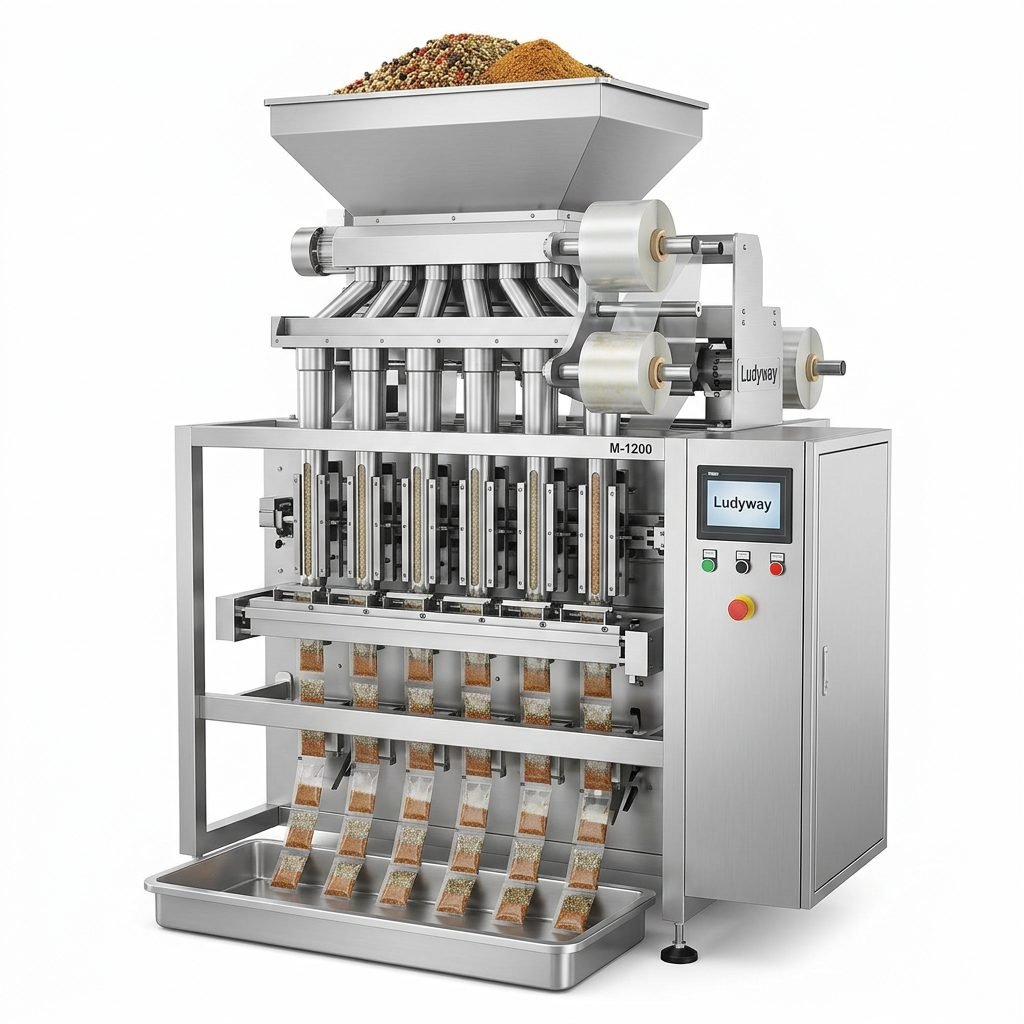
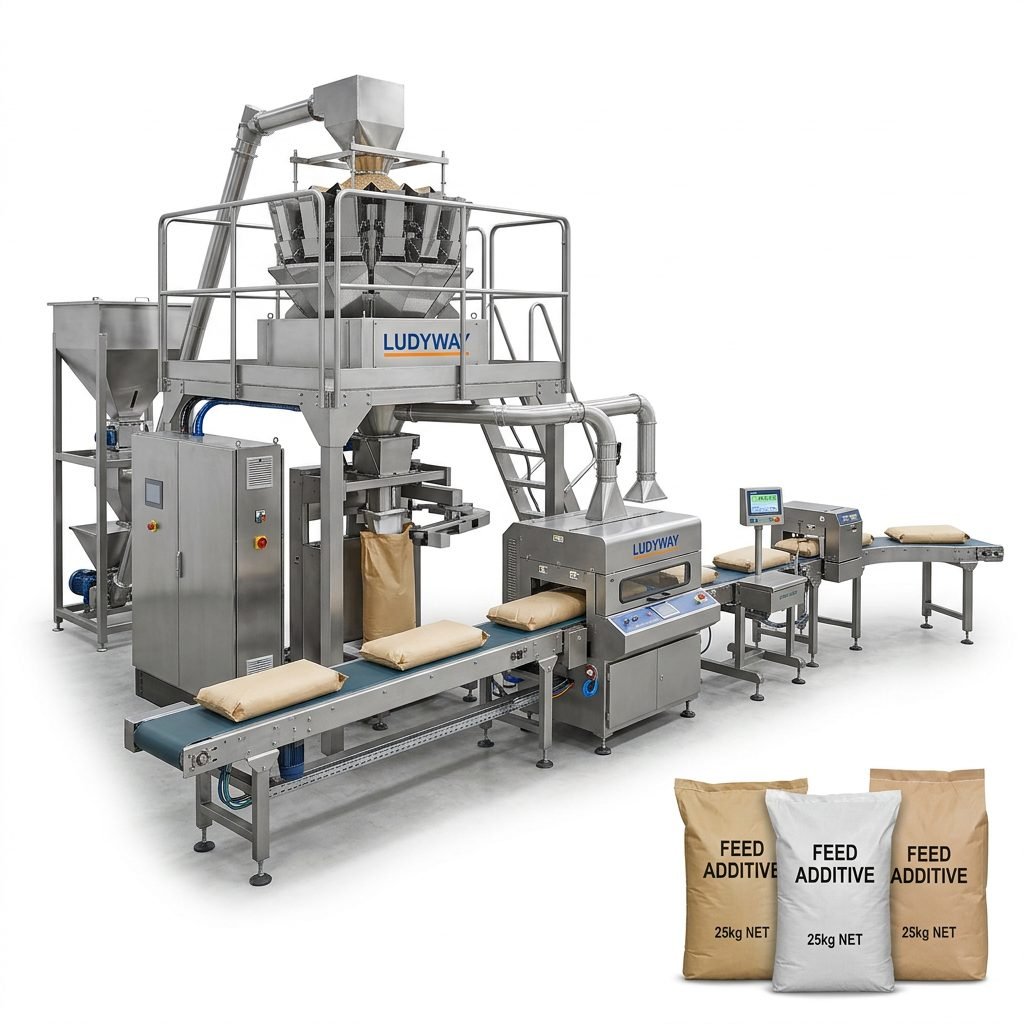
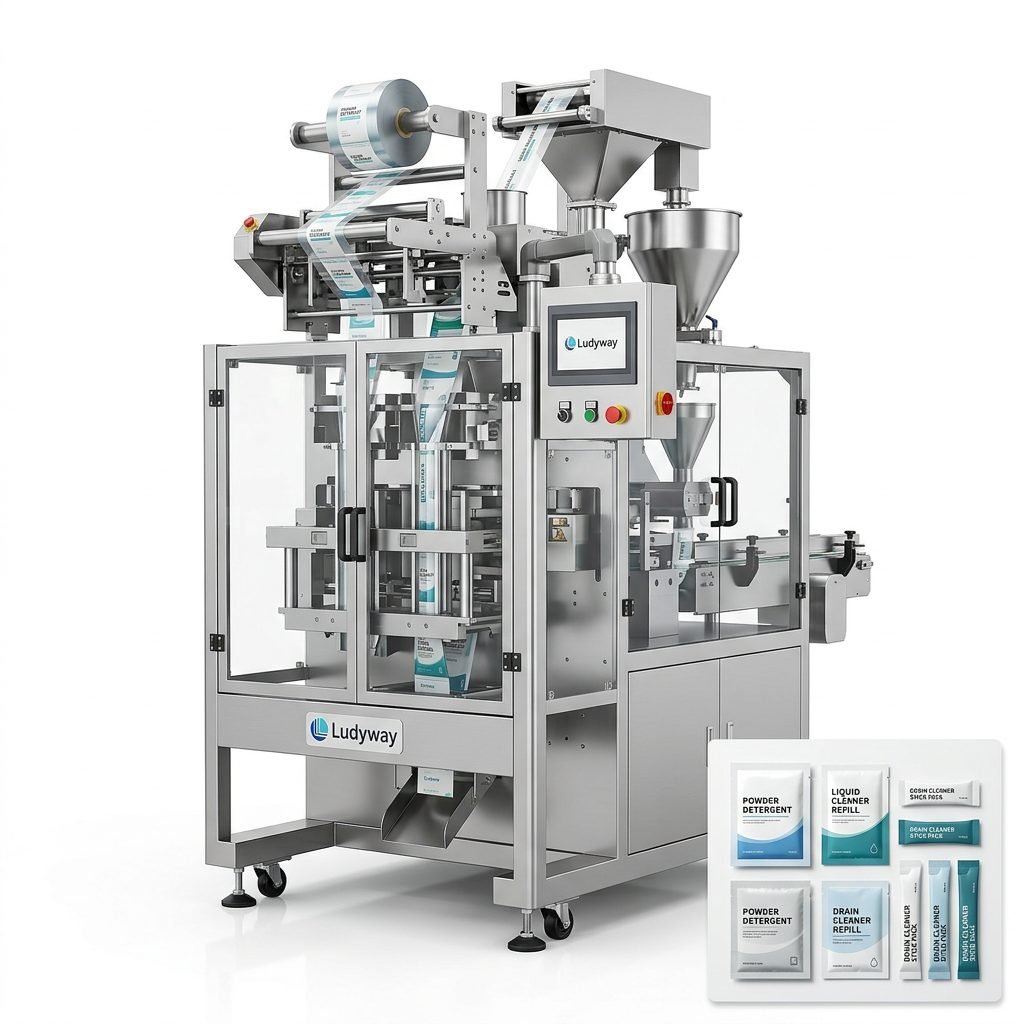
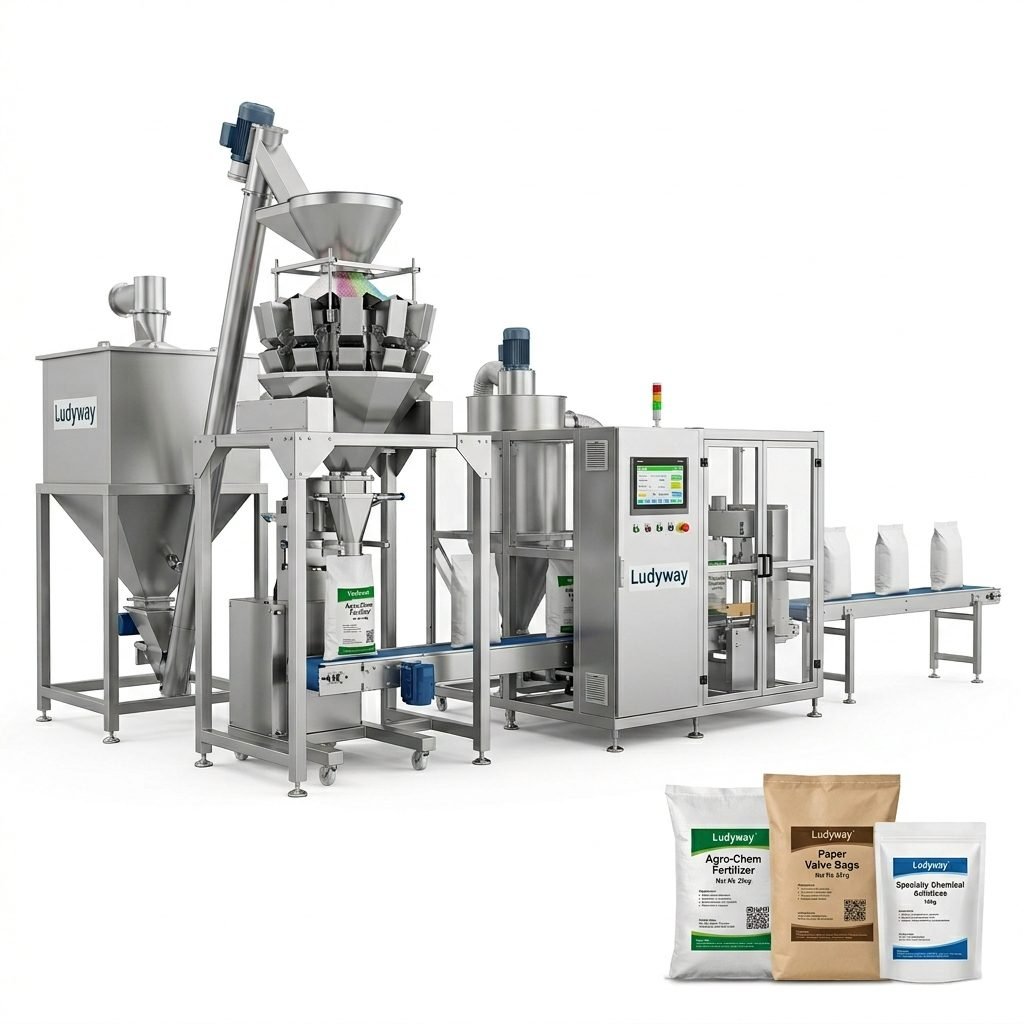
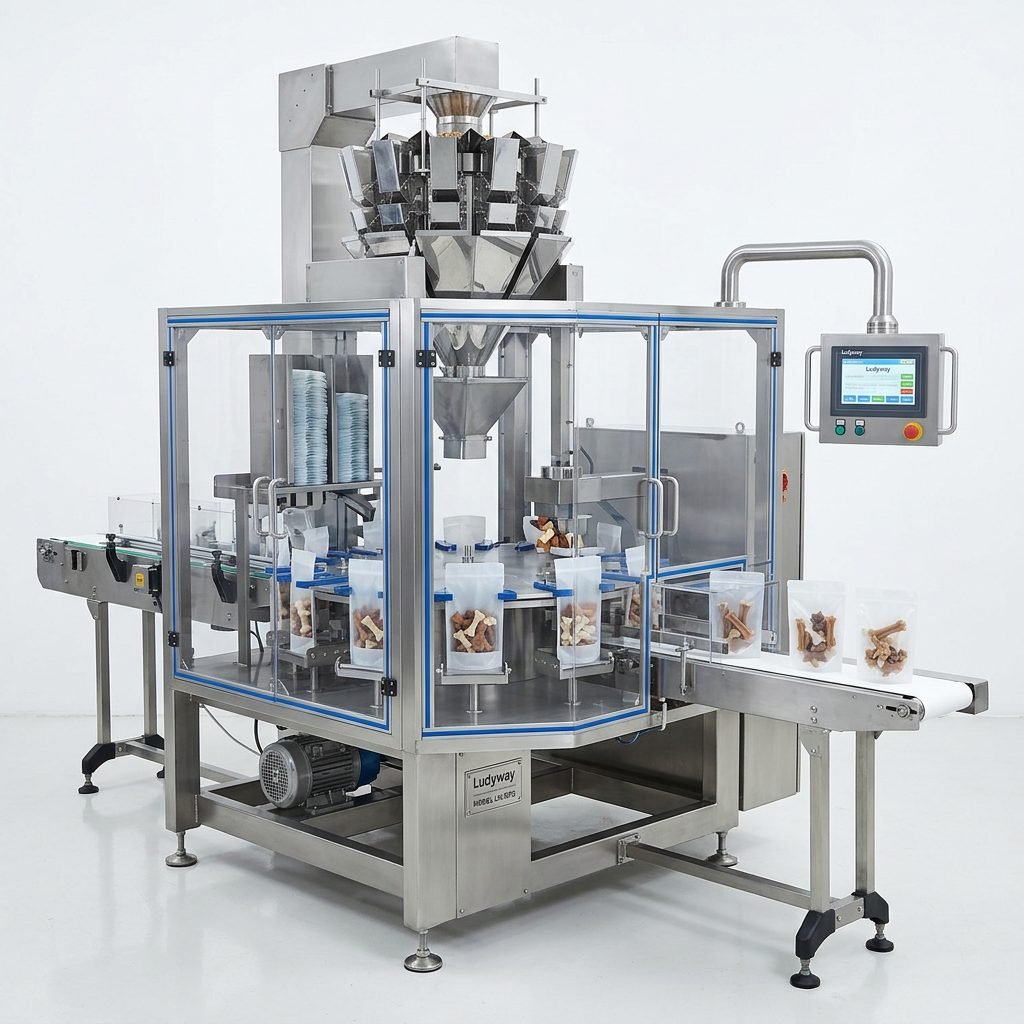
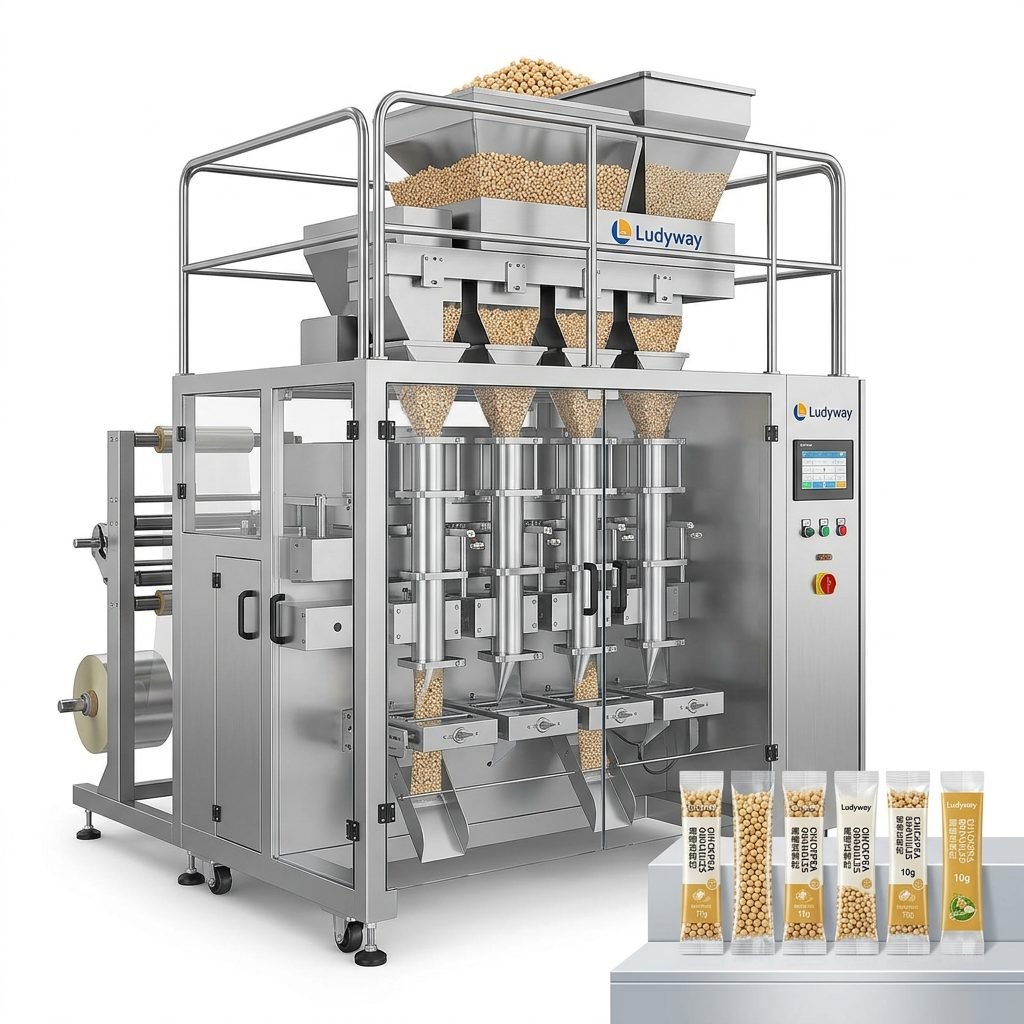
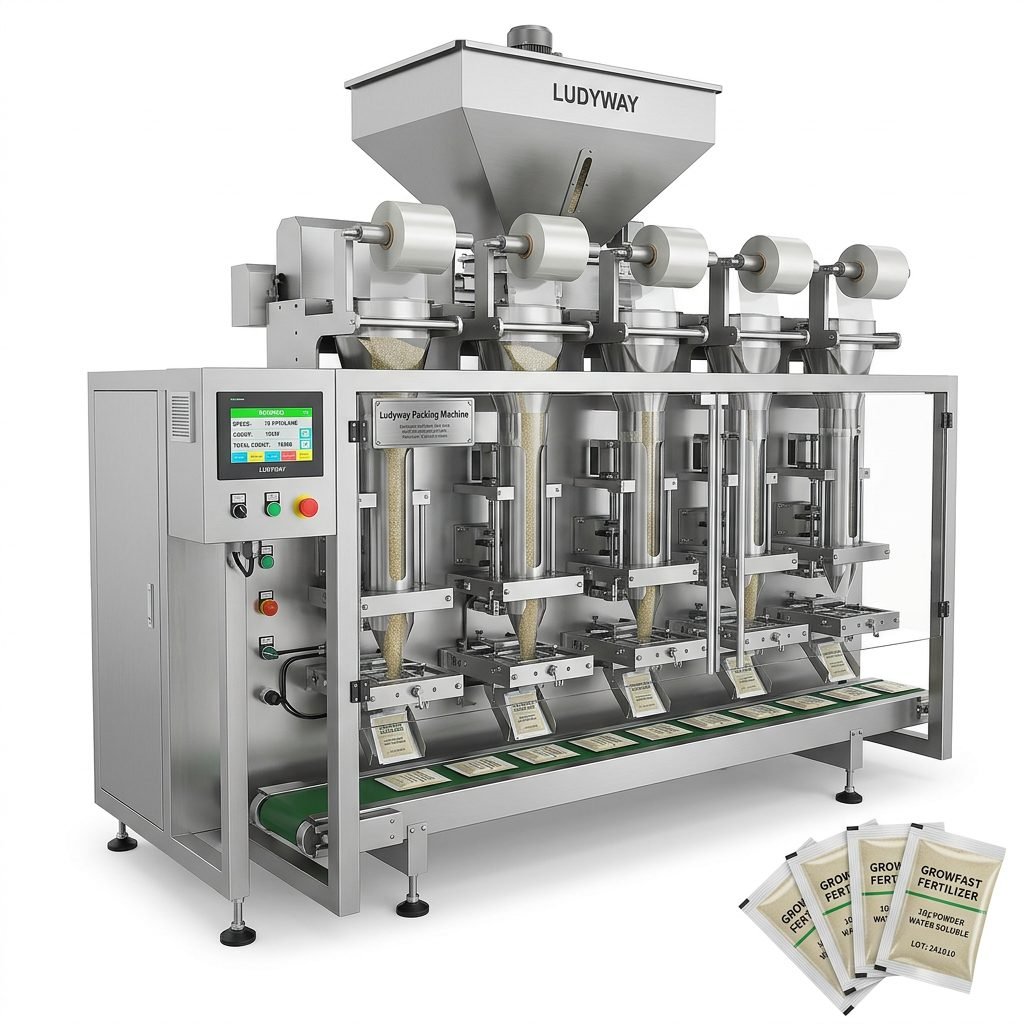
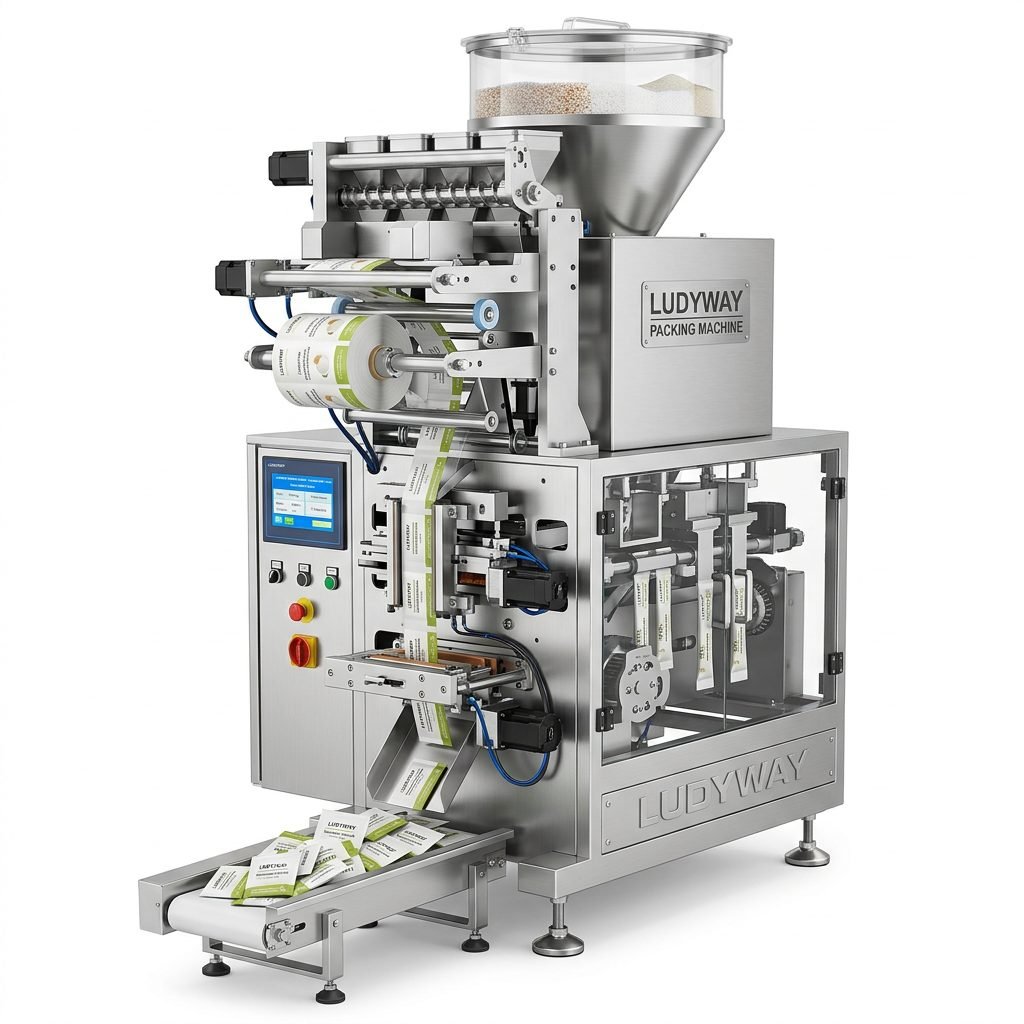
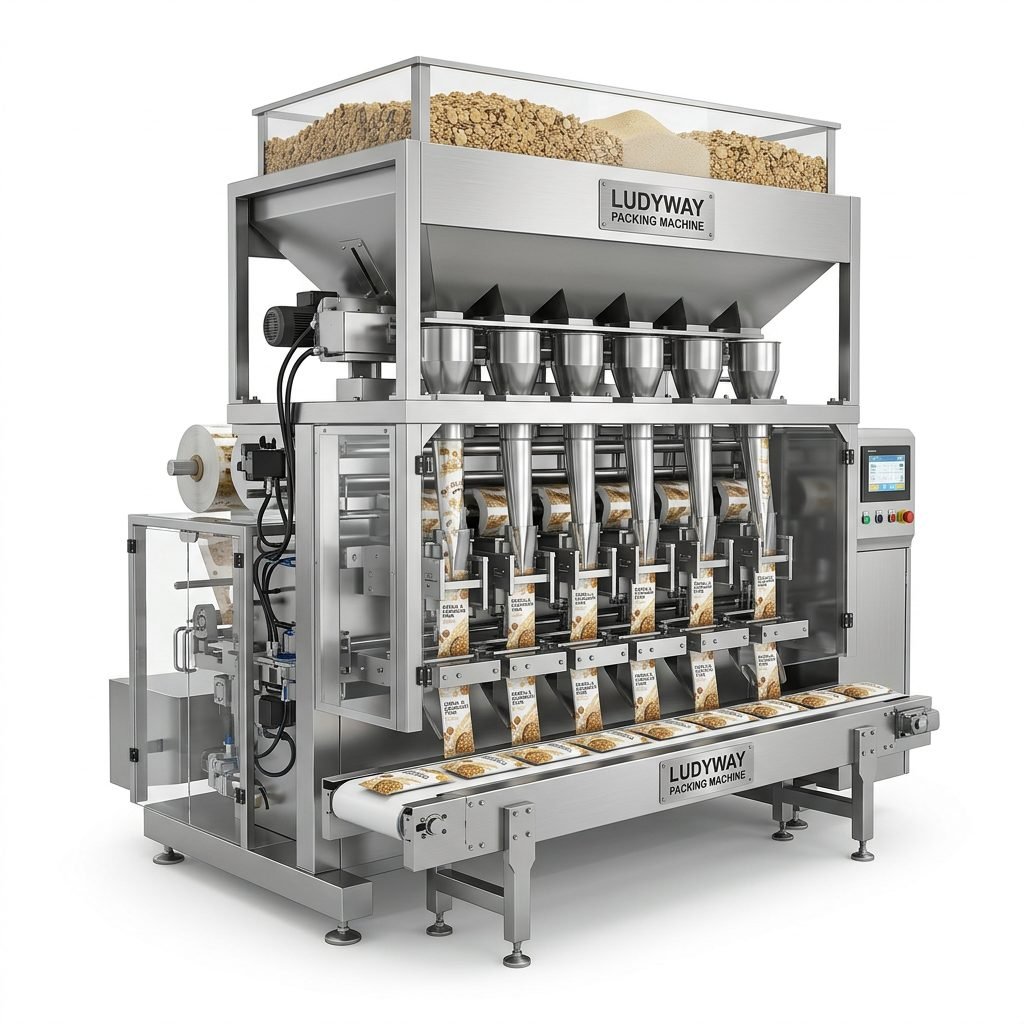
A linear weigher packing machine is a practical and cost-effective solution for packaging granules, powders, snacks, seeds, beans, frozen foods, pet food, hardware parts, and many other products that require reliable portioning before sealing. For manufacturers that need stable weight accuracy without the complexity of a full multihead weigher, this type of machine is often the ideal choice.
It combines weighing, feeding, and packaging automation into a streamlined process, helping businesses improve output consistency, reduce product giveaway, and lower labor dependence. In food, pharmaceutical, chemical, and daily-use industries, linear weigher systems are widely used for both entry-level automation and scalable production upgrades.
What Is a Linear Weigher Packing Machine?
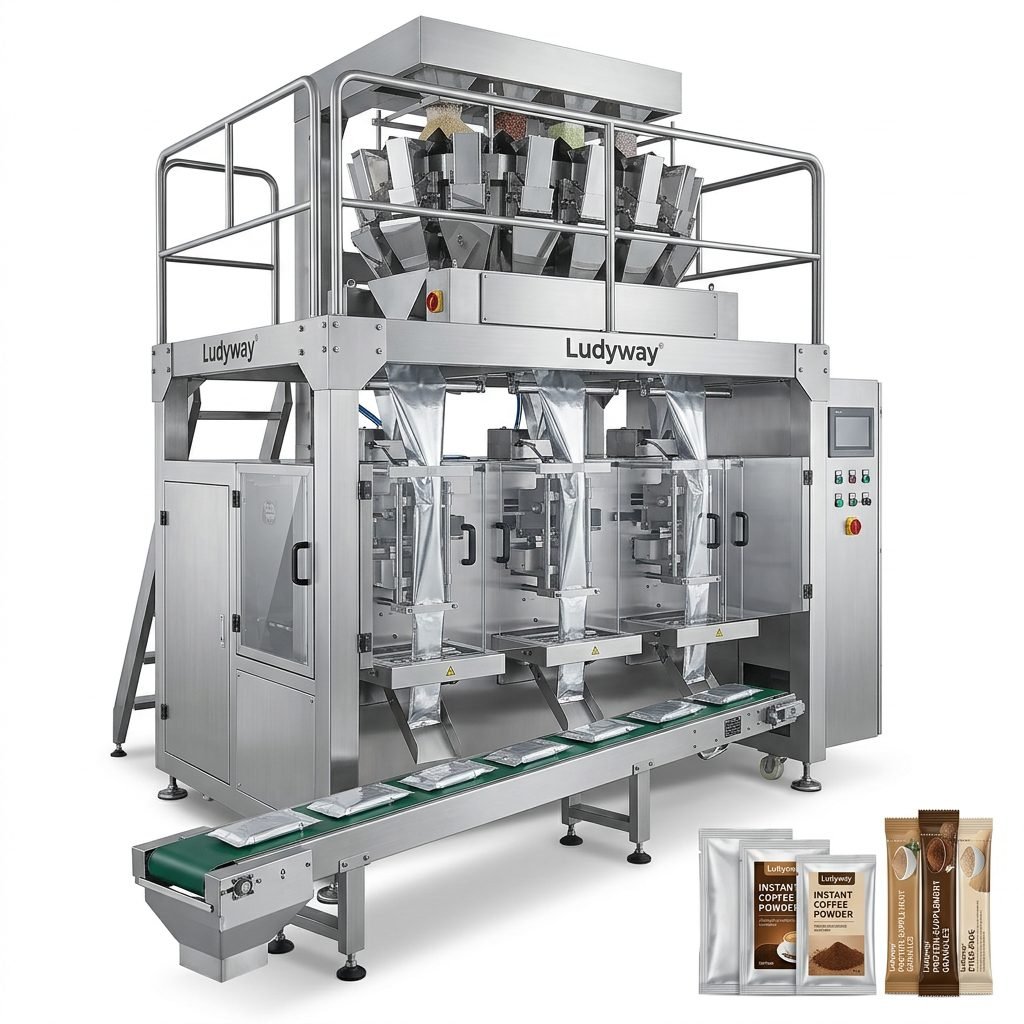
A linear weigher packing machine is packaging equipment that uses one or more weighing heads arranged in a line to measure a target weight of product before the product is discharged into a bag, pouch, jar, bottle, or carton. Unlike multihead combination weighers that rely on many weigh buckets for ultra-high-speed combinations, linear weighers typically use a simpler mechanical structure and are well suited for products that flow consistently.
These machines are commonly integrated with:
- Vertical form fill seal machines for pillow bags, gusset bags, and sachets
- Premade pouch packing machines
- Cup, jar, can, or bottle filling lines
- Manual or semi-automatic bagging stations
They are especially popular for products such as rice, sugar, salt, coffee beans, nuts, candy, cereals, spices, pellets, and similar free-flowing materials.
How Does a Linear Weigher Packing Machine Work?
The working principle is straightforward: product is fed into weighing hoppers, measured to a preset target weight, and then discharged into the next packaging stage. Although machine designs vary by application, the process usually follows these steps.
1. Product Feeding
Bulk product is delivered to the machine through a conveyor, bucket elevator, screw feeder, or vibratory feeder. The feeding system must match the material characteristics to maintain smooth flow and avoid bridging, dusting, or breakage.
2. Coarse and Fine Feeding
Most linear weighers use two-stage feeding:
- Coarse feeding quickly brings the hopper close to the target weight
- Fine feeding slows the flow for more precise final dosing
This helps improve weighing accuracy while keeping cycle times efficient.
3. Weight Detection
Each hopper is connected to a load cell that continuously measures the product weight. The control system compares the real-time reading with the preset target value and adjusts feed timing accordingly.
4. Discharge
Once the target weight is reached, the hopper gate opens and releases the measured product into the packaging machine or container below. In twin-head or multi-head configurations, weighing and discharging can happen alternately to improve throughput.
5. Bagging or Container Filling
The measured product then enters the final package format. Depending on the line setup, this may include:
- Bag forming and sealing
- Pouch opening and filling
- Jar or bottle indexing
- Date coding, labeling, and inspection
6. Repeat Cycle
The machine repeats the sequence automatically, delivering continuous weighing and packaging with stable performance.
Main Components of a Linear Weigher System
| Component | Function |
|---|---|
| Infeed hopper | Receives product from upstream feeding equipment |
| Vibratory feeder or screw feeder | Controls product flow into weighing hoppers |
| Weighing hopper | Temporarily holds product while measuring target weight |
| Load cell | Provides precise weight feedback to the controller |
| Control system / HMI | Stores parameters, monitors operation, and allows recipe changes |
| Discharge gate | Releases weighed product into the next process |
| Supporting frame and contact parts | Provide machine stability and hygienic product contact surfaces |
Types of Linear Weigher Packing Machines
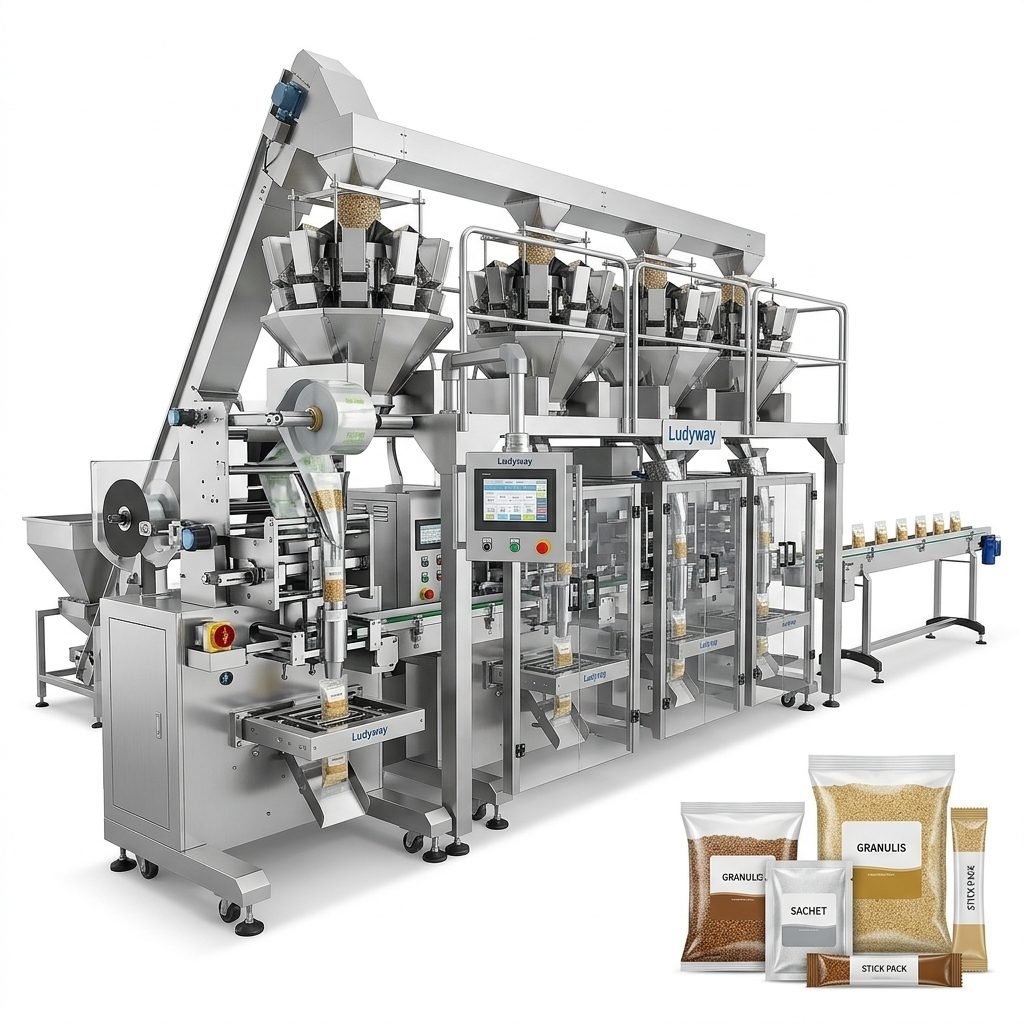
Single-Head Linear Weigher
Best for smaller production volumes, simple products, and businesses taking the first step into automation. It offers a compact footprint and lower investment cost.
Two-Head Linear Weigher
A popular mid-range choice that improves speed and maintains good accuracy. It is widely used for snacks, grains, seeds, sugar, and similar products.
Four-Head Linear Weigher
Suitable for higher output requirements. It allows faster weighing cycles and better continuity in integrated packaging lines.
Specialized Linear Weighers
Some models are customized for sticky, fragile, dusty, or irregular products using special hopper shapes, anti-static treatment, dust extraction, gentle product handling, or modified feeding mechanisms.
Key Benefits of Using a Linear Weigher Packing Machine
- Consistent weight accuracy for stable product presentation and reduced giveaway
- Lower equipment cost compared with more complex high-speed weighing solutions
- Simple operation with user-friendly control settings and recipe storage
- Flexible application range across food, pharma, chemical, and consumer goods
- Easy maintenance thanks to a relatively straightforward structure
- Scalable integration with conveyors, elevators, VFFS machines, pouch fillers, checkweighers, and coding systems
- Reduced labor intensity and better production efficiency
For many manufacturers, the biggest value comes from balancing accuracy, affordability, and operational simplicity.
Typical Applications Across Industries
Food Industry
- Rice, beans, lentils, oats, grains
- Sugar, salt, seasoning blends
- Nuts, seeds, dried fruit, snack mixes
- Candy, gummies, cereal, coffee beans
- Frozen vegetables and frozen prepared foods
Pharmaceutical and Health Supplement Industry
- Granules and oral solid dose support materials
- Effervescent products
- Nutritional supplement powders and granules
- Herbal blends and functional food ingredients
Chemical Industry
- Detergent granules and powders
- Water treatment materials
- Fertilizer granules
- Industrial additives and dry compounds
Pet Food and Feed Industry
- Pet kibble
- Treat granules and nutrition blends
- Feed pellets and powdered additives
Linear Weigher vs. Multihead Weigher
| Feature | Linear Weigher | Multihead Weigher |
|---|---|---|
| Machine complexity | Relatively simple | More complex |
| Initial investment | Lower | Higher |
| Suitable speed range | Low to medium | Medium to very high |
| Best product types | Free-flowing granules and powders | Snacks, mixed products, higher-speed applications |
| Maintenance | Usually easier | Usually more demanding |
| Ideal buyer profile | Cost-conscious and practical operations | High-speed production-focused plants |
If your product flows well and your output target is moderate, a linear weigher can be the more economical and efficient choice.
Factors to Consider Before Buying
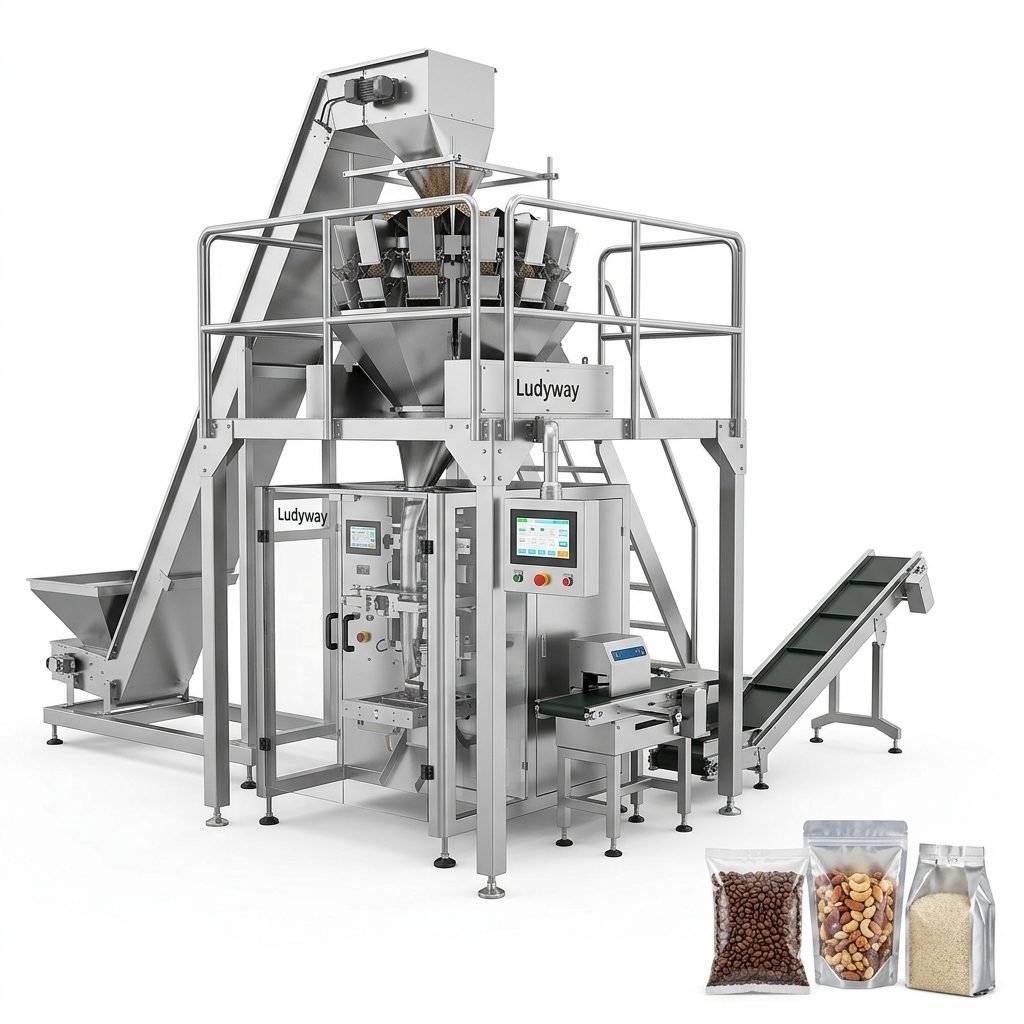
Choosing the right linear weigher packing machine depends on more than weight range alone. Buyers should assess the following points carefully:
- Product characteristics: size, shape, density, flowability, fragility, stickiness, and dust level
- Target package weight: from small sachets to large retail or bulk packs
- Required speed: packs per minute and overall line efficiency goals
- Accuracy expectations: acceptable tolerance and product giveaway limits
- Package type: pillow bags, premade pouches, jars, cans, or bottles
- Hygiene standards: stainless steel contact parts, easy cleaning, dust control, and sanitary design
- Automation level: standalone machine or complete integrated line
- Future expansion: whether the machine can be upgraded or integrated later
Common Challenges and Practical Solutions
Inconsistent Product Flow
This often happens with irregular, moist, or low-flow materials. The solution may include vibratory optimization, modified hopper angles, agitation devices, or a different feeder type.
Poor Accuracy
Accuracy issues can result from unstable feeding, incorrect calibration, vibration interference, or product buildup on contact parts. Regular calibration and proper machine installation are essential.
Dust Generation
Fine powders can affect cleanliness and weighing stability. Dust covers, extraction ports, sealed structures, and suitable feeding systems help control this problem.
Product Breakage
Fragile snacks and delicate granules require gentle handling, shorter drop distances, and reduced vibration intensity.
Maintenance Tips for Long-Term Performance
- Clean product-contact parts regularly to prevent buildup and cross-contamination
- Check load cell stability and recalibrate when necessary
- Inspect feeder components for wear or abnormal vibration
- Monitor discharge gates for smooth opening and closing
- Keep electrical cabinets dry, clean, and properly ventilated
- Train operators to switch recipes correctly and avoid rough handling during cleaning
A well-maintained machine not only runs longer, but also maintains better pack weight consistency and production reliability.
Who Should Use a Linear Weigher Packing Machine?
This type of equipment is an excellent fit for:
- Small to medium manufacturers moving from manual weighing to automatic packaging
- Brands seeking better control over fill accuracy and packaging presentation
- Factories producing free-flowing granules or powders
- Operations that want practical automation with manageable investment
- Businesses planning to build a complete packaging line step by step
Finding the Right Packaging Partner
A reliable supplier should understand not just machine specifications, but also your product behavior, packaging format, line layout, cleaning needs, and long-term production goals. For businesses looking for scalable weighing and filling solutions, linear weigher packing machine solutions from Ludyway can support food, pharmaceutical, chemical, pet food, and turnkey packaging line applications with broad customization options.
Conclusion
A linear weigher packing machine offers a smart balance of accuracy, simplicity, and cost-efficiency. It works by feeding product into weighing hoppers, measuring a preset target weight, and discharging the product into the final package with consistent control. For many industries, it is one of the most practical packaging automation choices available.
Whether you are packing grains, snacks, powders, seeds, supplements, or industrial granules, the right machine setup can improve throughput, reduce waste, and support stable product quality. When selected carefully and matched to the product, a linear weigher becomes a dependable foundation for long-term packaging performance.