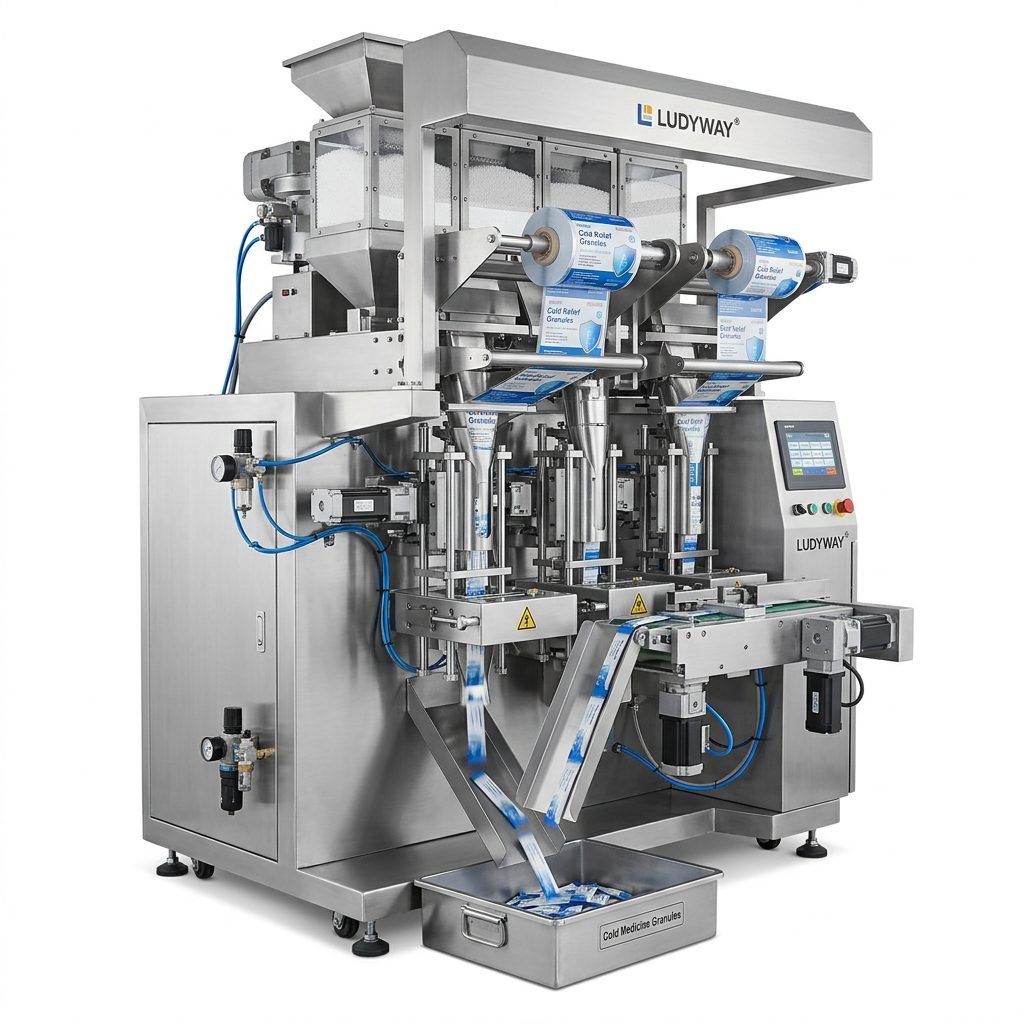
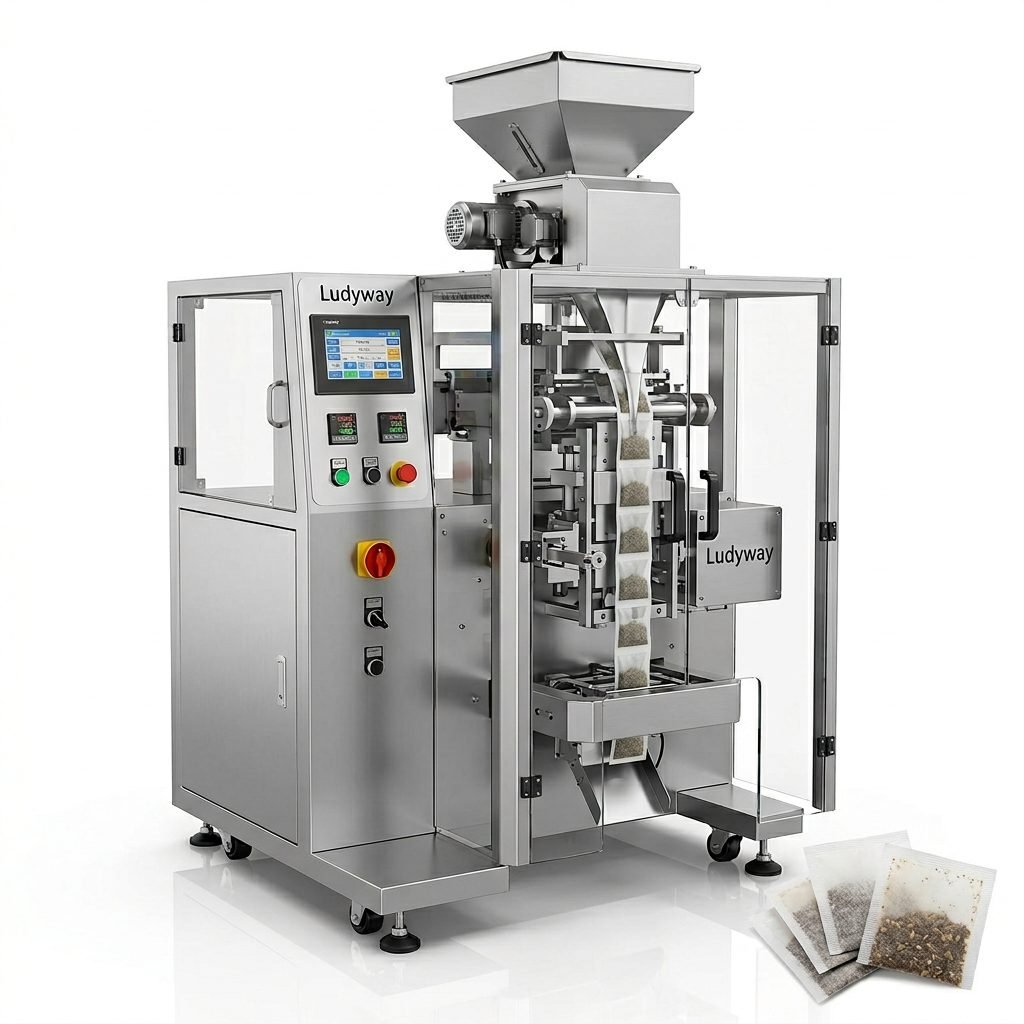
Investing in the right cardboard sleeve packaging machine is a strategic decision that directly impacts your production efficiency, product presentation, and bottom line. With a wide variety of models, automation levels, and technical specifications on the market, identifying the equipment that aligns with your operational goals requires careful evaluation. This guide walks you through the essential factors to consider before making a purchase.
Understanding Cardboard Sleeve Packaging Technology
A cardboard sleeve packaging machine automates the process of forming, filling, and sealing cardboard sleeves or cartons around products. These machines are widely used across food and beverage, pharmaceutical, cosmetic, and consumer goods industries where secondary packaging provides both protection and branding opportunities. Modern equipment can handle various sleeve styles including wrap-around sleeves, tray-style sleeves, and full-enclosure carton sleeves, each suited to specific product dimensions and presentation requirements.
According to data from the PMMI State of the Industry reports, the global packaging machinery market continues to expand, driven by increasing demand for automated secondary packaging solutions across multiple sectors. Understanding how sleeve packaging fits into your broader production strategy is the first step toward selecting the right equipment.
Key Factors to Evaluate Before Buying
1. Production Speed and Throughput Requirements
Your current and projected production volumes should guide machine selection. Machines are rated by sleeves per minute (SPM), and choosing equipment that matches your throughput needs is critical. Undersized machinery creates bottlenecks, while oversized equipment represents unnecessary capital expenditure. Consider both peak season demands and future growth when evaluating speed specifications.
2. Product and Sleeve Dimensions
The range of product sizes and sleeve formats your operation handles directly influences machine compatibility. Key dimensional parameters include:
- Product length, width, and height ranges — ensure the machine’s forming and transfer systems accommodate your full product portfolio
- Sleeve blank dimensions — the maximum and minimum cardboard blank sizes the machine can process
- Cardboard thickness and material grade — different machines handle varying calipers and board types, from lightweight carton board to corrugated materials
- Changeover flexibility — how quickly the machine can be adjusted between different product and sleeve sizes
3. Automation Level and Integration Capabilities
Cardboard sleeve packaging machines range from semi-automatic operator-assisted models to fully automatic systems integrated with upstream and downstream equipment. The Flexible Packaging Association highlights that integrated packaging lines are increasingly preferred by manufacturers seeking to streamline operations and reduce labor dependency. Evaluate whether you need a standalone machine or a solution that can integrate with existing conveyors, filling systems, labeling stations, and palletizing equipment.
Comparing Machine Types and Configurations
Different machine configurations serve different operational needs. The table below summarizes the primary types of cardboard sleeve packaging machines and their typical applications:
| Machine Type | Typical Speed (SPM) | Best For | Changeover Time |
|---|---|---|---|
| Semi-Automatic Sleeve Wrapper | 10 – 30 | Low-volume production, varied product sizes | 5 – 15 minutes |
| Automatic Wrap-Around Sleever | 30 – 80 | Medium to high-volume lines, consistent product sizes | 3 – 10 minutes |
| High-Speed Carton Sleeve System | 80 – 200+ | Large-scale dedicated production lines | Automated, minimal downtime |
| Multi-Format Sleeve Machine | 20 – 70 | Contract packagers, multiple product configurations | Tool-free, under 5 minutes |
Technical Specifications That Matter
Beyond speed and size capabilities, several technical features significantly affect machine performance, reliability, and total cost of ownership:
Frame Construction and Build Quality
Machines built with robust welded steel frames and high-quality components typically offer longer service life and greater stability at high speeds. Stainless steel construction is essential for food, pharmaceutical, and washdown environments where hygiene standards apply.
Control System and HMI
Modern touchscreen interfaces with recipe storage, diagnostic displays, and remote access capabilities simplify operation and troubleshooting. Look for PLC-based control systems from established automation brands, as these generally offer better spare parts availability and service support.
Sleeve Material Handling
The feeding and forming mechanisms must reliably handle your specific cardboard grades. Vacuum pickup systems, servo-driven forming stations, and precise glue application or hot-melt sealing systems all contribute to consistent sleeve quality and reduced waste. Per ISO packaging standards, material compatibility testing is recommended before finalizing machine specifications.
Safety Features and Compliance
Interlocked guarding, emergency stop systems, and compliance with relevant safety standards are non-negotiable. Machines should meet CE, UL, or equivalent certifications applicable to your region, and documentation should be readily available from the manufacturer.
Evaluating Suppliers and Support Infrastructure
Choosing the right machinery partner is as important as selecting the right machine specifications. Consider the following when evaluating potential suppliers:
- Industry experience and specialization — has the manufacturer built machines for your specific product category and packaging format
- Manufacturing capabilities — in-house production with quality control processes generally translates to better build consistency
- Installation and commissioning support — professional on-site setup and operator training reduce startup delays
- After-sales service and spare parts — responsive technical support and readily available replacement parts minimize downtime
- Customization capabilities — the ability to modify machine configurations to match your unique production requirements
- Global service reach — particularly important if you operate manufacturing facilities across multiple countries
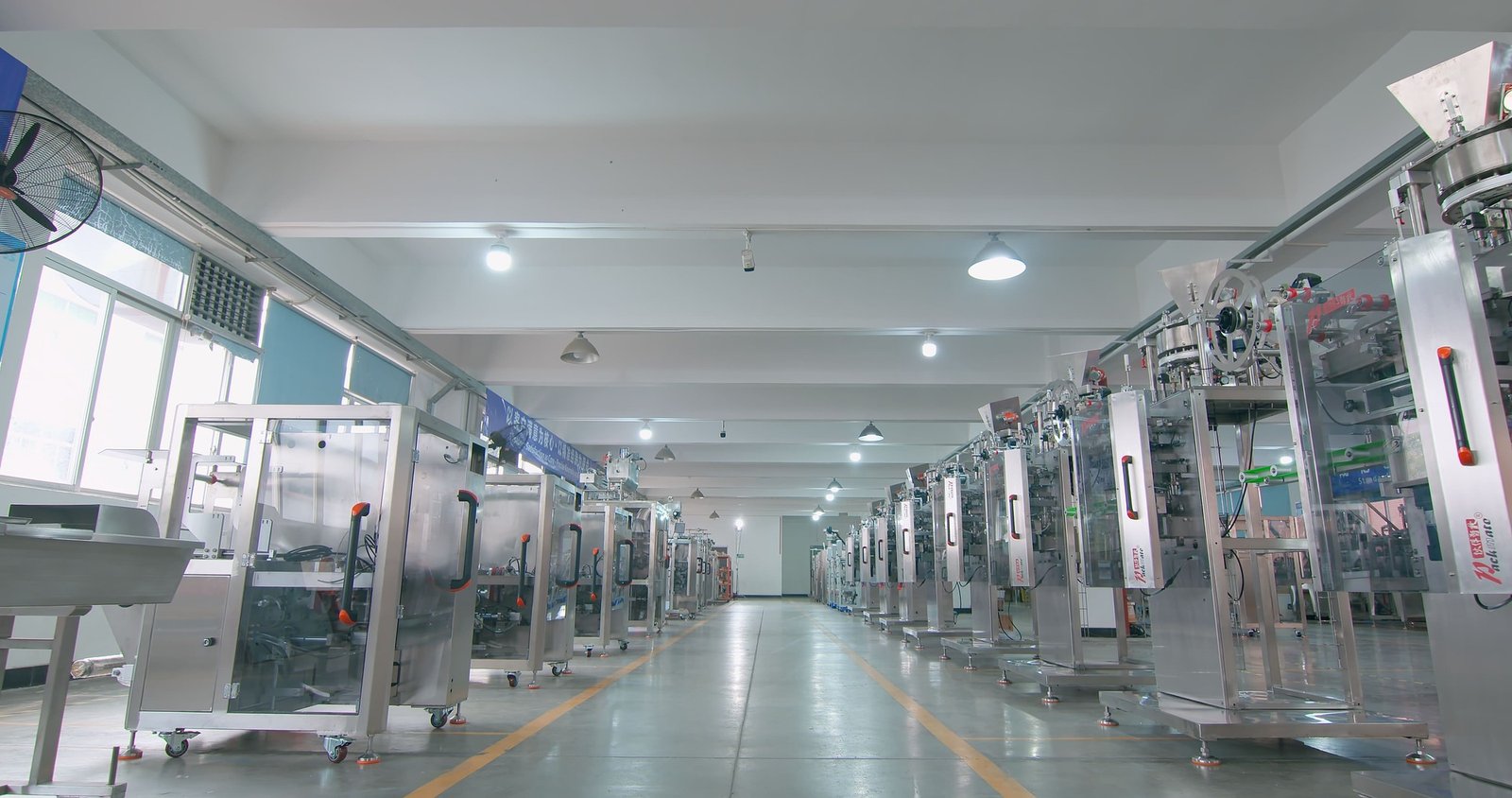
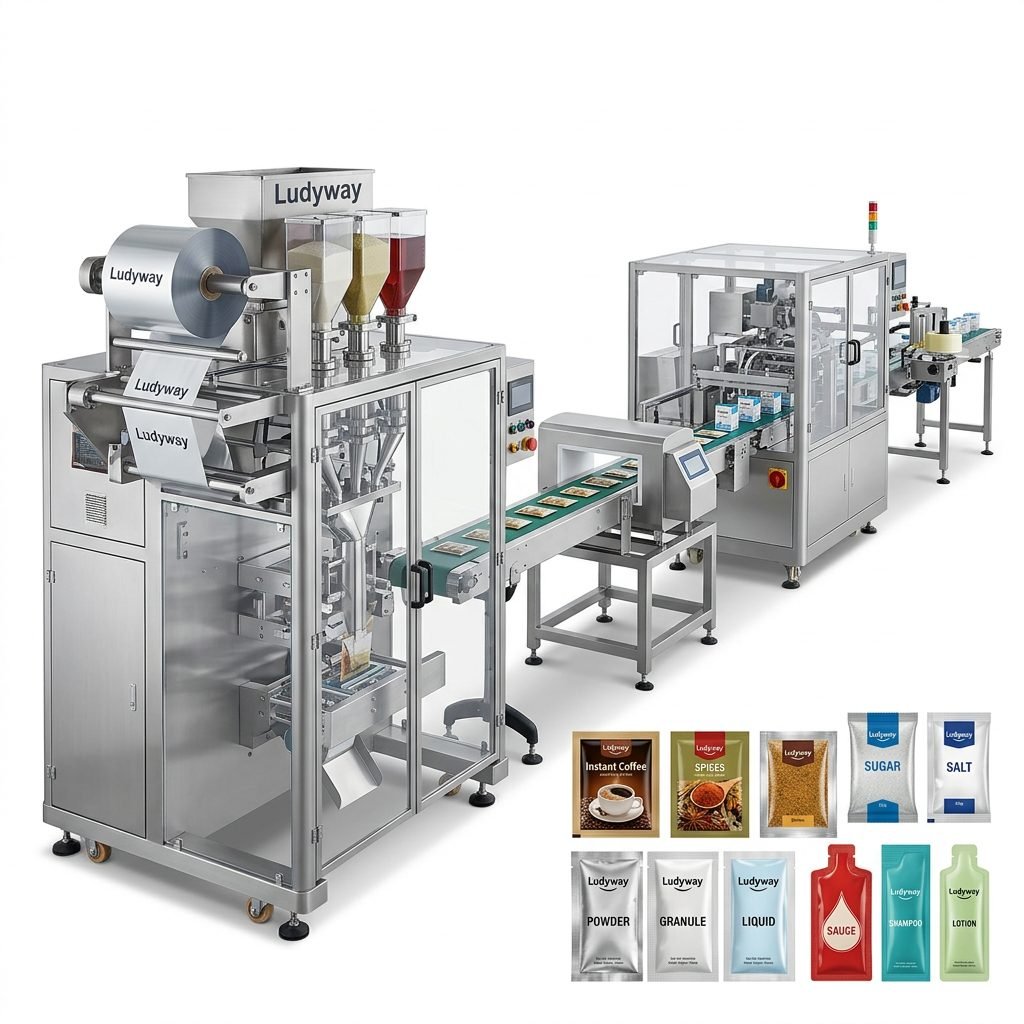
Companies like Ludyway Machinery, with over 30 years of experience and a 20,000-square-meter manufacturing facility, exemplify the type of established packaging machinery partner that combines engineering expertise with comprehensive after-sales support. Manufacturers serving more than 100 countries demonstrate the global service infrastructure that international operations often require.
Budget Considerations and ROI Analysis
The purchase price of a cardboard sleeve packaging machine represents only part of the total investment. A thorough cost analysis should account for:
- Initial capital expenditure — machine cost, shipping, import duties, and installation
- Operational costs — energy consumption, compressed air requirements, and consumables such as glue or tape
- Labor savings — reduced manual packaging labor compared to current processes
- Material waste reduction — precise forming and sealing minimize cardboard and product waste
- Maintenance and spare parts — budget for routine maintenance and replacement components over the machine’s lifespan
- Increased throughput value — higher production speeds enable greater output without proportional cost increases
Many manufacturers find that a well-specified cardboard sleeve packaging machine delivers return on investment within 12 to 24 months through labor savings and efficiency gains alone, with additional benefits from improved product presentation and reduced transit damage.
Questions to Ask Before Finalizing Your Decision
Before committing to a purchase, be prepared to discuss these critical questions with potential suppliers:
- What are the minimum and maximum product dimensions the machine can accommodate? Ensure your entire product range fits within these parameters, including any planned future additions.
- How long does a complete format changeover take, and is it tool-free? Frequent changeovers make this a critical productivity factor.
- What cardboard grades and thicknesses have been validated on this machine? Material compatibility testing prevents operational surprises.
- Can the machine integrate with our existing line equipment? Communication protocols, conveyor heights, and mechanical interfaces must align.
- What is the typical lead time for delivery, installation, and commissioning? Plan your project timeline accordingly and confirm availability.
- What spare parts are recommended for the first year of operation? Proactive parts stocking reduces the risk of extended downtime.
- Is remote diagnostic support available? For international operations, remote troubleshooting can significantly reduce service response times.
Making the Final Selection
Selecting the right cardboard sleeve packaging machine requires balancing technical specifications, supplier capabilities, budget constraints, and long-term operational goals. Start by clearly defining your requirements through the PMMI packaging resources framework, then systematically evaluate machines and manufacturers against those criteria. Where possible, arrange factory acceptance testing or visit reference installations to observe equipment performance in real production environments.
The right packaging machinery investment not only improves current production efficiency but also positions your operation for scalable growth. By thoroughly evaluating the factors outlined in this guide, you can make a confident, informed decision that supports your manufacturing objectives for years to come.