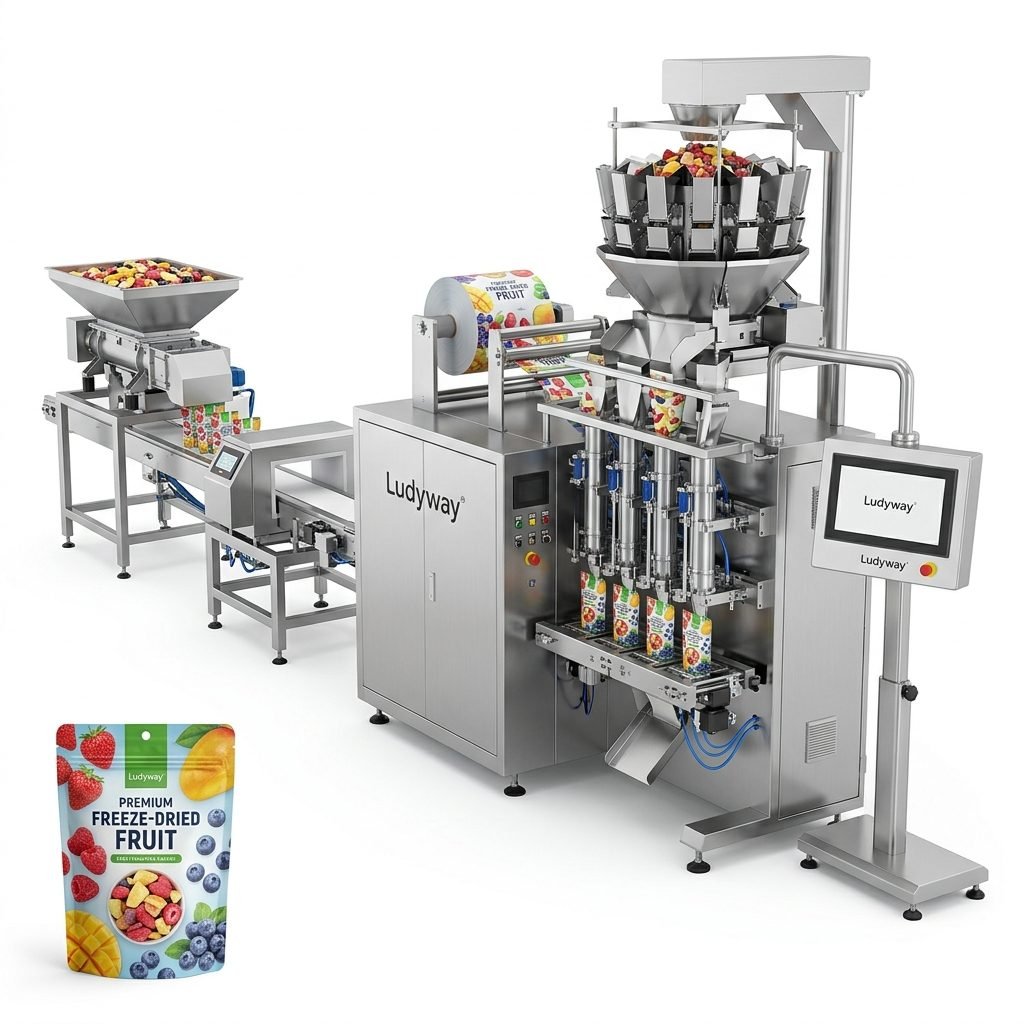
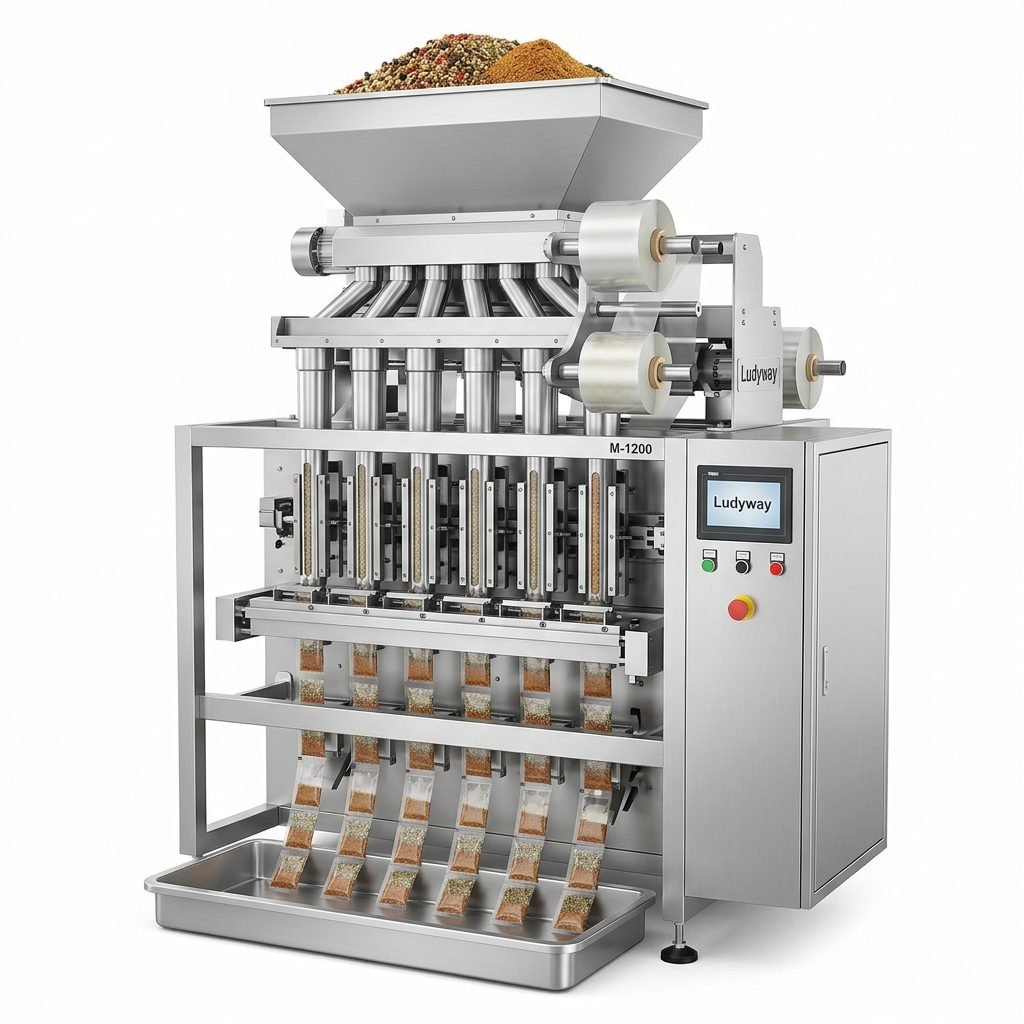
Investing in a Little David packaging machine is a significant decision for any manufacturing or distribution operation. Whether you are upgrading an existing line or automating a manual process, selecting the right case sealer, box erector, or packaging system can have a direct impact on throughput, labor efficiency, and product protection. With multiple models, configurations, and automation levels available, understanding what to look for before making a purchase is essential.
This comprehensive buyer’s guide walks you through the key factors to evaluate when choosing a Little David packaging machine, helping you match the equipment to your operational needs, budget, and long-term production goals.

Understanding the Little David Packaging Machine Range
Little David, a product line under Lantech, is widely recognized for manufacturing case sealers, box erectors, and automated packaging solutions designed for industrial and commercial applications. The equipment range includes both semi-automatic and fully automatic systems that handle uniform case sealing, random case sizing, and high-speed box forming.
Before evaluating individual models, it helps to understand the core categories:
- Uniform Case Sealers — Designed for production lines where all cases are identical in size, offering consistent, repeatable sealing performance at high speeds.
- Random Case Sealers — Automatically adjust to different case sizes on the fly, ideal for distribution centers and operations with mixed packaging requirements.
- Box Erectors / Case Formers — Transform flat corrugated sheets into formed boxes ready for filling, significantly reducing manual labor.
- Tray Formers — Build trays for display-ready packaging or specialized shipping configurations.
Key Factors to Consider When Choosing a Packaging Machine
1. Production Volume and Line Speed
Your current and projected production throughput should be the starting point for any equipment decision. Little David machines are rated for different speeds, typically measured in cases per minute (CPM). A small-scale operation may only need 5–10 CPM, while a high-volume distribution center could require 20–30 CPM or more.
Ask yourself: What is your peak daily output? Are you planning to scale operations within the next three to five years? Choosing a machine with headroom beyond your current needs can prevent costly upgrades later.
2. Case Size Variability
If your operation processes multiple case sizes throughout the day, a random case sealer will likely deliver better value than a uniform model. Random case sealers from the Little David line can automatically detect and adjust to varying widths and heights, reducing changeover time and operator intervention.
For operations that run the same case dimensions consistently, a uniform sealer offers greater speed and mechanical simplicity, often at a lower upfront cost.
3. Tape vs. Glue Sealing Technology
Little David machines traditionally excel in pressure-sensitive tape sealing, which remains the most common method for sealing corrugated cases. However, some applications may benefit from hot melt glue systems for stronger, tamper-evident seals. Consider the following comparison:
| Feature | Tape Sealing | Glue Sealing |
|---|---|---|
| Cost | Lower consumable cost | Higher initial and consumable cost |
| Seal Strength | Good for standard shipping | Excellent, tamper-resistant |
| Maintenance | Simple, low maintenance | Requires regular cleaning |
| Speed | Fast cycling | Slightly slower curing time |
4. Footprint and Facility Integration
Measure your available floor space carefully. Little David machines come in various frame sizes — some compact models fit easily into tight production areas, while larger automated systems require dedicated conveyor integration. Consider ceiling height, access for maintenance, and proximity to existing conveyor systems when planning installation.
5. Operator Skill Level and Training
If your workforce has limited experience with automated packaging equipment, look for models with intuitive controls and quick-change features. Some Little David systems incorporate user-friendly touchscreen interfaces, step-by-step setup guides, and tool-free adjustments that reduce training time and operator error.

Application-Specific Considerations
Different industries place different demands on packaging equipment. Here is how various sectors typically approach machine selection:
- Food and Beverage — Hygiene standards often require stainless steel construction and washdown-ready designs. Look for models compatible with food-grade lubricants and easy sanitation protocols. Refer to FDA packaging guidelines for regulatory requirements.
- Pharmaceuticals — Traceability and serialization are critical. Equipment should support integration with track-and-trace systems and meet ISO packaging standards for quality management.
- E-Commerce and Fulfillment — High case variability and rapid throughput demands make random case sealers particularly valuable in this sector. Machine flexibility is often prioritized over raw speed.
- Industrial and Heavy-Duty — Larger cases, heavier products, and tougher environments require robust frame construction and powerful drive systems.
Total Cost of Ownership and ROI Analysis
The purchase price is only one part of the equation. A thorough total cost of ownership (TCO) analysis should account for:
- Consumables — Tape rolls, glue pellets, and replacement blades or belts.
- Energy consumption — Electrical usage over the machine’s expected lifespan.
- Maintenance contracts — Preventive service plans versus reactive repair costs.
- Labor savings — How many manual packers can the machine replace?
- Downtime costs — Reliability and parts availability impact your bottom line.
When calculated over five to seven years, a higher-quality machine with better support infrastructure often delivers significantly lower TCO than a budget alternative with limited service options.
New vs. Refurbished Little David Equipment
Many buyers consider certified refurbished machines as a way to access Little David quality at a reduced price. If you choose this route, verify the following:
- The refurbishment was performed by an authorized service provider
- All wear components have been replaced with OEM parts
- A warranty is included — typically 90 days to 1 year
- The machine’s service history and any modifications are documented
Questions to Ask Suppliers Before Purchase
Before finalizing any equipment purchase, run through this checklist with your supplier or distributor:
- What is the machine’s rated speed and how does it perform under sustained operation?
- Are spare parts readily available in your region, and what is the typical lead time?
- Does the warranty cover both parts and labor?
- Is on-site installation and operator training included or available as a service?
- Can the machine be upgraded or retrofitted with additional automation features later?
- What technical support options are available — phone, remote access, on-site service?
Long-Term Service and Technical Support
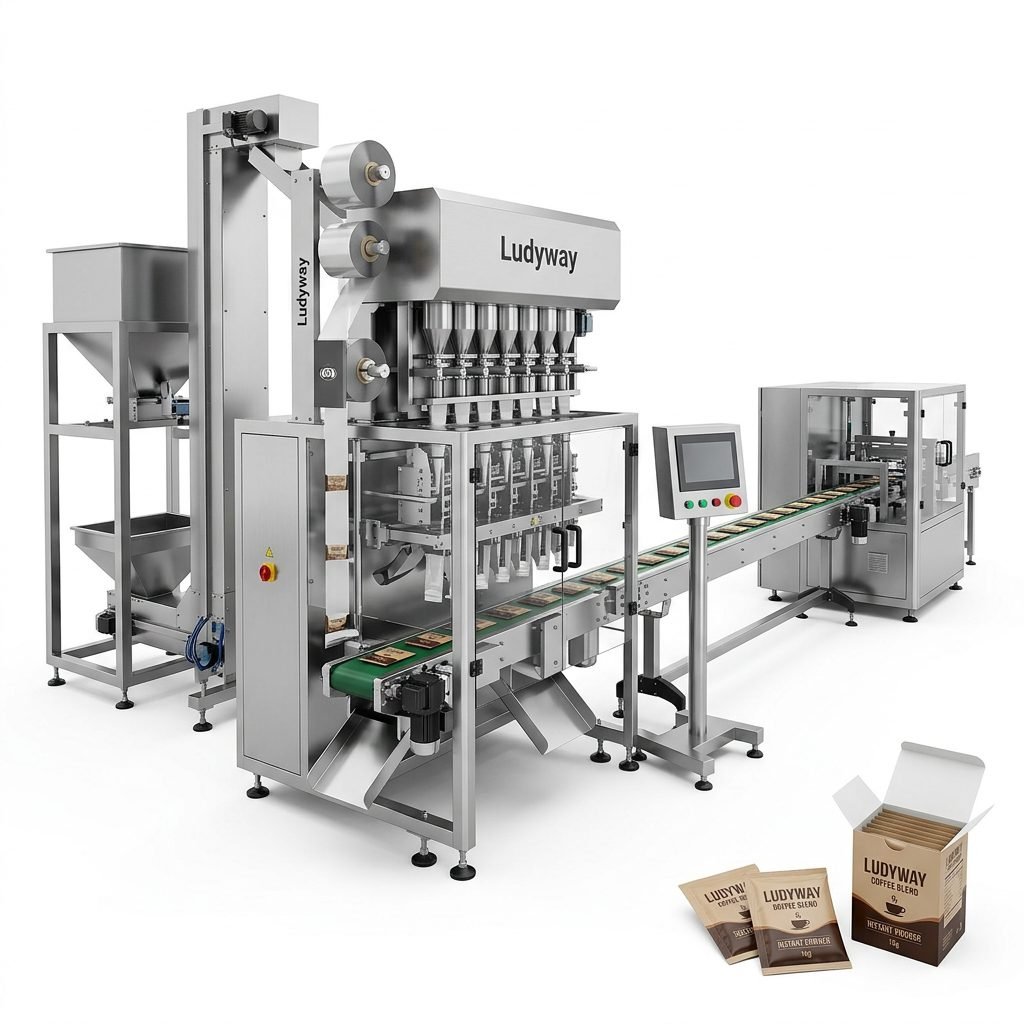
Equipment reliability is only as good as the support behind it. When evaluating a Little David packaging machine, investigate the service infrastructure available in your geographic area. Companies like Ludyway Machinery — a packaging machinery manufacturer with more than 30 years of experience — highlight the value of choosing partners who provide comprehensive after-sales support, including remote technical assistance, operator training, and spare parts supply across global markets.
Access to responsive technical support can dramatically reduce downtime when issues arise, making it a critical factor in the selection process. The Association for Packaging and Processing Technologies (PMMI) provides extensive industry resources that can help buyers benchmark supplier capabilities and stay informed about packaging technology trends.
Making the Final Decision
Selecting the right Little David packaging machine comes down to aligning equipment capabilities with your specific operational requirements. Start by clearly defining your production volume, case size range, and automation goals. Then evaluate machines against objective criteria: speed, flexibility, build quality, service support, and total cost of ownership.
A well-chosen packaging machine is not just a piece of equipment — it is a long-term production asset that can improve efficiency, reduce labor dependency, and protect your products through the supply chain. Take the time to research thoroughly, ask detailed questions, and when possible, arrange a demonstration or visit a reference site before committing to a purchase.
For additional guidance on packaging machinery selection, industry standards, and market intelligence, visit the Flexible Packaging Association for resources on flexible packaging trends and technology developments.