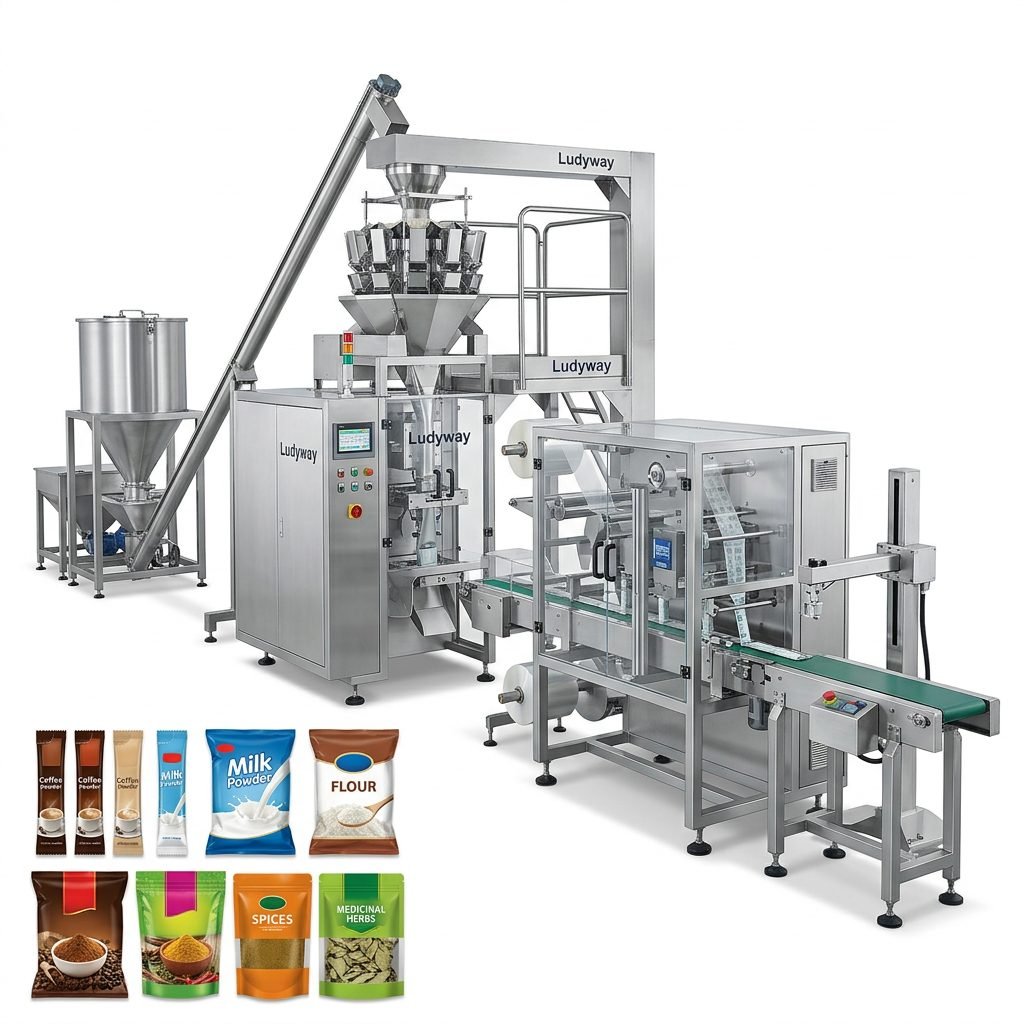
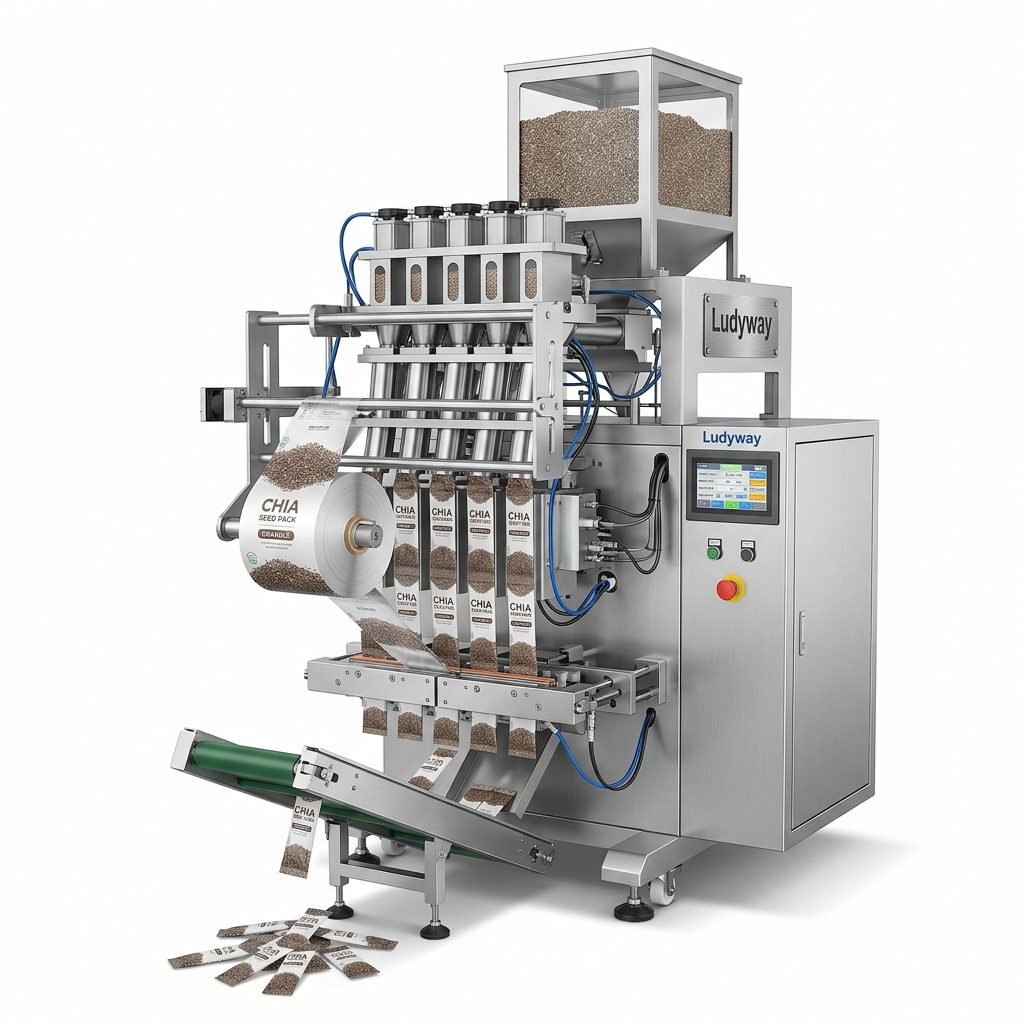
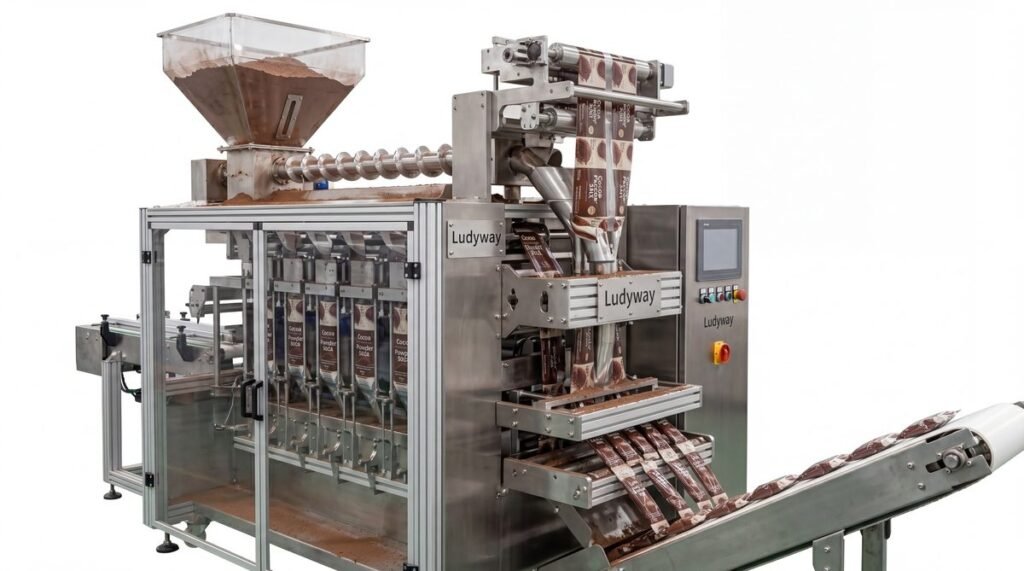
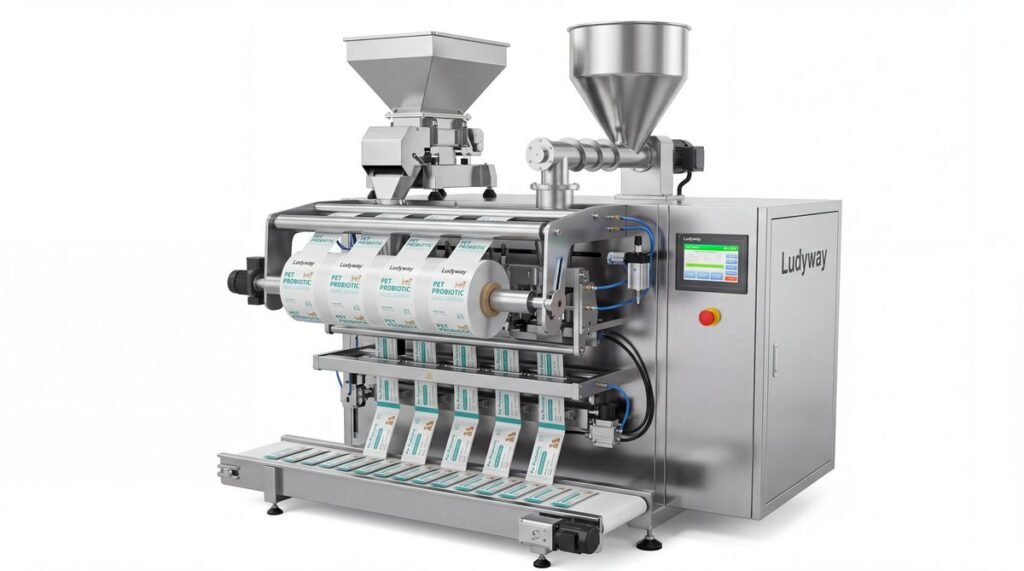
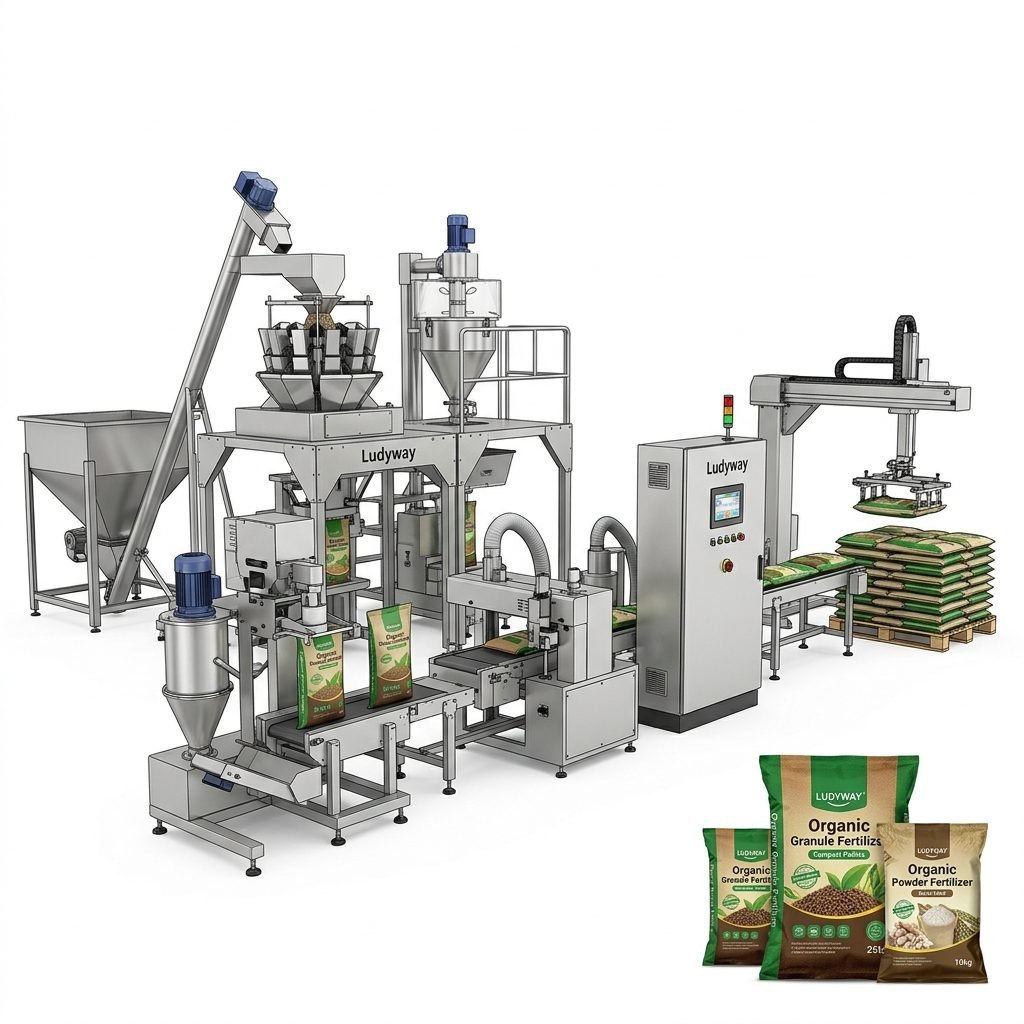
Investing in the right stretch film packaging machine is a critical decision that directly impacts your operational efficiency, product protection, and overall logistics costs. Stretch wrapping technology has evolved significantly, offering solutions from semi-automatic pallet wrappers to fully integrated high-speed automated packaging lines with robotic material handling. This comprehensive buyer’s guide will walk you through the essential factors to evaluate before making your purchase.
Understanding Your Core Packaging Requirements
Before comparing machine specifications, you need to clearly define your operational parameters. These foundational requirements will narrow your options significantly and prevent costly mismatches between your needs and the equipment’s capabilities.
- Load dimensions and weight: Measure the maximum and minimum pallet sizes, including irregular or oversized loads that may pass through your facility.
- Production throughput: Calculate how many loads per hour or per shift require wrapping. This number determines whether a semi-automatic turntable, a rotary arm, or a fully automated system is necessary.
- Film type and specifications: Consider whether you will use standard cast film, blown film, pre-stretched film, or specialized films such as vented, anti-static, or colored options.
- Environmental conditions: Evaluate ambient temperature, humidity, dust levels, and whether the machine will operate in a washdown, cold storage, or hazardous environment.
- Integration requirements: Determine if the wrapper needs to connect with existing automated conveyor and material handling systems.
Types of Stretch Film Packaging Machines
The market offers several machine configurations, each designed for specific throughput levels and load characteristics. Understanding these categories is essential for aligning your investment with operational demands.
Semi-Automatic Turntable Wrappers
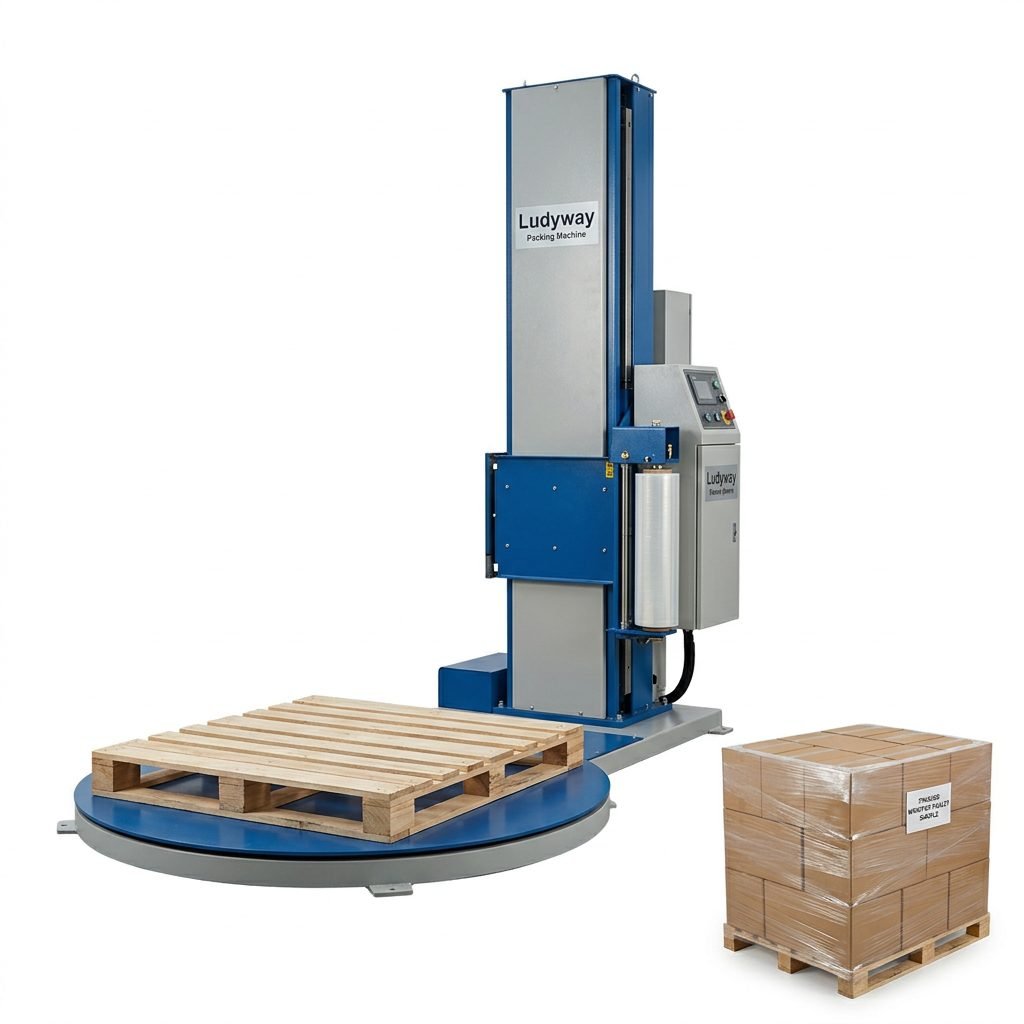
These machines feature a rotating turntable where the operator places the pallet, attaches the film, and initiates the wrapping cycle. Ideal for lower-volume operations wrapping fewer than 30 loads per day, semi-automatic turntable wrappers offer a cost-effective entry point with relatively simple operation and maintenance. They work well for consistent, uniform pallet sizes and standard stretch film applications.
Rotary Arm Wrappers
Instead of rotating the pallet, a rotary arm machine keeps the load stationary while the film carriage rotates around it. This design is particularly valuable for heavy, unstable, or delicate loads that cannot be rotated safely. Rotary arm machines are common in industries handling large drums, heavy machinery components, or products that shift during rotation.
Fully Automatic Wrapping Systems
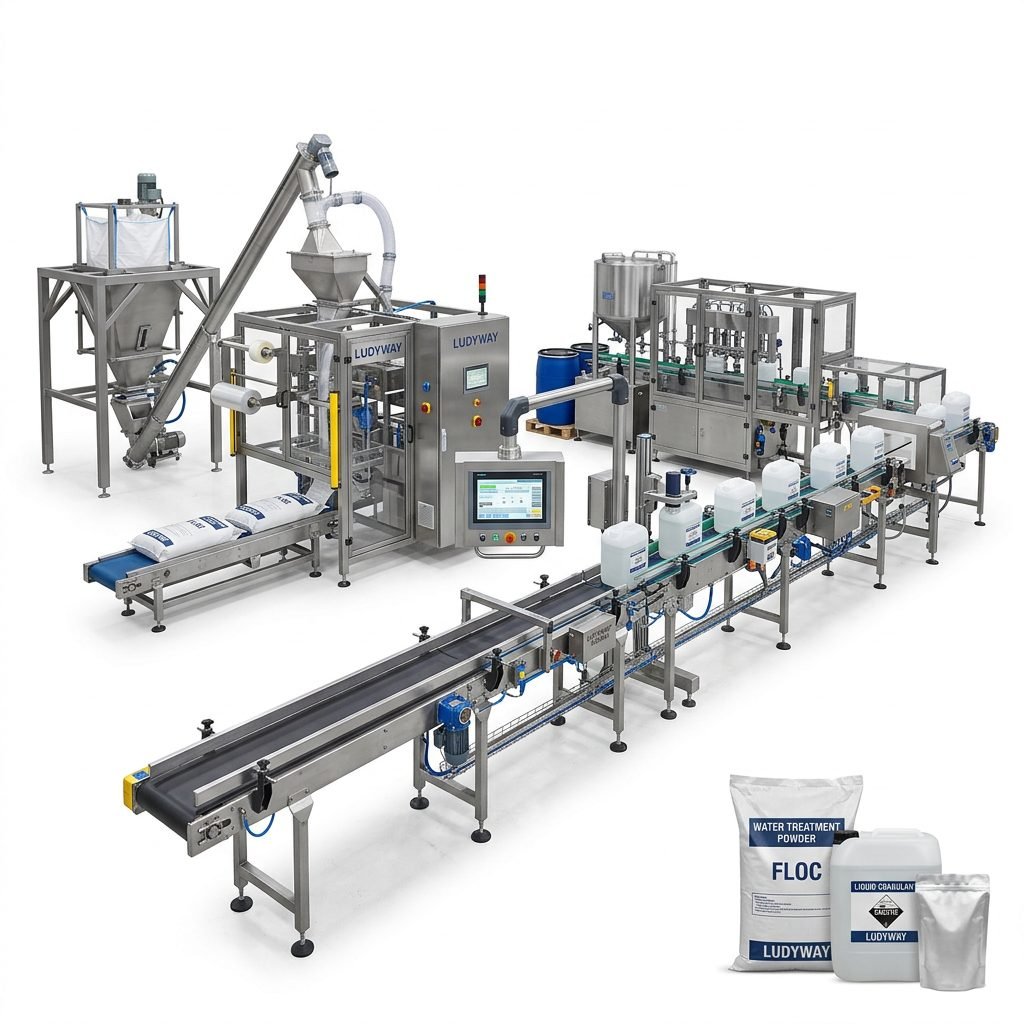
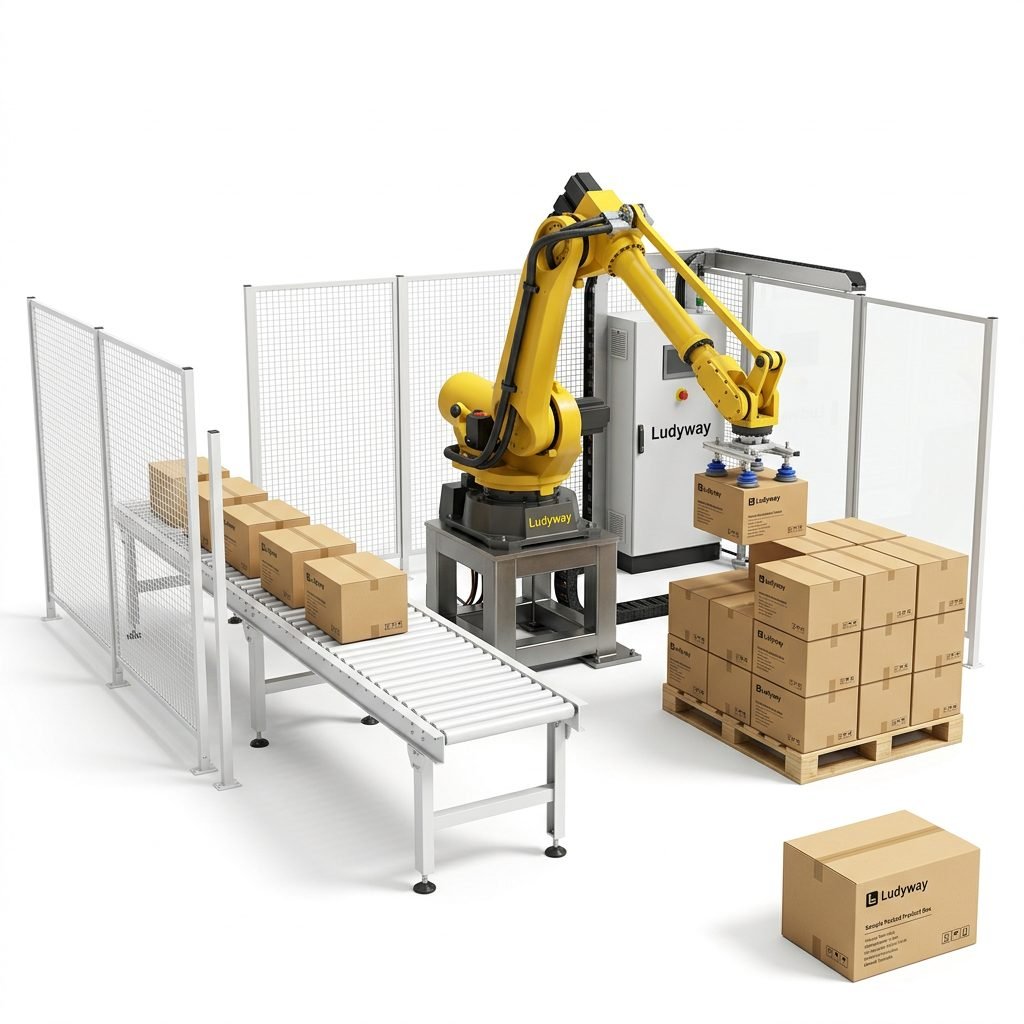
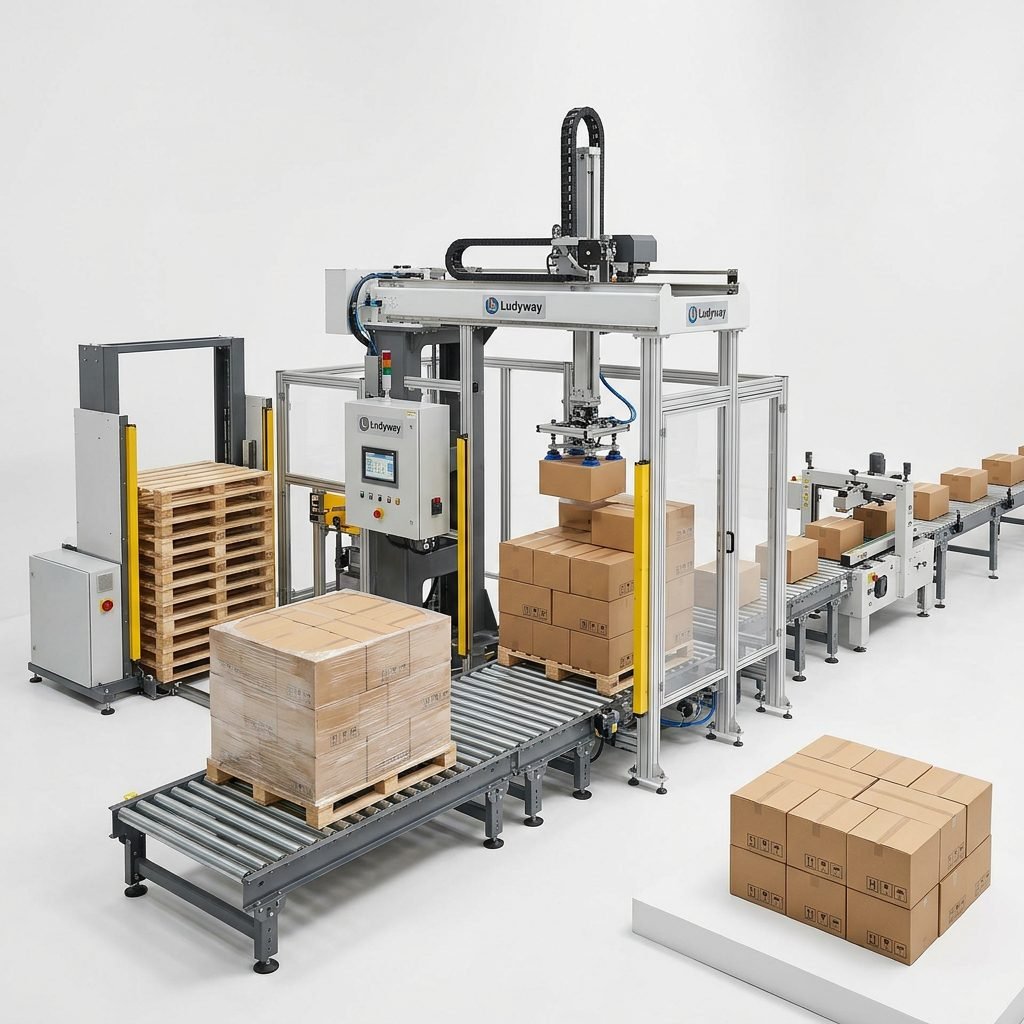
Designed for high-throughput environments, fully automatic systems integrate with powered conveyors to handle loading, wrapping, and discharge without operator intervention. These systems can process 50 to 150 or more loads per hour and often include automatic film cutting and clamping, load height detection, and programmable wrap patterns. For companies seeking custom turnkey packaging systems, automatic wrappers can be configured with custom infeed and outfeed conveyors, top sheet dispensers, and weighing stations.
Robotic and Mobile Wrapping Solutions
Emerging technologies include robotic stretch wrappers that navigate autonomously to wrap loads at various locations within a facility. These flexible solutions eliminate fixed infrastructure requirements and adapt to changing warehouse layouts.
Critical Technical Specifications to Evaluate
Once you have identified the appropriate machine category, evaluate the technical specifications that will determine long-term performance and reliability.
| Specification Category | Key Considerations | Impact on Performance |
|---|---|---|
| Wrapping Speed | Turntable RPM, film carriage speed, cycles per hour | Directly determines maximum throughput capacity |
| Pre-stretch Ratio | Mechanical vs. powered pre-stretch, ratio range (typically 150%-300%) | Higher ratios reduce film consumption and operating costs |
| Load Capacity | Maximum weight rating, turntable diameter, structural reinforcement | Must exceed your heaviest load by a safety margin |
| Control System | PLC type, HMI interface, programmable wrap patterns, data logging | Affects ease of use, repeatability, and integration capabilities |
| Film Carriage | Number of carriages, powered vs. passive, film tension control | Multi-carriage options increase throughput for high-volume lines |
Film Compatibility and Consumption Optimization
Stretch film represents a significant ongoing operational cost, and machine selection directly influences film consumption efficiency. Modern pre-stretch systems can stretch film up to 300% of its original length before application, dramatically reducing material usage while maintaining or improving load containment.
When evaluating film compatibility, consider these factors:
- Film gauge range: Ensure the machine can handle the thickness of film you intend to use, from lightweight 50-gauge to heavy-duty 120-gauge or higher.
- Pre-stretch type: Powered pre-stretch carriages with adjustable ratios provide consistent film tension regardless of roll diameter and turntable speed.
- Film width accommodation: Most industrial machines handle 20-inch film rolls, but verify compatibility if you use narrower or wider specifications.
- Roll change efficiency: Quick-change roll carriages reduce downtime between film changes and improve operator ergonomics.
Automation and Integration Capabilities
For manufacturers planning to scale operations, automation readiness is a crucial consideration. Even if you start with a semi-automatic machine, ensuring future upgrade paths can protect your investment.
Conveyor Integration
Automatic wrappers must synchronize with powered conveyor systems for pallet infeed and outfeed. Look for machines with standardized communication protocols that can interface with your existing or planned warehouse management systems. For integrated smart factory packaging solutions, the wrapper should support Ethernet/IP, PROFINET, or Modbus TCP communication standards used in modern industrial environments.
Data Collection and Industry 4.0 Readiness
Advanced stretch wrappers now offer data collection capabilities including film usage per load, cycle counts, alarm logs, and maintenance reminders. This data supports predictive maintenance programs and continuous improvement initiatives. Machines with OEE tracking capabilities can help identify bottlenecks and optimize overall packaging line performance.
Customization and Application-Specific Configurations
Standard machine configurations may not address unique packaging challenges. Leading manufacturers like Ludyway Machinery offer customized engineering to adapt equipment to specific product characteristics, packaging materials, bag sizes, filling volumes, and production speeds. Consider whether you need:
- Top sheet dispensers for weather protection or dust exclusion on open-top loads
- Roping attachments that concentrate film into a reinforced rope for heavy load stabilization
- Scale integration for automatic weighing and labeling during the wrapping cycle
- Corner board applicators for edge protection on fragile or high-value products
- In-line stretch hooding as an alternative technology for specific load types and environmental exposure
Supplier Evaluation and Support Infrastructure
Beyond machine specifications, your supplier’s engineering capabilities, service network, and commitment to support significantly impact long-term equipment effectiveness. When evaluating potential suppliers, investigate their manufacturing quality standards, certifications compliance, and after-sales support infrastructure. For more information on industry standards, resources from PMMI – Packaging Industry Resources and Flexible Packaging Association provide valuable benchmarks.
Key supplier evaluation criteria should include:
- Installation and commissioning: Does the supplier provide on-site installation support and operator training?
- Preventive maintenance: What maintenance schedules, spare parts availability, and service contracts are offered?
- Remote support: Can technical issues be diagnosed and resolved through remote connectivity?
- Application engineering: Does the supplier have the engineering capability to customize machines for your specific load types?
- International standards: For companies exporting to multiple regions, verify that the equipment can meet relevant ISO packaging standards and regulatory requirements.
Total Cost of Ownership Analysis
The purchase price represents only a portion of the total cost of ownership (TCO) for a stretch film packaging machine. A comprehensive financial analysis should include these cost categories over the expected machine lifetime of 10 to 15 years or more.
| Cost Component | Estimated Share of TCO | Optimization Opportunities |
|---|---|---|
| Initial equipment investment | 15-25% | Right-size machine selection, avoid over-specification |
| Stretch film consumption | 45-60% | Higher pre-stretch ratios, optimized wrap patterns |
| Energy and utilities | 5-8% | Efficient motors, variable frequency drives |
| Maintenance and spare parts | 8-12% | Preventive maintenance programs, quality components |
| Labor and training | 5-10% | Automation reduces direct labor; invest in operator training |
| Downtime and lost production | Variable, potentially significant | Reliable equipment, responsive service support |
Making the Final Selection: Decision Framework
After evaluating technical specifications, film economics, and supplier capabilities, use this structured decision framework to finalize your selection:
- Validate throughput requirements: Confirm that the selected machine can handle peak production periods with adequate capacity buffer (typically 20-30% above current maximum demand).
- Conduct film trials: Test your actual products and load configurations with the machine using different film types and gauge variations. Film performance varies significantly with load characteristics.
- Review real-world references: Speak with current users of the same machine model in similar applications. Request reference visits or video demonstrations of machines in production environments comparable to yours.
- Evaluate total lifecycle costs: Calculate the 5-year and 10-year TCO projections including film, energy, maintenance, and projected downtime costs based on supplier-provided reliability data.
- Assess scalability: If future production growth is anticipated, ensure the machine platform supports upgrades such as higher-speed carriages, additional automation modules, or integration with custom turnkey production line solutions.
Selecting the right stretch film packaging machine requires a balance of technical capability, operational fit, and long-term economic value. By thoroughly evaluating your requirements across the dimensions outlined in this guide, you can make a confident purchasing decision that supports your packaging efficiency, product protection, and operational consistency for years to come. For additional regulatory guidance, resources from ISO packaging and distribution standards and the PMMI Business Intelligence Library offer comprehensive industry benchmarks and market intelligence.