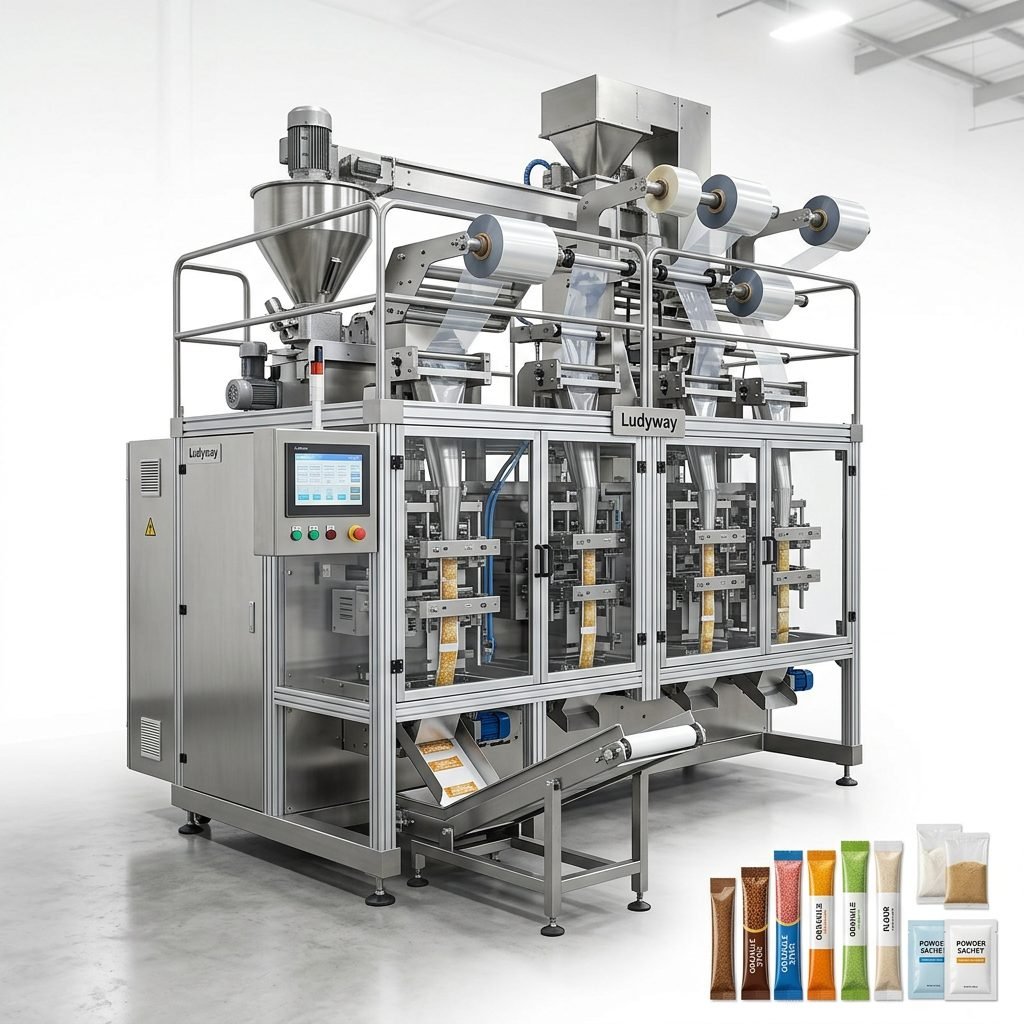
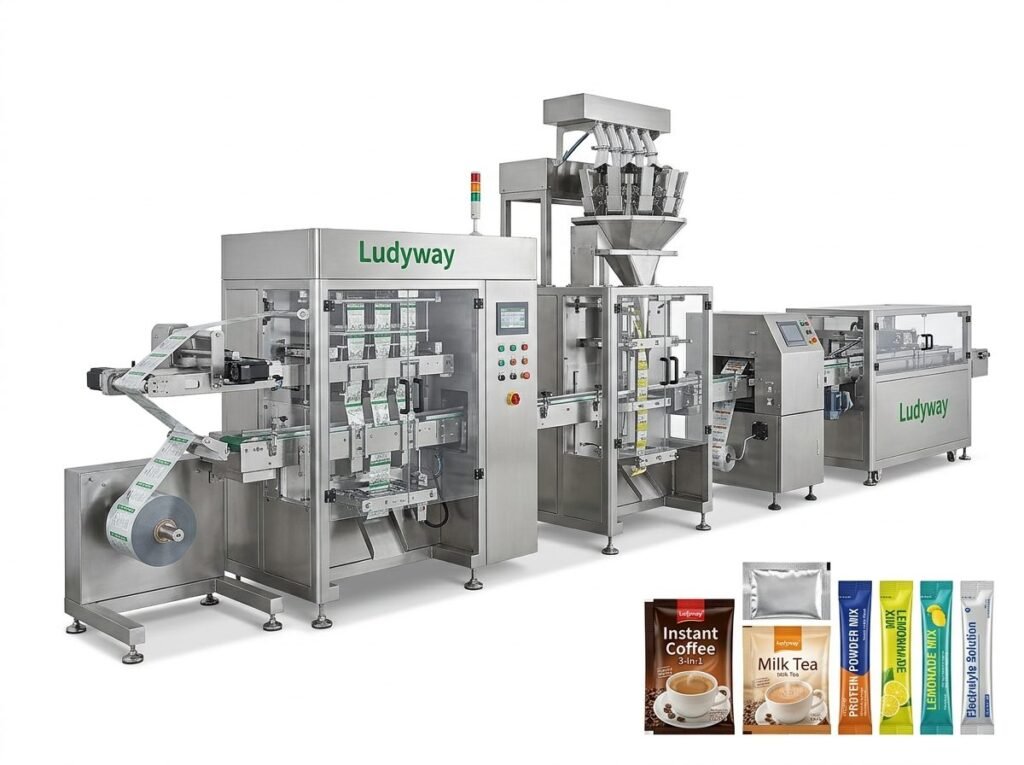
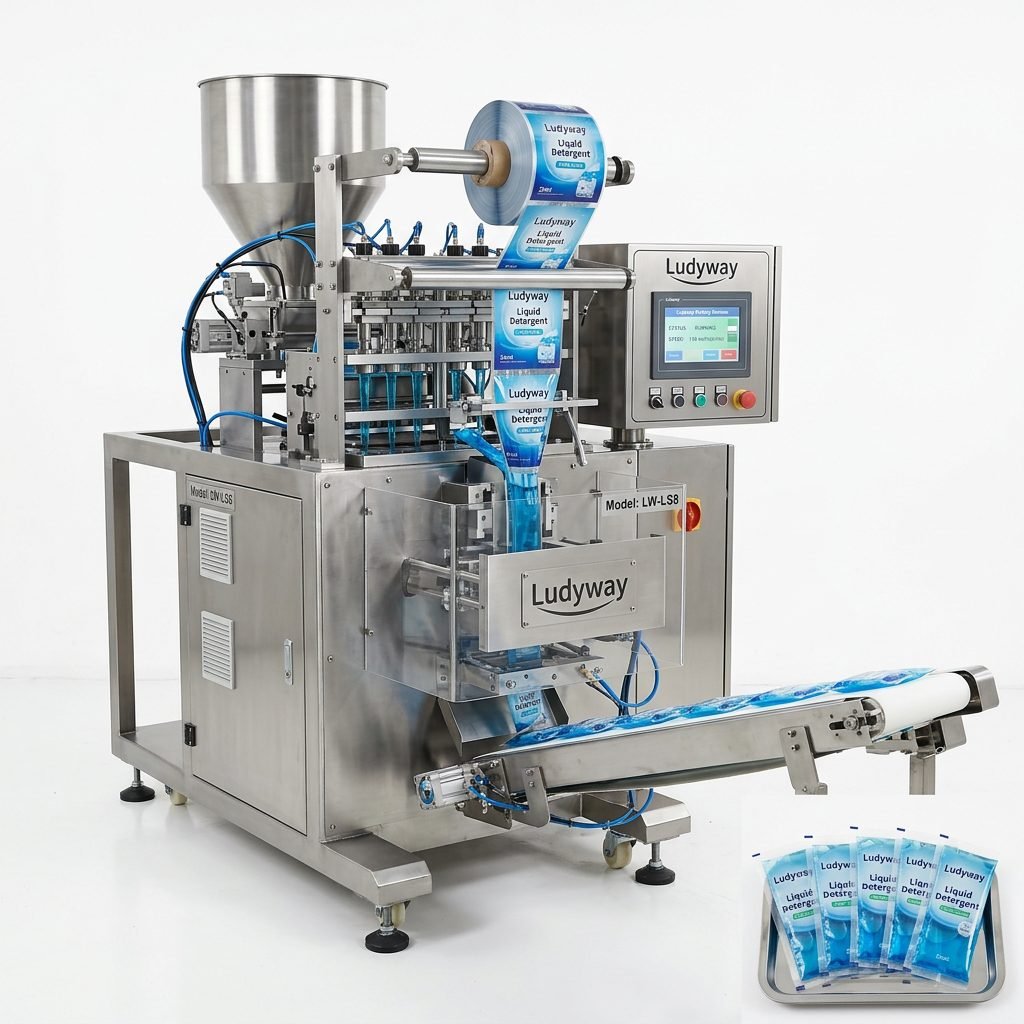
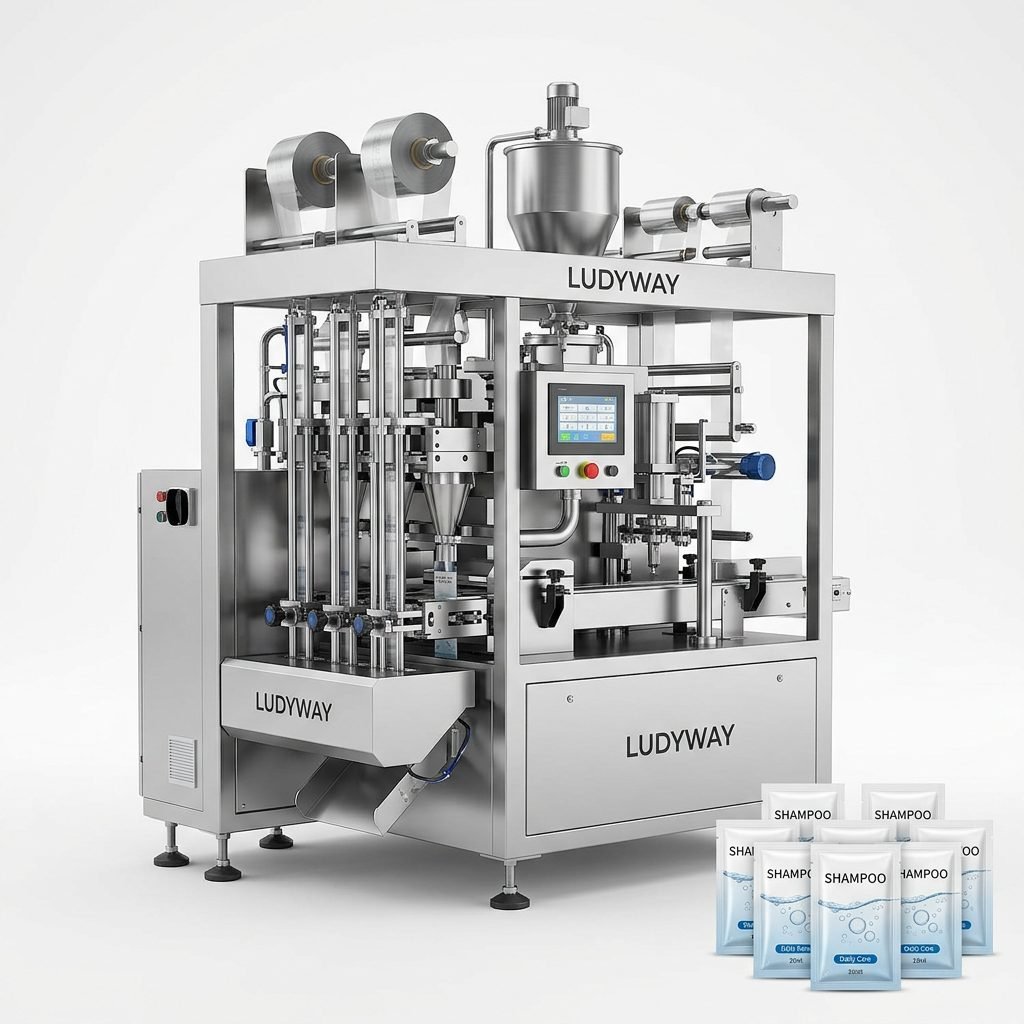
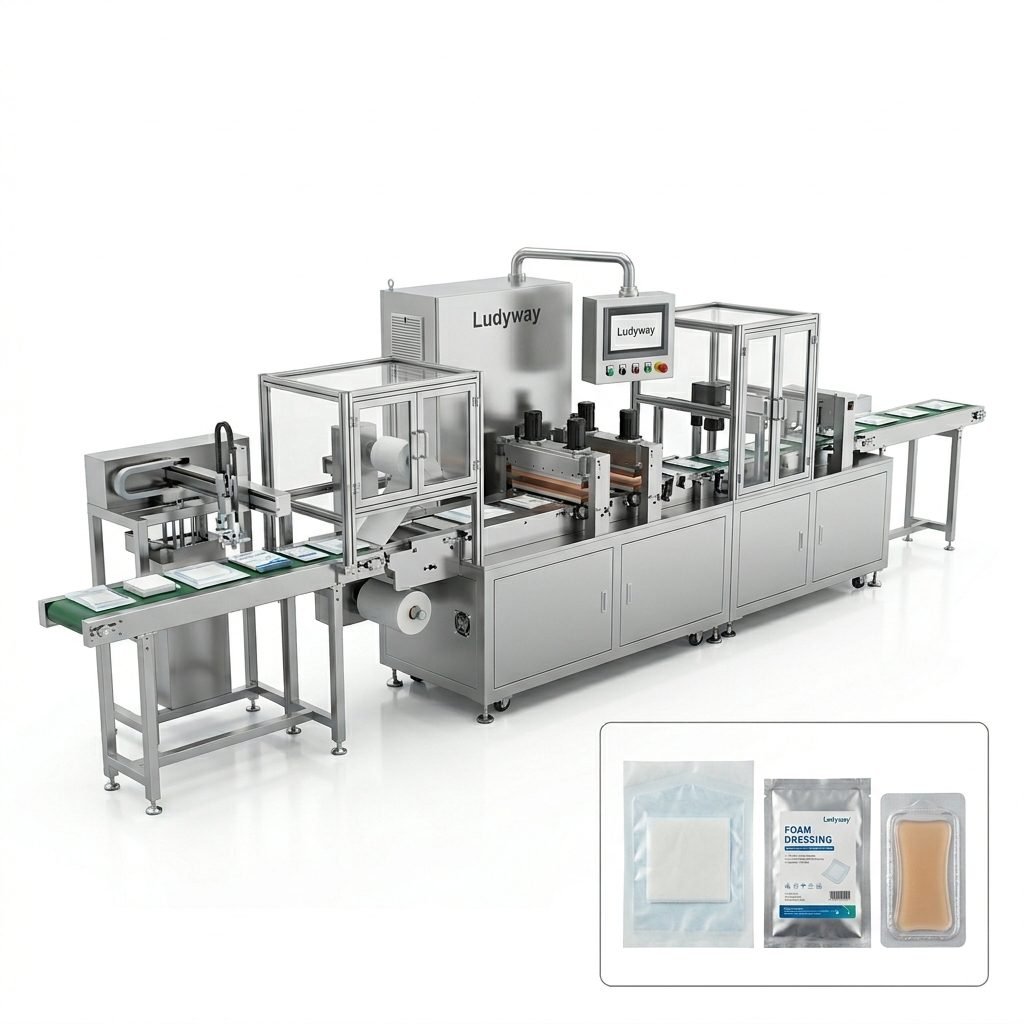
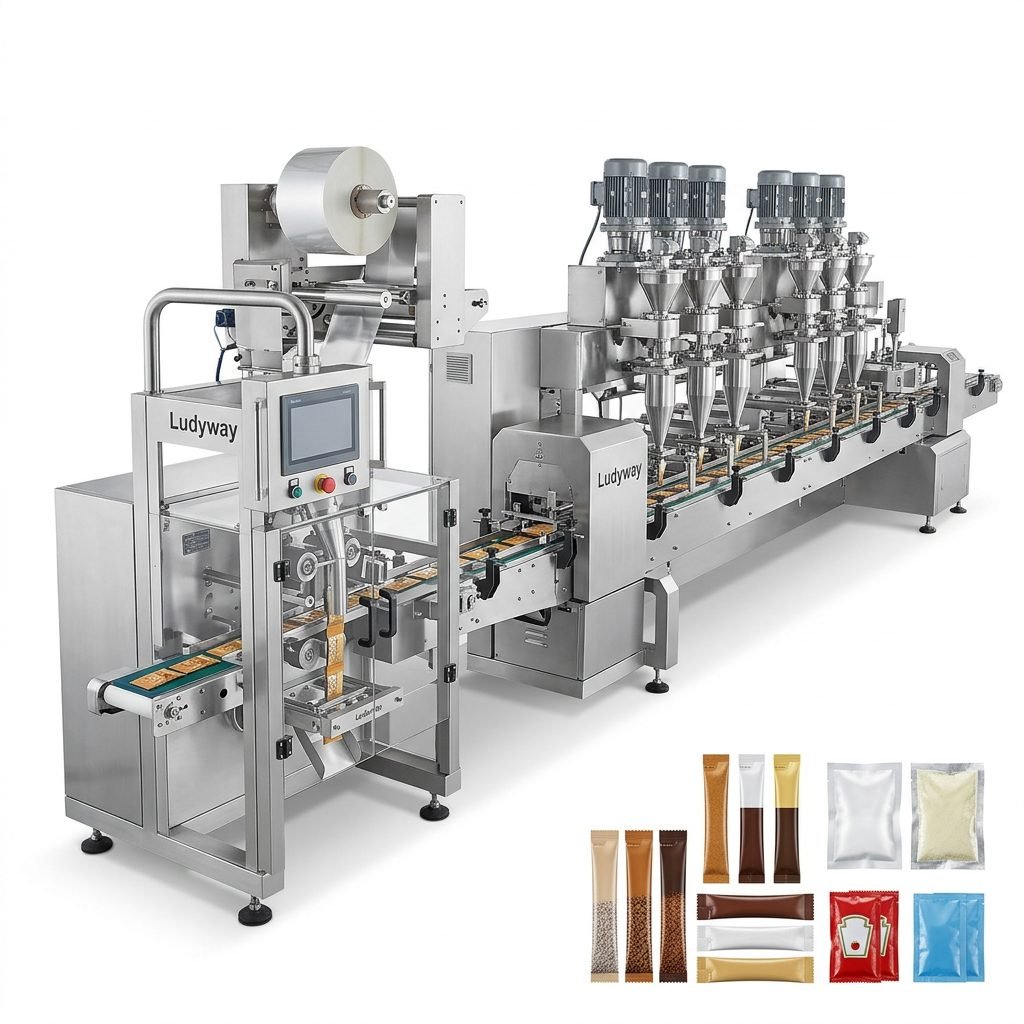
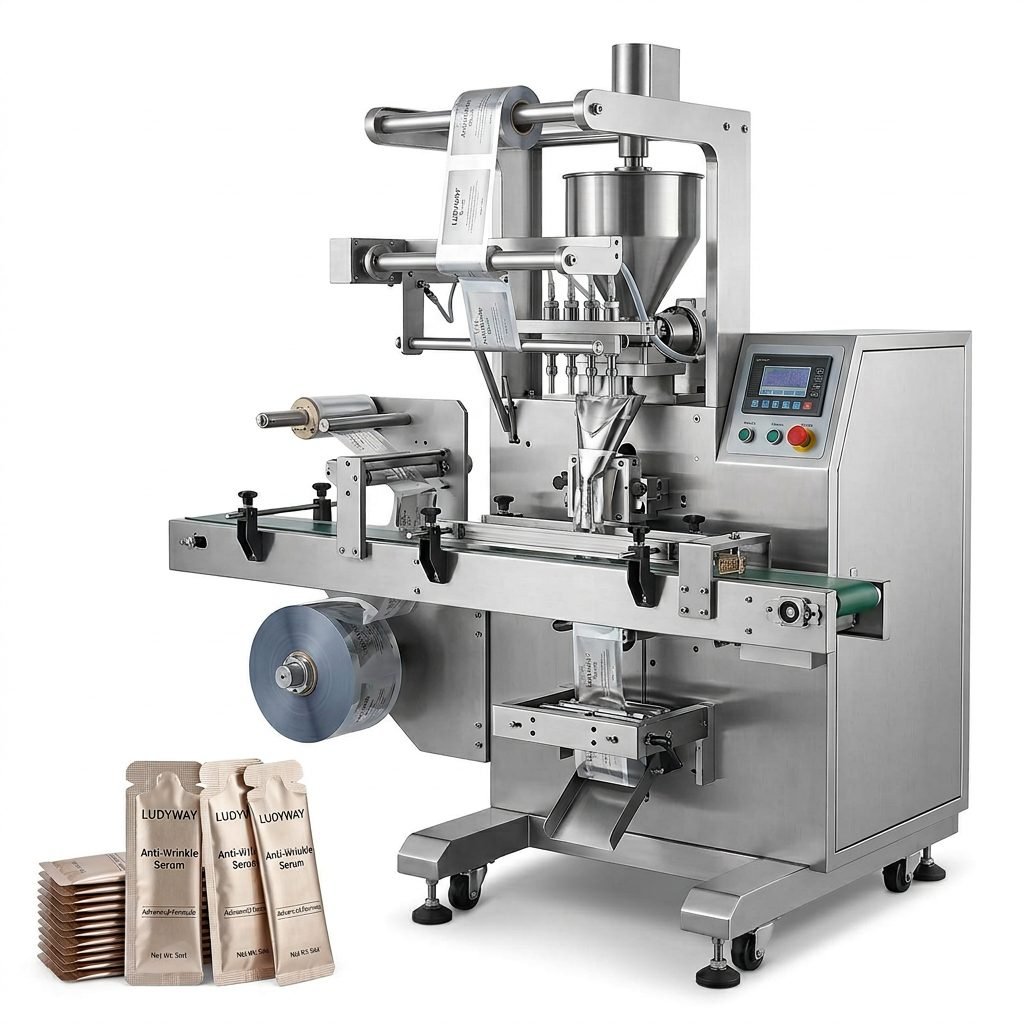
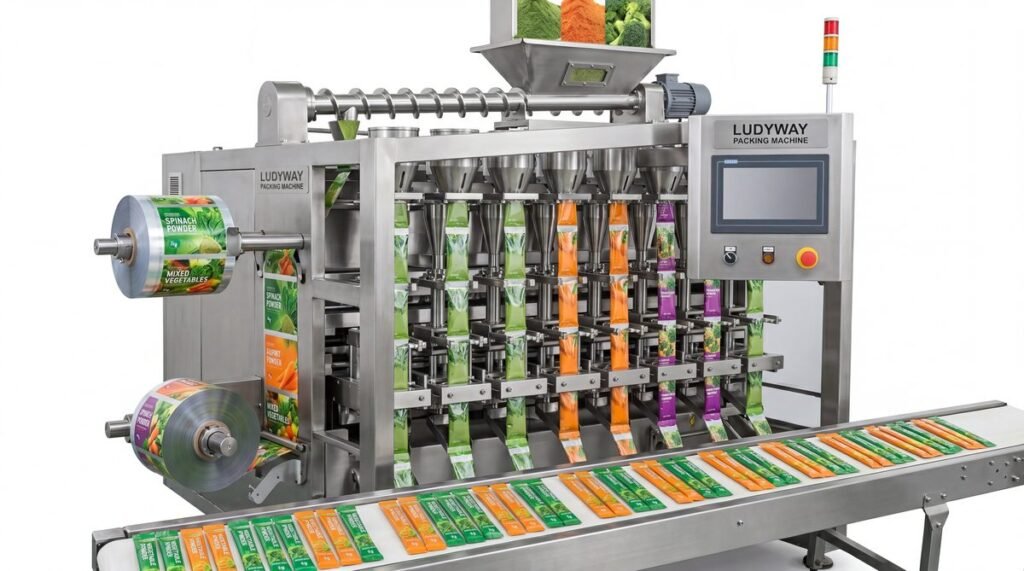
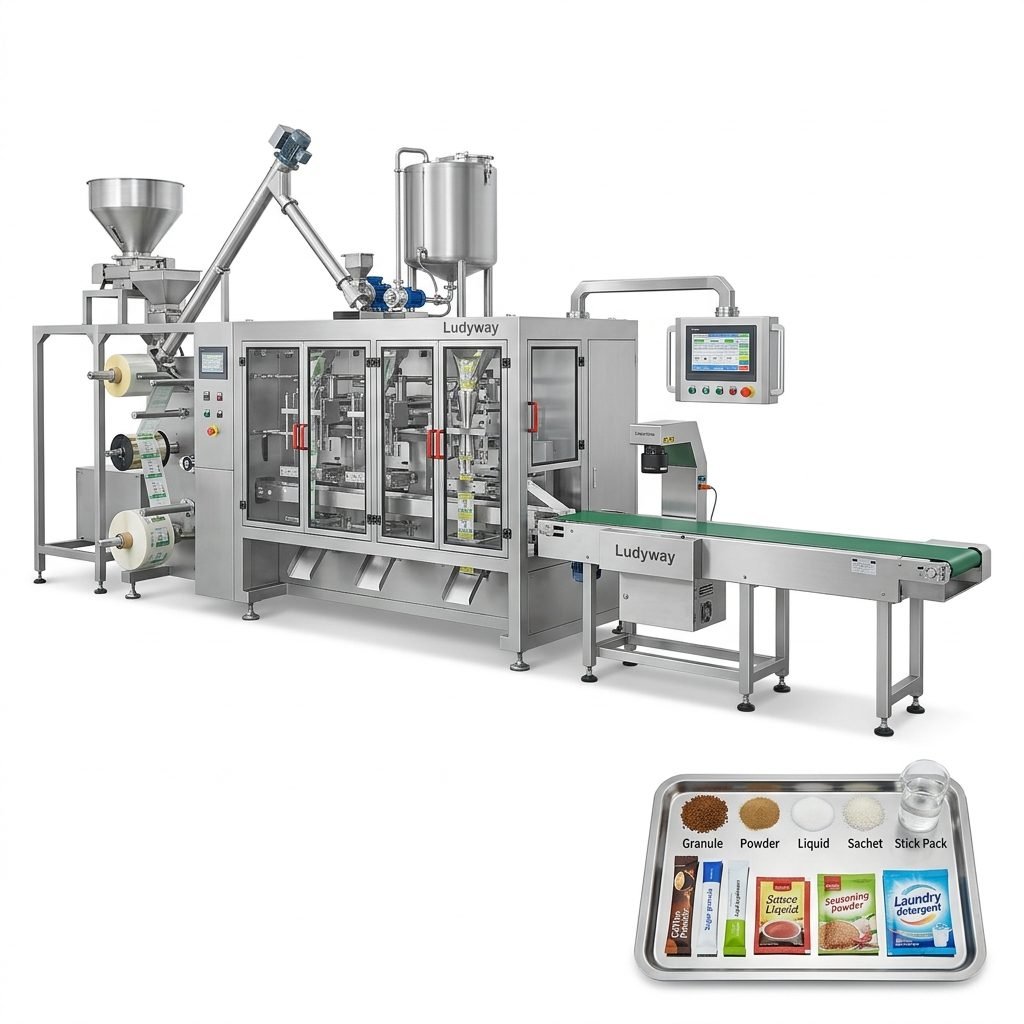
Operational efficiency in modern production environments relies heavily on the reliability of your equipment. A multi-purpose packing machine often handles various products—from granules and powders to liquids—making it a critical asset. Without a structured maintenance routine, minor issues can quickly escalate into costly downtime. This guide provides actionable steps to keep your equipment performing at its peak.
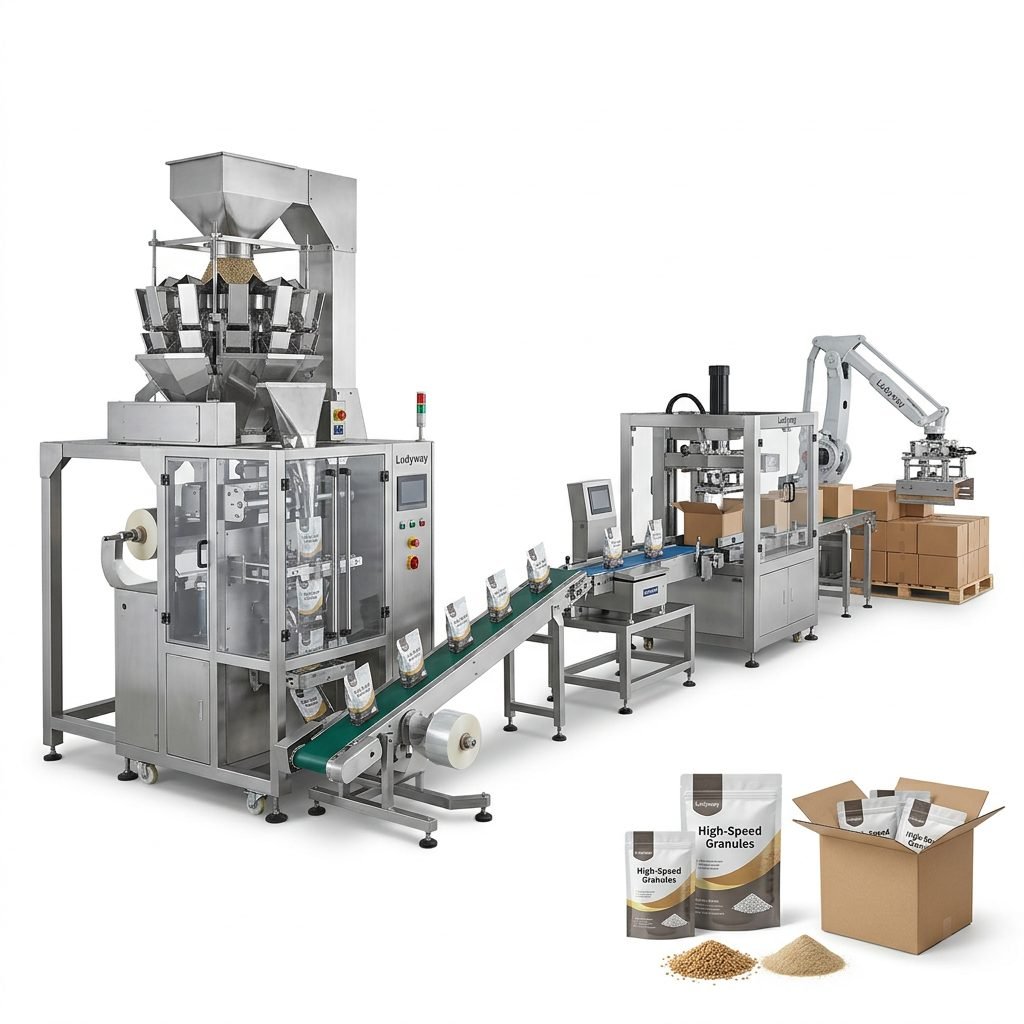
1. Daily Cleaning and Visual Inspections
The foundation of effective maintenance is a consistent daily routine. Product residue, dust, and debris can contaminate seals and clog moving parts. At the end of each shift, operators should perform a thorough wipe-down of surfaces that contact the product. For a multi-purpose packing machine, pay special attention to areas where material transitions from hoppers to filling nozzles.
Key daily checks include:
- Inspecting sealing jaws for burnt residue or sticky build-up.
- Checking the forming tube for scratches that could cause film jams.
- Verifying that the film tracking is straight and free of wrinkles.
- Draining the air filter traps to remove moisture from pneumatic systems.
2. Weekly Preventive Maintenance Tasks
Weekly maintenance allows you to dig deeper into the mechanical health of the machine. This proactive approach prevents unscheduled stoppages. Lubrication is paramount during this stage. Refer to your manual to identify all grease points on the cam drives, gears, and chains.
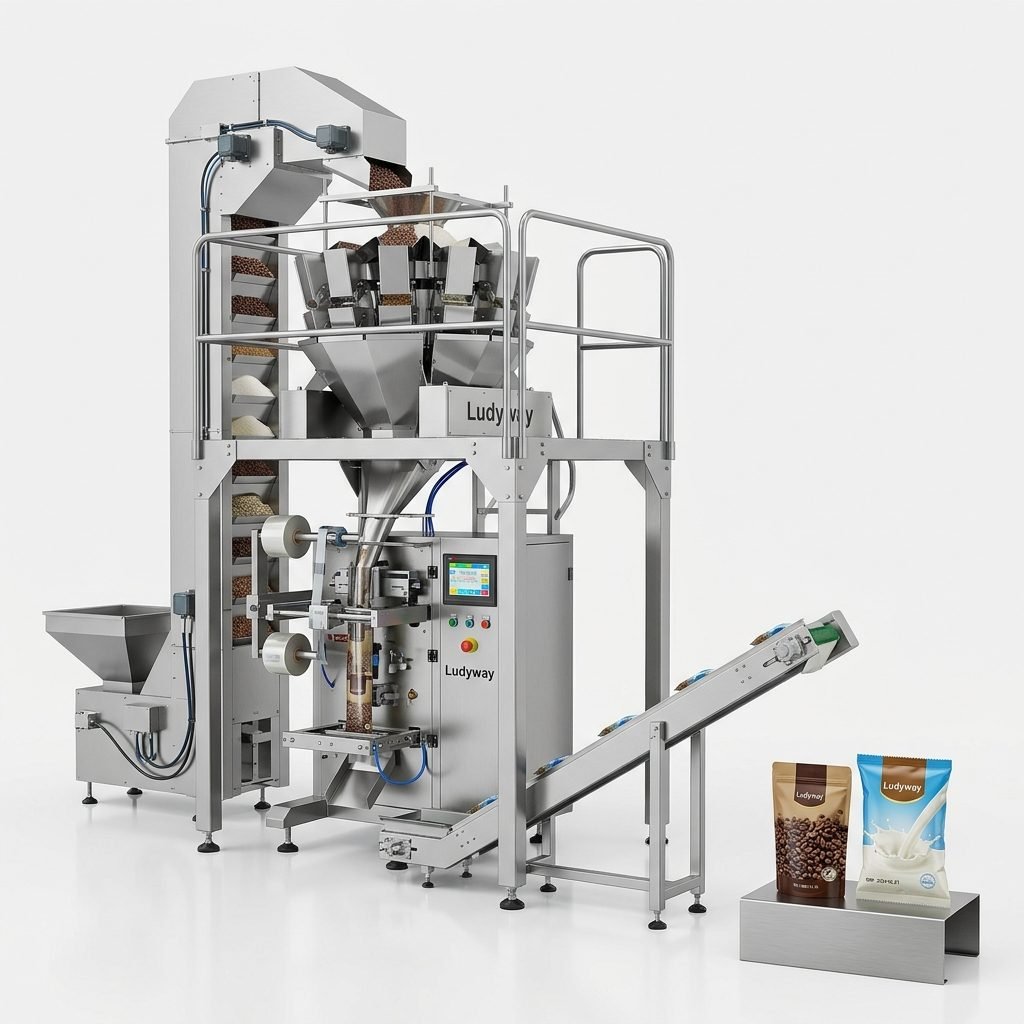
Your weekly checklist should include:
- Tightening loose bolts, nuts, and clamps that may vibrate loose during high-speed operation.
- Testing safety sensors and emergency stops to confirm they stop the machine instantly.
- Cleaning the photocell sensors with a lint-free cloth to ensure accurate film registration.
- Inspecting electrical cabinets for dust accumulation that can cause overheating.
3. Monthly Mechanical Adjustments
Monthly sessions focus on alignment and calibration. Vibration over time naturally shifts the sync between the film feeding, vertical sealing, and cross-sealing stations. Misalignment is a common cause of leaking packages or off-center crimps.
Check the belt tension on the main drive and the film feed rollers. If you swap between different products—such as switching from free-flowing granules to fine powders—you must recalibrate the auger or volumetric cup fillers to ensure the pack weight remains consistent.
4. Quarterly and Deep Component Care
Every three months, dedicate a block of time for a deep dive into critical components. This is when you replace wear items before they fail. Heat-generating parts, such as thermocouples and cartridge heaters, should be tested for accurate temperature readings. A faulty thermocouple can lead to weak seals or burnt packaging film.
The following table outlines components that typically require quarterly attention:
| Component | Maintenance Action | Consequence of Neglect |
|---|---|---|
| Pneumatic Cylinders | Check for air leaks and smooth actuation | Erratic jaw movement or slow cycling speed |
| Sealing Gaskets | Replace if worn, cracked, or flattened | Product leakage and contamination risk |
| Timing Belts | Inspect for teeth stripping and proper tension | Mis-registered cuts and film slippage |
| Electrical Contacts | Tighten terminals and check for fretting | Intermittent stops and control board faults |
5. Managing the Changeover Process
A multi-purpose machine thrives on flexibility, but frequent changeovers introduce wear if not handled correctly. To switch between sachet sizes or stick pack widths, you must handle the forming sets with care. Never drop a forming collar; even a slight dent can snag the film and cause persistent web breaks.
During a changeover, operators should ensure all locking handles are fully engaged. A loose former vibrates during operation, causing premature wear on the machine’s carriage and producing inconsistent packs.

6. Troubleshooting Common Issues
Even with strict maintenance, operational hiccups happen. Knowing how to troubleshoot saves hours of service calls. Here are frequent problems and their root causes:
Sealing failure: Usually indicates insufficient heat or pressure. Check the PID settings first, then inspect the silicone rubber pad on the heat seal jaw. A cracked pad cannot transfer pressure evenly.
Drift in fill weight: If the fill volume drifts, check the product hopper level. Some bridging powders need constant agitation. For liquid filling lines, inspect the piston seals for internal bypass.
7. The Importance of Spare Parts Management
A proactive maintenance schedule requires instant access to genuine parts. Keeping critical spares on-site minimizes the gap between detecting a fault and fixing it. At a minimum, your stockroom should hold spare thermocouples, jaw insulation fabric, cutting knives, and filters.
Companies like Ludyway, which runs a modern 20,000㎡ manufacturing facility, design their machines for durability, but using non-genuine seals or knives often results in subpar packaging and can void warranties. Always source OEM-certified parts to maintain machine integrity.
8. Monitoring and Documentation
The shift toward smart manufacturing means manual logbooks are becoming obsolete. Modern multi-purpose packaging systems often feature data logging. Use this data to track Mean Time Between Failures (MTBF).
If a specific motor runs hotter over time, it tells you a mechanical overload is developing. Document everything—from daily cleaning to major overhauls. This history is invaluable for predicting future failures and planning capital expenditure for replacements.
Adhering to these essential maintenance tips for your multi-purpose packing machine ensures consistent pack quality, extends the service life of the equipment, and protects your bottom line from unexpected downtime.