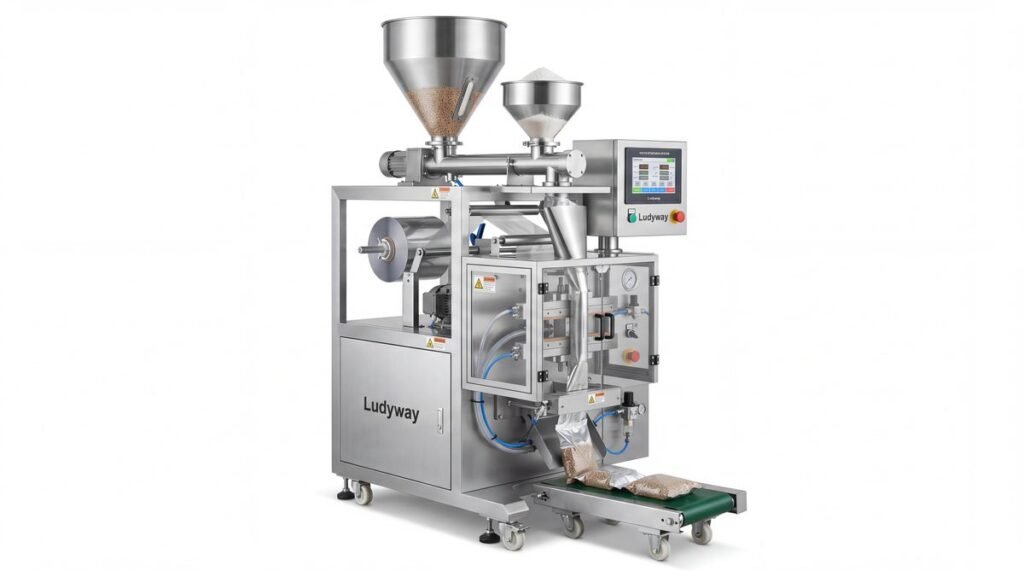
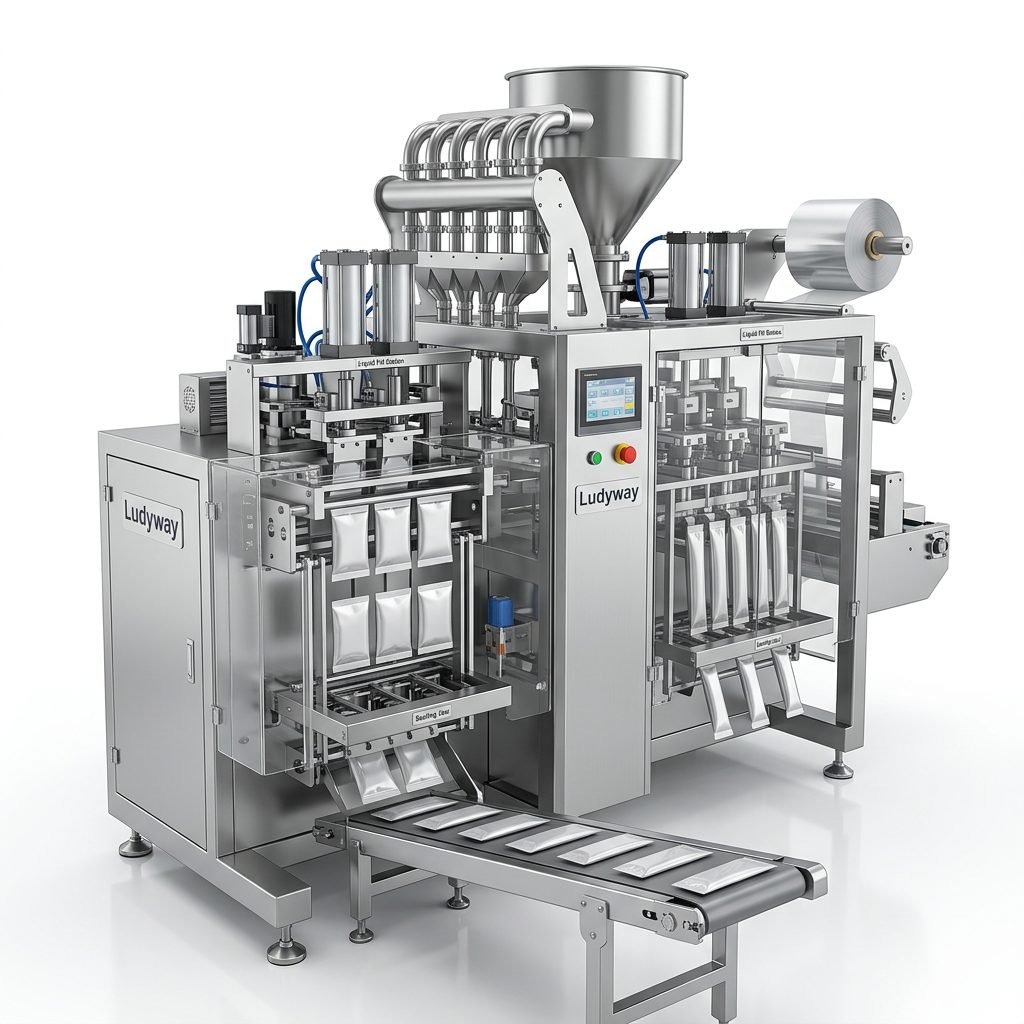
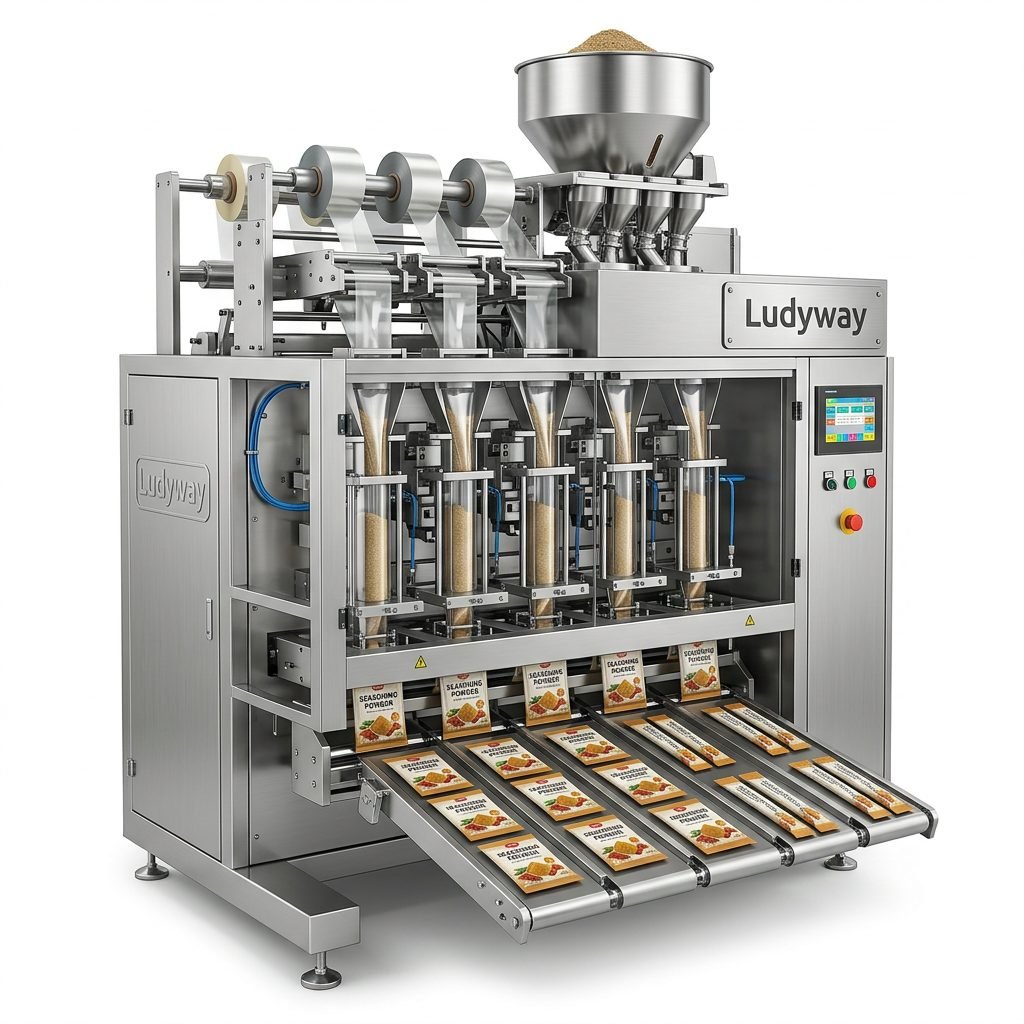
Selecting the right furniture fittings packing machine is a critical decision that directly affects your packaging efficiency, product protection, and overall operational costs. Whether you are packaging hinges, screws, brackets, drawer slides, or other hardware components, the wrong machine can lead to downtime, inconsistent seal quality, and material waste. This guide walks you through the essential factors to consider so you can make an informed purchasing decision.
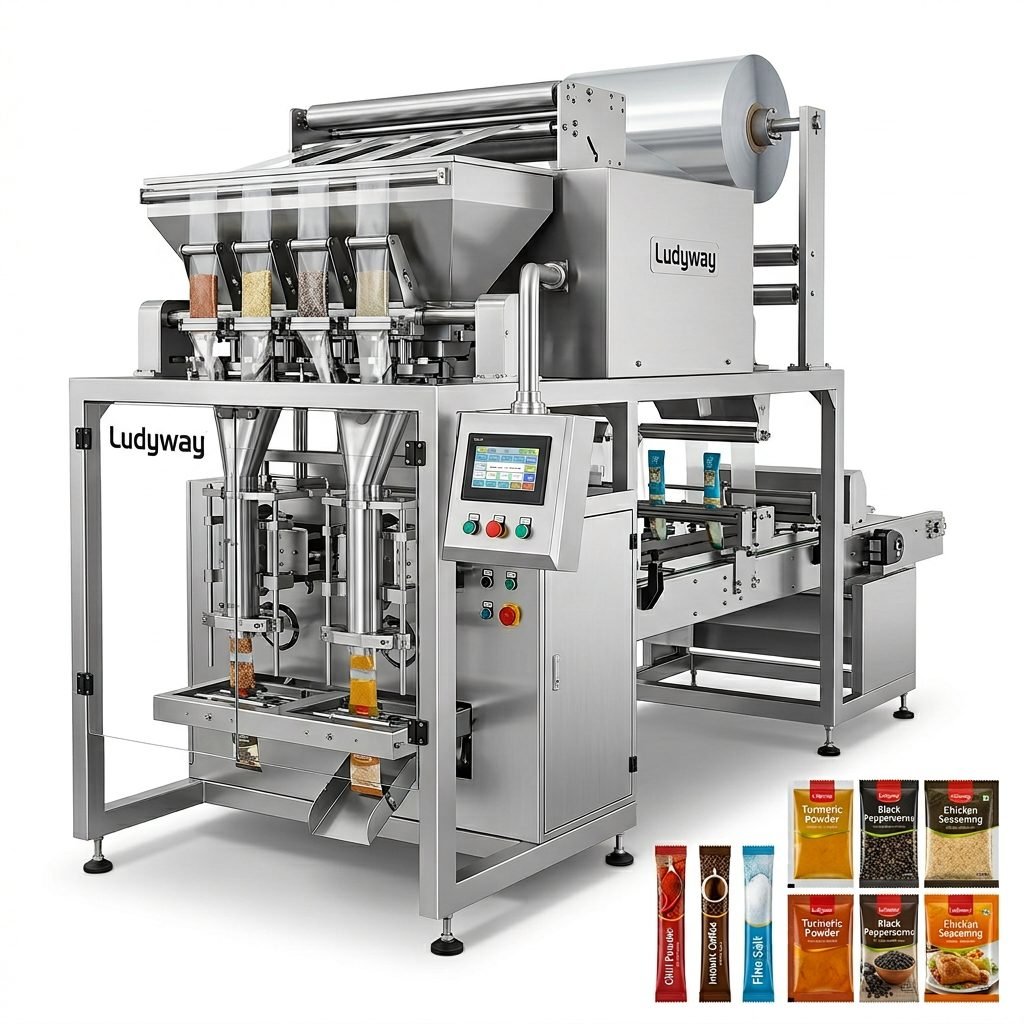
Understanding Furniture Fittings Packaging Requirements
Furniture fittings come in various shapes, sizes, and materials — from small metal screws and dowels to larger brackets and drawer runners. Your packaging machine must handle these variations without jamming or damaging the products. Consider whether your fittings are loose bulk items or pre-assembled kits, as this determines the feeding, counting, and bagging mechanism you need.
Many manufacturers overlook the importance of product surface sensitivity. Polished or coated fittings require gentle handling to prevent scratches, which means the machine’s contact surfaces and drop heights must be evaluated carefully. Refer to standards from PMMI – The Association for Packaging and Processing Technologies for guidance on equipment design best practices.
Types of Furniture Fittings Packing Machines
Different machine configurations suit different production scales and packaging formats. Below is a comparison of the most common types used in the hardware packaging industry:
| Machine Type | Best For | Key Advantage |
|---|---|---|
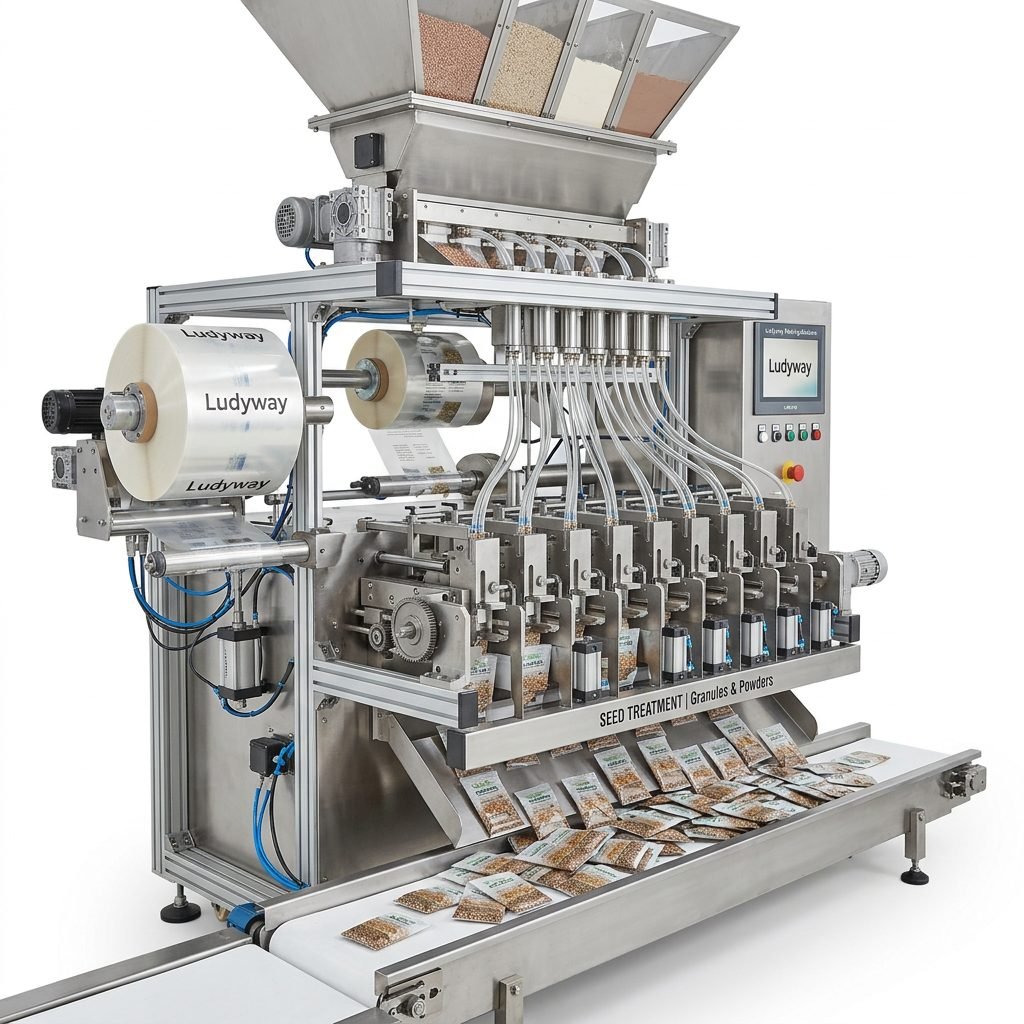
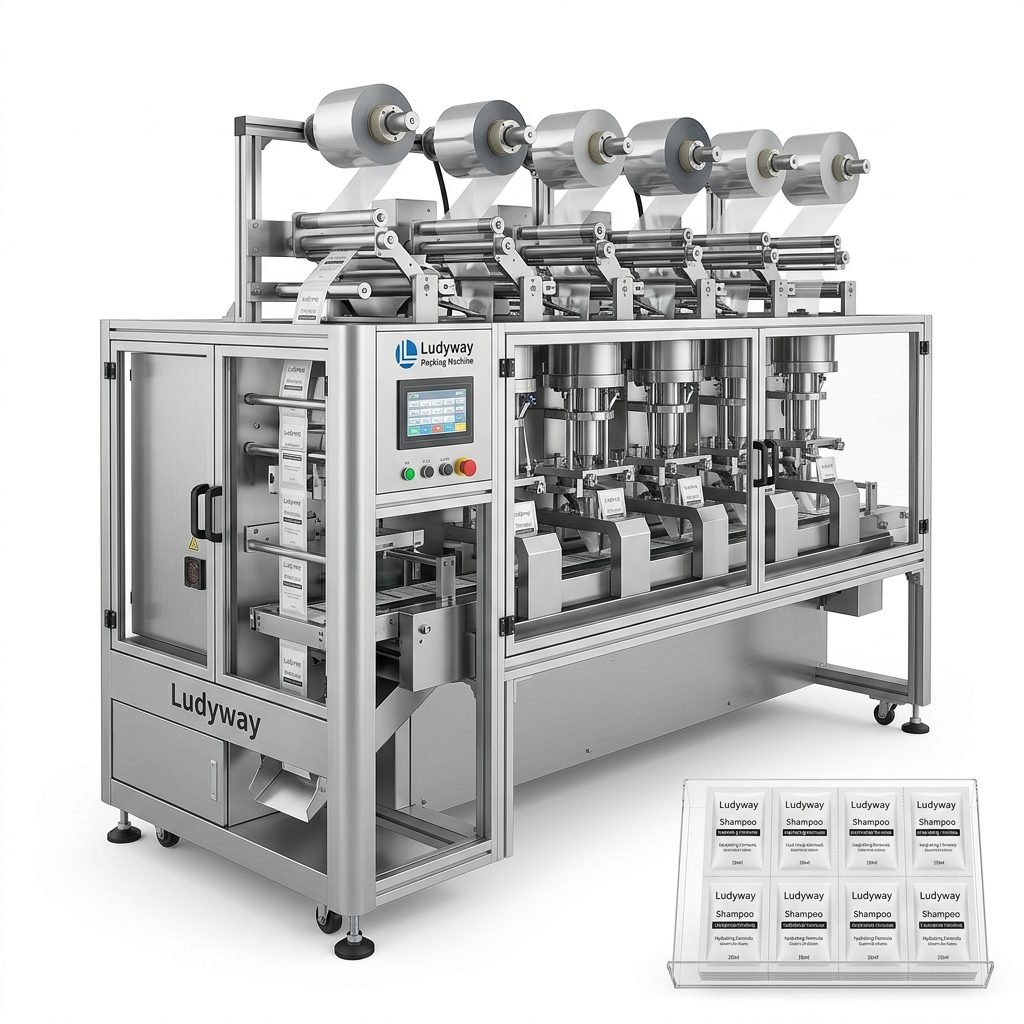
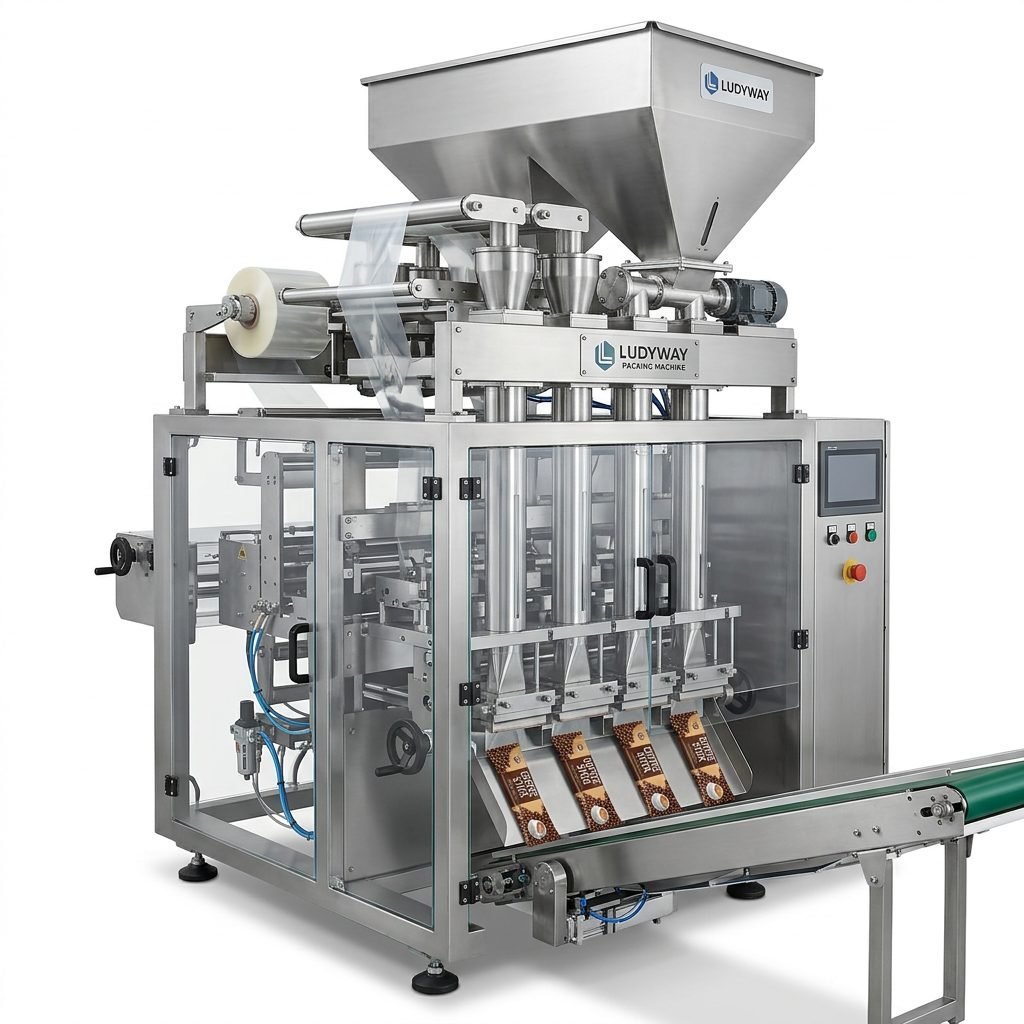
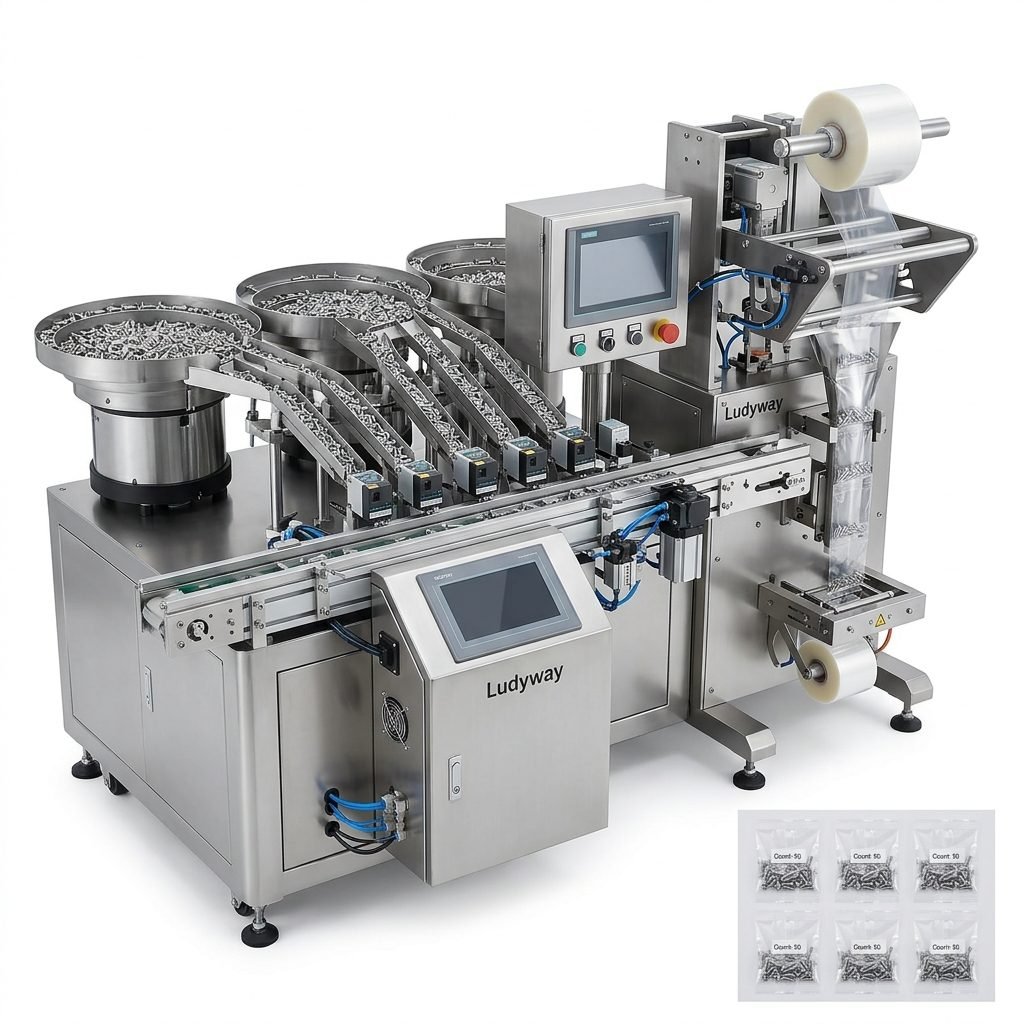
| Multi-Lane Stick Pack Machine | Small fittings (screws, nuts, washers) | High-speed output, compact pouch format |
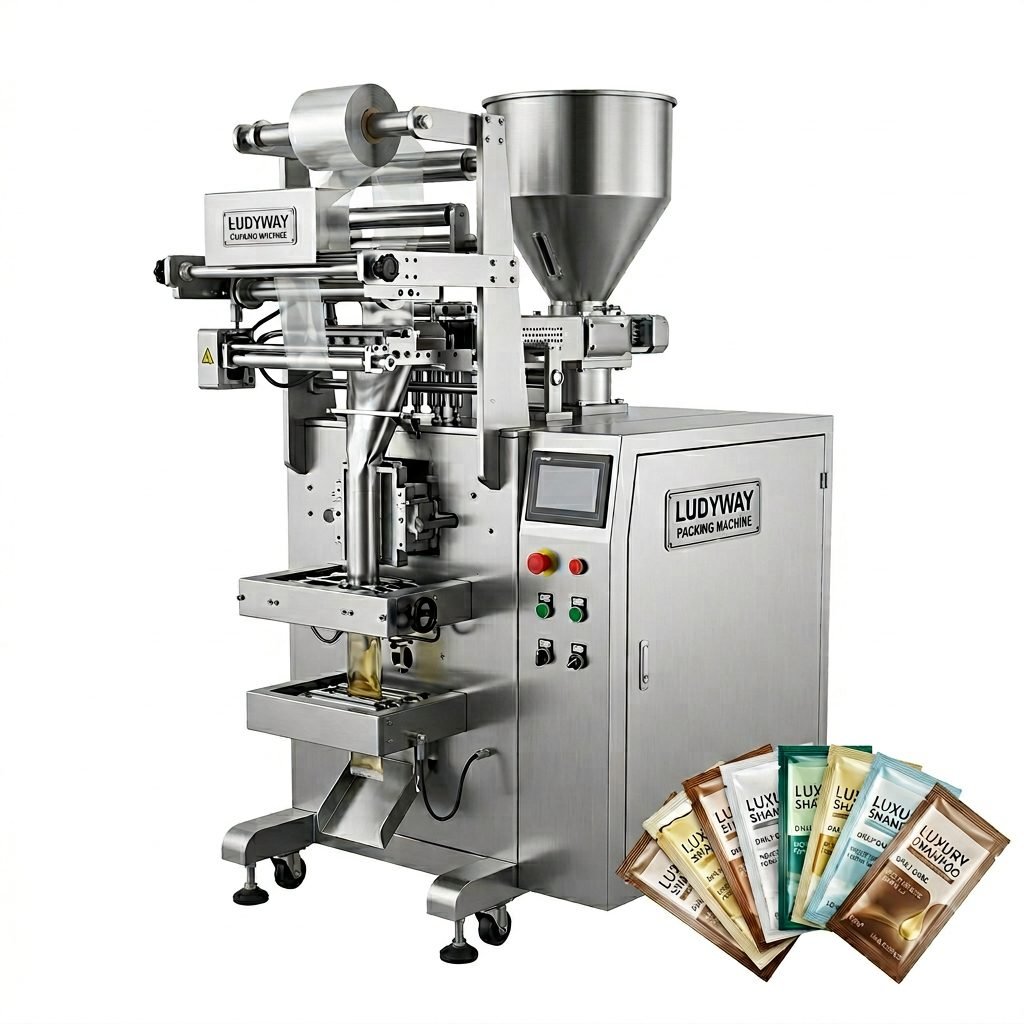
| Vertical Form Fill Seal (VFFS) | Medium to large fittings in pouches | Versatile bag sizes, robust construction |
| Counting & Weighing Systems | Precision-counted hardware kits | Accurate piece counting, reduced giveaway |
| Premade Pouch Packing Machine | Sharp or irregularly shaped fittings | Pouch integrity, premium appearance |
For manufacturers dealing with mixed hardware components, multi-lane systems offer significant throughput advantages. Explore the latest packaging machinery market trends through PMMI’s 2025 State of the Industry report to understand where automation is heading.
Key Features to Evaluate
Not all furniture fittings packing machines are built the same. Here are the critical features you should prioritize during evaluation:
1. Feeding and Counting Accuracy
For hardware components, piece-count accuracy is non-negotiable. Multi-head weighers, vibratory bowl feeders, or counting plates must be calibrated for the specific geometry of your fittings. A machine that undercounts or overcounts leads to customer complaints and material loss.
2. Bag Material Compatibility
Furniture fittings often have sharp edges that can puncture thin films. Your machine should be compatible with laminated films, foil pouches, or heavy-duty polyethylene. Check sealing temperature range and dwell time adjustability. The Flexible Packaging Association provides valuable resources on film selection and material properties.
3. Changeover Speed
If you package multiple SKUs — different fitting types, counts, or bag sizes — quick changeover capability is essential. Look for machines with tool-less adjustments, recipe memory, and accessible forming tubes.
4. Integration with Ancillary Equipment
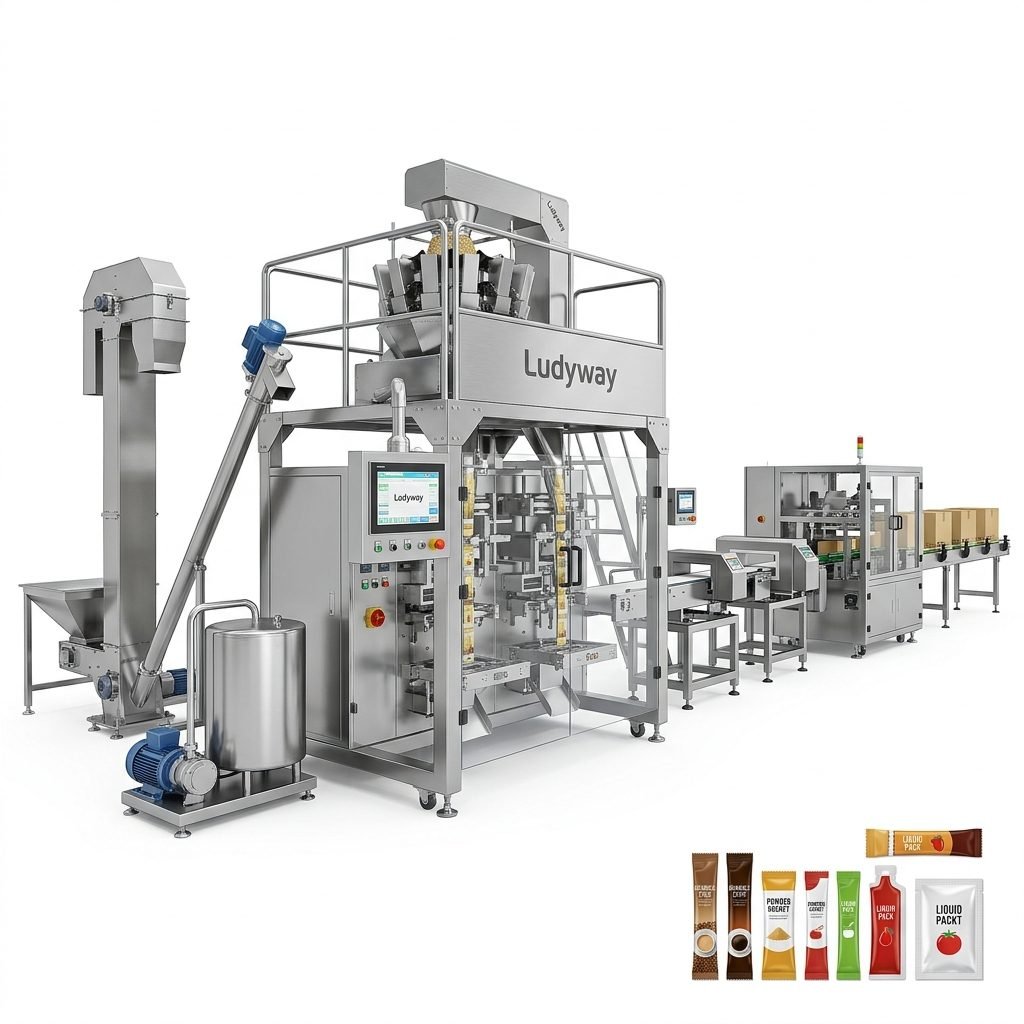
Your packing machine rarely operates in isolation. Consider how it connects with upstream feeding systems, downstream checkweighers, metal detectors, and packaging line integration solutions. A complete automated packaging line reduces manual handling and improves consistency.
Technical Specifications Checklist
- Speed: Pouches per minute required for your target output
- Bag Dimensions: Minimum and maximum pouch width and length
- Filling Range: Weight or piece count per package
- Film Roll Specifications: Maximum roll diameter, core size, film thickness range
- Power Requirements: Voltage, phase, compressed air consumption
- Sealing Type: Heat seal, ultrasonic, or impulse sealing technology
- Control System: PLC brand, touchscreen interface, remote diagnostics capability
- Safety Standards: Compliance with ISO packaging standards and CE certification requirements
Evaluating Machine Build Quality and Durability
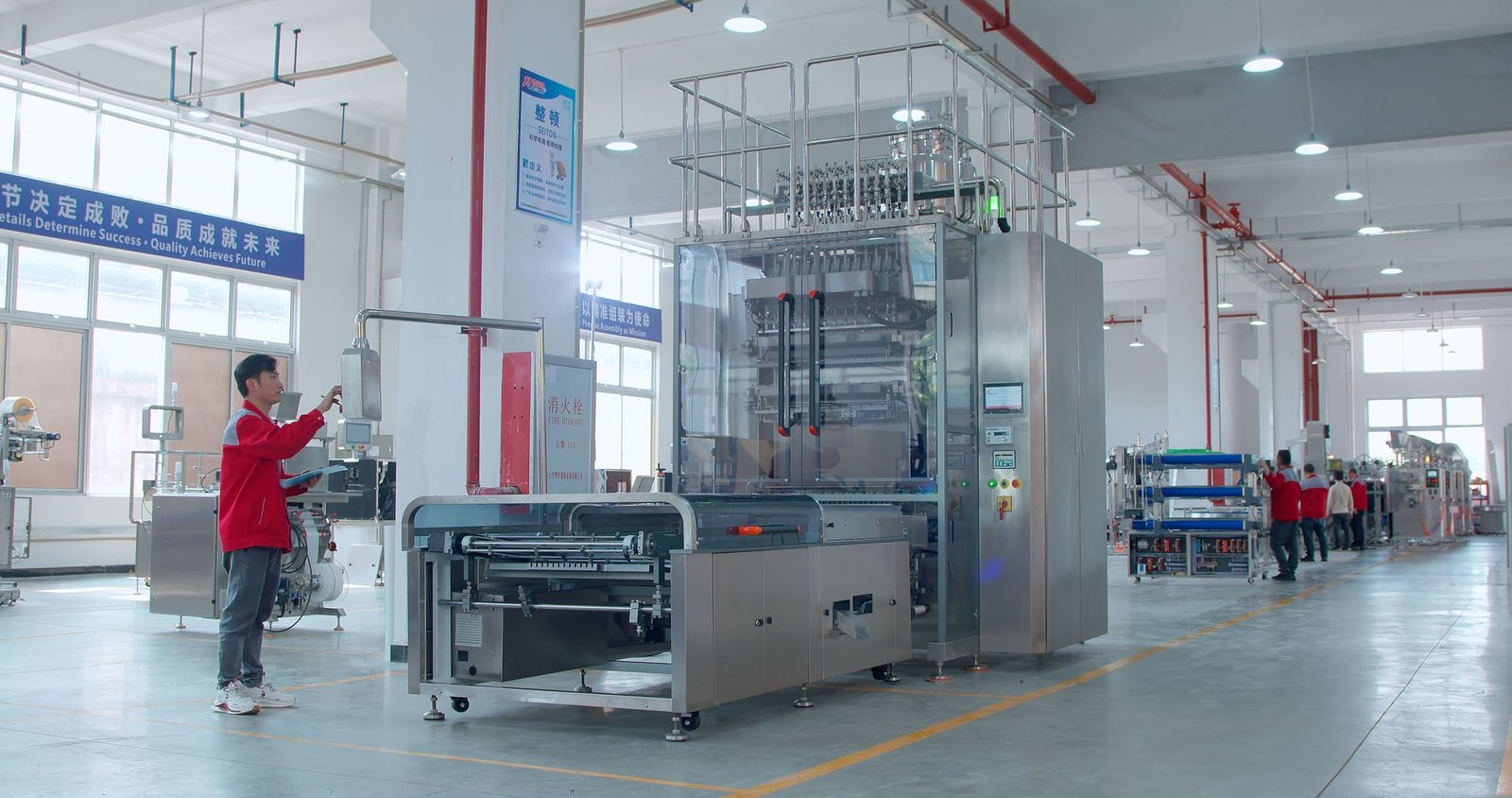
Furniture fittings packaging operates in demanding environments. Metal dust, vibration, and continuous operation require robust machine construction. Examine frame materials, component quality, and the reputation of key automation suppliers used in the machine. Machines built with stainless steel contact parts offer better longevity and are easier to clean.
Understanding packaging machinery standards and regulations is crucial for compliance. Resources from FDA food packaging guidelines and ISO packaging and distribution standards can help you verify that your equipment meets international requirements.
Supplier Selection: Beyond the Price Tag
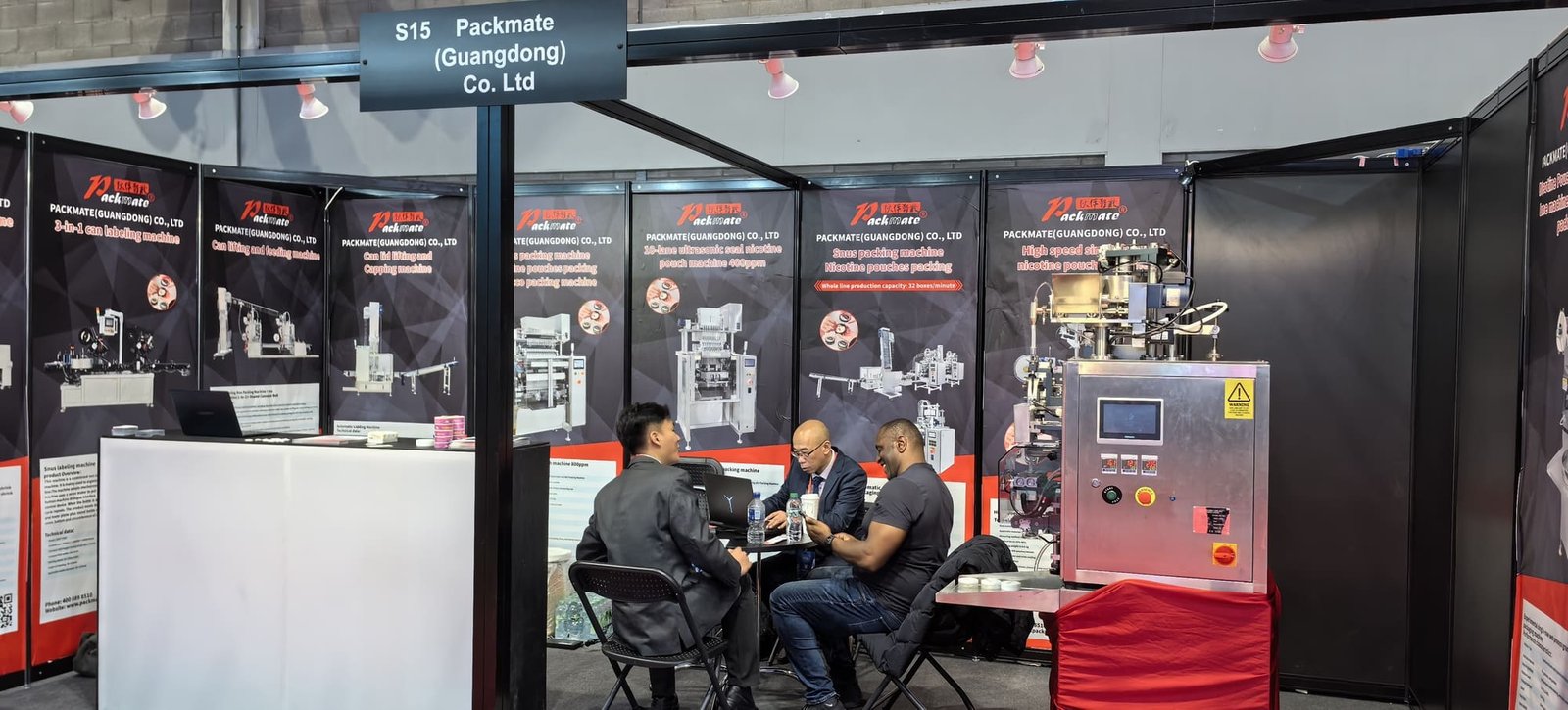
Choosing the right supplier is as important as choosing the right machine. A low purchase price can hide higher lifecycle costs if spare parts are expensive, technical support is lacking, or the machine requires frequent maintenance. Evaluate potential suppliers on these criteria:
- Industry Experience: How many years has the manufacturer been building hardware packaging machines?
- After-Sales Support: Availability of remote diagnostics, on-site service, and spare parts inventory
- Customization Capability: Can the manufacturer adapt the machine to your specific fitting types?
- Installation and Training: Does the supplier offer commissioning and operator training programs?
- Reference Customers: Can they provide case studies from similar hardware packaging applications?
Total Cost of Ownership Considerations
Look beyond the initial capital expenditure. Calculate costs related to film consumption, energy usage, spare parts, maintenance labor, and production downtime. A slightly more expensive machine with higher efficiency and lower running costs often delivers better return on investment over a 5–10 year period. Industry economic reports from PMMI’s Business Intelligence Library can help benchmark operational costs.
Automation Level and Future Scalability
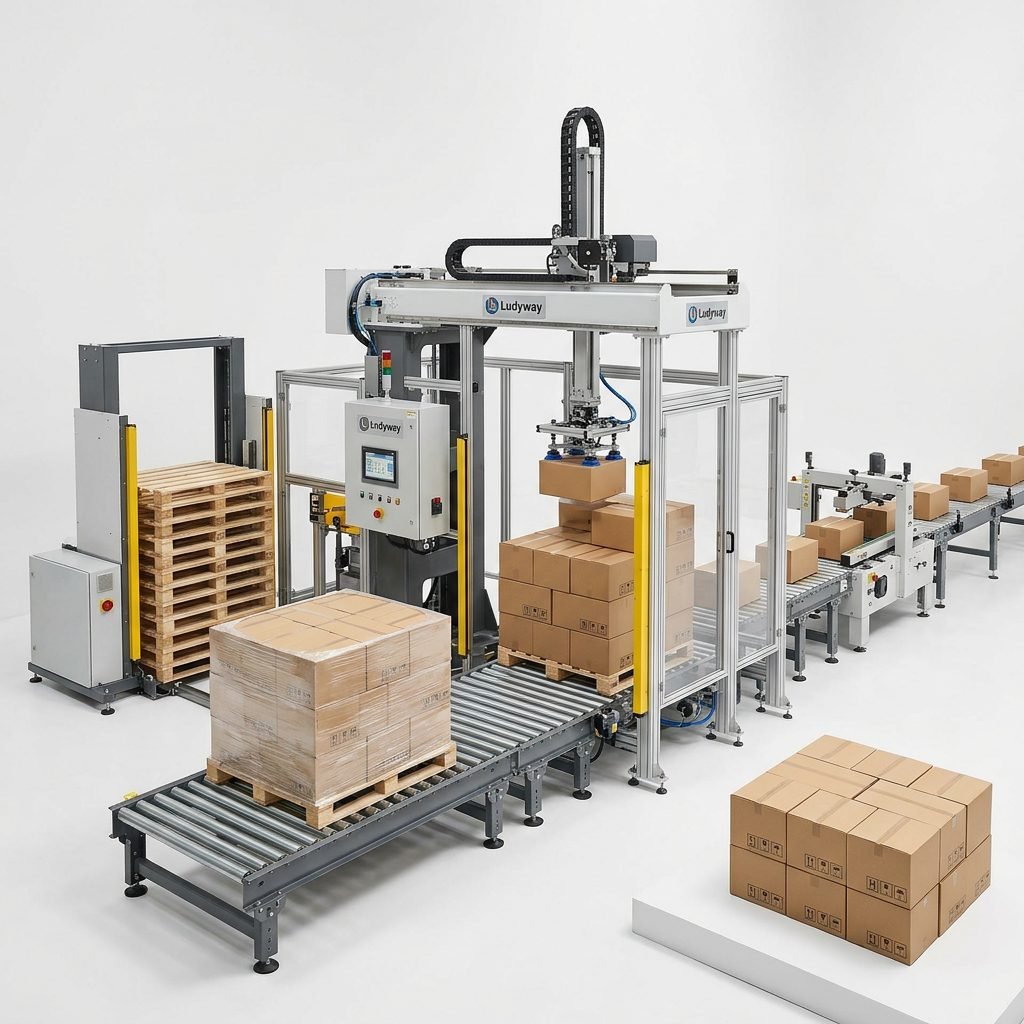
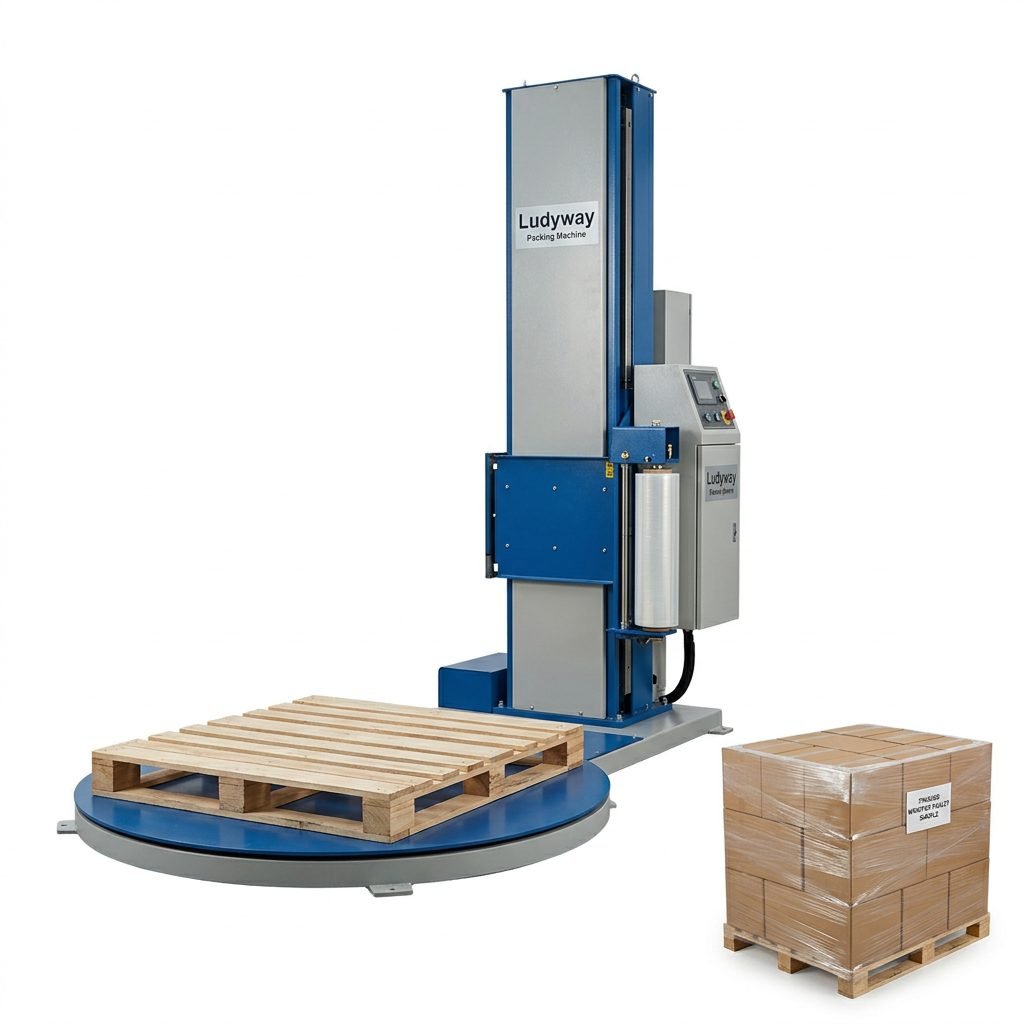
Manual packaging processes for furniture fittings are labor-intensive and prone to inconsistency. Investing in automatic packaging equipment can dramatically increase throughput while reducing labor dependency. Consider whether the machine can be upgraded later with additional lanes, automated feeding systems, or robotic palletizing modules. Scalability ensures your initial investment continues to deliver value as your production volume grows.
Flexibility for Different Packaging Formats
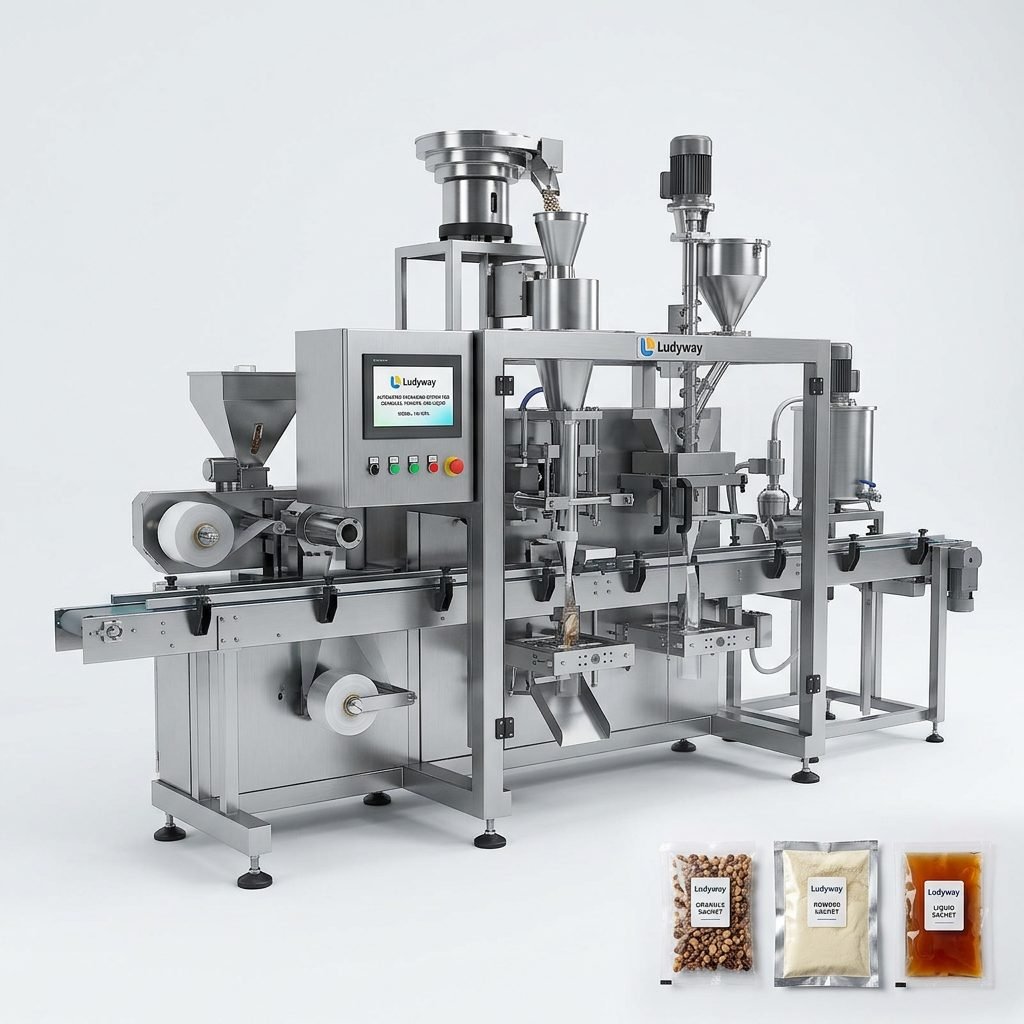
Some manufacturers start with simple sachet packaging and later expand to stick packs, pillow bags, or gusseted pouches. A machine that supports multiple bag formats provides greater marketing flexibility and helps you respond to changing customer requirements without purchasing additional equipment.
Quality Control Integration
Modern furniture fittings packing machines should support inline quality control systems. Look for machines that can integrate with checkweighers, metal detectors, seal integrity testers, and vision inspection systems. Real-time rejection of non-conforming packages protects your brand reputation and reduces returns. For regulated applications, the Flexible Packaging Association’s regulatory affairs resources offer guidance on compliance.
Working with an Experienced Packaging Machinery Partner
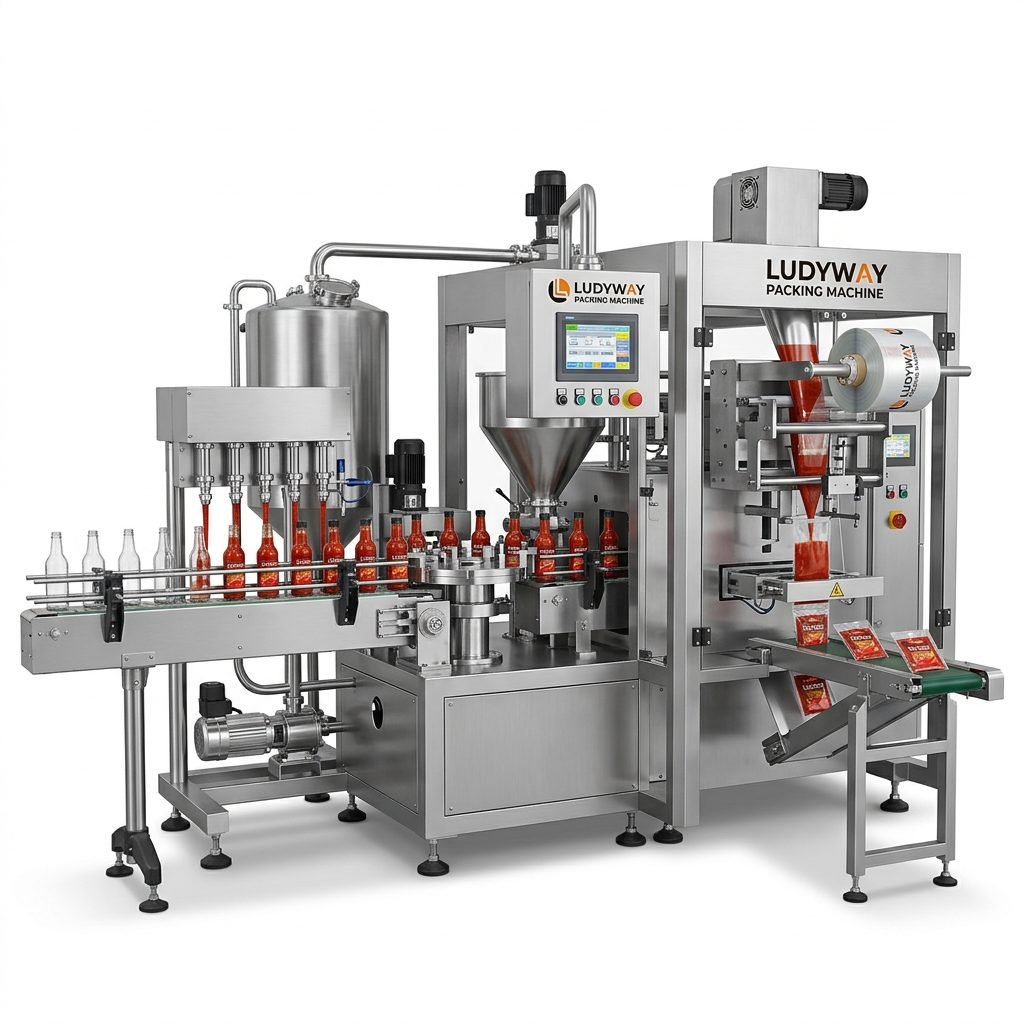
Selecting the right furniture fittings packing machine is a complex process that benefits from working with a knowledgeable equipment manufacturer. Ludyway Machinery, with more than 30 years of experience and a 20,000-square-meter manufacturing facility, provides customized packaging solutions for hardware, fasteners, and components. The company’s engineering team evaluates your product characteristics and production goals to recommend the most suitable machine configuration — from individual packing units to complete turnkey packaging lines serving customers in over 100 countries.
For additional industry insights, visit PACK EXPO International to explore the latest packaging technologies and connect with equipment suppliers worldwide.
Making the Final Decision
Before finalizing your purchase, conduct thorough testing with your actual products. Factory acceptance testing (FAT) with your fittings, film material, and target speeds reveals potential issues that specifications alone cannot show. Request video documentation if an on-site visit is not feasible, and verify machine performance data under conditions that replicate your production environment.
A well-chosen furniture fittings packing machine pays for itself through higher output, lower labor costs, reduced material waste, and consistent packaging quality. By systematically evaluating your product requirements, machine specifications, supplier capabilities, and total cost of ownership, you position your manufacturing operation for long-term efficiency and growth.