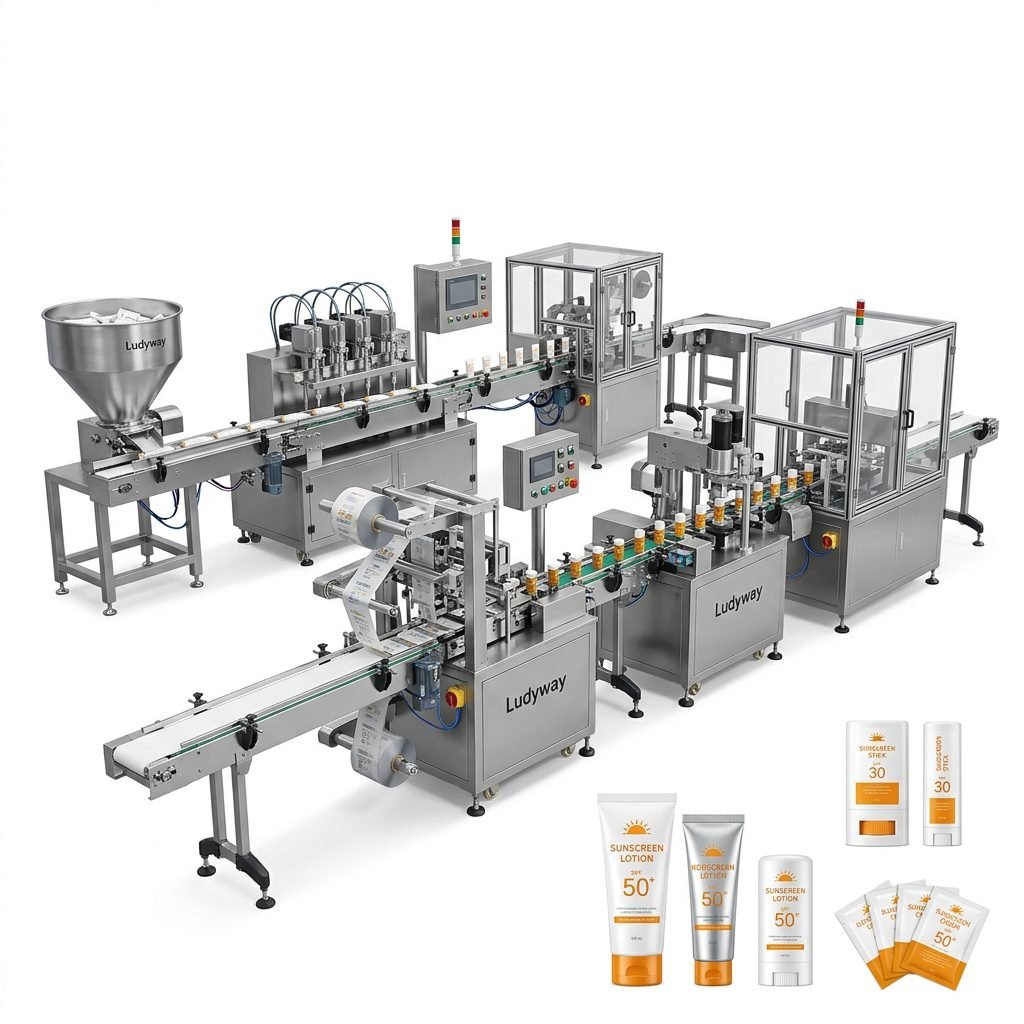
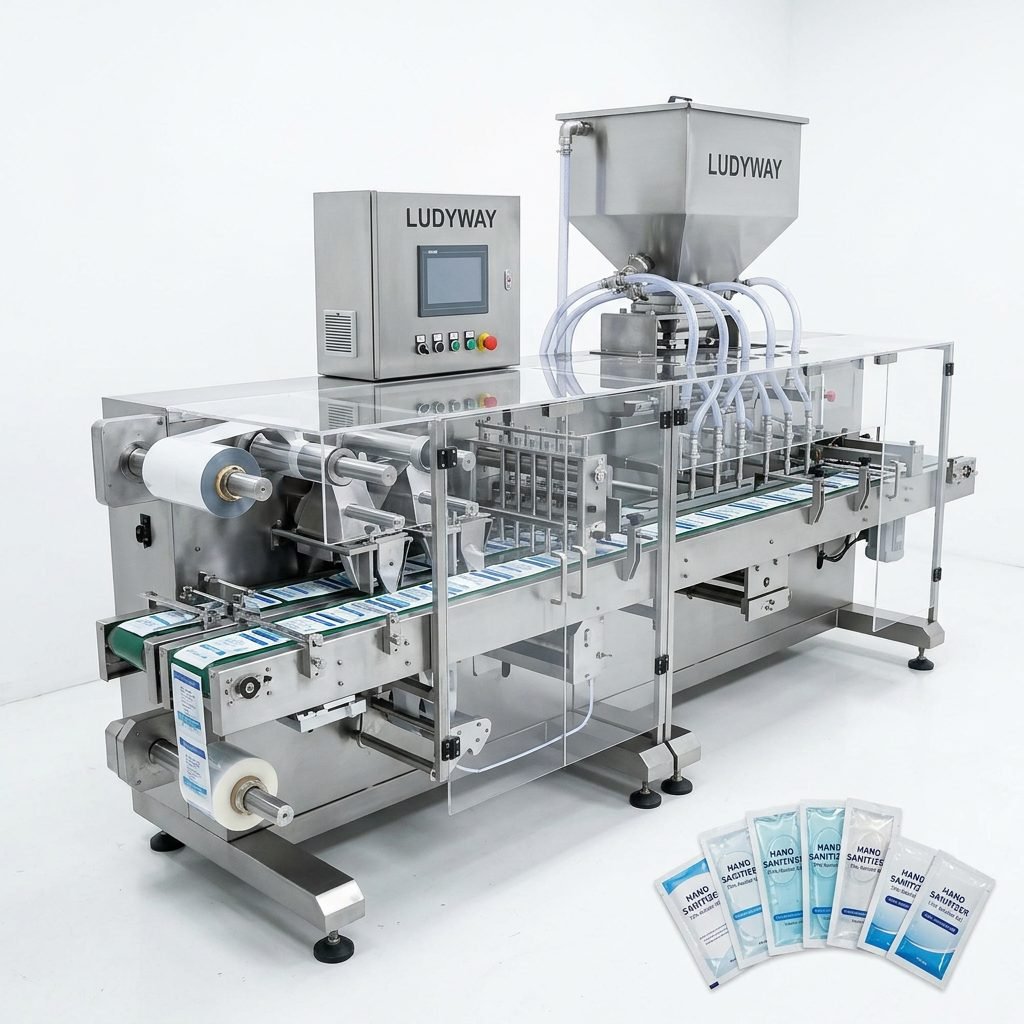
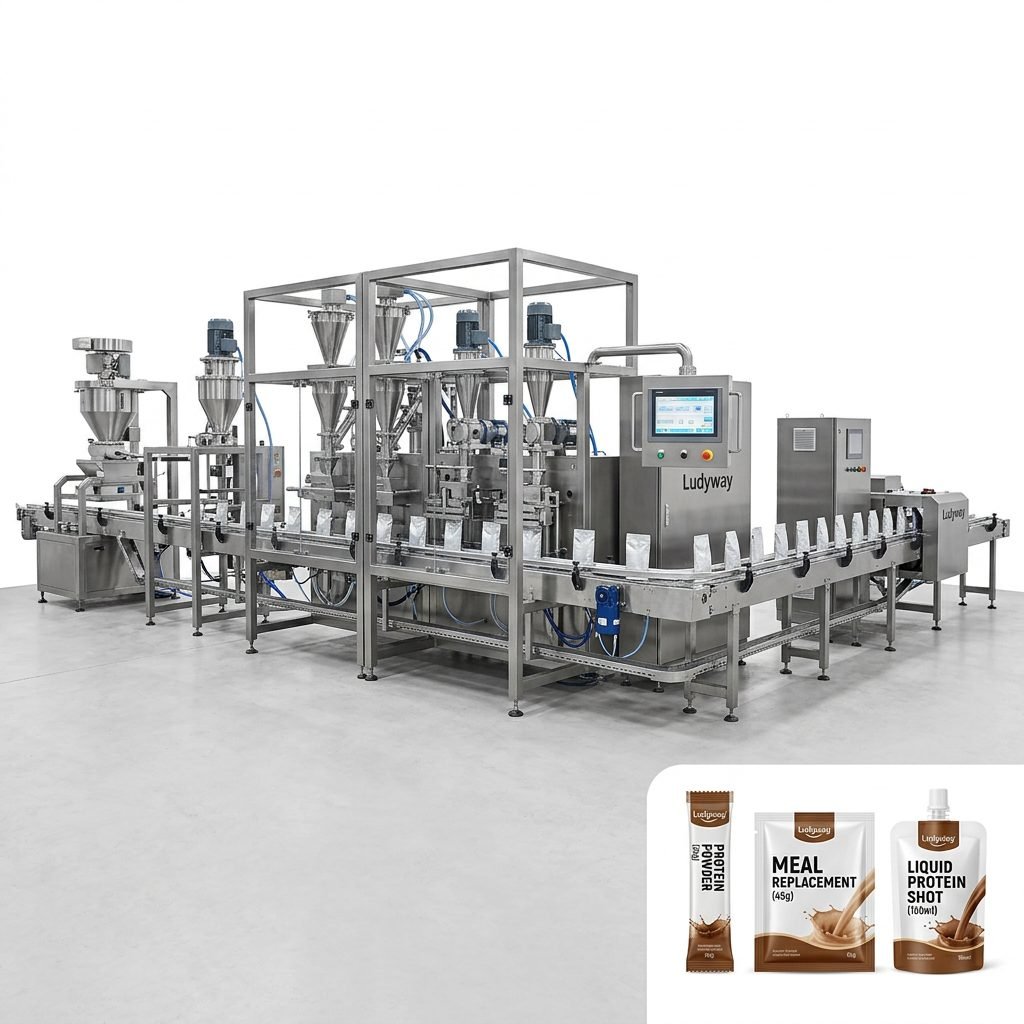
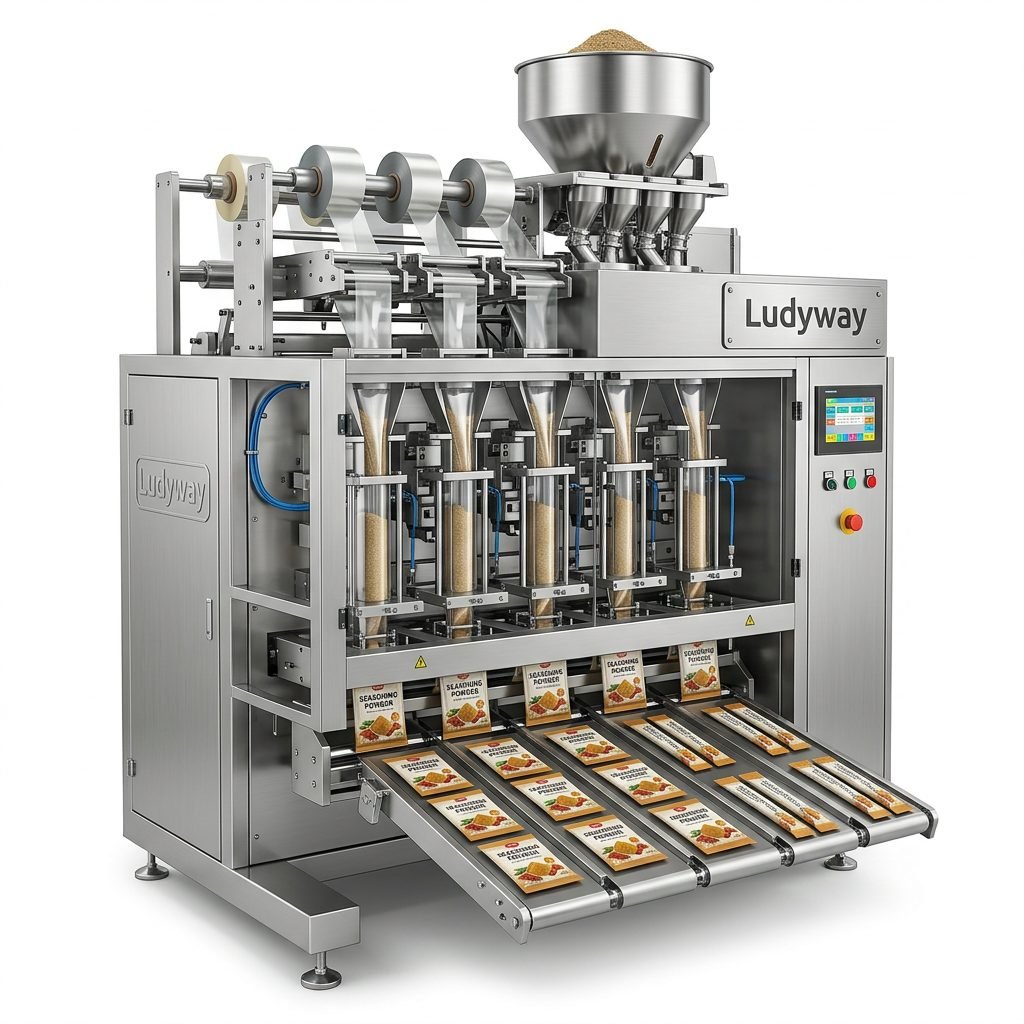
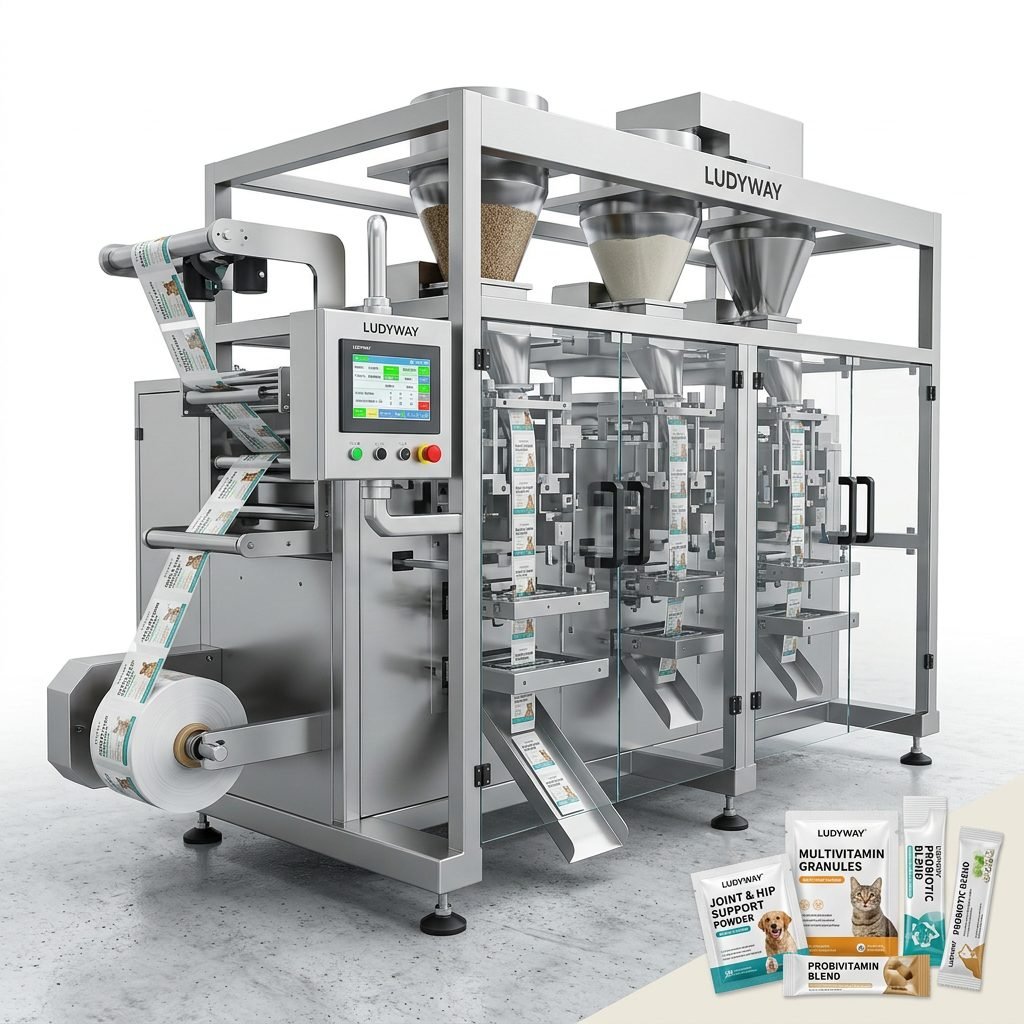
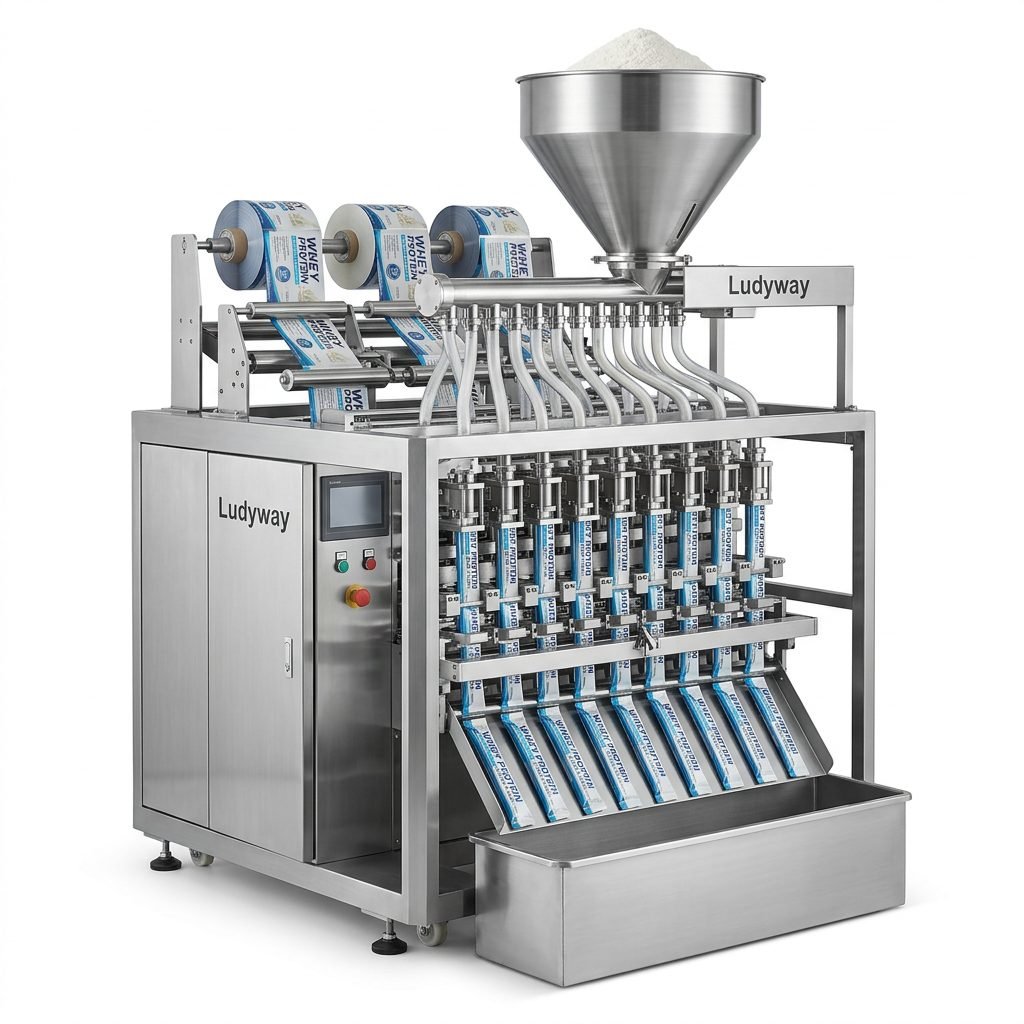
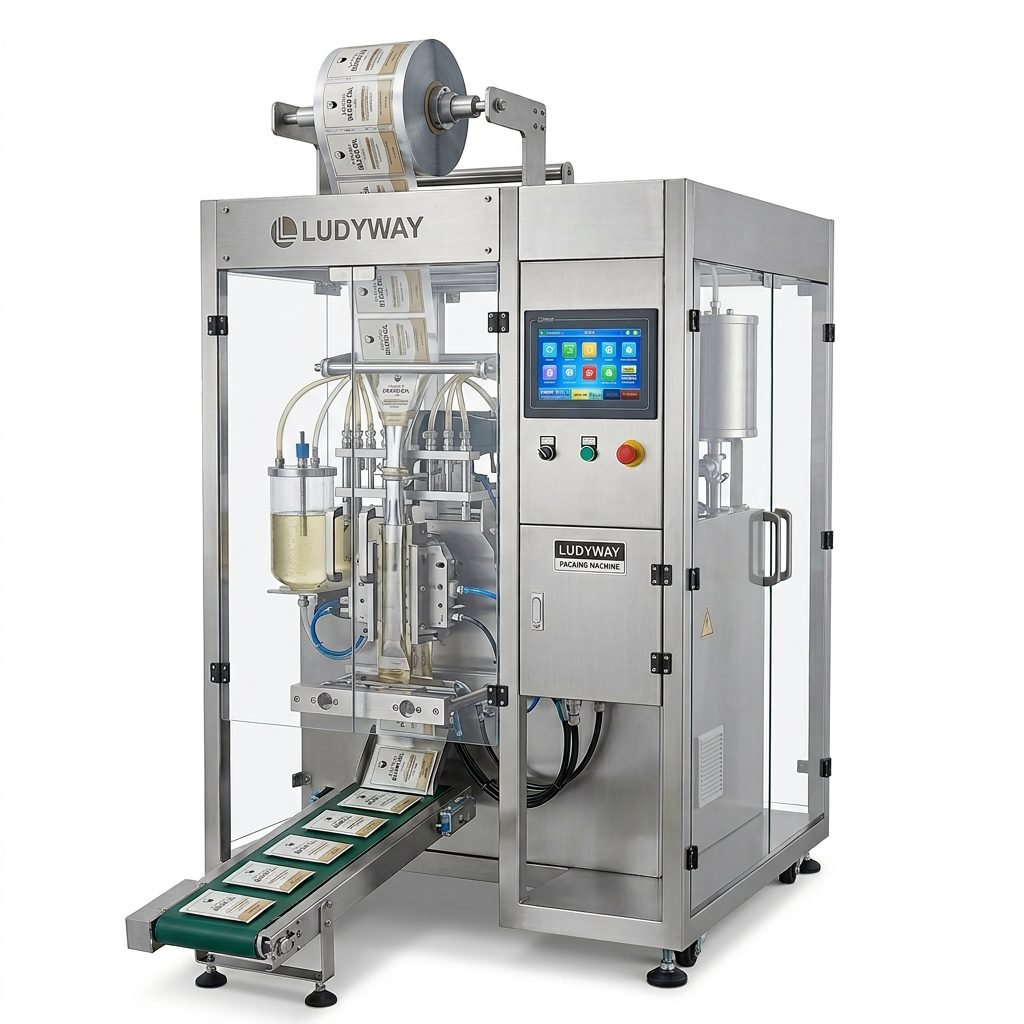
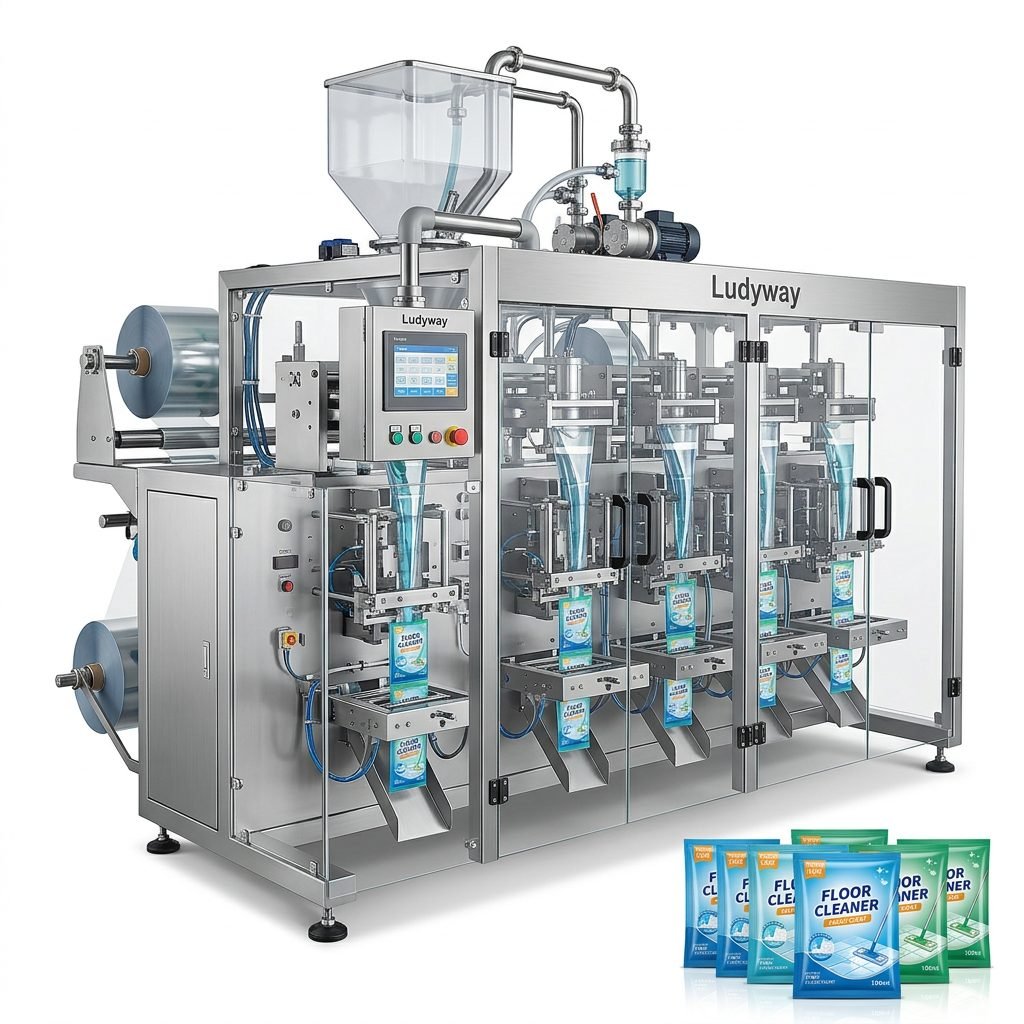
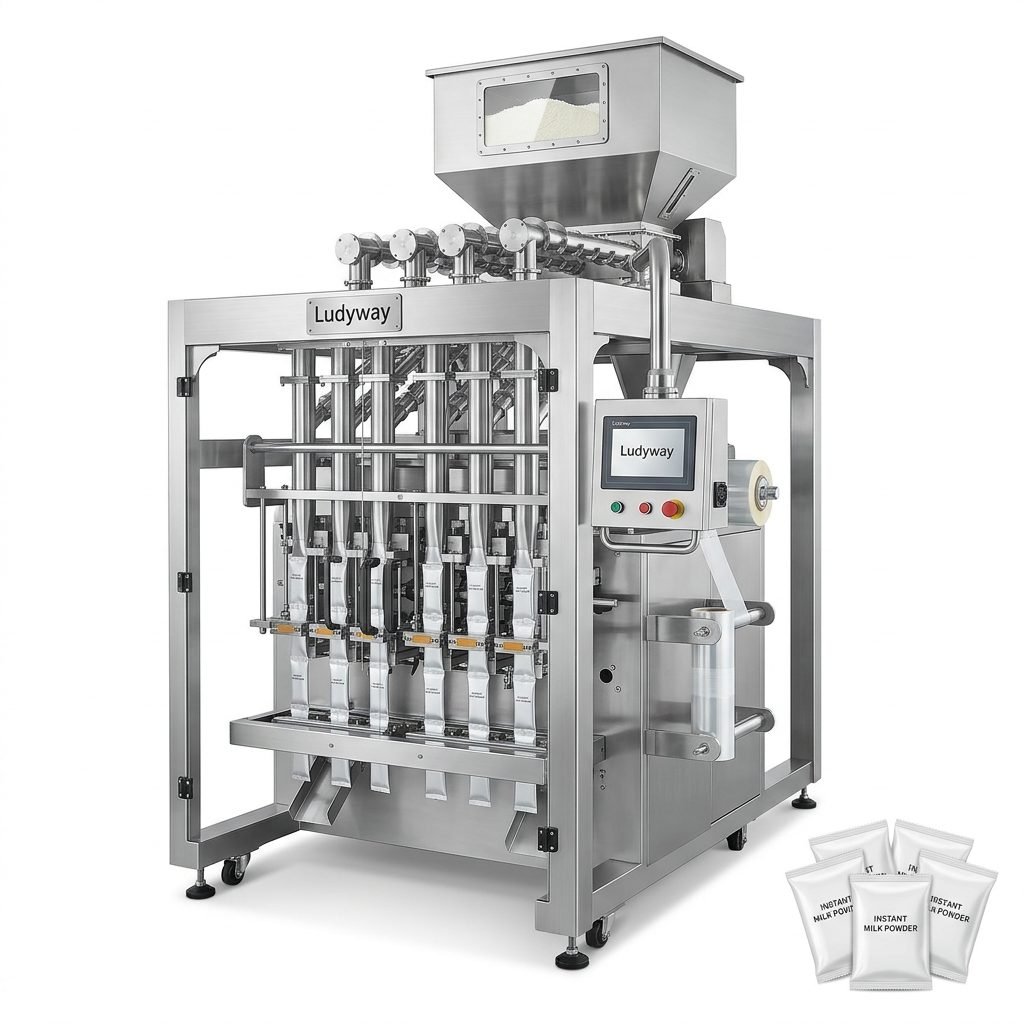
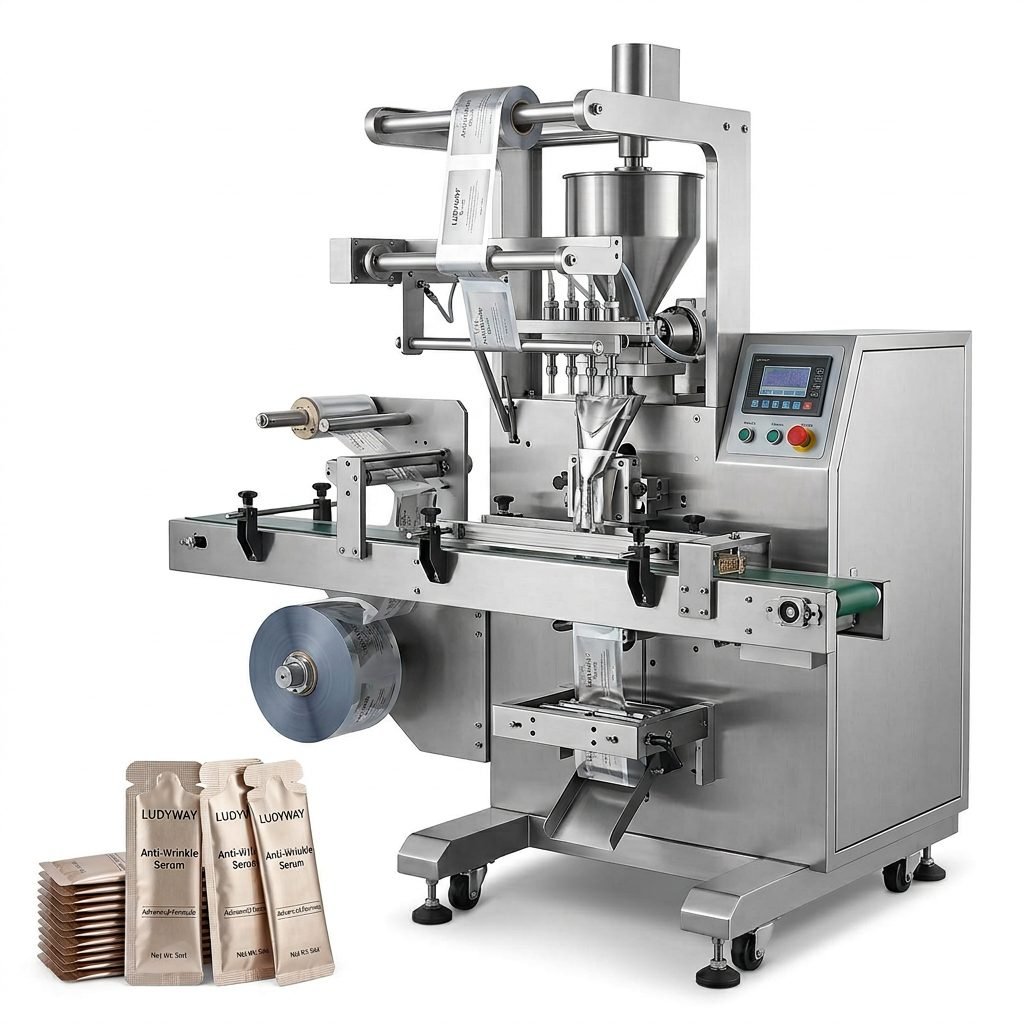
Investing in a mini pouch packing machine is a strategic decision that directly affects production efficiency, product quality, and long-term operational costs. With the rapid growth of single-serve packaging across food, pharmaceutical, cosmetic, and chemical industries, selecting the right equipment requires a careful evaluation of technical specifications, material compatibility, automation features, and supplier capabilities. This guide walks you through the essential factors to consider before making a purchase.
Understanding Your Production Requirements
Before comparing machine models, clearly define your production parameters. The three most critical factors are the type of product you need to package, your target output speed, and the pouch format your market demands.
Product characteristics such as particle size, flowability, moisture content, and sensitivity to heat or oxygen directly determine the appropriate dosing system. Granules, powders, liquids, and pastes each require different filling mechanisms — auger fillers for powders, volumetric cup fillers for free-flowing granules, and piston or peristaltic pumps for liquids and creams. According to PMMI – The Association for Packaging and Processing Technologies, matching the filling technology to product characteristics is fundamental to achieving consistent fill accuracy.
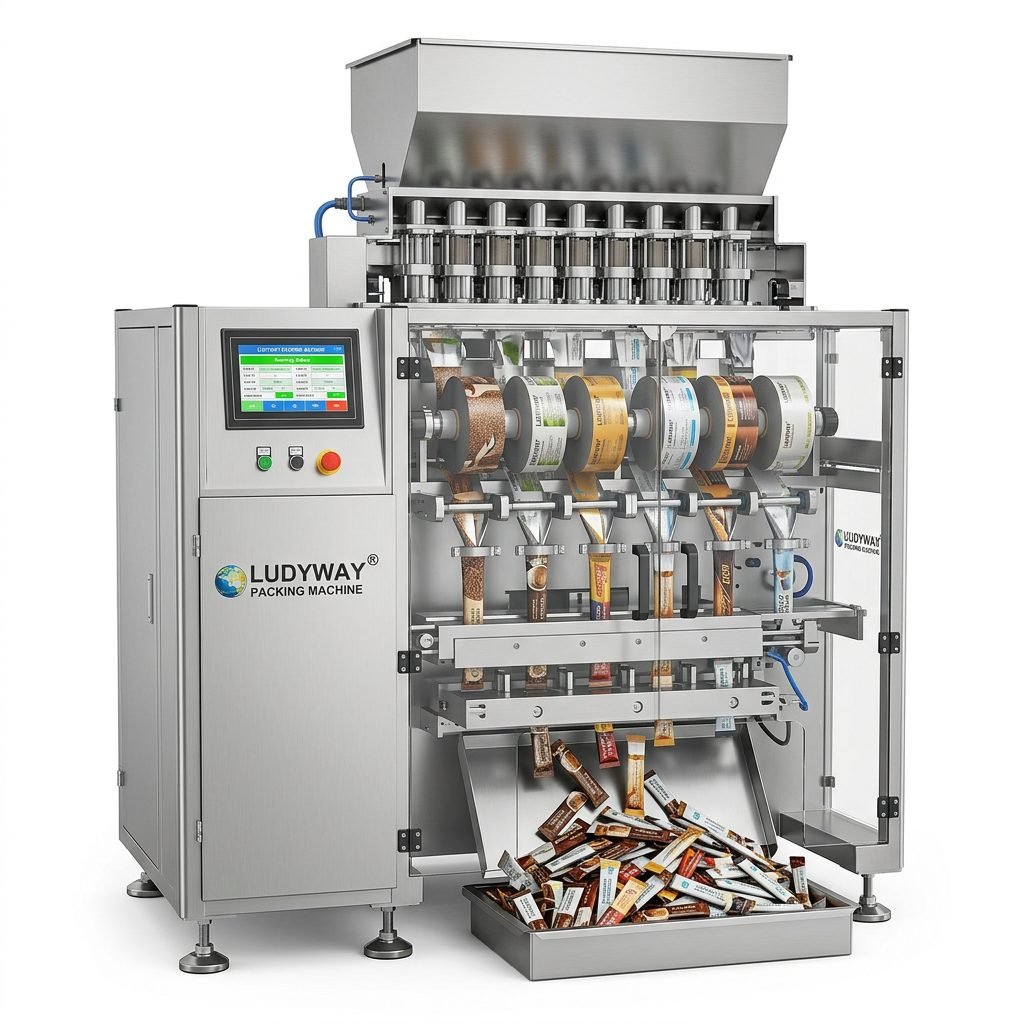
Production speed, measured in pouches per minute (ppm), should align with both current demand and future growth projections. Entry-level single-lane machines may produce 40–80 ppm, while advanced multi-lane packaging systems can exceed 400 ppm across multiple lanes. Understanding your required throughput helps narrow down the appropriate machine category.
Types of Mini Pouch Packing Machines
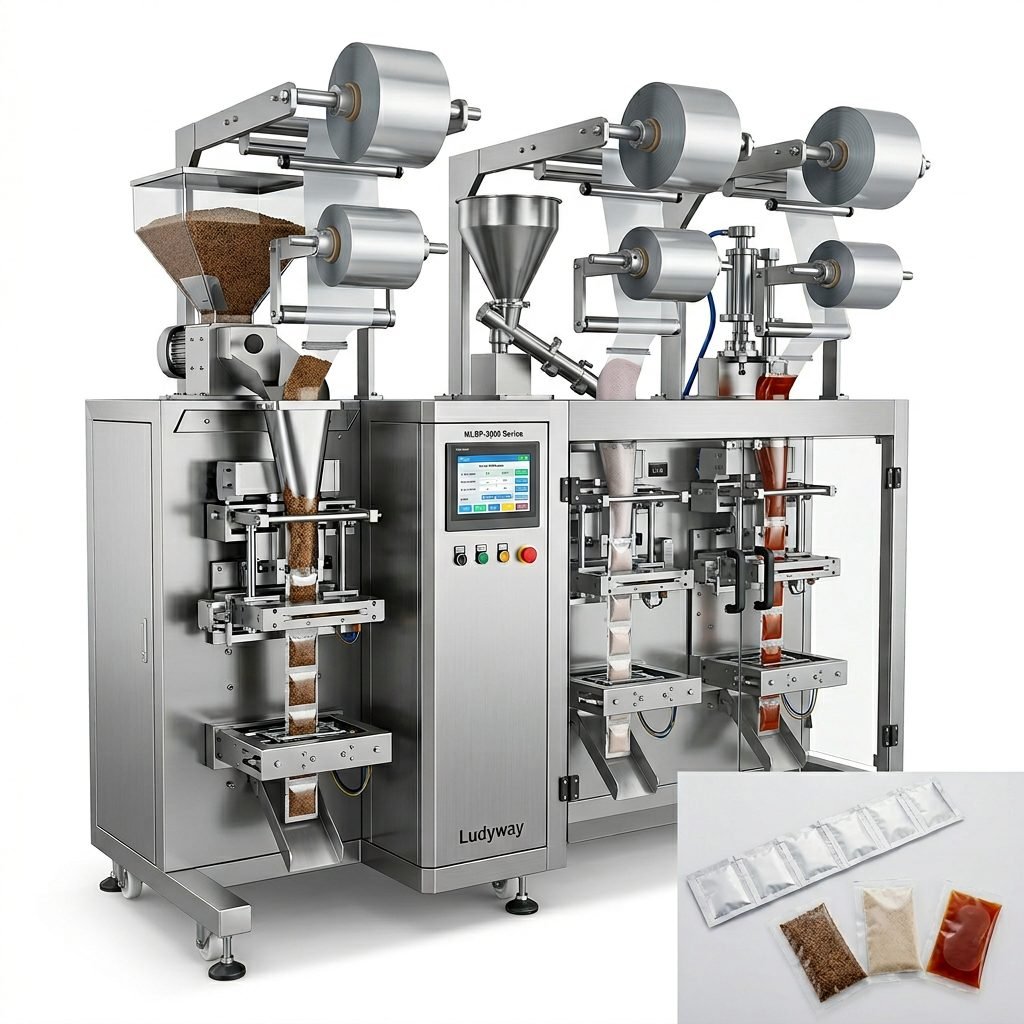
The market offers several machine configurations, each suited to different applications. The table below summarizes the key types and their typical use cases.
| Machine Type | Best For | Typical Speed Range | Key Consideration |
|---|---|---|---|
| Single-Lane VFFS | Small to medium batches, multiple SKUs | 40–100 ppm | Flexibility and quick changeover |
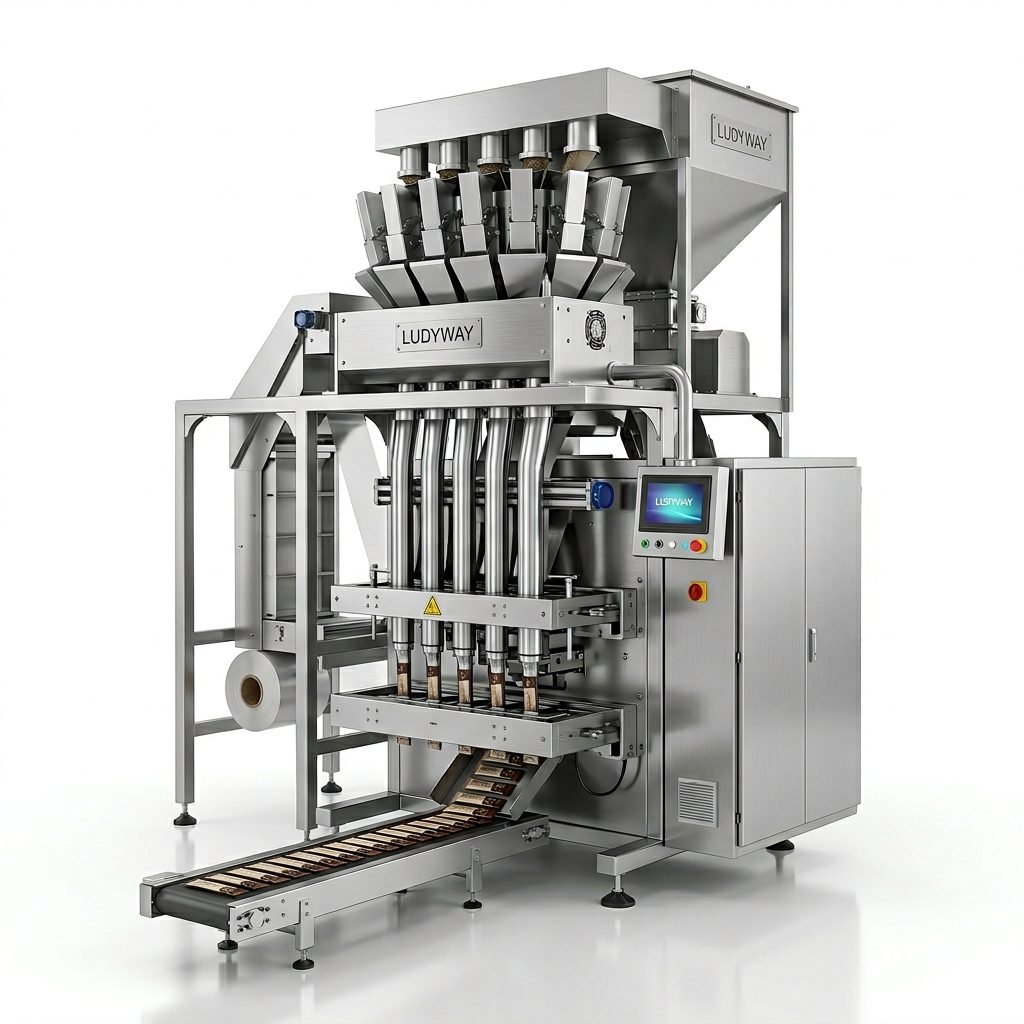
| Multi-Lane Stick Pack | High-volume single-serve powders and granules | 200–600+ ppm | Higher initial investment, lower per-unit cost |
| Multi-Lane Sachet | Liquids, creams, gels, and pastes | 150–500+ ppm | Requires precise liquid dosing systems |
| Premade Pouch Rotary | Stand-up pouches, zipper pouches, spouted pouches | 30–80 ppm | Ideal for premium packaging formats |
Key Technical Specifications to Evaluate
Beyond machine type, several technical specifications directly impact performance and suitability. Pay close attention to the following:
- Filling accuracy: Typically ±0.5–2% depending on product type and dosing system. Critical for pharmaceutical and high-value products.
- Pouch size range: Confirm the machine accommodates your required width, length, and gusset dimensions. Adjustable forming sets add flexibility.
- Film compatibility: Verify that the machine handles your packaging materials — including laminates, aluminum foil, paper-based films, and biodegradable options.
- Sealing temperature control: Precision PID controllers ensure consistent seal integrity across varying film types and production speeds.
- Changeover time: Quick-change features significantly reduce downtime when switching between pouch formats or products.
Material Compatibility and Pouch Formats
The Flexible Packaging Association reports that material innovation is accelerating rapidly, with manufacturers increasingly adopting recyclable and mono-material structures. Your mini pouch packing machine must be compatible with the specific films you intend to use. Key considerations include:
- Heat-sealable films such as LDPE, PP, and multi-layer laminates require precise temperature and pressure control.
- Aluminum foil laminates demand careful tension control to prevent wrinkling or tearing.
- Eco-friendly materials like paper-based and compostable films often require modified sealing parameters and specialized forming components.
Common pouch formats include three-side seal, four-side seal, stick pack, sachet, center-seal pillow pouch, and stand-up pouch with or without zipper. Machines with modular forming sets offer the greatest versatility for manufacturers running multiple product lines.
Automation Level and Integration Capabilities
Modern mini pouch packing machines range from semi-automatic to fully integrated packaging lines. The level of automation you choose should reflect your labor cost environment, production volume, and quality control requirements.
Fully automated systems typically include automatic feeding, dosing, filling, sealing, coding, inspection, and collection. Additional integration options include checkweighers, metal detectors, nitrogen flushing systems for modified atmosphere packaging, and automatic cartoning or case packing modules. The ISO packaging standards provide useful frameworks for evaluating machine automation and safety compliance.
Quality Standards and Regulatory Compliance
Depending on your industry and target market, your packaging machinery may need to comply with specific standards. Food-grade construction typically requires stainless steel contact parts and FDA-approved materials. Pharmaceutical applications demand ISO 11607 compliance for packaging terminally sterilized medical devices, along with strict validation protocols.
Other relevant standards include CE marking for European markets, UL certification for North America, and GMP (Good Manufacturing Practice) guidelines for pharmaceutical and nutraceutical sectors. Verify that your supplier can provide appropriate documentation and certification for your target markets.
Total Cost of Ownership Analysis
Purchase price is only one component of the total cost of ownership (TCO). A comprehensive evaluation should include:
- Initial investment: Machine cost including tooling, forming sets, and optional accessories.
- Installation and commissioning: On-site setup, calibration, and operator training.
- Operating costs: Energy consumption, compressed air requirements, and film waste rates.
- Maintenance: Preventive maintenance schedules, spare parts availability, and expected component lifespan.
- Downtime risk: Machine reliability, supplier response time, and availability of remote technical support.
A machine with a higher upfront cost but lower operating expenses often delivers superior long-term value, particularly for high-volume operations where film waste and downtime have significant financial impact.
Supplier Evaluation Criteria
Selecting the right equipment supplier is as important as selecting the right machine. Evaluate potential suppliers based on industry experience, manufacturing capabilities, engineering expertise, and after-sales support. A supplier with a broad portfolio of packaging solutions can provide integrated systems rather than standalone machines, simplifying project management and ensuring system-wide compatibility.
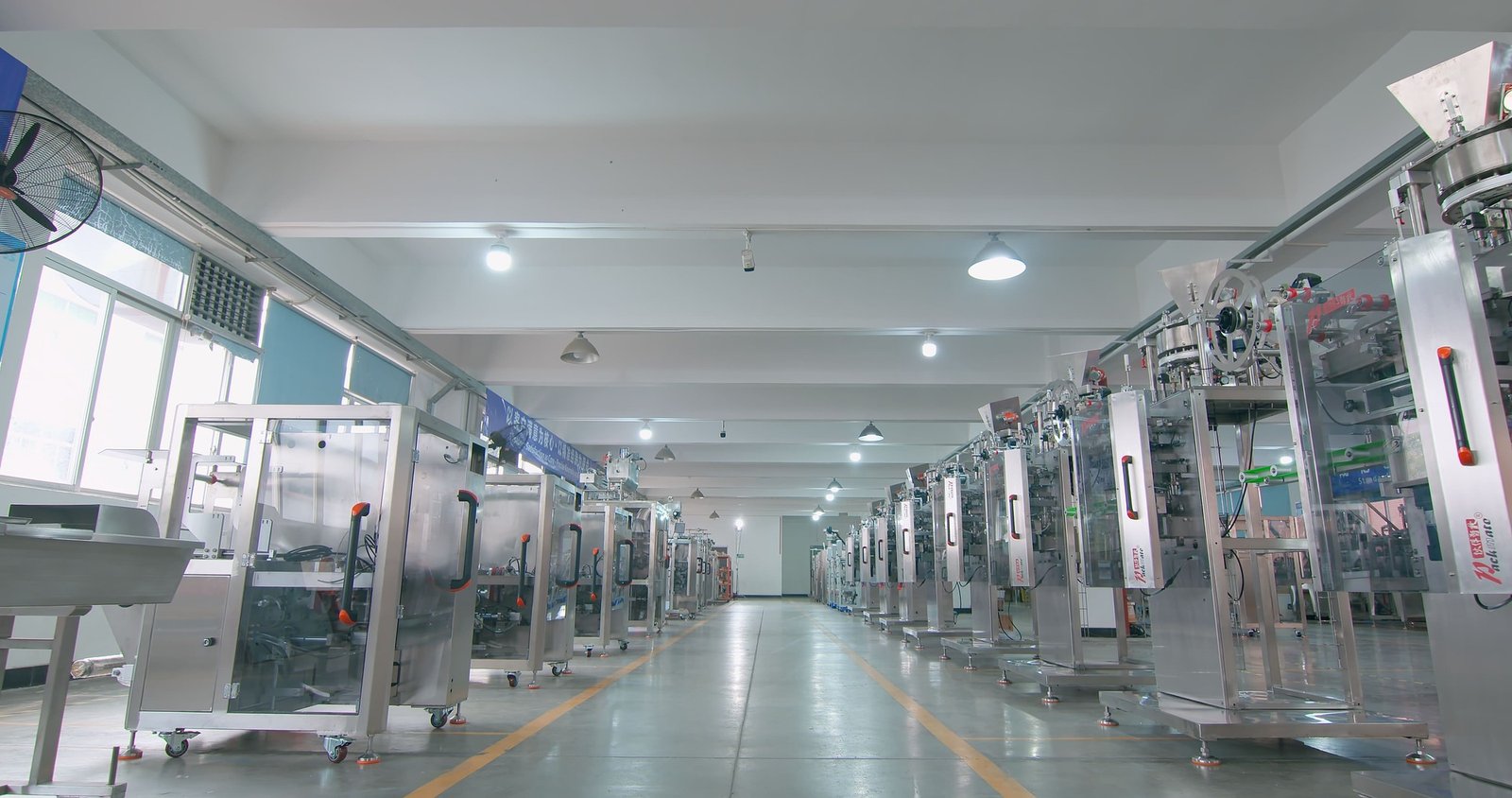
For instance, Ludyway Machinery, a China-based packaging machinery manufacturer with over 30 years of experience, offers more than 50 packaging machine models from a 20,000-square-meter facility. The company serves customers in over 100 countries, providing customized equipment configurations, turnkey packaging lines, and comprehensive after-sales support including remote technical assistance and spare parts service. According to an industry report on packaging machinery export trends, demand for automated flexible packaging solutions continues to grow across global markets.
Key Questions to Ask Potential Suppliers
- Can you provide references from companies in a similar industry with comparable products?
- What is your standard lead time, and how do you handle installation and commissioning?
- Do you offer factory acceptance testing (FAT) before shipment?
- What spare parts are recommended for the first year of operation, and how quickly can they be shipped?
- Is remote technical support available, and what are your service response time commitments?
After-Sales Support and Long-Term Partnership
A packaging machine investment typically spans 10–15 years or more. The quality of after-sales support significantly affects long-term equipment performance and production uptime. Look for suppliers that offer comprehensive service packages including:
- Operator training programs and detailed technical documentation.
- Preventive maintenance plans with scheduled inspections.
- Readily available spare parts with express shipping options.
- Remote diagnostic capabilities for rapid troubleshooting.
- Upgrade paths for retrofitting new features or accommodating new packaging formats.
Making the Final Decision
Choosing the right mini pouch packing machine requires balancing technical specifications, production requirements, budget constraints, and supplier reliability. Begin by thoroughly documenting your product characteristics and production targets. Use this information to shortlist machines with appropriate filling technologies, speed capabilities, and pouch format compatibility. Evaluate total cost of ownership rather than focusing solely on purchase price. Finally, select a supplier with proven industry experience, strong engineering capabilities, and a demonstrated commitment to after-sales support.
By approaching the selection process methodically, you can invest in packaging equipment that delivers consistent quality, reliable performance, and scalable capacity for years to come. For further research, the PMMI State of the Industry reports and Flexible Packaging Association industry data offer valuable market insights and benchmarks for packaging machinery investments.