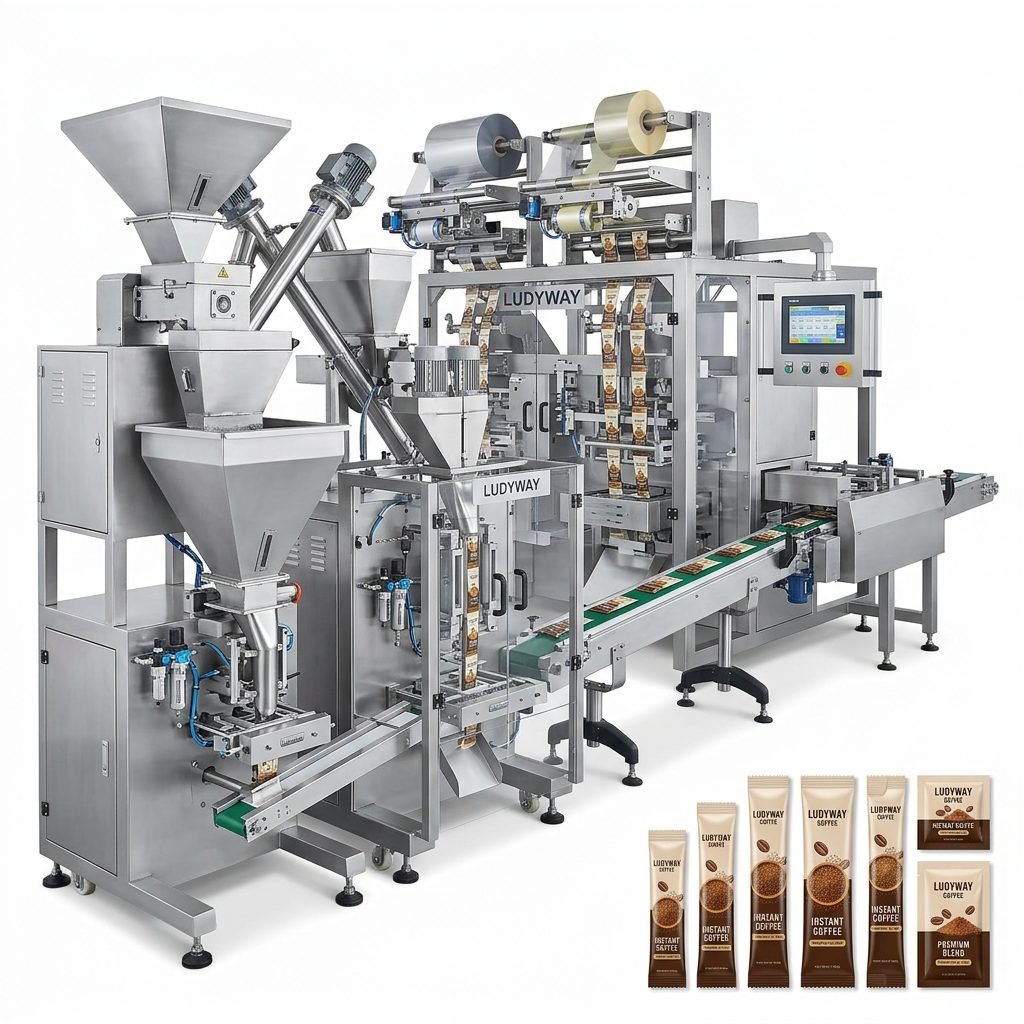
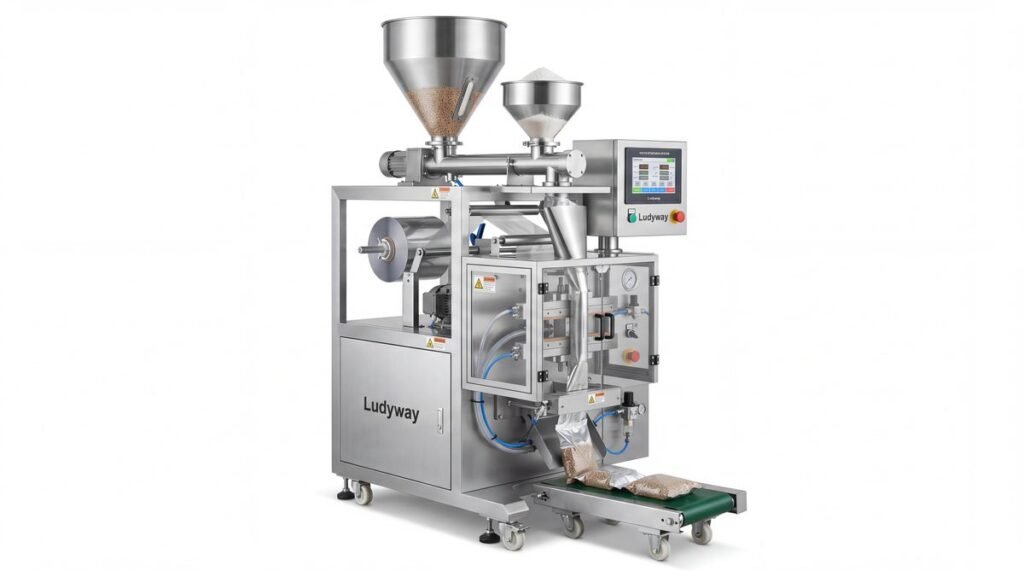
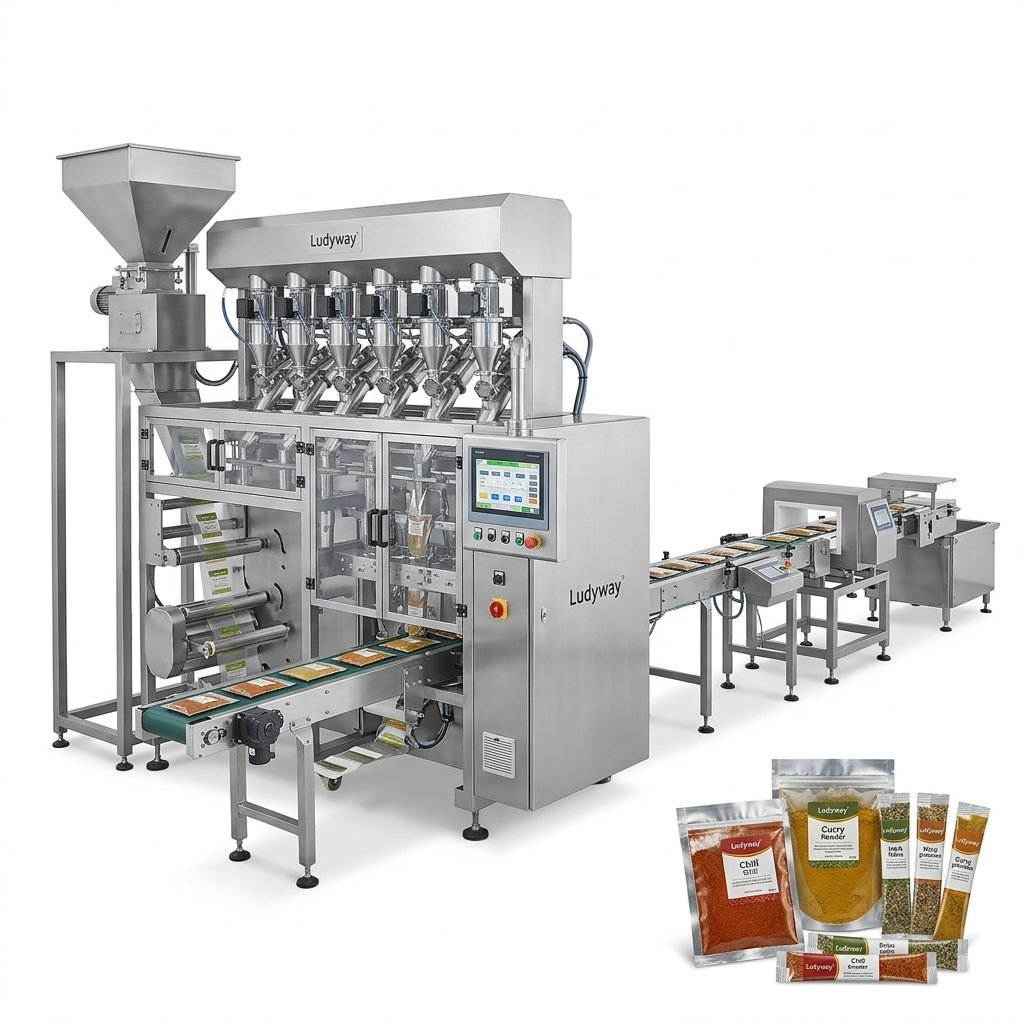
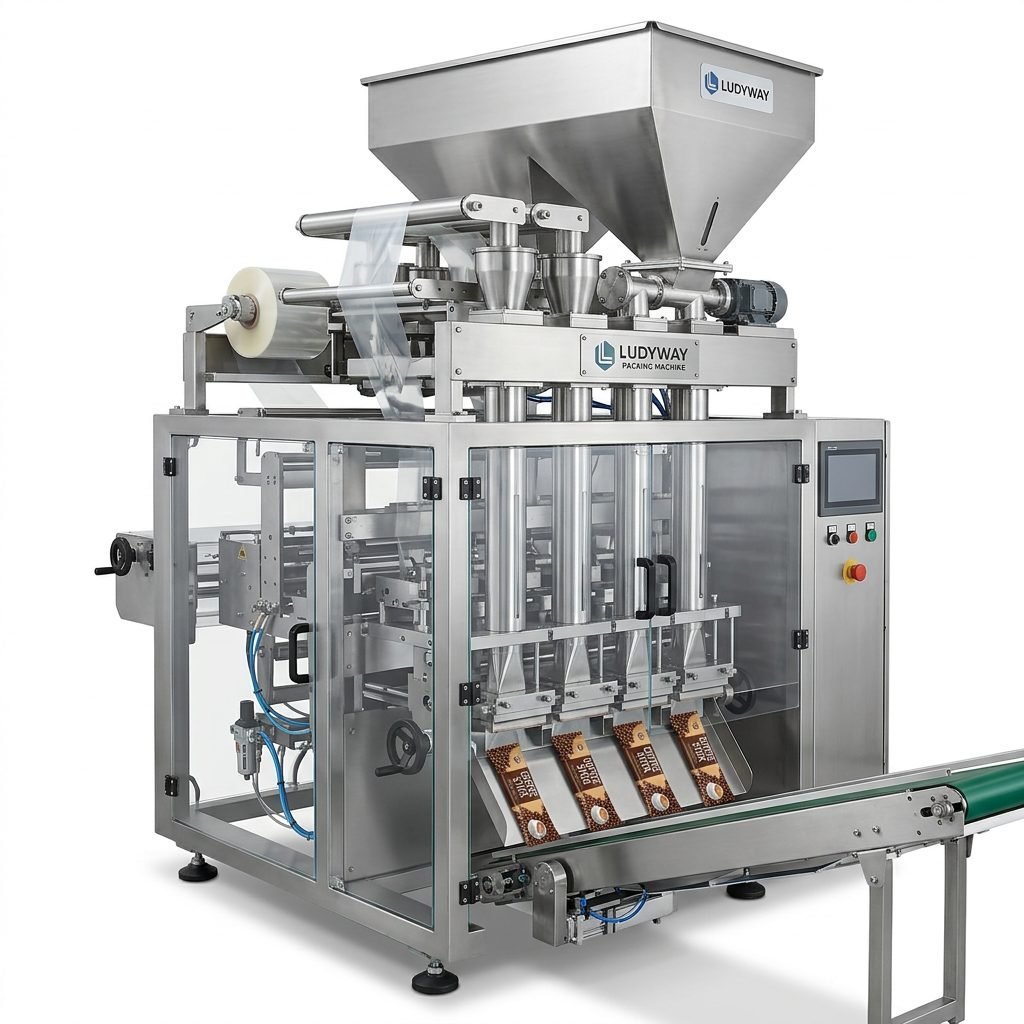
Investing in a bagasse packaging machine is a strategic decision for manufacturers looking to enter or expand within the sustainable packaging market. Bagasse, the fibrous residue left after sugarcane stalks are crushed to extract juice, has become one of the most popular raw materials for producing compostable tableware, food containers, and packaging products. Choosing the right equipment requires a thorough understanding of your production goals, product specifications, and long-term operational needs. This guide walks you through every critical factor to evaluate before making a purchase.
Understanding Bagasse Packaging Machinery
Bagasse packaging machinery encompasses a range of equipment designed to process, form, and package products made from sugarcane fiber. Unlike traditional plastic packaging lines, these machines must accommodate the unique characteristics of bagasse materials, including moisture sensitivity, fiber density variations, and specific molding requirements. The two primary categories include thermoforming machines that shape bagasse pulp into finished products and automated packaging systems that wrap, seal, and prepare finished items for distribution.
According to the Flexible Packaging Association, the demand for fiber-based packaging solutions has grown significantly as regulations around single-use plastics tighten globally. Manufacturers across food service, retail, and industrial sectors are increasingly turning to bagasse as a viable alternative. Understanding the full scope of machinery available is essential to making an informed investment that aligns with both current and projected production volumes.
Types of Bagasse Packaging Machines
Selecting the right type of equipment begins with identifying the specific stage of production you need to address. Bagasse packaging operations generally fall into three distinct categories, each requiring specialized machinery tailored to different production phases.
1. Bagasse Pulp Molding and Thermoforming Equipment
These machines transform raw bagasse pulp into molded products such as plates, bowls, trays, clamshell containers, and cup carriers. The process involves forming the wet pulp into desired shapes using heated molds, then drying and trimming the finished pieces. Key specifications to evaluate include mold changeover time, production cycle speed, energy consumption per unit, and the range of product dimensions supported. Modern thermoforming lines often feature rotary or reciprocating configurations with multi-cavity molds capable of producing hundreds of units per hour.
2. Automated Wrapping and Sealing Machines
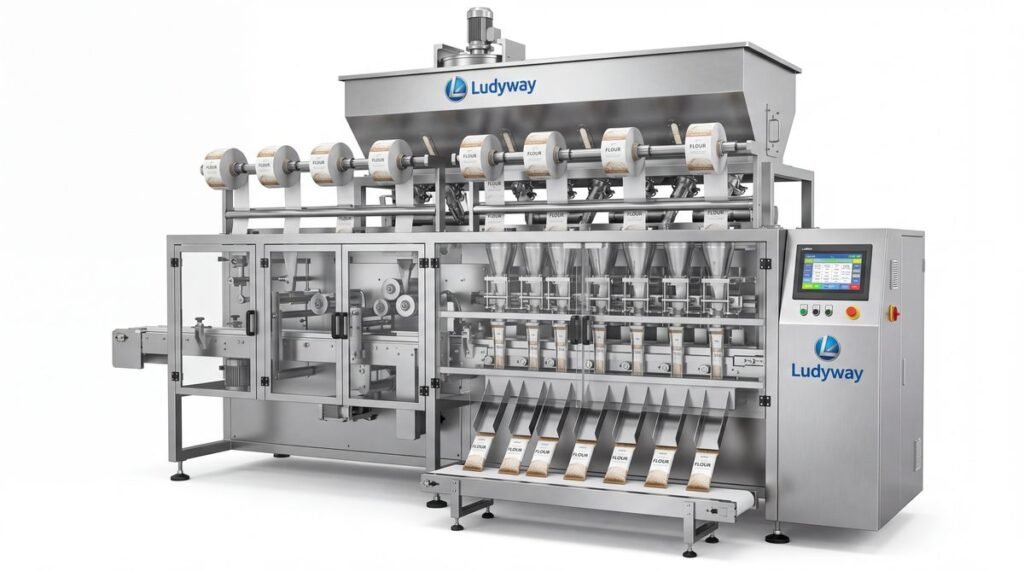
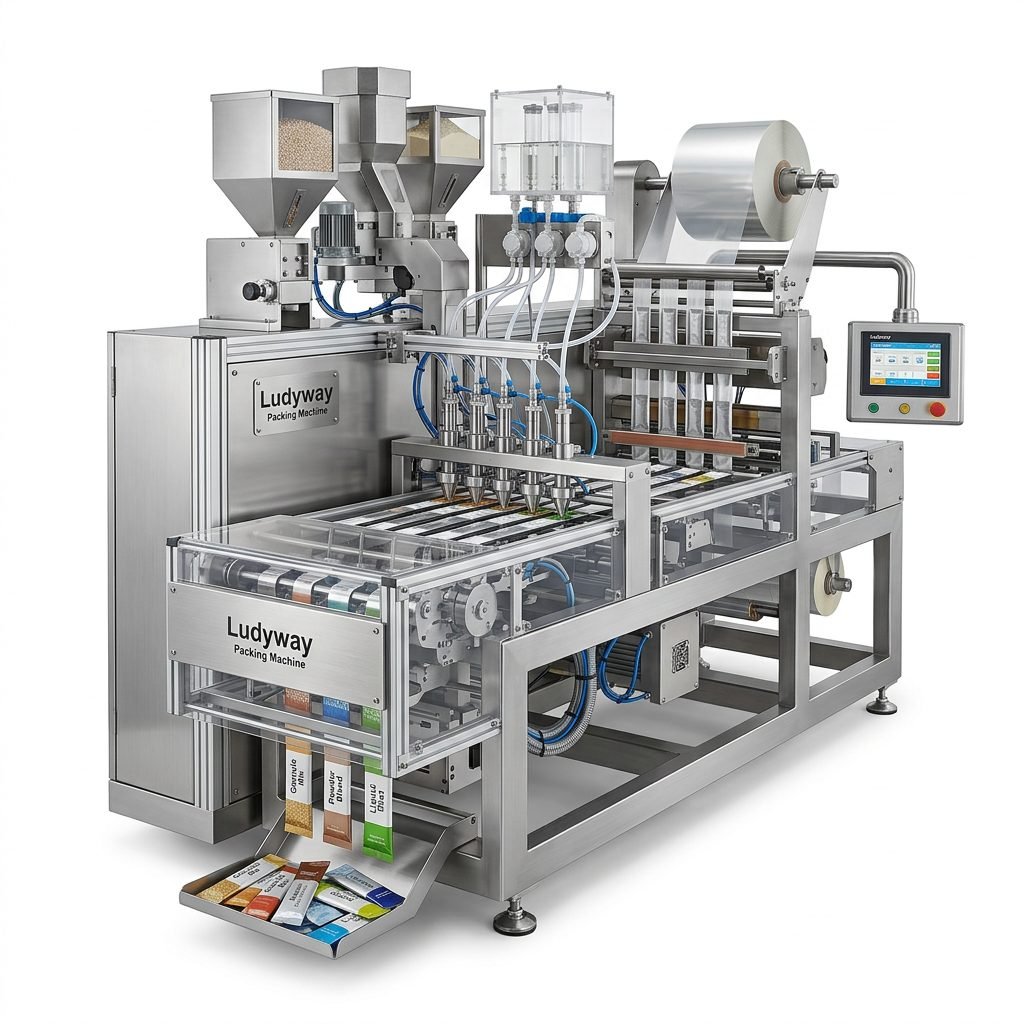
Once bagasse products are formed, they require protective packaging for hygiene, stacking, and transit. Flow wrappers, shrink wrap machines, and overwrapping systems are commonly used. These machines must handle delicate fiber-based products without causing cracking, edge damage, or deformation. Look for equipment with adjustable tension controls, gentle product handling mechanisms, and compatibility with compostable films that maintain the environmental integrity of the final package.
3. Complete Turnkey Production Lines
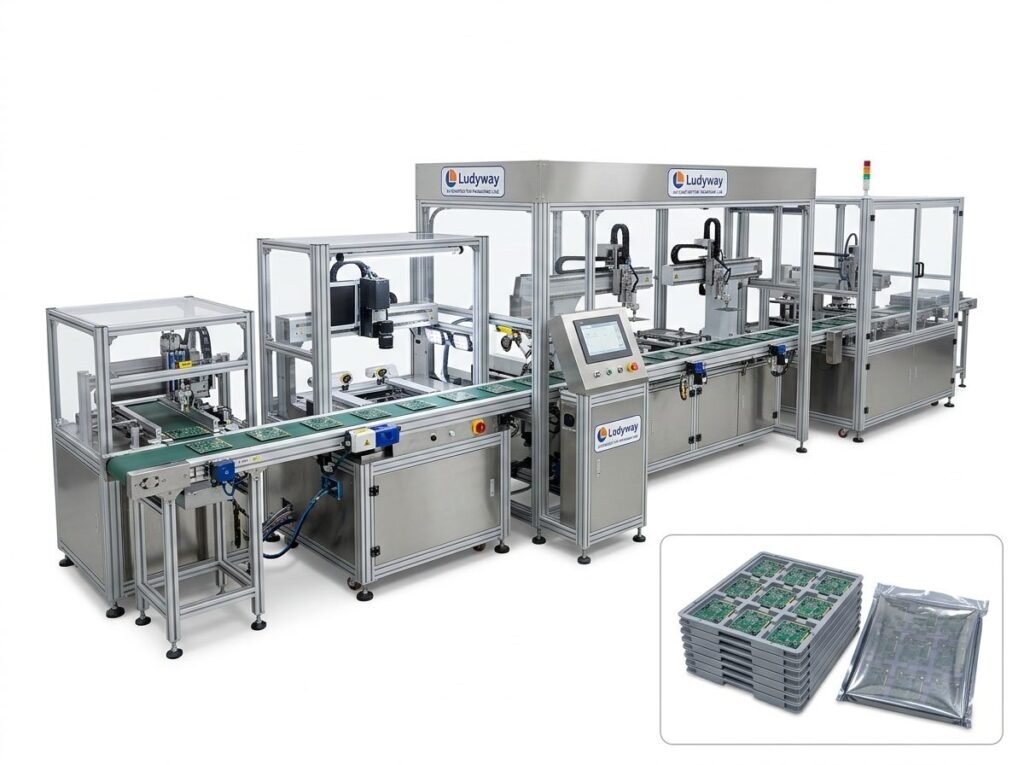
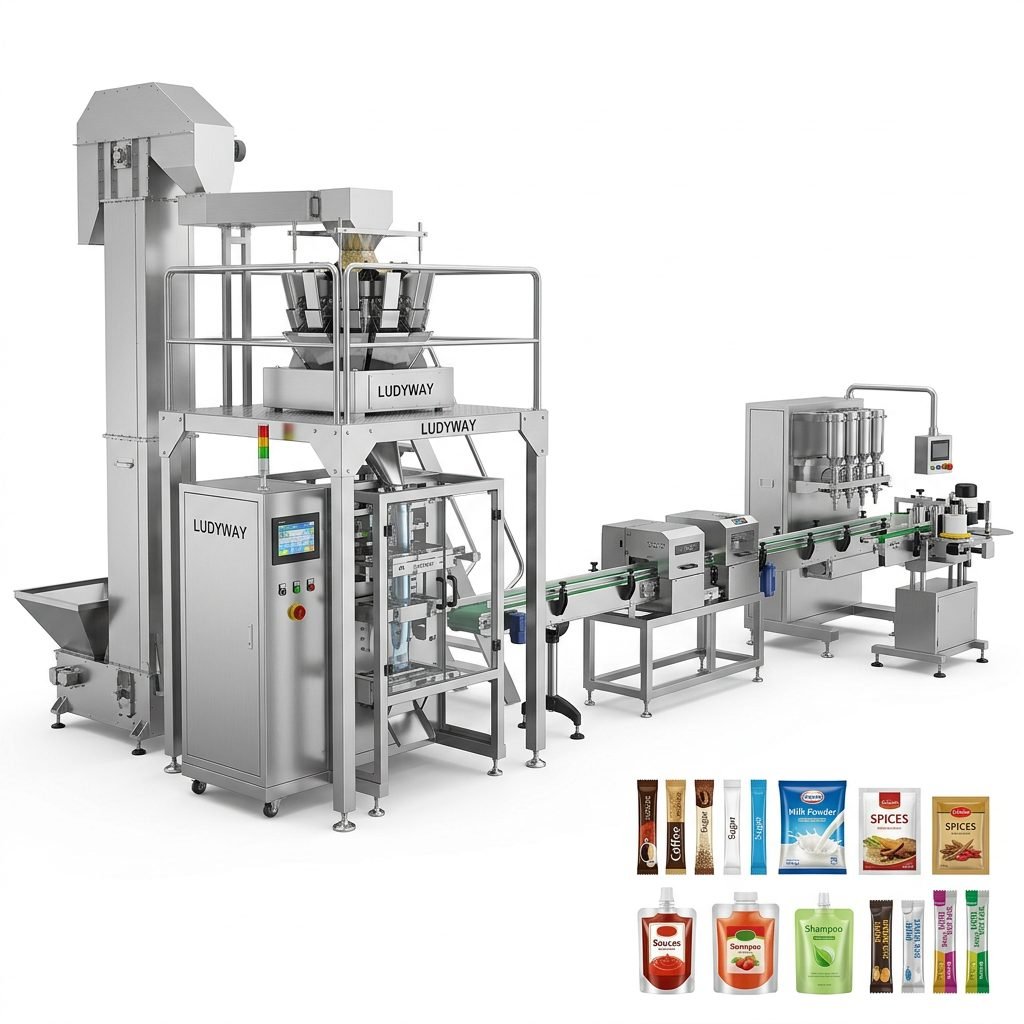
For large-scale manufacturers, integrated packaging lines that connect pulp molding, drying, inspection, stacking, counting, and wrapping into a single automated workflow offer the highest efficiency. These systems reduce manual handling, minimize contamination risks, and provide consistent output quality. When evaluating turnkey solutions, consider the industry benchmarks for overall equipment effectiveness (OEE) and ensure the supplier can provide comprehensive integration support from installation through commissioning.
Key Factors to Consider When Choosing a Bagasse Packaging Machine
Making the right equipment choice requires evaluating multiple technical and operational factors. The following table summarizes the most critical specifications to assess during your selection process:
| Evaluation Factor | Why It Matters | Key Questions to Ask |
|---|---|---|
| Production Capacity | Determines throughput and ability to meet market demand | What is the hourly output? Can it scale with seasonal demand? |
| Product Compatibility | Ensures the machine handles your specific bagasse product range | What sizes, shapes, and thicknesses are supported? |
| Automation Level | Impacts labor costs, consistency, and operational complexity | Is semi-automatic or fully automatic more suitable for your facility? |
| Material Efficiency | Reduces waste and improves sustainability metrics | What is the material utilization rate and scrap percentage? |
| Energy Consumption | Significant factor in long-term operational expenditure | What are the estimated energy costs per production hour? |
| Certifications | Compliance with FDA food contact and international standards | Does the equipment meet ISO, BRC, or other relevant certifications? |
Matching Machine Specifications to Your Production Needs
Every manufacturing operation has unique requirements that influence equipment selection. Before engaging with suppliers, thoroughly document your production parameters:
- Target output volume: Define your daily, monthly, and annual production goals, including anticipated growth over the next 3-5 years. This prevents undersized investments that quickly become bottlenecks.
- Product dimensions and variety: Catalog every bagasse product you currently produce or plan to introduce, including length, width, height, wall thickness, and any special features like compartments or hinged lids.
- Packaging format requirements: Determine whether you need individual wrapping, bulk packaging, retail-ready display packaging, or a combination of formats to serve different distribution channels.
- Facility constraints: Measure available floor space, ceiling height, utility connections (electrical, compressed air, water), and loading dock access to ensure the equipment can be properly installed and operated.
- Labor availability: Assess the skill level of your workforce and determine how much operator intervention the machine realistically requires for daily operation, changeovers, and maintenance.
Evaluating Quality and Compliance Standards
Bagasse packaging machines used for food-contact products must adhere to stringent hygiene and safety regulations. Food-grade materials, sanitary design principles, and easy-clean surfaces are non-negotiable for manufacturers supplying the food service industry. Review the ISO packaging standards relevant to your target markets and confirm that the equipment can be configured to meet applicable requirements.
Key quality indicators include the machine’s frame construction material (stainless steel is preferred for washdown environments), the quality of electrical components and PLC systems, the availability of safety features such as emergency stops and guarding, and the supplier’s track record with packaging machinery standards and regulations. Request documentation on compliance testing and certification for any equipment under consideration.
Important Certifications to Verify
- CE marking for machinery sold in the European Economic Area
- FDA compliance for food-contact packaging equipment destined for the U.S. market
- ISO 9001 certification for quality management systems
- HACCP-compatible design for food safety management
- UL or equivalent electrical safety certification
Cost Analysis and Return on Investment
The purchase price of a bagasse packaging machine represents only one component of the total cost of ownership. A comprehensive financial evaluation should account for installation, training, maintenance, spare parts, energy consumption, and expected service life. While budget constraints are real, prioritizing the lowest upfront cost often results in higher long-term expenses through reduced efficiency, increased downtime, and more frequent repairs.
Consider the following cost elements when calculating your return on investment:
- Initial capital expenditure: Machine purchase price, shipping, import duties, and installation costs
- Operational costs: Energy, water, compressed air, and consumable materials per production hour
- Labor costs: Number of operators required per shift and their skill level requirements
- Maintenance expenses: Scheduled service intervals, spare parts availability, and expected component lifespan
- Downtime cost: Estimated production losses during breakdowns, changeovers, and preventive maintenance
- End-of-life value: Equipment resale potential or decommissioning costs after its useful life
Supplier Selection and Due Diligence
Choosing the right equipment partner is as important as selecting the right machine. A reliable packaging machinery manufacturer should offer more than just equipment sales—they should provide comprehensive engineering support, responsive after-sales service, and a demonstrated commitment to customer success. When evaluating potential suppliers, examine their industry experience, manufacturing capabilities, and global service infrastructure.
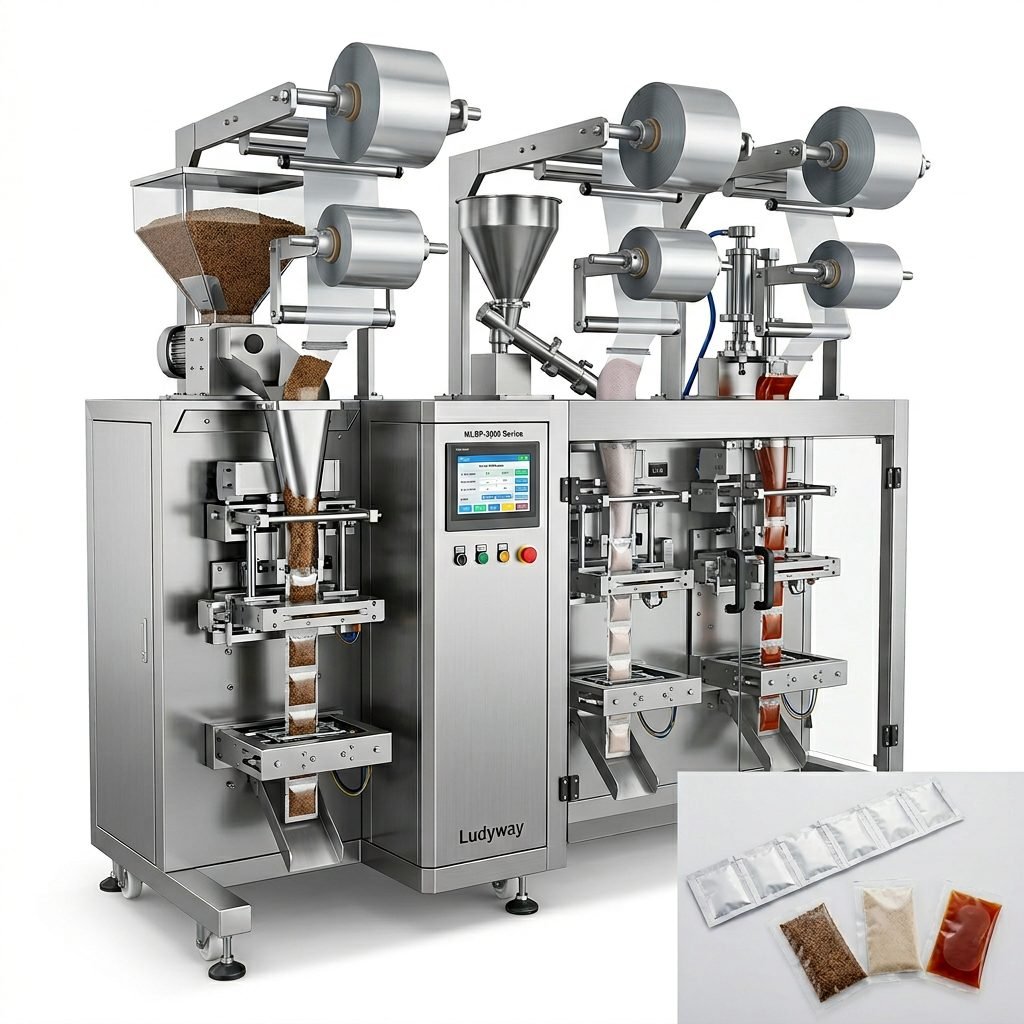
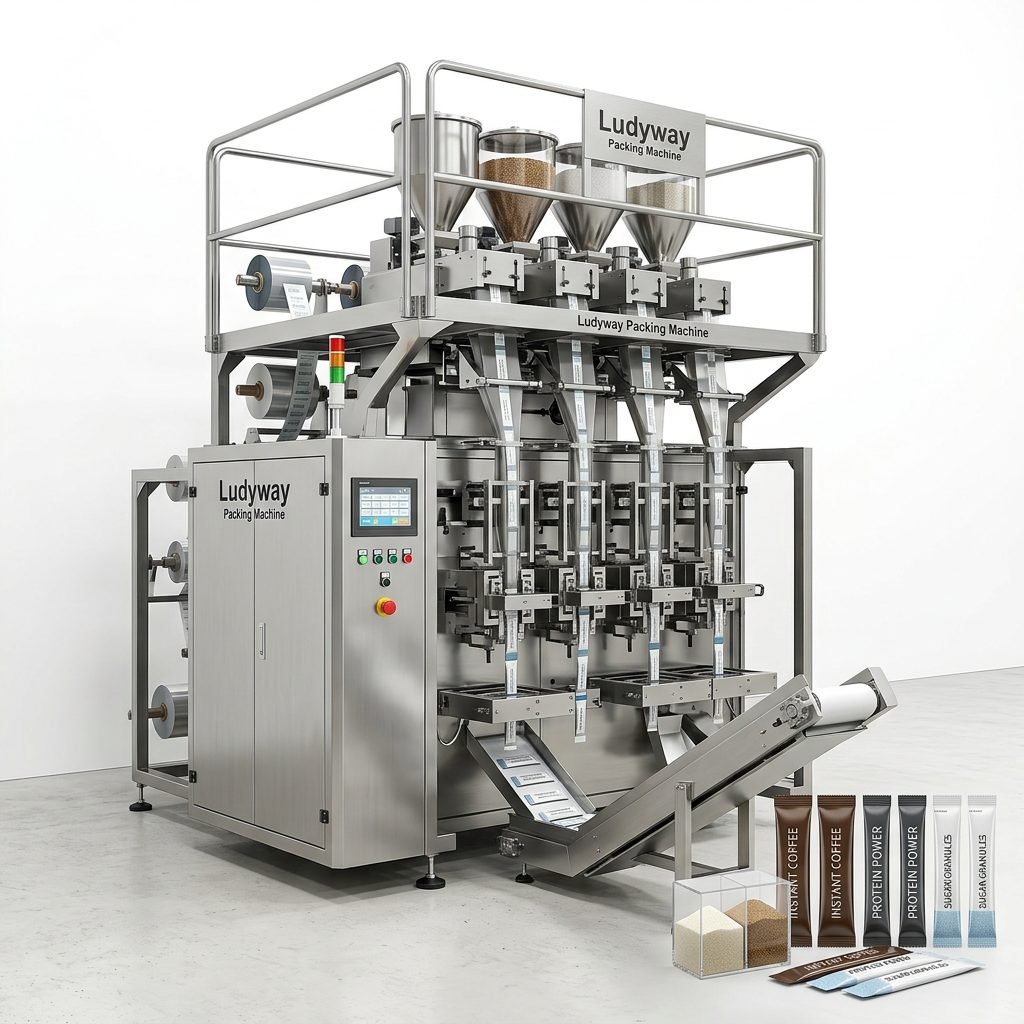
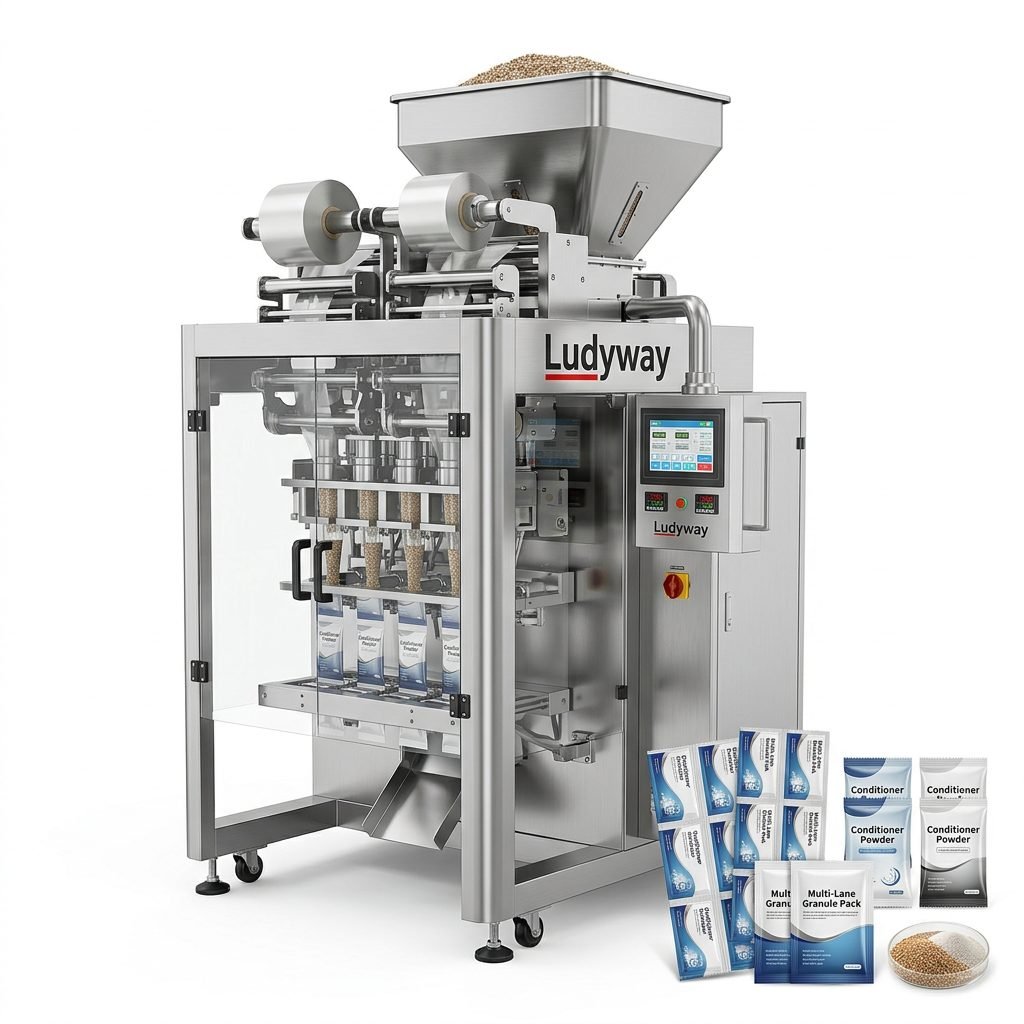
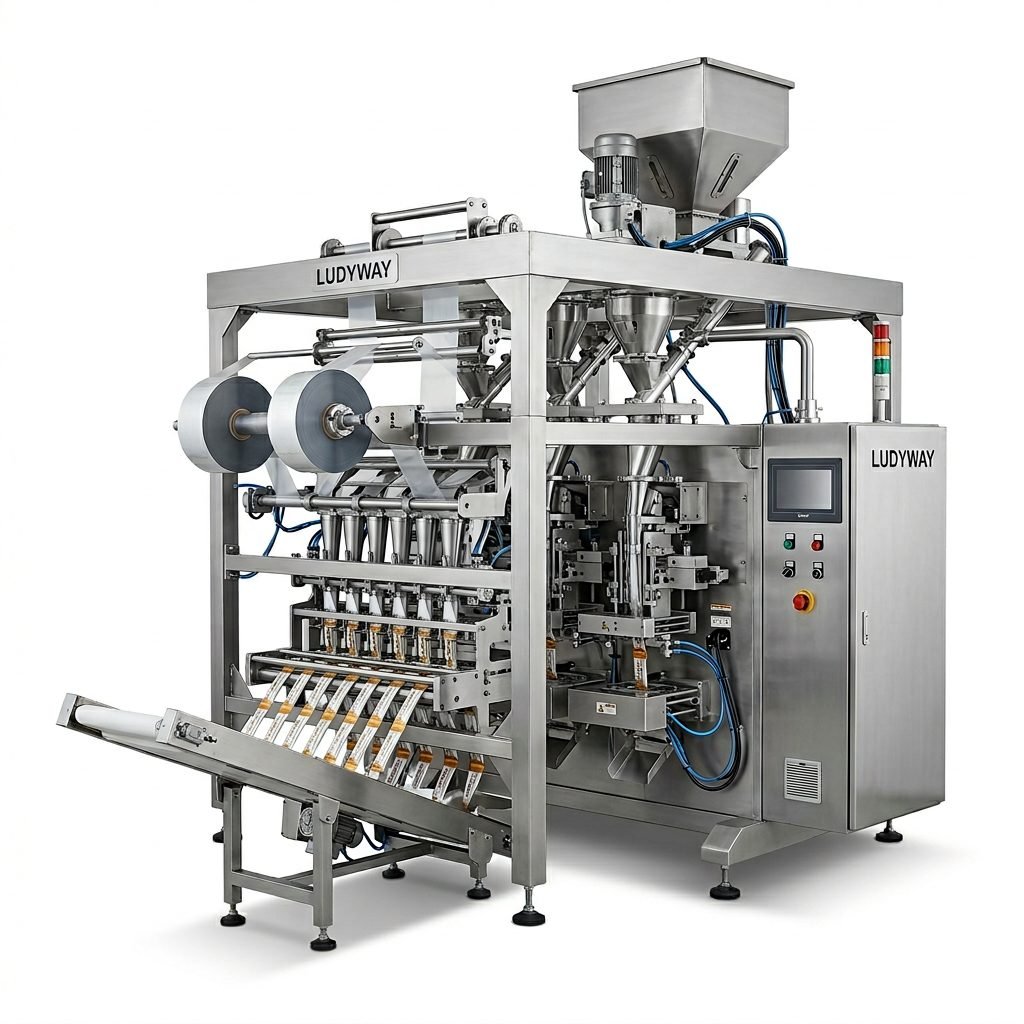
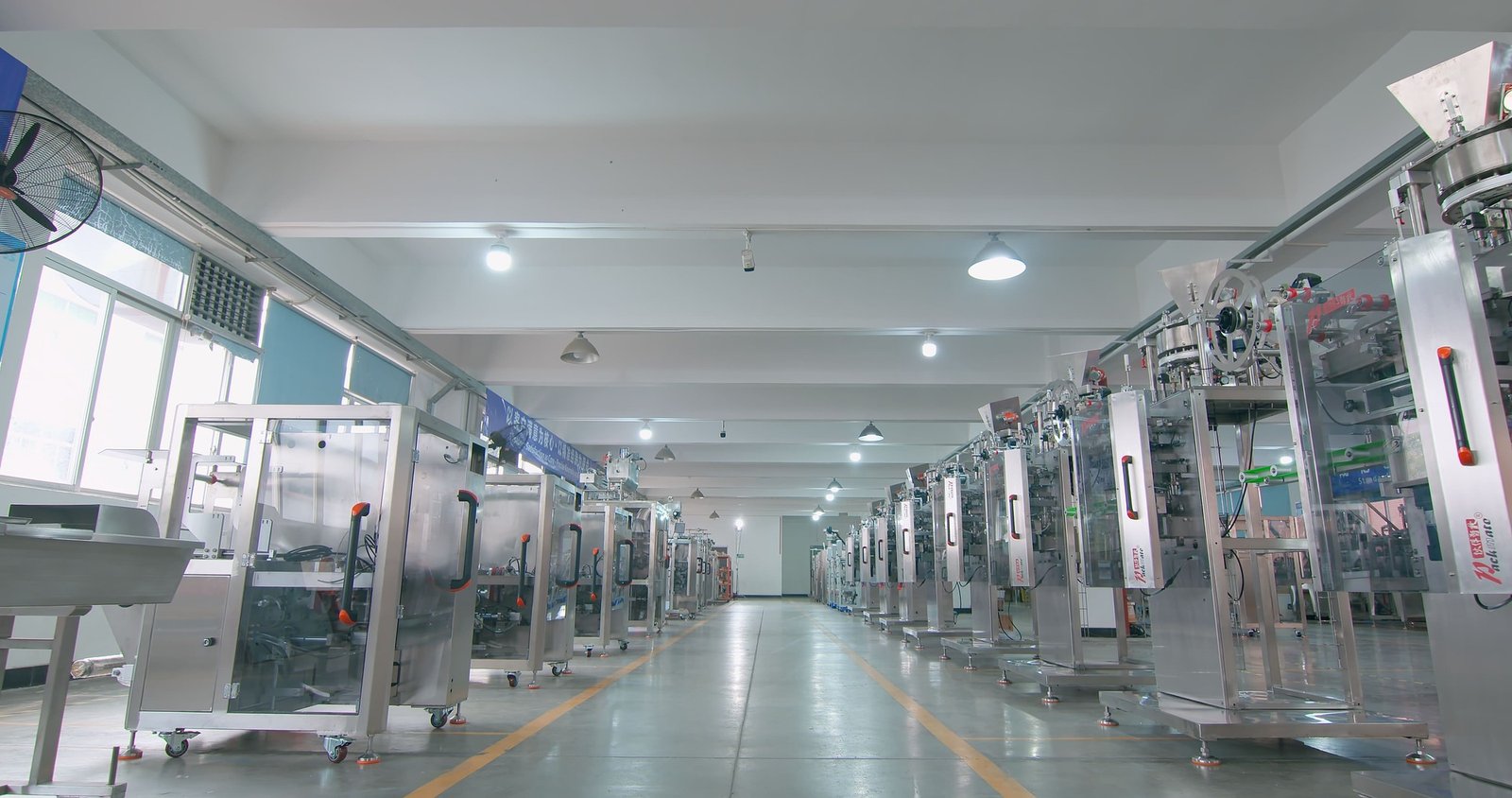
For example, Ludyway Machinery, a China-based packaging machinery manufacturer with more than 30 years of experience and a 20,000-square-meter manufacturing facility, provides automated packaging equipment and turnkey packaging solutions designed for diverse production requirements. Suppliers with this level of established infrastructure can offer greater reliability in delivery timelines, spare parts availability, and long-term technical support.
Questions to Ask Potential Suppliers
- How many bagasse packaging installations have you completed, and can you provide references from manufacturers with similar production volumes?
- What is your standard warranty period, and what does it cover?
- Do you offer on-site installation, commissioning, and operator training services?
- What is the typical lead time for spare parts and emergency service response in my region?
- Can the machine be upgraded or reconfigured if our product line expands in the future?
- What remote diagnostics and technical support capabilities do you provide?
Technology Trends Shaping Bagasse Packaging Equipment
The bagasse packaging machinery sector continues to evolve with advancements in automation, digitalization, and sustainable materials science. Staying informed about emerging technologies helps manufacturers future-proof their investments and maintain competitive advantages.
- IoT-enabled monitoring: Smart sensors and cloud-connected control systems enable real-time production tracking, predictive maintenance alerts, and remote troubleshooting capabilities that reduce unplanned downtime.
- Energy-efficient heating systems: New mold heating technologies including induction and infrared systems offer faster cycle times with significantly lower energy consumption compared to conventional resistance heating.
- Advanced servo-driven automation: Precision servo motors improve product consistency, reduce mechanical wear, and enable faster changeovers between different product configurations.
- Vision inspection integration: Automated optical inspection systems detect defects, measure dimensions, and ensure consistent product quality at high production speeds without manual checking.
- Compostable film compatibility: Wrapping and sealing machines are increasingly designed to run bio-based and compostable films that complement the environmental benefits of bagasse products.
Common Mistakes to Avoid
Many first-time buyers of bagasse packaging equipment encounter avoidable challenges that delay production ramp-up and increase total costs. Understanding these common pitfalls in advance can save significant time and resources during the procurement process.
- Underestimating production growth: Purchasing equipment sized precisely for current demand leaves no capacity buffer for business expansion, forcing costly upgrades sooner than anticipated.
- Overlooking utility requirements: Failing to verify that the facility’s electrical supply, compressed air capacity, water pressure, and ventilation systems can support the new equipment leads to expensive infrastructure modifications.
- Ignoring material variability: Bagasse pulp characteristics can vary by source, season, and processing method. Equipment must be tested with your actual production materials, not just ideal samples.
- Skipping operator training: Even the most advanced machine will underperform if operators lack proper training on setup, operation, troubleshooting, and routine maintenance procedures.
- Neglecting after-sales support: Choosing a supplier without evaluating their spare parts network, technical support availability, and service response times in your specific geographic region.
Final Checklist Before Making Your Purchase
Use this summary checklist to ensure you have addressed all critical considerations in your bagasse packaging machine selection process:
- Clearly defined production capacity requirements with documented growth projections
- Complete product specifications including all sizes, shapes, and material characteristics
- Verified facility readiness including space, utilities, and environmental conditions
- Confirmed regulatory compliance requirements for all target markets
- Comprehensive total cost of ownership analysis beyond the initial purchase price
- Evaluated at least three qualified suppliers with relevant industry experience
- Requested and reviewed customer references from manufacturers with similar operations
- Confirmed warranty terms, spare parts availability, and after-sales support arrangements
- Planned for operator training and ongoing technical support
- Aligned equipment specifications with the European packaging waste regulations and sustainability goals
Investing in the right bagasse packaging machinery positions your business to capitalize on the growing global demand for sustainable packaging solutions. By approaching the selection process methodically—evaluating technical specifications, supplier capabilities, total costs, and long-term support—you can secure equipment that delivers reliable performance, consistent product quality, and strong returns over its operational lifetime.