Investing in a cardboard box packing machine is a strategic decision that directly impacts your operational efficiency, labor costs, and product protection. Whether you are running a high-speed e-commerce fulfillment center or a specialized food manufacturing line, integrating the right end-of-line automation requires a deep understanding of your current workflow and future scalability. This guide walks you through the essential factors to evaluate, helping you make an informed purchasing decision that aligns with global packaging standards and best practices championed by organizations like the PMMI – The Association for Packaging and Processing Technologies.
Understanding the True Cost of Manual Packing
Before diving into machine specifications, it is critical to analyze the hidden bottlenecks in manual carton sealing, forming, and palletizing. Manual operations often lead to inconsistent box dimensions, material waste, and ergonomic injuries. Modern automatic case erectors and sealers are designed not just to replace labor but to optimize the entire packaging line. By adopting automated solutions, manufacturers can consistently meet the rigorous demands of supply chain logistics, ensuring product integrity right up to the retail shelf. Industry data from the Flexible Packaging Association emphasizes that optimizing secondary packaging is just as vital as primary packaging in reducing overall product damage.
Key Machine Types: Erector, Sealer, or Complete Line?
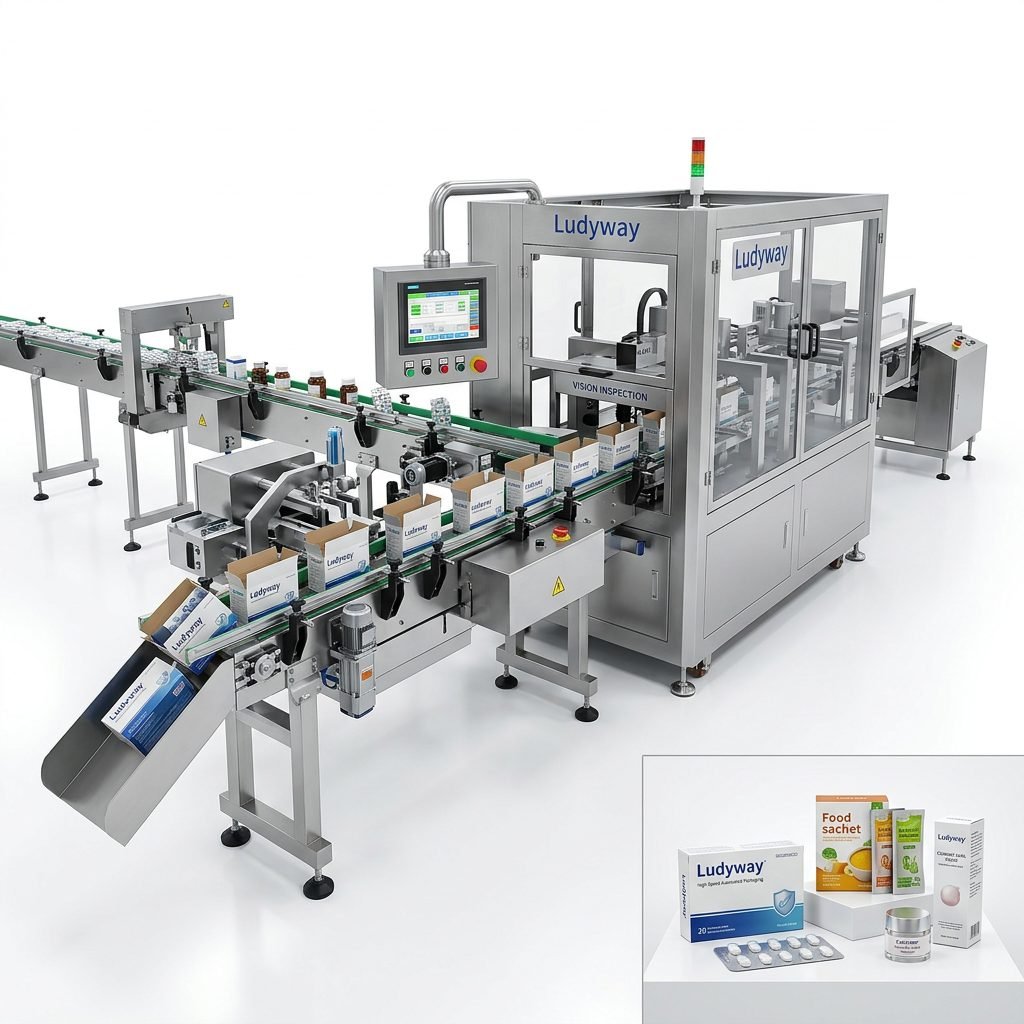
The term “cardboard box packing machine” often encompasses several distinct equipment types. It is crucial to distinguish between them to avoid overpaying for features you don’t need or missing functionalities that are vital.
- Case Erectors: These machines fold and form flat corrugated blanks into boxes, sealing the bottom flaps. They are ideal if you receive cases flat and need high-speed forming.
- Case Sealers: If you pack boxes manually or via an automated loading station, a case sealer applies tape or glue to the top and bottom flaps. These are the backbone of many high-volume shipping departments.
- All-in-One Packers: These complex systems erect the box, load the product (side-load or top-load), and seal the case. They are perfect for uniform, high-volume products like consumer packaged goods.
Selecting the wrong type can result in a significant bottleneck. For high-mix, low-volume operations, a flexible, adjustable case sealer often provides a better return on investment than a fully automated, dedicated line.
7 Critical Specifications to Evaluate Before You Buy
To ensure the machine integrates seamlessly with your existing systems, you must scrutinize the technical specifications. Do not rely solely on marketing material; request detailed datasheets and, if possible, conduct a factory acceptance test. The following table outlines the primary tolerance and performance metrics to weight against your production goals.
| Specification | Why It Matters | Ideal Standard |
|---|---|---|
| Speed (Cartons per Minute) | Must match upstream production output to prevent stacking. | 5 to 30+ CPM |
| Size Changeover Time | Critical for facilities running multiple SKUs daily. | < 10 Minutes |
| Case Material Compatibility | Varies for B-flute, C-flute, and thin kraft board. | Adjustable flap folding |
| Sealing Mechanism | Hot melt glue provides a tighter seal but requires higher maintenance than tape. | Tape or Glue |
| Air Consumption | Pneumatic systems require clean, dry air; hidden utility costs add up. | 6-8 Bar |
Material Quality and Frame Durability
In heavy-duty packaging environments, the structural integrity of the machinery is non-negotiable. Look for frames fabricated from thick-gauge carbon steel with a powder-coated finish to resist corrosion. The weight of the machine is often a reliable indicator of its vibration-dampening capabilities. Heavy-duty components directly correlate with longevity and precision, especially in 24/7 operations where lightweight aluminum frames might fatigue.
The Automation and Integration Factor
Modern cardboard box packing machines are not standalone islands. They must communicate with upstream conveyors, checkweighers, and palletizing robots. Ensure the control system—typically PLC-based—supports standard industrial protocols like Ethernet/IP or Profinet. A robust servo-driven system enables precise case handling, reduces product damage, and ensures compliance with the strict guidelines often found in PMMI – 2026 Packaging State of the Industry reports regarding automation interoperability.

Customizing vs. Standardizing Your Approach
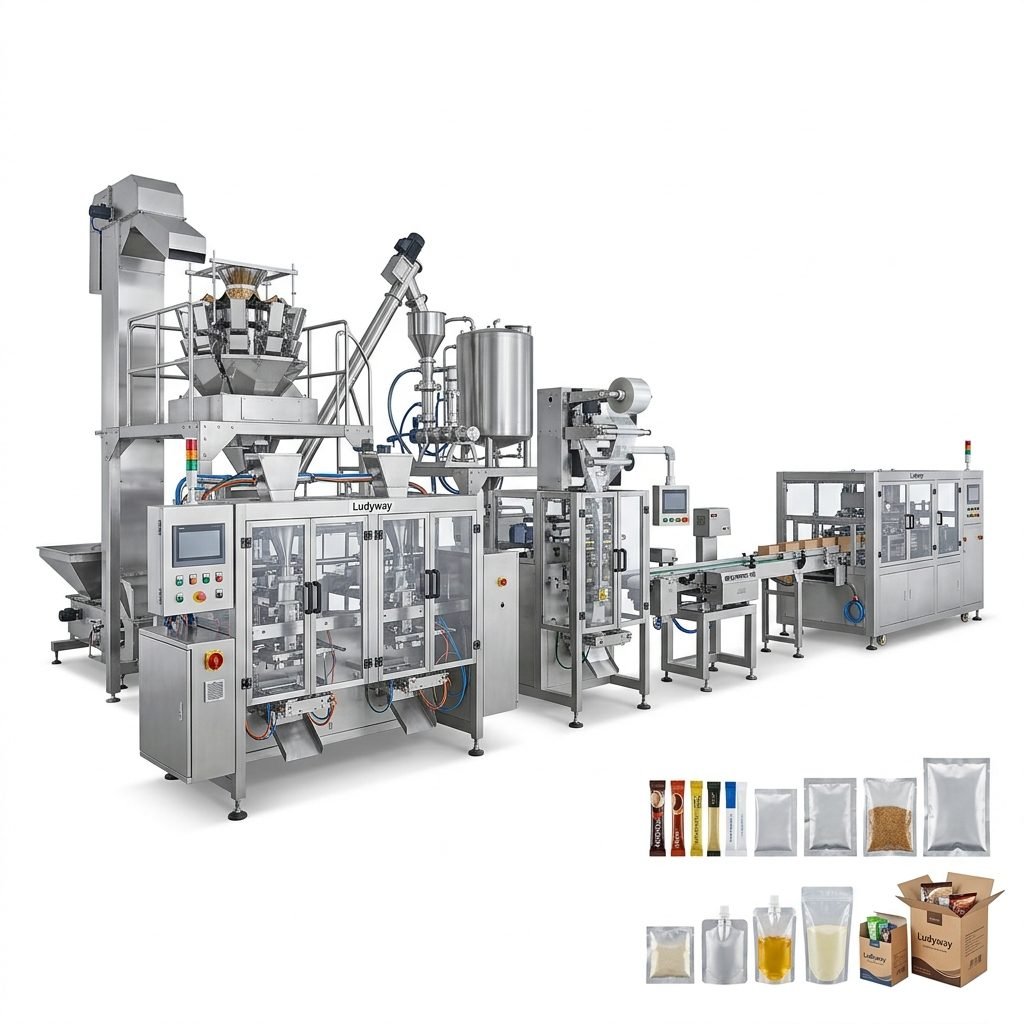
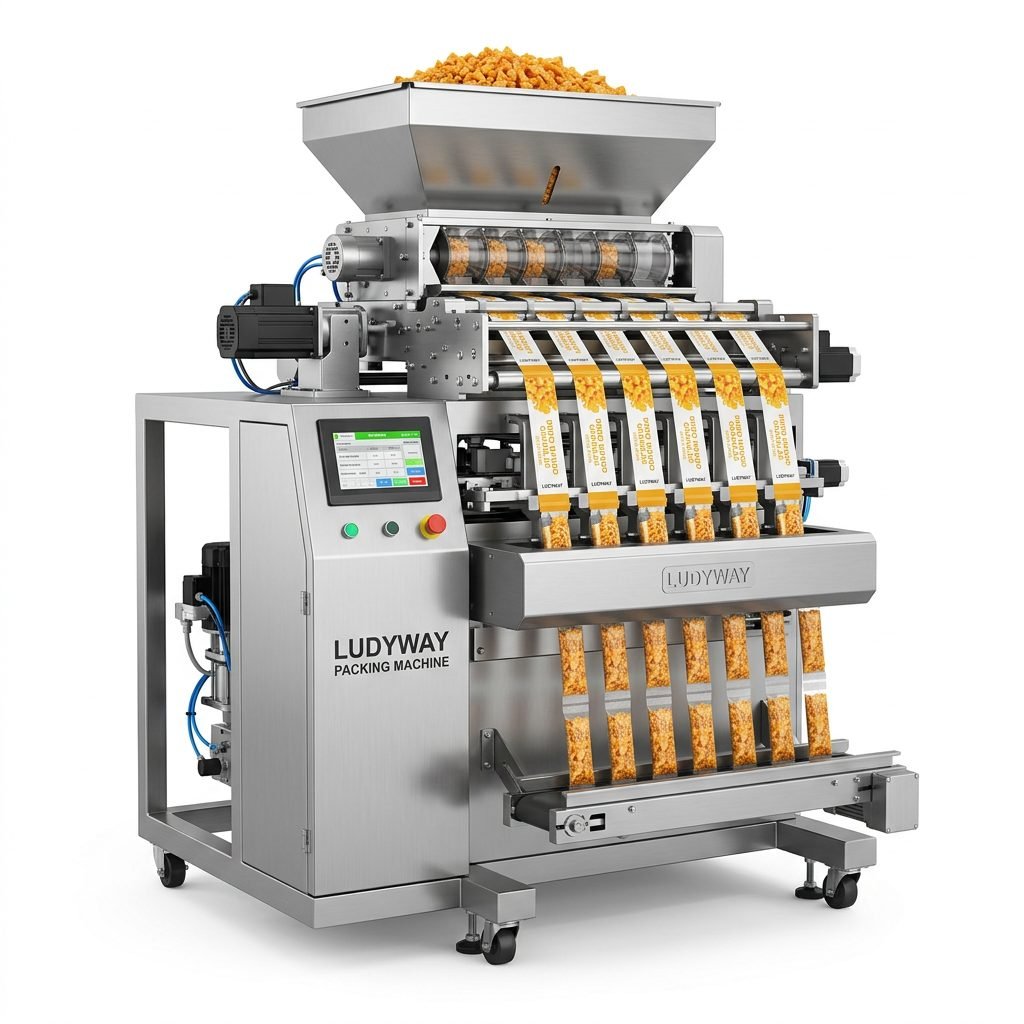
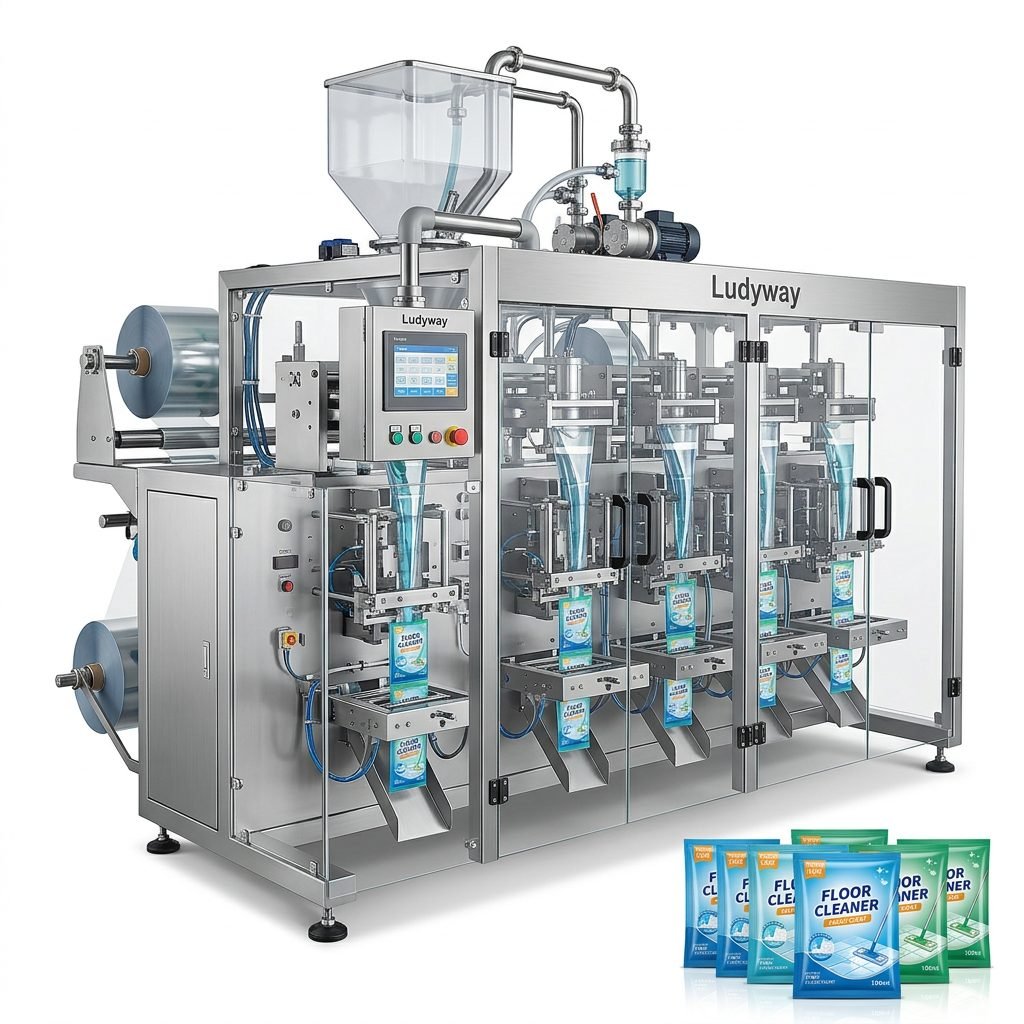
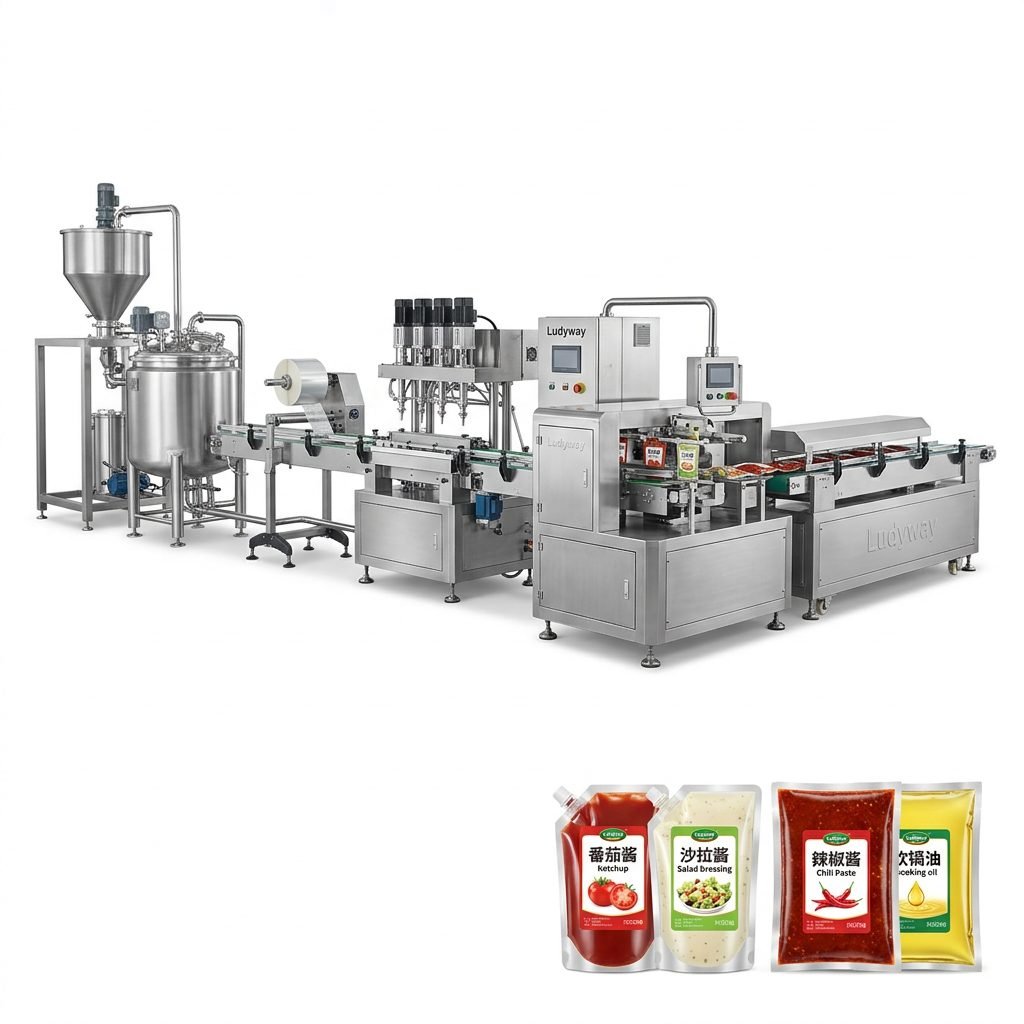
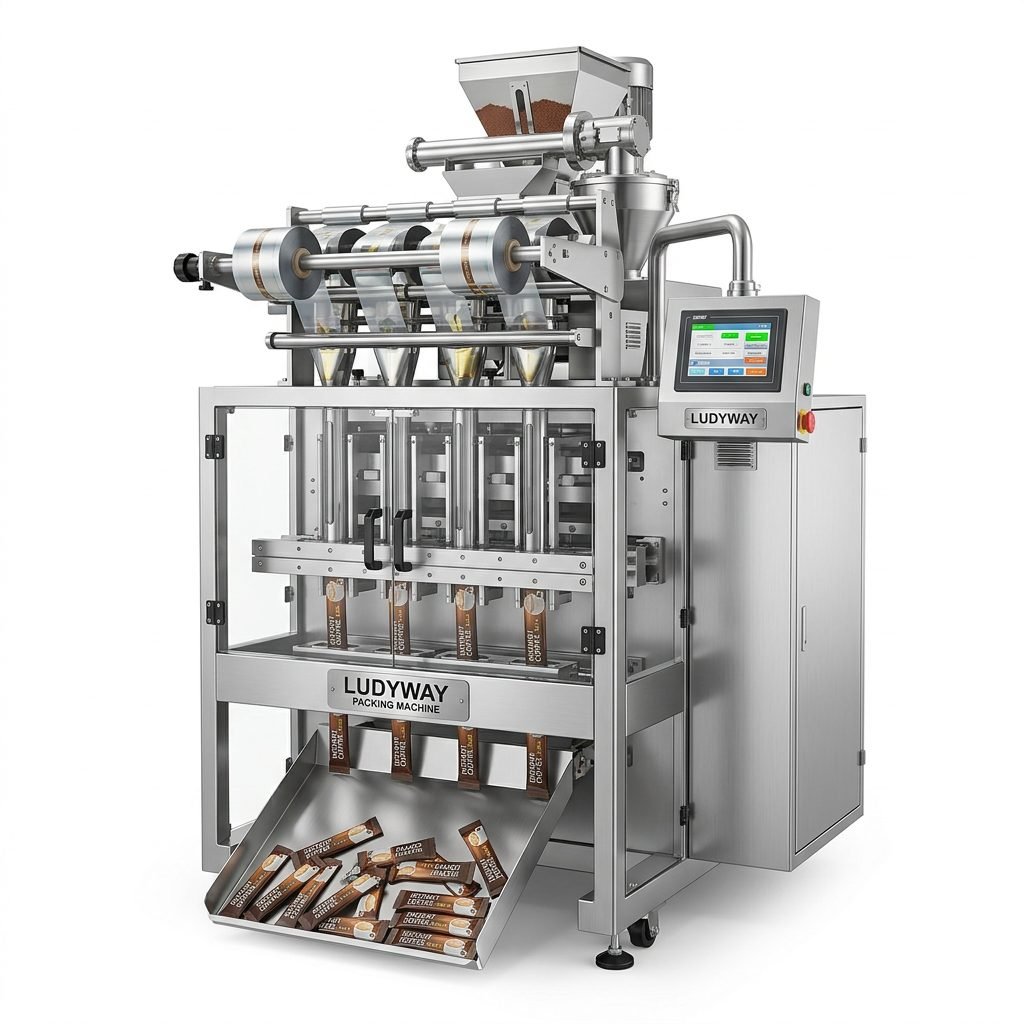
Every production floor is unique. While standardized machines offer competitive pricing and quicker lead times, they often fail to accommodate specific product dimensions or environmental constraints. For instance, manufacturers packaging frozen or agricultural products often require stainless steel washdown construction and specialized cold-temperature adhesives. When standard equipment falls short, a customized engineering approach is needed. For complex projects requiring turnkey solutions, manufacturers like Ludyway Machinery provide integrated packaging systems tailored to unique factory layouts and production capacities, serving industries ranging from food and beverage to chemicals.
Safety and Ergonomic Standards
Compliance with international safety standards is mandatory. Ensure the machine includes category 3 safety circuits, interlocked polycarbonate guarding, and emergency stop buttons positioned at logical intervals. By limiting operator interaction with moving parts, you not only protect your workforce but also mitigate the risk of liability complaints. Ergonomic designs that place controls at waist height and minimize repetitive strain are essential for modern, worker-friendly facilities.
Comparing Adhesive Sealing: Tape vs. Hot Melt Glue
The closure system defines the durability of your final shipment. To help you visualize the trade-offs, compare the main closure technologies based on their application parameters:
- Pressure-Sensitive Tape: Clean and easy to change. Ideal for light-to-medium weight boxes. Minimal maintenance required, but less tamper-evident.
- Water-Activated Tape: Provides a strong, pilfer-proof bond as the adhesive cures into the corrugate. Excellent for heavy goods but requires heated water systems.
- Hot Melt Adhesives: Offers the highest production speed and a rigid bond within seconds. However, it requires heated tanks, precision nozzles, and frequent cleaning to prevent charring.
Avoiding Common Implementation Pitfalls
A common mistake is purchasing a machine based on peak speed ratings without considering actual Overall Equipment Effectiveness (OEE). A machine rated for 20 cartons per minute might only achieve 12 in a real-world environment due to manual feeding gaps, jam recovery time, or inconsistent raw material quality. Before signing a purchase order, calculate the true required speed by factoring in a 20% buffer. Furthermore, visit a facility where the machine is running—such as those demonstrated at PACK EXPO International—to witness its performance under load.
Service, Spare Parts, and Long-Term Support
The mechanical longevity of a cardboard box packing machine depends heavily on access to critical spares and competent technical support. When evaluating a supplier, assess not just the purchase price but the total cost of ownership over a decade. A strategic partner should offer remote diagnostic access via VPN or secure cloud connections to provide real-time troubleshooting, drastically reducing downtime. From a regional perspective, proximity to a service hub or a reliable third-party integration partner can be the difference between a quick recovery and a week-long shutdown. For robust data on standards that govern long-term compliance, the ISO Packaging Standards provide a comprehensive framework used globally.
Final Selection Checklist
To summarize your readiness to purchase, use this quick actionable checklist:
- Documented product weight and dimensions (minimum to maximum variance).
- Verified corrugated board quality and consistent supply.
- Electrical and utility readiness (voltage, compressed air capacity).
- Integration plan for upstream and downstream conveyors.
- Established training protocol for operators and maintenance staff.
- Secured hot melt temperature settings (if using glue) to prevent box warping.
Selecting the right cardboard box packing machine is a complex engineering decision that influences your brand reputation upon delivery to the end customer. By prioritizing robust construction, realistic speeds, and a reputable support network over the lowest upfront price, you secure a competitive advantage in the rapidly evolving packaging sector.