Investing in a filling and packing machine is one of the most critical decisions a manufacturer can make. The right equipment can significantly boost production efficiency, improve product consistency, and reduce long-term operational costs. However, with so many machine types, configurations, and suppliers available, the selection process can feel overwhelming. This guide walks you through the essential factors to evaluate before making a purchase, helping you choose a solution that aligns with your specific production goals.
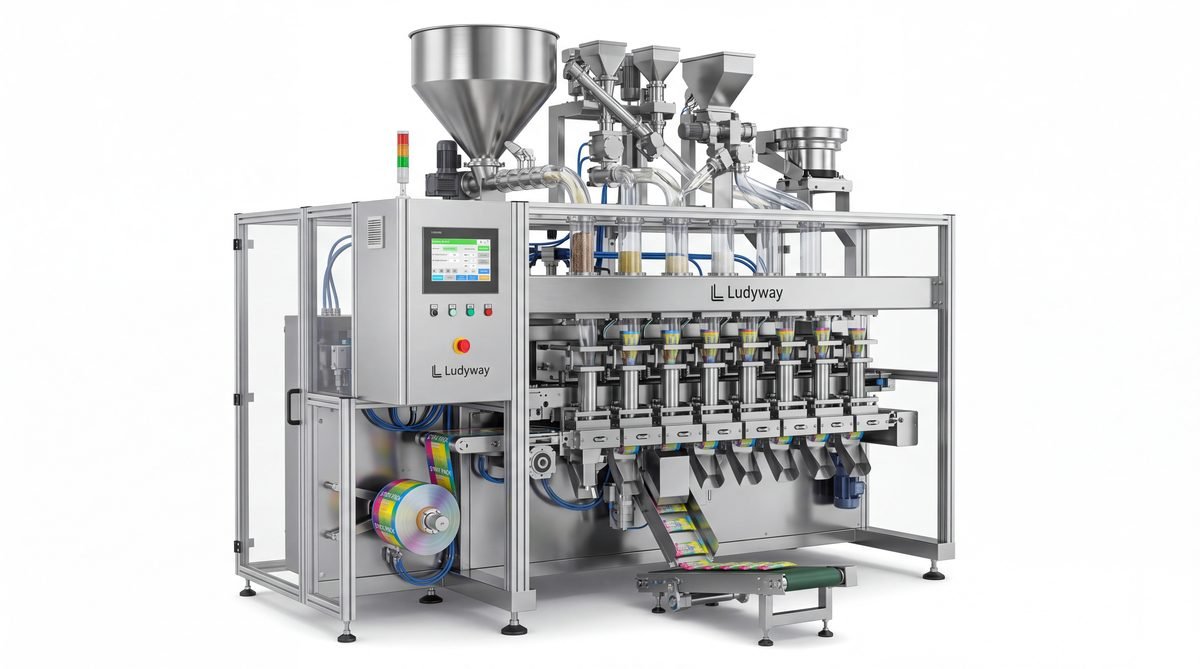
Understand Your Product Characteristics First
Before comparing machine specifications, start by analyzing the physical properties of the product you need to package. This single step will eliminate many incompatible options and narrow your search considerably.
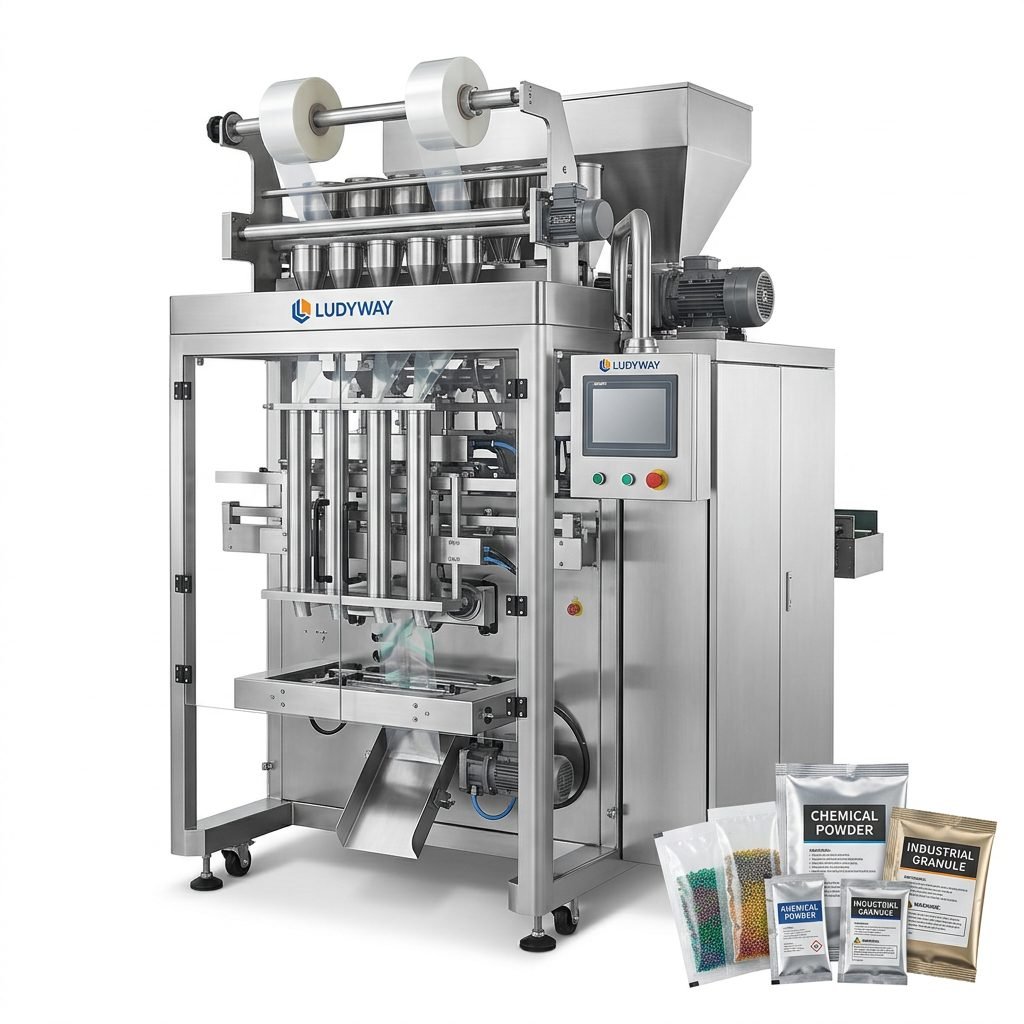
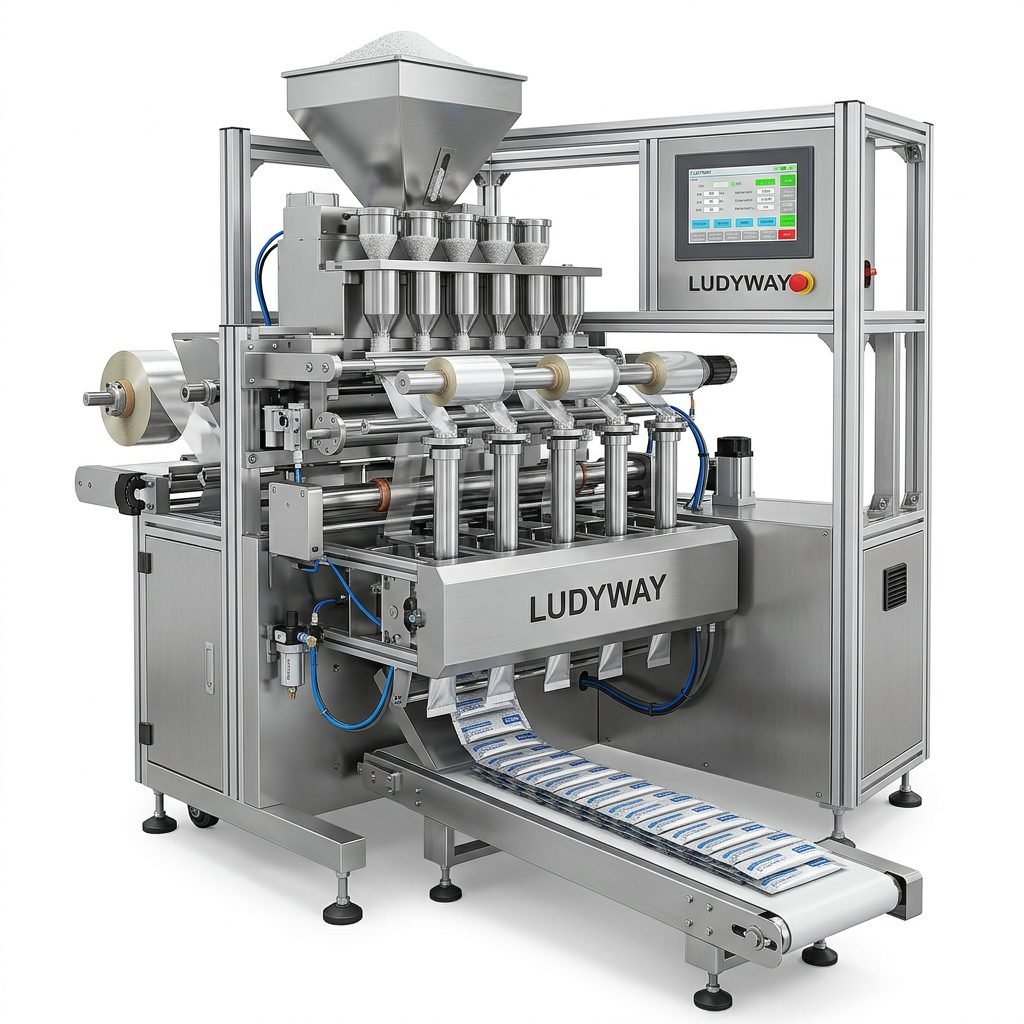
- Powder products — such as protein powder, spices, flour, and pharmaceutical powders — require specialized dosing systems like auger fillers to handle varying densities and flow characteristics.
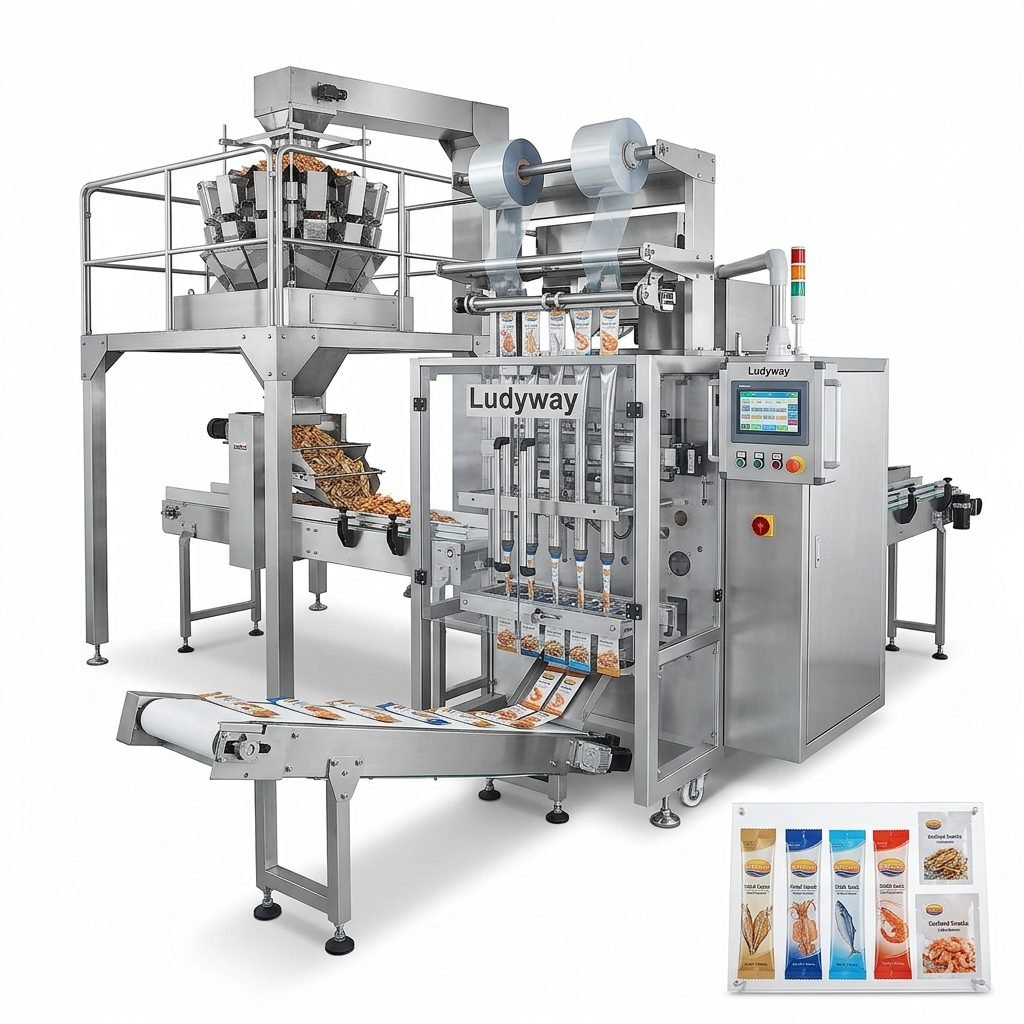
- Granule products — including sugar, salt, seeds, pet food, and fertilizer — typically work well with volumetric cup fillers or multi-head weighers for accurate portioning.
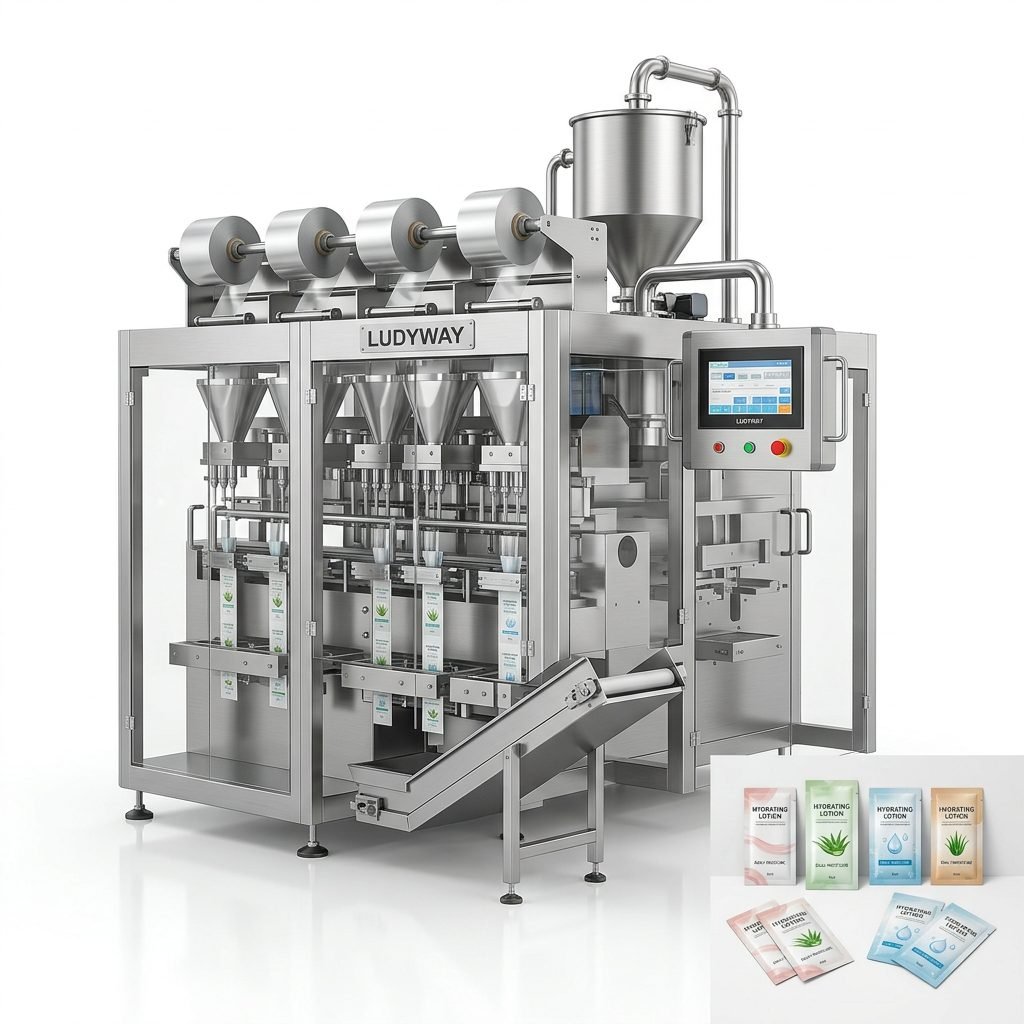
- Liquid products — ranging from beverages and oils to shampoos and cleaning solutions — need piston fillers, peristaltic pumps, or gravity-based systems depending on viscosity.
- Paste and cream products — such as sauces, gels, cosmetics, and ointments — require positive displacement fillers designed for thicker consistencies.
Each product category demands a specific dosing and filling technology. Selecting the wrong mechanism can lead to inconsistent fill weights, product waste, and frequent downtime. For detailed guidance on packaging standards across product types, refer to resources from the Packaging Machinery Manufacturers Institute (PMMI).
Choose the Right Packaging Format
Your target market and distribution channels will largely dictate the packaging format. Different machines are engineered to produce specific bag styles, and this choice affects everything from material costs to shelf appeal.
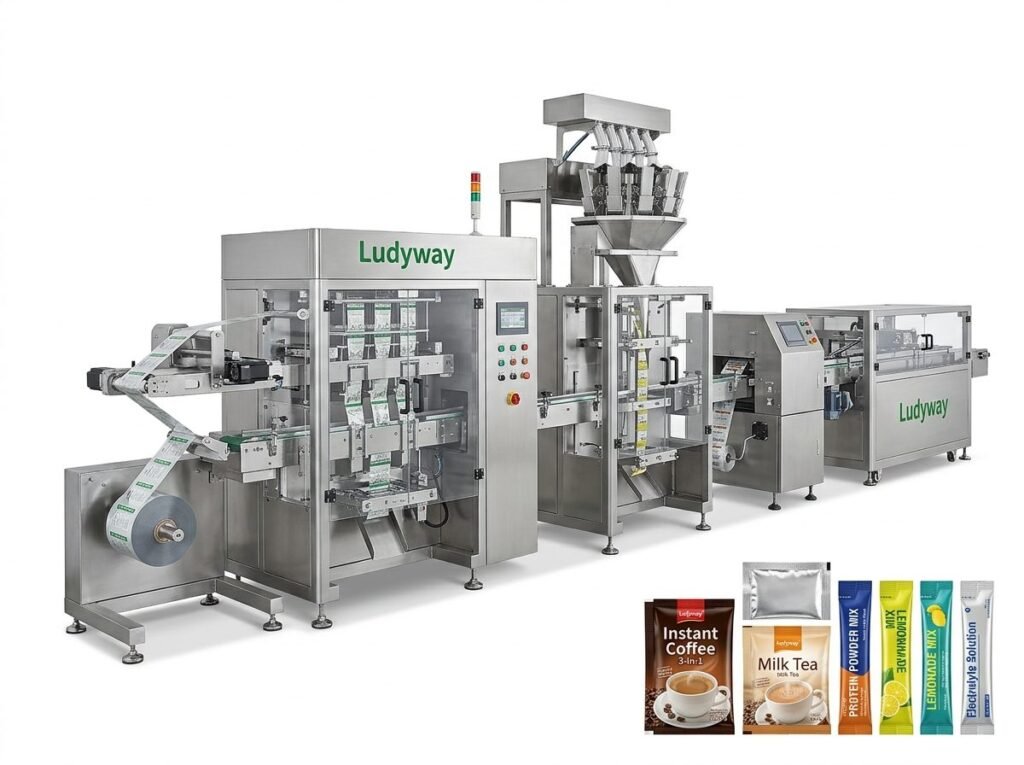
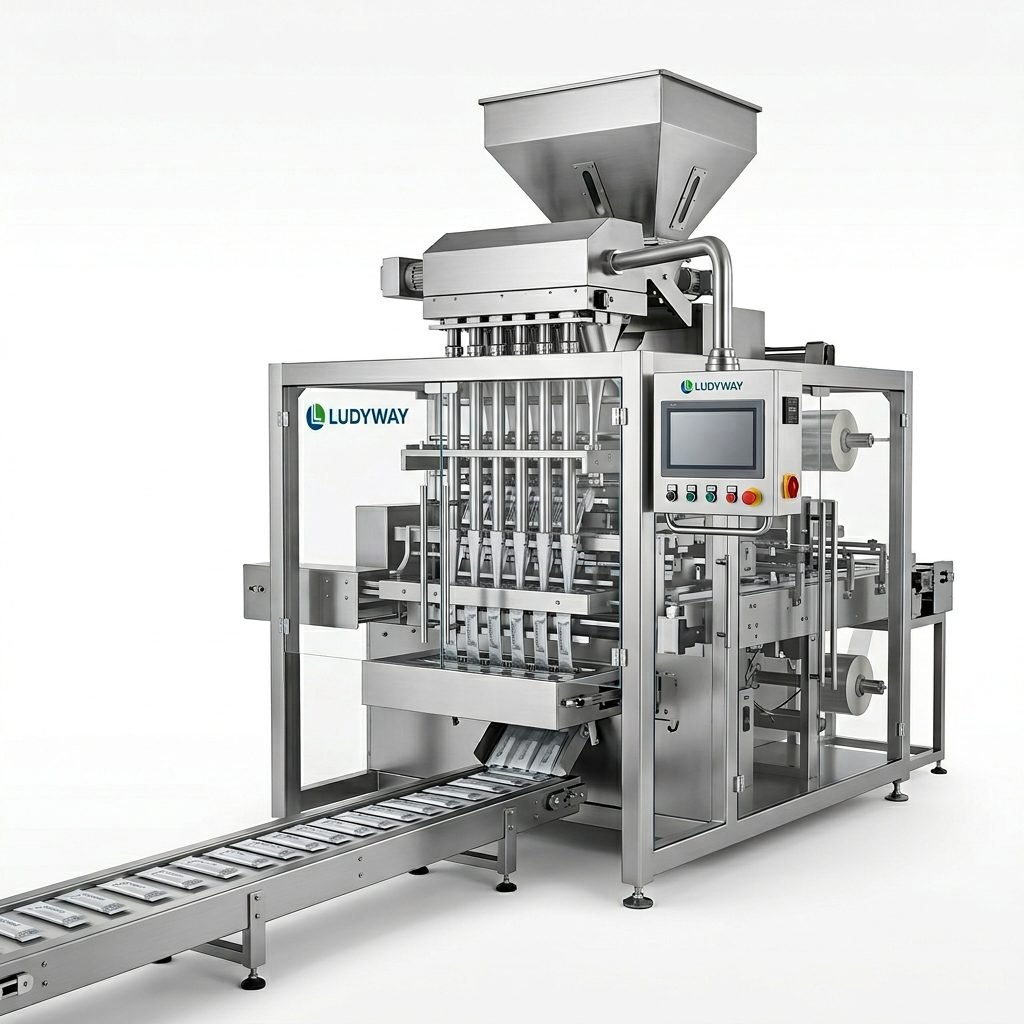
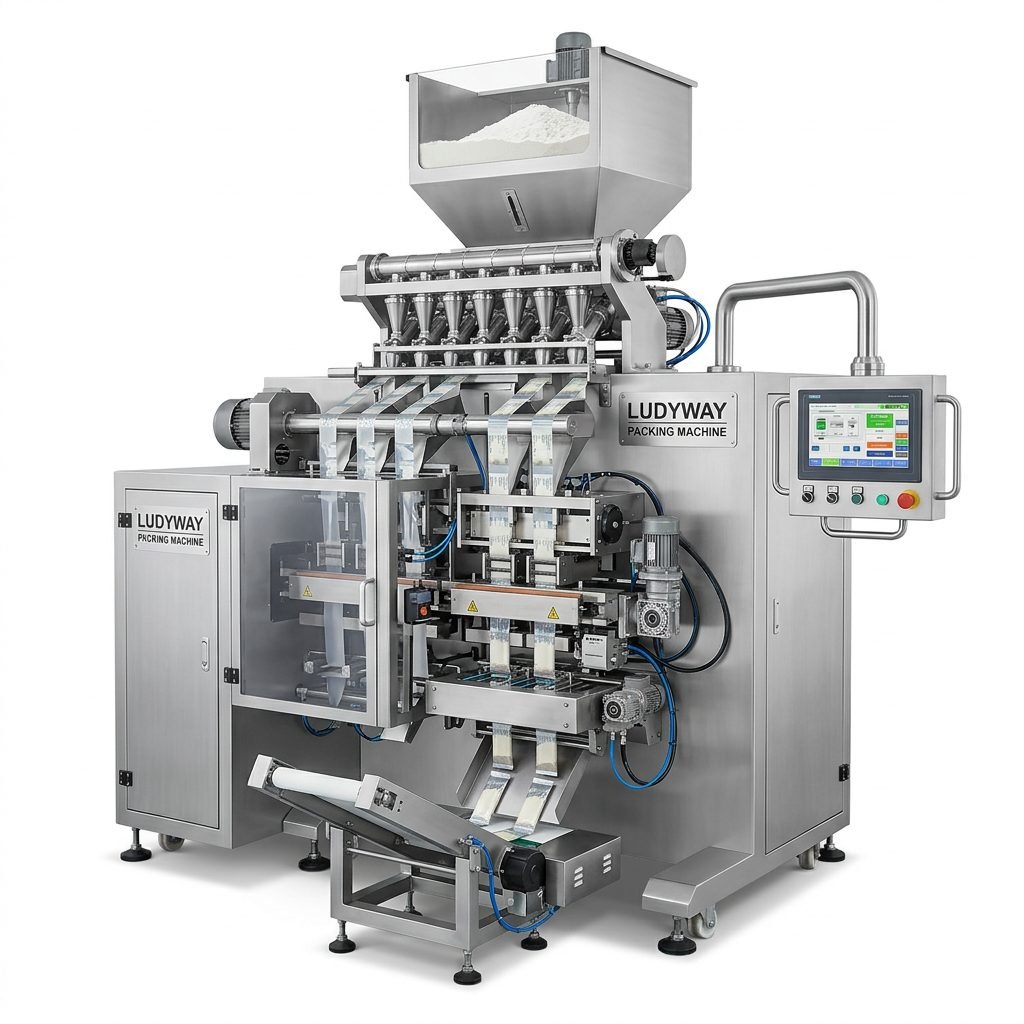
- Stick packs — narrow, elongated sachets ideal for single-serve powders, instant drinks, and supplements.
- Sachets — flat, sealed pouches commonly used for samples, single-use products, and portion-controlled servings.
- Pillow bags — versatile three-side-sealed pouches suitable for snacks, granules, and small solid items.
- Gusseted bags — expandable pouches that stand upright on shelves, often used for coffee, tea, and bulk food products.
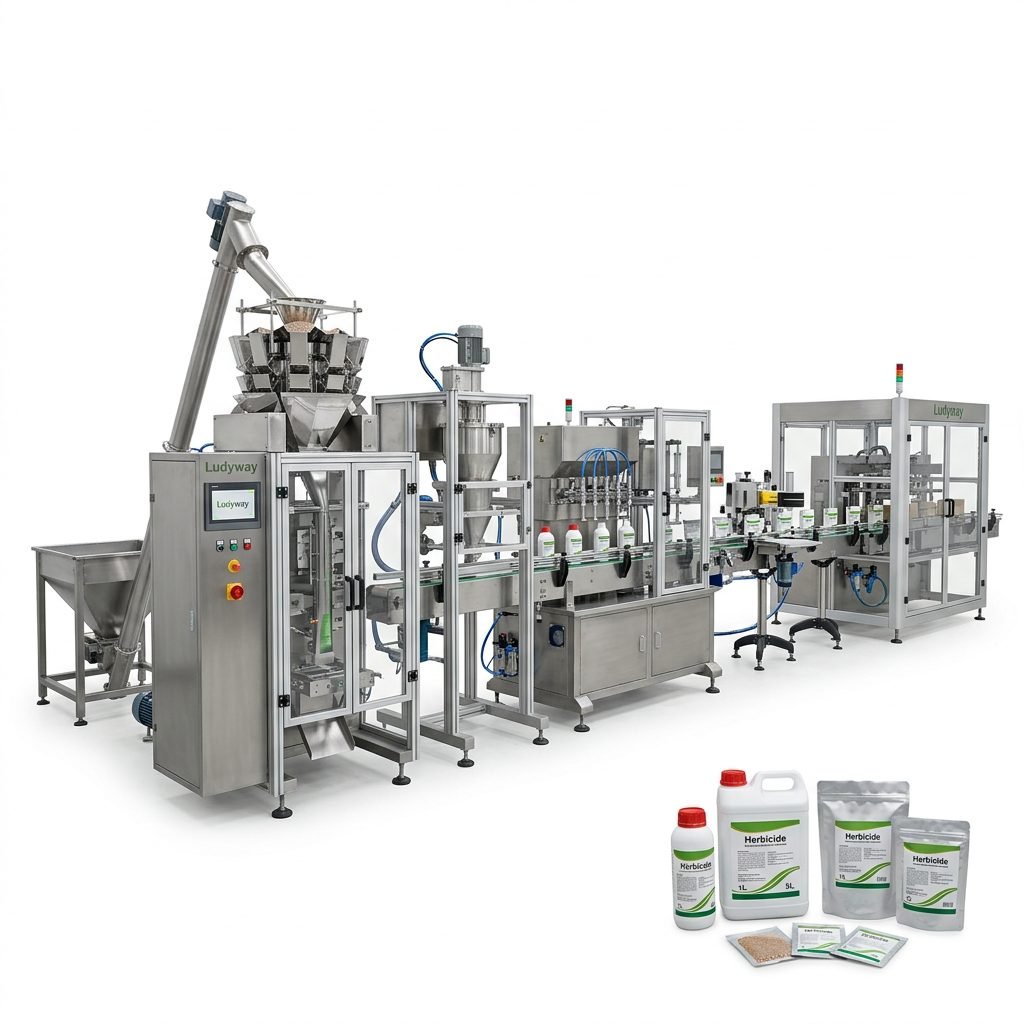
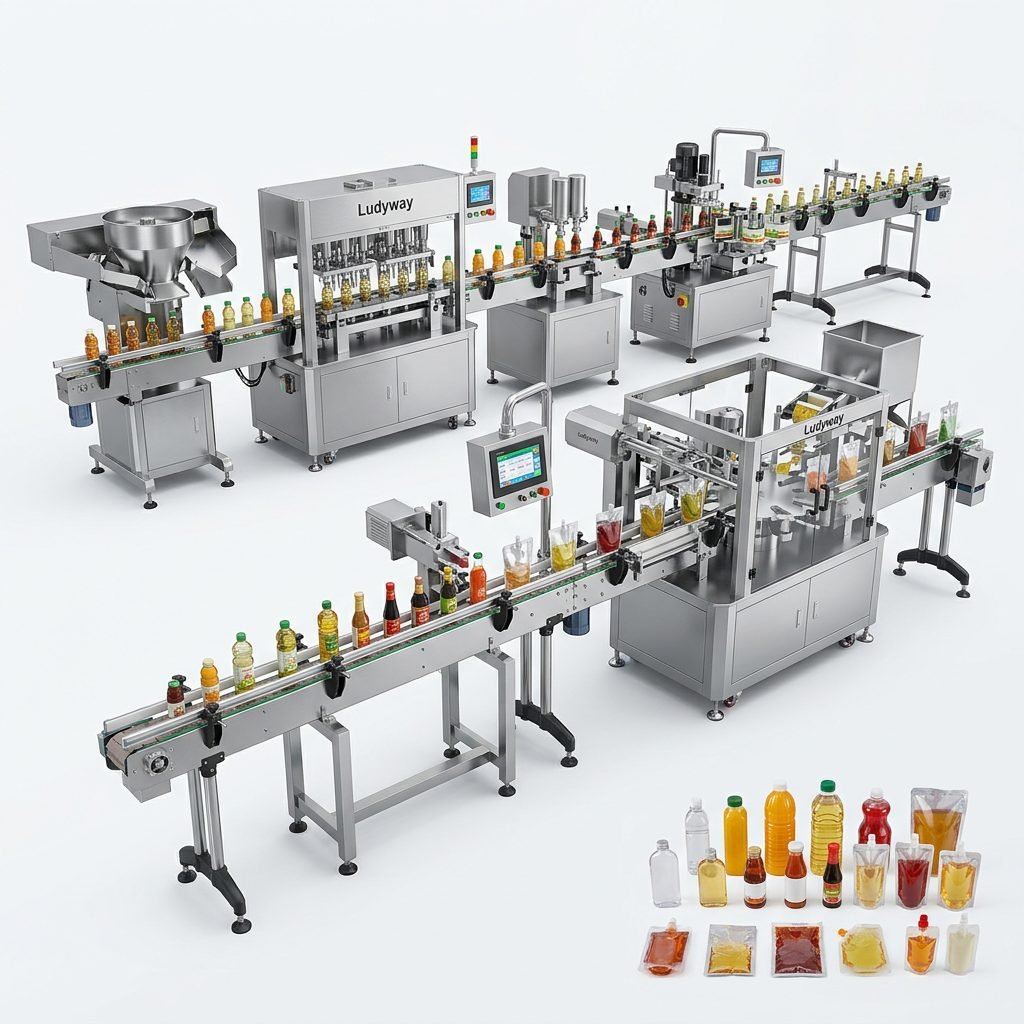
- Bottles and jars — require integrated filling, capping, and labeling stations within a complete line.
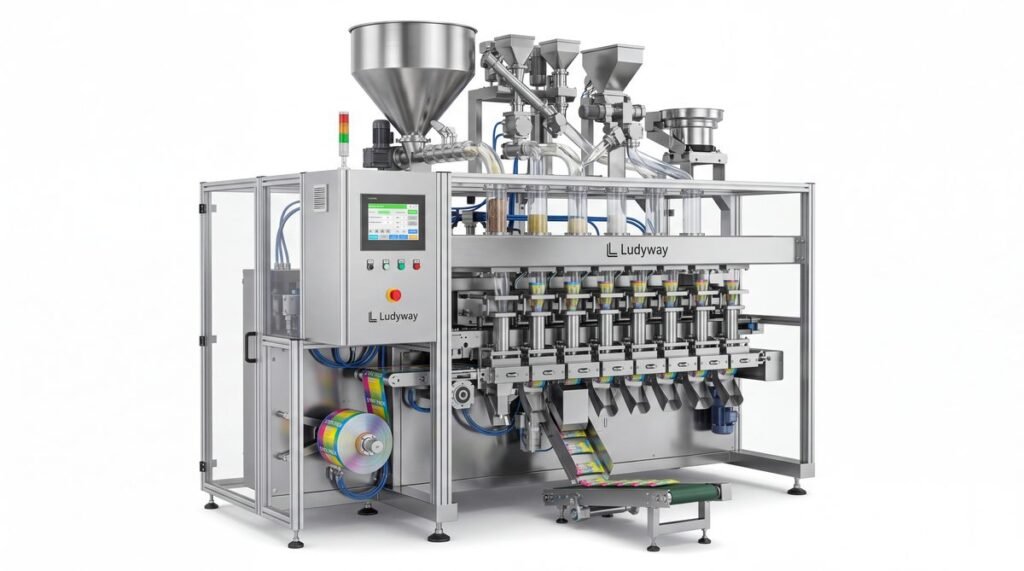
Many modern machines offer multi-format flexibility, allowing you to switch between stick packs, sachets, and pouches with minimal changeover time. According to the Flexible Packaging Association, demand for convenient single-serve formats continues to grow across food, pharmaceutical, and personal care sectors.
Evaluate Production Speed and Capacity Requirements
Production speed directly impacts your return on investment. However, faster isn’t always better — the key is matching machine capacity to your actual and projected output needs. Overinvesting in speed you cannot utilize wastes capital, while underinvesting creates bottlenecks.
When assessing speed, consider these factors:
- Current daily output — Calculate your average and peak production volumes per shift.
- Future growth projections — Select a machine that can accommodate anticipated demand increases over the next 3–5 years.
- Multi-lane configurations — Machines with 4, 6, 8, or more lanes can multiply throughput without proportionally increasing floor space.
- Changeover frequency — If you run multiple products, prioritize machines with quick-change features to minimize downtime between batches.
For high-volume manufacturers, multi-lane stick pack and sachet machines can achieve outputs of several hundred packs per minute, making them ideal for industries like food, beverage, and nutraceuticals. The PMMI State of the Industry reports provide valuable benchmarks for production efficiency across packaging sectors.
Filling Accuracy and Dosing Precision
Accurate filling is non-negotiable, especially in regulated industries like pharmaceuticals and food. Overfilling cuts into your margins, while underfilling risks regulatory non-compliance and customer dissatisfaction. The acceptable tolerance range varies by industry:
| Industry | Typical Accuracy Requirement | Recommended Filling Technology |
|---|---|---|
| Pharmaceuticals | ±0.5% to ±1% | Auger filler, servo-driven piston |
| Food & Beverage | ±1% to ±2% | Multi-head weigher, volumetric cup |
| Cosmetics | ±1% to ±1.5% | Piston filler, peristaltic pump |
| Chemicals | ±1% to ±3% | Gravity filler, positive displacement |
| Animal Feed | ±1% to ±3% | Weighing scale, volumetric cup |
Modern filling machines incorporate servo-driven dosing systems that offer precise electronic control over fill weights, with real-time feedback loops that automatically adjust parameters to maintain consistency. Checkweighers integrated downstream can further verify every package meets specifications before it leaves the line.
Machine Quality, Compliance, and International Standards
For manufacturers exporting to multiple markets, equipment must meet applicable international standards. Food-contact surfaces should comply with FDA food packaging regulations, while pharmaceutical applications may require adherence to GMP guidelines and standards such as ISO packaging standards.
Look for machines built with stainless steel frames, food-grade contact parts, and components from established industrial automation suppliers. Electrical systems should carry appropriate certifications for your target markets (CE, UL, or equivalent). A reliable manufacturer will provide documentation demonstrating compliance with relevant regulatory requirements before you commit to a purchase.

Automation Level and Integration Capabilities
Packaging machinery ranges from standalone filling units to fully integrated turnkey lines. The right automation level depends on your current operational setup and long-term vision.
- Semi-automatic machines — Require manual product loading but automate the filling and sealing process. Suitable for small-batch production and startups.
- Fully automatic machines — Handle product feeding, dosing, filling, sealing, coding, and discharge without operator intervention. Ideal for medium to high-volume production.
- Turnkey packaging lines — Integrate multiple stages including feeding, filling, sealing, labeling, coding, inspection, cartoning, and palletizing into a single coordinated system. Best for manufacturers seeking end-to-end automation.
When evaluating integration capabilities, confirm that the machine can communicate with upstream and downstream equipment through standard industrial protocols. Seamless line integration reduces manual handling, minimizes contamination risks, and improves overall equipment effectiveness (OEE).
Selecting the Right Machinery Partner
Beyond specifications, the manufacturer you choose becomes a long-term partner in your production success. Evaluate suppliers based on their engineering expertise, manufacturing capabilities, customization experience, and after-sales support infrastructure.
Ludyway Machinery is a China-based packaging machinery manufacturer with more than 30 years of experience, operating from a 20,000-square-meter facility with over 130 professionals and more than 50 packaging machine models. The company specializes in developing automated packaging equipment for powder, granule, liquid, stick pack, sachet, and pouch applications across food, pharmaceutical, cosmetic, chemical, and animal feed industries. With customized engineering solutions and technical support spanning more than 100 countries, Ludyway offers both individual machines and complete turnkey packaging lines. According to industry growth data, the company’s export trajectory reflects strong global demand for flexible, high-speed packaging solutions.
Budget, Total Cost of Ownership, and ROI
The purchase price is just one component of the total investment. A comprehensive cost analysis should factor in the following elements over the machine’s expected lifespan:
- Initial equipment cost — Including machine, tooling, and any optional modules or customization.
- Installation and commissioning — On-site setup, calibration, and integration with existing lines.
- Operator training — Ensuring your team can operate, maintain, and troubleshoot the equipment effectively.
- Spare parts and consumables — Availability and cost of wear items such as sealing bars, belts, filters, and dosing components.
- Maintenance and downtime costs — Preventive maintenance schedules and the potential cost of unplanned stoppages.
- Energy consumption — Ongoing electricity and compressed air requirements.
A machine with a higher upfront cost but lower maintenance requirements and better efficiency often delivers superior long-term value. Calculate the expected payback period based on labor savings, reduced product giveaway, increased throughput, and lower rejection rates to make an informed financial decision.
After-Sales Support and Global Service Reach
Technical support availability can make or break your production continuity. Before finalizing a purchase, clarify these critical service aspects:
- Response time guarantees for technical inquiries and troubleshooting.
- Availability of remote diagnostic capabilities and video-assisted support.
- Local service partners or technicians in your region.
- Spare parts inventory, shipping lead times, and express delivery options.
- Warranty coverage scope, duration, and extension possibilities.
Manufacturers serving global markets, like those exporting to over 100 countries, typically maintain robust support networks that help minimize downtime regardless of your location. The PMMI packaging industry resources offer additional guidance on evaluating supplier reliability and service capabilities.

Making the Final Decision
Choosing the right filling and packing machine requires balancing technical specifications, production requirements, budget constraints, and supplier reliability. Start with a thorough analysis of your product characteristics and packaging format needs, then evaluate machines based on speed, accuracy, build quality, and automation capabilities. Partner with a manufacturer that offers customized engineering support, transparent documentation, and responsive after-sales service. By taking a systematic approach to equipment selection, you position your manufacturing operation for sustained efficiency, scalability, and competitive advantage in an increasingly demanding market.