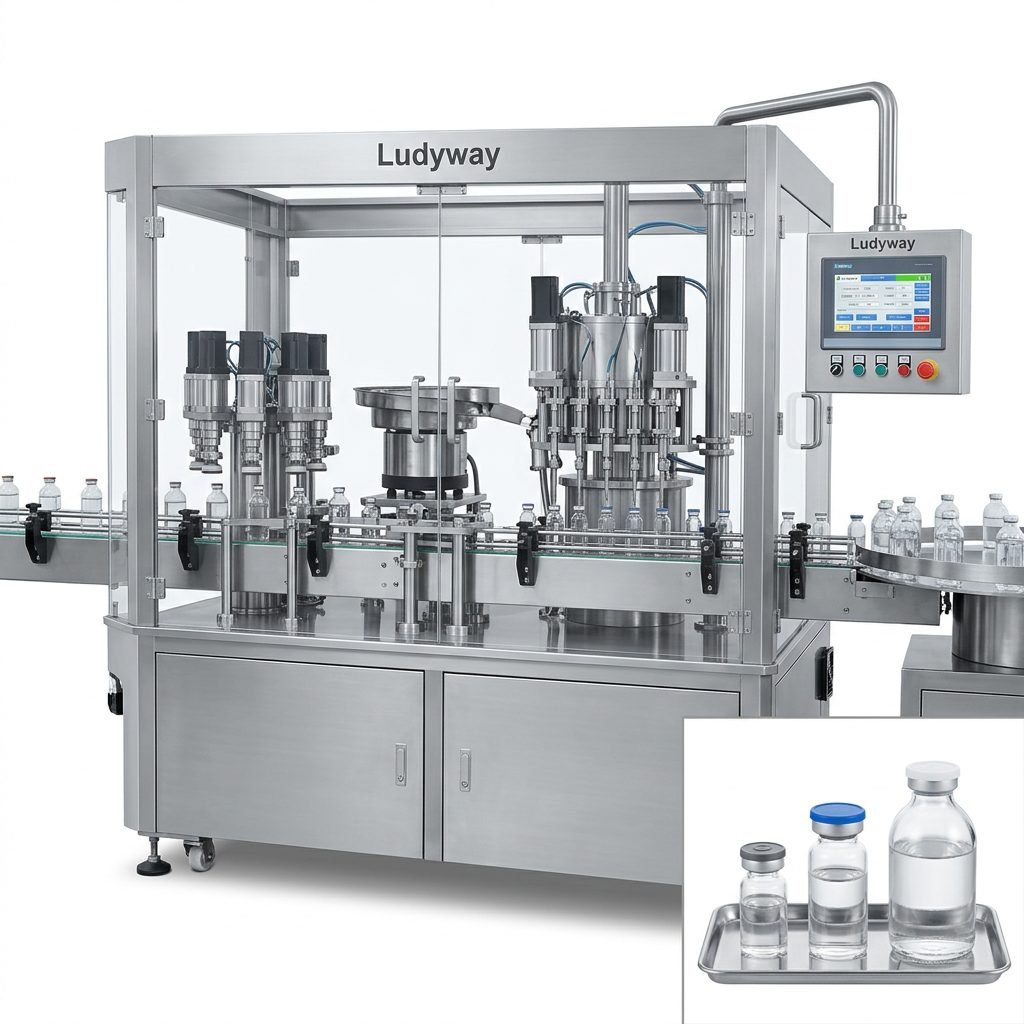
Investing in a vacuum blister packaging machine is a significant decision for manufacturers in the food, pharmaceutical, electronics, and consumer goods sectors. The right equipment enhances product protection, extends shelf life, and improves retail presentation. However, with varying levels of automation, sealing technologies, and tooling options available, identifying the ideal machine for your production line requires a structured evaluation of several critical factors. This guide walks you through the essential considerations to help you make an informed purchasing decision.
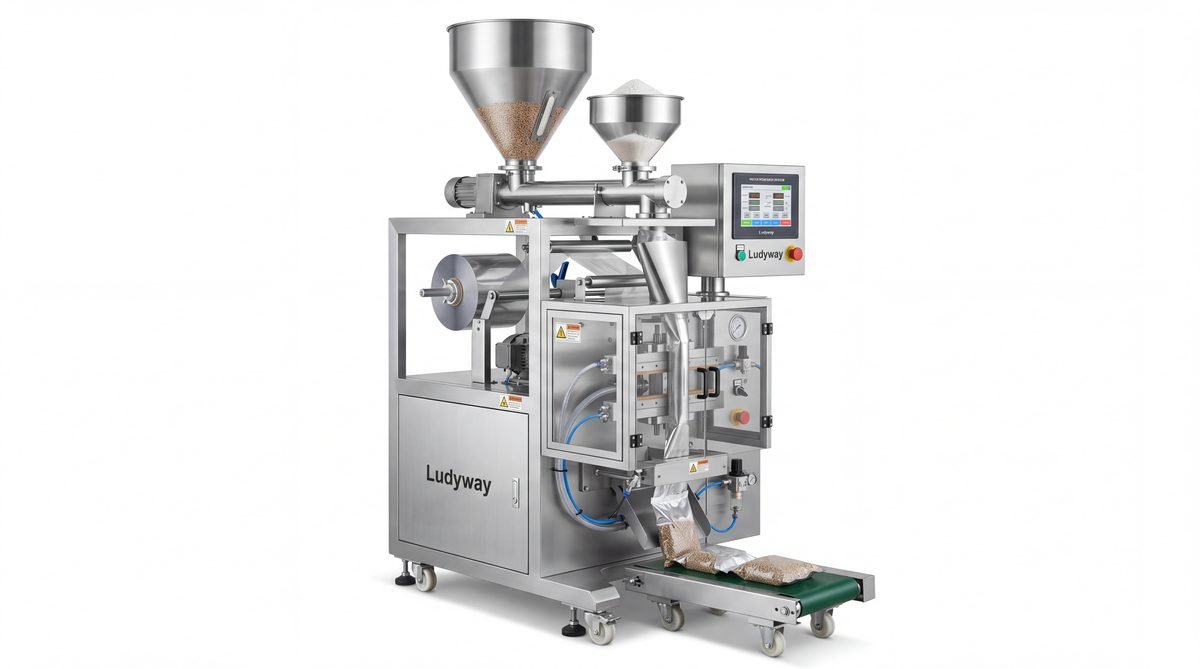
1. Understanding Vacuum Blister Packaging Technology
Vacuum blister packaging involves placing a product between a pre-formed plastic blister and a backing card or foil, then removing air from the cavity to create a tight, protective seal. This process is widely used for items requiring tamper-evident barriers and moisture resistance. Machines typically handle thermoforming, vacuum application, and heat sealing in either semi-automatic or fully automatic cycles. Understanding whether your product requires skin packaging, trap blister, or clamshell configurations will directly influence machine selection.
2. Key Factors to Evaluate Before Buying
Choosing a machine without first mapping your production goals often leads to bottlenecks or unnecessary capital expenditure. Below are the primary parameters you should define before contacting suppliers.
2.1 Production Volume and Speed Requirements
Your daily or hourly output target is the most decisive factor. A small-scale operation packaging 500 units per day may be well served by a manual or semi-automatic model, while high-volume facilities producing over 10,000 units per shift require fully automated inline systems with multi-cavity tooling. Match the machine’s rated cycle speed to your peak demand, allowing for at least 20% headroom to accommodate future growth.
2.2 Product Dimensions and Blister Cavity Design
The physical characteristics of your product—height, width, depth, and weight—determine forming area requirements and tooling complexity. Irregularly shaped items may need custom clamping mechanisms or plug-assist forming to ensure consistent material distribution. Confirm the machine’s maximum forming depth and platen size align with your largest SKU.
2.3 Material Compatibility and Film Specifications
Vacuum blister machines process a range of thermoplastic films including PVC, PET, PETG, RPET, and PP. Each material behaves differently under heat and vacuum. If your sustainability commitments demand recyclable or bio-based films, verify that the machine’s heating zones, cooling system, and vacuum pump capacity are configured for those specific materials. Sealing compatibility with Tyvek, aluminum foil, or medical-grade paper is equally critical for pharmaceutical applications.
3. Comparing Machine Types and Configurations
Vacuum blister packaging machines are broadly classified by their operational mode and footprint. The table below summarizes the primary categories to help narrow your selection based on operational scale and budget.
| Machine Type | Best For | Typical Output | Key Advantage |
|---|---|---|---|
| Manual Tray Sealer | Startups, low-volume specialty items | 300–800 cycles/day | Low initial investment, flexible tooling |
| Semi-Automatic Blister Machine | Medium-scale production, diverse SKUs | 1,500–4,000 cycles/day | Operator-assisted forming and sealing control |
| Fully Automatic Inline System | High-volume continuous production | 8,000–20,000+ cycles/day | Integrated forming, filling, sealing, cutting |
| Rotary Vacuum Blister Machine | Ultra-high-speed pharmaceutical lines | Up to 40,000 blisters/hour | Continuous motion, precise dosing integration |
3.1 Additional Automation Features to Consider
- Automatic feeding systems for cards, inserts, and products to reduce manual labor.
- Vision inspection modules for seal integrity, print registration, and foreign object detection.
- Quick-change tooling that allows format changeovers in under 15 minutes for multi-SKU environments.
- Data logging and OEE monitoring connectivity for integration with Manufacturing Execution Systems (MES).
4. Evaluating Build Quality and Technical Specifications
Long-term reliability depends on the engineering behind the machine frame, heating system, and vacuum circuit. When assessing equipment, pay close attention to these technical aspects:
4.1 Frame Construction and Stability
Machines built with heavy-gauge stainless steel frames and corrosion-resistant components withstand the rigors of continuous operation and washdown environments common in food and pharmaceutical facilities. A rigid structure minimizes vibration during high-speed cycles, preserving seal consistency.
4.2 Heating and Forming Precision
Uniform heating is essential for consistent blister formation. Look for machines with multi-zone PID-controlled heating plates that distribute temperature evenly across the entire forming area. Plug-assist or pressure-forming capabilities further enhance material distribution for deep-draw applications, preventing thin spots that compromise barrier properties.
4.3 Vacuum System Performance
The vacuum pump’s flow rate and ultimate pressure directly affect cycle time and seal quality. A high-capacity oil-lubricated rotary vane pump or dry-running vacuum pump with a receiver tank ensures rapid evacuation and stable vacuum levels. For medical device packaging, machines should be capable of achieving residual oxygen levels below 1% when combined with gas flushing.
5. Regulatory Compliance and Validation Support
For manufacturers in regulated industries, the packaging machine must support compliance with applicable standards. If you supply the pharmaceutical or medical device market, verify that the equipment can be validated according to ISO 11607 requirements for terminally sterilized medical device packaging. This includes documented IQ/OQ/PQ protocols, accessible calibration records, and user access controls for recipe management. Machines intended for food contact applications should use materials compliant with FDA food contact substance regulations. For more detailed packaging standards, refer to ISO packaging standards resources.
6. Cost of Ownership Beyond the Purchase Price
The initial machine price represents only a portion of the total investment. Develop a comprehensive cost model that includes these often-overlooked factors:
- Tooling costs: Custom blister molds and sealing platens vary significantly based on cavity count and complexity.
- Energy consumption: Compare heating wattage, vacuum pump motor ratings, and compressed air requirements across models.
- Spare parts availability: Local stock of wear items like heating elements, sealing gaskets, and cutting blades reduces downtime.
- Film waste rates: Machines with precise material indexing and edge trim recycling minimize ongoing film expenses.
- Operator training: Intuitive HMI interfaces reduce training time, but highly automated systems may require specialized technical support.
7. Supplier Evaluation and After-Sales Support
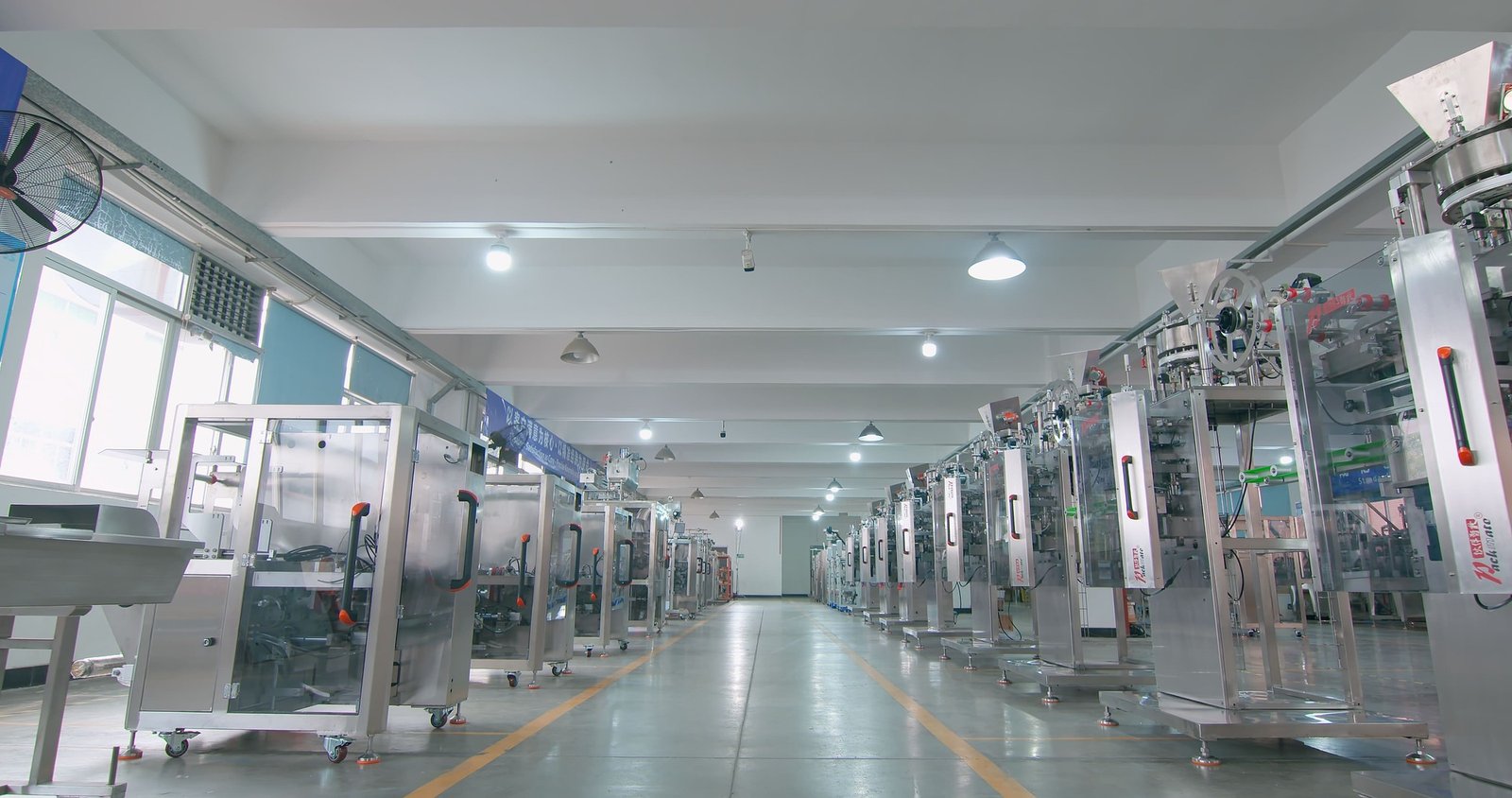
A vacuum blister packaging machine is a long-term capital asset, and your relationship with the manufacturer extends well beyond installation. Prioritize suppliers who provide factory acceptance testing (FAT), on-site commissioning, and comprehensive operator training. Inquire about response times for technical support, remote diagnostic capabilities, and the availability of preventive maintenance contracts. A supplier with application engineering expertise can also help optimize your blister design and material selection before machine delivery. For those seeking a partner with extensive cross-industry knowledge, Ludyway Machinery—a China-based packaging machinery manufacturer with over 30 years of experience and a 20,000-square-meter facility—offers customized equipment and integrated packaging solutions across food, pharmaceutical, and consumer goods sectors.
8. Industry Trends Shaping Blister Packaging Equipment
The blister packaging sector is evolving in response to sustainability mandates and digital manufacturing demands. Key trends influencing new machine designs include:
- Mono-material blister solutions that replace multi-layer laminates with recyclable single-polymer structures, requiring precise temperature control to avoid sticking or warping.
- Serialization-ready systems that integrate with track-and-trace platforms for compliance with pharmaceutical serialization regulations.
- Energy-efficient servo drives that replace pneumatic actuators, reducing compressed air consumption by up to 40% while improving positioning accuracy.
- Condition-based maintenance sensors that monitor vibration, temperature, and vacuum performance to predict component wear before failure occurs.
For broader packaging industry data and market analysis, resources from PMMI’s business intelligence library and the Flexible Packaging Association’s knowledge hub provide valuable benchmarks for production efficiency and technology adoption rates.
9. Final Decision Checklist
Before signing a purchase order, confirm that you have addressed these essential points:
- Validated production capacity against current and projected volumes.
- Confirmed material and film compatibility through sample testing at the supplier’s facility.
- Clear understanding of tooling lead times and costs for each blister format.
- Documented service level agreements for technical support and spare parts delivery.
- Regulatory compliance documentation matched to your target market requirements.
- Total cost of ownership calculation covering a 5-year operational horizon.
By systematically addressing these areas, you position your operation to select a vacuum blister packaging machine that delivers reliable performance, meets compliance obligations, and supports your long-term production strategy. For further insight into packaging machinery market dynamics, you can review PMMI’s 2026 state of the industry report and recent global packaging machinery growth analysis.