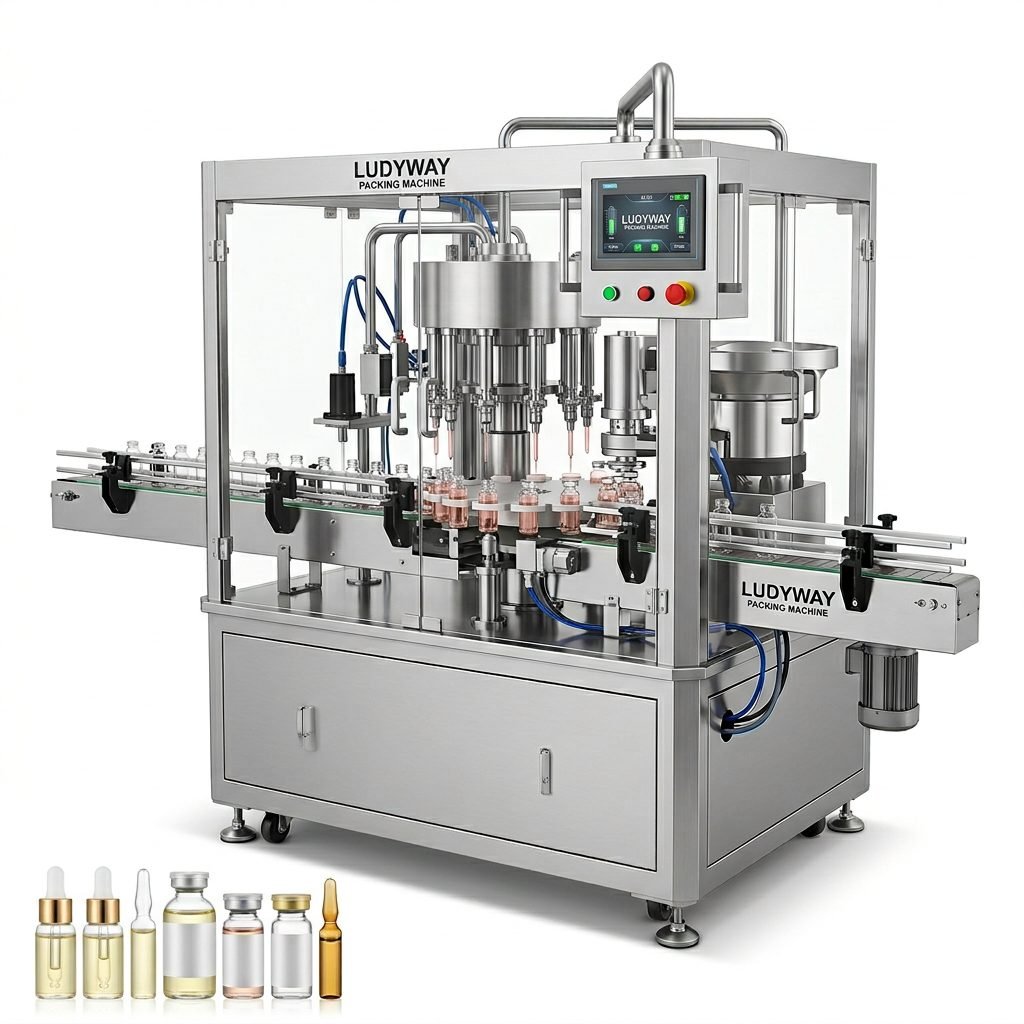
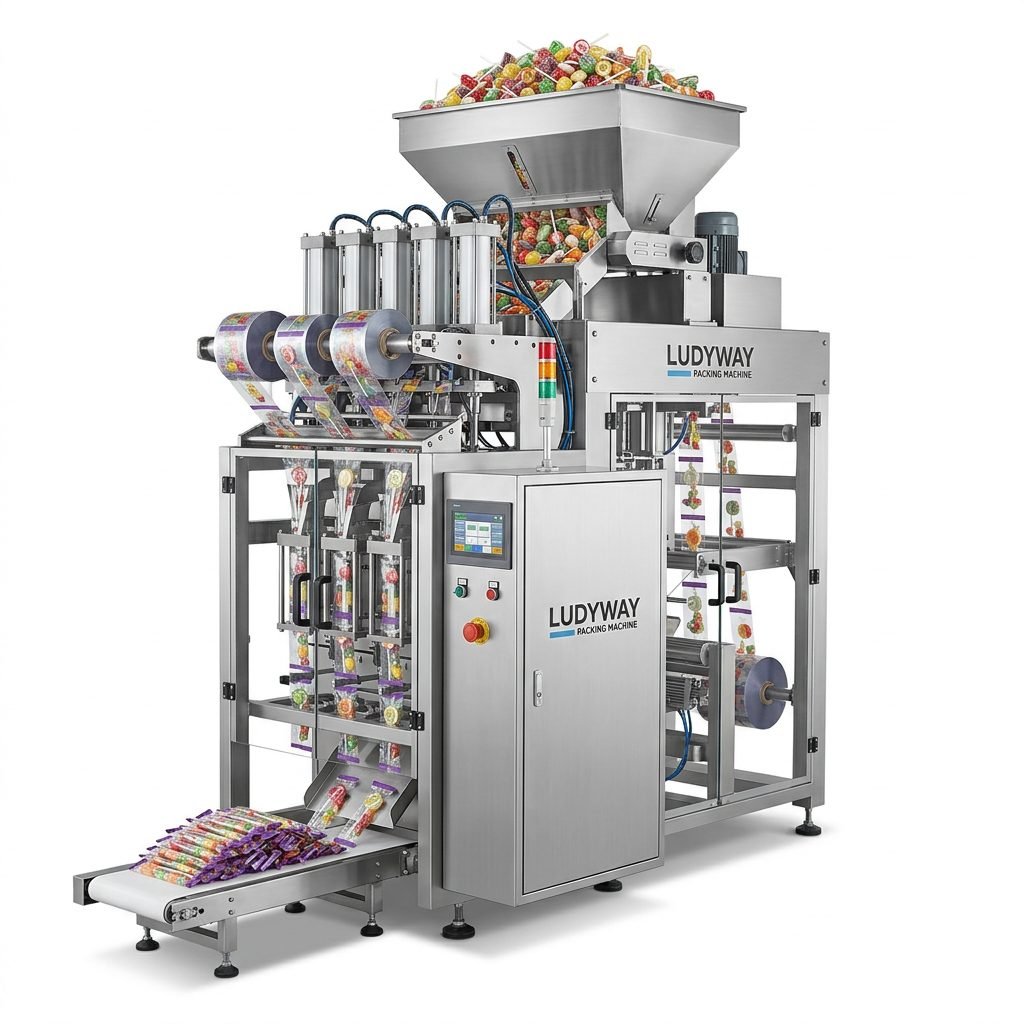
Selecting the right lollipop packaging machine is a critical decision that directly impacts your production efficiency, product quality, and long-term profitability. With countless configurations, automation levels, and technical specifications available, it’s easy to feel overwhelmed. This comprehensive buyer’s guide walks you through the essential factors to evaluate, helping you make a confident, informed investment.
Whether you operate a small confectionery startup or a high-output manufacturing plant, understanding the nuances of modern packaging machinery is key. The global packaging machinery market continues to evolve, driven by advances in automation and smart factory integration. Your choice should align with both current needs and future growth plans.
Understanding Your Product and Packaging Requirements
Before comparing machine models, you must define the specific characteristics of your lollipop product. Lollipops vary significantly in shape (round, oval, flat, spherical), size (diameter and stick length), weight, and stick material (paper, plastic). Each variable influences the feeding system, sealing mechanism, and overall machine design.
The choice of packaging material is equally important. Common options include BOPP film, cellophane, wax paper, or laminated foils. The flexible packaging industry provides extensive data on material properties, barrier requirements, and sustainability trends. Your machine must be compatible with the specific film type, thickness, and heat-sealing characteristics you intend to use.
- Product dimensions: Accurately measure lollipop head diameter, thickness, and total stick length.
- Stick type: Confirm whether your machine can handle paper, plastic, or custom-printed sticks without jamming.
- Packaging format: Decide between individual twist wrapping, flow wrapping, stick pack, sachet, or bag-in-bag styles.
- Film specifications: Verify compatibility with your desired film gauge, print registration requirements, and sealing temperature range.
Evaluating Production Capacity and Speed
Throughput requirements are central to machine selection. Packaging speed must match or exceed your upstream production capacity to prevent bottlenecks. Lollipop packaging machines typically range from 100 to over 1,000 pieces per minute, depending on automation level and lane configuration.
Consider not just the peak speed but the sustained, reliable operating speed. Manufacturers often quote maximum mechanical speeds; however, real-world performance depends on film quality, product consistency, and operator proficiency. Request documented performance data and, if possible, visit facilities running similar machines.
Key Technical Specifications to Compare
| Specification | Why It Matters | Recommended Approach |
|---|---|---|
| Speed (ppm) | Determines line throughput and ROI | Select 15-20% above current peak demand |
| Multi-Lane Capability | Allows simultaneous packaging of multiple pieces | Consider 2-8 lane configurations for volume scaling |
| Sealing Technology | Affects pack integrity and shelf life | Verify temperature control and dwell time accuracy |
| Film Registration | Ensures accurate print positioning on packs | Photoelectric sensor with automatic correction |
| Changeover Time | Impacts flexibility for multiple SKUs | Target under 30 minutes for format changes |
Automation Level and Integration Capabilities
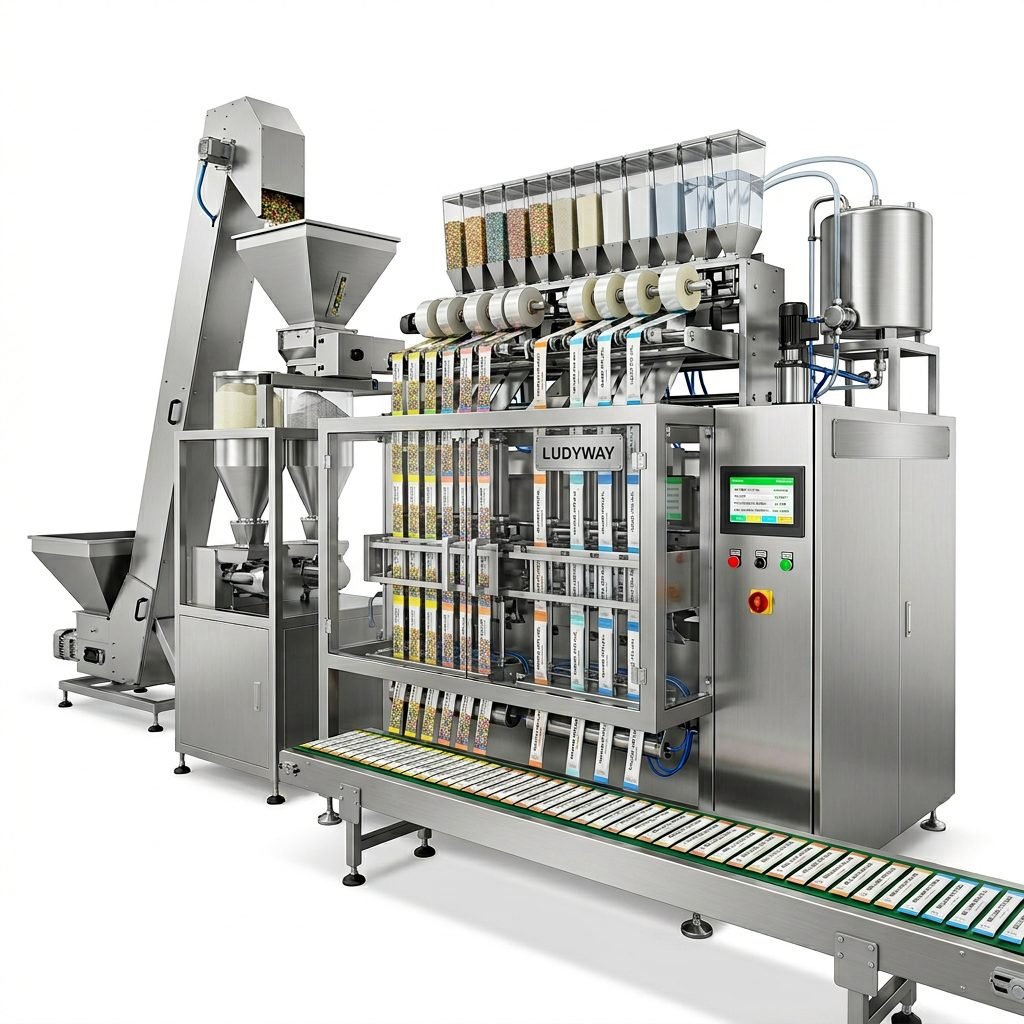
Modern lollipop packaging machinery ranges from semi-automatic units requiring manual feeding to fully automatic inline systems that synchronize with candy forming, cooling, and wrapping equipment. The right automation level depends on your labor costs, production volume, and desired workforce skill profile.
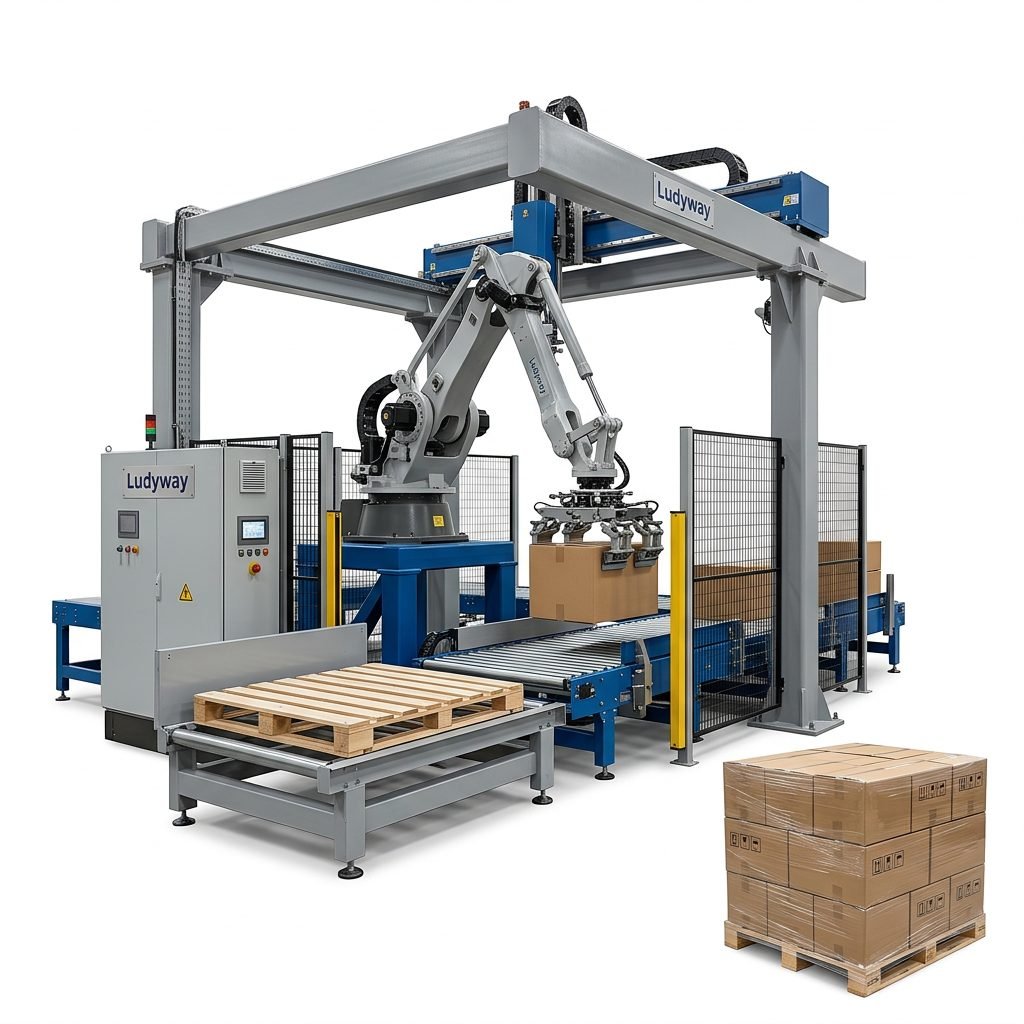
Integration with upstream and downstream equipment is another critical factor. A well-designed system connects seamlessly with feeding conveyors, inspection systems, cartoning machines, and palletizing robots. This minimizes manual handling and reduces contamination risks. For insights on packaging line integration standards, refer to the PMMI packaging machinery resource library.
Automation Features to Look For
- Automatic feeding systems: Vibratory bowls, belt infeeds, or robotic pick-and-place mechanisms.
- Vision inspection: Cameras that verify stick presence, print quality, seal integrity, and overall package appearance.
- Reject systems: Automated ejection of defective packs to protect brand quality.
- Data connectivity: IoT-enabled machines that provide OEE metrics and remote diagnostics.
Machine Construction and Hygiene Standards
For food-grade applications, machine construction must comply with stringent hygiene regulations. Stainless steel (SUS304 or SUS316L) construction is mandatory for all product contact surfaces. The frame and guarding should also resist corrosion from sugar dust and cleaning agents.
Design features that facilitate cleaning include sloped surfaces, minimal crevices, quick-release guards, and tool-less disassembly. Equipment meeting FDA food contact substance regulations and relevant ISO standards provides assurance of compliance with international market requirements.
Supplier Evaluation and After-Sales Support
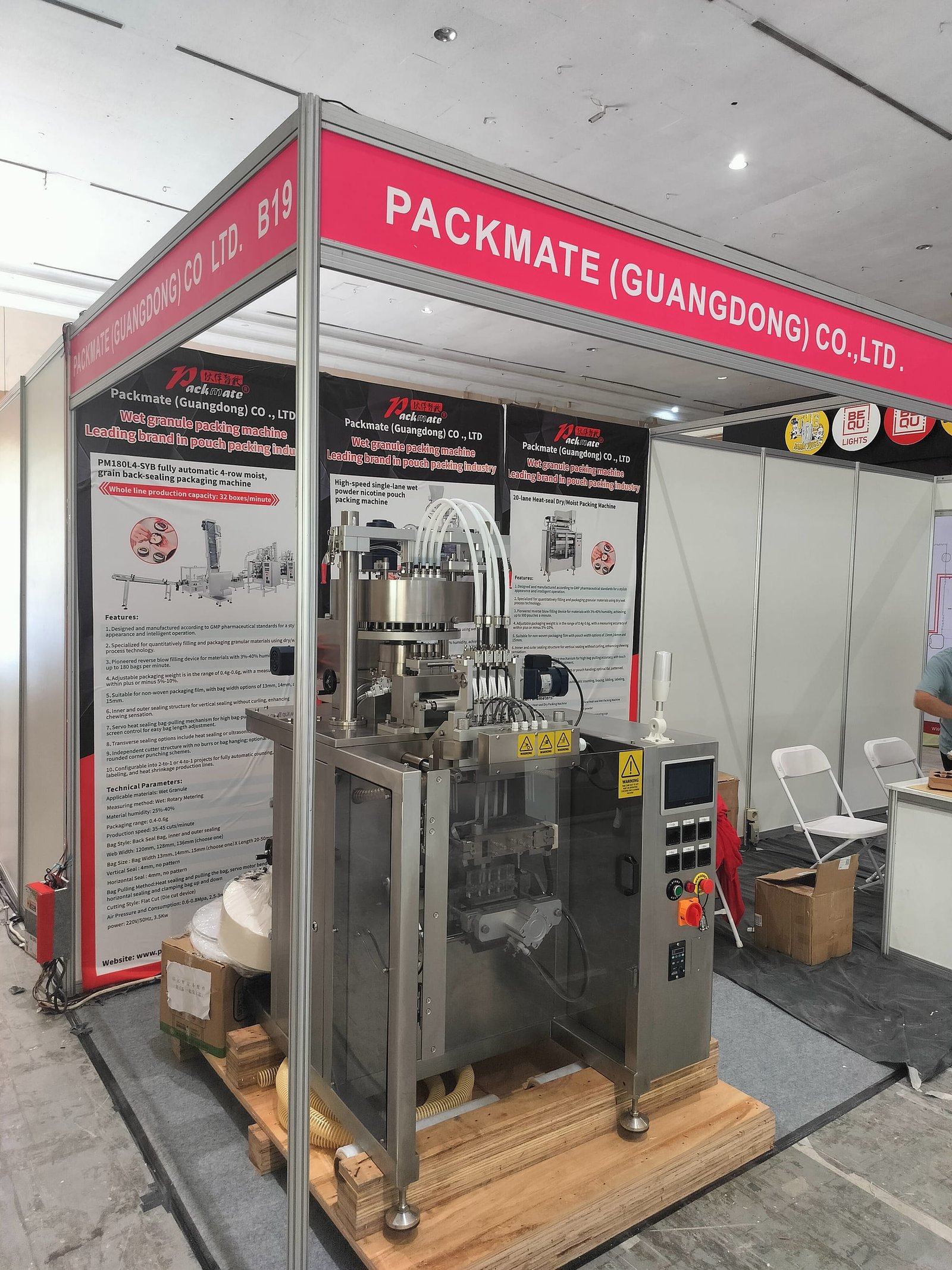
The quality of after-sales support often determines long-term equipment performance. Evaluate potential suppliers on installation and commissioning services, operator training programs, spare parts availability, and technical support responsiveness. A supplier with a network of service engineers can significantly reduce downtime when issues arise.
Look for a partner with demonstrated expertise in confectionery packaging applications. For example, Ludyway Machinery provides packaging equipment with engineering support across the full project lifecycle. Suppliers offering customization services can engineer machines to match your exact product specifications.
Questions to Ask Potential Suppliers
- Can you provide references from companies packaging similar lollipop products?
- What is your standard warranty period, and what does it cover?
- How quickly can you dispatch spare parts to my location?
- Do you offer remote technical support and diagnostic capabilities?
- What training do you provide for our operators and maintenance staff?
Total Cost of Ownership Considerations
The purchase price represents only part of the total cost. Evaluate the total cost of ownership (TCO) by factoring in energy consumption, film waste rates, spare parts costs, preventive maintenance schedules, and expected machine lifespan. Energy-efficient servo drives and precise temperature controls can reduce operating costs over time.
Film waste is a particularly significant cost driver. Machines with accurate tension control, splice detection, and registration accuracy minimize wasted material. Even a 1-2% reduction in film waste can generate substantial annual savings on high-volume lines. Review performance guarantees related to material utilization before signing a purchase agreement.
Future-Proofing Your Investment
The packaging industry is evolving rapidly, with increasing emphasis on sustainability, smart manufacturing, and regulatory compliance. Select a machine that can adapt to changing requirements. Modular designs allow you to add features later, such as printing systems, additional lanes, or automated case packing modules.
Consider compatibility with evolving packaging waste regulations and retailer sustainability requirements. Machines capable of running recyclable mono-material films or bio-based packaging materials position your operation for future market demands.
Making the Final Decision
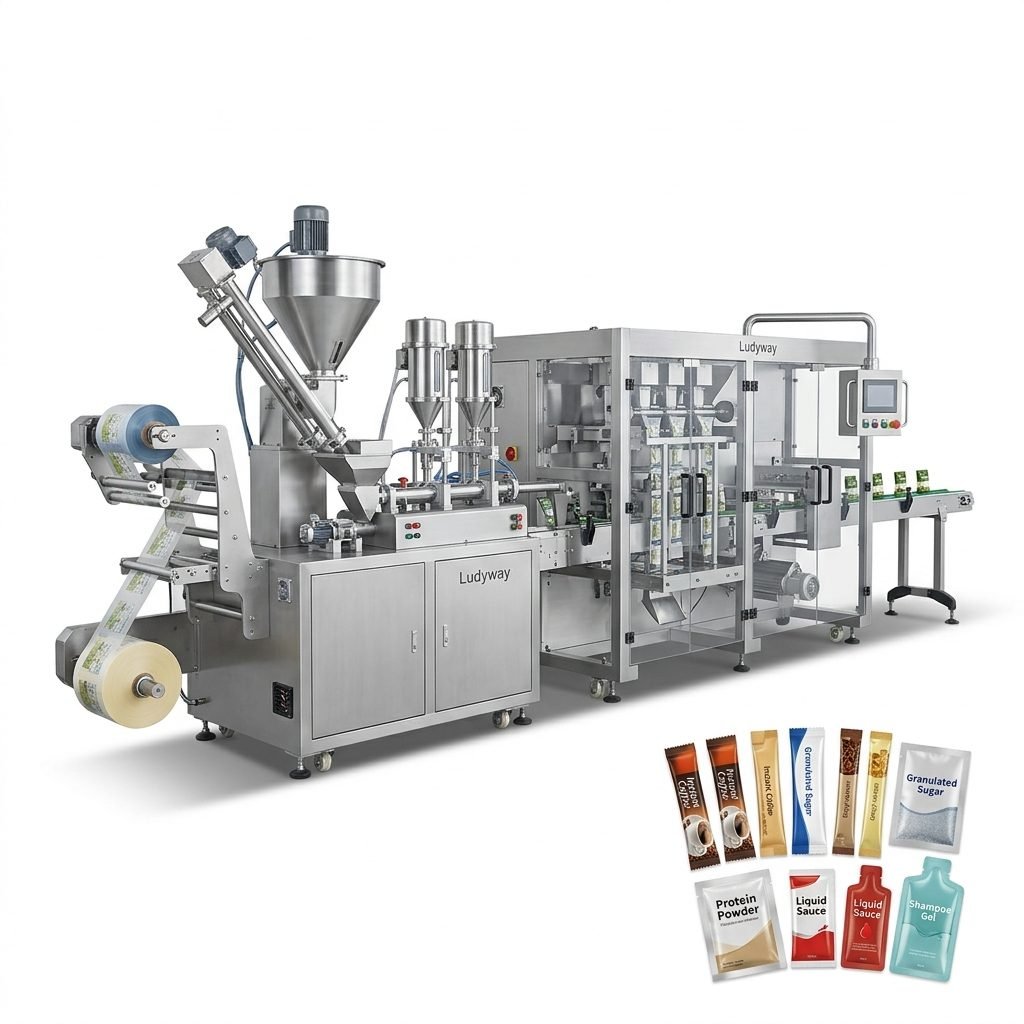
After evaluating technical specifications, supplier qualifications, and commercial terms, conduct a hands-on machine trial using your actual products and films. This reveals real-world performance that brochures cannot convey. Pay attention to ease of operation, changeover simplicity, and overall build quality during the demonstration.
Finally, consider the global trends in packaging machinery to understand where the market is headed. Aligning your purchasing decision with long-term industry direction ensures your investment remains competitive for years to come. With thorough research and a systematic evaluation process, you can select a lollipop packaging machine that delivers reliability, efficiency, and profitable growth.