Investing in a packaging box making machine is a significant decision that directly impacts your production efficiency, product quality, and bottom line. Whether you are manufacturing corrugated boxes, rigid cartons, or folding cartons, selecting the right equipment requires careful evaluation of your operational needs, budget, and long-term goals. This guide walks you through the essential factors to help you make an informed purchasing decision.
Understanding Packaging Box Making Machine Types
Before diving into specifications, it is crucial to understand the different categories of box making machinery available in the market. Each type serves distinct production requirements and output volumes.
- Corrugated Box Making Machines: Designed for producing shipping cartons and heavy-duty packaging. These machines handle single-wall, double-wall, and triple-wall corrugated materials and are essential for logistics and e-commerce packaging.
- Folding Carton Machines: Used for lighter-weight paperboard boxes commonly seen in retail, cosmetics, pharmaceuticals, and food packaging. These machines excel at high-speed production with precise folding and gluing capabilities.
- Rigid Box Making Machines: Ideal for luxury packaging applications such as electronics, jewelry, and premium gift boxes. Rigid boxes offer superior structural integrity and a high-end unboxing experience.
- Die-Cutting and Creasing Machines: Often integrated into box making lines, these machines cut and crease flat sheets into precise shapes before folding and assembly.
- Flexo Printing Slotting Die-Cutting (FFSG) Inline Machines: Combine printing, slotting, and die-cutting in one continuous process, maximizing efficiency for high-volume corrugated box production.
Key Factors to Evaluate Before Purchasing
Choosing the right packaging box making machine goes beyond comparing price tags. The following factors should form the foundation of your evaluation process.
Production Capacity and Speed Requirements
Determine your current and projected output needs. A machine that produces 50 boxes per minute may be overkill for a small operation, while insufficient for a large-scale manufacturer. Consider shift patterns, peak season demands, and future growth when assessing capacity. Matching machine speed to your packaging industry production benchmarks ensures you do not underinvest or overspend.
Box Styles and Dimensional Flexibility
Different markets demand different box styles. Common formats include Regular Slotted Containers (RSC), Half-Slotted Containers (HSC), die-cut custom shapes, and telescoping boxes. Evaluate whether the machine supports quick changeover between sizes and styles. Machines with servo-driven adjustments significantly reduce downtime during format changes compared to manual mechanical adjustments.
Material Compatibility and Thickness Range
Your machine must handle the specific flexible packaging materials and board grades you intend to use. Key considerations include paperboard thickness (measured in points or grams per square meter), corrugated flute types (A, B, C, E, F, or micro-flutes), and coated versus uncoated surfaces. Machines optimized for a narrow material range may limit your ability to diversify product offerings later.
Technical Specifications That Matter
The table below compares critical technical parameters across different machine categories, helping you align specifications with your operational requirements.
| Specification | Corrugated Machine | Folding Carton Machine | Rigid Box Machine |
|---|---|---|---|
| Max Sheet Size | Up to 2500 x 1600 mm | Up to 1100 x 800 mm | Up to 800 x 600 mm |
| Material Thickness | 1.5 – 8 mm | 0.3 – 1.2 mm | 1.0 – 4.0 mm |
| Production Speed | 30 – 250 boxes/min | 80 – 600 cartons/min | 15 – 60 boxes/min |
| Changeover Time | 10 – 45 minutes | 5 – 20 minutes | 15 – 40 minutes |
| Automation Level | Semi to fully automatic | Fully automatic | Semi to fully automatic |
| Power Consumption | 15 – 45 kW | 8 – 25 kW | 5 – 18 kW |
Automation and Integration Capabilities
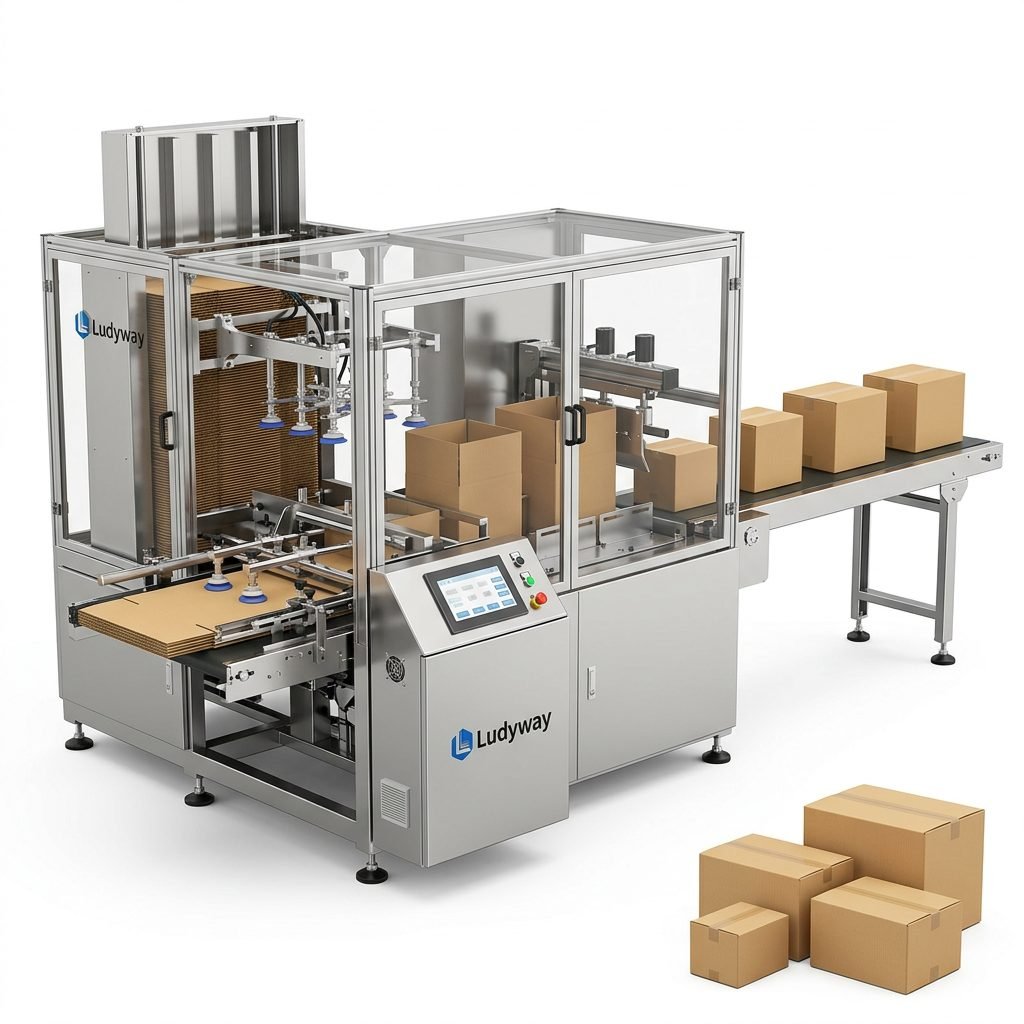
Modern box making machinery increasingly incorporates advanced automation features. Consider the following when evaluating technology levels:
- Servo-Driven Systems: Offer precise control over positioning, folding, and gluing operations. Servo motors enable faster setup changes and consistent quality across long production runs.
- Inline Quality Inspection: Vision systems detect defects such as misaligned folds, glue application errors, and printing inconsistencies in real time, reducing waste and customer returns.
- IoT Connectivity and Data Logging: Machines equipped with Industry 4.0 capabilities provide production analytics, predictive maintenance alerts, and remote diagnostics, helping minimize unplanned downtime.
- Feeding and Delivery Systems: Automatic pre-feeders, stackers, and palletizers at the infeed and outfeed ends streamline material handling and reduce manual labor requirements.
- ERP and MES Integration: Compatibility with enterprise resource planning and manufacturing execution systems enables seamless production scheduling and inventory management.
Evaluating Suppliers and Manufacturers
Selecting a reliable equipment partner is as important as choosing the machine itself. A supplier with proven engineering capabilities and responsive after-sales support can significantly reduce operational risks. Look for manufacturers with in-house production facilities, established quality management systems, and experience serving your specific industry segment.
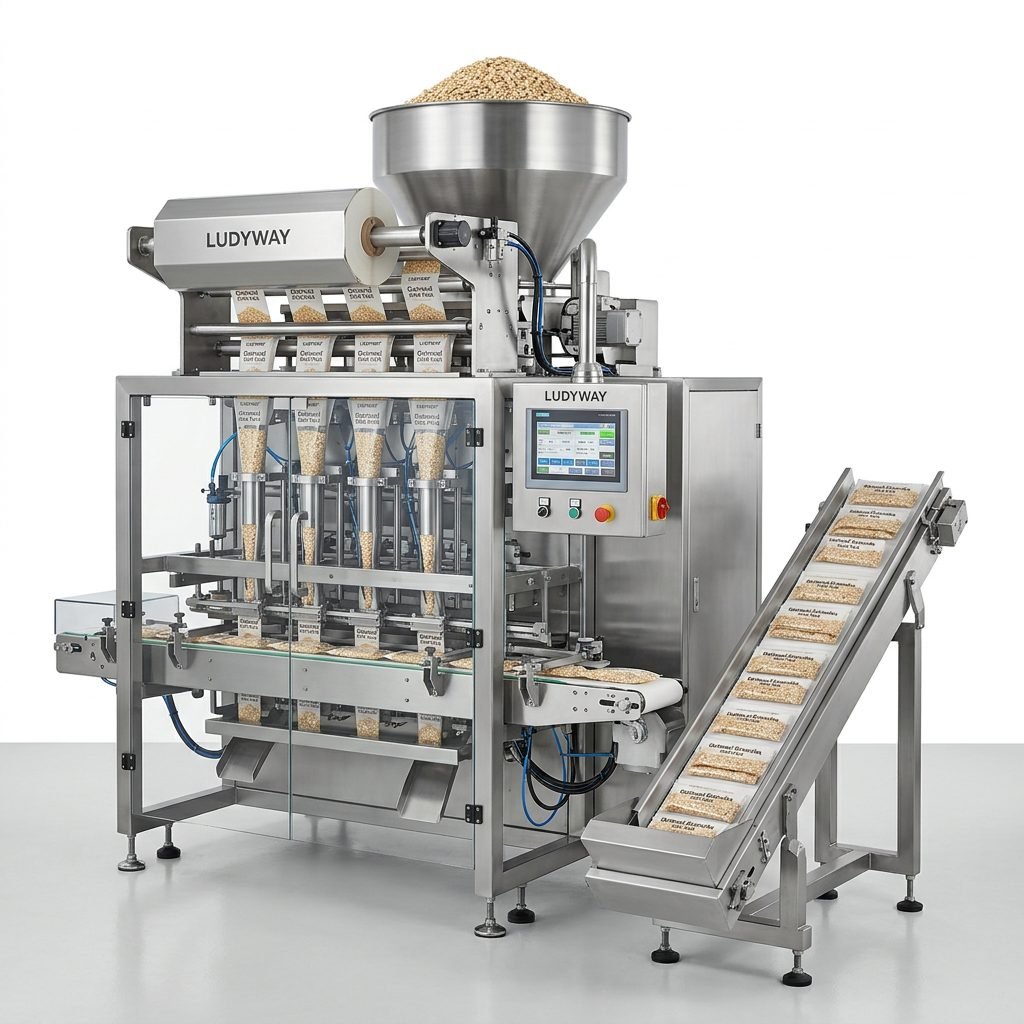
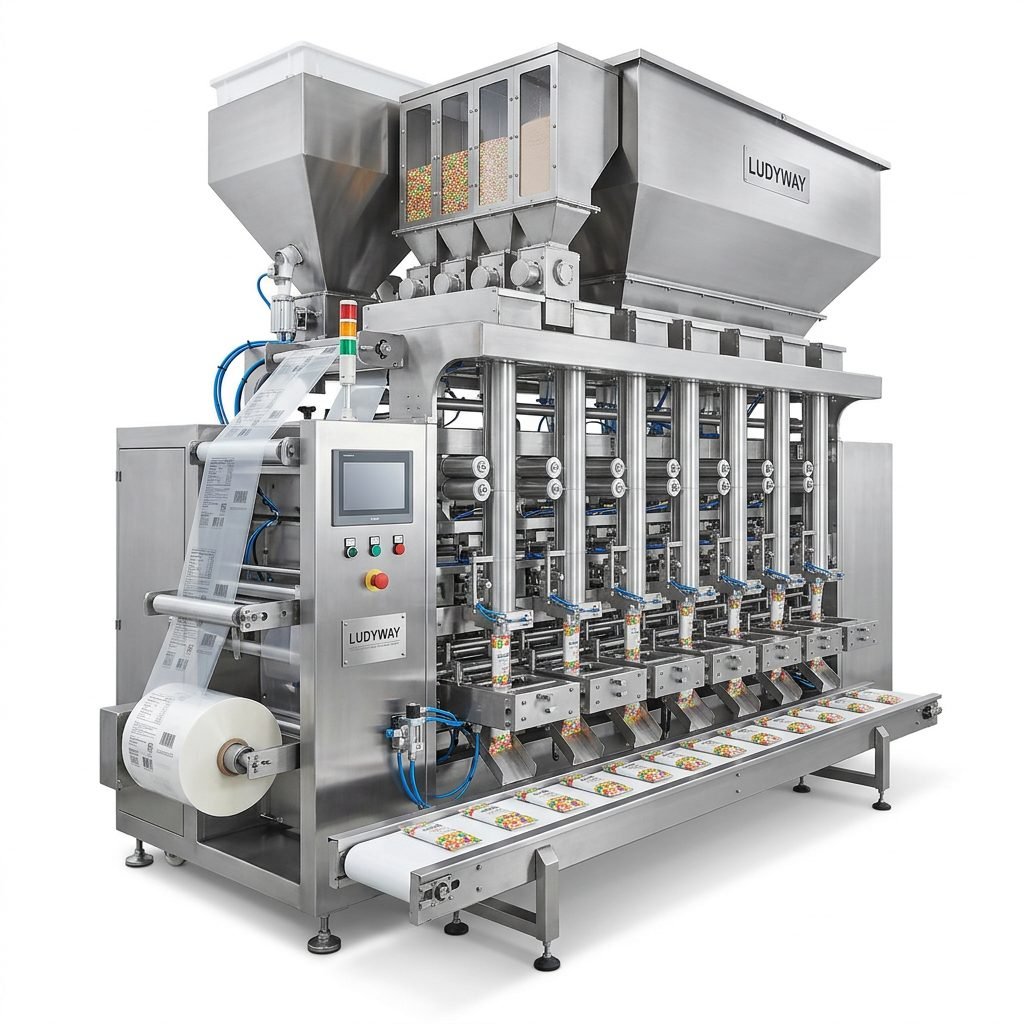
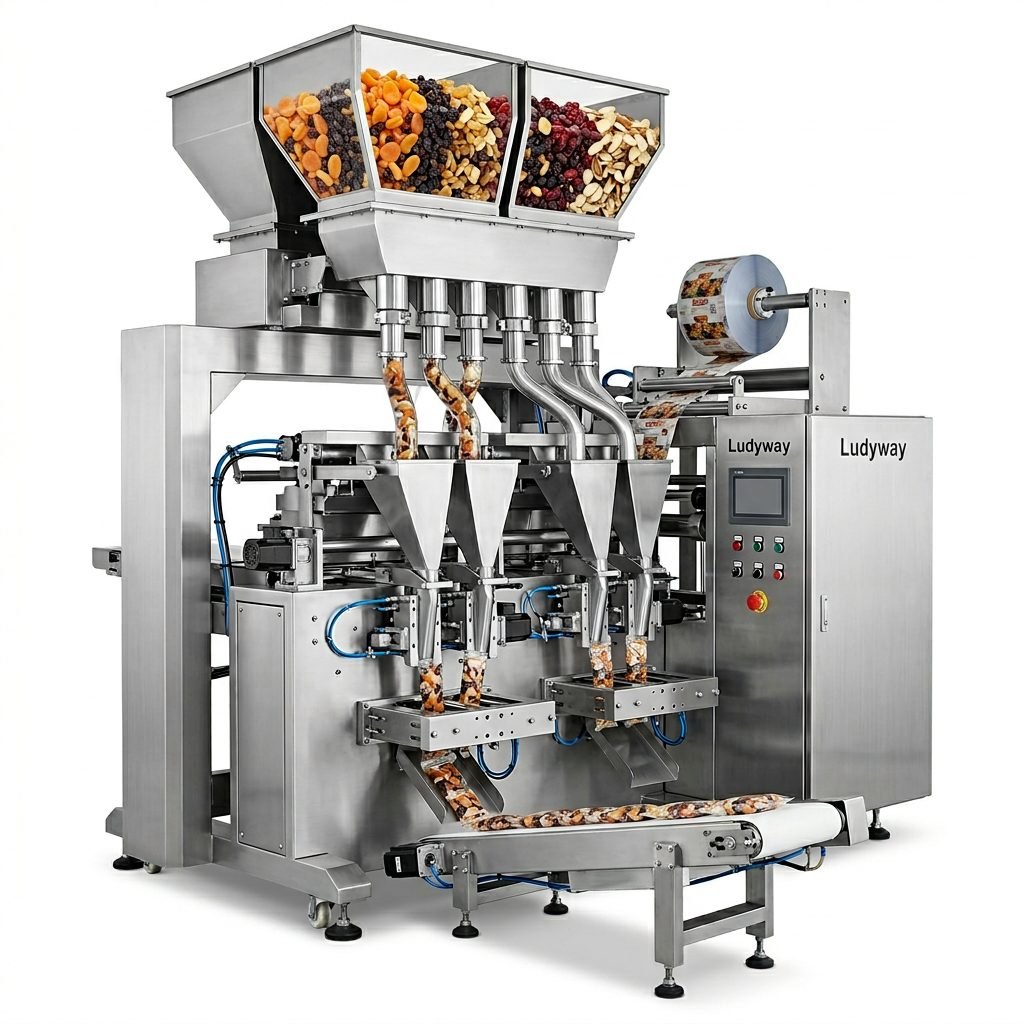
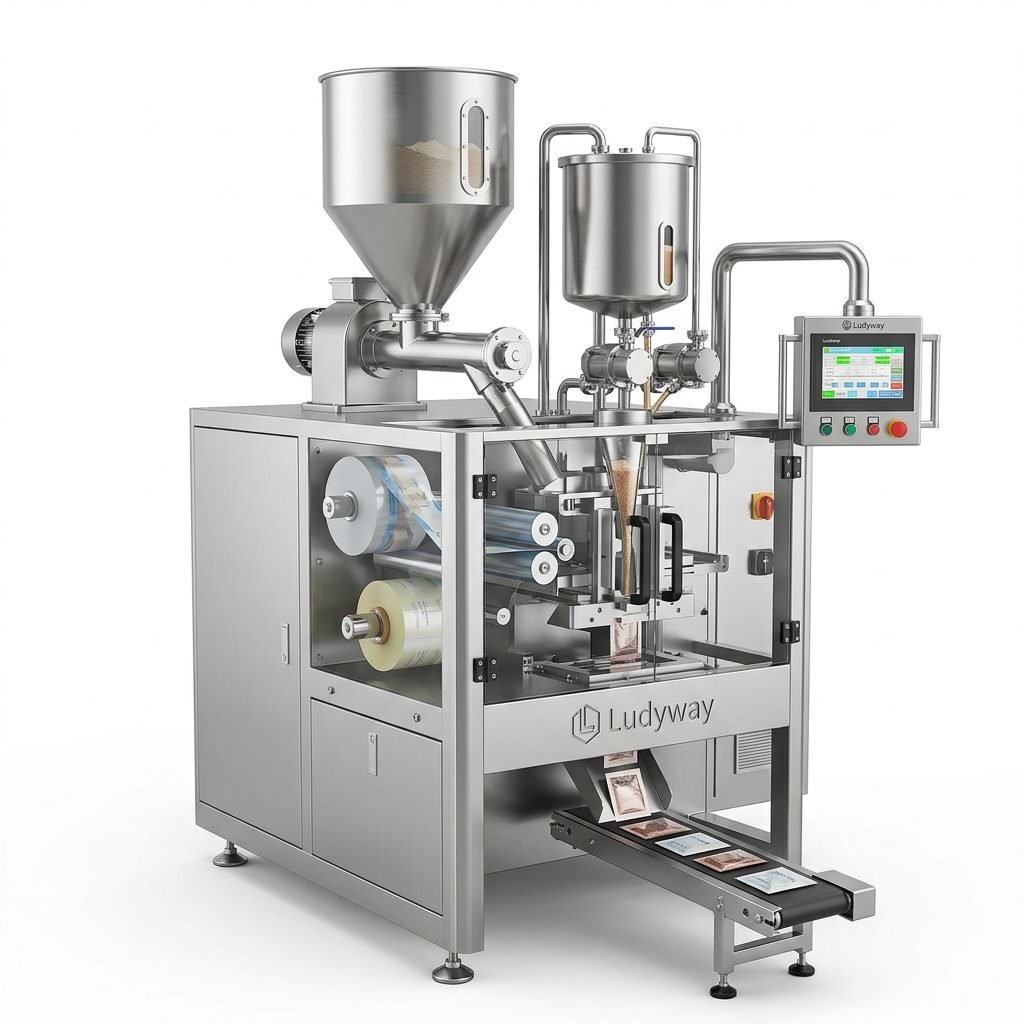
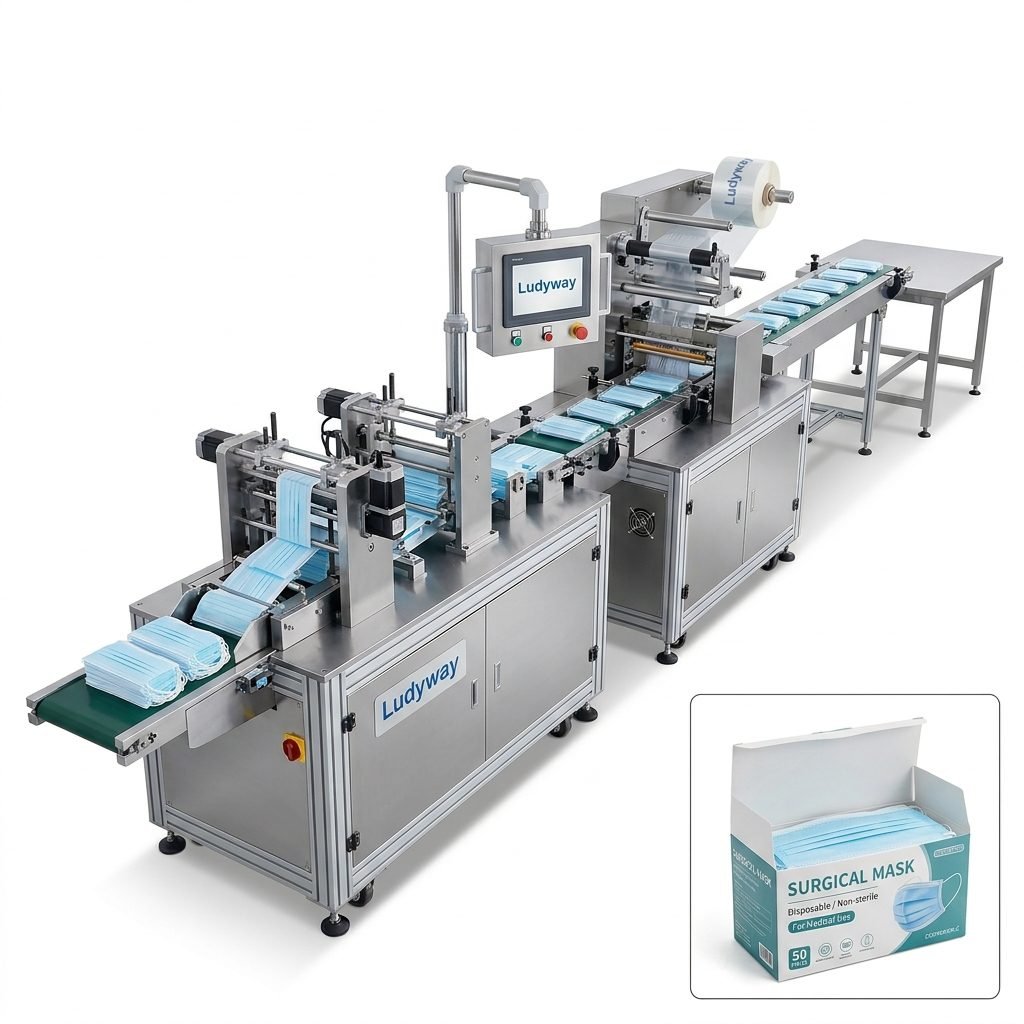
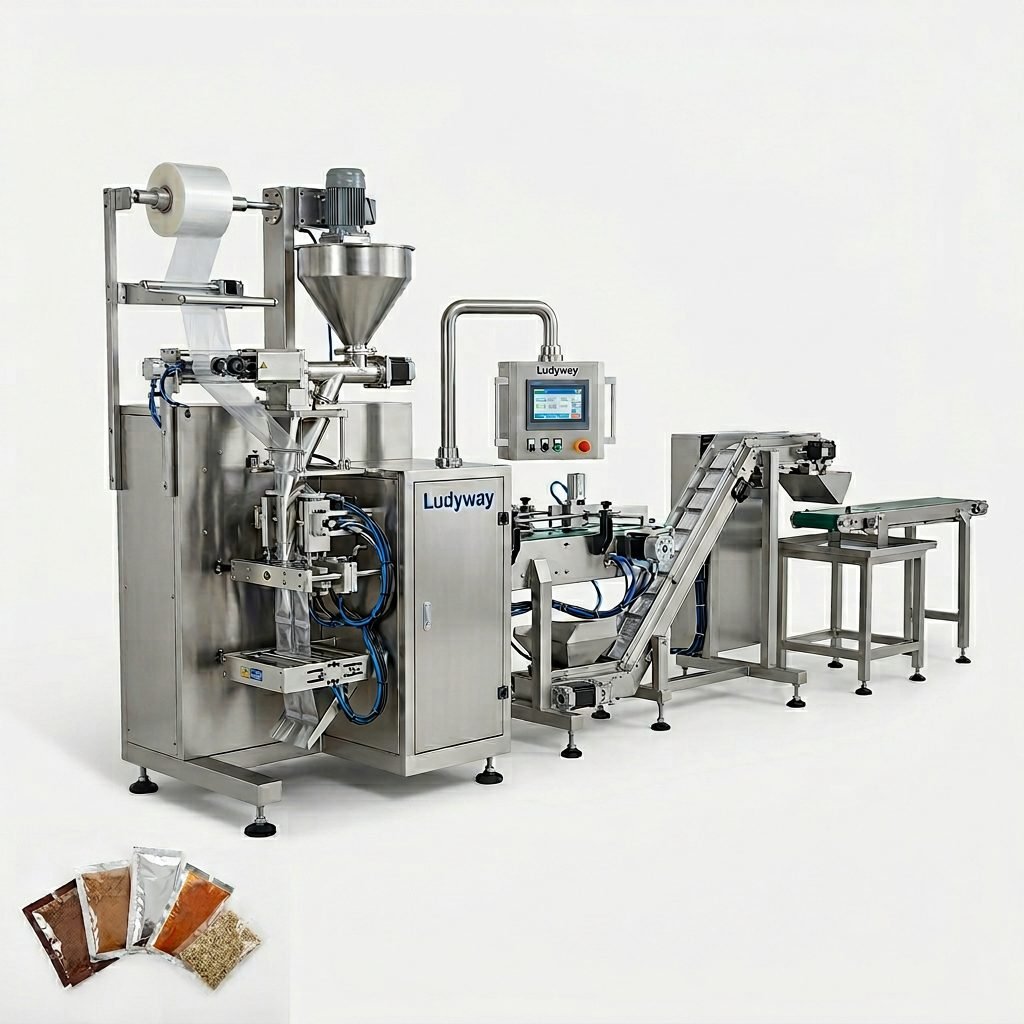
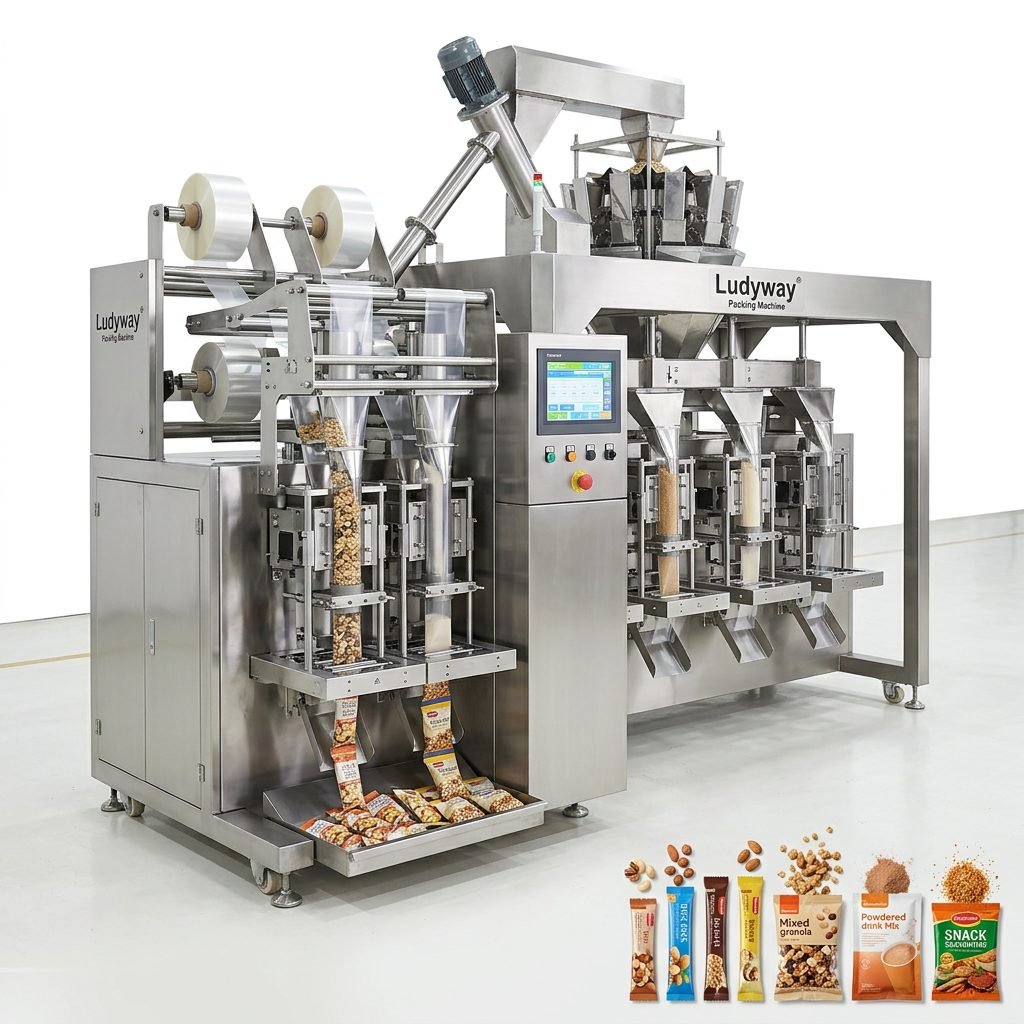
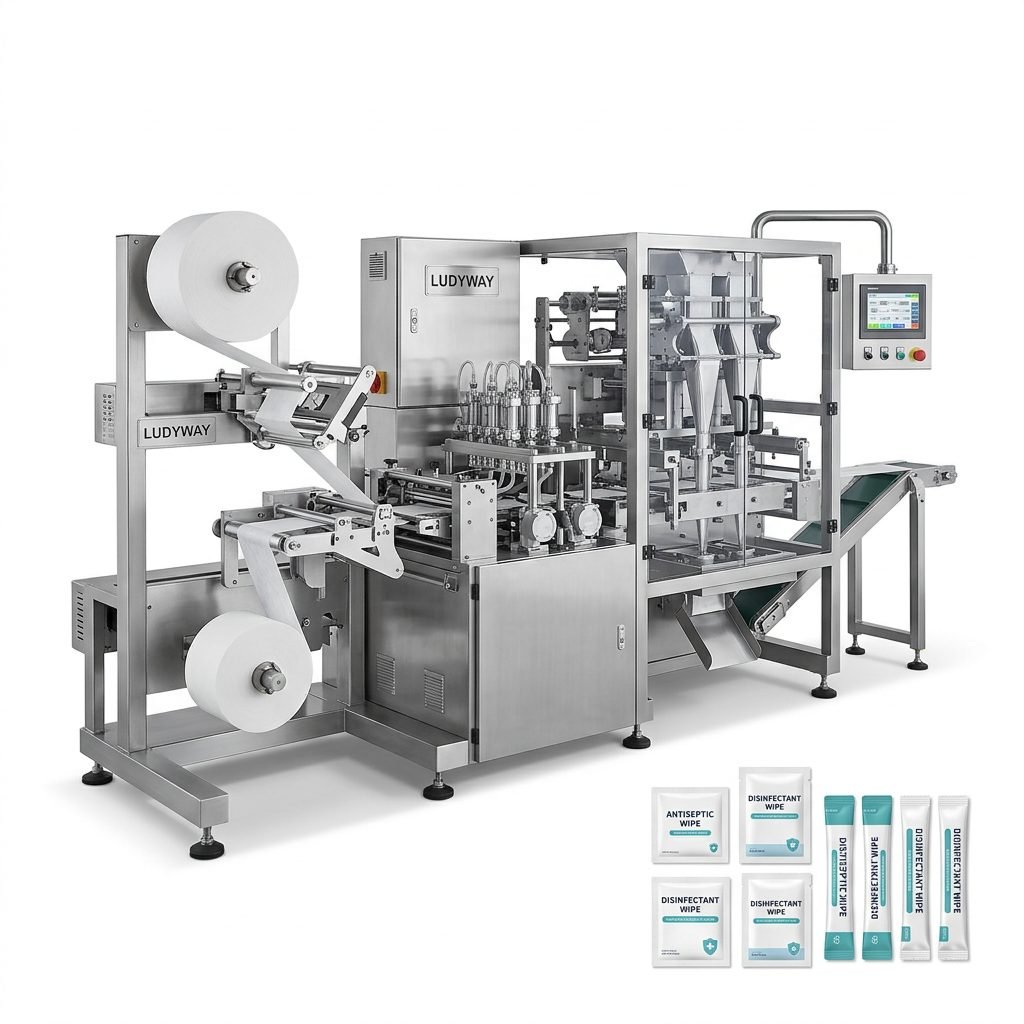
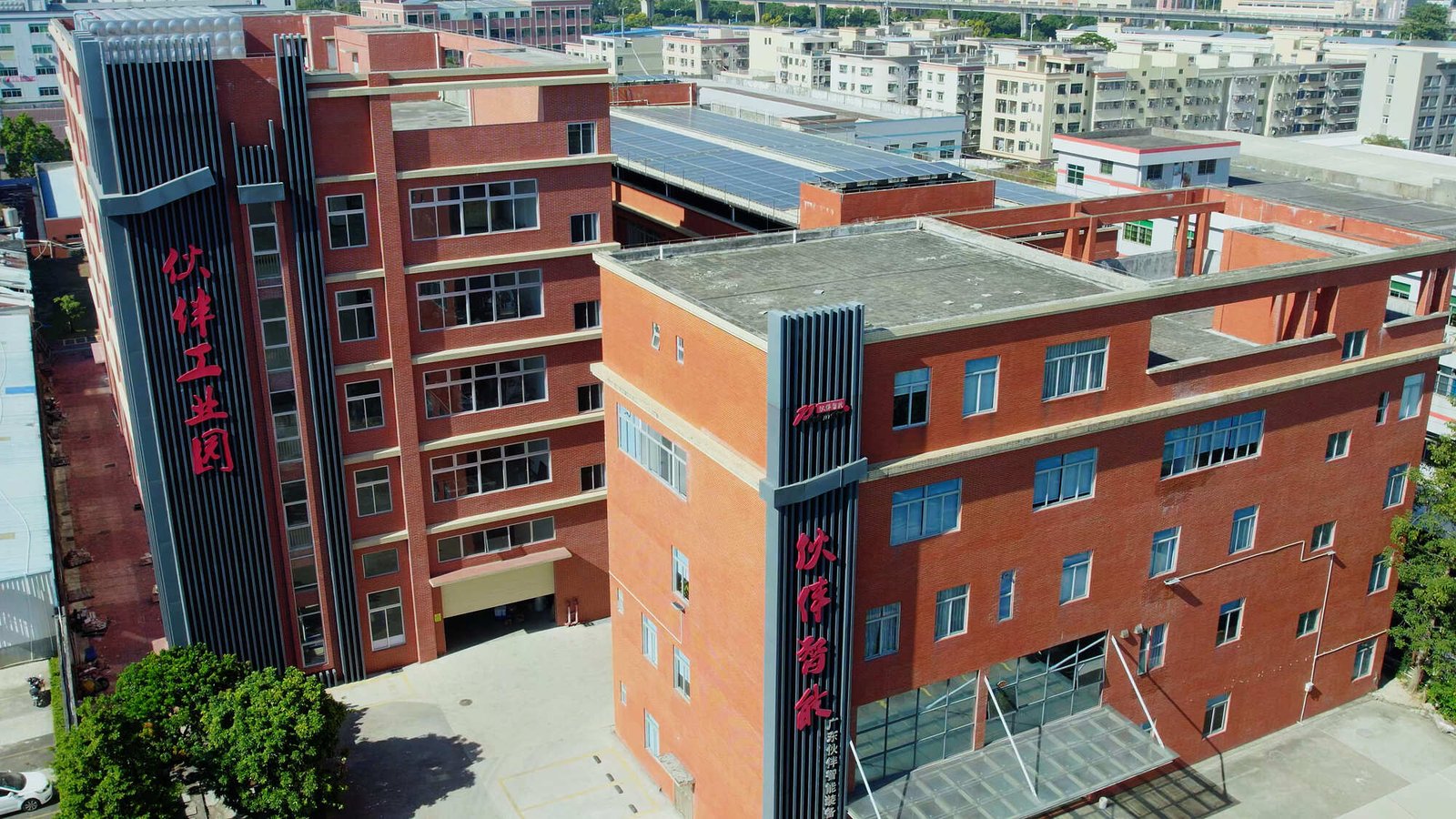
For example, Ludyway Machinery is a China-based packaging machinery manufacturer with more than 30 years of industry experience. The company operates a 20,000-square-meter manufacturing facility and offers over 50 packaging machine models, providing customized solutions that match specific production requirements rather than relying solely on standardized equipment. When evaluating potential partners, verify their track record through customer references, site visits, and compliance with ISO packaging standards relevant to your market.

Budget Considerations and ROI Analysis
The purchase price is only one component of the total cost of ownership. A comprehensive ROI analysis should account for the following factors:
- Initial Capital Investment: Include the machine cost, shipping, import duties, installation, and facility modifications required for integration.
- Operational Costs: Factor in energy consumption, consumables such as glue and printing inks, operator wages, and routine maintenance expenses.
- Productivity Gains: Calculate the labor savings, increased throughput, and reduced material waste compared to your current production method.
- Quality Improvements: Consistent box quality reduces customer complaints, returns, and brand reputation risks, contributing indirectly to profitability.
- Scalability Potential: A machine with modular design or upgradable features can adapt to future needs without requiring full replacement.
According to PMMI’s State of the Industry report, packaging machinery investments typically achieve payback periods of 18 to 36 months, depending on utilization rates and operational efficiency improvements. Conduct a thorough cost-benefit analysis tailored to your specific production environment before committing to a purchase.
After-Sales Support and Technical Service
Equipment reliability is critical, but even the best machines require periodic maintenance and occasional troubleshooting. Before finalizing your purchase, confirm the supplier’s service infrastructure in your region. Key service elements include installation and commissioning support, operator training programs, availability of genuine spare parts, remote technical assistance capabilities, and warranty terms with clearly defined response times.
Manufacturers that provide comprehensive documentation, including operation manuals, maintenance schedules, and troubleshooting guides in your preferred language, help your team operate the equipment confidently and minimize production interruptions.
Compliance with Industry Standards and Regulations
Depending on your target market and end-use application, your box making equipment may need to comply with specific regulatory requirements. Food contact packaging, pharmaceutical cartons, and hazardous material shipping boxes each have distinct compliance obligations. Verify that the machine can produce boxes meeting FDA food packaging regulations if applicable, and confirm traceability features for industries requiring batch-level documentation.
Making the Final Decision
After evaluating all the factors outlined above, create a weighted decision matrix that ranks your priorities. Assign importance scores to criteria such as production speed, flexibility, automation level, supplier reputation, and total cost of ownership. This structured approach reduces emotional bias and helps you objectively compare multiple machine options.
Request detailed proposals from shortlisted suppliers, including production demonstrations using your actual materials whenever possible. Seeing a machine run your specific board grade and box design provides invaluable confidence that the equipment will perform as expected in your production environment.
Finally, do not overlook the value of visiting existing installations or speaking directly with current users. Their real-world experiences often reveal insights about long-term reliability, service quality, and operational nuances that specification sheets alone cannot convey. A well-chosen packaging box making machine becomes a productive asset for years to come, making thorough due diligence a worthwhile investment of time and effort.