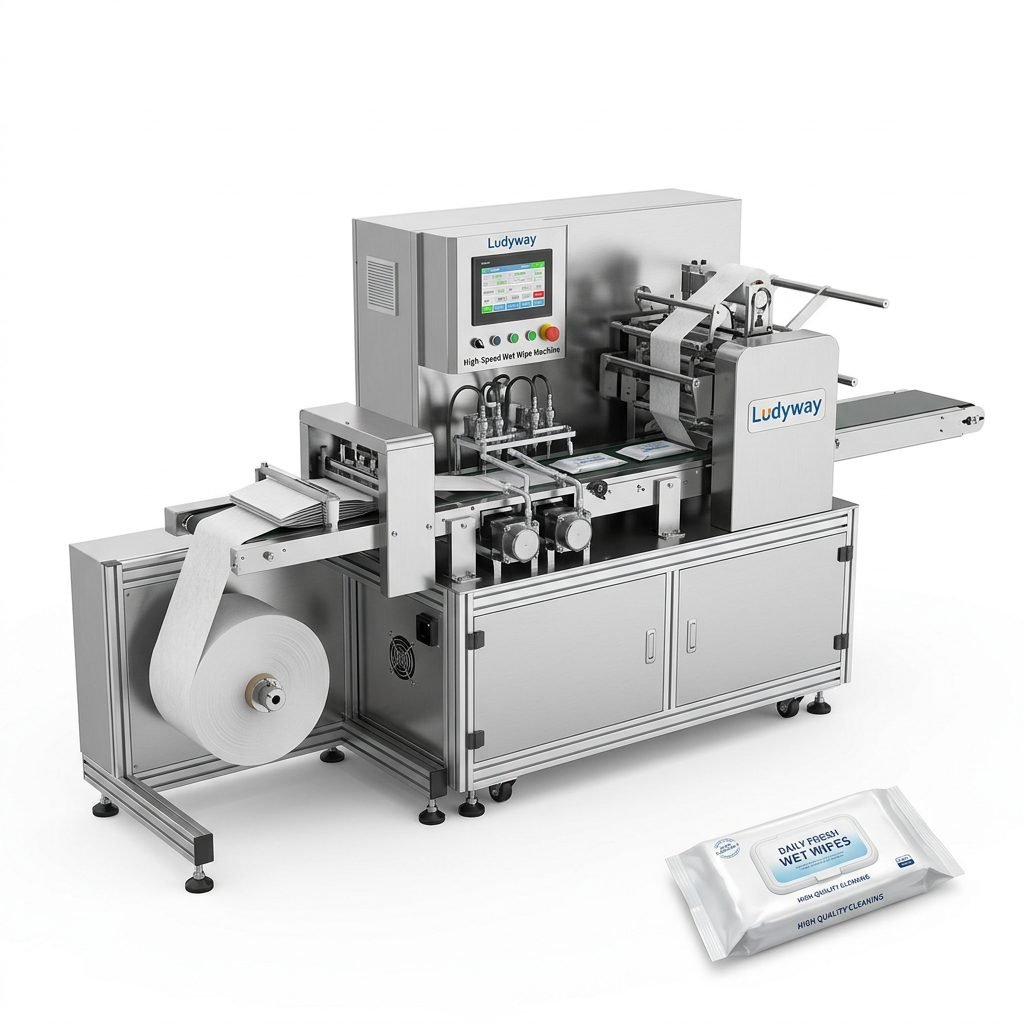
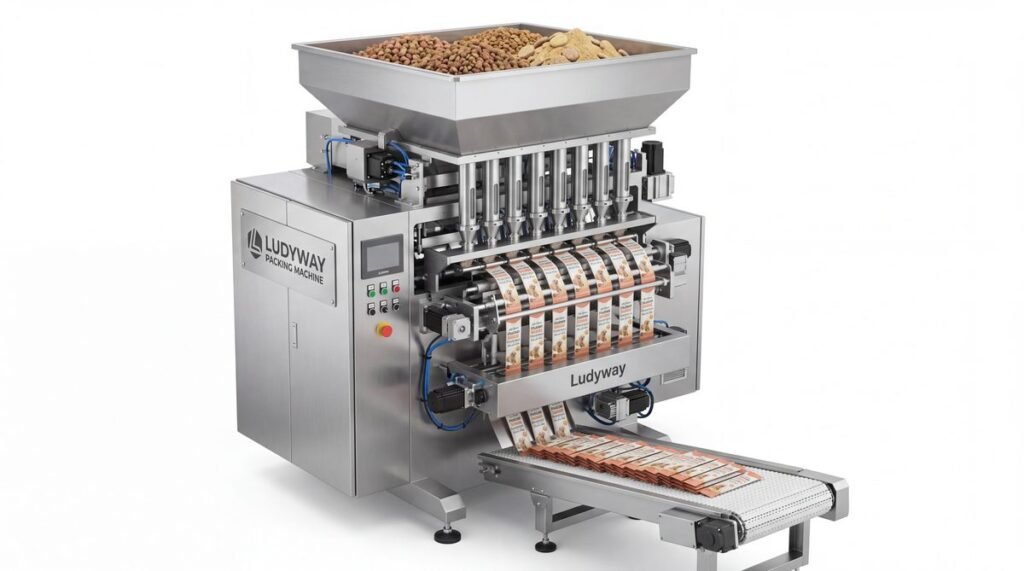
The demand for edible oil packaging machines in Africa is growing rapidly, driven by the continent’s expanding food processing sector and increasing consumer demand for packaged cooking oils. Whether you’re producing palm oil in West Africa, sunflower oil in East Africa, or olive oil in North Africa, selecting the right packaging equipment is critical for your business success. This guide covers everything you need to know before making a purchase.

Why Africa’s Edible Oil Packaging Market Is Booming
Africa’s edible oil market has seen unprecedented growth in recent years. According to industry data from PMMI Business Intelligence, the packaging machinery sector in emerging markets continues to expand at double-digit rates annually. Key factors driving this trend include:
- Urbanization — Rapid urban population growth increases demand for conveniently packaged cooking oils
- Retail modernization — Supermarkets and formal retail channels require professionally packaged products
- Export opportunities — African producers are increasingly exporting packaged oils to regional and international markets
- Food safety regulations — Stricter packaging standards are being implemented across the continent
Types of Edible Oil Packaging Machines Available
Understanding the different machine types is essential when investing in packaging technology for your oil business. Each format serves specific market segments:
| Machine Type | Best For | Typical Output | Key Advantage |
|---|---|---|---|
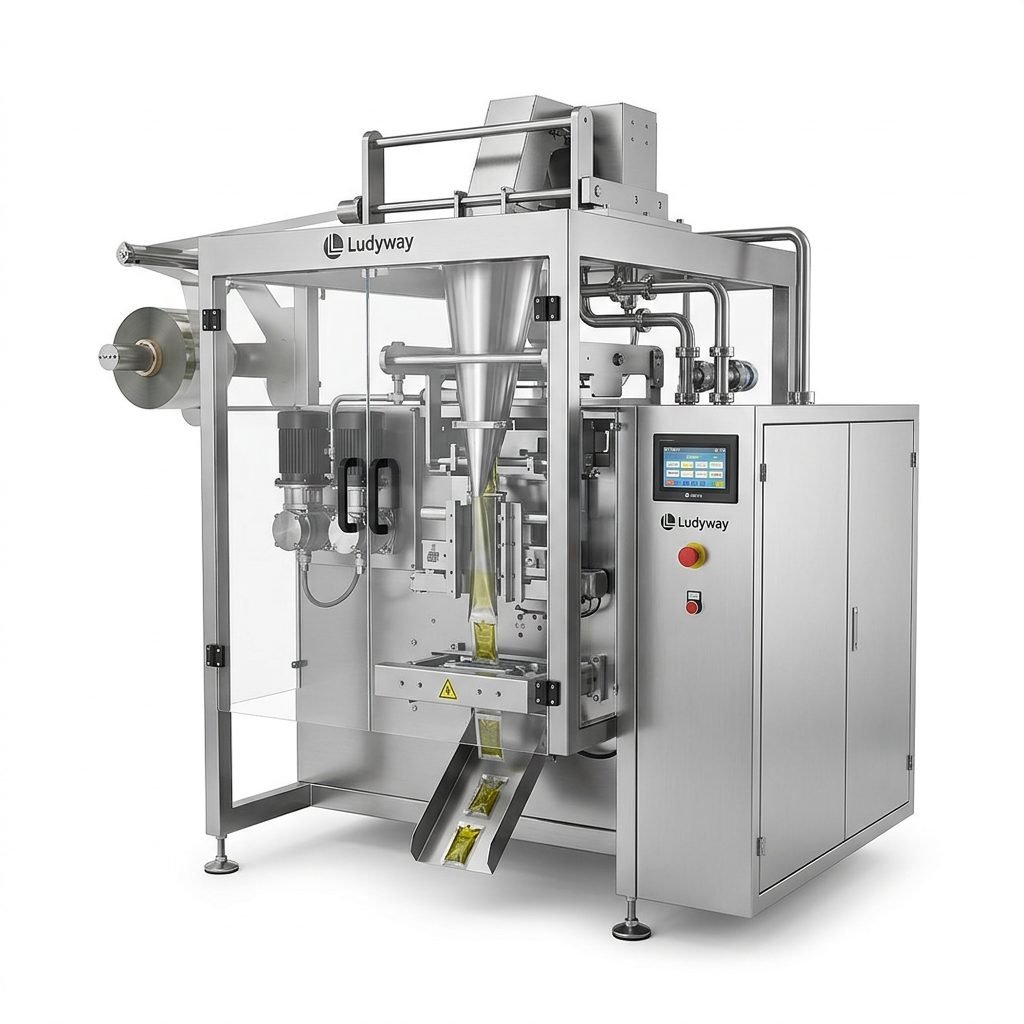
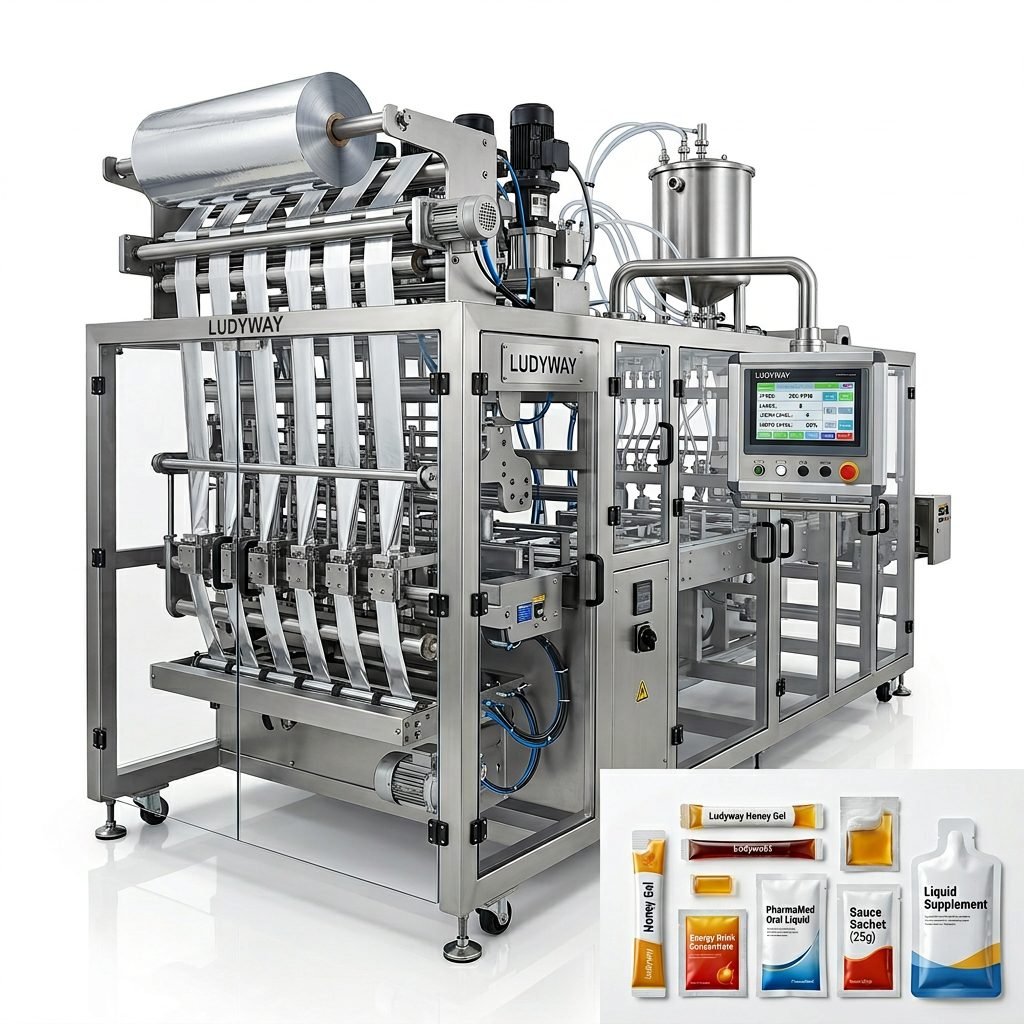
| Sachet Packaging Machine | Small retail packs (10ml-100ml) | 200-400 packs/min | Low cost per unit, high volume |
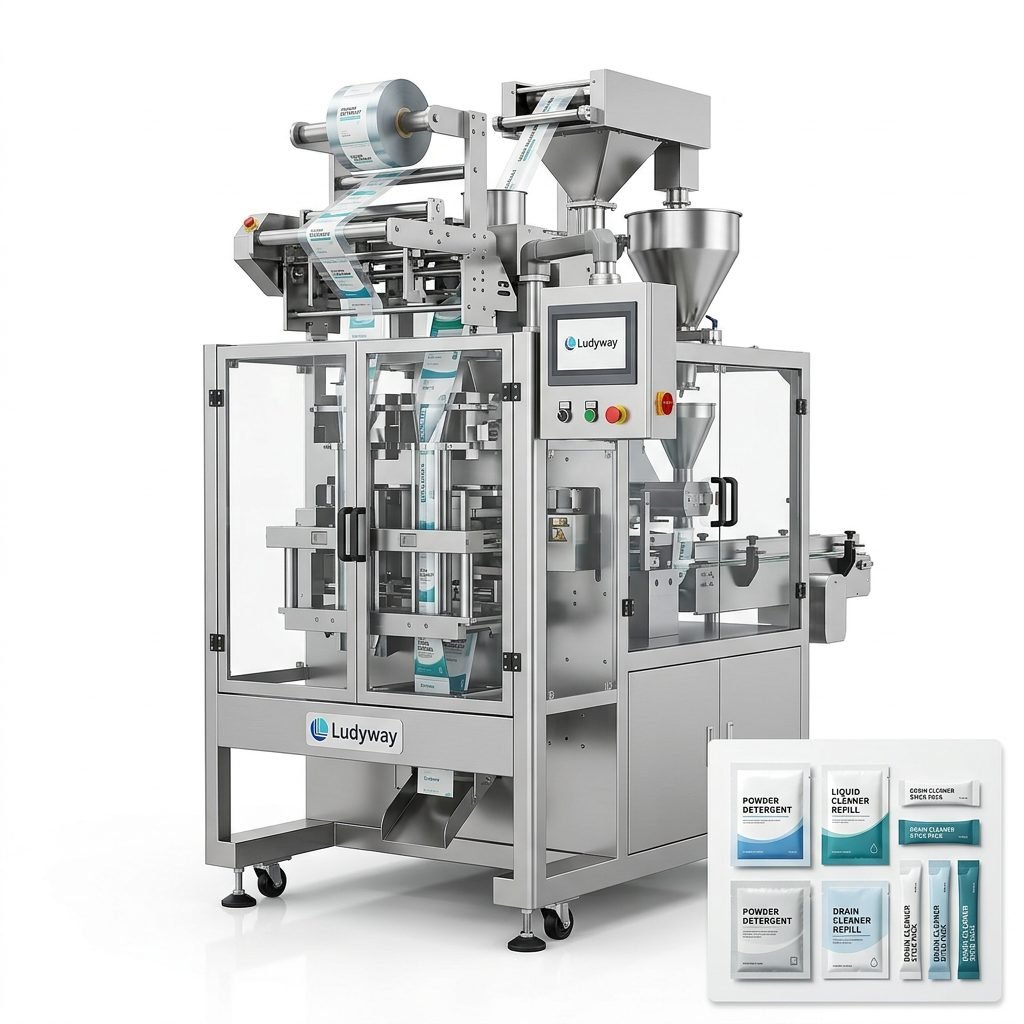
| Pouch Filling Machine | Medium packs (250ml-1L) | 40-80 packs/min | Versatile, multiple size options |
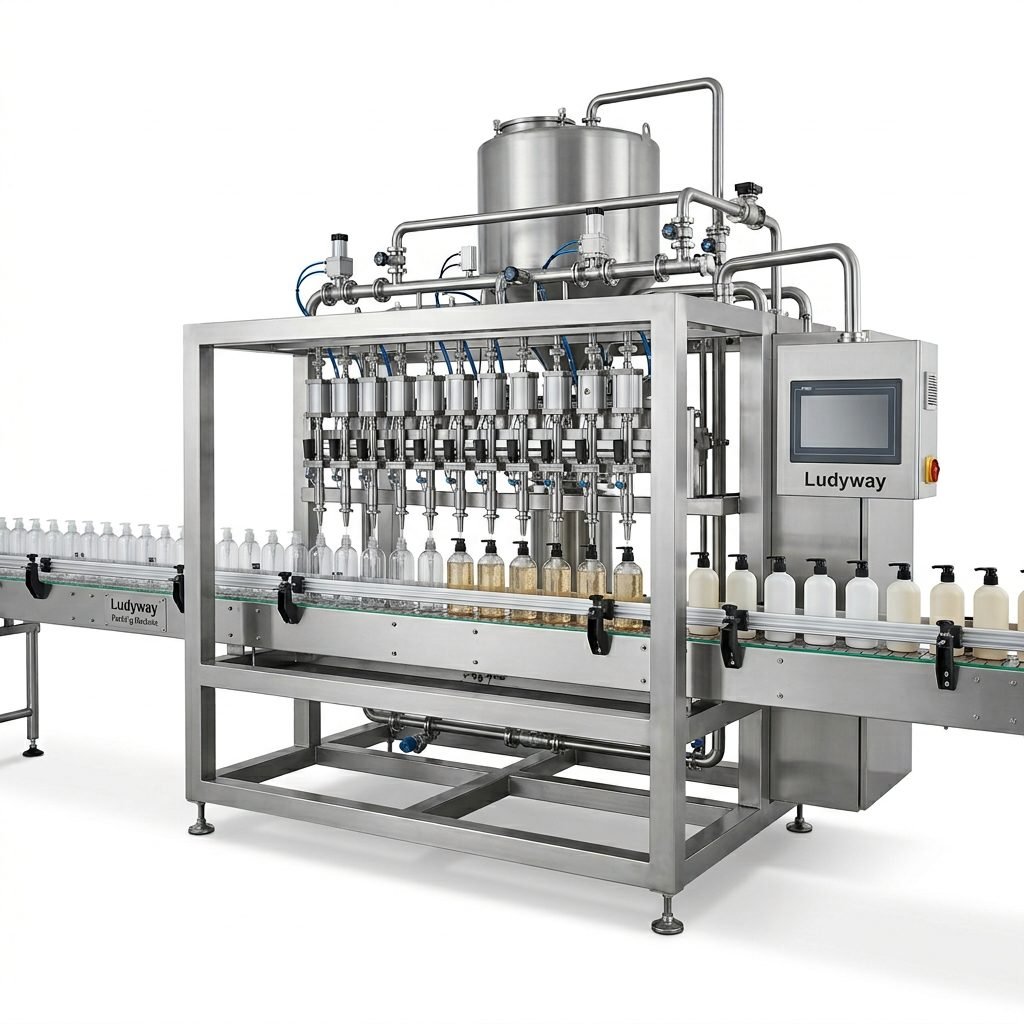
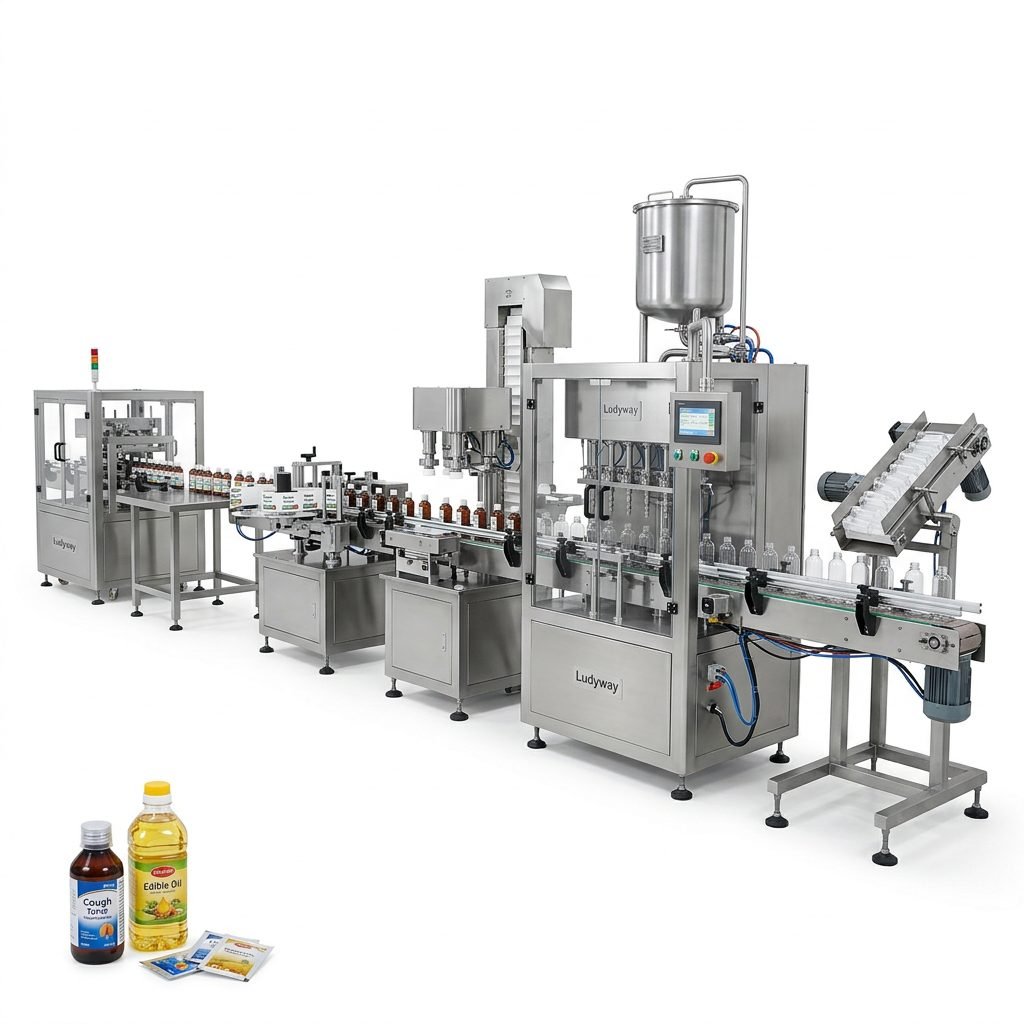
| Bottle Filling Line | Premium brands (500ml-5L) | 30-60 bottles/min | Brand visibility, reusable packaging |
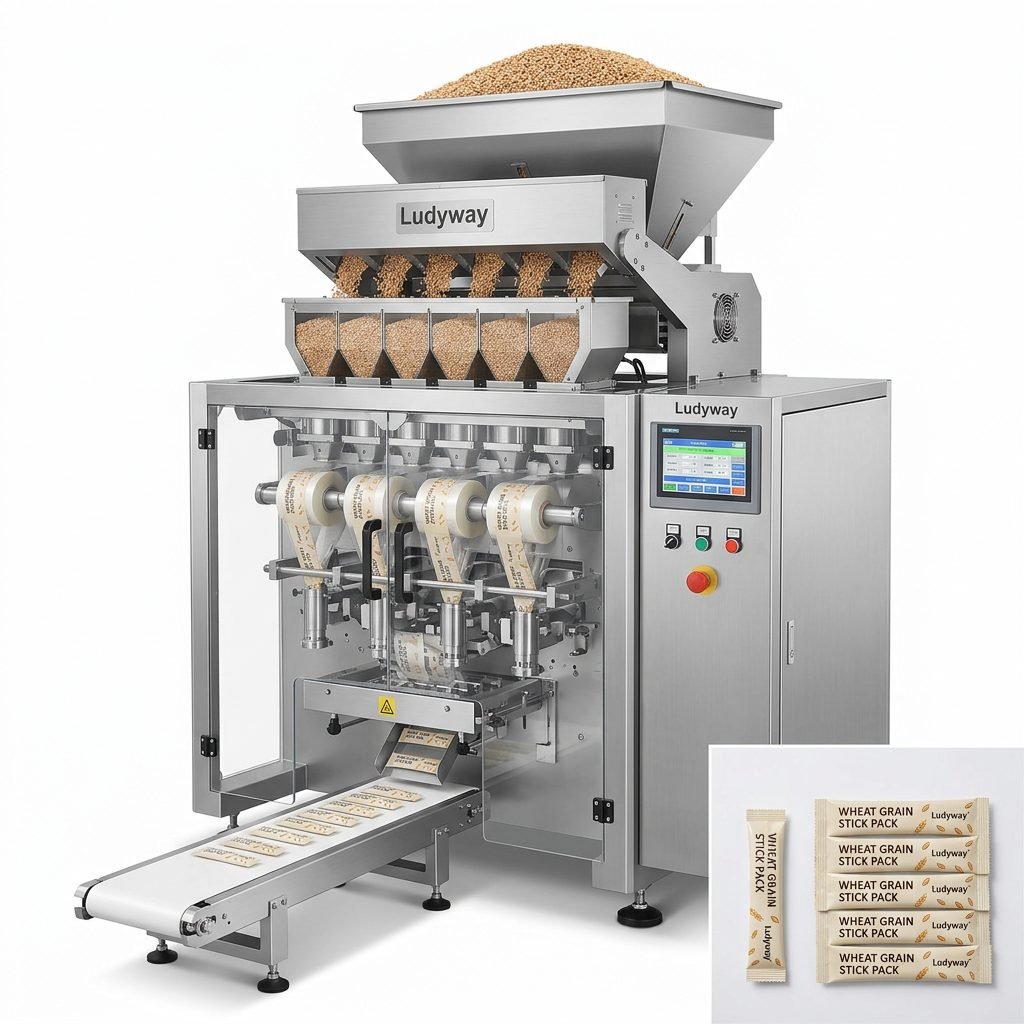
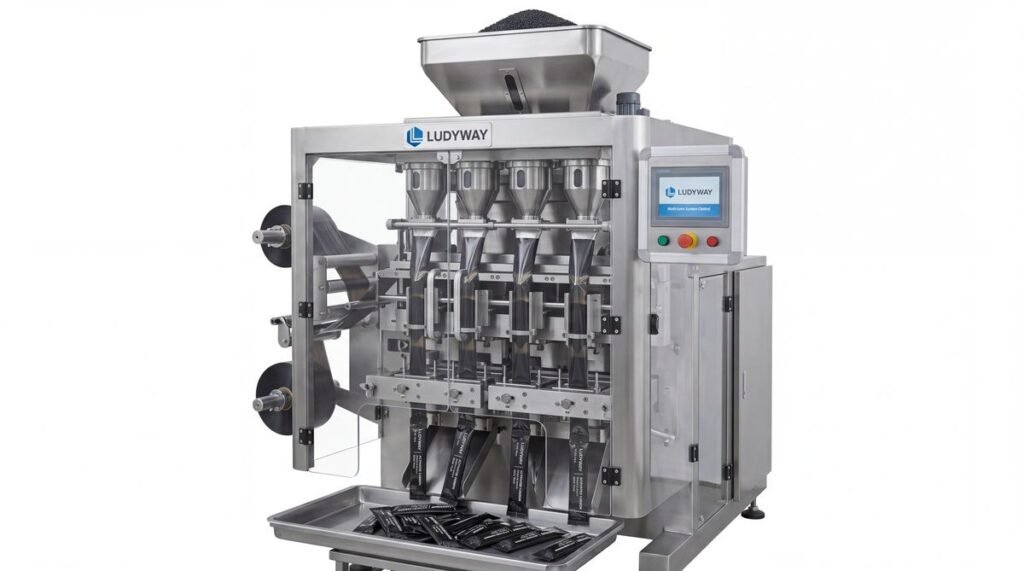
| Stick Pack Machine | Single-serve portions | 300-600 sticks/min | Portability, emerging market demand |
| Jerrycan Filling System | Bulk/institutional (5L-20L) | 10-20 units/min | Food service and industrial use |
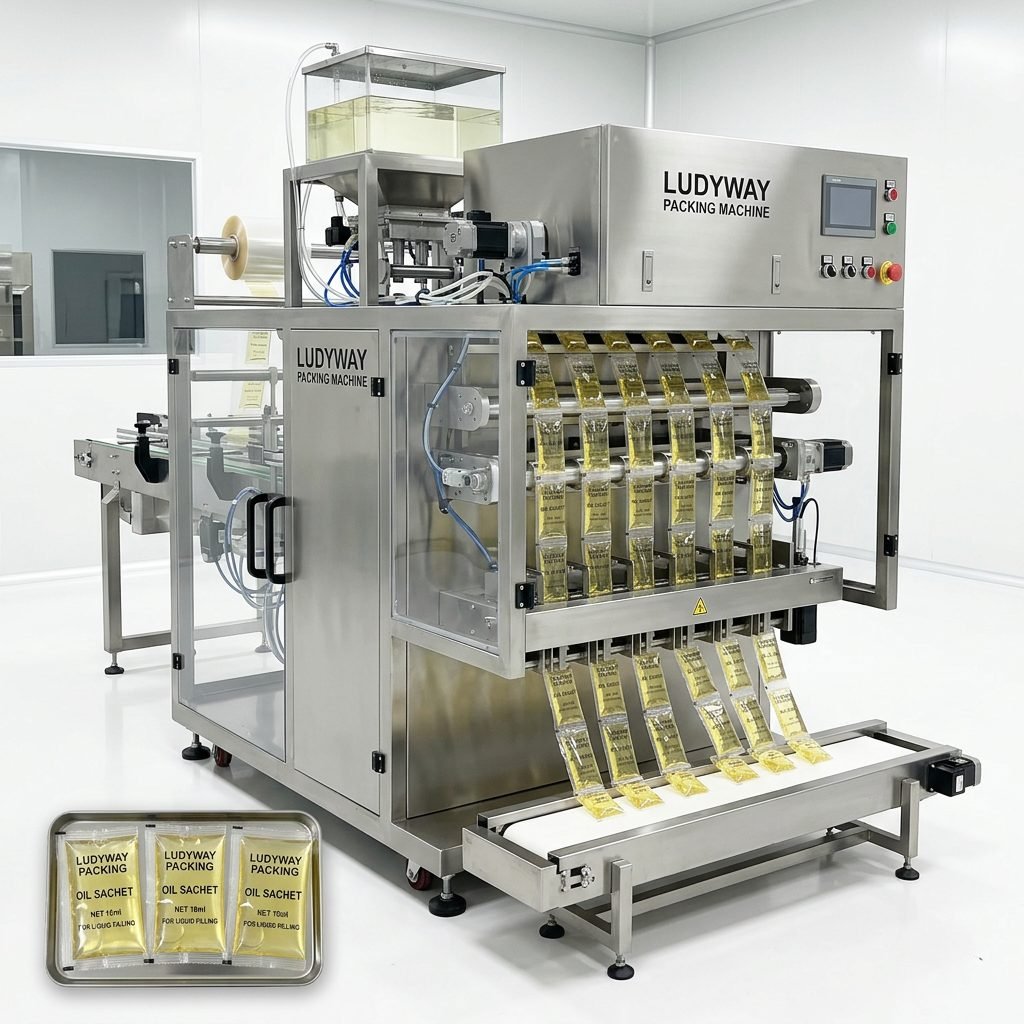
Key Factors to Consider When Choosing an Oil Packaging Machine
Investing in the right edible oil packaging equipment requires careful evaluation of several critical factors. Making the wrong choice can lead to costly downtime, product waste, and missed market opportunities.
1. Oil Viscosity and Filling Technology
Different edible oils have varying viscosities — palm oil is thicker than sunflower oil, while coconut oil may solidify at lower temperatures. Your packaging machine must be equipped with the appropriate filling system: piston fillers for thicker oils, flow meter systems for thinner oils, or weight-based fillers for maximum accuracy. FDA food packaging guidelines recommend precise fill accuracy to maintain compliance and reduce product giveaway.
2. Production Capacity Requirements
Calculate your current and projected production volumes. A small-scale producer might start with semi-automatic equipment producing 500-1,000 liters per day, while large refineries need fully automated high-speed packaging lines capable of handling multiple tons daily. Over-investing can strain capital, while under-investing limits growth potential.
3. Packaging Material Compatibility
Your machine must handle the specific packaging materials used in your target markets — whether that’s multi-layer laminated films for sachets, PET bottles, or flexible pouches. Check material specifications against Flexible Packaging Association standards to ensure compatibility and seal integrity.
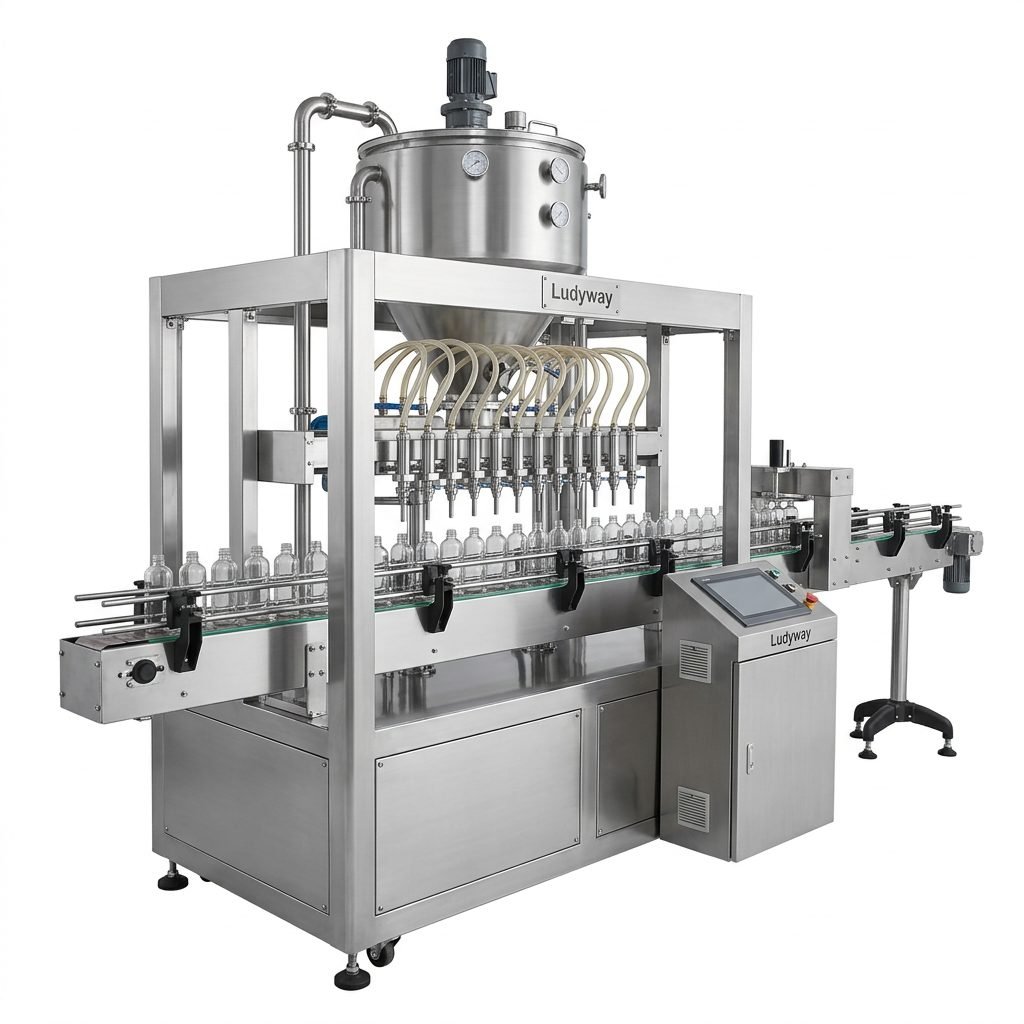
Regional Considerations for African Markets
Operating in Africa presents unique challenges and opportunities. Your packaging line should be selected with these regional factors in mind:
- Power stability — Machines should include voltage stabilizers or be compatible with generator power where grid supply is unreliable
- Climate conditions — High humidity and temperature environments require equipment with appropriate cooling and corrosion protection
- Technical support — Prioritize suppliers offering local service networks, remote diagnostics, and readily available spare parts
- Small sachet demand — Much of Africa’s consumer market prefers affordable small-format packaging, making sachet machines particularly important
- Regulatory compliance — Standards vary by country; machines should meet both local and ISO packaging standards
Maintenance and Operator Training
A common mistake among first-time buyers is underestimating the importance of after-sales support. Look for manufacturers who provide comprehensive operator training, detailed maintenance manuals, and responsive technical assistance. Well-trained operators can significantly extend machine lifespan and reduce costly production interruptions.
| Feature | Why It Matters in Africa |
|---|---|
| Stainless Steel Construction | Resists corrosion in humid coastal and tropical regions |
| Multi-language HMI Interface | Enables operators across French, English, and Portuguese-speaking Africa |
| Quick Changeover Design | Supports diverse product lines with minimal downtime |
| Remote Troubleshooting | Reduces need for on-site technician visits in remote locations |
Cost Analysis and ROI Expectations
The price of an edible oil packaging machine varies widely based on automation level, speed, and configuration. Understanding the total cost of ownership helps in making an informed investment decision:
- Semi-automatic machines: Entry-level options suitable for startups and small producers
- Fully automatic single-lane: Mid-range solution for growing businesses with consistent demand
- Multi-lane high-speed systems: Premium investment for large-scale producers targeting high-volume output
Most African producers achieve ROI within 12-24 months through reduced labor costs, minimized product waste, and access to higher-value retail and export markets. When calculating ROI, factor in not just the machine cost but also installation, training, maintenance, and packaging material expenses.
Financing and Supplier Selection
Choose suppliers who understand the African market and offer flexible terms. Industry reports from PMMI highlight that reliable after-sales support often determines long-term success more than the initial purchase price. Evaluate potential suppliers based on their track record in Africa, spare parts availability, and willingness to provide references from similar operations.
Future-Proofing Your Investment
When purchasing packaging equipment for the African market, think beyond immediate needs. Consider whether the machine can handle multiple oil types, accommodate different packaging formats, and integrate with upstream and downstream equipment for eventual full-line automation. Modular designs allow you to start with core functionality and add capabilities as your business grows — a prudent approach for the dynamic African market.
The global trend toward sustainable packaging is also reaching Africa. Machines capable of handling recyclable mono-materials and reducing packaging waste will position your business advantageously as environmental regulations tighten and consumer awareness increases.
Trusted Manufacturing Partner for African Operations
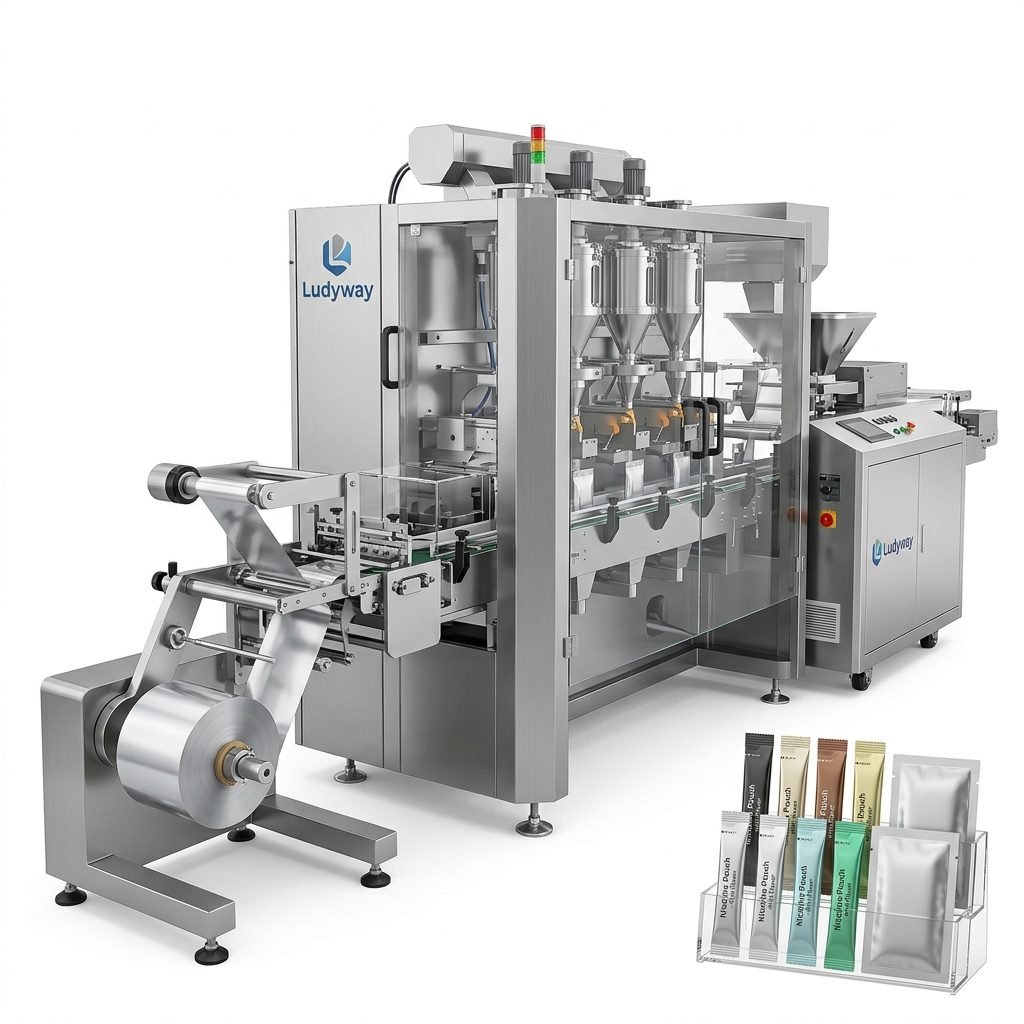
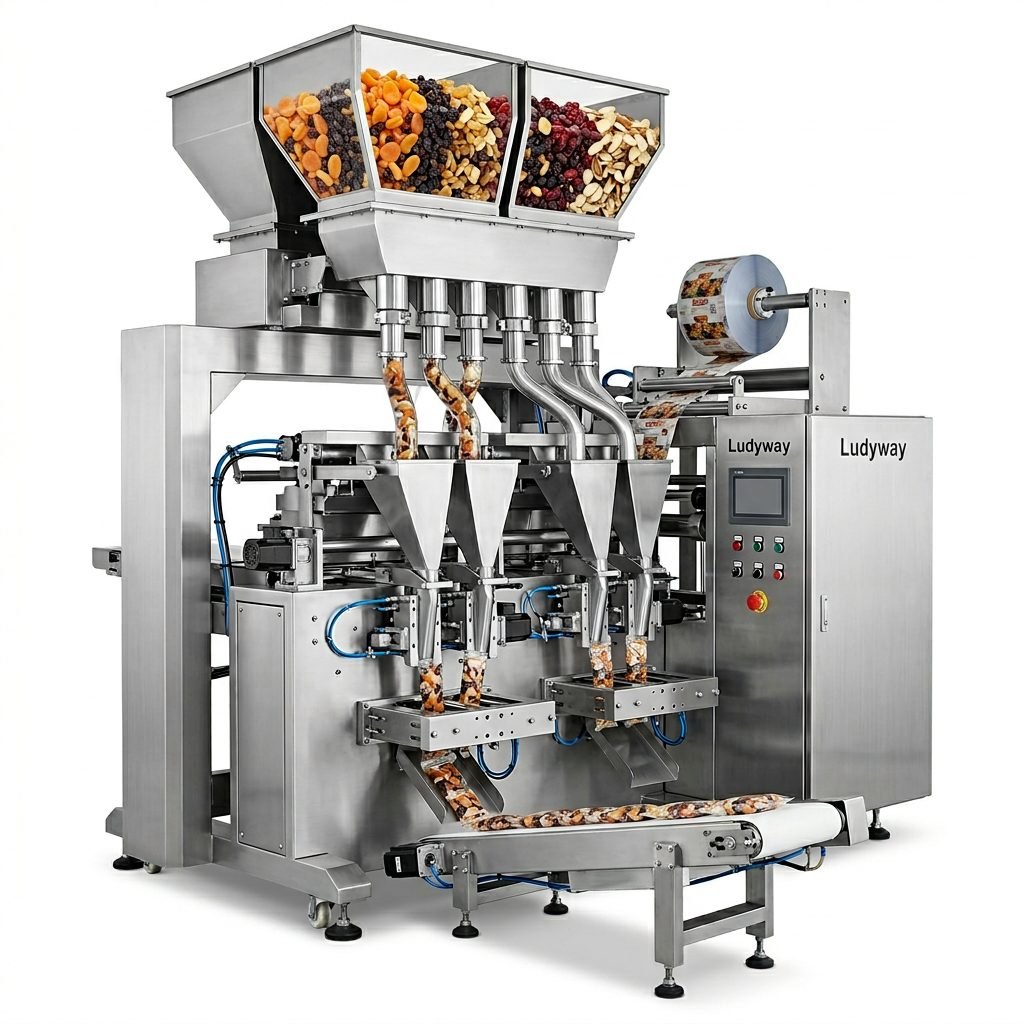
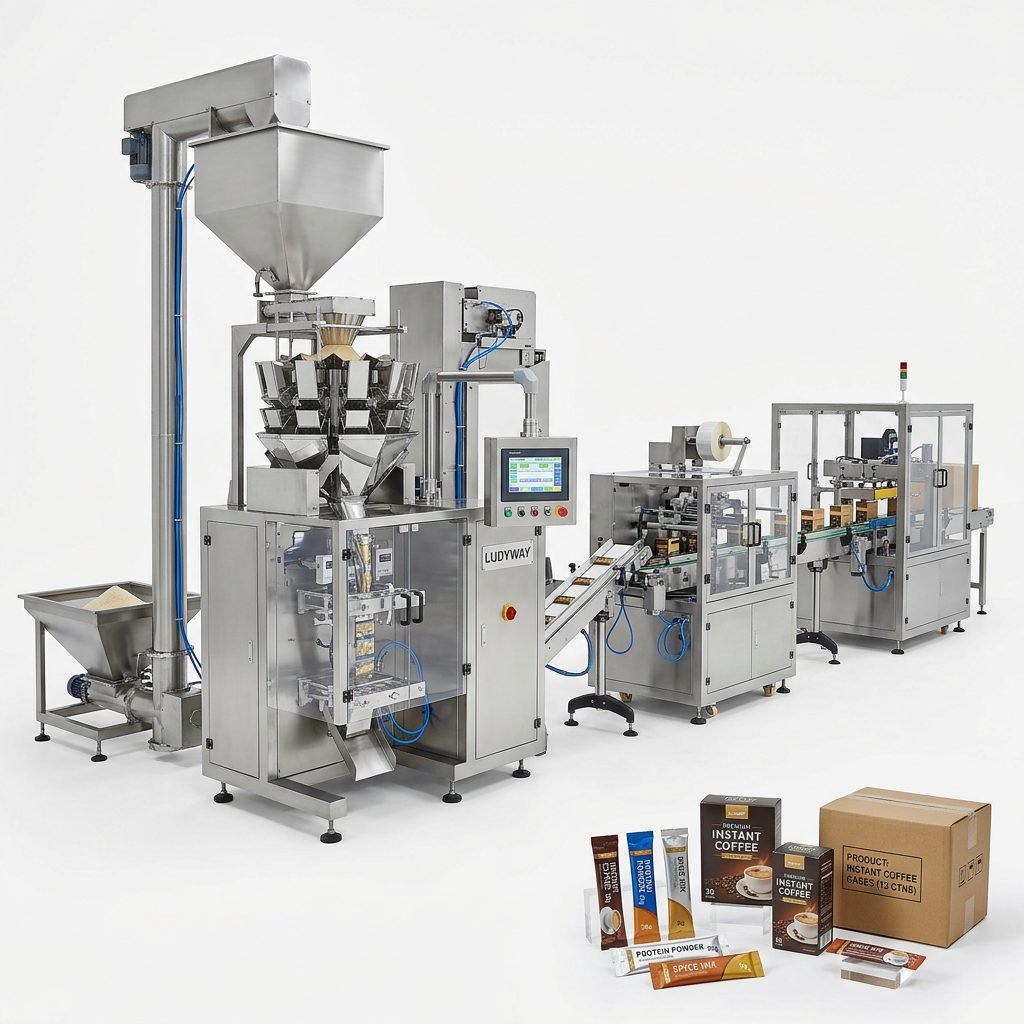
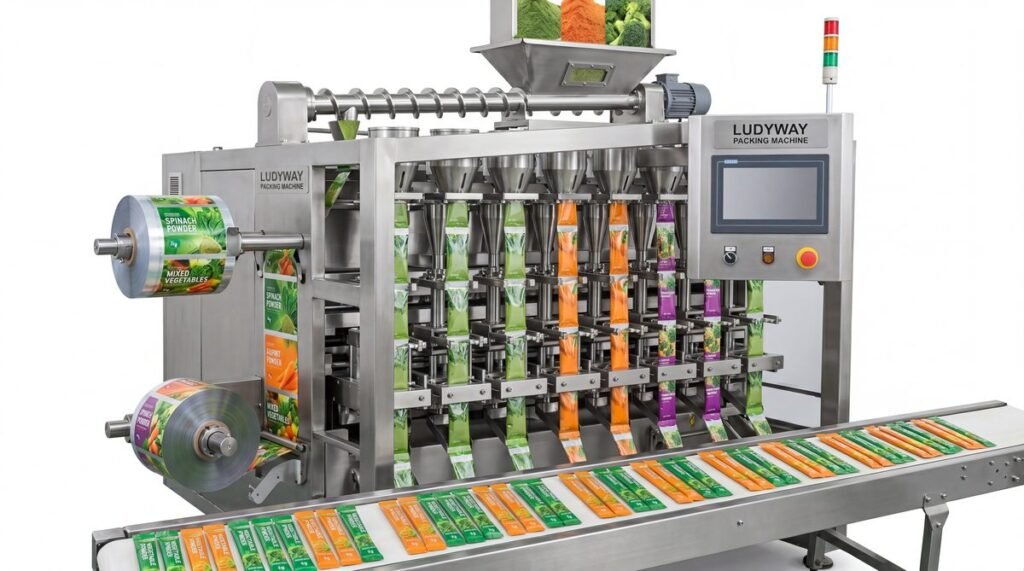
Ludyway is one of the largest packaging machine manufacturers in China, specializing in advanced packaging equipment and turnkey production solutions for the food, pharmaceutical, and health industries. With over 30 years of industry expertise and a modern 20,000㎡ manufacturing facility, Ludyway provides reliable and efficient edible oil packaging solutions for granule, powder, liquid, and pouch packaging applications. Serving customers in over 100 countries including numerous African nations, the company delivers innovative, high-performance, and cost-effective packaging systems that help businesses improve productivity, product quality, and operational efficiency across the continent.
Key Takeaways for African Buyers
- Match machine type to your target market segment — sachet, pouch, bottle, or bulk
- Prioritize build quality and after-sales support over lowest initial price
- Verify compatibility with local power conditions and climate
- Choose equipment that supports multiple packaging formats for market flexibility
- Plan for operator training and establish a preventive maintenance schedule
- Consider future scalability when selecting your machine configuration