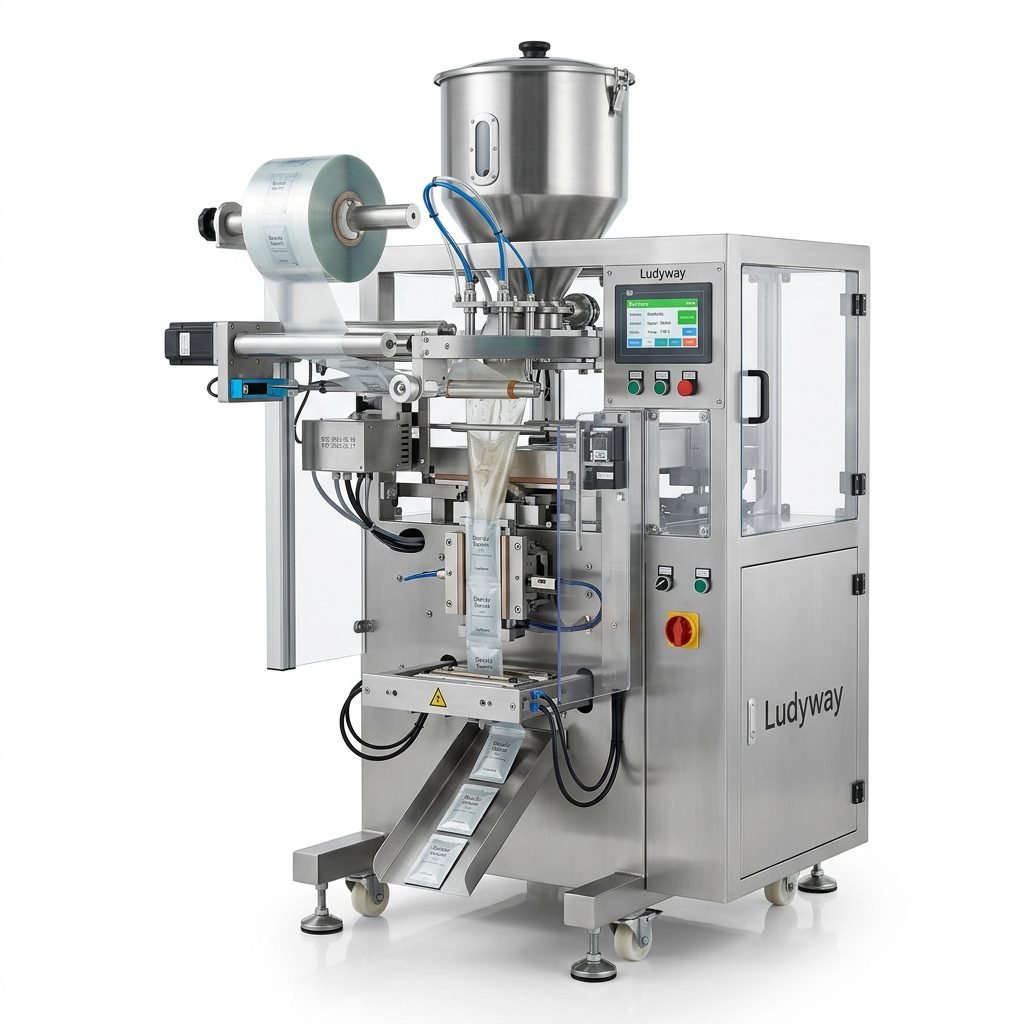
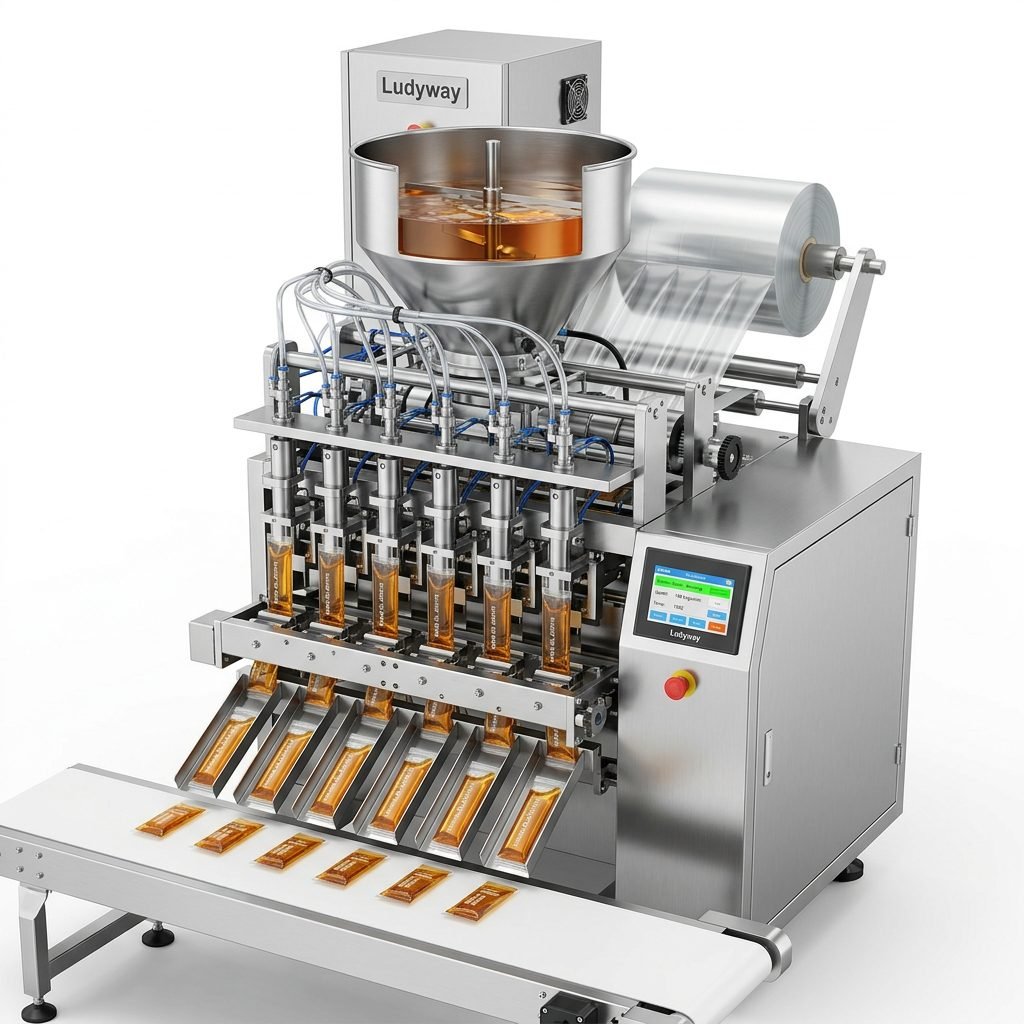
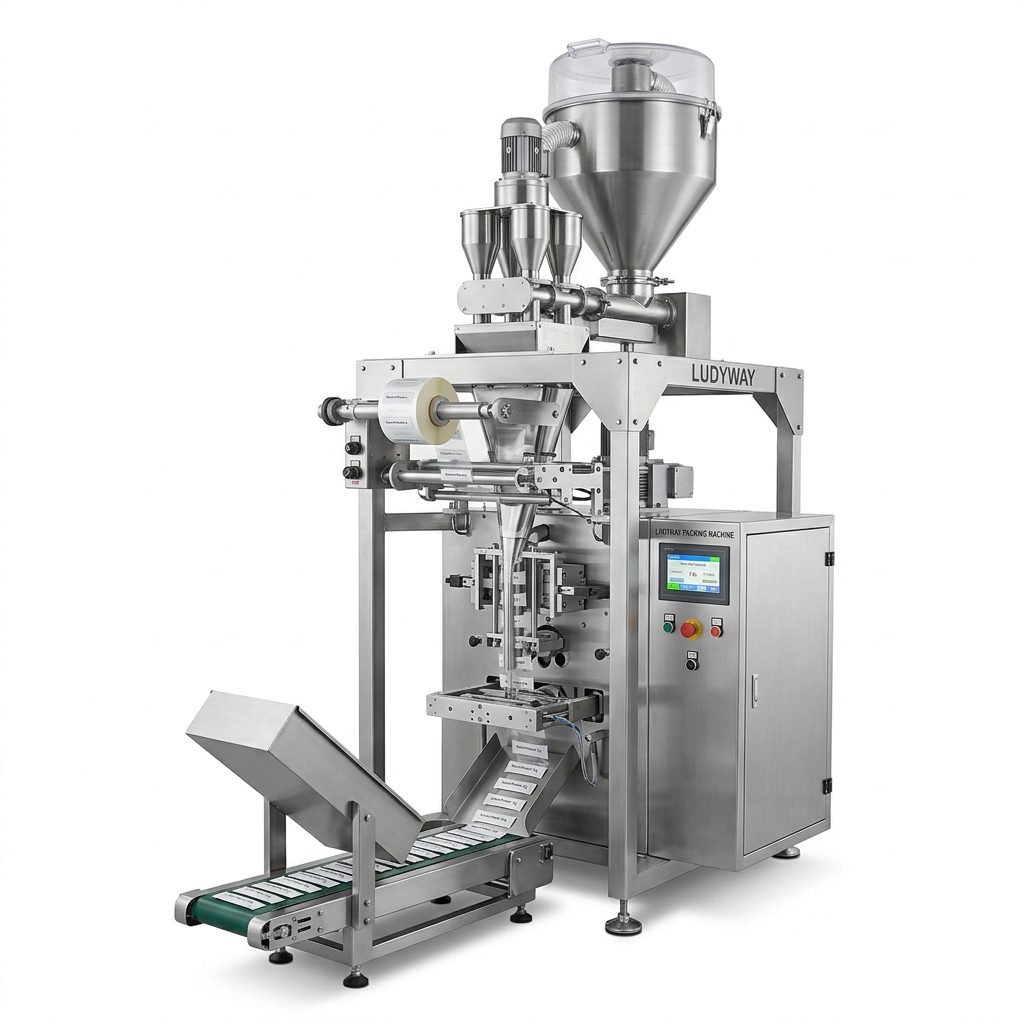
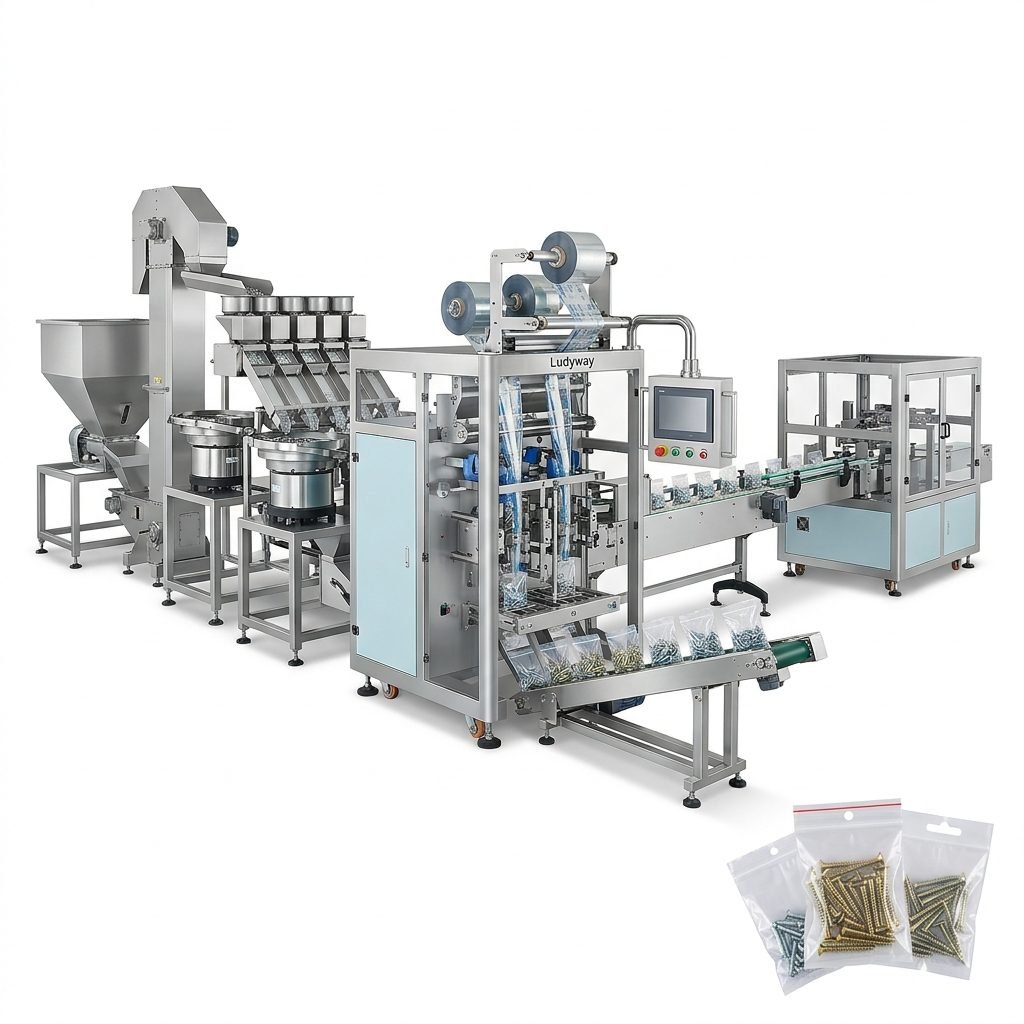
Investing in the right Toyo packaging machine is one of the most critical decisions for manufacturers who want to scale production, maintain product integrity, and reduce operational costs. Whether you are handling powders, granules, liquids, or stick packs, understanding how to evaluate machine specifications, manufacturer support, and long-term value is essential. This guide walks you through every factor you need to consider before making a purchase.
1. Understand Your Product and Packaging Format First
The starting point of any packaging machinery selection is a clear definition of your product characteristics and desired packaging format. Different products demand different dosing, filling, and sealing technologies. Consider the following checklist:
- Product type: Is it free-flowing powder, sticky granule, liquid, paste, or a combination?
- Packaging format: Sachet, stick pack, pouch, bottle, blister, or bulk bag?
- Production speed: How many packs per minute does your facility require now and in the next two years?
- Bag dimensions and material: What film or laminate will be used, and does the machine support quick size changes?
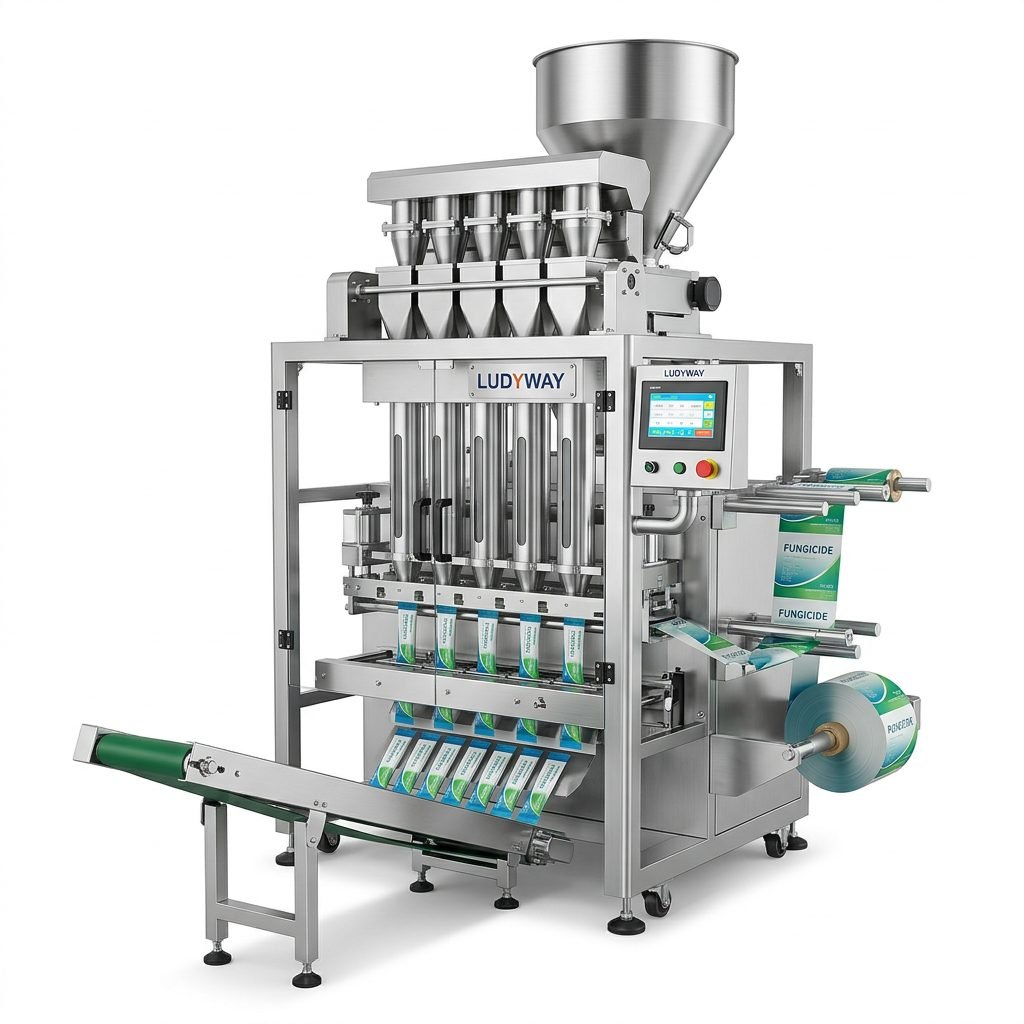
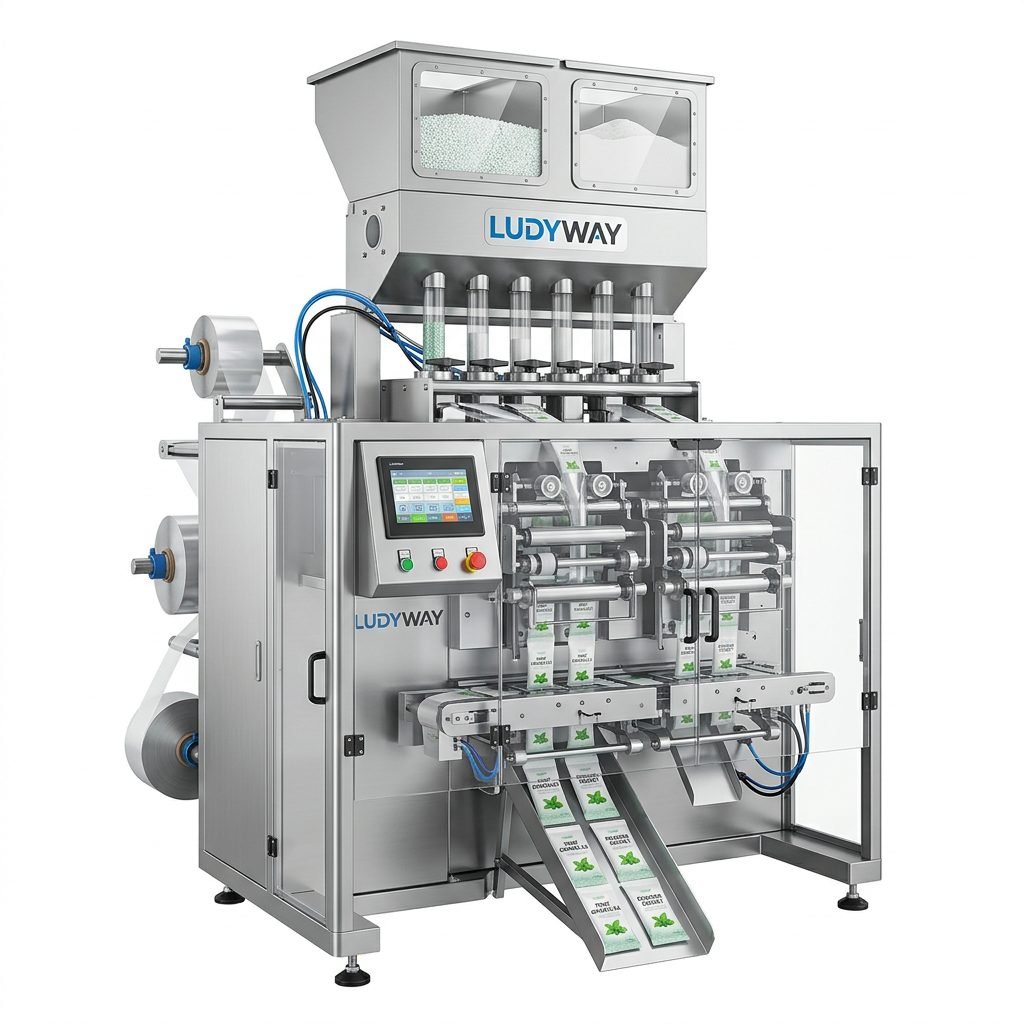
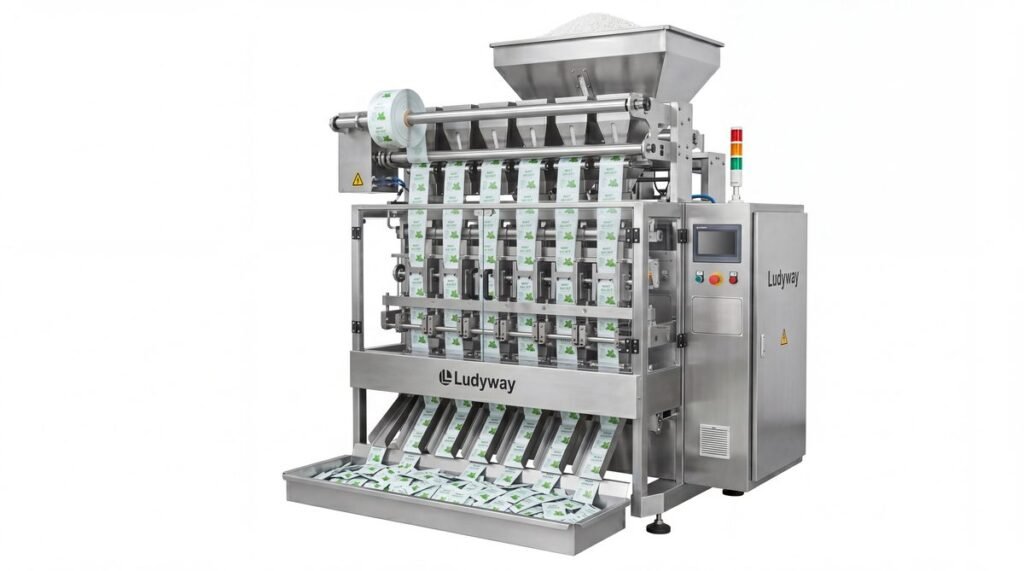
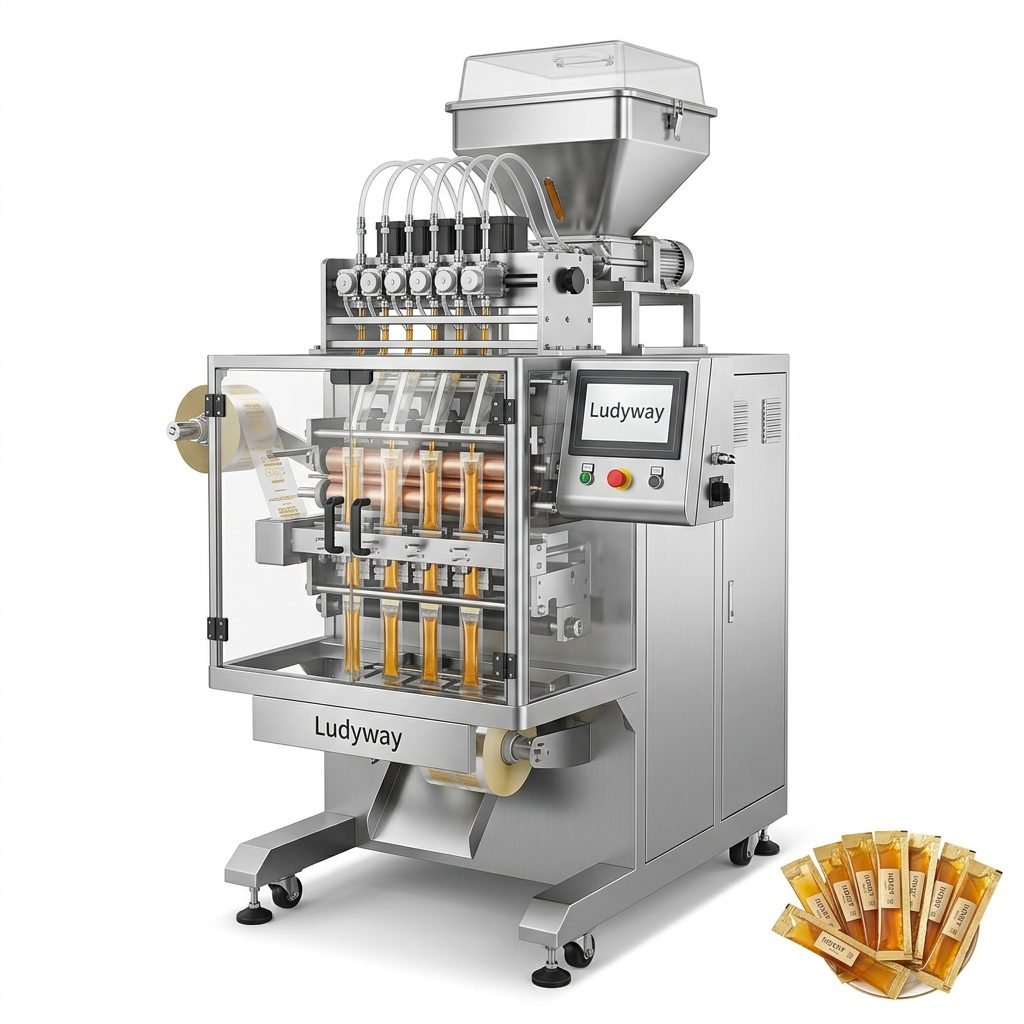
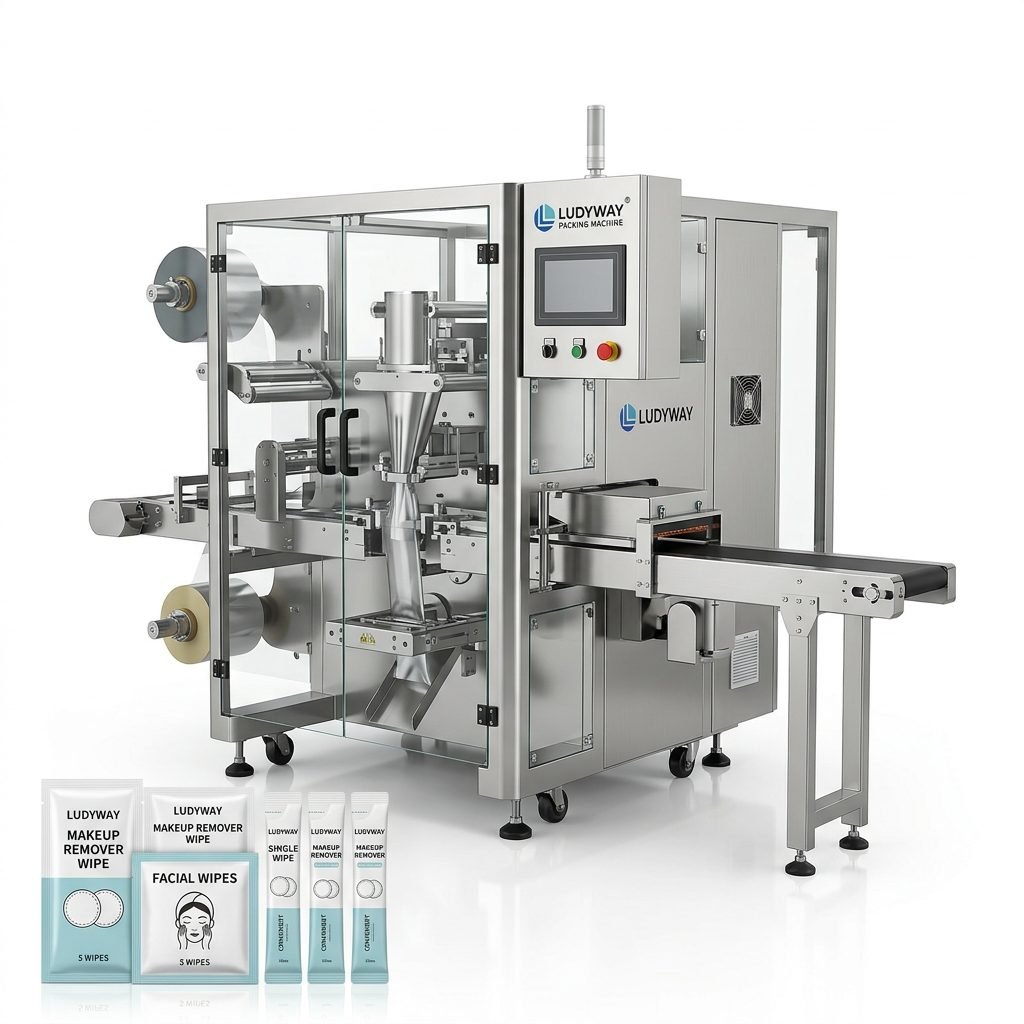
For example, multi-lane stick pack packaging systems are ideal for high-speed powder and granule applications, while liquid sachets require precise volumetric piston or pump fillers. Clarifying these requirements upfront prevents costly mismatches later.

2. Key Technical Features to Evaluate
When comparing different Toyo packaging machine configurations, it helps to organize technical specifications around measurable performance indicators. Use the table below as a reference framework for your evaluation process.
| Feature | Why It Matters | What to Look For |
|---|---|---|
| Filling Accuracy | Reduces product giveaway and ensures regulatory compliance | ±0.5% to ±1% depending on product flow characteristics |
| Speed & Lane Configuration | Directly impacts output per shift | Single-lane to 12-lane models; check stable speed not just maximum speed |
| Sealing Integrity | Prevents leaks, contamination, and shelf-life issues | Servo-driven sealing jaws with independent temperature control |
| Changeover Flexibility | Minimizes downtime between product runs | Tool-less adjustments, recipe storage, quick-release forming tubes |
| Automation Integration | Enables connection with upstream and downstream equipment | Compatible filler, checkweigher, cartoner, and palletizer interfaces |
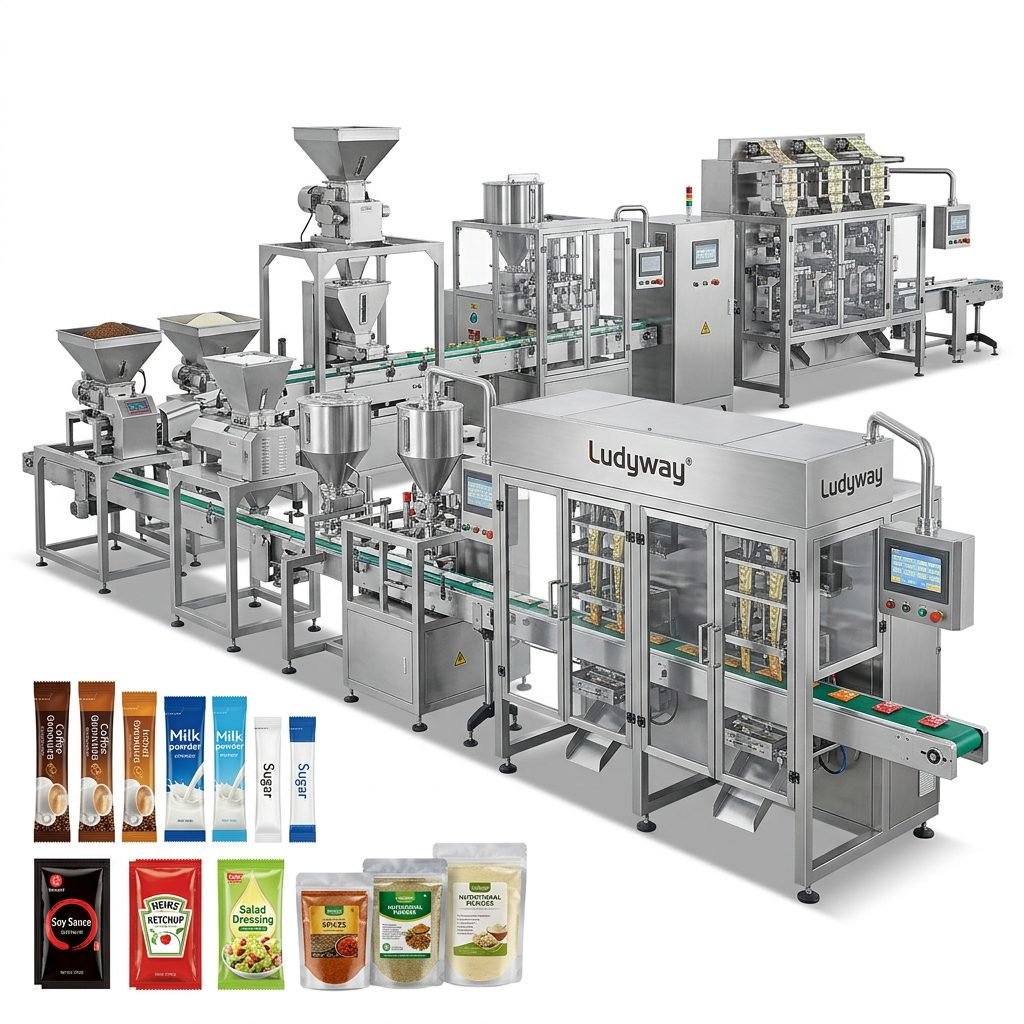
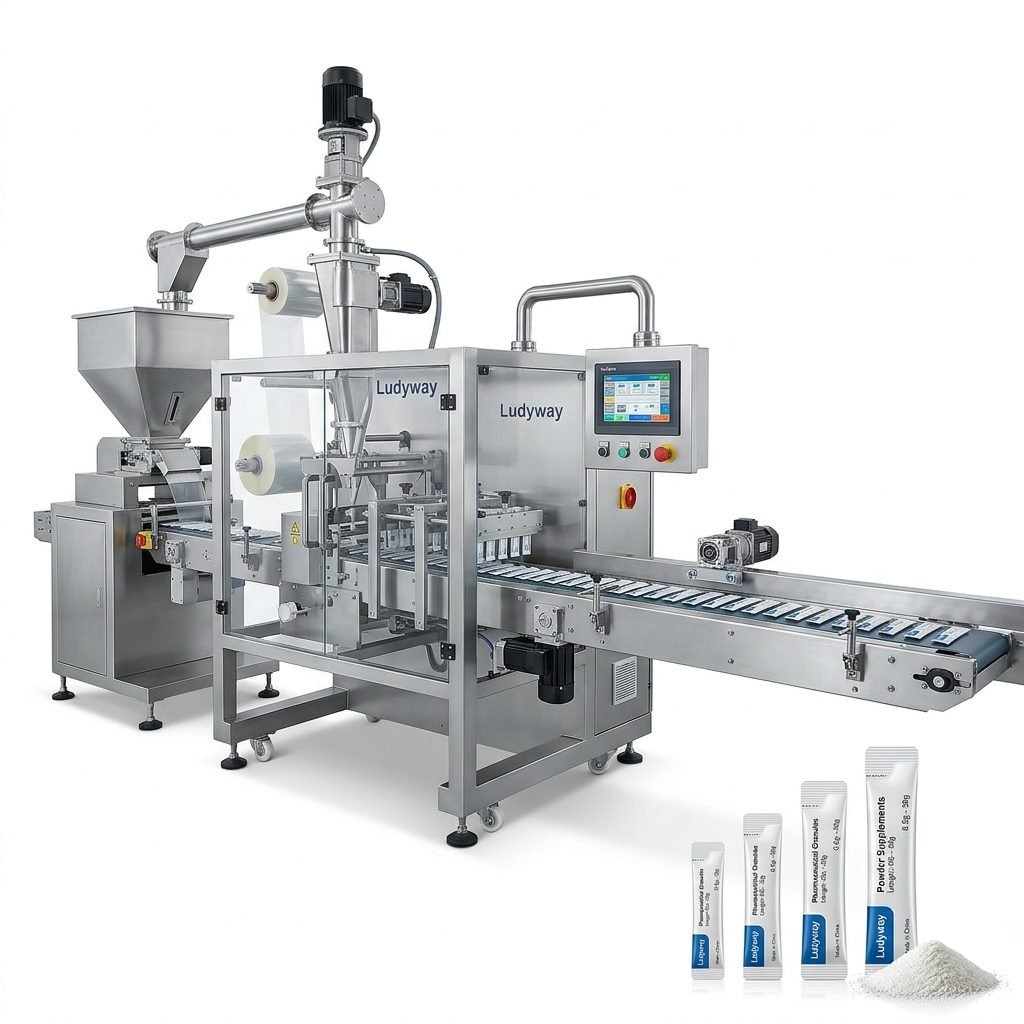
Modern packaging lines increasingly rely on integrated systems rather than standalone machines. Checking how a Toyo packaging machine communicates with auxiliary equipment—such as automated inspection and coding—can save months of integration work during installation.
3. Manufacturer Support and Engineering Capability
A packaging machine is only as good as the engineering support behind it. Look for manufacturers that offer customized configurations, in-house manufacturing, and documented quality systems. For instance, Ludyway Machinery, with over 30 years of experience and a 20,000-square-meter manufacturing facility, provides turnkey packaging solutions designed for specific product requirements across the food, pharmaceutical, and chemical industries.
Beyond the initial equipment sale, verify what technical support looks like throughout the project lifecycle:
- Installation and on-site commissioning
- Operator training and documentation
- Remote troubleshooting and diagnostic support
- Spare parts availability and delivery lead times
- Local service presence in your region
4. Compliance with International Standards
If you export packaged products or operate in regulated industries, your Toyo packaging machine must conform to applicable standards. Key frameworks include:
- FDA 21 CFR Part 11 for electronic records and signatures in pharmaceutical packaging.
- ISO 11607 for terminally sterilized medical device packaging validation.
- CE marking for machinery sold into the European Economic Area.
- GFSI-benchmarked hygiene requirements for food contact surfaces and clean-in-place design.
Reviewing the latest PMMI State of the Industry report can help you understand how regulatory trends are shaping packaging machinery innovation globally.
5. Total Cost of Ownership and Scalability
Purchase price is only one part of the equation. To calculate the true return on investment for a Toyo packaging machine, build a cost model that spans at least five years. Factor in energy consumption, consumable parts (such as sealing bands and forming collars), maintenance labor, and expected uptime.
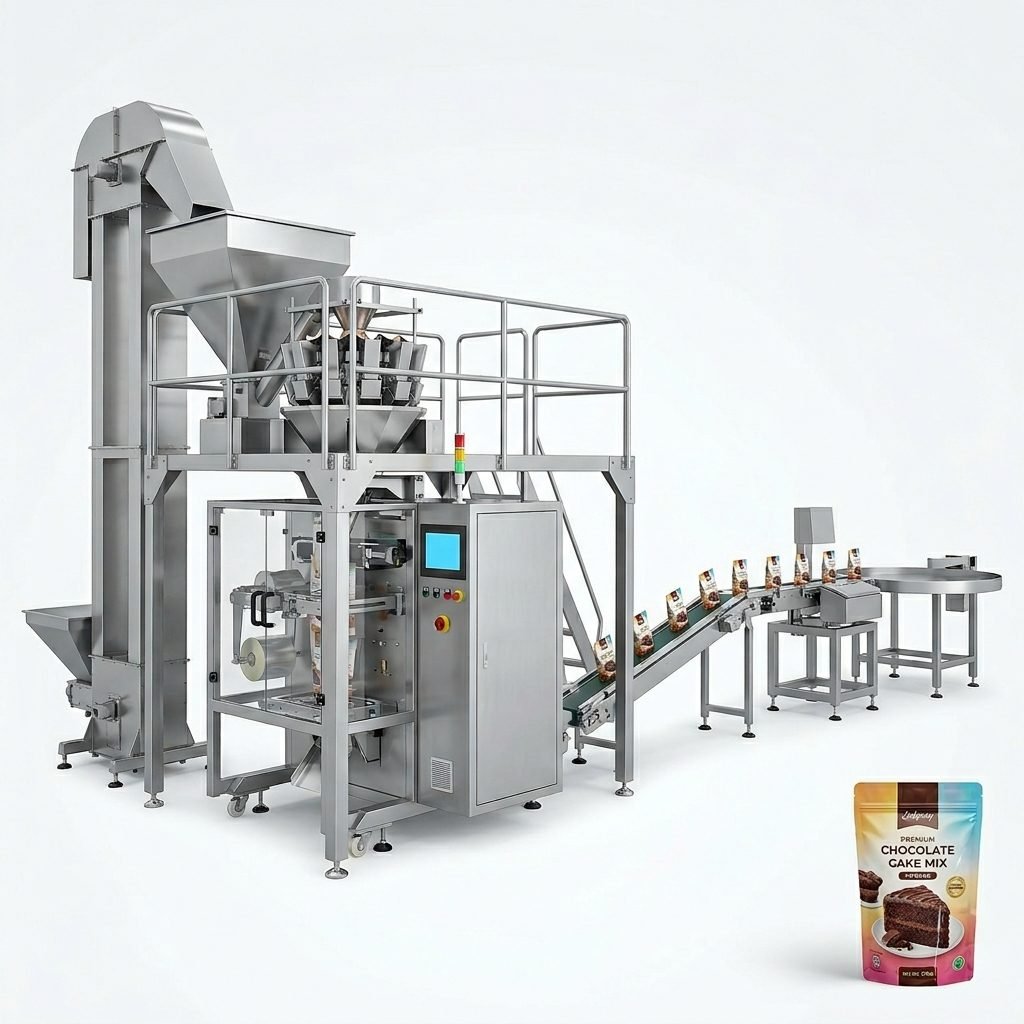
A scalable platform that allows you to add lanes or upgrade control systems as your business grows often proves more cost-effective than buying a new machine when demand increases. Confirm that the motor drives, PLC, and HMI are from established industrial automation suppliers to ensure long-term serviceability and spare parts continuity.
6. Making the Final Decision
Before signing a purchase order, take these three final steps:
- Run a product trial: Send your actual product and packaging material to the manufacturer for a live demonstration.
- Visit the factory if possible: Assess build quality, assembly processes, and testing procedures firsthand.
- Check customer references: Speak with other manufacturers in your industry who have operated similar equipment for at least one year.
Choosing the right Toyo packaging machine is a strategic investment that affects product quality, production efficiency, and your ability to respond to market changes. By systematically evaluating product requirements, technical features, manufacturer support, standards compliance, and total cost of ownership, you can select a packaging solution that delivers reliable performance well into the future.