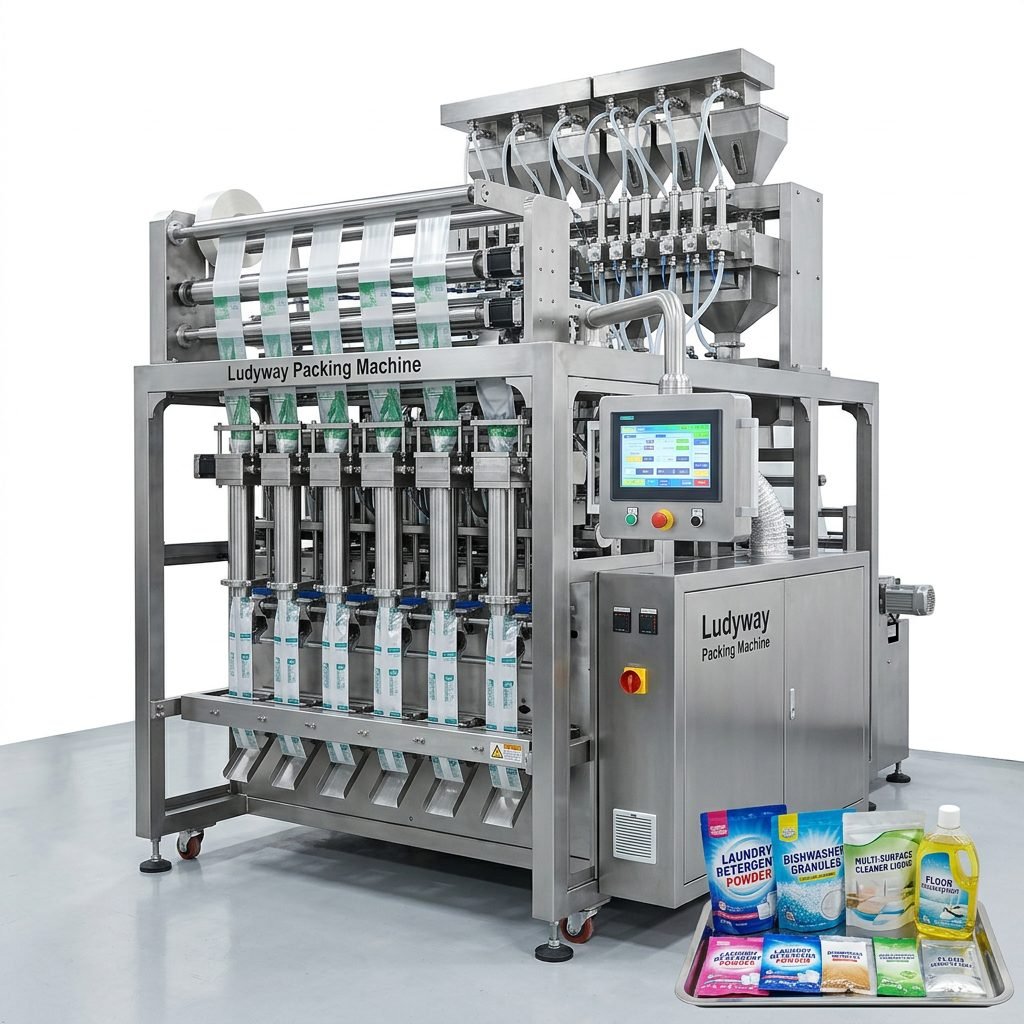
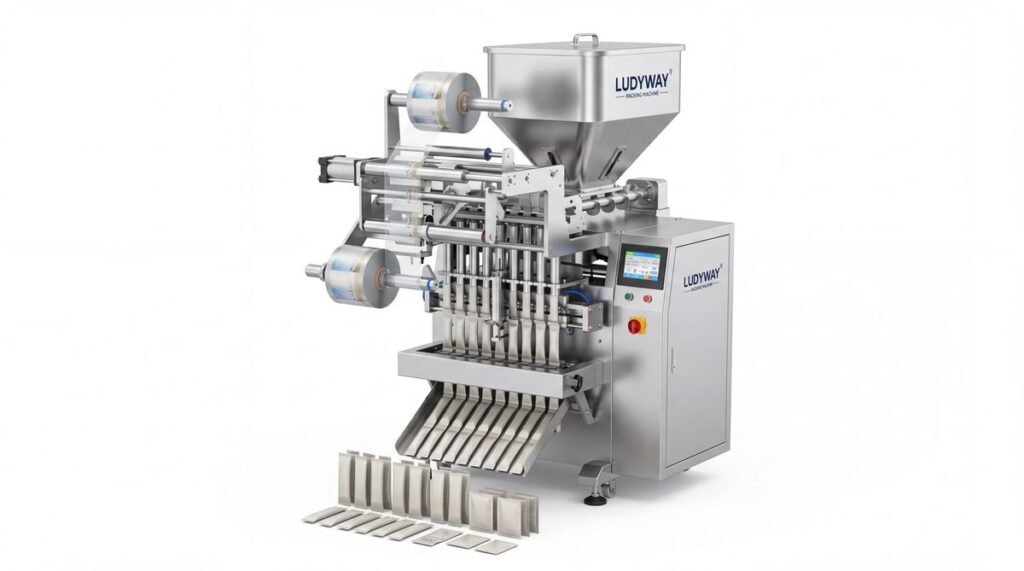
Investing in a standing pouch packing machine is a significant decision for any manufacturer. Whether you operate in the food, pharmaceutical, cosmetic, or chemical industry, the right machine can dramatically improve your production efficiency, reduce labor costs, and ensure consistent packaging quality. However, with so many models, configurations, and suppliers available, the selection process can quickly become overwhelming. This guide walks you through the essential factors to consider before making your purchase.
Understanding Standing Pouch Packaging Machines
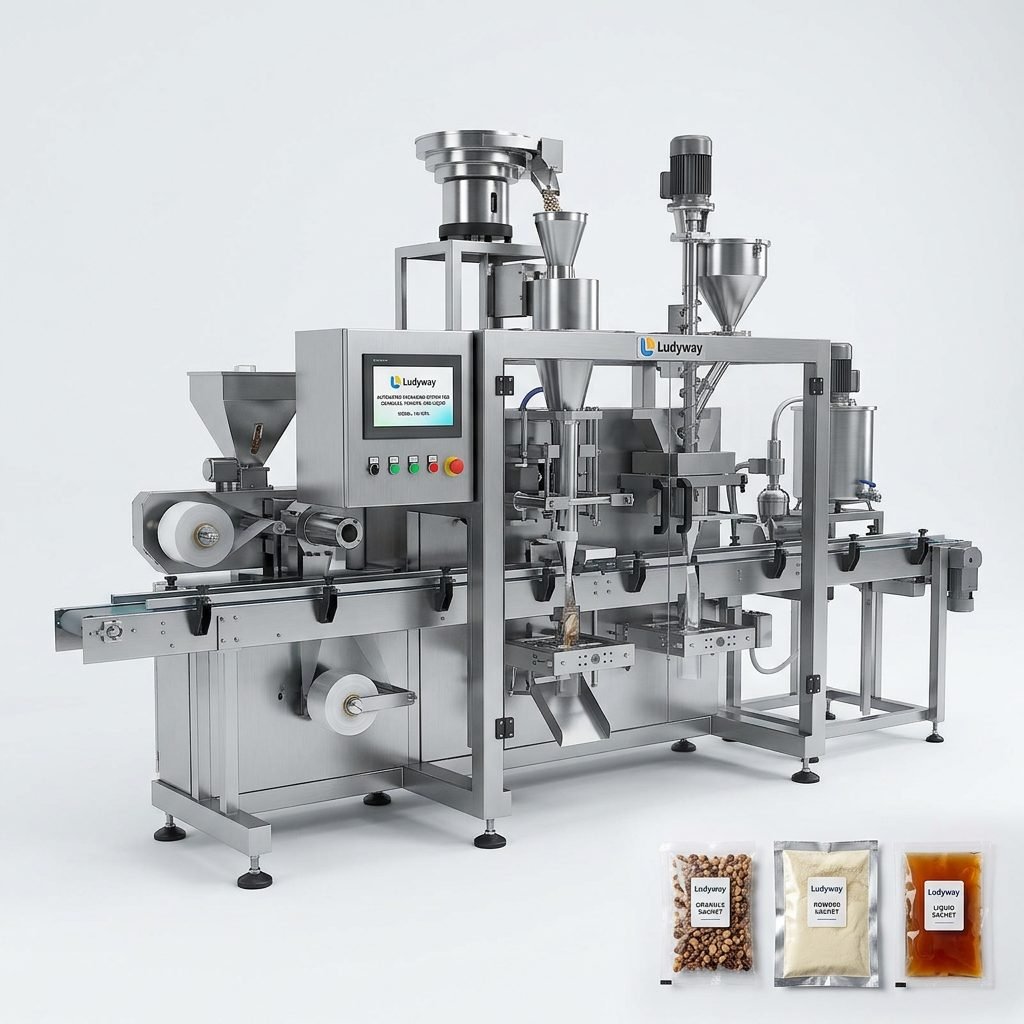
A standing pouch packing machine is designed to form, fill, and seal pre-made or roll-stock pouches that stand upright on retail shelves. These machines handle a wide variety of products—powders, granules, liquids, pastes, and even solid items—and can produce multiple pouch formats including doypacks, zipper pouches, spouted pouches, and quad-seal bags. The versatility of these systems makes them indispensable across multiple sectors.
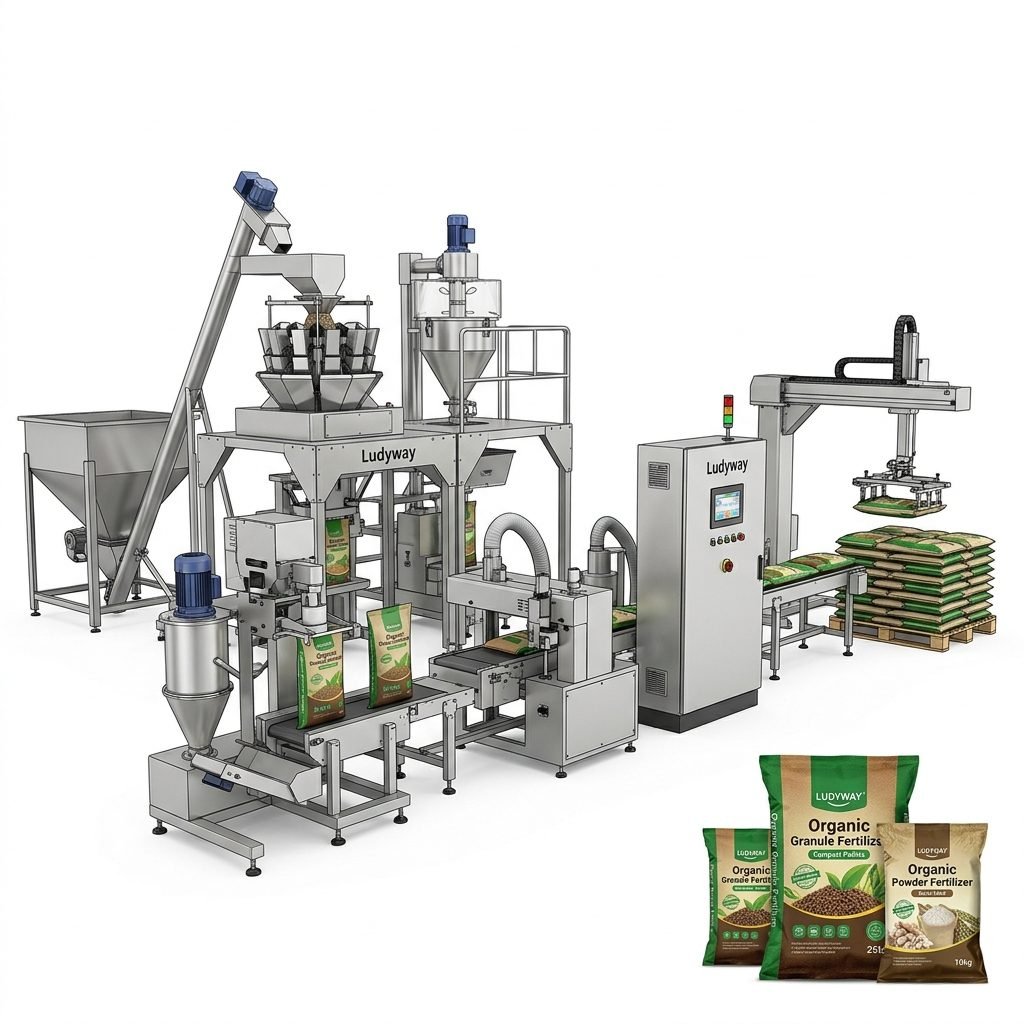
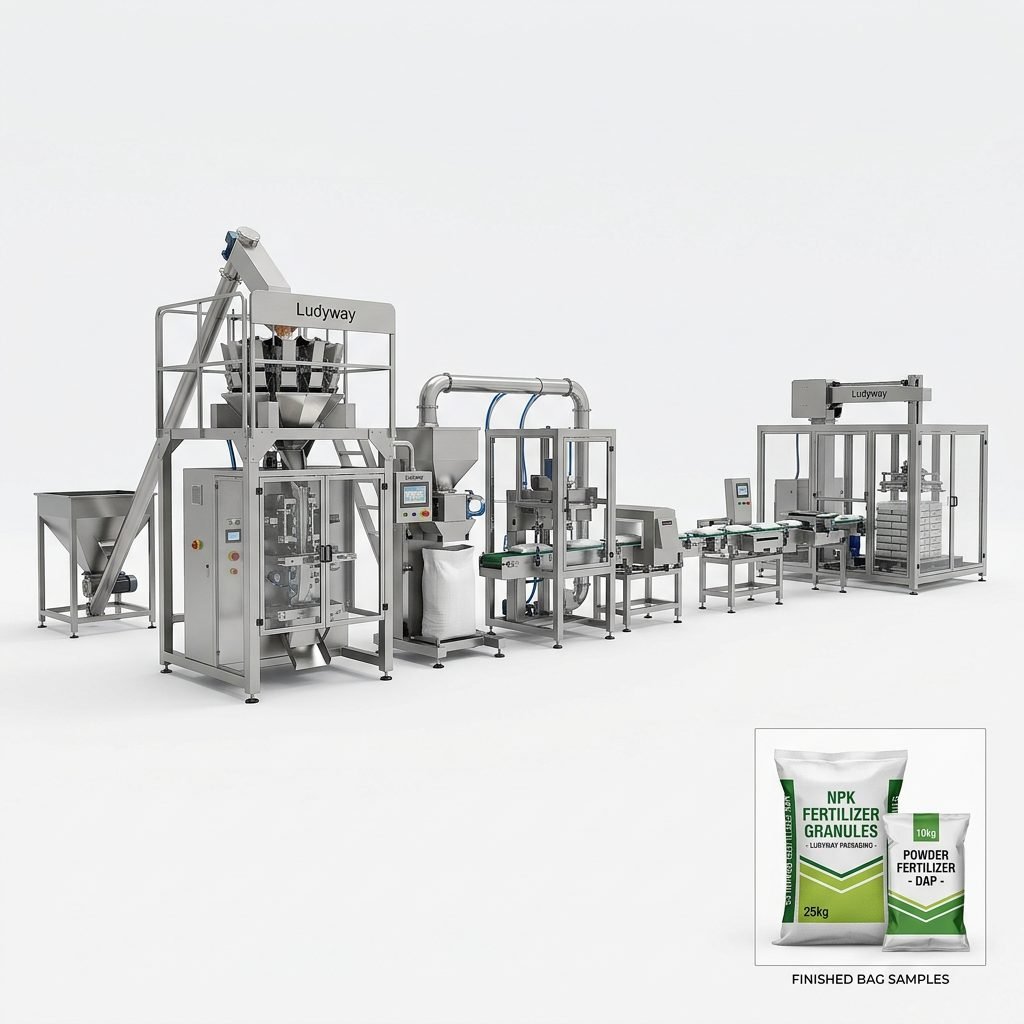
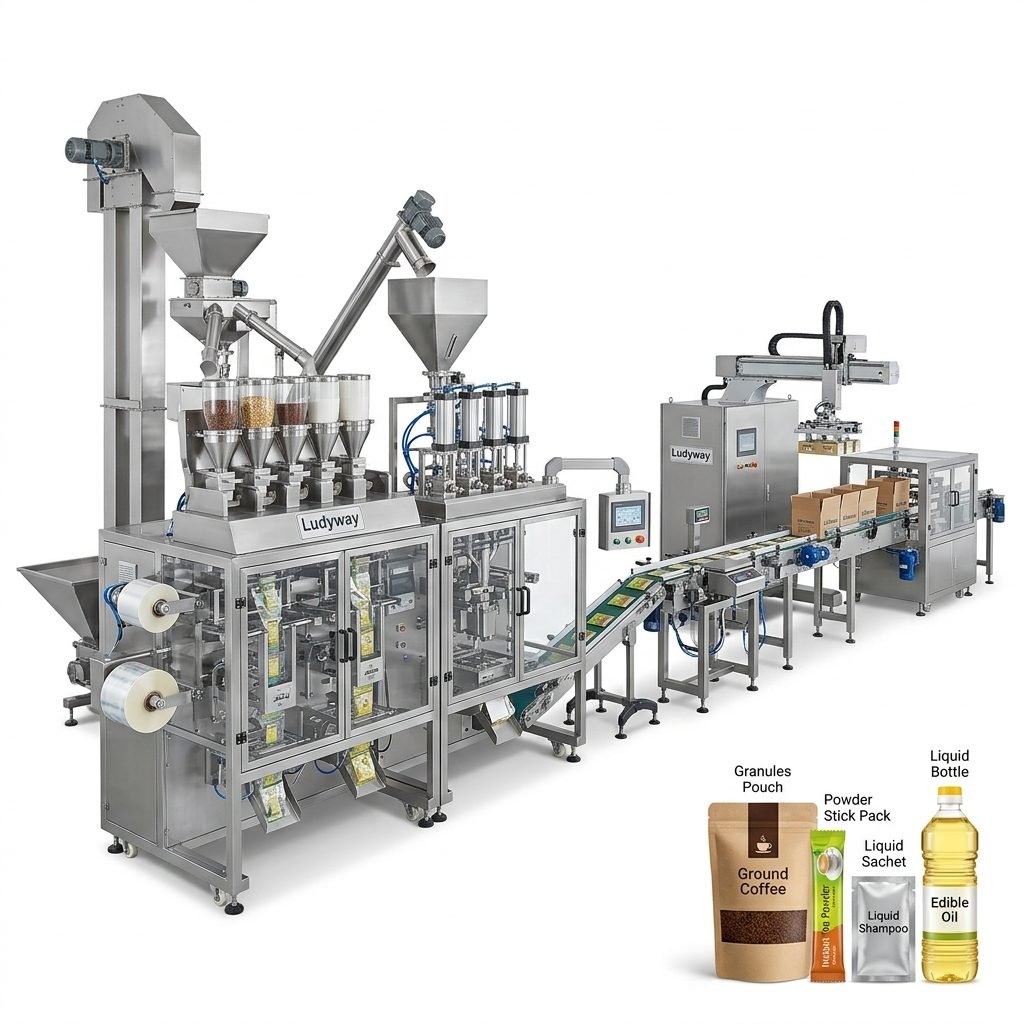
Modern machines often integrate multi-head weighers, auger fillers, liquid pumps, and checkweighers into a single automated line. According to the PMMI packaging industry reports, the demand for flexible packaging machinery continues to grow year over year, driven by consumer preference for convenient, resealable, and lightweight packaging formats. Understanding the packaging machinery market research trends can help you make a more informed investment.
Key Factors to Consider When Choosing a Standing Pouch Packing Machine
Before contacting suppliers, it is critical to define your production requirements clearly. The table below summarizes the most important selection criteria you should evaluate:
| Selection Factor | Key Questions to Ask | Why It Matters |
|---|---|---|
| Product Characteristics | Is your product a free-flowing powder, sticky granule, or viscous liquid? | Determines the appropriate dosing and filling system. |
| Pouch Size & Format | What bag dimensions and styles do you need? | Affects machine frame size, sealing jaw design, and changeover complexity. |
| Production Speed | How many pouches per minute do you require? | Dictates single-lane vs. multi-lane configuration and automation level. |
| Packaging Material | What film structure and thickness will you use? | Impacts sealing temperature, pressure, and jaw type selection. |
| Automation Level | Do you need semi-automatic or fully automatic operation? | Influences labor requirements and integration with upstream and downstream equipment. |
| Cleanability & Hygiene | Does your industry require sanitary or washdown design? | Essential for food, dairy, and pharmaceutical applications. |
| Floor Space | What are the dimensions of your production area? | Determines machine footprint and layout configuration. |
Machine Configurations and Filling Technologies
One of the most critical aspects of selecting a standing pouch packing machine is matching the filling technology to your product. The main filling systems include:
- Auger Filler – Ideal for powders such as spices, protein powder, flour, and pharmaceutical formulations. Offers high dosing accuracy.
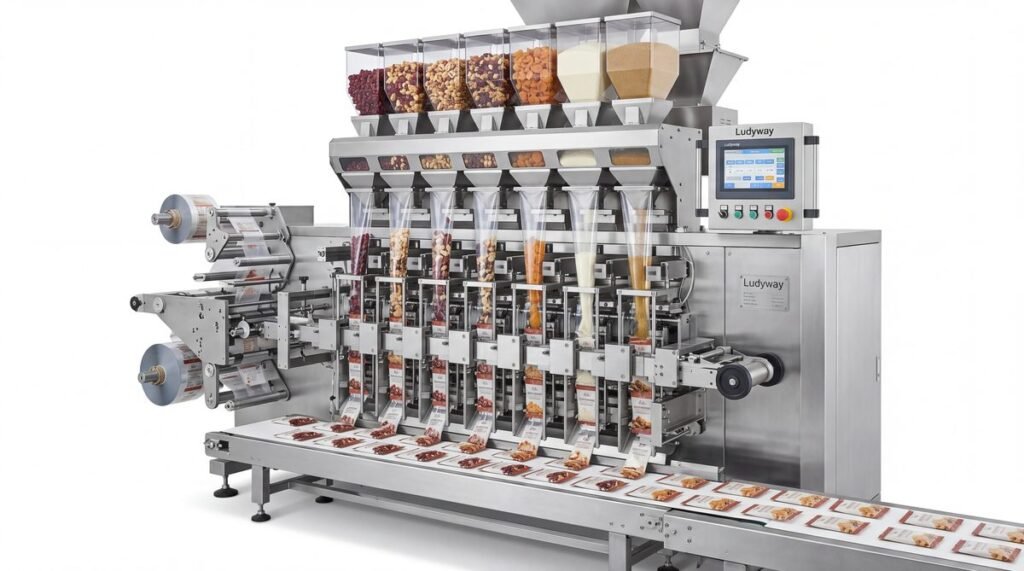
- Multi-Head Weigher – Best for granules and solid pieces like nuts, snacks, pet food, and candies. Provides excellent speed and precision.
- Piston or Pump Filler – Designed for liquids, pastes, creams, and gels. Suitable for sauces, shampoos, lotions, and beverages.
- Volumetric Cup Filler – A cost-effective solution for free-flowing granular products with consistent density.
- Combination Systems – Some machines support multiple filling methods, allowing you to package different product types on the same line.
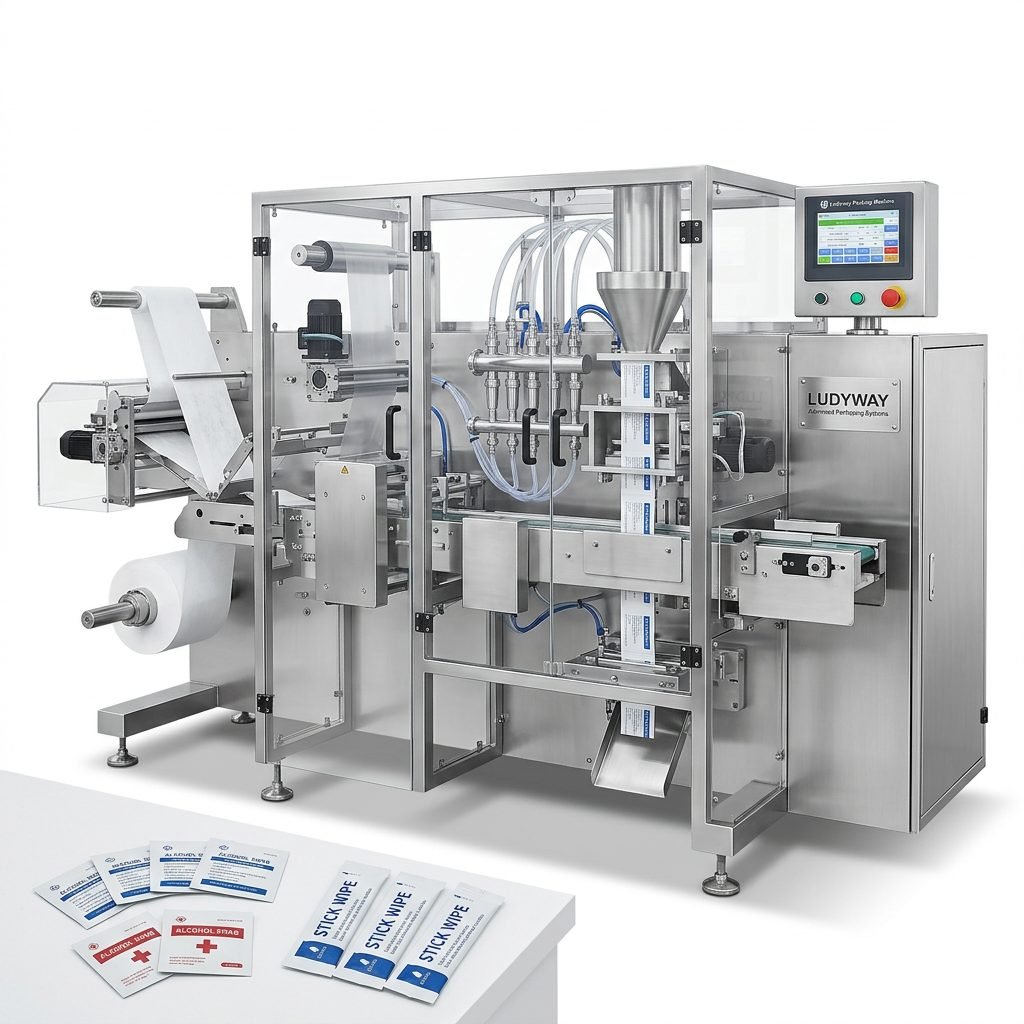
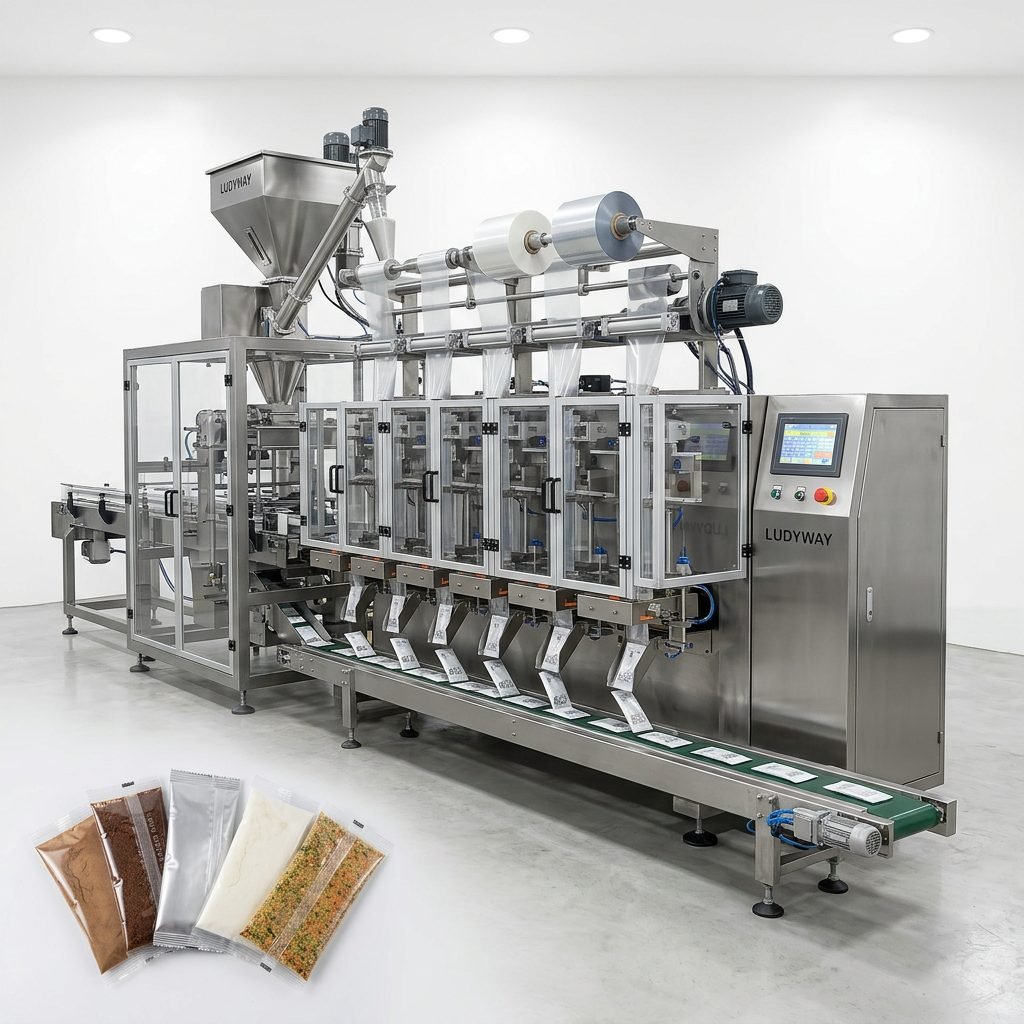
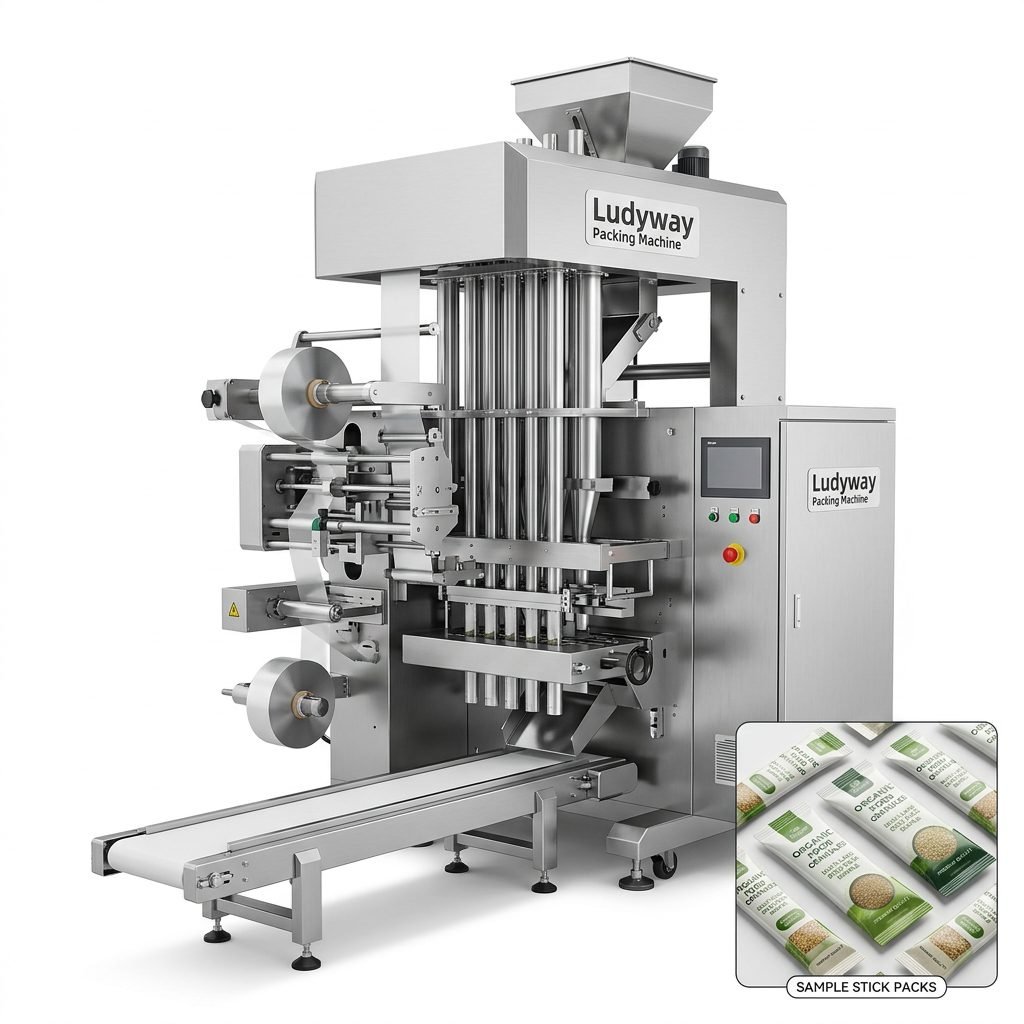
Additionally, consider whether you need single-lane or multi-lane configurations. A single-lane machine may suffice for lower production volumes, while multi-lane stick pack and sachet machines significantly boost output for high-demand products. The Flexible Packaging Association provides valuable insights into material compatibility and industry standards that can guide your equipment specifications.
Industry-Specific Requirements
Different industries impose unique demands on packaging machinery. Understanding these nuances helps narrow down your options:
Food and Beverage
Food-grade materials, easy-to-clean surfaces, and compliance with FDA food contact substance regulations are non-negotiable. Machines must handle varying product densities and moisture levels while maintaining seal integrity to preserve freshness. Refer to the FDA food packaging guidelines for applicable requirements.
Pharmaceuticals and Nutraceuticals
Accuracy is paramount. High-precision dosing systems and validated sealing processes ensure each pouch contains the exact dosage. Machines must support cleanroom compatibility and serialization where required. Standards such as ISO packaging standards provide benchmarks for quality and safety.
Cosmetics and Personal Care
Visual appeal is critical in this sector. The machine should produce aesthetically consistent pouches with options for zipper closures, spouts, and custom shapes. Compatibility with serums, creams, oils, and gels requires versatile filling systems and gentle product handling.
Chemicals and Industrial Products
Compatibility with corrosive or hazardous materials demands specialized construction materials and sealing technologies. Machines must provide robust, leak-proof seals and often require explosion-proof configurations for volatile substances.
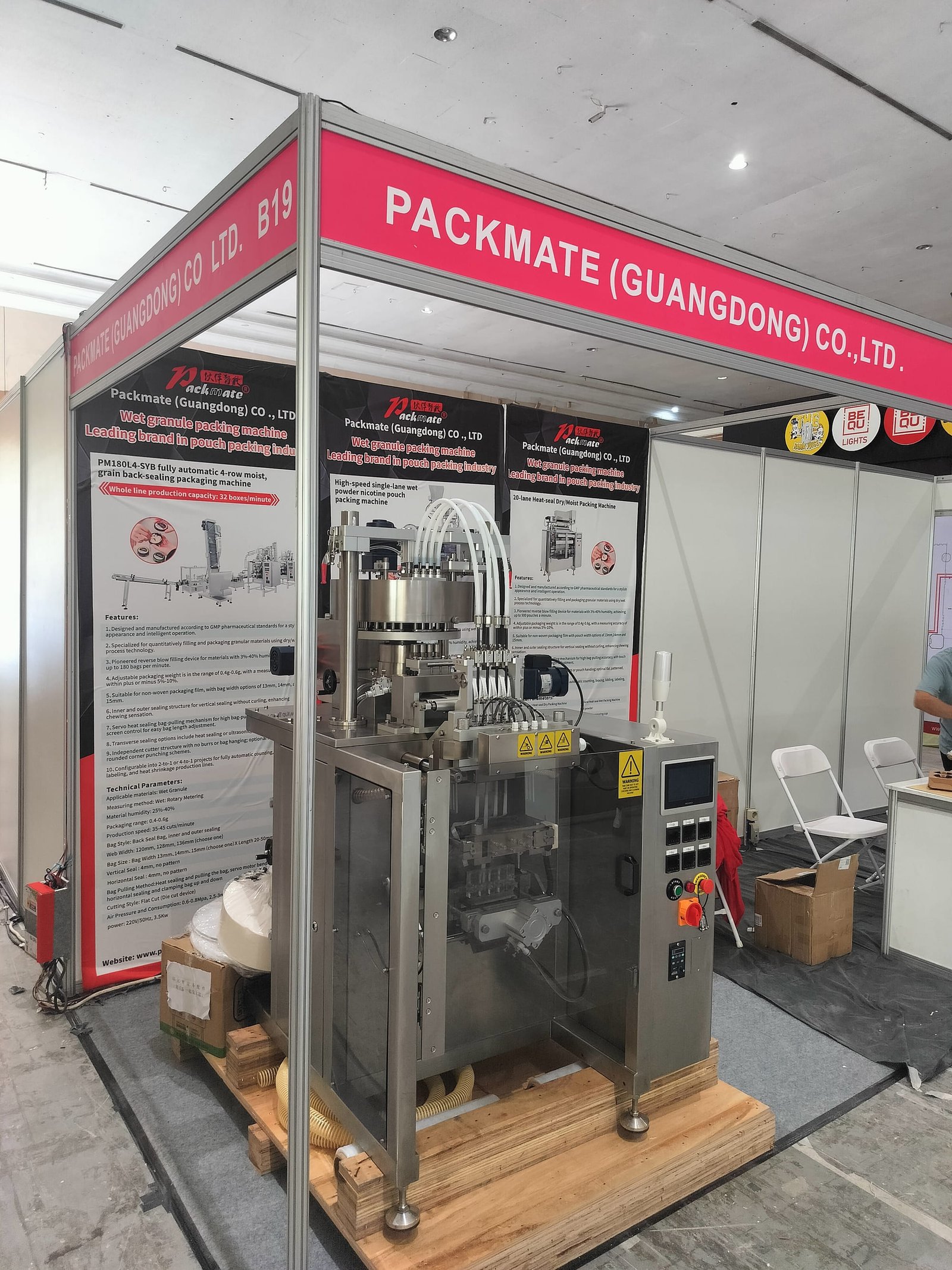
Evaluating Packaging Machinery Suppliers
Choosing the right supplier is just as important as choosing the right machine. Here are the key evaluation criteria:
- Manufacturing Experience – How long has the supplier been building packaging machinery? Look for a track record of at least a decade in the industry.
- Technical Support – Does the supplier offer installation, commissioning, training, and remote assistance? After-sales service can significantly impact your uptime.
- Customization Capabilities – Can they engineer a machine tailored to your specific product and production requirements rather than offering only off-the-shelf models?
- International Standards Compliance – Verify that machines can be configured to meet applicable regulations in your target markets.
- References and Track Record – Ask for case studies or customer testimonials from manufacturers in your industry.
- Spare Parts Availability – Ensure that critical components are readily available to minimize downtime.
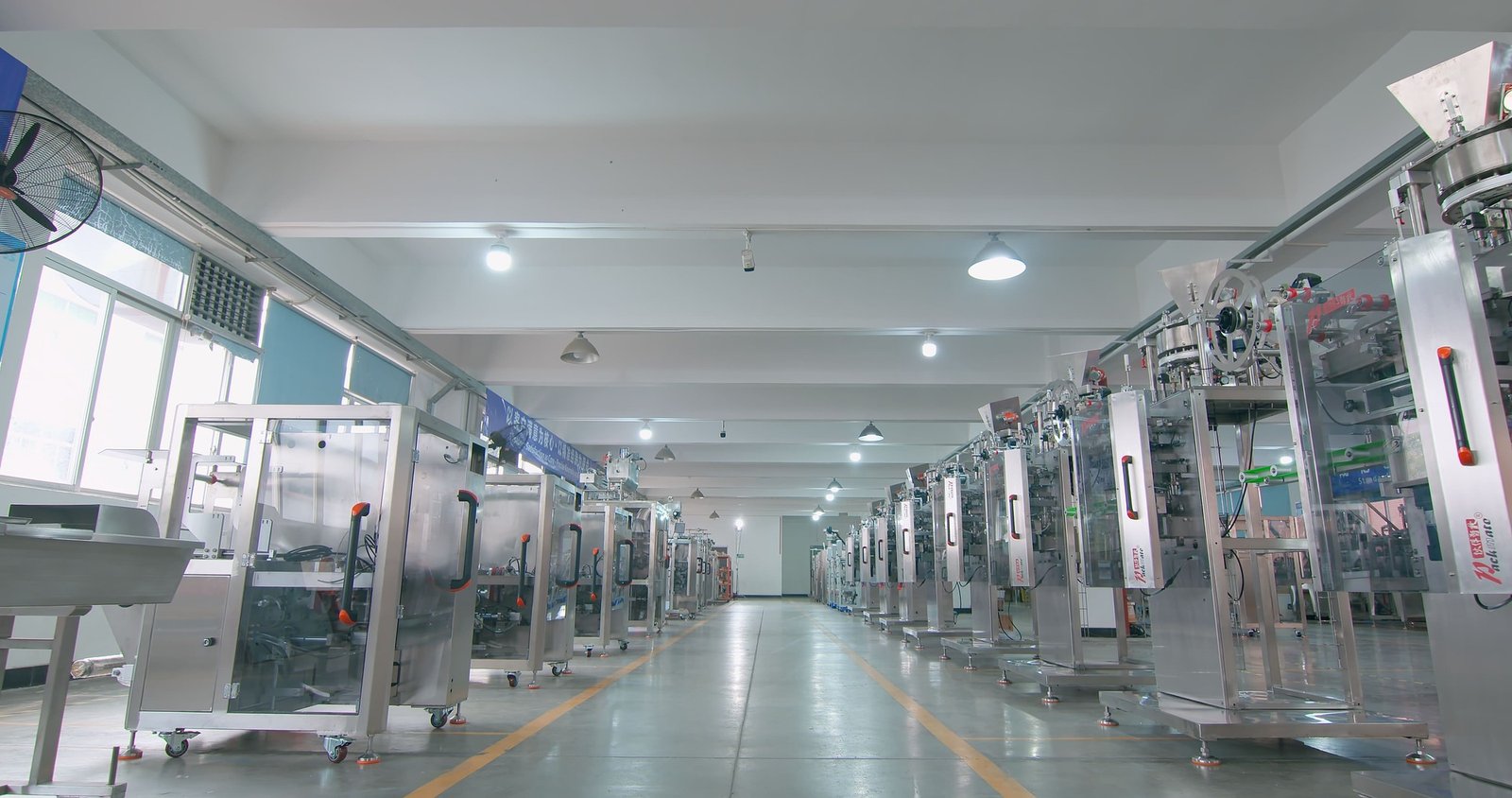
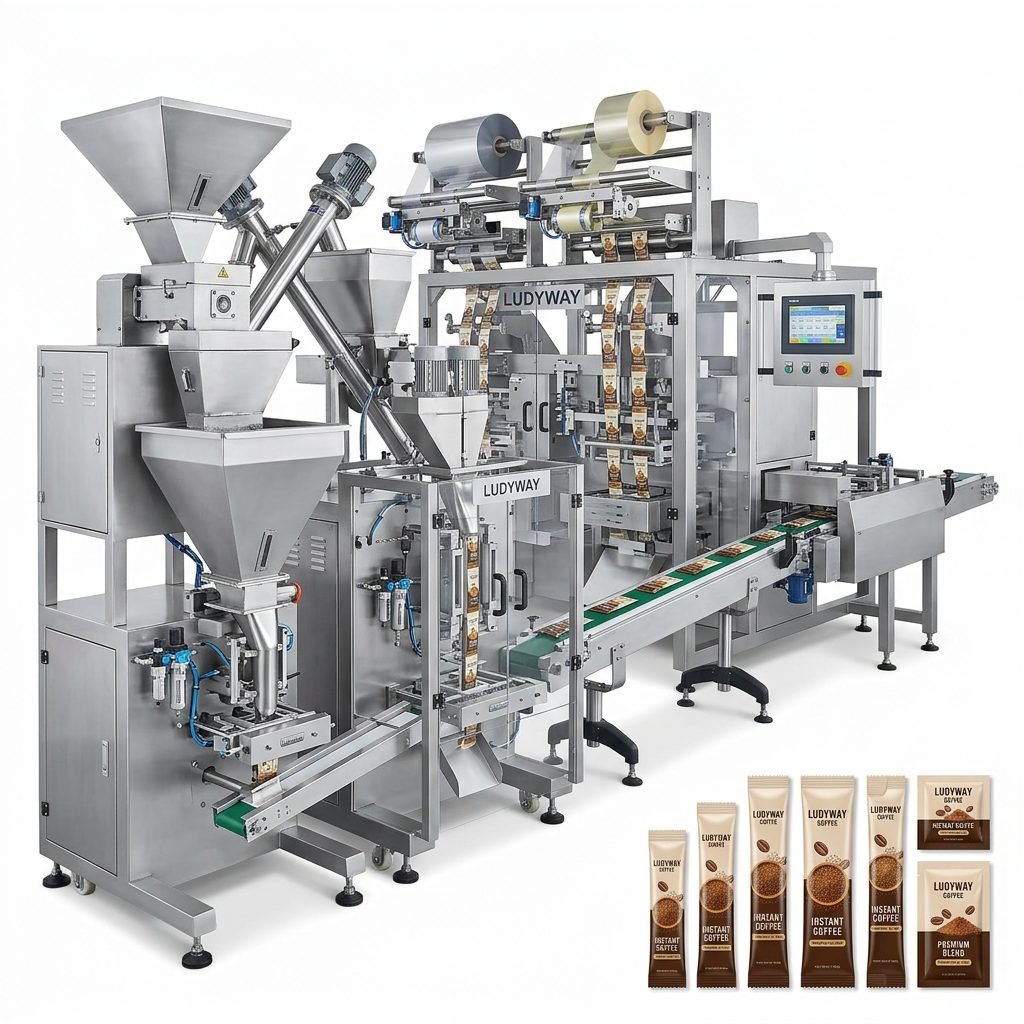
One notable manufacturer in this space is Ludyway Machinery, a China-based packaging machinery manufacturer with more than 30 years of experience. The company operates a 20,000-square-meter manufacturing facility and offers over 50 packaging machine models, serving customers in more than 100 countries. Ludyway provides customized packaging solutions across food, pharmaceutical, cosmetic, chemical, and other industries, with capabilities ranging from individual machines to complete turnkey packaging lines.
Total Cost of Ownership Considerations
Beyond the initial purchase price, factor in the total cost of ownership over the machine’s lifespan:
| Cost Category | Description |
|---|---|
| Initial Investment | Machine price, shipping, import duties, and installation. |
| Operational Costs | Energy consumption, compressed air, labor, and packaging material waste. |
| Maintenance and Spare Parts | Regular service, replacement of wear parts, and unexpected repairs. |
| Training | Operator and maintenance staff training to ensure efficient operation. |
| Downtime Risk | Potential production losses if the machine requires frequent or extended repairs. |
Making the Final Decision
After evaluating your product requirements, production goals, budget, and supplier capabilities, you should be well-positioned to select the right standing pouch packing machine. We recommend the following final steps:
- Request detailed proposals from at least three qualified suppliers, including specifications, pricing, lead times, and warranty terms.
- Conduct factory acceptance testing or request video demonstrations of machines running products similar to yours.
- Evaluate the supplier’s communication responsiveness and technical knowledge during the inquiry process—this often reflects the quality of after-sales support.
- Consider future scalability: Will the machine accommodate your projected growth over the next 3–5 years?
- Review the warranty and service agreement carefully, including provisions for on-site support and remote troubleshooting.
Choosing the right standing pouch packing machine is a strategic decision that impacts your production efficiency, product quality, and bottom line. By thoroughly assessing your needs and carefully evaluating potential suppliers, you can invest in a packaging solution that supports your business growth for years to come. For further industry insights, explore resources from the Flexible Packaging Association and stay updated on the latest packaging machinery developments.