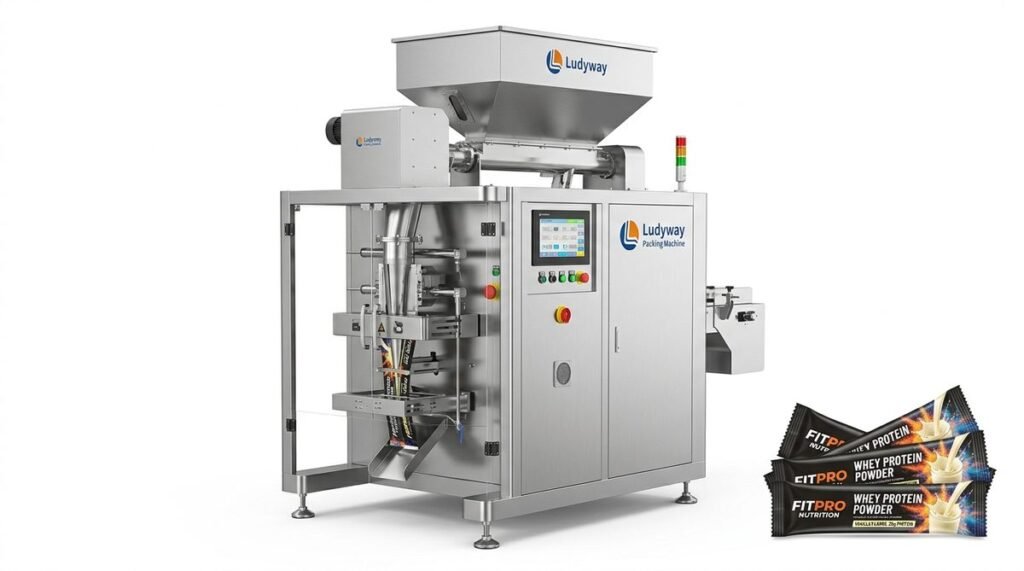
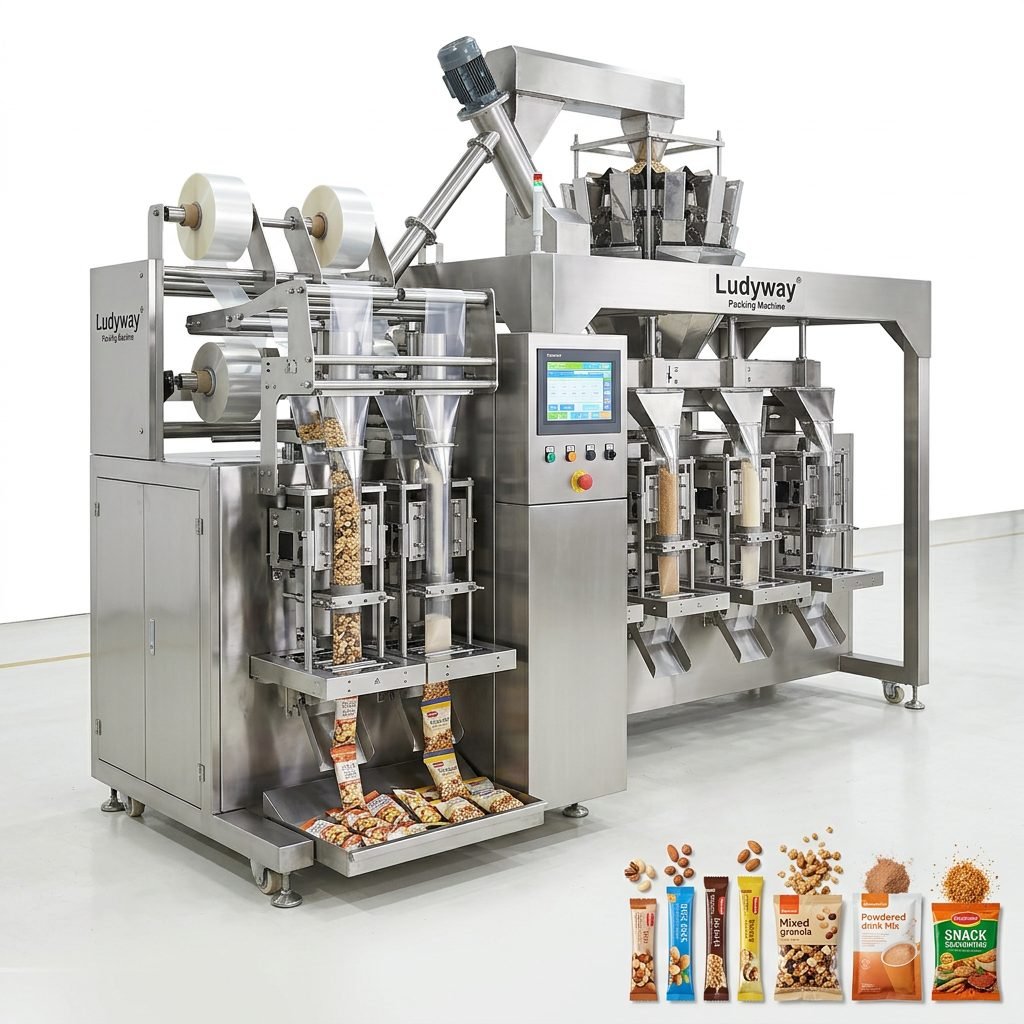
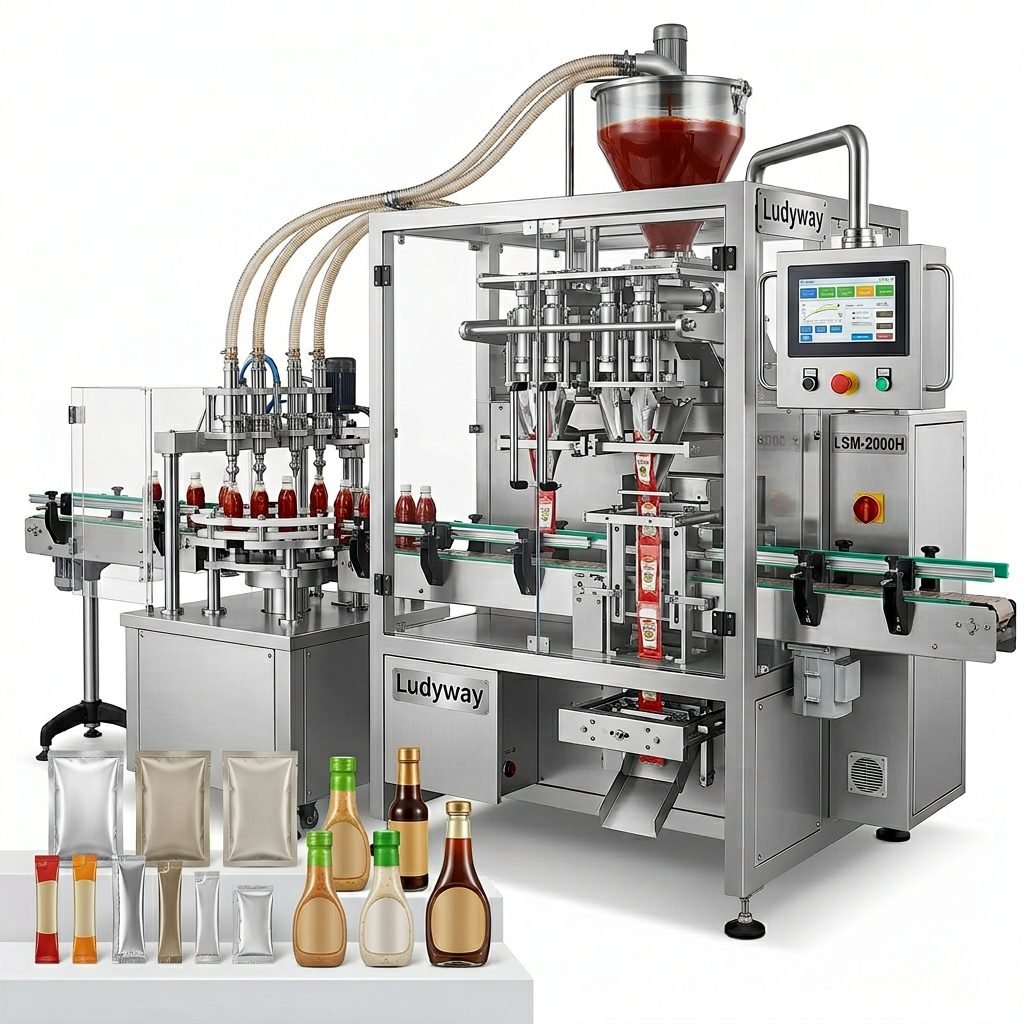
Investing in an automatic spice packaging machine is a strategic move for manufacturers looking to scale production, improve accuracy, and meet stringent food safety standards. However, selecting the right equipment requires a deep understanding of your product characteristics, production goals, and regulatory obligations. This buyer’s guide breaks down the essential criteria to help you make an informed decision.
1. Analyze Your Spice Product Characteristics
Not all spices behave the same way during the packaging process. Before comparing machine specifications, you must analyze the physical properties of your product. Key variables include:
- Particle Size and Density: Finely ground powders like turmeric or cinnamon flow differently than crystalline spices like garlic granules or coarse black pepper. Free-flowing versus non-free-flowing characteristics directly impact the dosing mechanism.
- Hygroscopic Nature: Spices like onion powder are highly absorbent. If your machine does not control humidity, the product can clump or stick to the filling tubes.
- Dust Control: Fine spice powders generate airborne dust. A spice packaging machine with integrated dust extraction or closed-seal systems is critical for maintaining a clean production room and preventing cross-contamination.
2. Define Your Packaging Format Requirements
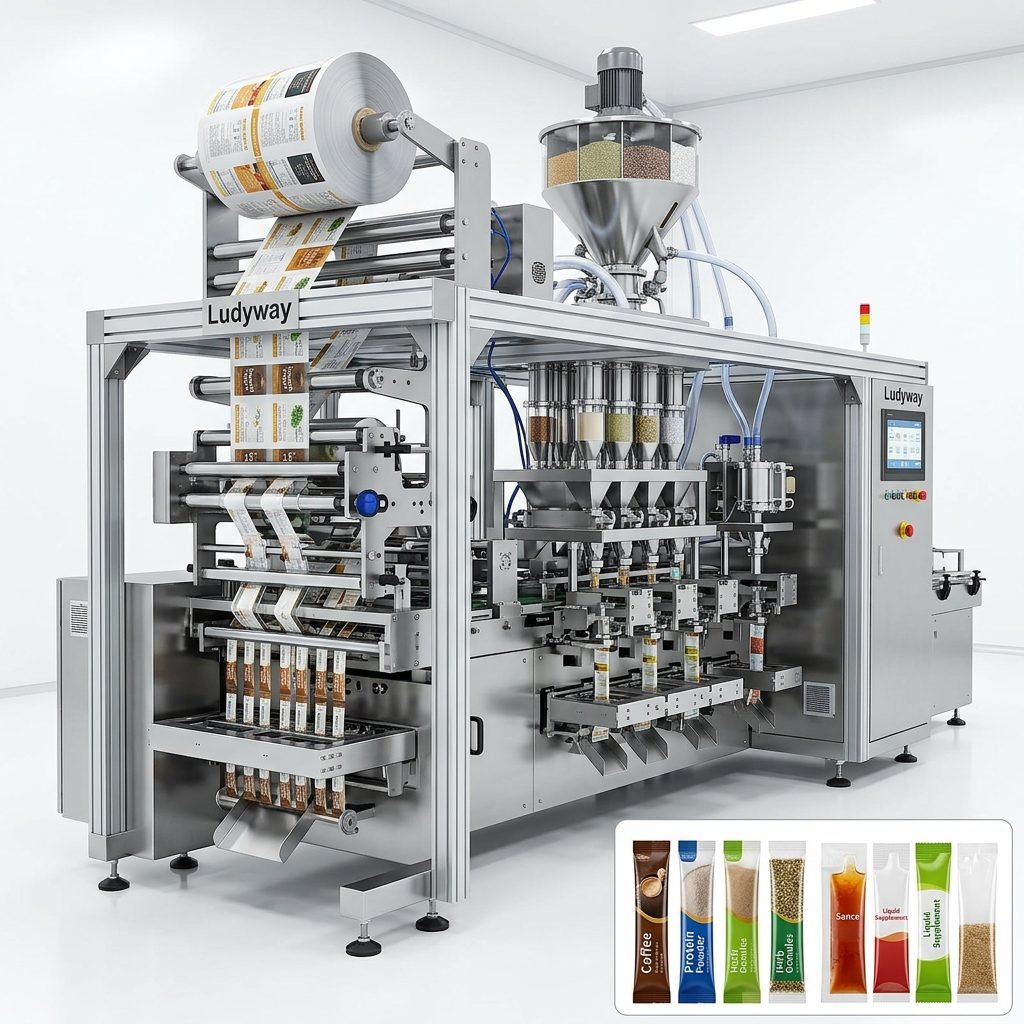
The physical format of your finished product dictates the machine type. Modern automated lines offer flexibility across various bag styles:
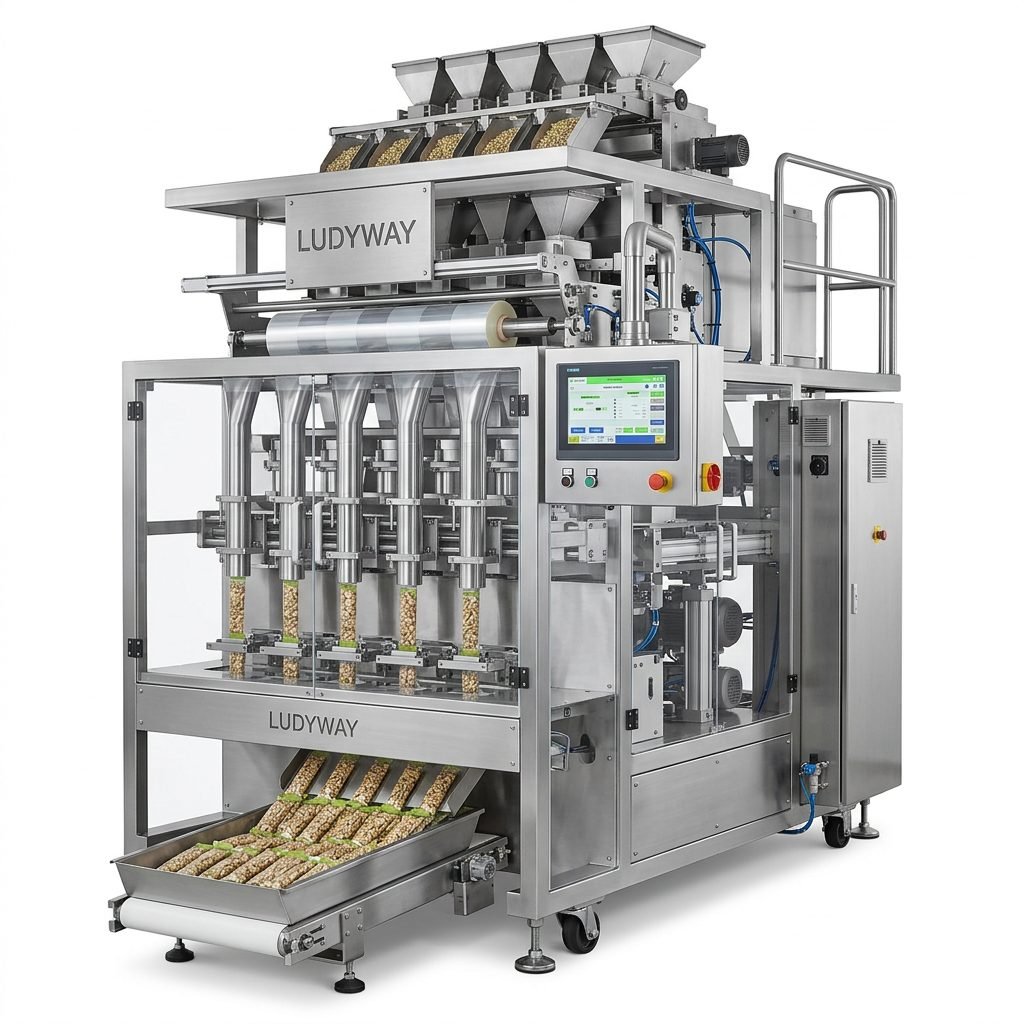
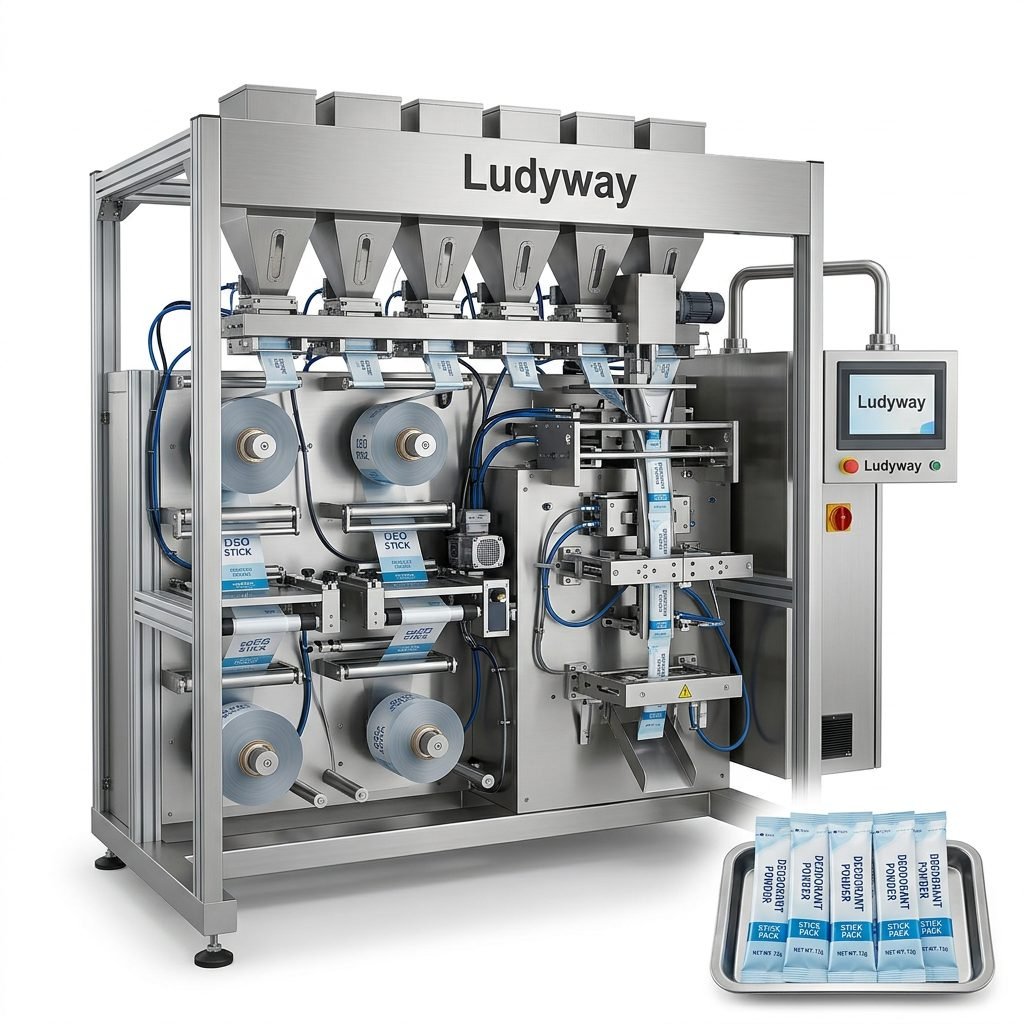
- Stick Packs: Ideal for single-serve portions (e.g., sugar, pepper, instant spice mixes).
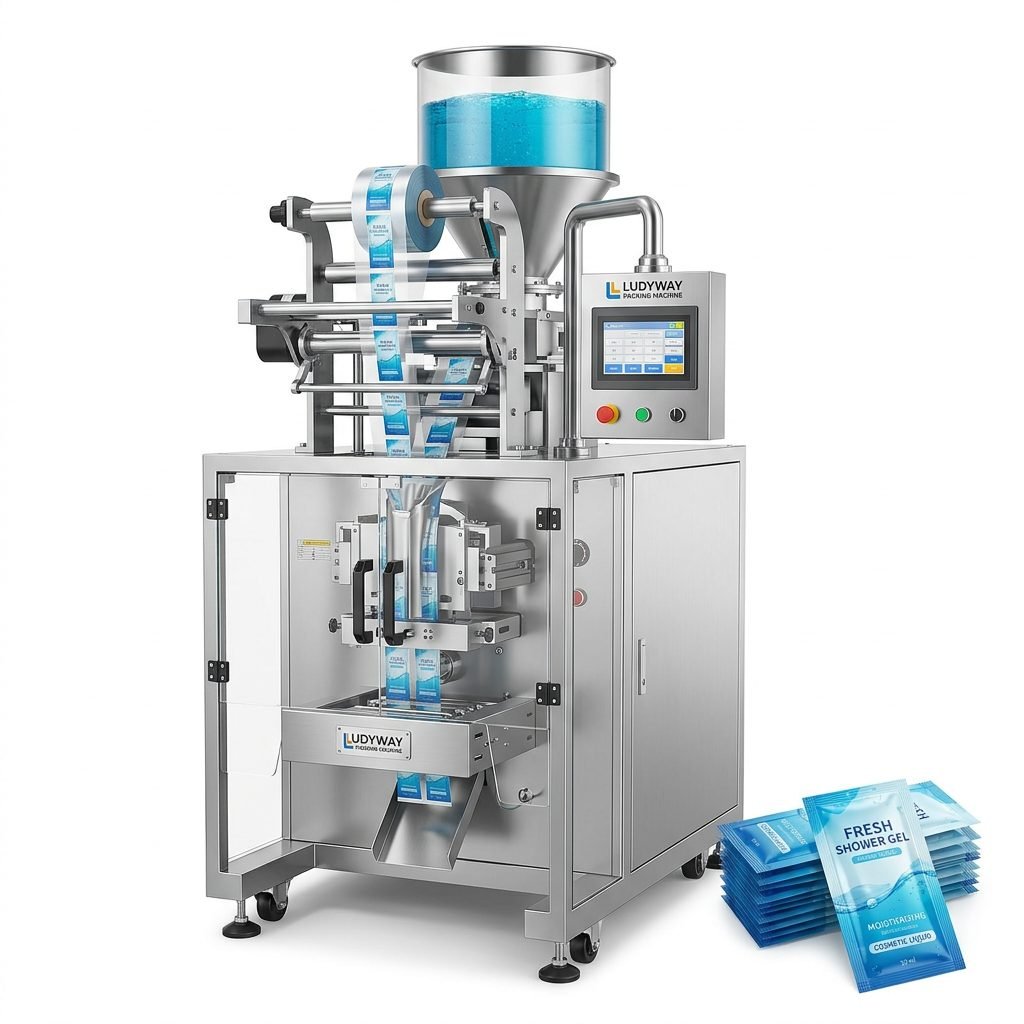
- Sachets: Common for catering-sized spices or shampoo-like liquid condiment packets. These require high-quality sealing to prevent leaks.
- Pouches: Stand-up or flat pouches are popular for retail spices, often requiring zipper seals or tear notches.
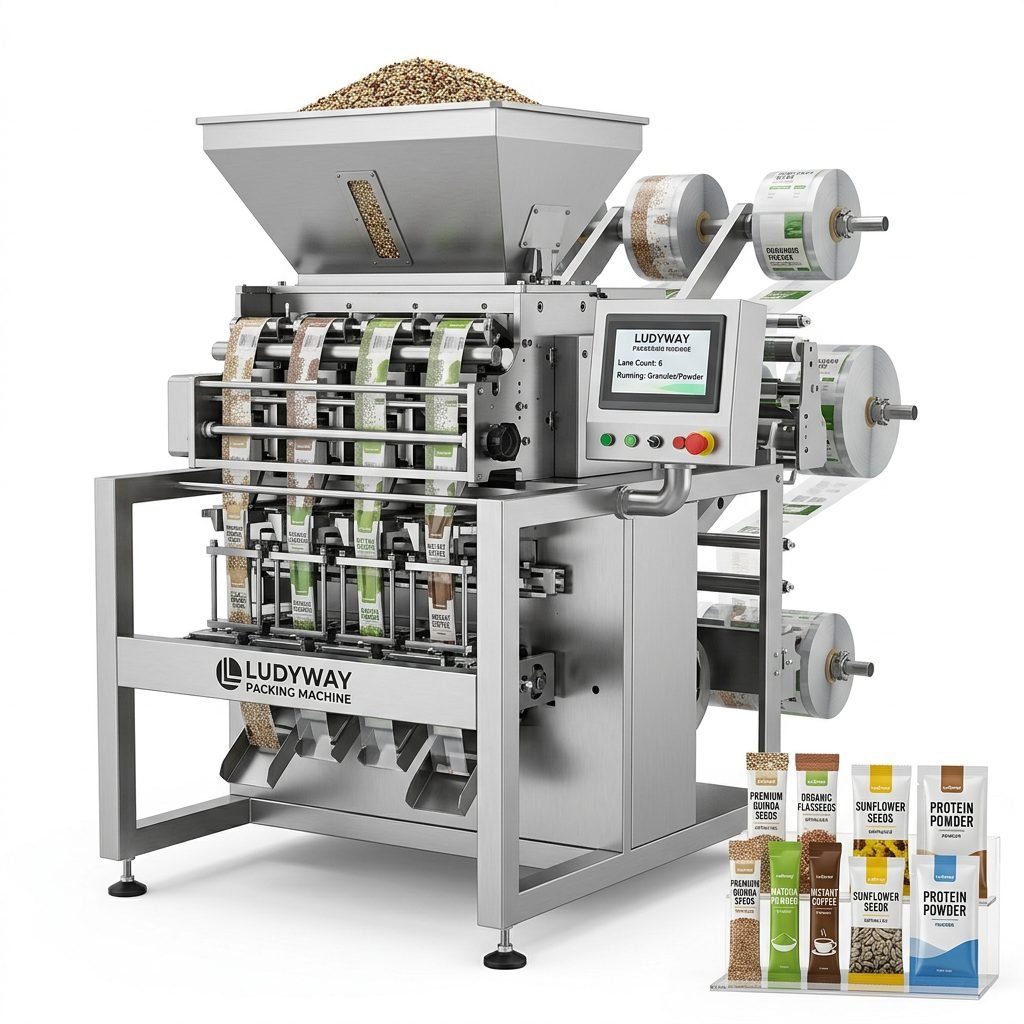
Choosing a machine that supports multi-lane configurations can significantly boost output for small-format packages.
3. Matching Production Speed with Accuracy
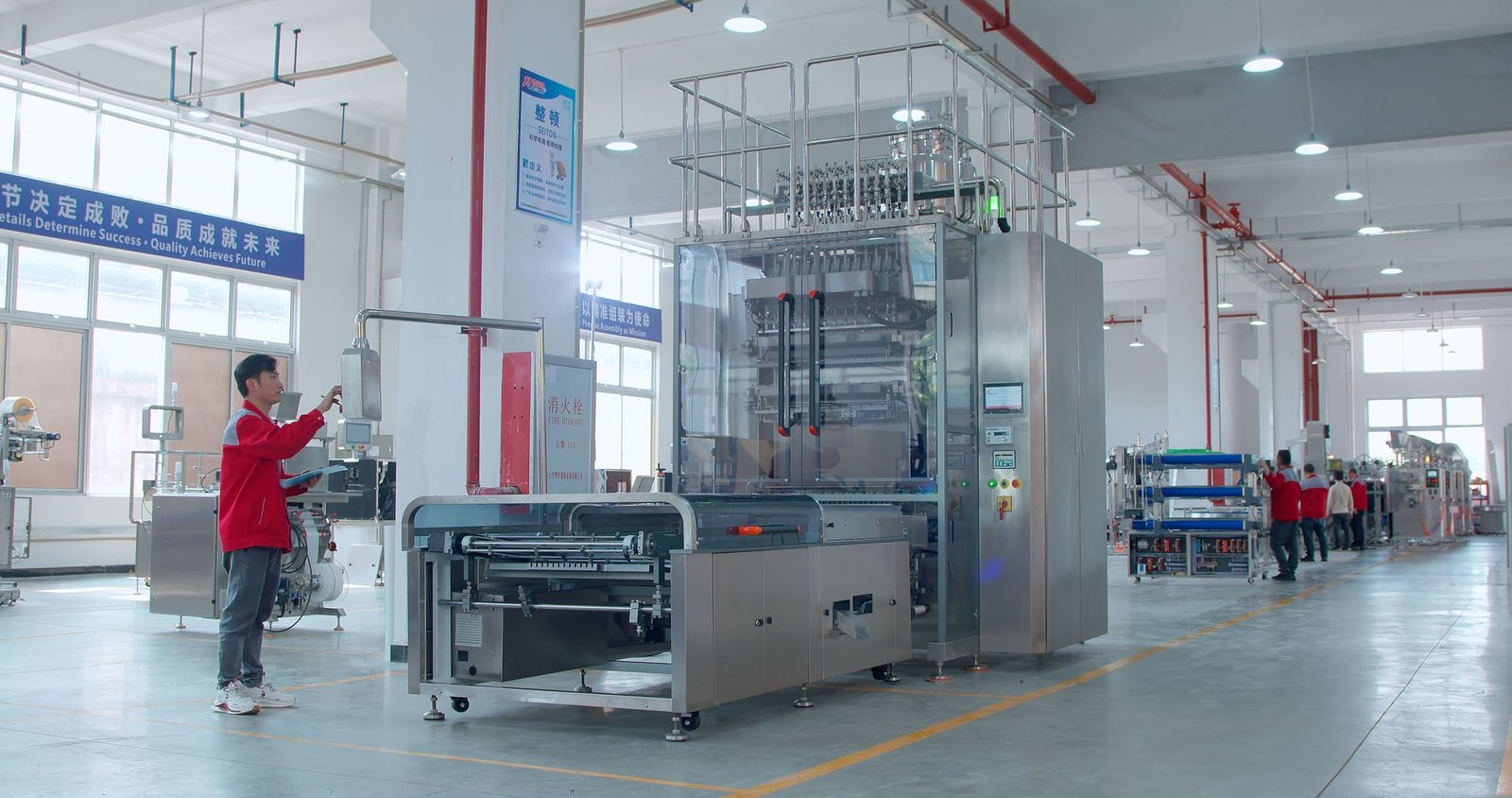
Throughput is a primary concern, but speed must not compromise weight accuracy. When evaluating an automatic spice packaging machine, look for the net weight stability at maximum RPM. High-speed multi-lane machines can produce hundreds of packs per minute, but the acceptable tolerance for spice weight (usually ±0.5% to ±1%) should be guaranteed by the manufacturer. Investing in precision weighing mechanisms, such as multi-head weighers for granules, ensures you minimize costly product giveaways.
4. Selecting the Right Filling and Weighing Technology
The dosing mechanism is the heart of your line. The correct choice depends entirely on your spice’s flow properties:
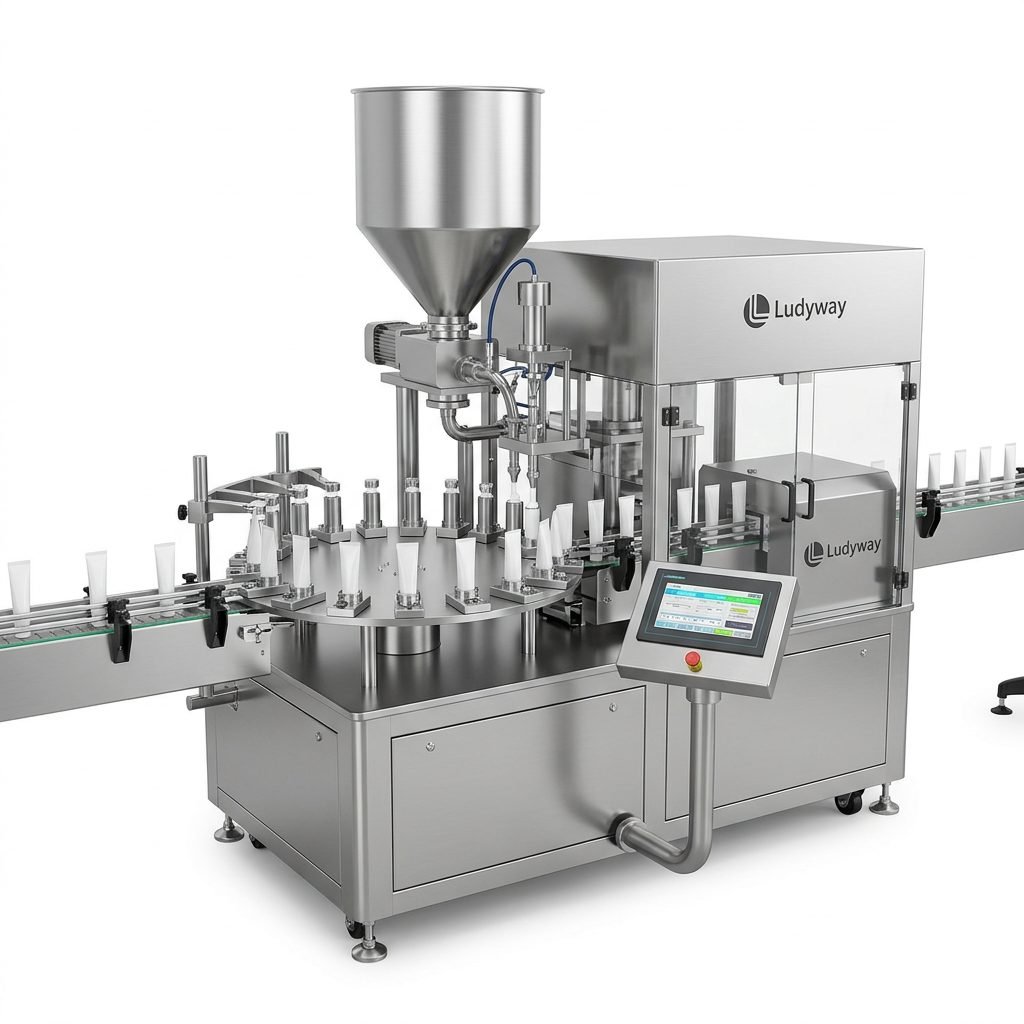
- Auger Filler: Best for very fine, non-free-flowing powders like ginger or cinnamon. It operates with a rotating screw to push a precise volume of product into the pack.
- Multi-head Weigher: A high-speed solution for granules and free-flowing dried spices (e.g., dried chili flakes). These computerized scales offer superior accuracy by combining partial portions to reach the target weight.
- Volumetric Cup Filler: A simpler, cost-effective option for consistent free-flowing products where precise weight regulation is slightly less critical.
5. Ensuring Compliance and Machine Build Quality
Food safety is non-negotiable. The machine must facilitate rigorous cleaning protocols and resist corrosion from potent spices. For maximum durability and hygiene, insist on 304 or 316 stainless steel construction for all product contact parts. You should also verify that the machinery can comply with relevant food safety standards. Adhering to FDA food packaging regulations and ISO packaging standards ensures your equipment meets global hygiene and operational safety requirements. Machinery without these certifications can expose your brand to significant regulatory risk.
Key Filling Technologies Comparison
| Technology | Best For | Advantages | Considerations |
|---|---|---|---|
| Auger Filler | Fine powders (Turmeric, Cinnamon) | Handles cohesive powders, good dust control | Lower speed for heavy weights |
| Multi-head Weigher | Granules (Pepper flakes, Salt) | High speed, very high accuracy | Not suitable for sticky powders |
| Volumetric Filler | Consistent granular spices | Simple mechanics, cost-effective | Weight variations if density shifts |
6. Evaluating Automation and System Integration
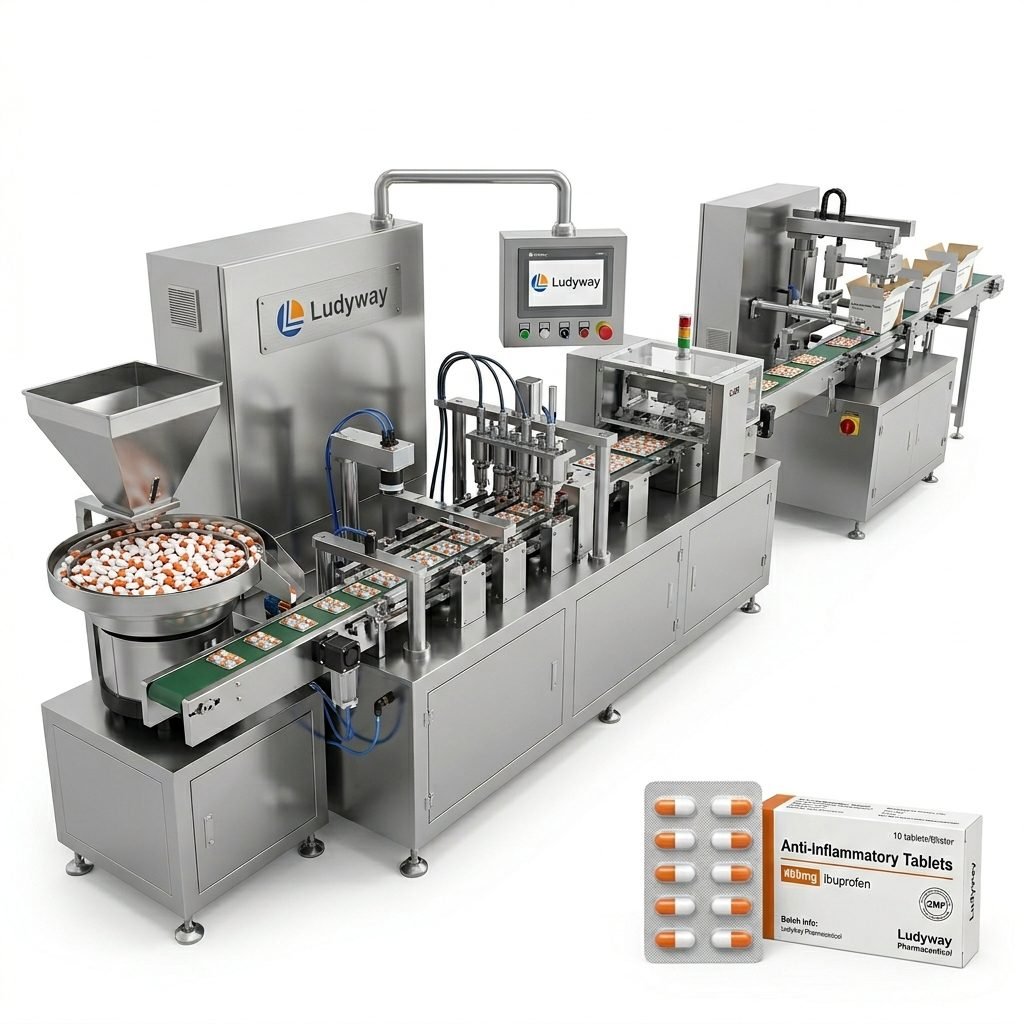
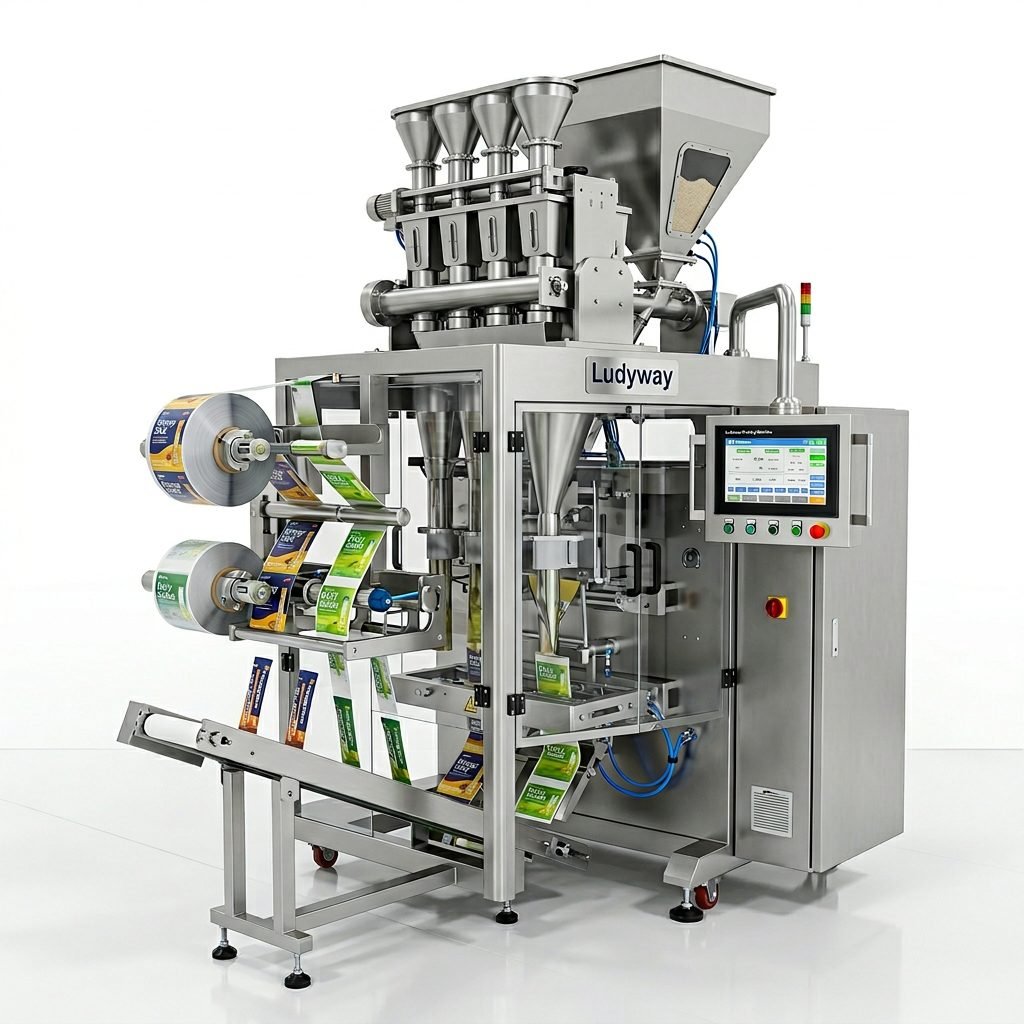
A standalone machine is rarely enough for modern food production. Evaluate if the supplier can deliver a customized packaging line that integrates upstream feeding conveyors, check weighers for quality control, and downstream cartoning machinery. A fully integrated line reduces manual handling, minimizes contamination risks, and increases overall equipment effectiveness (OEE). Working with a single partner for system integration, like Ludyway Machinery, simplifies technical support and ensures seamless communication between individual modules. Their approach combines the dosing, filling, sealing, and boxing process into a coherent solution tailored to spiced products.
7. The Importance of After-Sales Service and Technical Support
The technical longevity of your spice packaging machine depends heavily on the support provided by the manufacturer. When finalizing your purchase, confirm the availability of the following:
- Remote Diagnostics: Can the supplier connect to the PLC to solve software issues remotely?
- Spare Parts: Look for suppliers with a strong inventory of critical spare parts, such as sealing jaws, auger bits, and forming tubes, to prevent downtime.
- Operator Training: Comprehensive on-site training ensures your team can safely operate and sanitize the machinery to maintain the highest hygiene standards.
Adopting the latest automation requires staying informed about industry trends. Resources such as the packaging industry intelligence reports from PMMI provide valuable data on market growth and automation advancements, helping you benchmark your production capabilities against industry peers.
8. Budgeting for Long-Term Value vs. Upfront Cost
While initial capital expenditure is important, shift your focus to the total cost of ownership (TCO). A lower-priced machine can result in higher operational costs through wasted product, film breaks, frequent rejects, and extended downtime. The ISO 11607 standards for terminally sterilized medical devices, while developed for medical packaging, also provide excellent frameworks for traceability and process validation that can be adapted to high-end spice fillers to ensure consistency. Investing in a robust, high-precision machine ensures predictable maintenance schedules and preserves the volatile flavors and aromas of your spices through superior sealing integrity.