Investing in a TNA packaging machine is a significant decision for any manufacturer. The right equipment can dramatically improve production efficiency, reduce downtime, and ensure consistent product quality. According to PMMI’s State of the Industry reports, automated packaging solutions continue to see strong growth across food, pharmaceutical, and consumer goods sectors. However, with so many configurations and technical specifications available, making the wrong choice can lead to costly operational bottlenecks. This guide walks you through every critical factor to evaluate before purchasing.

Understanding TNA Packaging Machine Types
Before diving into specifications, it is essential to understand the different categories of TNA packaging machines available on the market. Each type serves distinct production requirements and product characteristics.
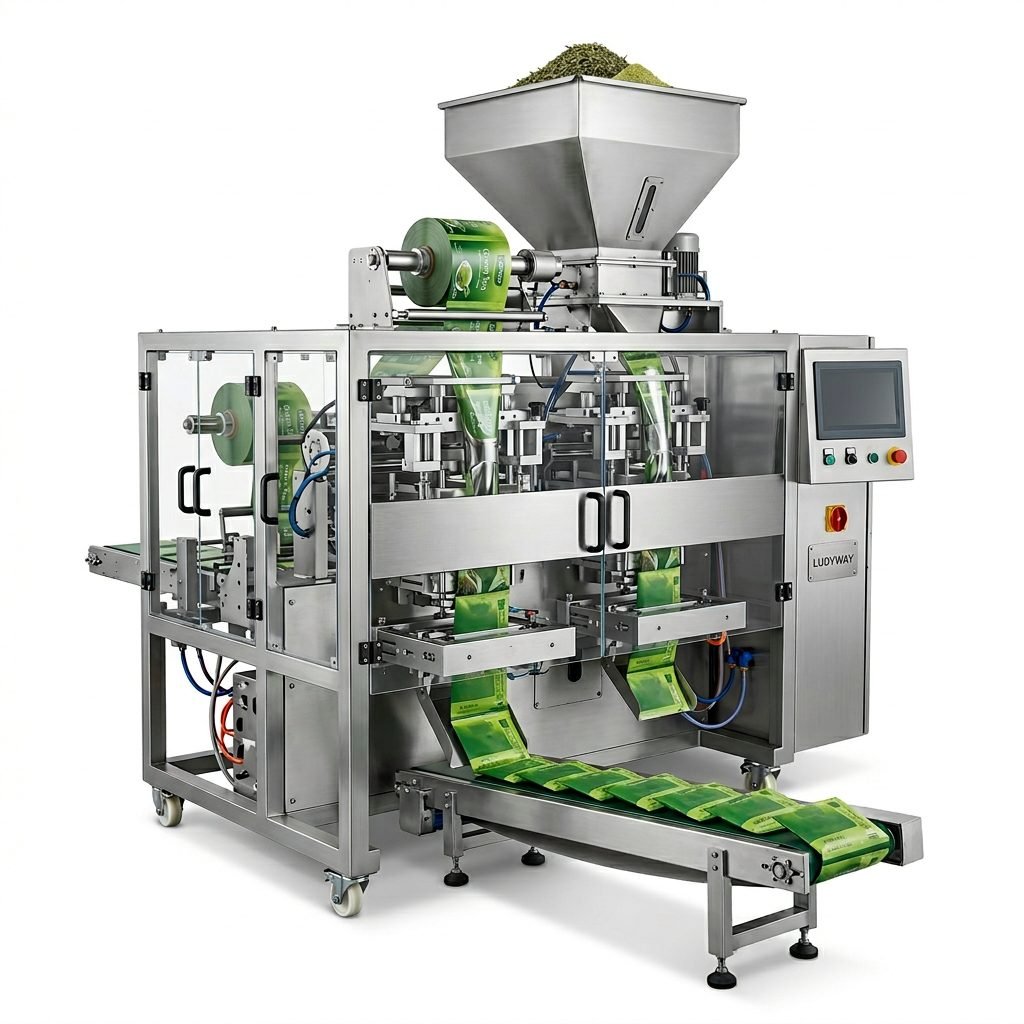
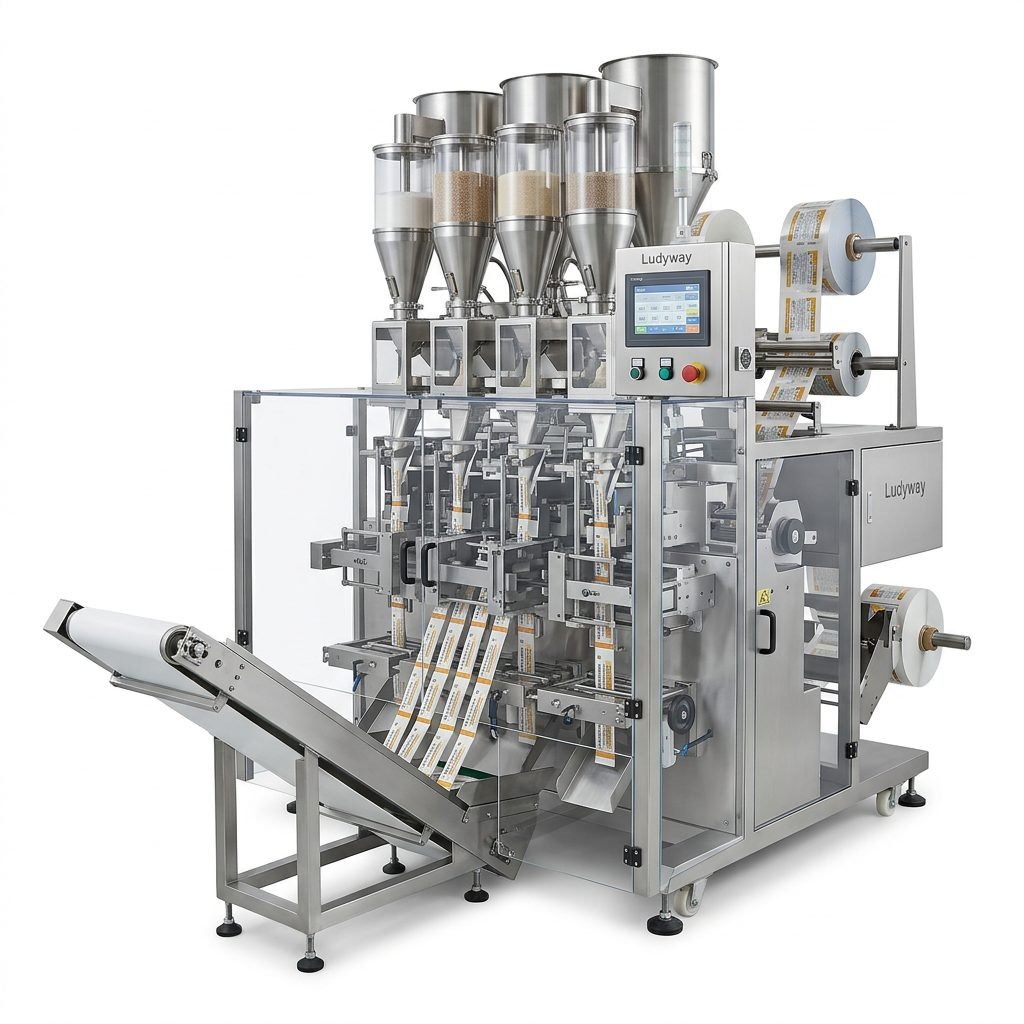
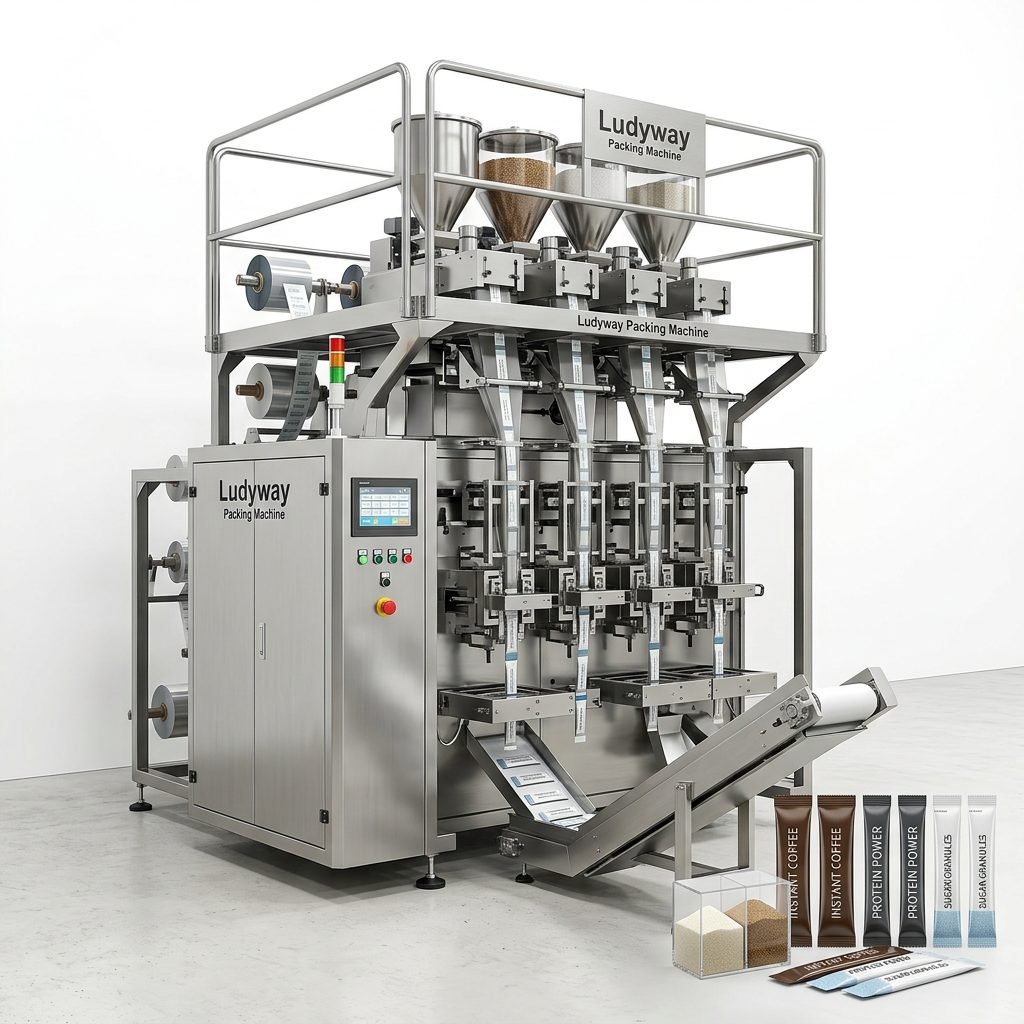
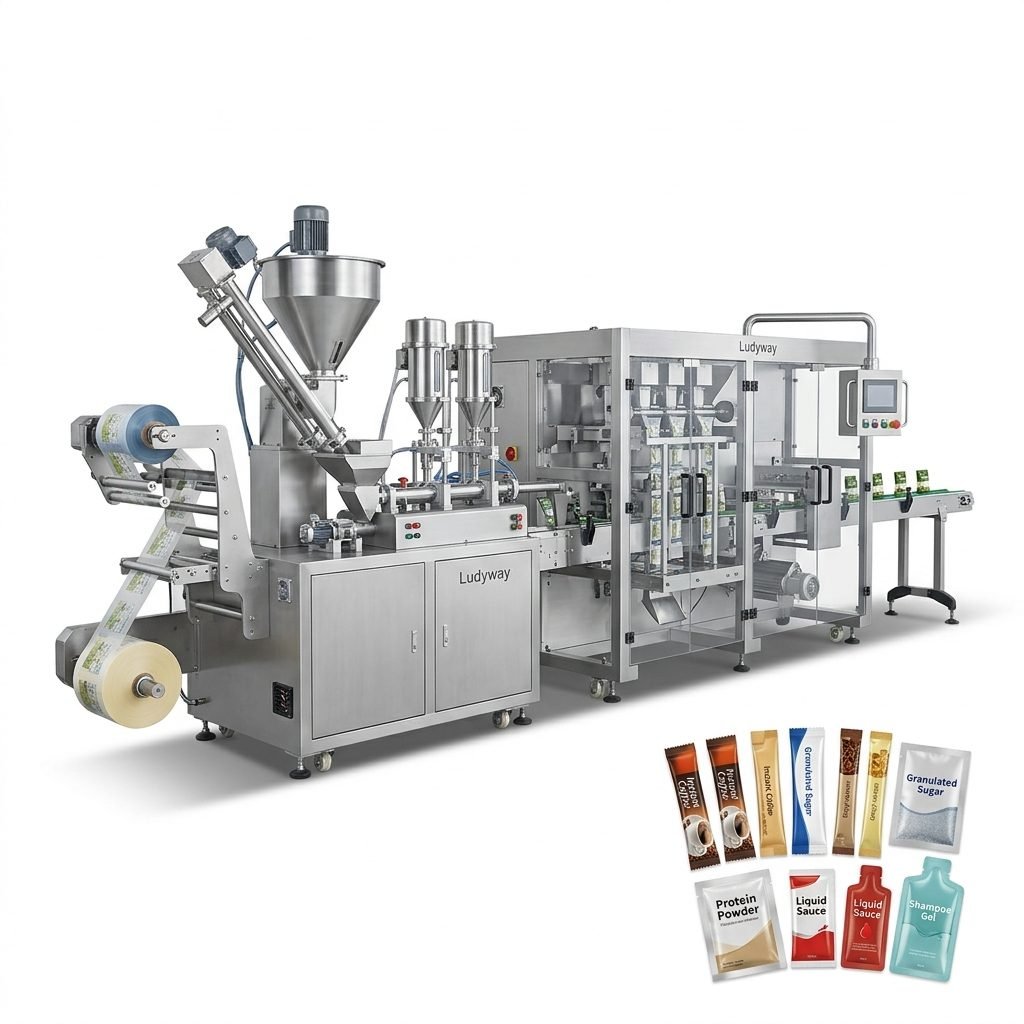
- Stick Pack Machines: Ideal for single-serve powders, granules, and liquids. These machines produce narrow, elongated sachets commonly used for coffee, sugar, nutritional supplements, and pharmaceutical powders.
- Sachet Packaging Machines: Suitable for a wider range of product volumes and packaging formats. These are versatile machines used across food, cosmetics, and chemical industries for products like shampoos, sauces, and detergents.
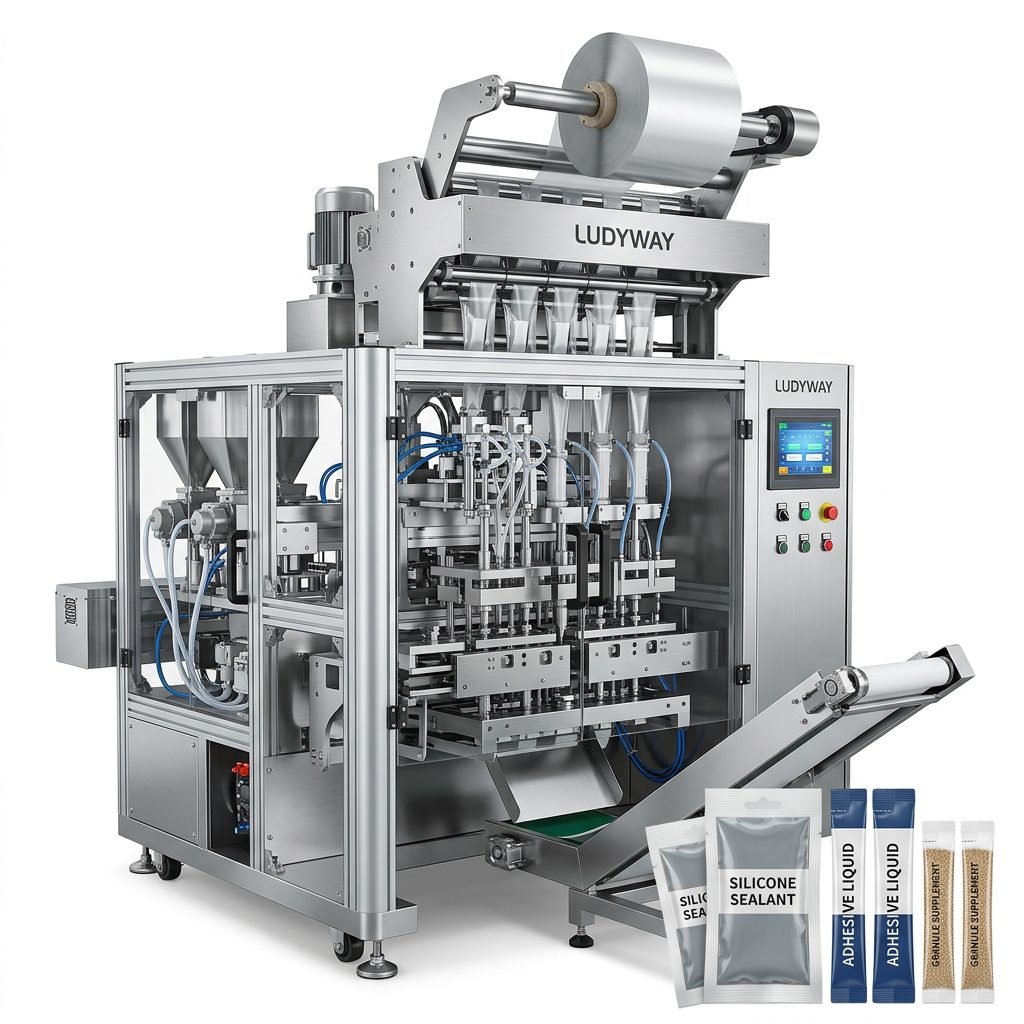
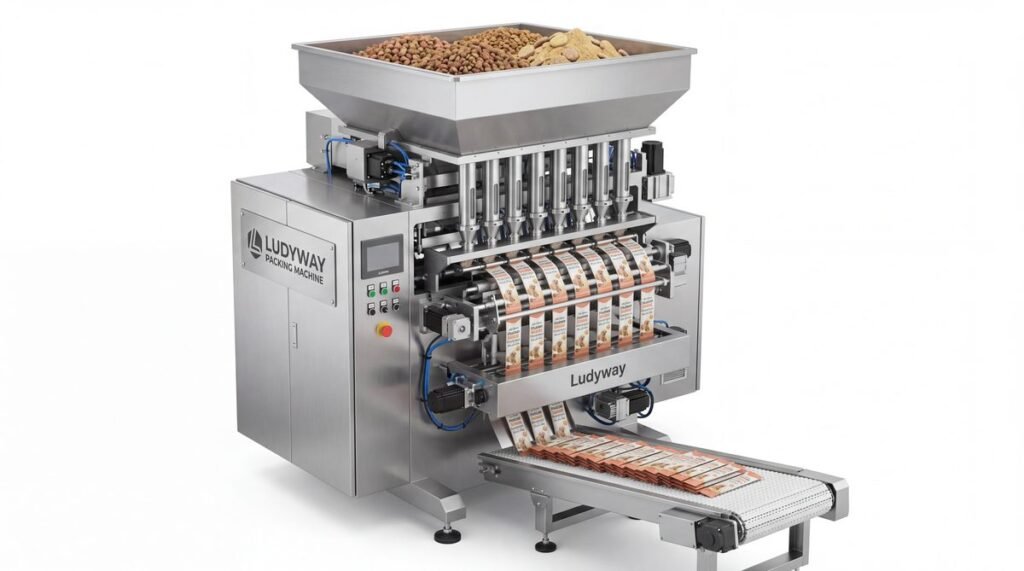
- Multi-Lane Packaging Systems: Designed for high-speed production, multi-lane machines can run several packaging lanes simultaneously, significantly increasing throughput for manufacturers with high-volume demands.
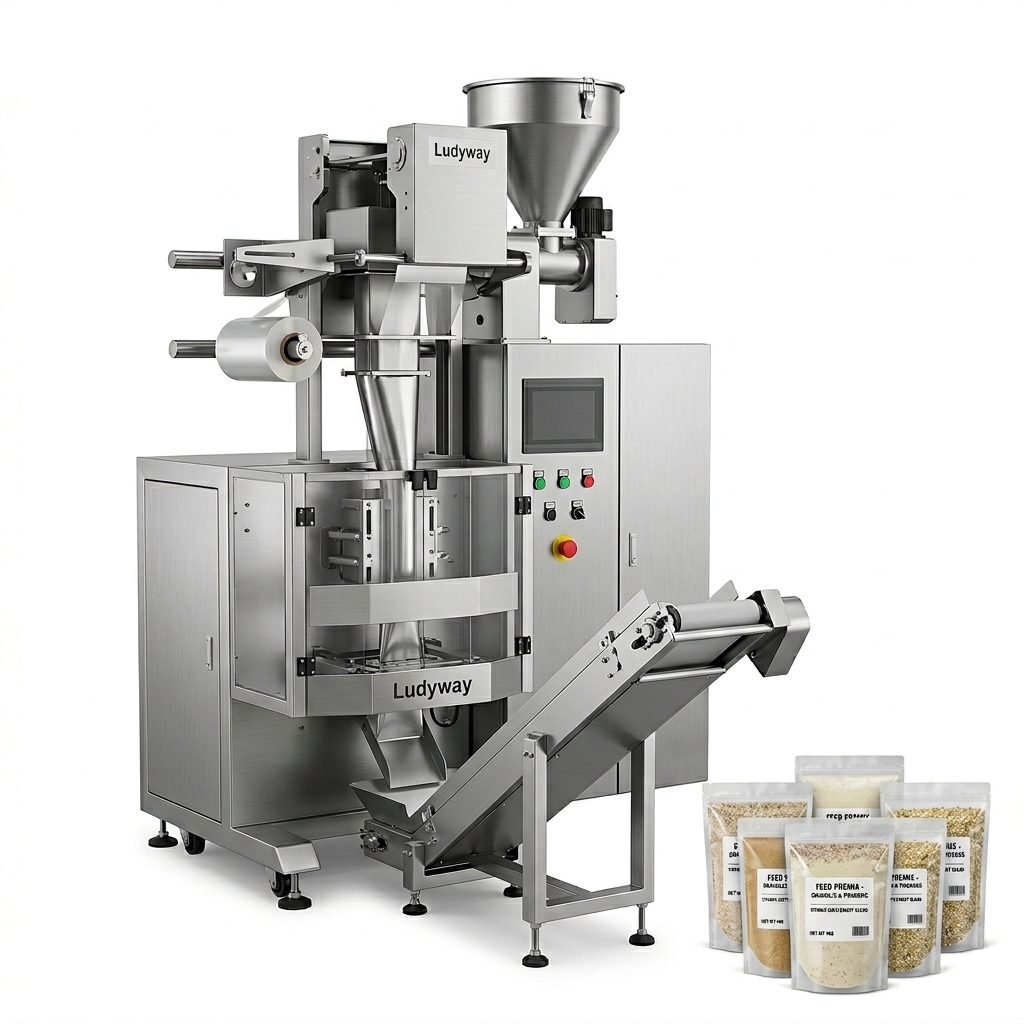
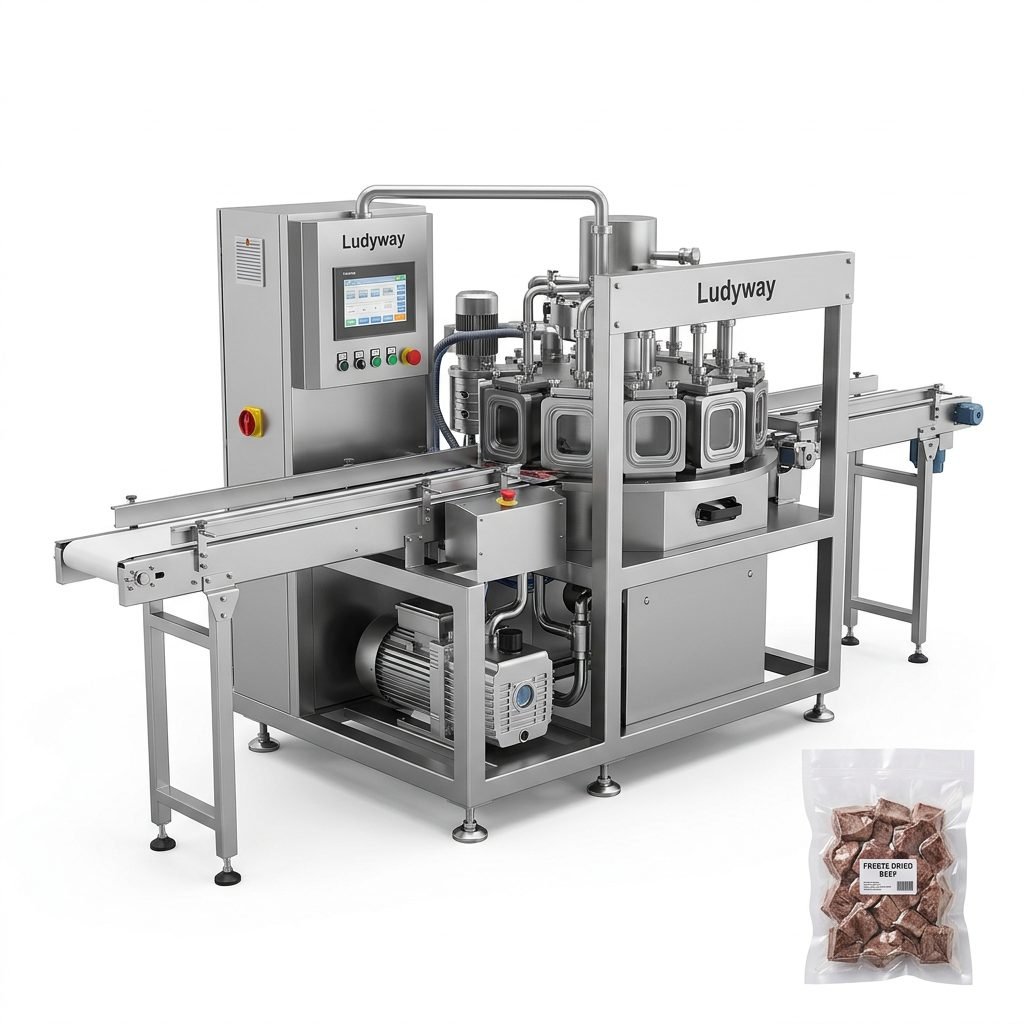
- Pouch Packaging Machines: Handle larger bag formats including stand-up pouches, zipper pouches, and flat pouches for products like pet food, snacks, and industrial materials.
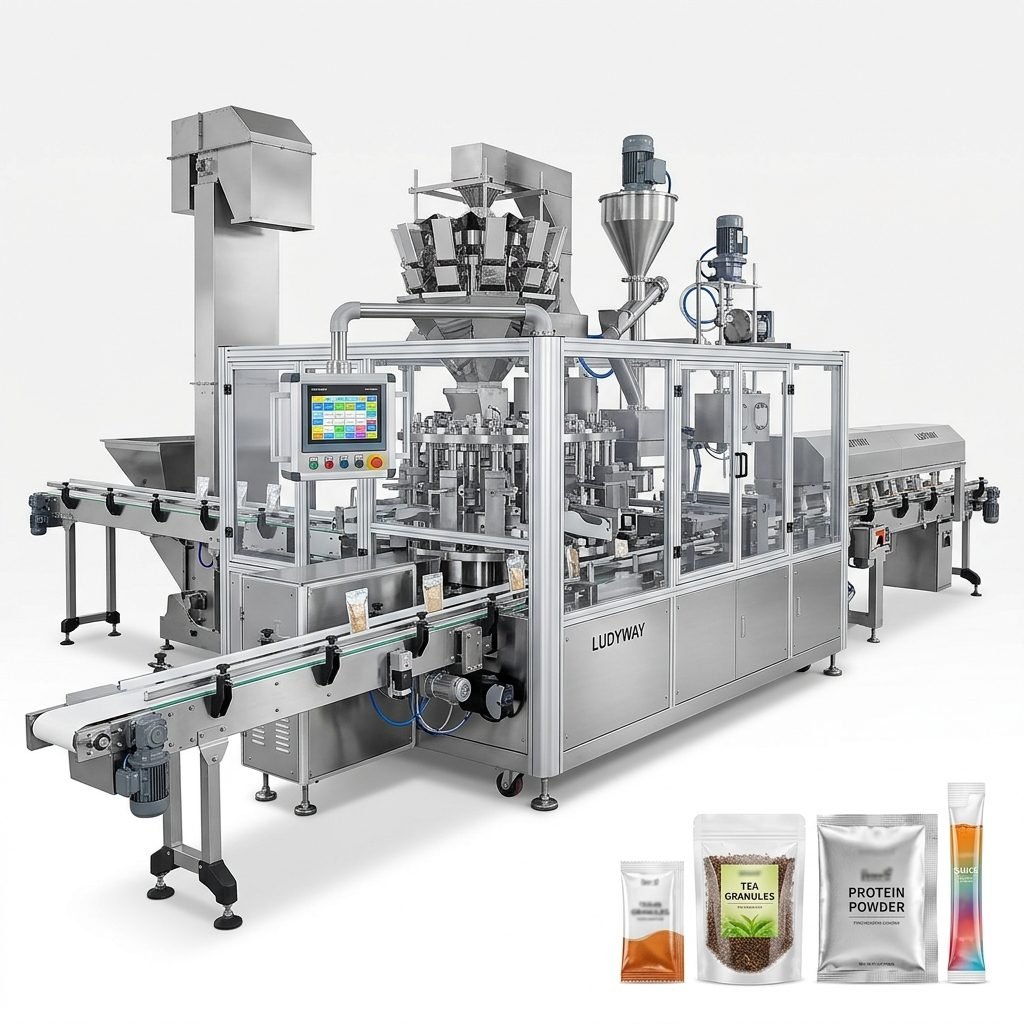
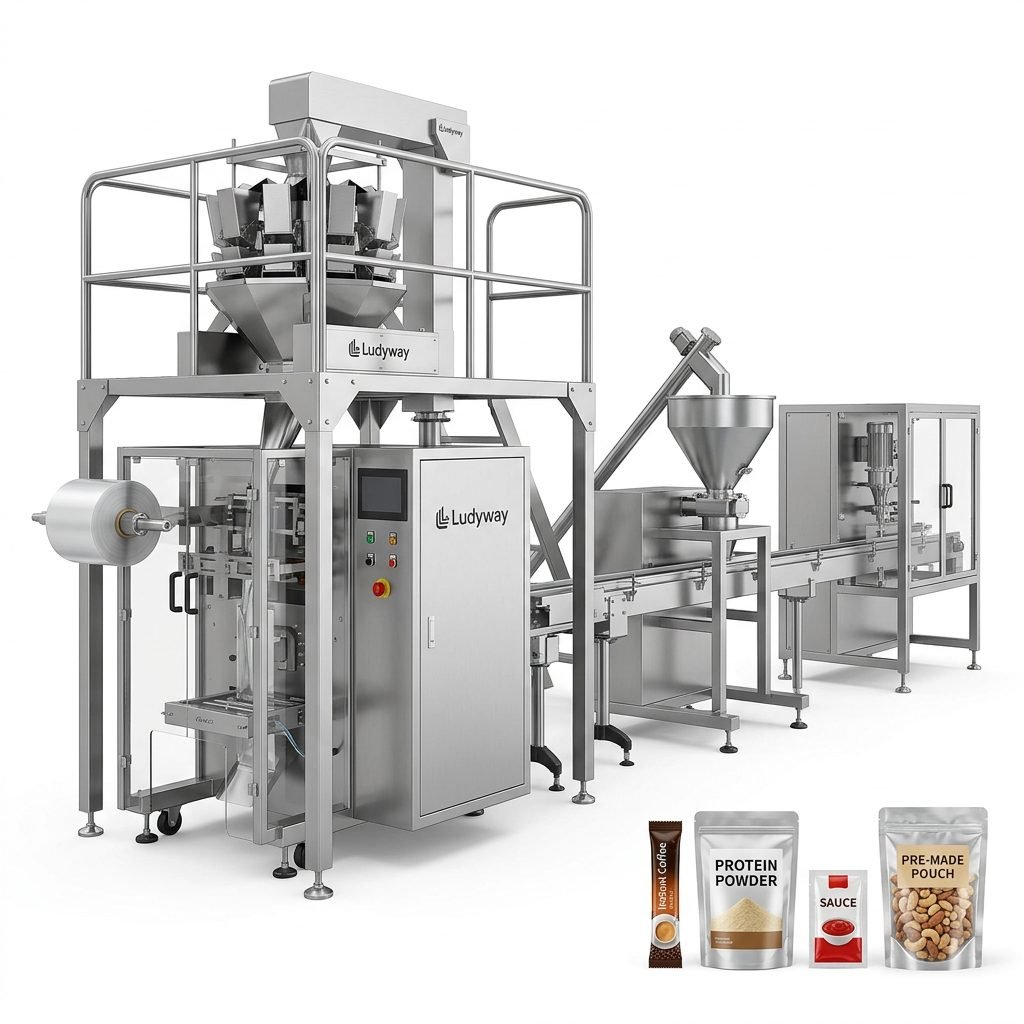
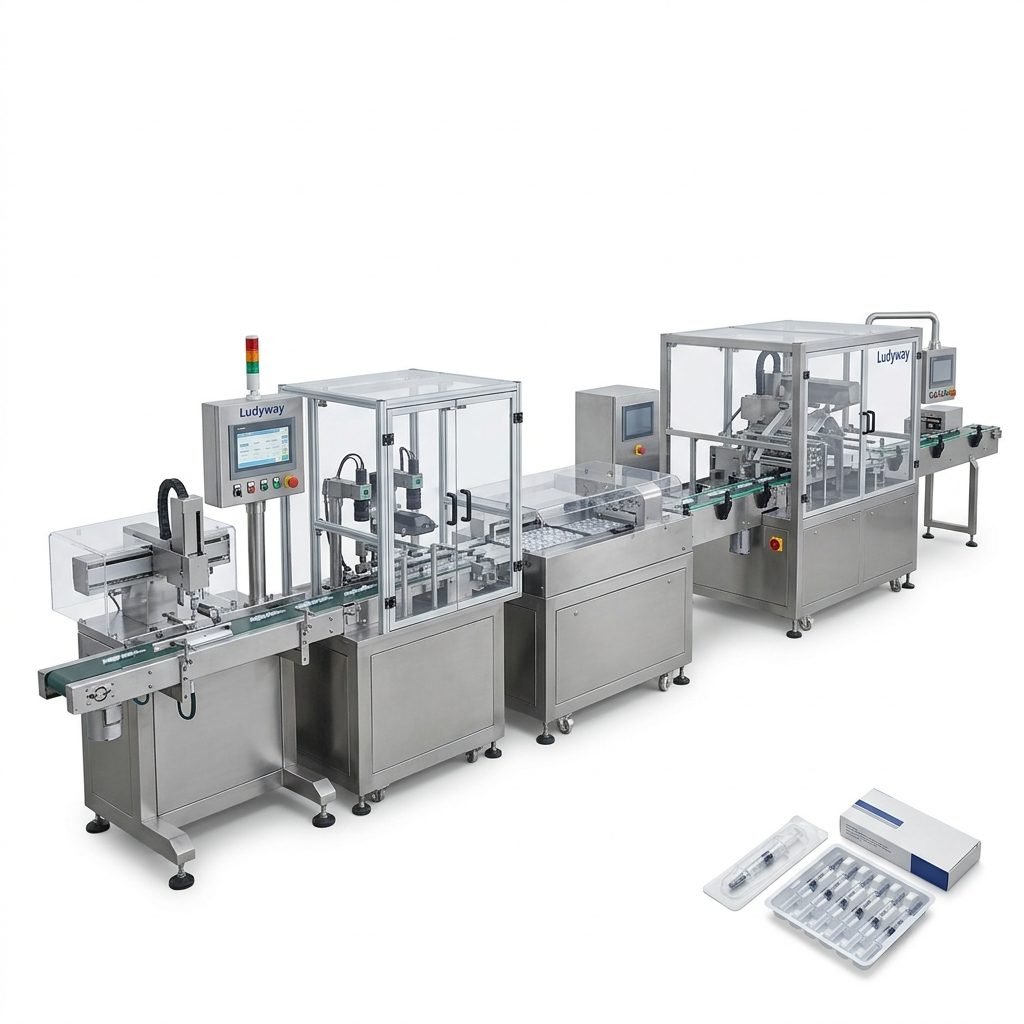
- Turnkey Packaging Lines: Fully integrated systems that combine filling, sealing, coding, inspection, and cartoning into a single automated workflow, reducing manual handling and improving overall line efficiency.
Key Factors to Evaluate When Choosing a TNA Packaging Machine
Product Characteristics and Material Compatibility
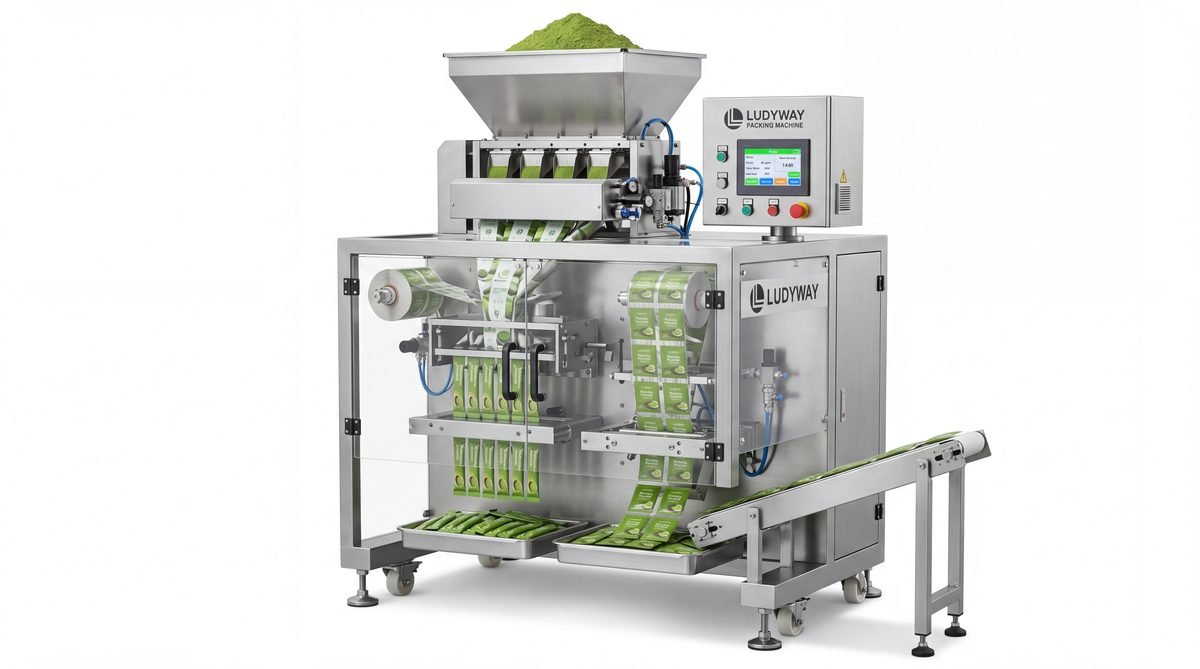
The physical properties of your product directly determine which filling and sealing technologies are appropriate. Granules, powders, liquids, and pastes each require different dosing mechanisms. For example, auger fillers work well for fine powders like matcha powder, while volumetric cup fillers are better suited for free-flowing granules. Liquid products with varying viscosities—from water-thin solutions to thick gels—require pumps calibrated to the specific flow characteristics of the material.
Production Speed and Capacity Requirements
Understanding your current and future production demands is critical. A machine that meets today’s needs may become a bottleneck within two years if your business is growing. Multi-lane TNA packaging machines can produce anywhere from 200 to over 1,000 sachets per minute depending on the configuration. When evaluating speed, consider not just the theoretical maximum output but also changeover times, maintenance windows, and real-world operating efficiency.
| Machine Type | Typical Speed Range | Best Suited For |
|---|---|---|
| Single-Lane Stick Pack | 40–120 packs/min | Small to medium production volumes |
| 4–6 Lane Sachet Machine | 200–400 packs/min | Medium to high-volume food and pharma |
| 8–12 Lane High-Speed System | 400–800 packs/min | High-volume consumer goods |
| Multi-Lane Turnkey Line | 800–1,200+ packs/min | Mass production with full automation |
Packaging Material Flexibility
Not all TNA packaging machines handle every type of film or laminate. Verify that the machine supports the packaging materials you plan to use—including heat-sealable films, aluminum foil laminates, biodegradable materials, and multi-layer barrier films. Some applications require nitrogen flushing for extended shelf life, while others demand resealable zipper features. The Flexible Packaging Association provides valuable resources on material innovations and sustainability trends that may influence your packaging material decisions.
Filling Accuracy and Dosing Precision
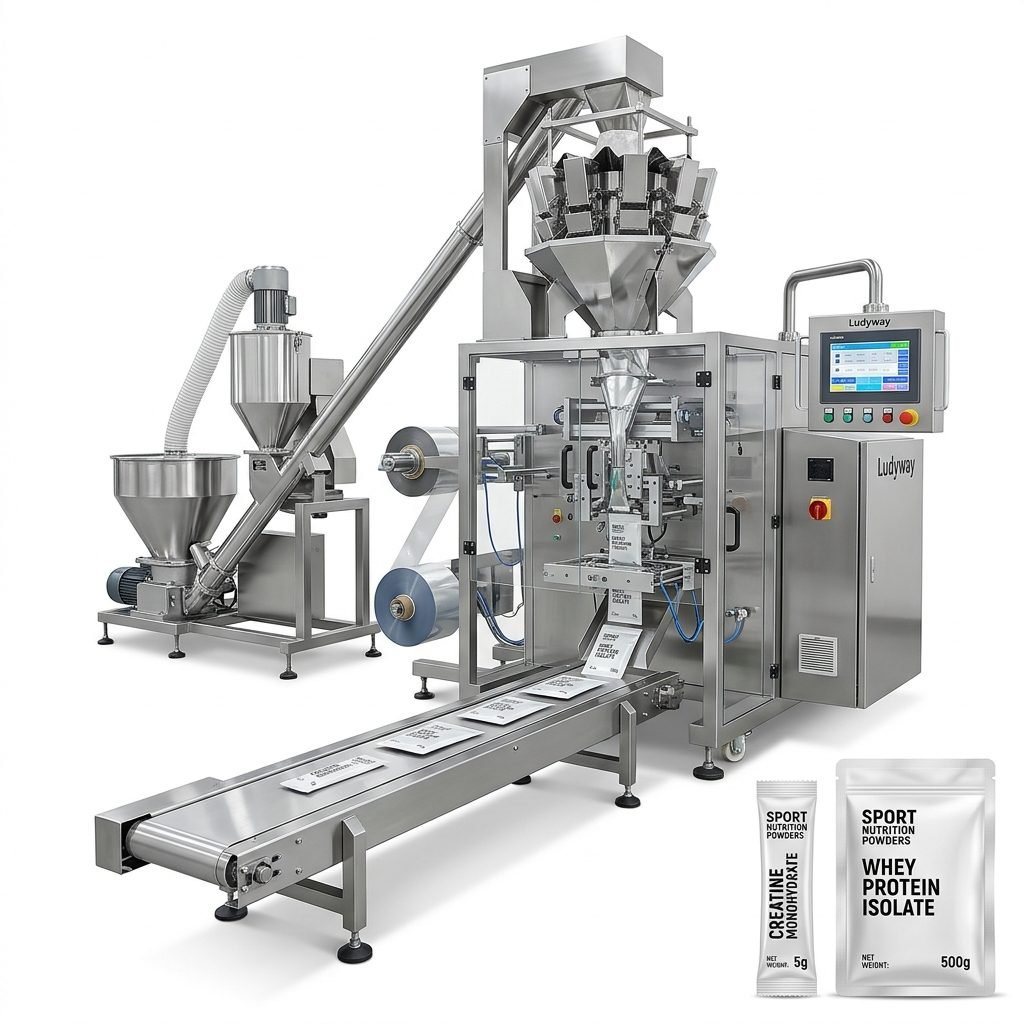
For many industries—particularly pharmaceuticals and nutritional supplements—dosing accuracy is not just a quality concern but a regulatory requirement. Precision filling systems minimize product giveaway and ensure compliance with label claims. Auger fillers for powders typically achieve accuracy within ±1% to ±2%, while multi-head weighers for granules can deliver even tighter tolerances. When evaluating a TNA packaging machine, request documented accuracy data for products similar to yours.
Industry-Specific Considerations
Food and Beverage Packaging
Food-grade TNA packaging machines must meet strict hygiene standards. Stainless steel construction, easy-clean designs, and compliance with FDA and EU food contact regulations are essential. Look for machines with washdown capabilities if your production environment requires frequent cleaning. Product categories like cinnamon powder, instant coffee, sauces, and snack seasonings each present unique handling challenges that influence machine configuration.
Pharmaceutical and Nutraceutical Packaging
Pharmaceutical applications demand the highest levels of precision, cleanliness, and validation. GMP compliance, 21 CFR Part 11 data integrity, and serialization capabilities are often required. Machines serving this sector typically include features like dust extraction systems, metal detection, and checkweighing integration. Reference standards such as ISO 11607 for medical device packaging provide guidance on validation requirements.
Cosmetics and Personal Care
Products like serums, creams, shampoos, and lotions require gentle handling and precise filling to maintain product integrity. Multi-lane sachet machines for cosmetic applications must accommodate a wide range of viscosities and often need to handle both liquid and semi-solid formulations on the same production line.
Chemical and Industrial Products
Packaging machines for detergents, agrochemicals, and industrial additives must withstand corrosive materials and often require explosion-proof configurations for volatile substances. Robust construction with chemical-resistant materials is a critical consideration in this segment.
Automation and Integration Capabilities
Modern TNA packaging machines are increasingly connected and automated. When evaluating options, consider the following automation features:
- Automatic feeding systems: Bucket elevators, vacuum conveyors, and vibratory feeders reduce manual material handling and improve throughput consistency.
- Inline quality control: Integrated checkweighers, metal detectors, X-ray inspection, and vision systems catch defects before products leave the line.
- Coding and marking: Thermal inkjet, laser, and thermal transfer printers for batch codes, expiry dates, and traceability data.
- End-of-line automation: Cartoners, case packers, palletizers, and stretch wrappers that complete the packaging workflow.
- Remote monitoring: IoT-enabled systems that provide real-time production data, predictive maintenance alerts, and remote troubleshooting.
Evaluating Total Cost of Ownership
The purchase price of a TNA packaging machine is only one part of the financial equation. A comprehensive cost analysis should include:
- Initial investment: Machine cost, tooling, installation, and commissioning.
- Operational costs: Energy consumption, compressed air usage, film waste rates, and labor requirements.
- Maintenance: Preventive maintenance schedules, spare parts availability, and expected component lifespan.
- Downtime impact: Production losses during breakdowns and changeovers.
- Training: Operator and maintenance personnel training costs.
A slightly more expensive machine with higher reliability and lower waste rates often delivers superior long-term ROI.
Supplier Selection and After-Sales Support
Choosing the right supplier is as important as choosing the right machine. Evaluate potential partners based on their track record, engineering capabilities, and global support network. A manufacturer with more than 30 years of experience, a 20,000-square-meter manufacturing facility, and over 50 packaging machine models—such as Ludyway Machinery—can provide the expertise needed to configure equipment that matches specific product and production requirements. Key questions to ask potential suppliers include:
- What is the lead time for machine delivery and installation?
- Do you offer factory acceptance testing (FAT) before shipment?
- What is the warranty period and what does it cover?
- How quickly can spare parts be shipped to our location?
- Do you provide remote technical support and on-site service?
- Can you provide references from customers with similar applications?
Regulatory Compliance and Certifications
Depending on your market and industry, your TNA packaging machine may need to comply with various standards. Common certifications and requirements include CE marking for European markets, FDA compliance for U.S. food and pharmaceutical applications, and GMP for pharmaceutical manufacturing. The FDA’s guidance on food contact substances and EU packaging regulations are important references. Verify that your supplier can provide the necessary documentation and that the machine can be configured to meet applicable standards.
Future-Proofing Your Investment
A TNA packaging machine is a long-term capital investment. To future-proof your purchase, consider machines with modular designs that allow for upgrades as your needs evolve. Multi-lane platforms that can be expanded, interchangeable tooling for different bag formats, and software-upgradable control systems all contribute to a longer useful life. Additionally, evaluate the machine’s compatibility with emerging packaging trends such as sustainable films, smart packaging features, and e-commerce-ready formats. The PMMI Business Intelligence library offers ongoing research into packaging industry trends that can inform your long-term planning.
Making the Final Decision: A Step-by-Step Checklist
Use this checklist to systematically evaluate your options and make an informed decision:
- Define your product range: Document all products you plan to package, including their physical characteristics, fill weights, and any special requirements.
- Determine production targets: Calculate current and projected daily, weekly, and annual output requirements with realistic growth projections.
- Specify packaging formats: Identify the bag types, sizes, and materials you need, including any plans for future format changes.
- Assess facility constraints: Measure available floor space, ceiling height, electrical capacity, and compressed air availability.
- Request detailed proposals: Solicit quotes from multiple suppliers with detailed specifications, performance guarantees, and total cost breakdowns.
- Conduct reference checks: Speak with existing customers about their real-world experience with the machine and supplier.
- Evaluate support infrastructure: Confirm the supplier’s service network, spare parts availability, and technical support capabilities in your region.
Selecting the right TNA packaging machine requires careful evaluation of your product characteristics, production goals, budget, and long-term business strategy. By systematically assessing each factor outlined in this guide—from machine type and speed requirements to supplier reliability and regulatory compliance—you can make a confident investment that supports your manufacturing operations for years to come. For manufacturers seeking a partner with extensive engineering expertise and a broad portfolio of packaging machinery solutions, working with an experienced supplier that offers customized configurations, turnkey integration, and global technical support can significantly streamline the procurement process and reduce project risk.