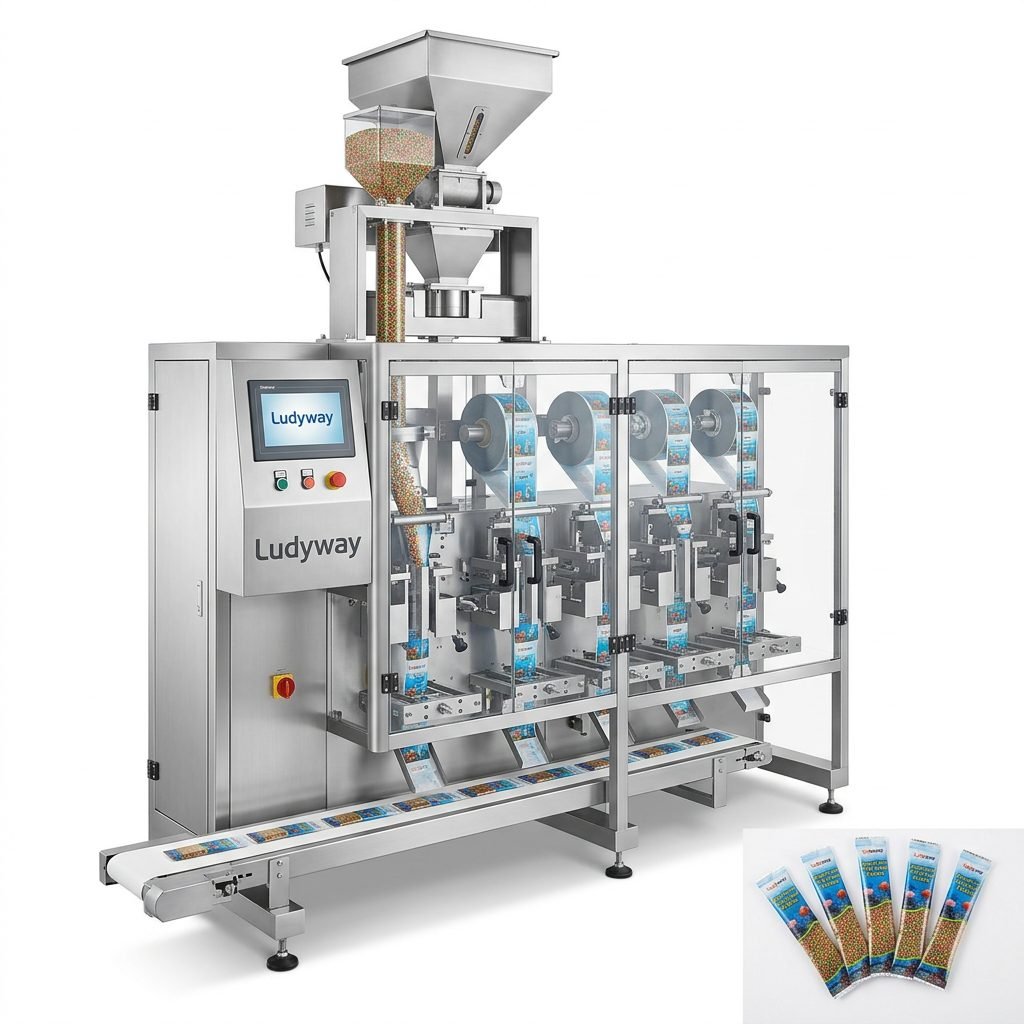
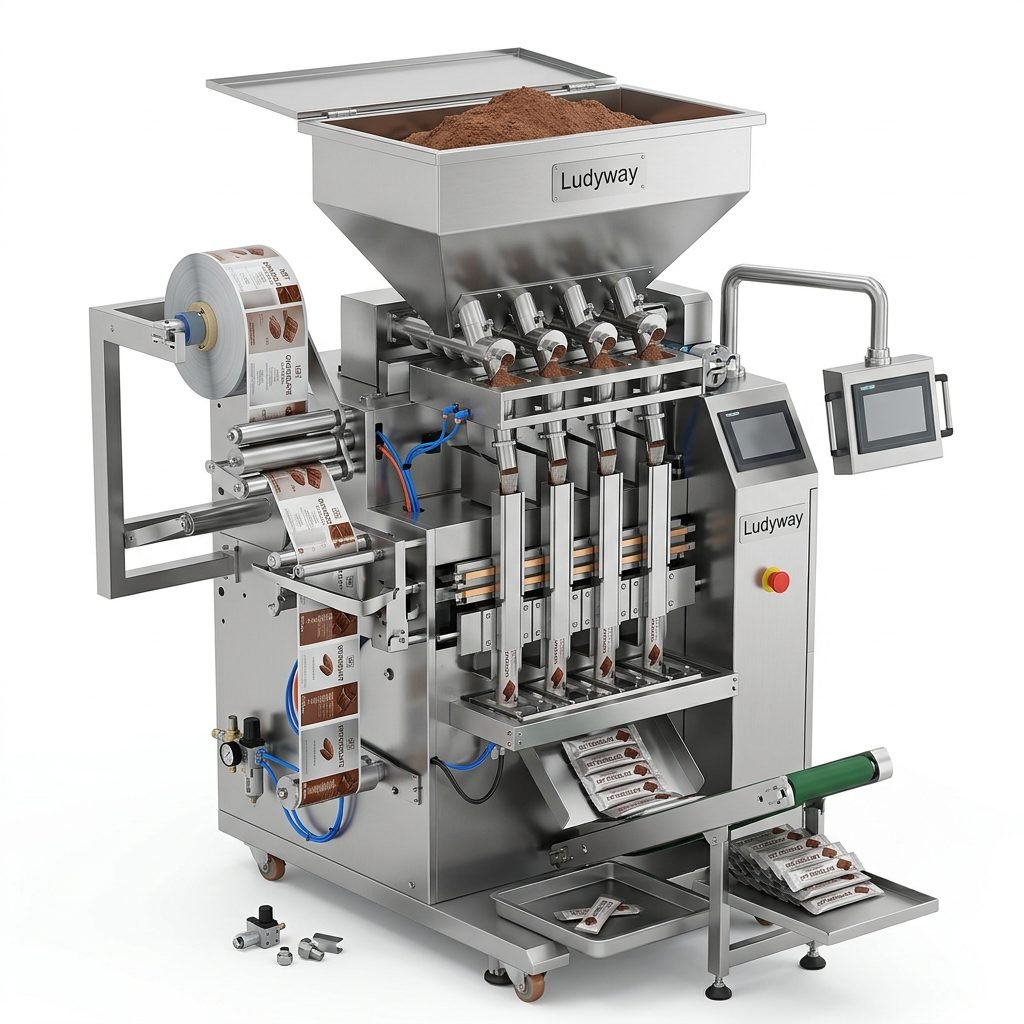
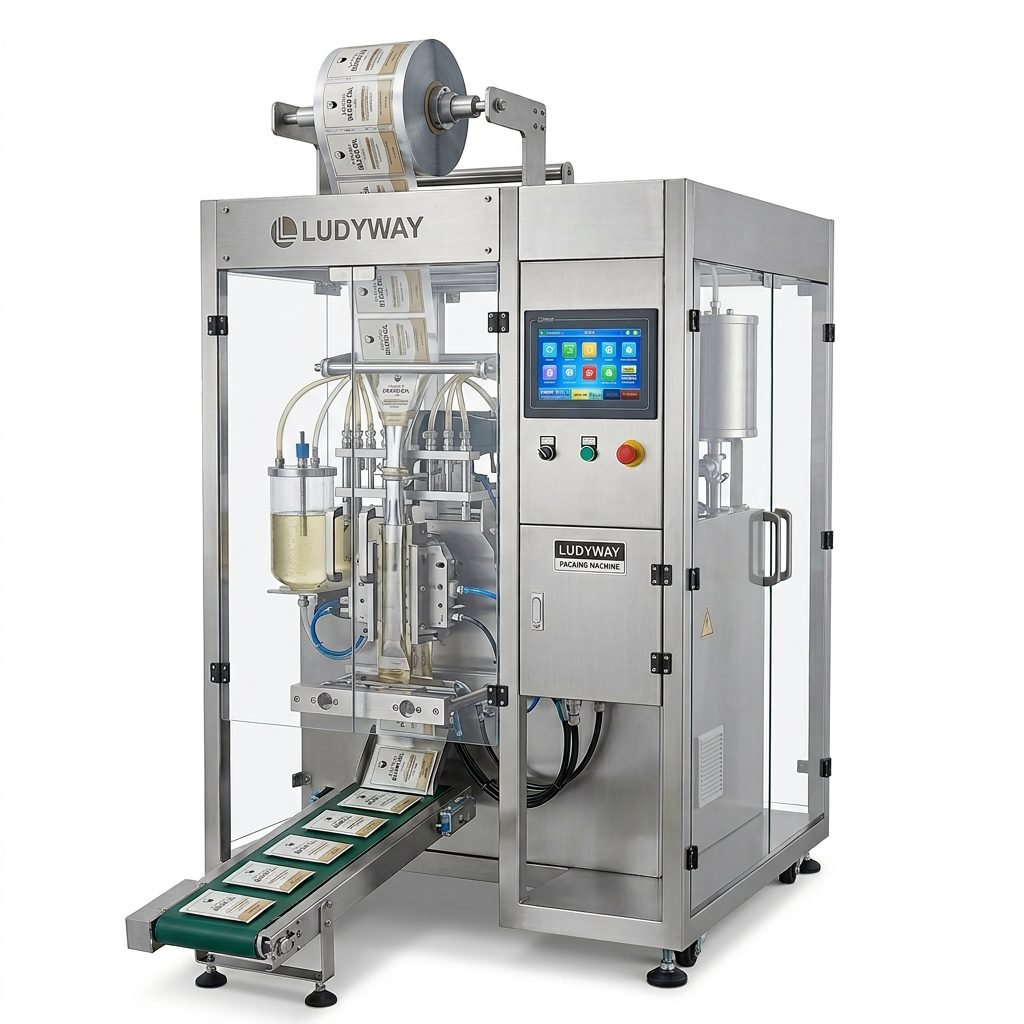
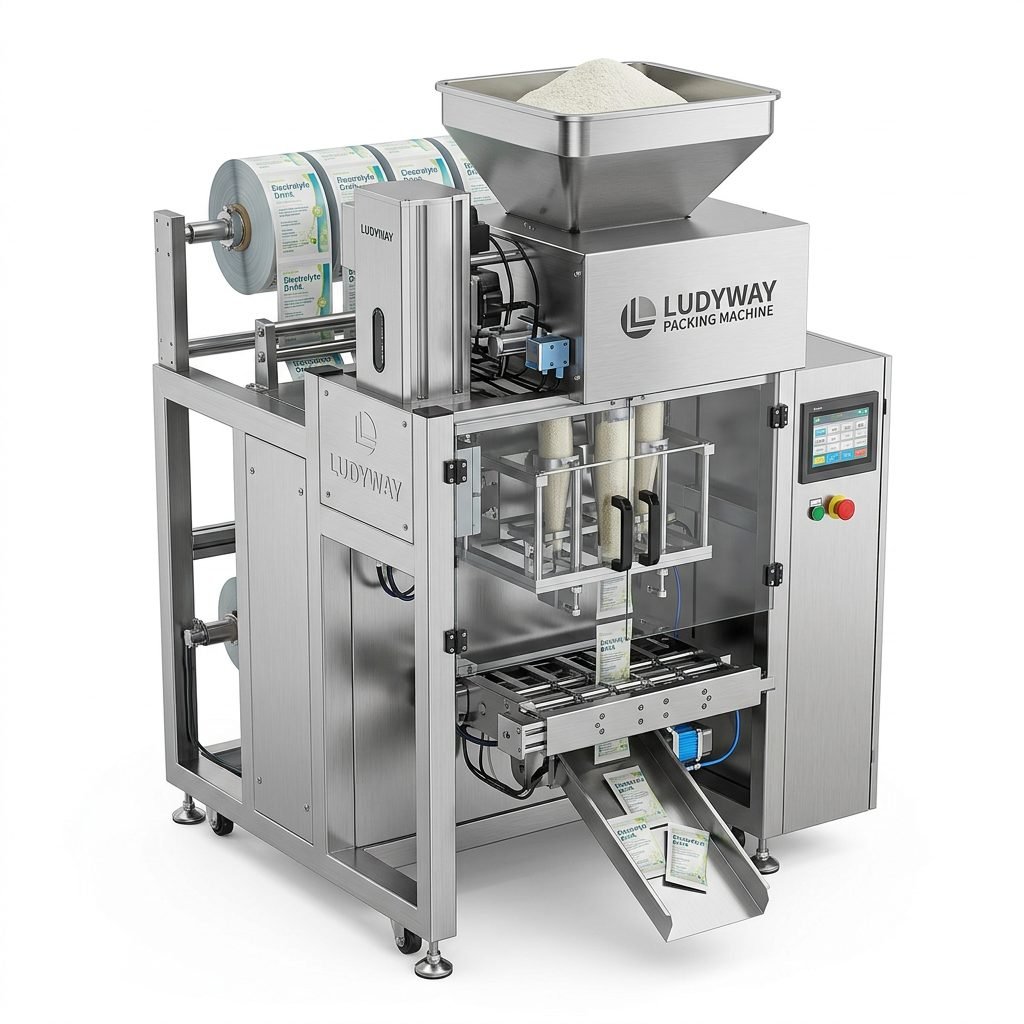
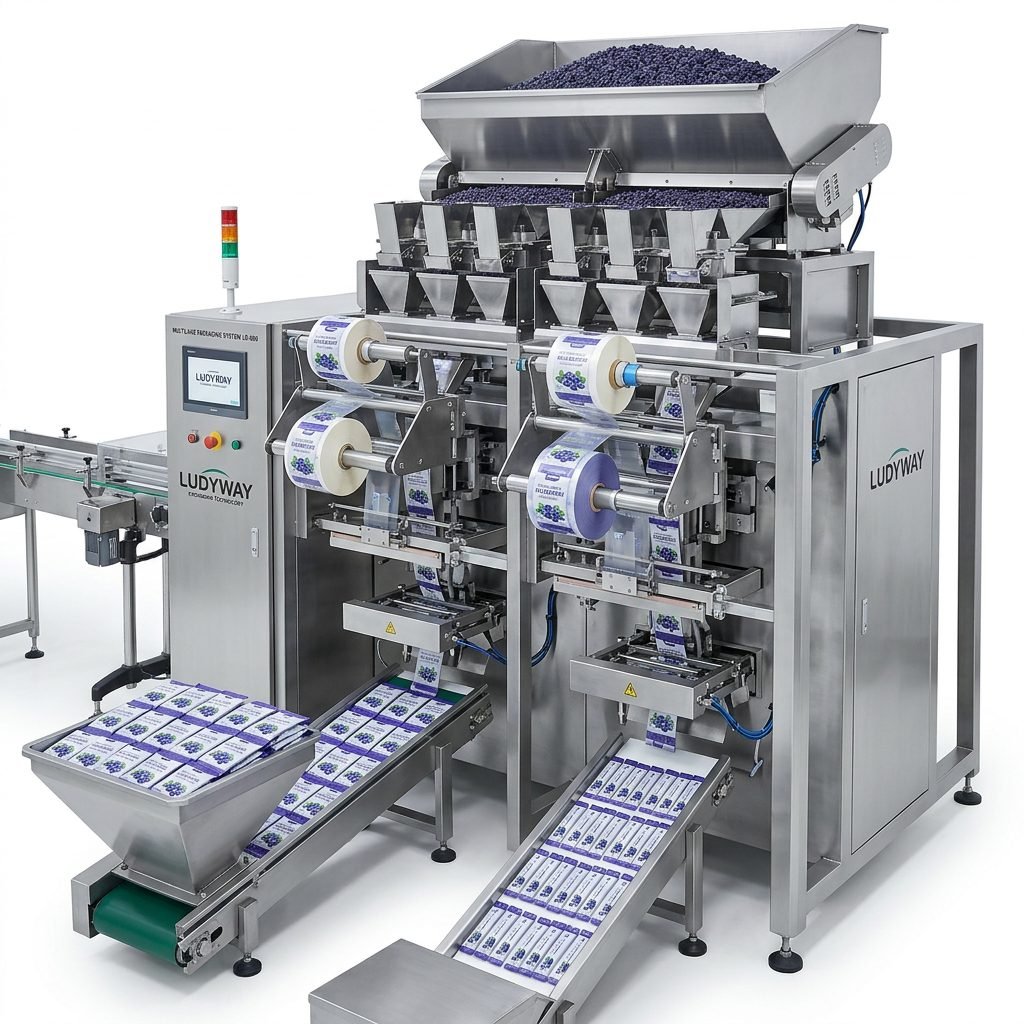
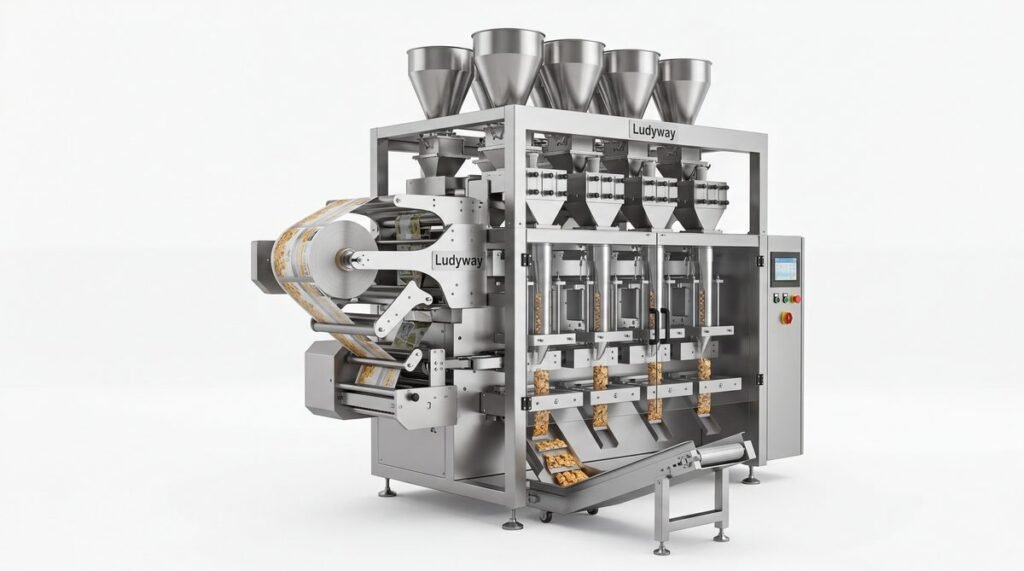
Investing in a cardboard box packaging machine is a strategic decision that directly impacts your production efficiency, product protection, and bottom line. With countless configurations, automation levels, and technical specifications available, navigating the market can be overwhelming. This comprehensive buyer’s guide breaks down every critical factor—from assessing your operational needs to evaluating long-term ROI—so you can select the right carton packaging equipment with confidence.
Understanding Your Production Requirements: The Foundation of Selection
Before comparing machine models, you must define your operational parameters. A mismatch between machine capability and production demand is the most common and costly mistake buyers make. Start by documenting these core variables:
- Production Volume: How many boxes per minute, hour, or shift do you need to process? Low-volume operations may suit semi-automatic systems, while high-speed lines demand fully automated solutions.
- Box Dimensions and Styles: Do you use standard RSC (Regular Slotted Container) boxes, die-cut mailers, or multi-depth cartons? Confirm the machine’s minimum and maximum size range.
- Product Characteristics: Weight, fragility, and shape of your products influence the required handling, insertion, and sealing mechanisms.
- Line Integration: Will the machine operate standalone, or integrate with upstream fillers, labelers, and downstream palletizing systems?
- Facility Constraints: Available floor space, ceiling height, power supply, and compressed air requirements must be verified early.
Types of Cardboard Box Packaging Machines: Matching Technology to Application
The term cardboard box packaging machine encompasses several distinct equipment categories. Each serves a specific function within the packaging line. Understanding these differences ensures you invest in the right technology.
| Machine Type | Primary Function | Best Suited For | Automation Level |
|---|---|---|---|
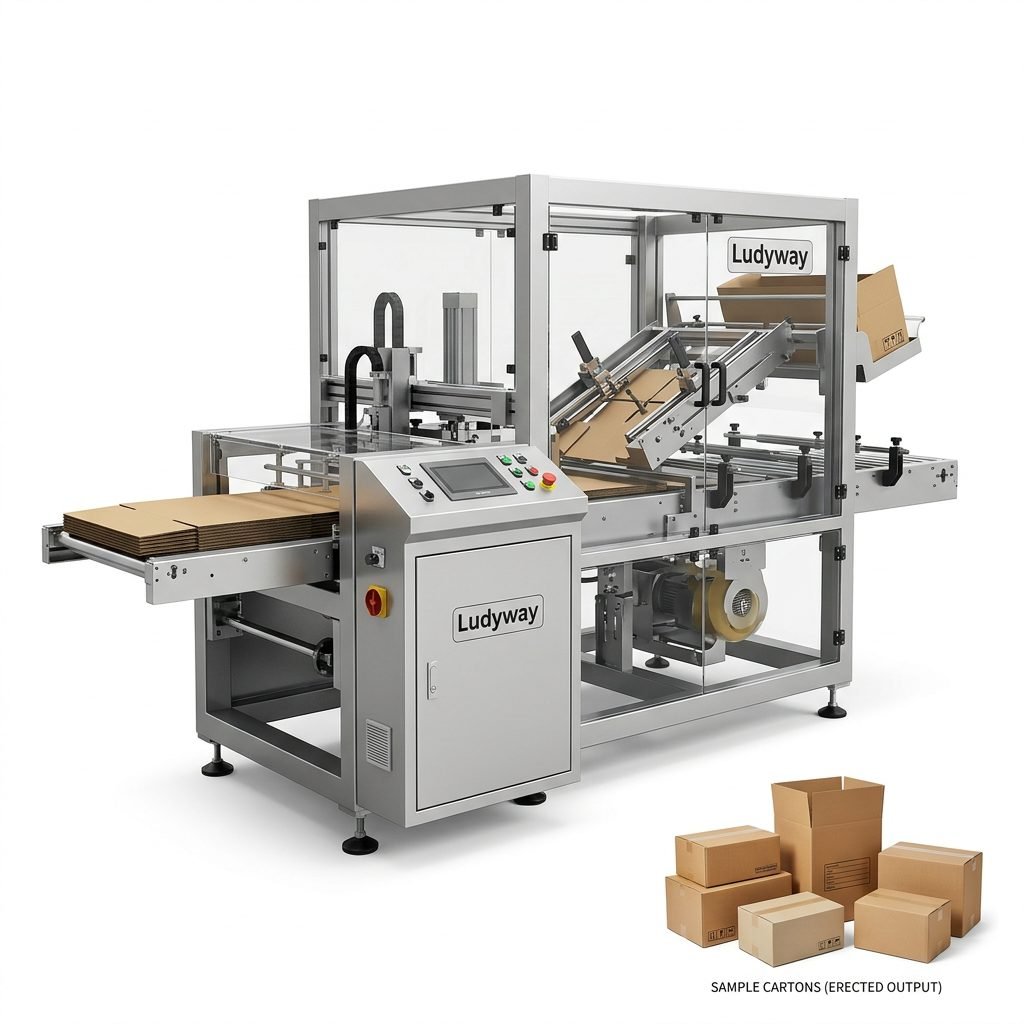
| Carton Erectors | Form flat carton blanks into erected boxes, fold bottom flaps, and seal | High-volume lines requiring consistent box forming | Semi-automatic to fully automatic |
| Case Packers | Load products into erected boxes via side-load, top-load, or wrap-around methods | Diverse product shapes; food, pharma, and consumer goods | Manual to robotic pick-and-place |
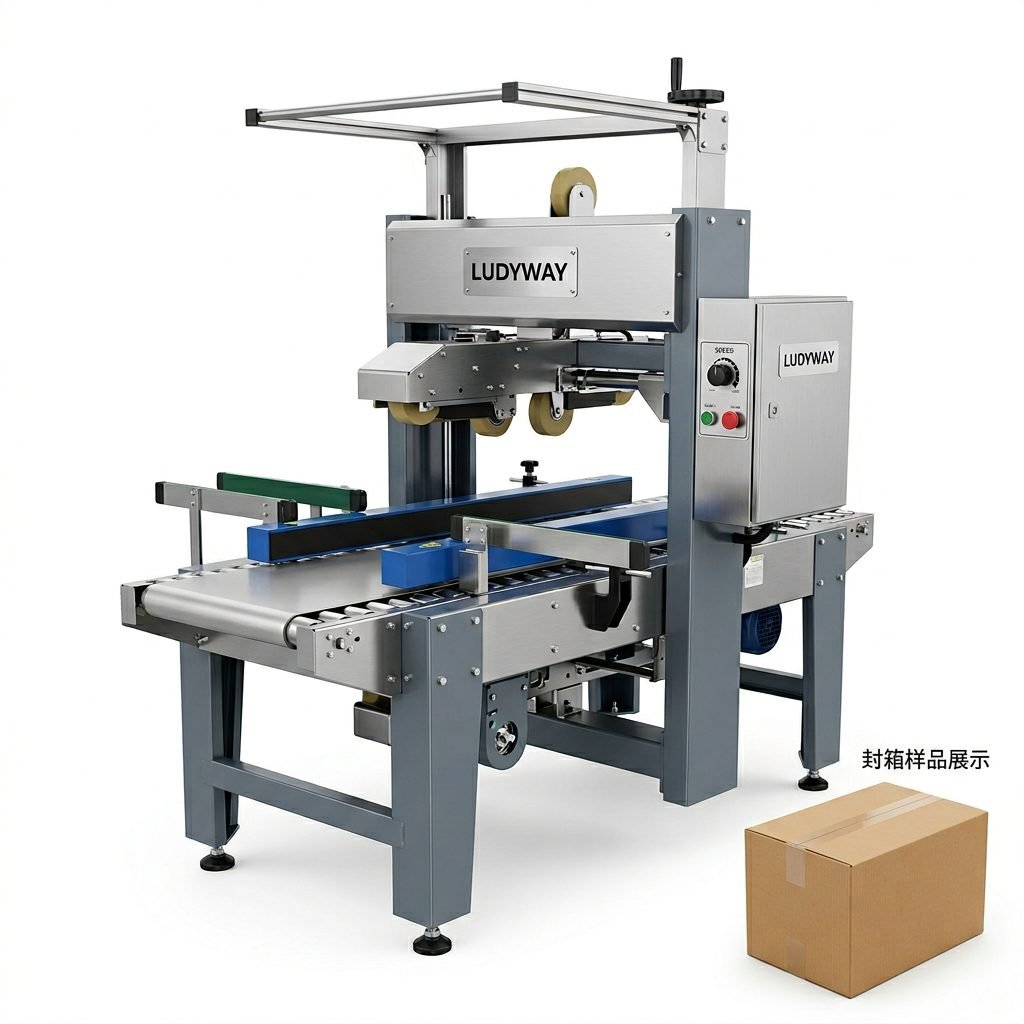
| Carton Sealers | Apply adhesive tape or hot melt glue to top and bottom case flaps | End-of-line sealing for uniform or mixed box sizes | Semi-automatic to fully automatic |
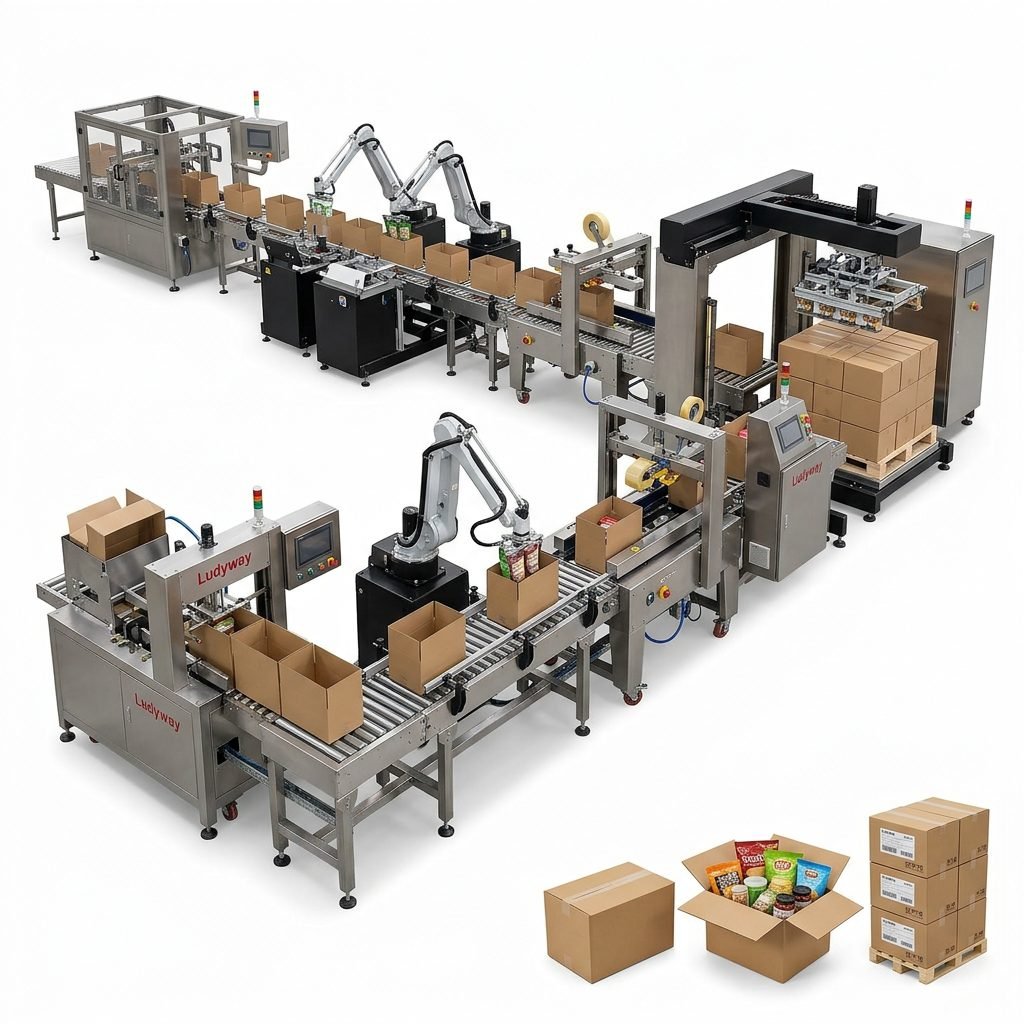
| Integrated Cartoning Systems | Combine erecting, loading, and sealing in one continuous system | Complex, high-speed packaging operations | Fully automatic, often with servo-driven controls |
Key Technical Specifications: Reading Beyond the Brochure
When evaluating different cardboard box packaging machines, certain specifications are non-negotiable. Overlooking these details can lead to bottlenecks, excessive downtime, or costly retrofits. Prioritize the following parameters in your evaluation:
Speed and Throughput Capacity
Manufacturers often quote maximum theoretical speeds. Real-world throughput depends on box complexity, product characteristics, and changeover frequency. Request cycle rate data validated under conditions similar to your operation. Consider whether you need a machine that can comfortably exceed your current peak demand by at least 20% to accommodate future growth.
Changeover Flexibility
If your production runs involve frequent box size changes, changeover time becomes a critical productivity metric. Modern servo-driven systems can complete size adjustments in under 60 seconds with recipe-based controls, while older mechanical designs may require 15–30 minutes. Evaluate whether tool-less changeover features are essential for your operational workflow.
Footprint and Layout Configuration
Machine dimensions must align with your available floor space and existing line layout. Consider not only the machine’s static footprint but also clearance requirements for maintenance access, material loading, and operator walkways. Some carton erectors and sealers offer compact vertical designs that minimize floor space consumption.
Automation, Controls, and Smart Features: Future-Proofing Your Investment
The packaging industry increasingly moves toward Industry 4.0 standards and smart manufacturing. A modern cardboard box packaging machine should offer more than mechanical reliability. Consider these automation capabilities that can significantly impact total equipment effectiveness (OEE):
- Servo-Driven Motion Control: Provides precise, programmable movements for box forming, loading, and sealing, enabling faster cycles and gentler product handling.
- HMI and Recipe Management: Intuitive touchscreen interfaces with stored recipes reduce operator error and accelerate changeovers across different box formats.
- Remote Diagnostics and IoT Connectivity: Enables real-time performance monitoring, predictive maintenance alerts, and remote troubleshooting by technical support teams.
- Integration-Ready Architecture: Standard communication protocols (Ethernet/IP, Profinet, Modbus) ensure seamless connectivity with upstream and downstream equipment, including flexible packaging systems.
- Vision Inspection Compatibility: Built-in mounting points and software interfaces for code verification, label inspection, and box quality checks reduce post-packaging rejects.
Budget Considerations: Total Cost of Ownership Over Purchase Price
Focusing solely on the upfront capital expenditure of a carton packaging machine can be misleading. A comprehensive financial analysis should account for the total cost of ownership (TCO) over the equipment’s expected lifespan—typically 10 to 15 years for well-maintained machinery.
Breakdown of Total Ownership Costs
| Cost Category | Estimated Share of TCO | Key Variables |
|---|---|---|
| Initial Purchase and Installation | 30% – 40% | Machine configuration, customization, shipping, and commissioning |
| Consumables and Operating Materials | 20% – 30% | Tape, glue, carton blanks, energy consumption |
| Maintenance and Spare Parts | 15% – 20% | Preventive maintenance schedules, wear part replacement, service contracts |
| Downtime and Productivity Loss | 10% – 15% | Reliability track record, changeover efficiency, technical support availability |
| Operator Training and Labor | 5% – 10% | Automation level, ease of use, required operator skill level |
A machine with a higher initial price but lower operating costs, faster changeovers, and better reliability often delivers superior long-term value. Request detailed TCO projections from potential suppliers and validate them against industry benchmarks and market research data.
Supplier Evaluation: Beyond the Equipment Specification Sheet
Choosing the right packaging machinery manufacturer is as important as selecting the machine itself. The supplier relationship extends far beyond the initial sale and directly influences your ongoing operational success. Assess potential partners on these dimensions:
- Industry Experience and Track Record: How many installations has the supplier completed in your specific industry? Relevant application experience reduces project risk and accelerates commissioning. Some manufacturers, such as Ludyway Machinery, have over 30 years of experience supplying automated packaging equipment across food, pharmaceutical, chemical, and consumer goods sectors.
- Customization and Engineering Capabilities: Can the supplier adapt standard designs to your unique product, box format, and line layout requirements? Strong in-house engineering teams can deliver tailored solutions without the cost of fully bespoke machinery.
- After-Sales Support Infrastructure: Verify the availability of remote technical support, on-site service, spare parts inventory, and operator training programs. Equipment downtime costs multiply when support response is delayed.
- Quality Certifications and Compliance: For regulated industries, confirm that machines can meet applicable standards such as ISO packaging standards, CE marking, and FDA requirements for food contact materials.
- Customer References and Site Visits: Request references from companies with similar production volumes and packaging challenges. Where feasible, conduct a factory acceptance test (FAT) or visit an existing installation to observe the equipment in operation.
Integration and Installation Planning: Avoiding Pitfalls
Even the best cardboard box packaging machine can underperform if integration is poorly planned. Coordinate these critical activities with your supplier before the equipment ships:
Pre-Installation Checklist
- Confirm utility requirements: electrical supply (voltage, phase, amperage), compressed air (pressure, volume, quality), and any needed exhaust or dust collection connections.
- Prepare the floor surface: levelness, load-bearing capacity, and anchoring provisions must meet the manufacturer’s specifications.
- Plan material flow: ensure adequate space for raw carton blank storage, finished box accumulation, and waste trim removal.
- Coordinate upstream and downstream interfaces: verify conveyor heights, line speeds, and control handshake protocols with existing or new equipment.
- Schedule operator training: comprehensive training during commissioning reduces the learning curve and prevents early-stage operational errors.
Frequently Asked Questions About Cardboard Box Packaging Machines
What is the typical lead time for a custom-configured carton packaging machine?
Lead times vary depending on machine complexity, customization level, and manufacturer backlog. Standard configurations may ship in 8–12 weeks, while highly customized integrated systems can require 16–26 weeks from order confirmation to delivery. Always confirm current lead times during the quotation stage and factor them into your project timeline.
Should I choose a semi-automatic or fully automatic machine?
The decision hinges on your production volume, labor costs, and consistency requirements. Semi-automatic machines are appropriate for throughputs below 5–8 boxes per minute where manual loading is feasible. Fully automatic systems become economically justified at higher volumes, especially where labor costs are significant or where consistent box quality and repeatable sealing are essential.
How do I calculate the ROI of a new carton packaging system?
Calculate ROI by comparing the total cost of ownership against measurable operational savings: reduced labor hours, decreased corrugated material waste, lower product damage rates, increased throughput, and reduced downtime. Most well-specified carton packaging equipment achieves payback within 18–36 months in moderate to high-volume operations.
Key Takeaways: A Structured Approach to Machine Selection
Selecting the right cardboard box packaging machine requires a methodical evaluation process that balances technical requirements, commercial considerations, and supplier capabilities. The most successful installations result from thorough front-end planning and a clear understanding of both current needs and future growth projections.
- Document your production requirements, box specifications, and line integration needs before engaging suppliers.
- Compare machine types objectively—carton erectors, case packers, and sealers serve distinct functions and should match your specific application.
- Evaluate total cost of ownership rather than purchase price alone, including consumables, maintenance, and downtime costs over the equipment’s lifespan.
- Prioritize suppliers with demonstrated industry experience, strong engineering capabilities, and responsive after-sales support networks.
- Invest in automation features—servo controls, IoT connectivity, and recipe management—that enhance flexibility and future-proof your packaging line against evolving market demands.
By applying the structured evaluation framework outlined in this guide, you can navigate the diverse landscape of carton packaging machinery with clarity and confidence. The right machine, supported by the right partner, becomes a long-term asset that drives productivity, quality, and profitability across your packaging operations. For additional insights on packaging machinery market trends and equipment innovations, consult resources from industry associations such as the PMMI packaging industry knowledge library and Flexible Packaging Association research.