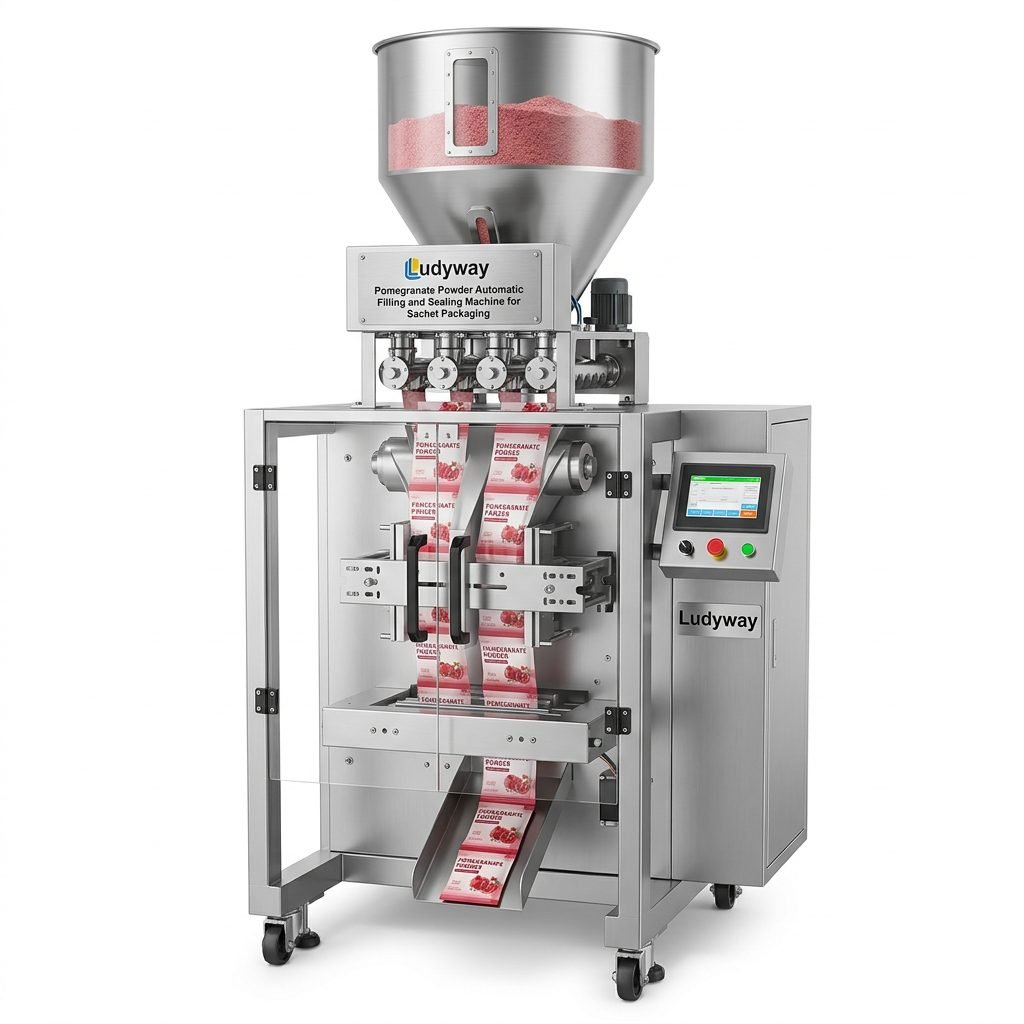
Selecting the right auger packing machine is one of the most critical decisions for manufacturers handling powders, granules, and fine-particle products. A poorly matched machine can lead to inaccurate fills, product waste, excessive downtime, and costly rework. This comprehensive buyer’s guide walks you through the essential factors to evaluate before making your investment, helping you choose equipment that aligns with your production goals, product characteristics, and operational requirements.
What Is an Auger Packing Machine?
An auger packing machine is a volumetric filling system that uses a rotating screw (auger) to dispense precise amounts of dry, free-flowing, or semi-free-flowing products into bags, pouches, sachets, bottles, or containers. Unlike other filling technologies, auger fillers excel at handling fine powders, dusty materials, and products with inconsistent bulk density. They are widely used across industries including food and beverage, pharmaceuticals, chemicals, cosmetics, and nutraceuticals.
According to industry data from the PMMI Business Intelligence Library, powder filling equipment continues to see strong demand growth driven by increased consumption of powdered nutritional supplements, instant beverages, and pharmaceutical formulations globally.
Key Factors to Evaluate Before Purchasing
Every product and production environment is different. Before comparing machine specifications, clearly define your requirements across the following areas. This upfront analysis will significantly narrow your options and help you communicate effectively with equipment suppliers.
1. Product Characteristics
The physical properties of your product directly determine which auger configuration will work effectively. Understanding these properties is absolutely essential:
- Bulk density and flowability: Free-flowing granules behave very differently from cohesive, sticky, or aerated powders. Products with low bulk density may require specialized hopper agitation systems.
- Particle size distribution: Consistent particle size helps maintain fill accuracy. Products with wide particle size ranges or irregular shapes can present challenges for standard auger tooling.
- Moisture content and hygroscopicity: Moisture-sensitive or hygroscopic products may require sealed hoppers, nitrogen purging, or climate-controlled filling environments.
- Abrasive properties: Highly abrasive materials accelerate wear on auger components and contact surfaces, requiring hardened or coated parts.
- Temperature sensitivity: Some products require temperature-controlled filling to preserve product integrity or prevent melting during the filling process.
2. Filling Accuracy and Precision Requirements
Different applications demand different levels of accuracy. Understanding your tolerance requirements is fundamental to choosing the right dosing system. The ISO packaging standards provide useful benchmarks for acceptable fill tolerances across various product categories:
- Pharmaceutical products typically require the tightest tolerances, often ±1% or better for active ingredient powders
- Food and nutritional products generally accept tolerances in the ±1-3% range
- Industrial and chemical products may allow wider tolerances depending on application requirements
- High-value products demand higher precision to minimize product giveaway and protect margins
3. Production Speed and Throughput
Match the machine’s output capacity to your current and anticipated production needs. Key considerations include:
- Current production volume per shift or day
- Projected growth over the next 3-5 years
- Fill weight range — smaller fills generally allow higher speeds
- Container changeover frequency and its impact on overall equipment effectiveness (OEE)
- Single-lane versus multi-lane configurations for scaling output
Technical Specification Comparison
The table below highlights key specification ranges to consider when evaluating different auger packing machine models. Use this as a reference framework during supplier discussions.
| Specification Category | Entry-Level / Standard | Mid-Range / Production | High-Speed / Multi-Lane |
|---|---|---|---|
| Fill Range | 1g – 500g | 0.5g – 5kg | 0.1g – 2kg per lane |
| Accuracy | ±2-3% | ±1-2% | ±0.5-1% |
| Speed (packs/min) | 20-40 | 40-80 | 80-400+ (multi-lane) |
| Hopper Capacity | 15-30 liters | 30-80 liters | 80-200+ liters |
| Automation Level | Semi-automatic | Fully automatic | Integrated line with servo control |
| Typical Applications | Small-batch, pilot production | Medium-volume manufacturing | Large-scale continuous production |
Industry-Specific Considerations
Different industries impose unique requirements on packaging equipment. According to the Flexible Packaging Association’s industry resources, understanding sector-specific compliance needs early in the selection process prevents costly retrofits later. Here are key industry-specific factors:
Pharmaceutical and Nutraceutical
- GMP compliance with validated cleaning procedures
- Materials must meet FDA food contact substance requirements
- Dust containment systems for potent or active compounds
- Serialization and track-and-trace integration capabilities
- Cleanroom-compatible construction with easy-to-clean surfaces
Food and Beverage
- Food-grade stainless steel contact parts (typically 304 or 316L)
- Washdown-ready designs for wet cleaning environments
- Quick-change tooling for frequent product or format changes
- Metal detection and checkweighing integration
- Compliance with regional food safety regulations
Chemicals and Industrial Products
- Corrosion-resistant materials for aggressive chemical products
- Explosion-proof configurations for combustible dust environments
- Heavy-duty construction for abrasive and dense materials
- Dust extraction ports for operator safety and environmental compliance
Machine Construction and Build Quality
The quality of materials and construction directly impacts long-term reliability, maintenance costs, and equipment lifespan. Evaluate these aspects carefully:
- Frame construction: Heavy-gauge stainless steel or anodized aluminum frames provide stability and corrosion resistance. Lightweight frames can cause vibration issues that compromise filling accuracy.
- Auger and tooling materials: Tool steel, hardened stainless steel, or coated augers resist wear from abrasive products. The right material choice extends service intervals significantly.
- Motor and drive system: Servo-driven auger systems offer superior speed control, positioning accuracy, and recipe management compared to clutch-brake or AC motor drives.
- Sealing and bearing protection: Well-designed seals prevent product ingress into bearings and drives, a common failure point in powder filling equipment.
- Control system architecture: Modern PLC-based controls with touchscreen interfaces simplify operation, recipe storage, and troubleshooting.
Evaluating Supplier Capabilities
Choosing the right equipment partner is as important as selecting the right machine specifications. A capable supplier provides value well beyond the initial equipment sale. Consider these supplier evaluation criteria:
Manufacturing Experience and Track Record
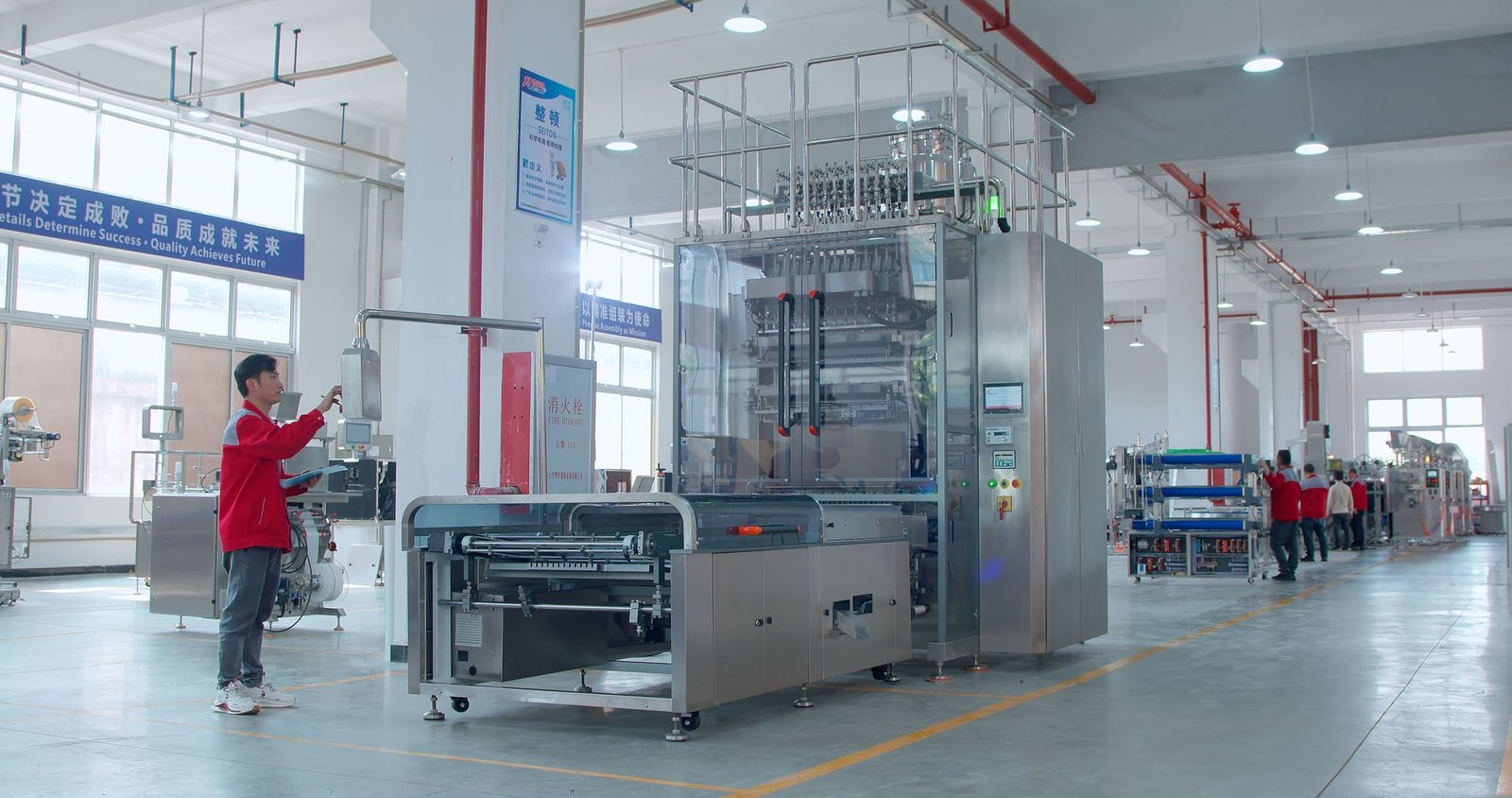
Look for manufacturers with demonstrated experience in your specific application area. Companies with decades of industry presence, such as Ludyway Machinery — a China-based packaging machinery manufacturer with more than 30 years of experience and a 20,000-square-meter manufacturing facility — have typically refined their designs through thousands of real-world installations across diverse industries. This accumulated engineering knowledge translates to more reliable equipment and better application support.
Technical Support and After-Sales Service
- Installation and commissioning support: On-site or remote assistance during startup
- Operator training programs: Comprehensive training reduces operating errors and downtime
- Spare parts availability: Readily available critical spare parts minimize production interruptions
- Technical documentation: Clear manuals, electrical schematics, and maintenance guides
- Warranty terms and conditions: Understand coverage duration, parts included, and service response commitments
Packaging Format Flexibility
Your auger packing machine should integrate seamlessly with your chosen packaging formats. Common configurations include:
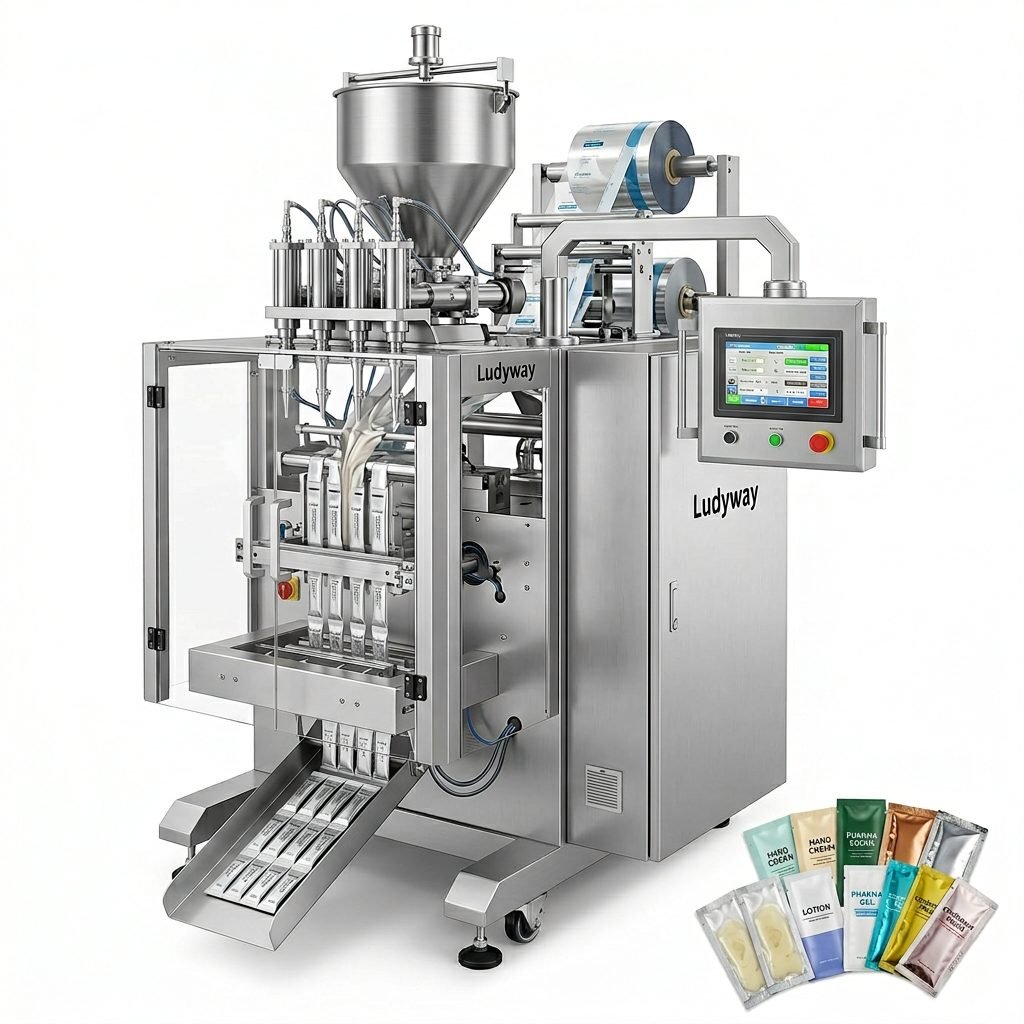
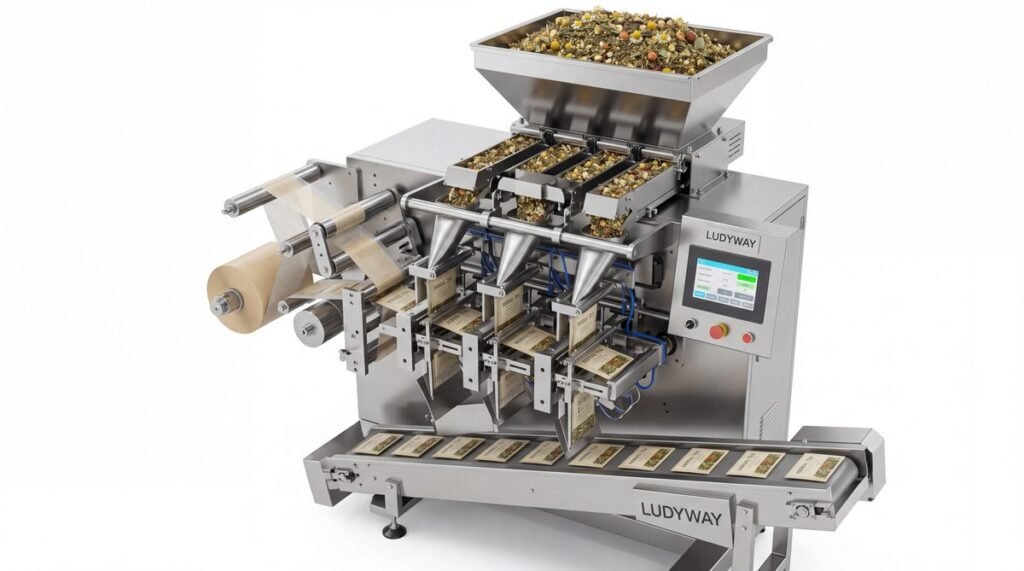
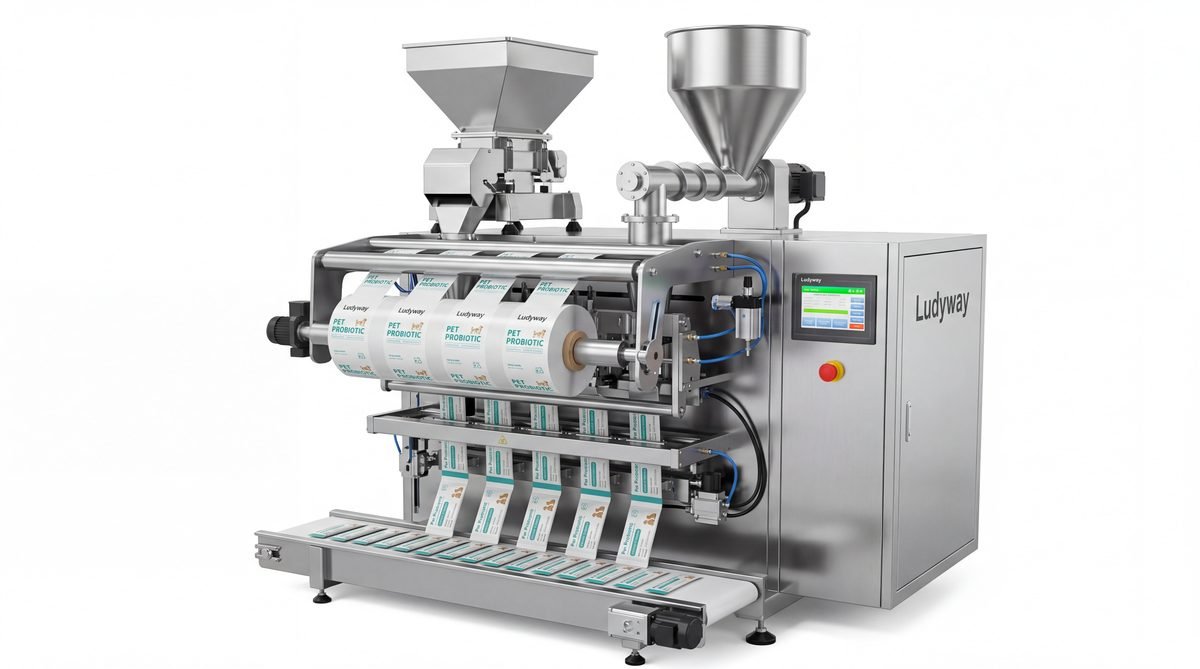
- Stick packs and sachets: Popular for single-serve powders, instant beverages, and pharmaceutical doses
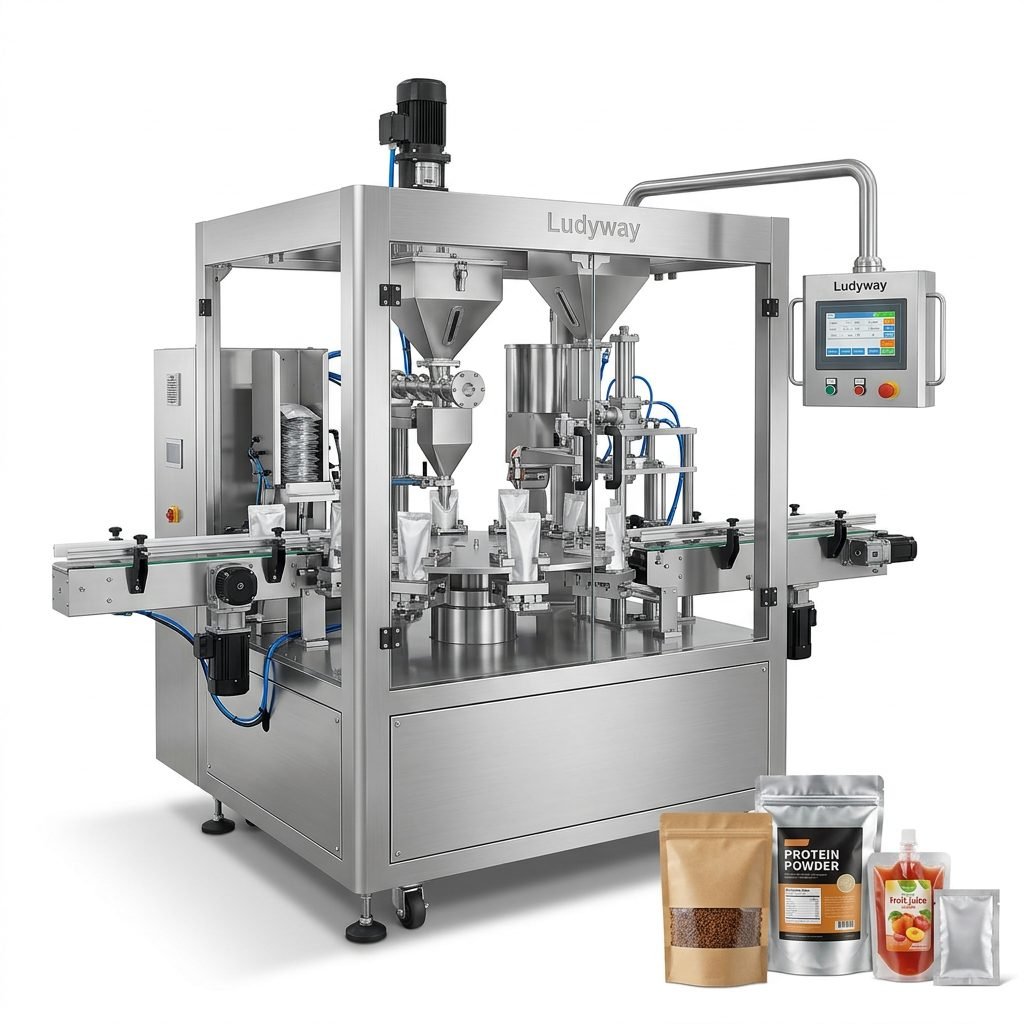
- Pre-made pouches: Stand-up, flat, or zipper pouches for retail products
- Bottles and jars: Common for nutritional supplements, spices, and industrial powders
- Bulk bags: For industrial quantities ranging from 5kg to 50kg or more
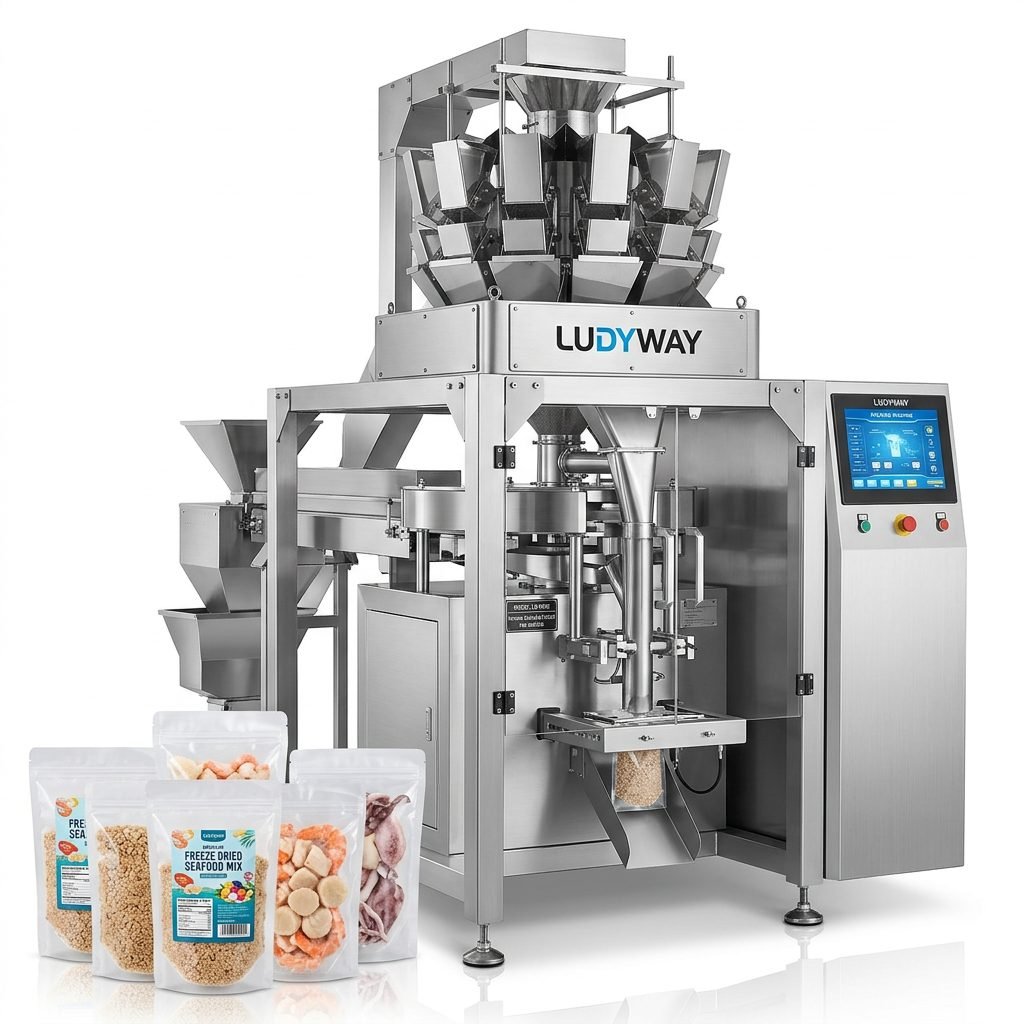
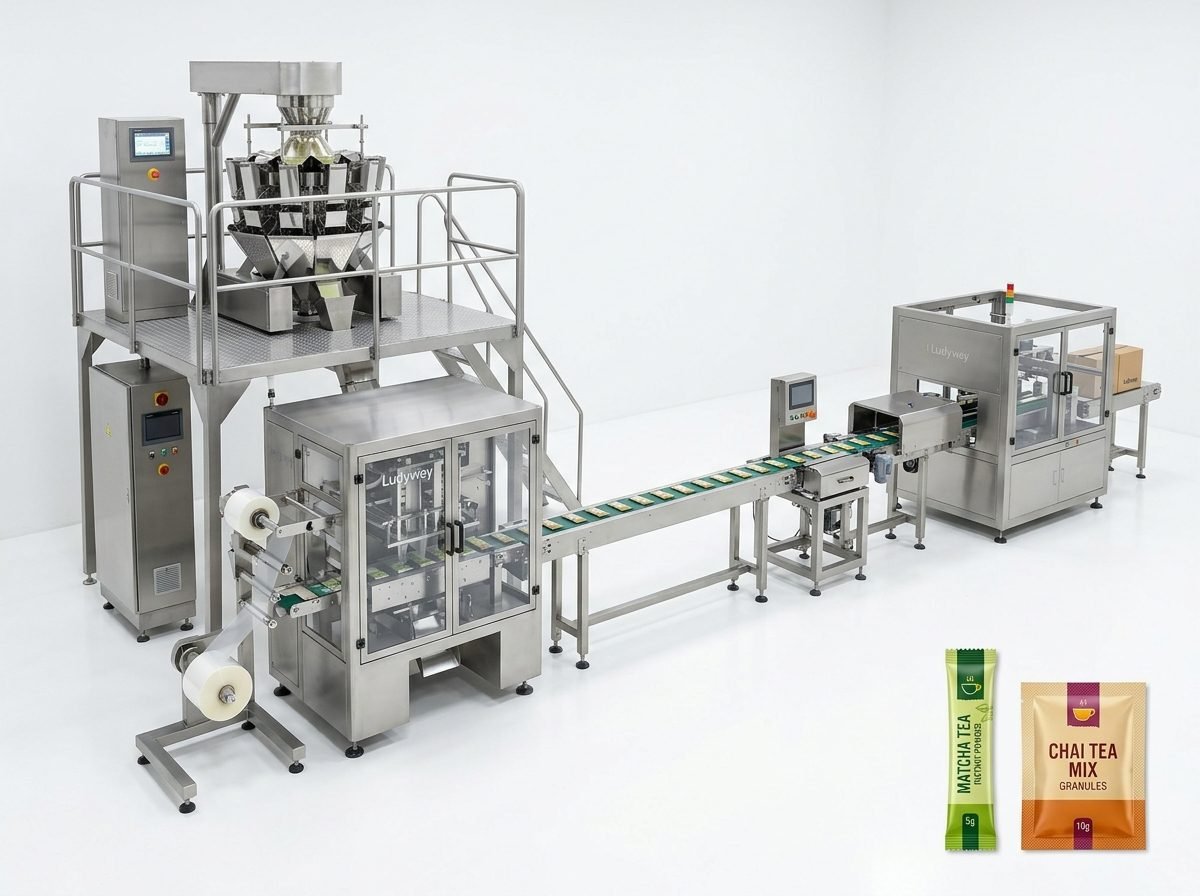
- Form-fill-seal (VFFS/HFFS): Integrated vertical or horizontal systems for high-speed continuous production
For manufacturers seeking comprehensive guidance on packaging standards and material compatibility, the PMMI packaging industry resources portal offers valuable technical references and regulatory updates.
Automation and Integration Considerations
Modern auger packing machines rarely operate in isolation. Consider how the equipment will integrate into your broader production ecosystem:
- Upstream integration: Connection to product supply systems, feeders, conveyors, and bulk storage
- Downstream integration: Compatibility with checkweighers, metal detectors, coders, cartoners, and palletizers
- Data connectivity: IIoT readiness, production data logging, OEE tracking, and ERP/MES integration
- Automation scalability: Ability to add robotic pick-and-place, automated changeover, or inline quality inspection
Total Cost of Ownership Analysis
The purchase price represents only a fraction of the total cost over the machine’s service life. A thorough total cost of ownership (TCO) analysis should account for:
| Cost Component | Considerations | Impact on TCO |
|---|---|---|
| Initial equipment cost | Base machine, tooling, options | Medium |
| Installation and commissioning | Site preparation, integration, training | Low-Medium |
| Spare parts and consumables | Augers, seals, belts, filters, wear parts | High (recurring) |
| Energy consumption | Motor efficiency, compressed air usage | Medium |
| Product giveaway | Overfill from poor accuracy | High (often overlooked) |
| Downtime and lost production | Reliability, changeover time, maintenance | Very high |
| Operator labor | Automation level, ease of use | Low-Medium |
Making the Final Decision
After evaluating technical specifications, supplier capabilities, and total cost considerations, synthesize your findings into a structured comparison. Key steps in finalizing your decision include:
- Request product trials: Run your actual product on shortlisted machines to verify fill accuracy, speed, and product handling behavior
- Visit reference installations: Seeing similar machines in production environments provides invaluable real-world insights
- Review service agreements: Understand preventive maintenance schedules, response times, and remote support capabilities
- Validate compliance documentation: Ensure the equipment meets all applicable regulatory requirements for your target markets
- Plan for future scalability: Choose a platform that can grow with your business through modular upgrades or line extensions
Conclusion
Choosing the right auger packing machine requires a methodical approach that balances technical requirements, operational needs, supplier capabilities, and long-term cost considerations. By thoroughly evaluating product characteristics, accuracy requirements, production speed, build quality, and after-sales support, you position your operation for reliable, efficient, and scalable powder filling performance. Investing time in the selection process upfront pays dividends through higher productivity, reduced waste, and fewer production disruptions over the equipment’s entire service life.
For additional insights on packaging machinery trends and market developments, explore the global packaging machinery growth analysis and industry forecasts that highlight emerging opportunities in automated powder filling technologies.