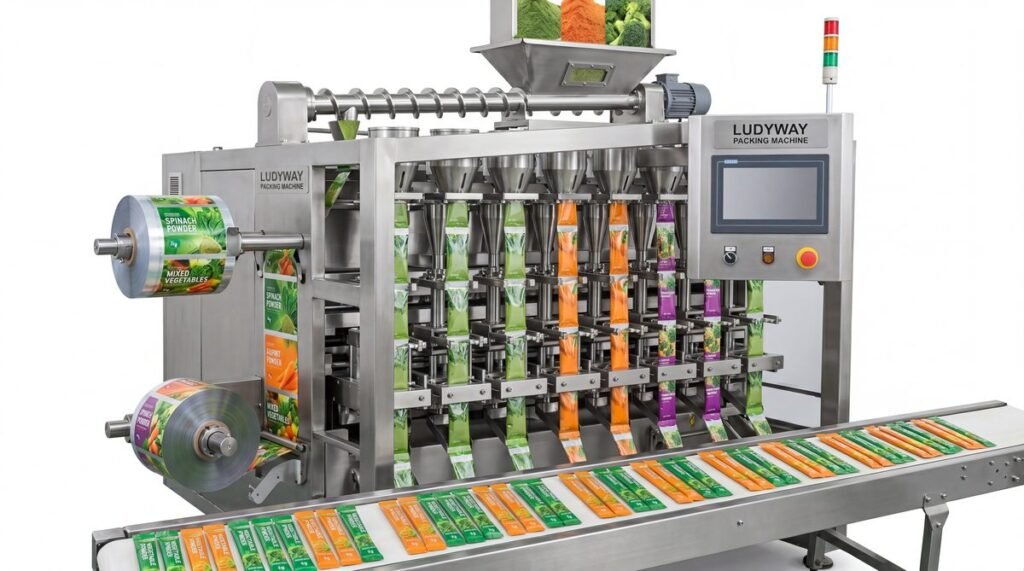
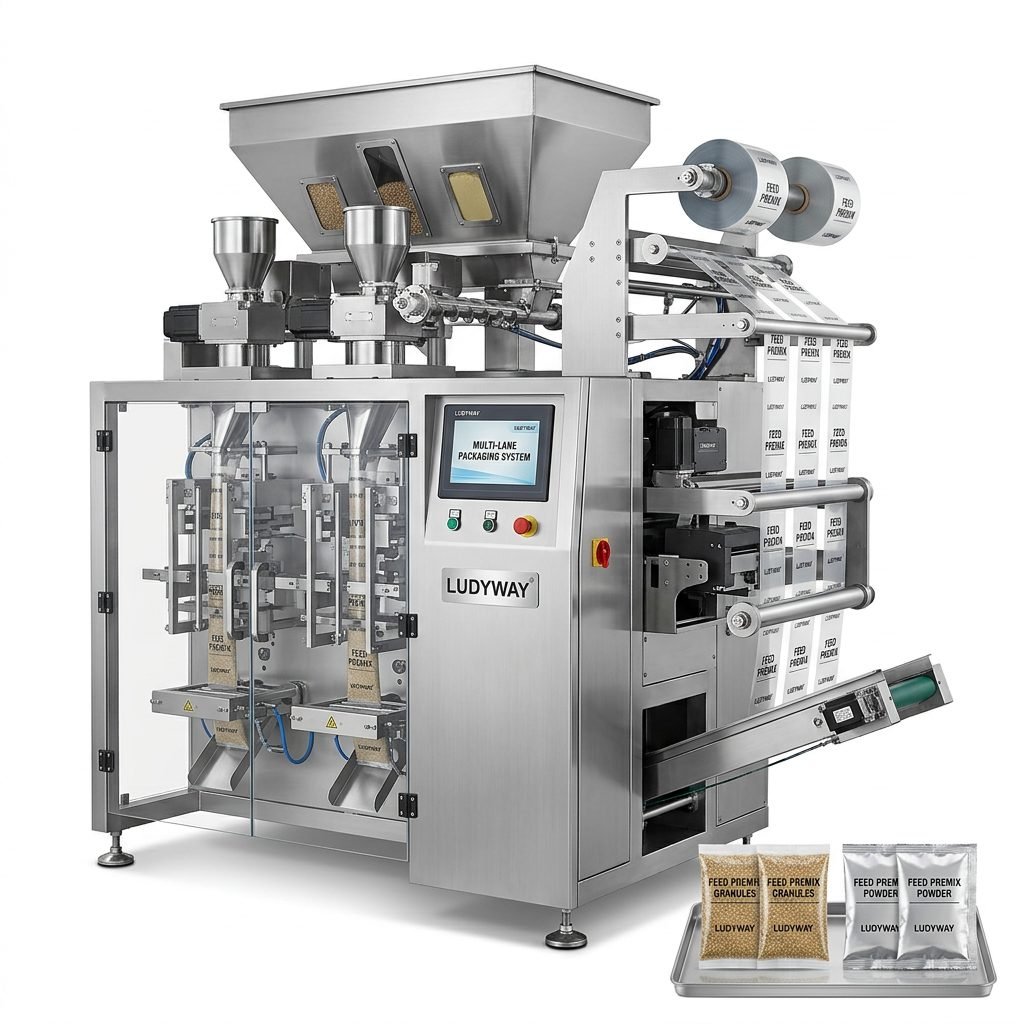
Selecting the right chicken vacuum packing machine is a critical decision for poultry processors, food manufacturers, and packaging operations. The right equipment can significantly extend product shelf life, reduce waste, improve food safety, and optimize your production line efficiency. This comprehensive guide will walk you through every factor you need to evaluate before making your investment.

Understanding Vacuum Packaging for Chicken Products
Vacuum packaging removes air from the package before sealing, creating an oxygen-depleted environment that inhibits bacterial growth and prevents oxidation. For chicken products specifically, this technology is essential because poultry is highly perishable and susceptible to spoilage. According to FDA food packaging regulations, proper vacuum sealing is one of the most effective methods for maintaining food safety and extending shelf life in meat products.
When evaluating a chicken vacuum packing machine, you need to consider your specific production requirements, including the types of chicken products you process, your output volume, and your facility’s layout. Whether you are packaging whole chickens, bone-in parts, boneless cuts, or processed chicken products, the machine must be configured correctly to deliver consistent results.
Key Factors to Consider When Choosing a Chicken Vacuum Packing Machine
Production Capacity and Speed Requirements
Your daily production volume is the most important starting point. A small-scale poultry farm may only need a single-chamber vacuum sealer capable of processing 10-20 packages per minute, while a large commercial operation might require a double-chamber or continuous belt vacuum machine that can handle hundreds of packages per hour. Calculate your peak production needs and add a 20-30% buffer to accommodate future growth. The packaging machinery market data shows that under-sizing equipment is one of the most common and costly mistakes manufacturers make.
Chamber Type vs. External Vacuum Sealers
There are two primary configurations to choose from:
- Chamber vacuum machines: The entire product and bag are placed inside a chamber where vacuum is created. These are ideal for liquid-rich chicken products, marinated cuts, and bone-in pieces because they handle moisture effectively and provide consistent sealing pressure.
- External vacuum sealers: Only the open end of the bag is inserted into the machine. These are more compact and affordable but less suitable for high-moisture products or heavy-duty production environments.
For most chicken processing applications, a chamber vacuum machine is the recommended choice due to its versatility and superior performance with protein products.
Packaging Material Compatibility
Your machine must be compatible with the packaging materials you intend to use. Common options include:
- PA/PE (Polyamide/Polyethylene) bags — Excellent barrier properties, ideal for fresh and frozen chicken
- EVOH barrier films — Superior oxygen barrier, extending shelf life significantly
- Shrink bags — Provide tight, professional appearance for retail display
- Vacuum skin packaging films — Perfect for premium retail chicken products
Refer to ISO packaging standards to ensure your materials meet international quality and safety requirements for food contact substances.

Hygiene and Food Safety Compliance
Chicken processing demands the highest hygiene standards. Look for machines constructed with stainless steel (304 or 316 grade) that can withstand frequent washdowns and resist corrosion from cleaning chemicals. The machine should feature smooth surfaces without crevices where bacteria can accumulate, and all food-contact components must be easily removable for thorough sanitation. Compliance with FDA food contact substance regulations is non-negotiable for any equipment used in poultry packaging.
Automation Level and Integration
Modern chicken vacuum packing machines range from semi-automatic to fully automated systems. Consider whether you need:
- Manual loading with automatic vacuum and seal cycle
- Semi-automatic with conveyor feeding
- Fully automatic with integrated weighing, bagging, vacuum sealing, and labeling
- Integration with upstream and downstream equipment such as checkweighers, metal detectors, and packaging line automation systems
Technical Specifications to Evaluate
When comparing different models, pay close attention to these key technical parameters:
- Vacuum pump capacity: Measured in m³/h, higher capacity means faster evacuation and shorter cycle times
- Sealing bar length and width: Determines the maximum bag size you can process
- Sealing temperature control: Precise temperature regulation ensures consistent seal integrity
- Cycle time: The total time from chamber closing to seal completion
- Power requirements: Ensure compatibility with your facility’s electrical supply
- Vacuum level achievable: Typically measured in mbar, with lower values indicating stronger vacuum
Comparing Different Vacuum Packing Technologies
The following table compares the most common vacuum packing technologies used in chicken processing operations. Understanding these differences is essential for selecting equipment that matches your production needs, product characteristics, and budget constraints.
| Machine Type | Best For | Speed Range | Approximate Investment | Maintenance Level |
|---|---|---|---|---|
| Single Chamber | Small farms, retail butchers | 5-30 packs/min | $3,000 – $15,000 | Low |
| Double Chamber | Medium processors, alternating operation | 20-60 packs/min | $12,000 – $40,000 | Medium |
| Continuous Belt | High-volume production lines | 40-120+ packs/min | $35,000 – $100,000+ | Medium-High |
| Thermoforming | Large-scale poultry plants | 60-200+ packs/min | $80,000 – $300,000+ | High |
| Vacuum Skin Packaging | Premium retail products | 30-100 packs/min | $50,000 – $200,000+ | Medium-High |
Cost Considerations and ROI Analysis
Beyond the initial purchase price, evaluate the total cost of ownership over the machine’s expected lifespan. Key cost factors include energy consumption, consumables such as vacuum pump oil and sealing gaskets, replacement parts, and labor requirements. A cheaper machine that requires frequent repairs or produces inconsistent seals will cost more in the long run than a well-built system with higher upfront investment. Calculate your ROI by factoring in reduced product waste, extended shelf life, labor savings from automation, and increased production throughput.
Industry data from PMMI’s State of the Industry reports consistently shows that food manufacturers who invest in modern automated packaging equipment achieve payback periods of 12-24 months on average, with ongoing efficiency gains year after year.
Maintenance and After-Sales Support
Regular maintenance is essential for keeping your chicken vacuum packing machine operating at peak performance. Before purchasing, verify that the manufacturer or supplier provides comprehensive after-sales support, including installation and commissioning, operator training, technical documentation, troubleshooting assistance, and readily available spare parts. Ask about warranty terms and whether extended service agreements are available. Remote technical support capabilities are increasingly important for minimizing downtime in global operations.
Spare Parts Availability
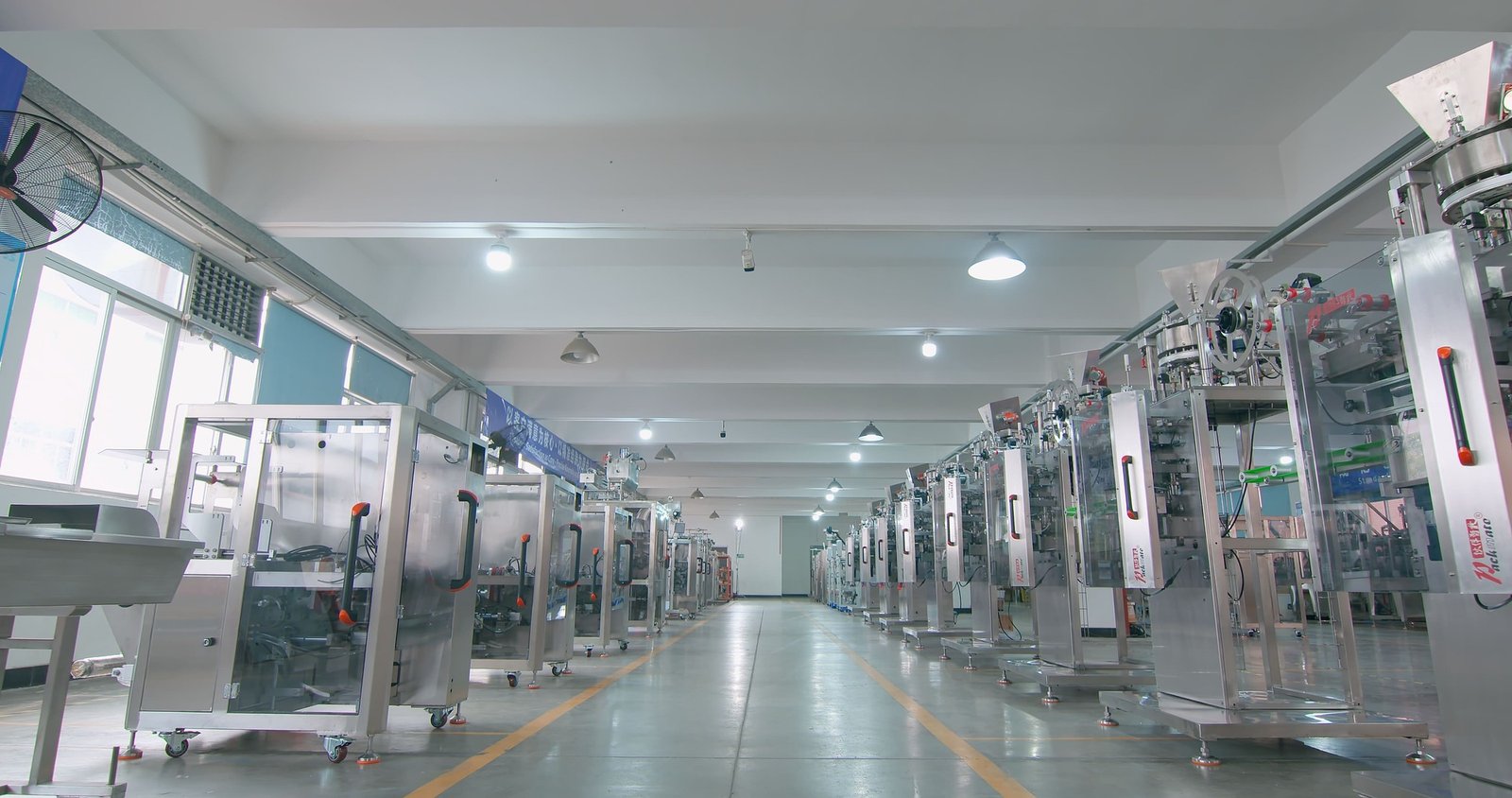
In the poultry processing industry, downtime directly impacts revenue. Ensure that critical spare parts such as sealing bars, vacuum pumps, gaskets, and control boards are readily available from your supplier. Ask about typical lead times for parts delivery and whether the supplier maintains regional parts inventory. The most reliable packaging machine manufacturer partners will have established global parts distribution networks to support your operation wherever you are located. Ludyway Machinery, for example, serves customers in more than 100 countries with comprehensive after-sales support, including spare parts supply and remote technical assistance.
Industry Standards and Certifications
Ensure your chosen machine meets applicable standards for your target markets. Common certifications and standards include CE marking for European markets, UL certification for North America, and compliance with ISO packaging standards for quality management. For food applications, the machine should support HACCP compliance and be designed according to hygienic engineering principles. The Flexible Packaging Association provides valuable resources on packaging material compliance and regulatory requirements that can help guide your equipment selection.
Frequently Asked Questions
What vacuum level is optimal for chicken packaging?
For most chicken products, a vacuum level of 2-5 mbar is recommended. This range effectively removes oxygen while preventing excessive compression that could damage delicate products or force juices out of the meat. Some specialized applications may require deeper vacuum levels, but this should be evaluated based on your specific product characteristics.
How do I prevent bone puncture in vacuum-packed chicken?
Bone-in chicken pieces can puncture standard vacuum bags. Solutions include using bone guard pads, selecting thicker-gauge films with higher puncture resistance, or employing vacuum skin packaging technology that conforms the film more gently around the product. Testing different material combinations with your specific products is essential before finalizing your packaging specification.
Can one machine handle both fresh and frozen chicken?
Yes, most commercial chicken vacuum packing machines can handle both fresh and frozen products, though the settings may need adjustment. Frozen products typically require slightly longer vacuum cycles. The key is ensuring the machine has sufficient vacuum pump capacity and adjustable parameters to accommodate different product temperatures and conditions.
What is the typical lifespan of a commercial vacuum packing machine?
With proper maintenance, a high-quality commercial vacuum packing machine should provide 10-15 years of reliable service. The vacuum pump is typically the component requiring the most attention, with pump rebuilds or replacements needed every 3-8 years depending on usage intensity and maintenance practices.
Making the Final Decision
Choosing the best chicken vacuum packing machine requires balancing your production needs, budget, and long-term operational goals. Start by clearly defining your requirements, then evaluate machines from reputable manufacturers that offer the features, support, and reliability your operation demands. Always request product demonstrations or sample testing with your actual chicken products before making a final commitment. The right machine will deliver consistent performance, reduce operating costs, and help ensure the quality and safety of your packaged chicken products for years to come.
For additional guidance, consult the resources available through PACK EXPO International and the PMMI packaging industry association, which offer comprehensive information on the latest packaging technologies, trends, and best practices in food packaging machinery.