Investing in a French fries packaging machine is a strategic decision that directly impacts product quality, shelf life, and production efficiency. Whether you are producing frozen French fries, fresh-cut fries, or snack-style fry products, the right packaging equipment ensures consistent sealing, accurate weight control, and protection against moisture and oxygen. This guide walks you through the essential factors to evaluate before making a purchase.
Understanding Your French Fries Packaging Requirements
Before comparing machine models, clearly define your production parameters. Different French fries products have distinct packaging needs:
- Frozen French fries require moisture-resistant, durable packaging materials and often need modified atmosphere packaging (MAP) to extend shelf life.
- Fresh-cut refrigerated fries demand breathable yet protective films to maintain texture and prevent spoilage.
- Snack-style fried potato sticks typically use nitrogen-flushed packaging to preserve crispness and prevent oxidation.
- Bulk frozen fries for food service may require larger bag formats and higher throughput systems.
Identifying your product characteristics — including moisture content, temperature requirements, and target shelf life — is the first critical step in narrowing down suitable packaging machinery. For manufacturers looking into broader packaging machinery market trends, understanding industry data can provide valuable context.
Key Machine Types for French Fries Packaging
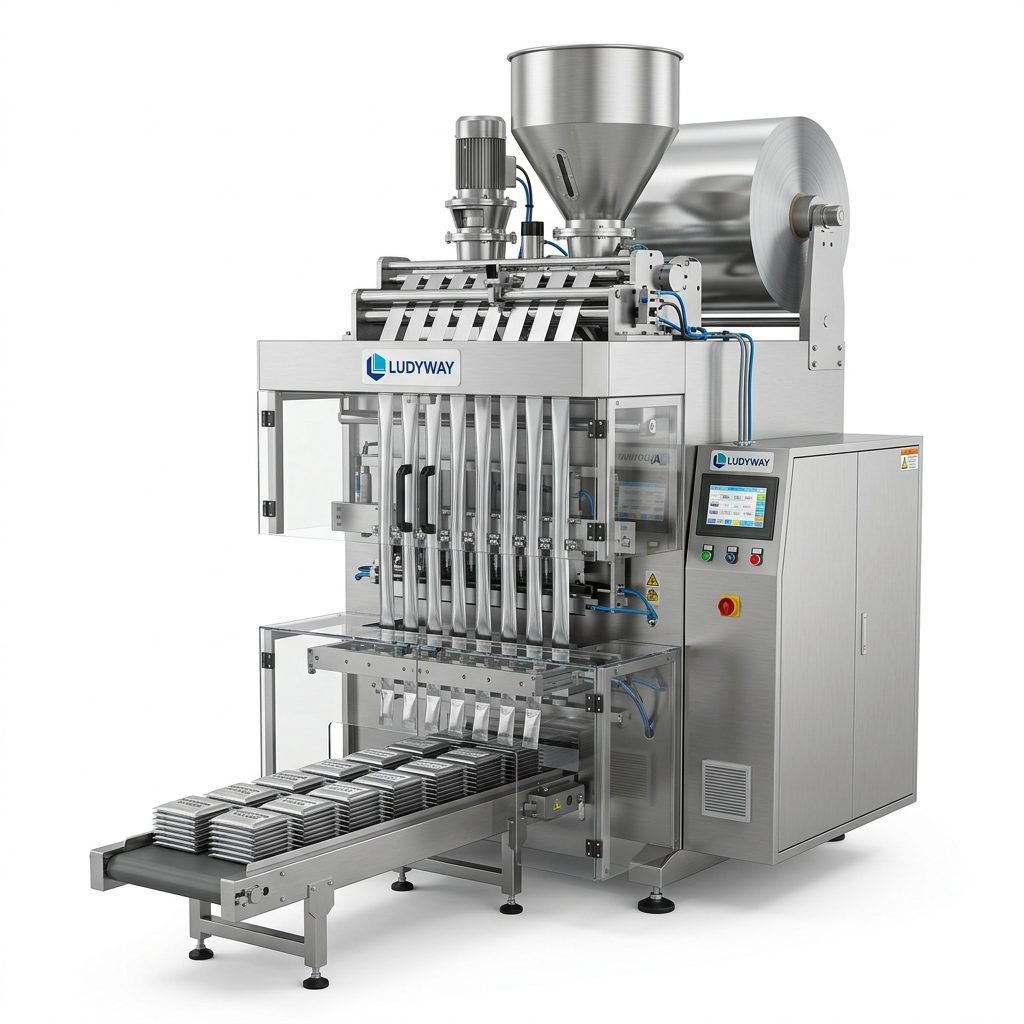
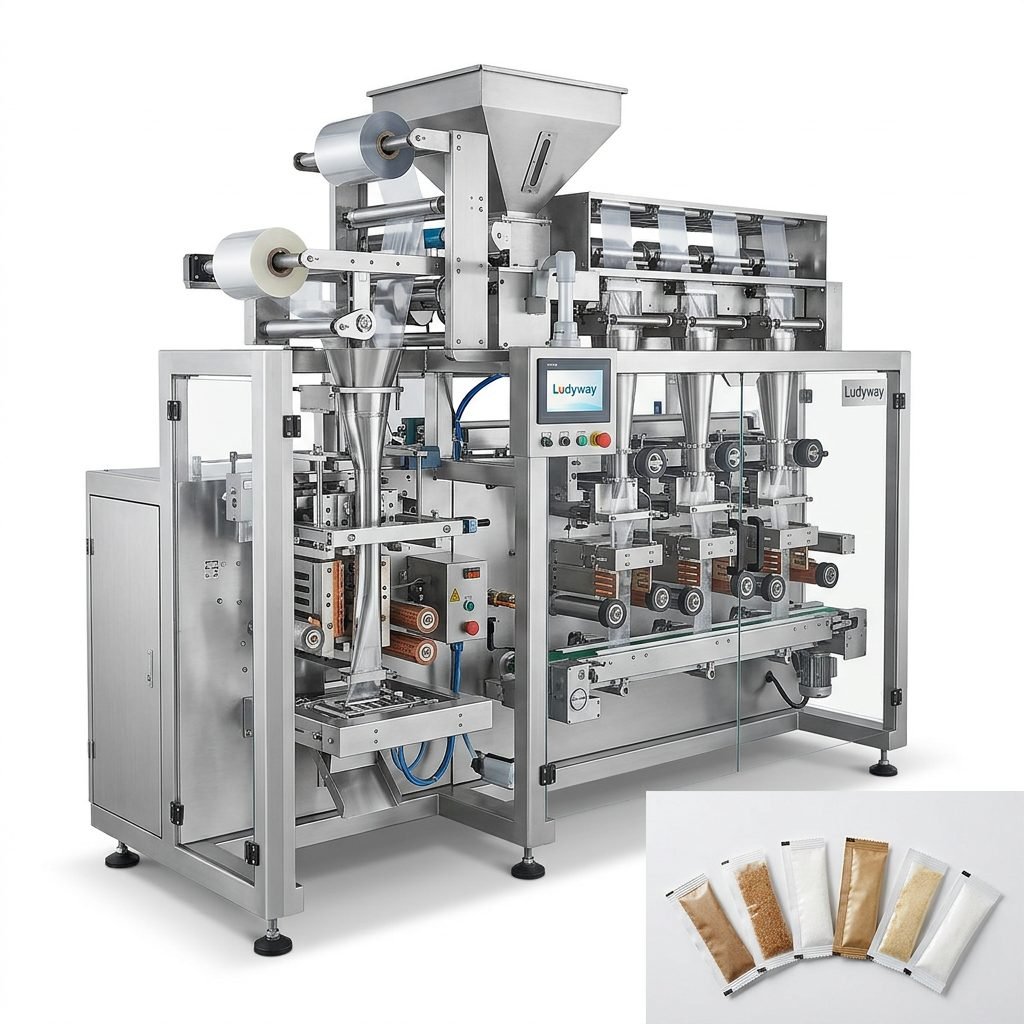
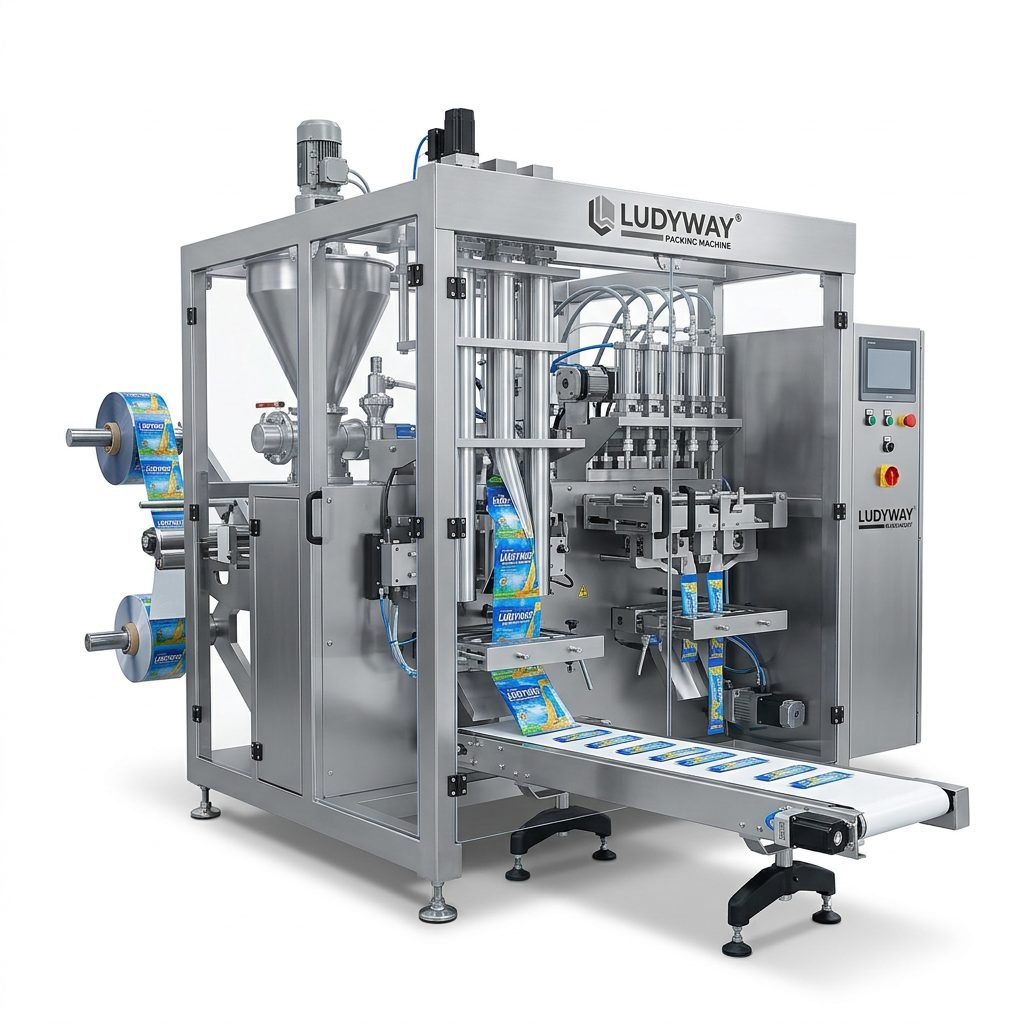
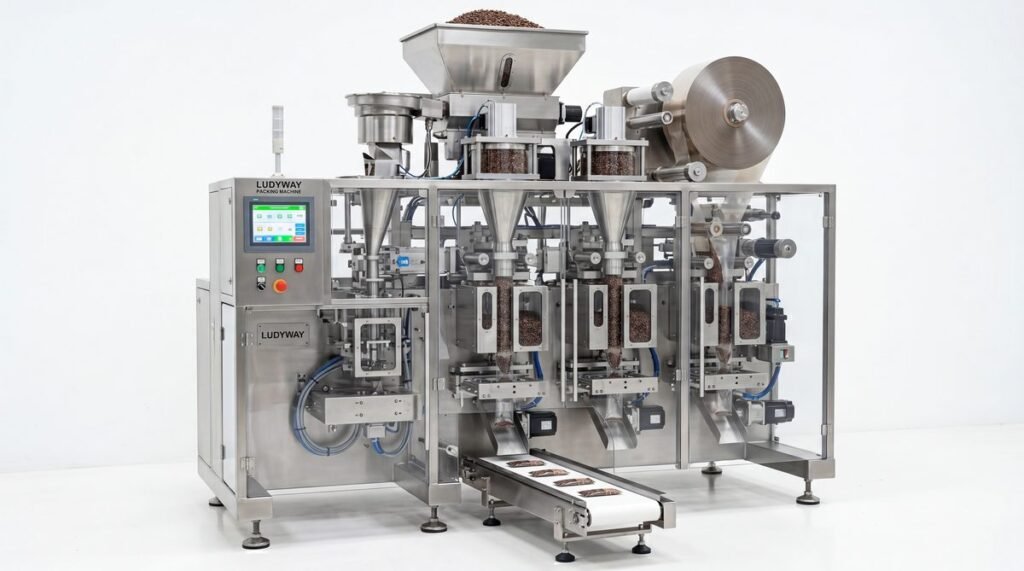
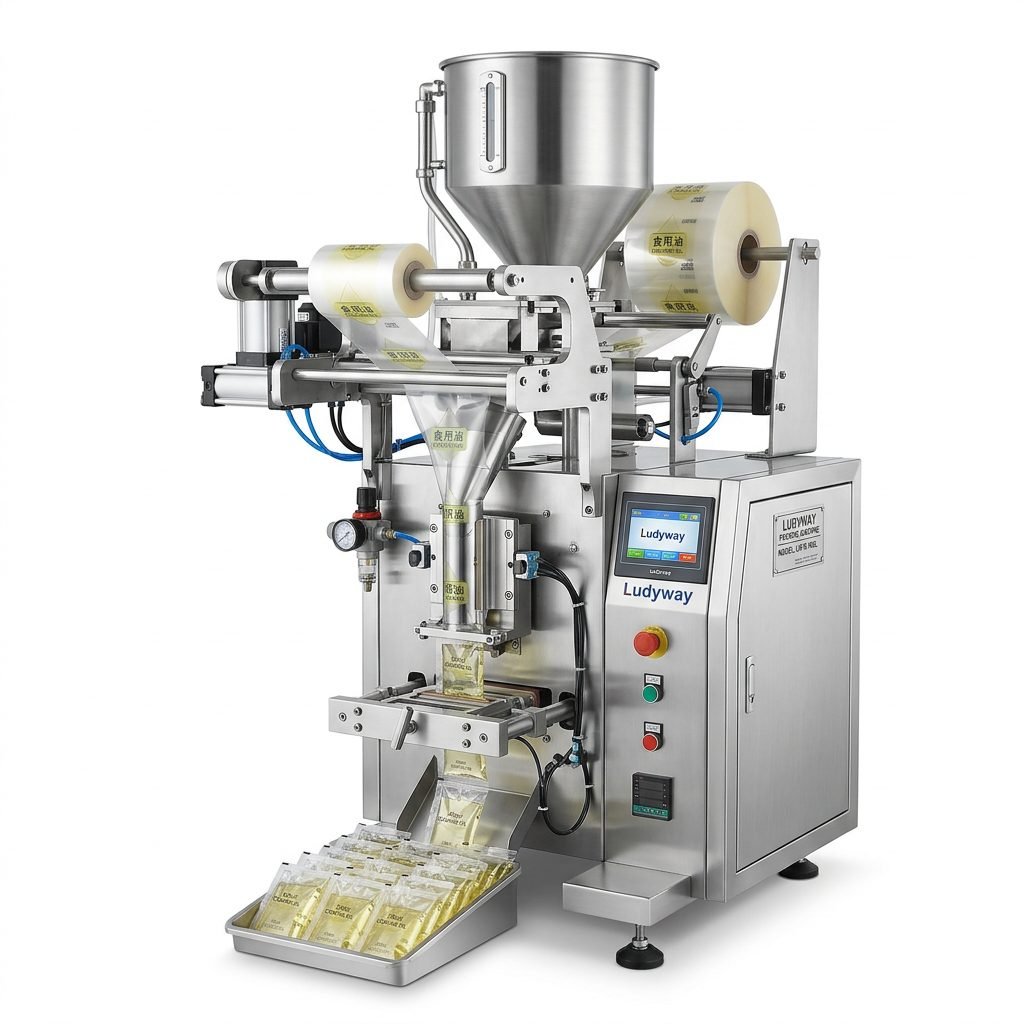
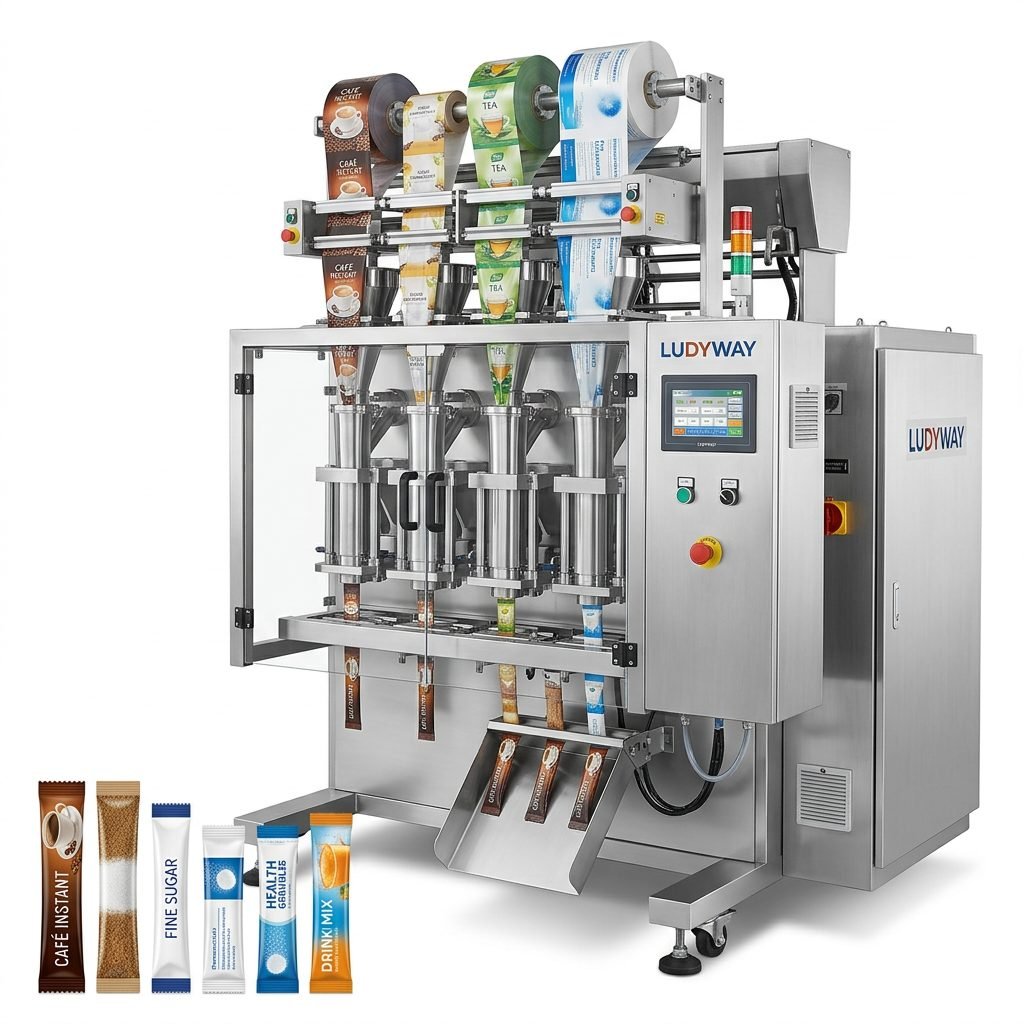
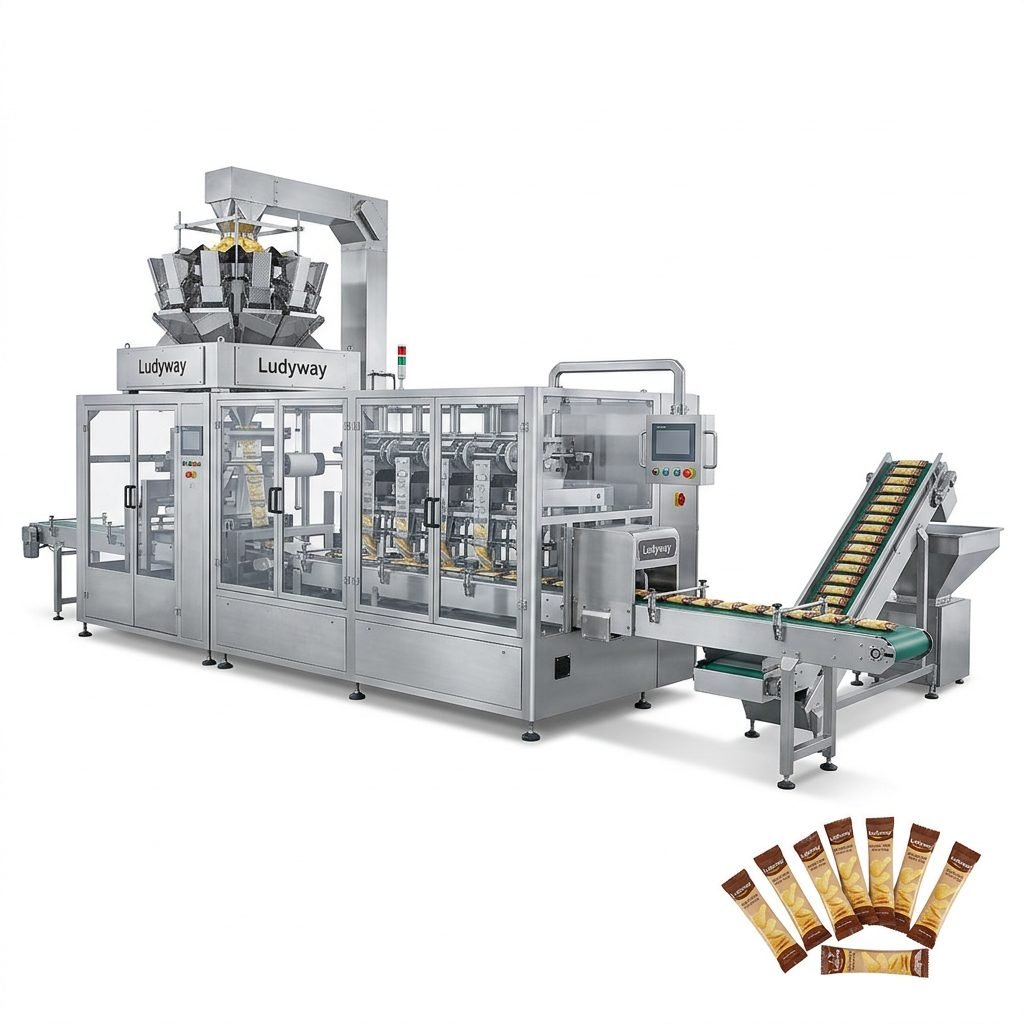
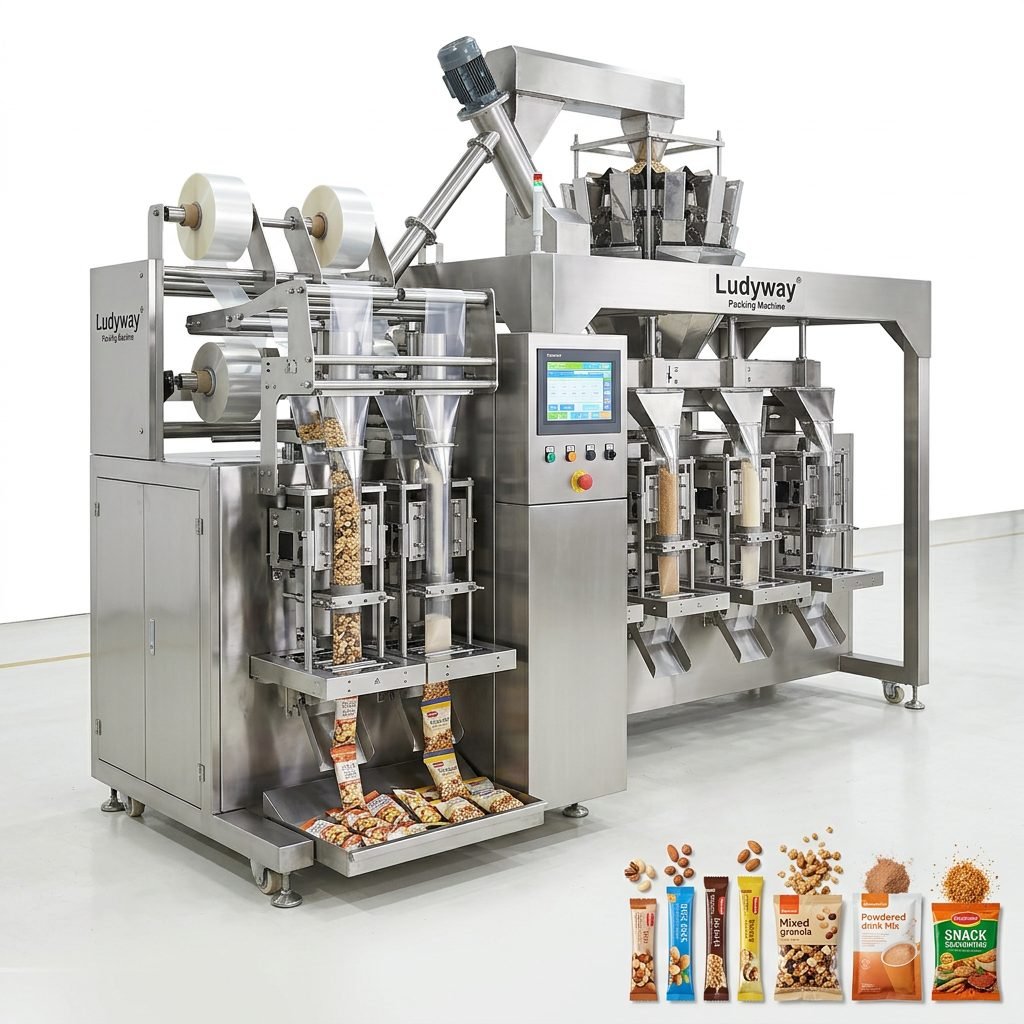
Several packaging machine configurations are commonly used for French fries products. The most suitable type depends on your bag format, speed requirements, and automation level:
| Machine Type | Best For | Typical Speed Range | Bag Format |
|---|---|---|---|
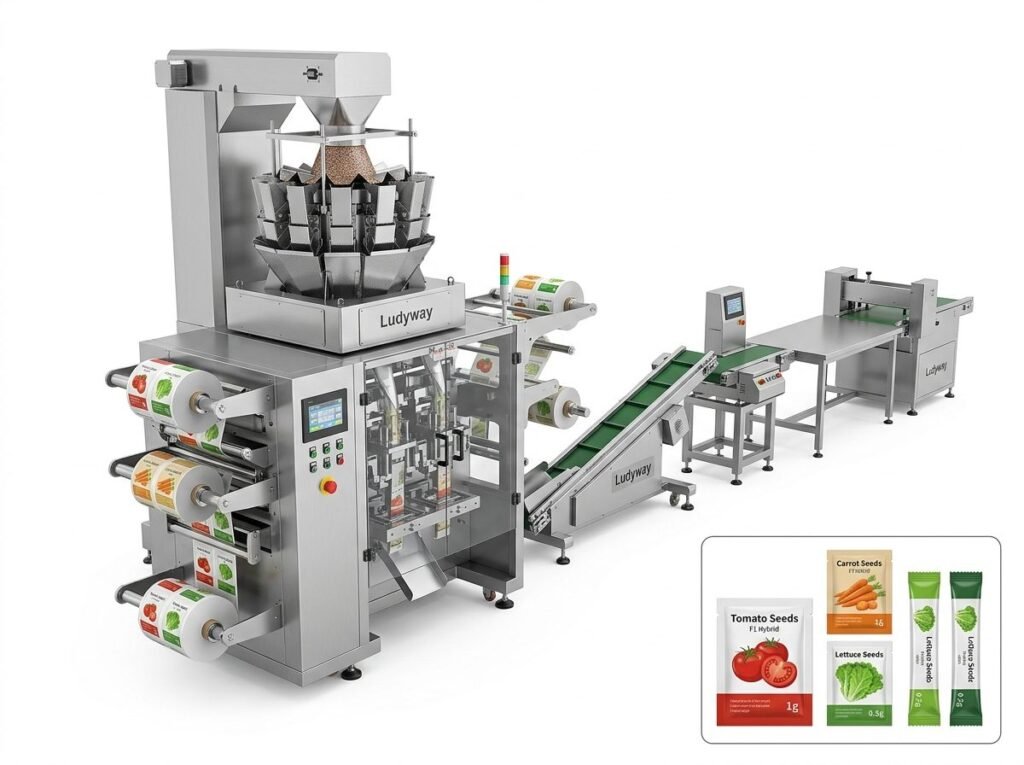
| Vertical Form Fill Seal (VFFS) | Frozen fries, bulk packs | 30-120 bags/min | Pillow bags, gusseted bags |
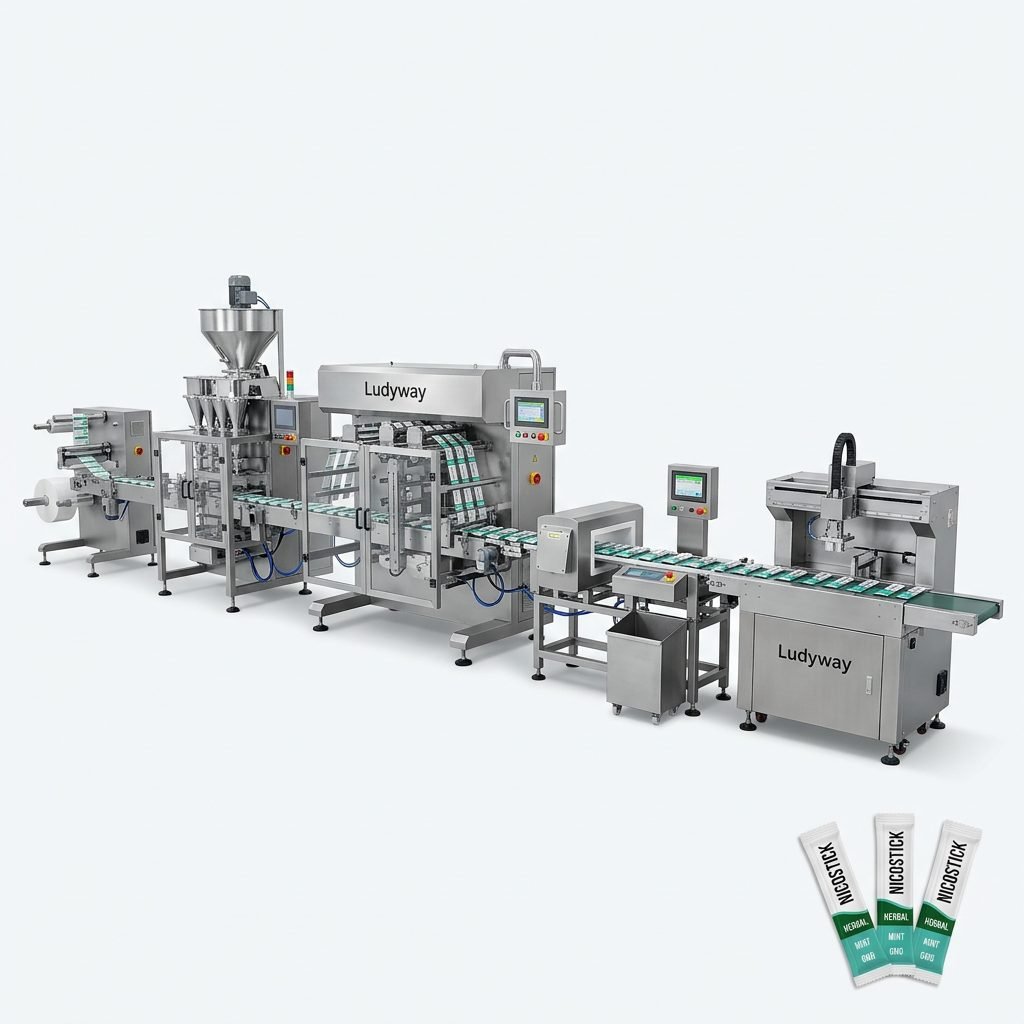
| Multi-Lane Stick Pack Machine | Single-serve snack fries | 200-600 packs/min | Stick packs, sachets |
| Premade Pouch Rotary Machine | Premium retail packs | 40-80 pouches/min | Stand-up pouches, zipper bags |
| Horizontal Flow Wrapper | Tray-packed fresh fries | 50-150 packs/min | Overwrapped trays |
Critical Factors to Evaluate
Selecting the right French fries packaging machine involves evaluating multiple technical and operational factors. Overlooking any of these can lead to costly inefficiencies:
1. Weighing and Filling Accuracy
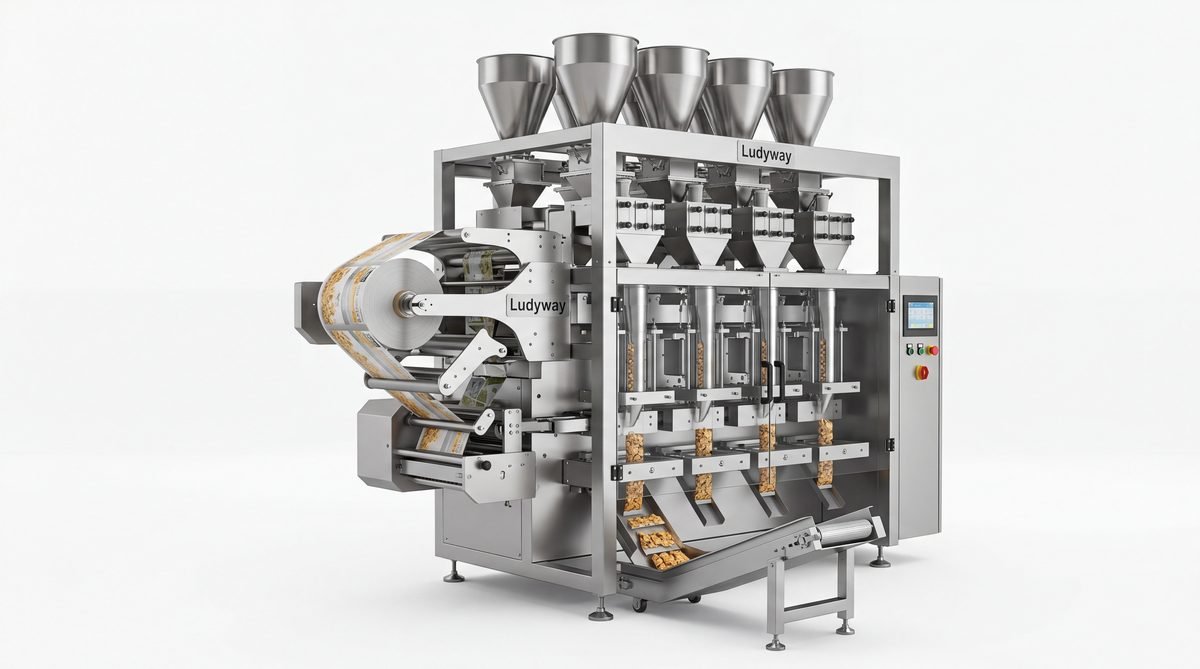
Precision dosing is essential for French fries packaging, particularly for retail products where weight compliance regulations apply. Multi-head weighers are the industry standard for achieving high accuracy at speed. For frozen fries, specially designed weighers with non-stick surfaces and gentle handling features prevent product breakage during the weighing process. According to flexible packaging industry data, precise filling reduces product giveaway and improves profitability by 3-5% on average.
2. Sealing Integrity and Gas Flushing
The seal is the most critical quality point in any French fries package. For products requiring extended shelf life, nitrogen gas flushing capability is non-negotiable. Look for machines that offer residual oxygen monitoring and consistent seal pressure across the entire seal width. Poor sealing leads to leakers, freezer burn in frozen products, and customer complaints.
3. Material Compatibility
French fries packaging uses a variety of film structures — from simple polypropylene for short shelf-life products to multi-layer barrier laminates with aluminum foil or EVOH layers for frozen and long-life applications. Confirm that the machine’s sealing jaws, temperature controls, and film tension systems are compatible with your chosen packaging materials. Refer to FDA packaging and food contact substances guidelines for compliance requirements.
Automation Level and Production Line Integration
Modern French fries packaging lines rarely operate in isolation. Consider how the packaging machine integrates with upstream and downstream equipment:
- Upstream: Frying lines, freezers, seasoning drums, and distribution conveyors feed product into the packaging system. Automated feeding systems reduce manual handling and product damage.
- Downstream: Checkweighers, metal detectors, X-ray inspection, case packers, and palletizers complete the line. A well-integrated system minimizes bottlenecks and ensures end-to-end traceability.
- Control integration: Centralized PLC systems that communicate across all line components enable real-time monitoring, recipe management, and data collection for continuous improvement.
For guidance on packaging machinery standards and regulations, industry associations provide comprehensive resources to help manufacturers make informed integration decisions.
Cleaning, Sanitation, and Maintenance
Food safety regulations demand packaging equipment that supports thorough cleaning protocols. Evaluate the machine’s hygienic design features:
- Tool-free disassembly for washdown access
- Sloped surfaces that prevent water and product accumulation
- Stainless steel construction in all food-contact zones
- Sealed electrical enclosures rated for wet environments
- Quick-change format parts that reduce changeover time
Planned maintenance accessibility directly affects long-term machine reliability. Machines with easily accessible wear components and clear service documentation reduce downtime significantly.
Production Capacity and Scalability Comparison
Matching machine capacity to current and future production needs prevents both underinvestment and overspending. The table below provides a general framework for capacity planning:
| Production Scale | Annual Output Range | Recommended Machine Configuration | Estimated Investment Range |
|---|---|---|---|
| Small / Startup | 100-500 tons/year | Single-lane VFFS with manual feeding | $20,000 – $60,000 |
| Medium / Growing | 500-2,000 tons/year | Multi-head weigher + VFFS, semi-automated | $80,000 – $200,000 |
| Large / Industrial | 2,000-10,000+ tons/year | Multi-lane system with full automation | $250,000 – $800,000+ |
| Turnkey Line | 10,000+ tons/year | Fully integrated packaging line with robotics | $1,000,000+ |
Evaluating Packaging Machinery Suppliers
Choosing the right equipment partner is as important as selecting the right machine configuration. Key supplier evaluation criteria include:
- Industry experience: Suppliers with decades of experience in food packaging understand the unique challenges of French fries production — from temperature sensitivity to oil residue management.
- After-sales support: Evaluate the availability of spare parts, technical support response times, and whether remote diagnostic capabilities are offered.
- Customization capability: Standard machines may not fit every production layout. A supplier that offers customized engineering solutions can adapt equipment to your specific requirements.
- Global compliance: For export-oriented producers, ensure the equipment can meet international standards including CE, FDA, and ISO requirements.
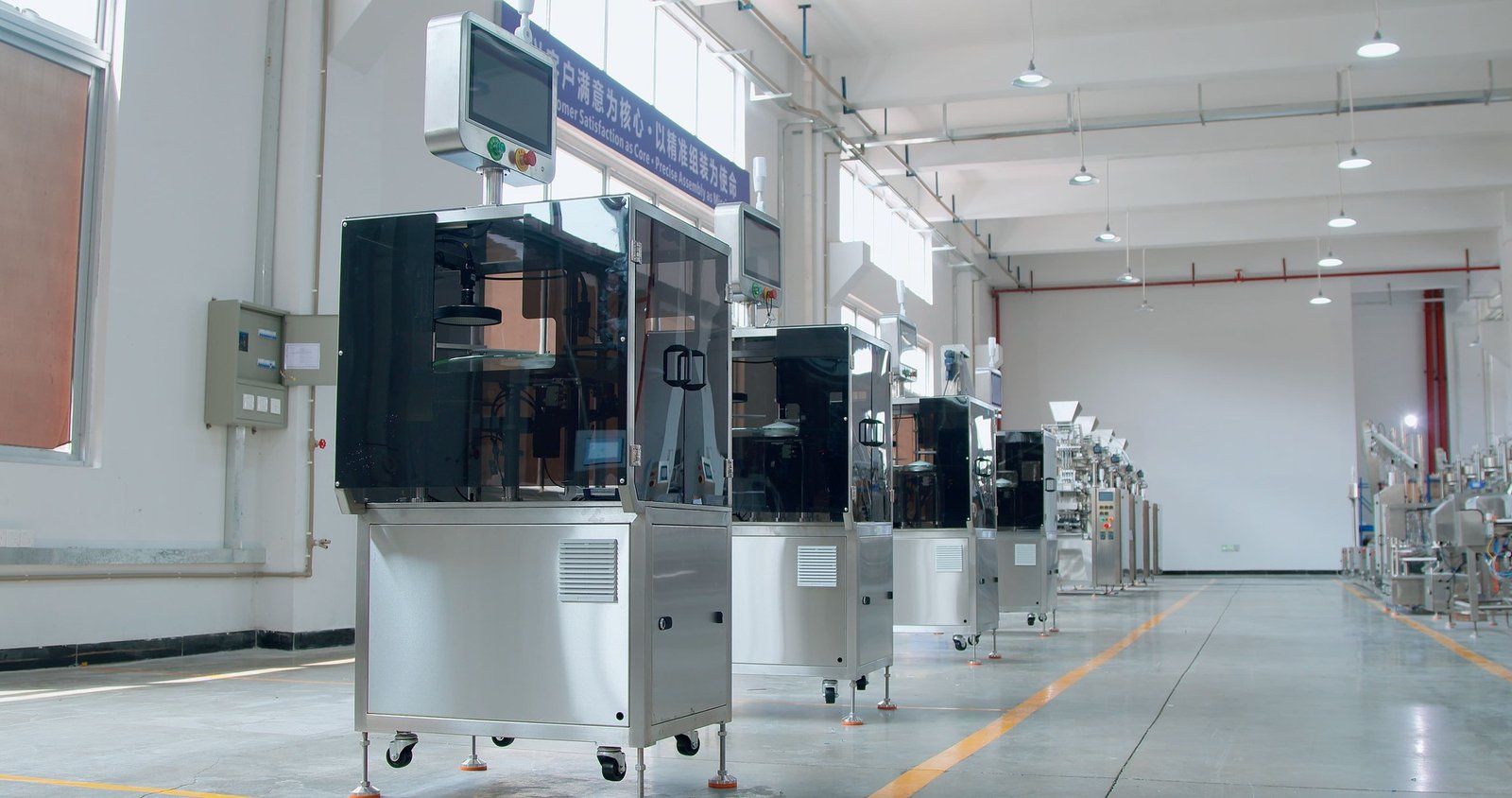
One established player in this space is Ludyway Machinery, a China-based packaging machinery manufacturer with over 30 years of industry experience and a 20,000-square-meter manufacturing facility. The company provides customized packaging solutions across food, pharmaceutical, and industrial sectors, with growing global export reach. When evaluating any supplier, however, always request a factory audit, sample testing with your actual product, and references from comparable applications.
Total Cost of Ownership Considerations
The purchase price of a French fries packaging machine represents only part of the total investment. Consider these ongoing costs:
- Consumables: Film, sealing bands, lubricants, and wear parts add recurring expenses.
- Energy consumption: High-speed machines with heated sealing jaws and pneumatic systems consume significant power.
- Operator training: Skilled operators maximize machine efficiency and minimize waste.
- Downtime cost: A machine running at 95% OEE versus 80% OEE can mean hundreds of thousands in annual revenue difference for larger operations.
- Format changeover time: Quick-change designs reduce non-productive time between product runs.
Technology Trends Shaping French Fries Packaging
Several emerging technologies are transforming the French fries packaging landscape. Forward-thinking manufacturers should be aware of these developments when making equipment investments:
- Smart sensors and IoT integration: Real-time monitoring of seal temperature, gas flush levels, and machine vibration enables predictive maintenance and reduces unplanned downtime.
- Sustainable packaging compatibility: As the industry shifts toward recyclable mono-materials and bio-based films, newer machines are designed to handle these eco-friendly materials without sacrificing seal integrity or speed. The Flexible Packaging Association tracks these sustainability trends closely.
- Vision inspection systems: In-line camera systems detect seal defects, label placement errors, and foreign objects at production speeds, reducing reliance on manual quality checks.
- Servo-driven motion control: Modern servo systems offer faster, more precise movements than pneumatic systems while using less energy.
Making the Final Decision
After narrowing down your options based on the factors above, take these final steps before signing a purchase agreement:
- Conduct a product trial on the exact machine model with your actual product and packaging materials.
- Request a detailed total cost of ownership projection covering at least five years of operation.
- Visit the manufacturer’s facility to assess build quality, engineering capabilities, and quality control processes.
- Speak with existing customers about their long-term experience with both the equipment and the supplier’s after-sales service.
- Review warranty terms, spare parts availability commitments, and technical support service level agreements in detail.
Selecting the right French fries packaging machine is a long-term investment that shapes your production capability for years to come. By systematically evaluating your product requirements, production goals, machine specifications, and supplier qualifications, you can make a confident decision that supports your business growth. For further technical guidance, industry resources such as PMMI’s State of the Industry reports provide valuable benchmarks and market data.