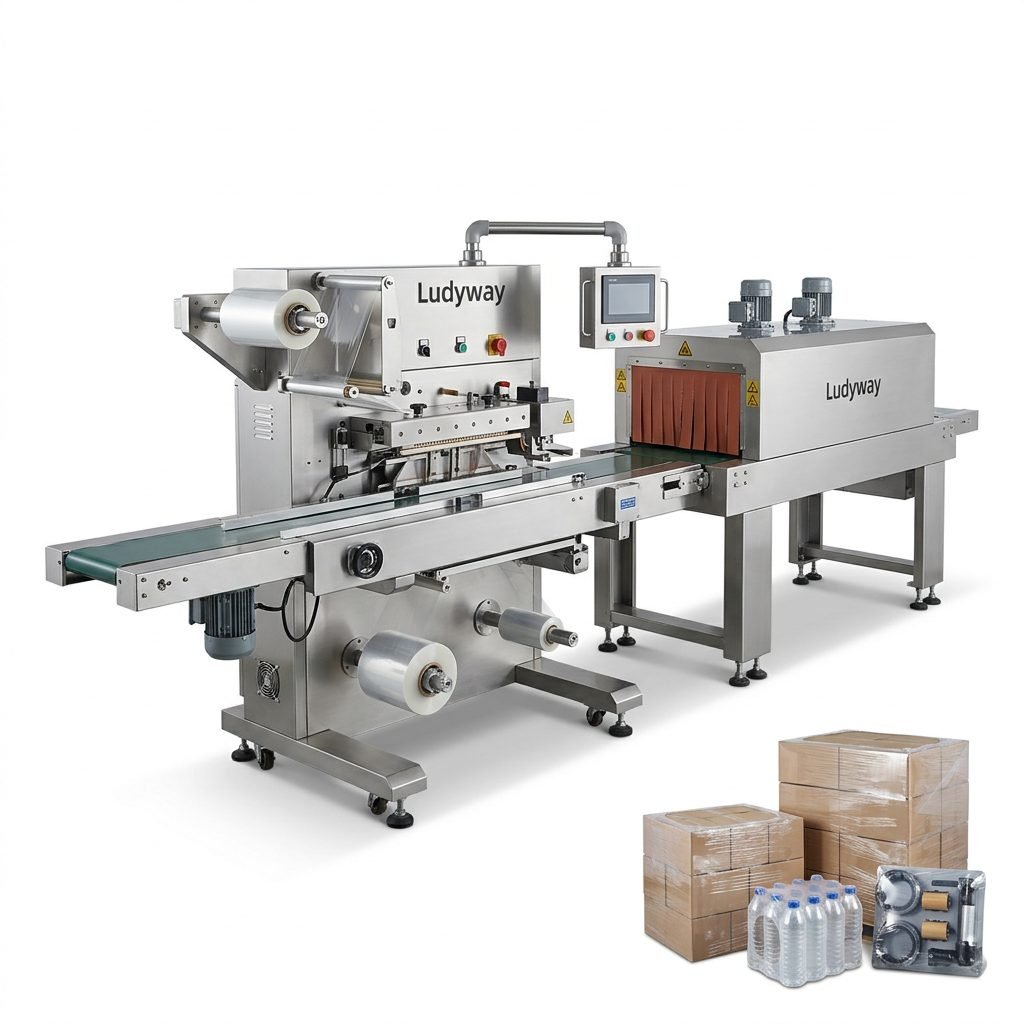
Investing in a 50 kg rice packing machine is a significant decision for rice millers, food processors, and agricultural commodity exporters. The right equipment can dramatically improve packaging efficiency, reduce product giveaway, and ensure consistent bag weights that protect your profit margins. However, with so many packaging machinery market options available, making an informed choice requires understanding key technical specifications, production requirements, and long-term operational considerations.
Understanding Your Production Requirements
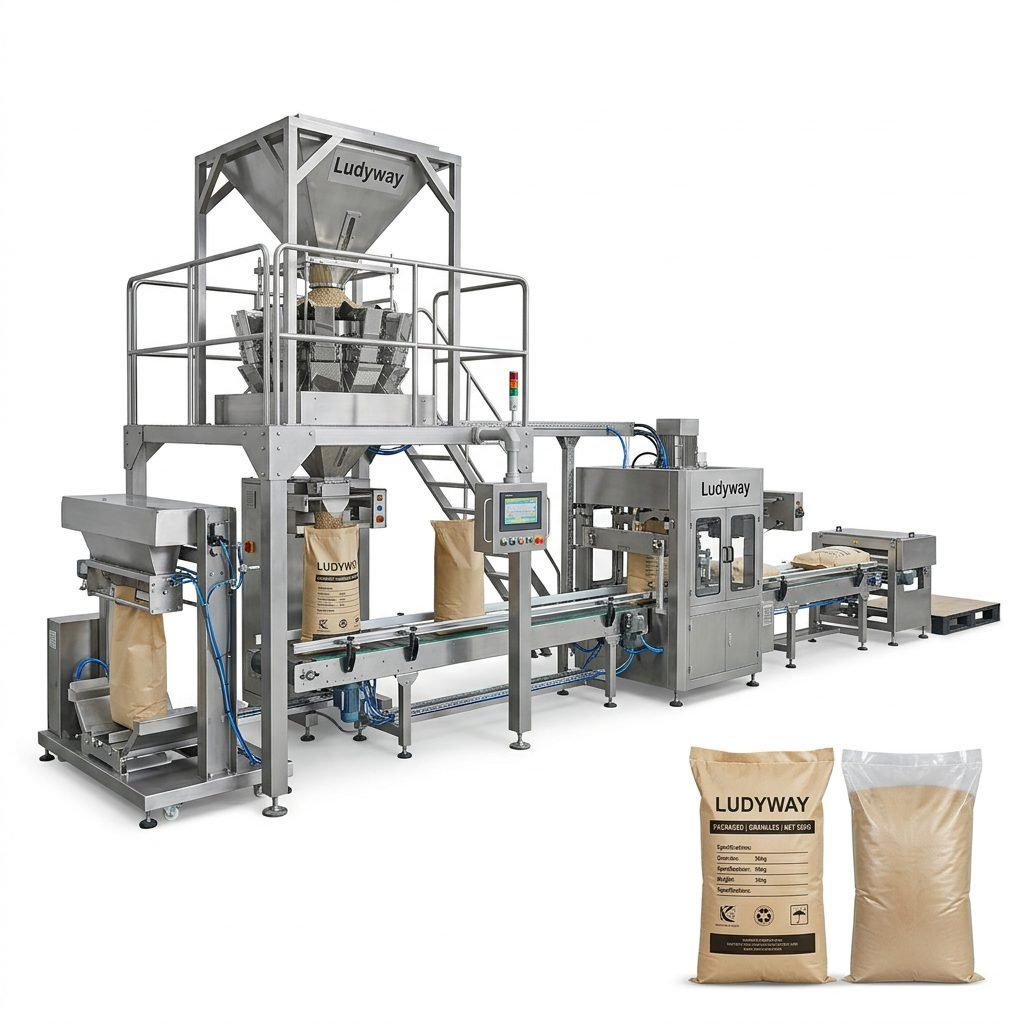
Before evaluating specific rice packing equipment, you need to define your operational parameters clearly. Different production environments demand different machine configurations, and overlooking this step often leads to costly mismatches.
- Target output speed: How many bags per hour do you need to fill? Small-scale operations may require 120-200 bags per hour, while high-volume packaging operations might need 600-800 bags per hour or more.
- Bag material and type: Are you using woven polypropylene bags, jute sacks, paper bags, or laminated pouches? Each material interacts differently with filling and sealing mechanisms.
- Rice variety considerations: Basmati, jasmine, parboiled, and short-grain rice have different flow characteristics, bulk densities, and fragility levels that affect weighing accuracy and machine settings.
- Available floor space: Measure your facility layout carefully. Some bulk bagging systems require significant vertical clearance for hopper positioning.
- Integration needs: Will the packing machine stand alone, or does it need to integrate with upstream conveying systems, sewing heads, heat sealers, and automated palletizing equipment?
Key Technical Specifications to Evaluate
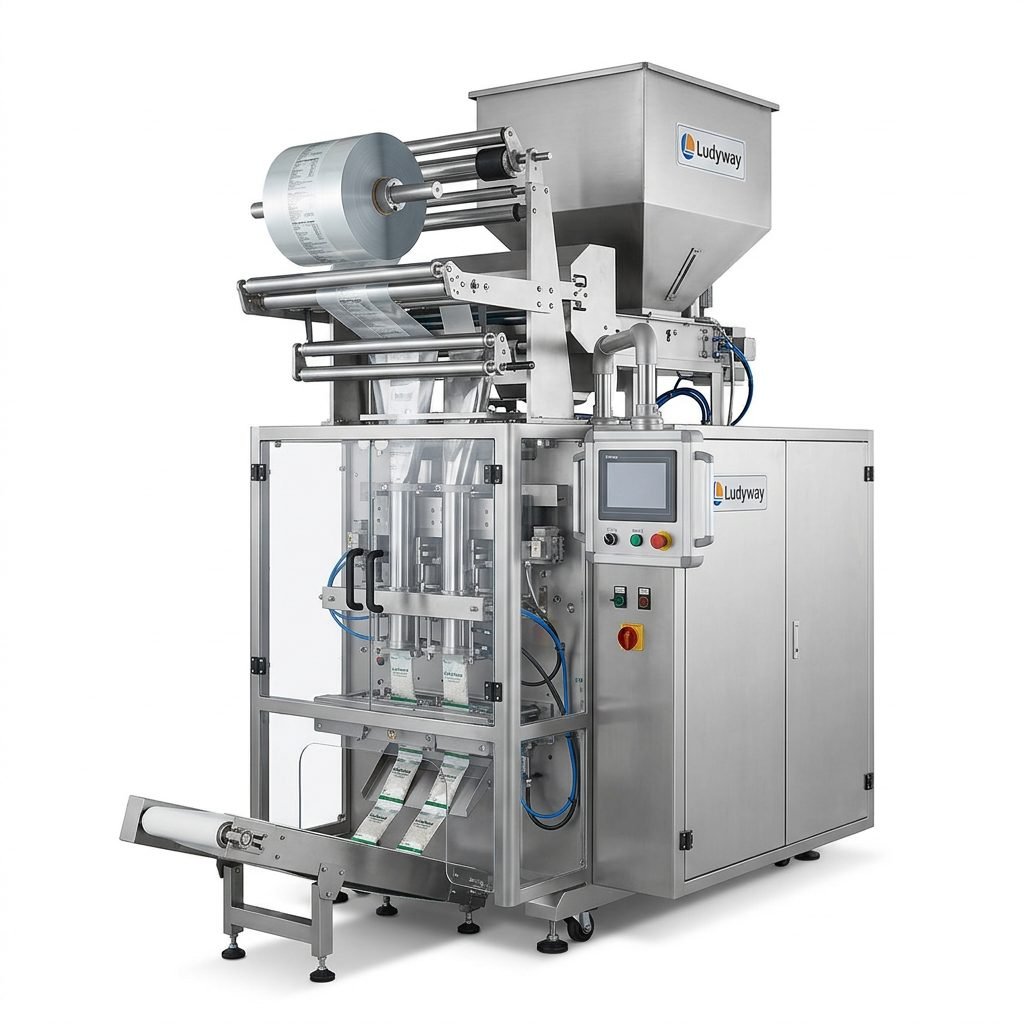
When comparing different 50 kg rice packing machine models, focus on these critical technical parameters that directly impact packaging accuracy and operational reliability.
Weighing System Accuracy and Speed
The heart of any rice packing machine is its weighing mechanism. Modern systems typically use electronic load cell technology combined with multi-stage feeding. Look for machines offering accuracy within ±0.1% to ±0.2% of target weight. For 50 kg bags, this means deviation of only 50-100 grams per bag—a critical factor when packaging standards compliance and profitability are at stake.
Filling Mechanism Design
Gravity-fed systems work well for free-flowing rice varieties, while belt-fed or auger-assisted mechanisms may be necessary for rice with higher moisture content or irregular grain shapes. The filling head design should minimize grain breakage during the packing cycle, preserving product quality and visual appeal.
Control System and Automation Level
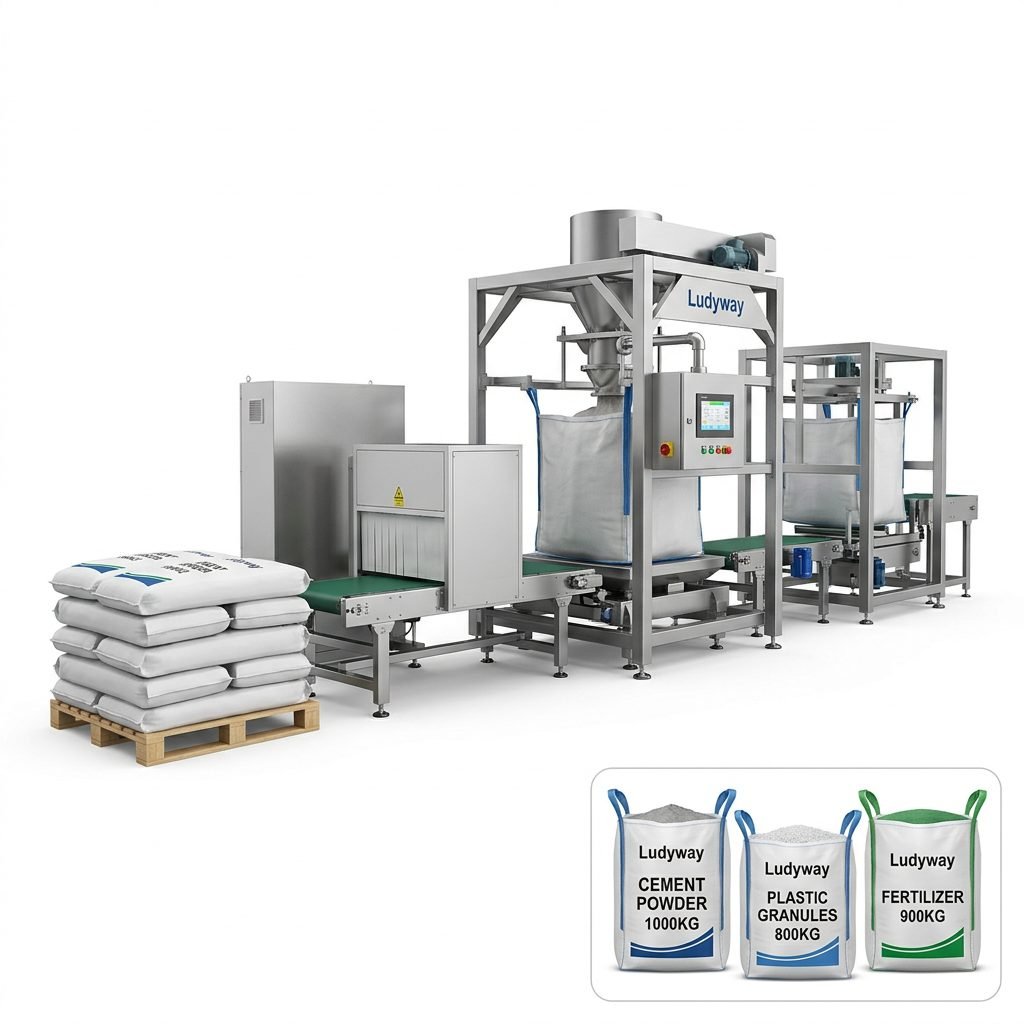
PLC-based control systems with touchscreen interfaces allow operators to store multiple product presets, adjust weigh parameters quickly, and monitor production data in real time. Advanced models support remote diagnostics and integration with factory ERP systems for comprehensive packaging production tracking.
Comparing Types of 50 kg Rice Packing Machines
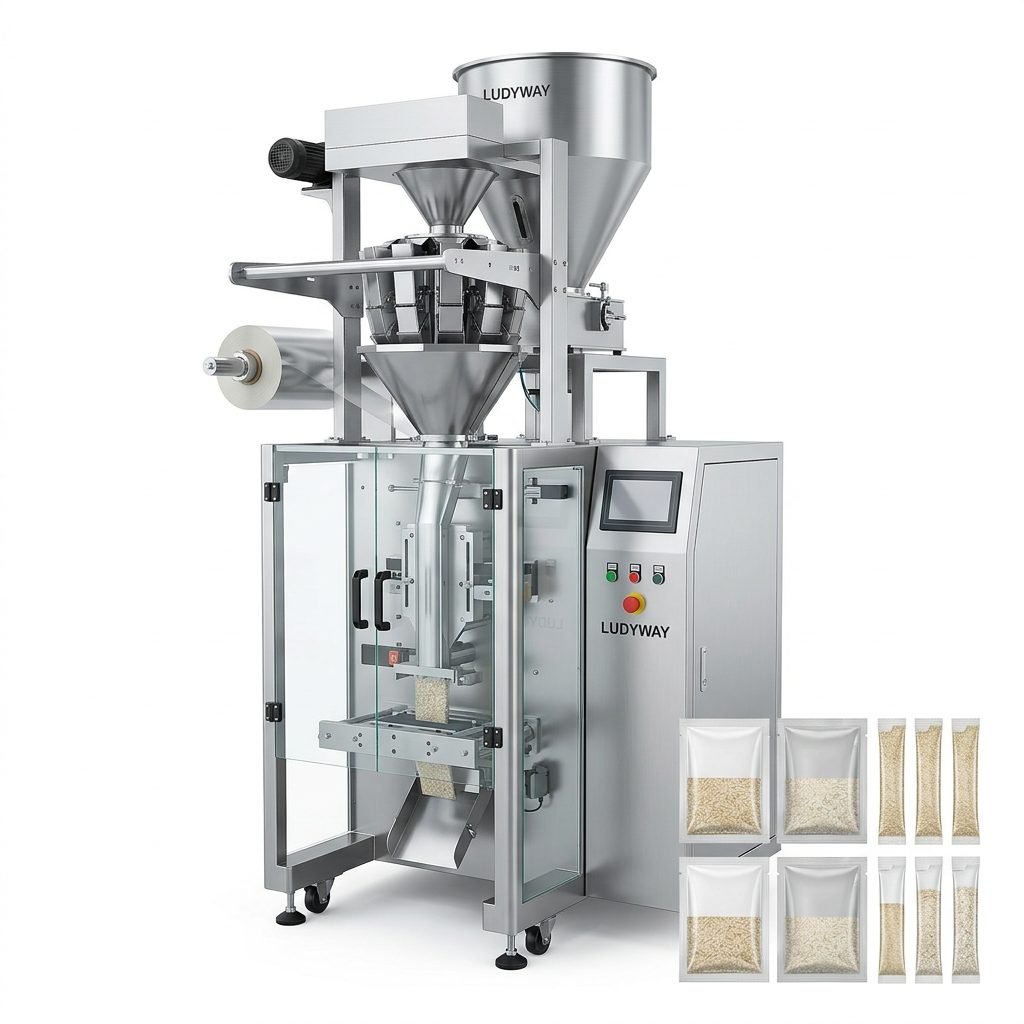
The market offers several distinct machine categories suited to different operational scales and budget levels. Understanding these differences helps narrow your selection efficiently.
| Machine Type | Best For | Typical Speed | Accuracy Range |
|---|---|---|---|
| Semi-Automatic Net Weigher | Small to medium mills | 120-250 bags/hour | ±0.2% – ±0.5% |
| Fully Automatic Gross Weigher | Medium to large operations | 350-600 bags/hour | ±0.1% – ±0.3% |
| High-Speed Rotary Packer | High-volume export mills | 600-900 bags/hour | ±0.1% – ±0.2% |
| Combination Weighing System | Premium rice brands | 300-500 bags/hour | ±0.05% – ±0.15% |
Bag Closing and Sealing Options
The method used to close 50 kg rice bags affects product shelf life, transport durability, and presentation. Different markets and distribution channels may require specific closure types. Consider these common options when configuring your packaging equipment setup.
- Sewing closure: The traditional method using industrial sewing heads with crepe tape. Ideal for woven polypropylene and jute bags destined for bulk transport. Provides strong, tamper-evident seals.
- Heat sealing: Suitable for laminated and multi-layer bags. Creates an airtight seal that preserves rice freshness and prevents moisture ingress during long-distance international shipping.
- Heat + sew combination: A hybrid approach offering both hermetic sealing and mechanical strength. Recommended for premium export-grade rice where both freshness and durability are paramount.
- Ultrasonic sealing: An emerging technology for specialized packaging materials, offering clean seals without consumables like thread or tape.
Material Construction and Durability Factors
Rice processing environments can be dusty and demanding. The build quality of your packing machine directly correlates with its service life and maintenance requirements. Prioritize machines constructed with food-grade stainless steel for all product-contact surfaces. Carbon steel frames should feature corrosion-resistant coatings suitable for humid rice mill conditions.
Critical Components to Inspect
- Load cells: Should be from recognized brands with IP65 or higher protection ratings against dust and moisture ingress.
- Pneumatic components: Look for quality actuators, valves, and cylinders from established industrial automation suppliers that offer global spare parts availability.
- Electrical enclosures: Must meet local safety standards with proper ingress protection for the intended installation environment.
- Wear parts accessibility: Design should allow quick replacement of packaging line components like belts, seals, and contact surfaces without major disassembly.
Evaluating Manufacturers and Suppliers
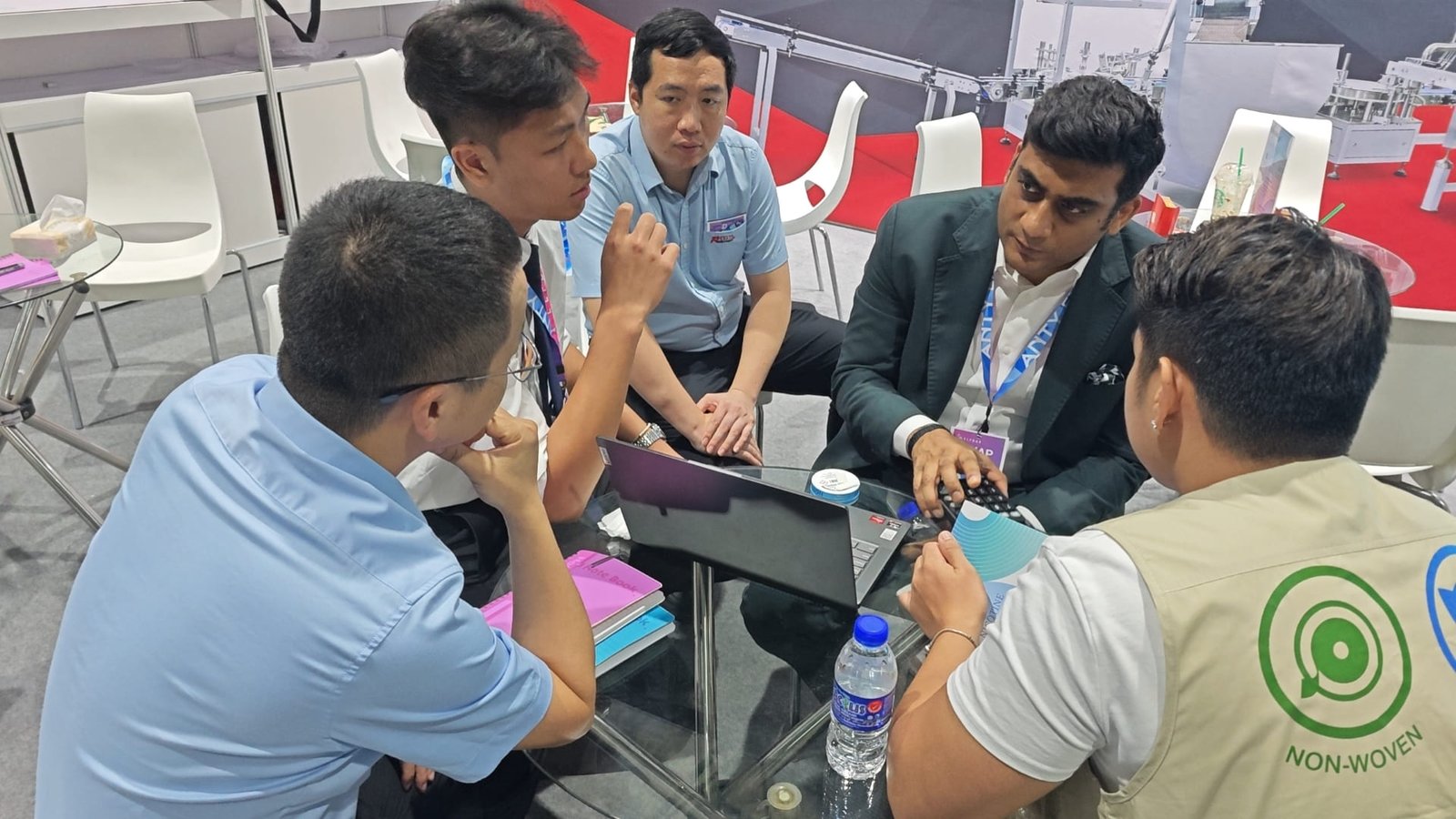
Selecting the right packaging machinery manufacturer is as important as choosing the right machine model. A reliable supplier provides not just equipment but ongoing technical support, spare parts availability, and engineering expertise throughout the machine’s lifecycle. Look for manufacturers with proven experience in rice and grain packaging applications, documented quality certifications, and a track record of successful installations in markets similar to yours.
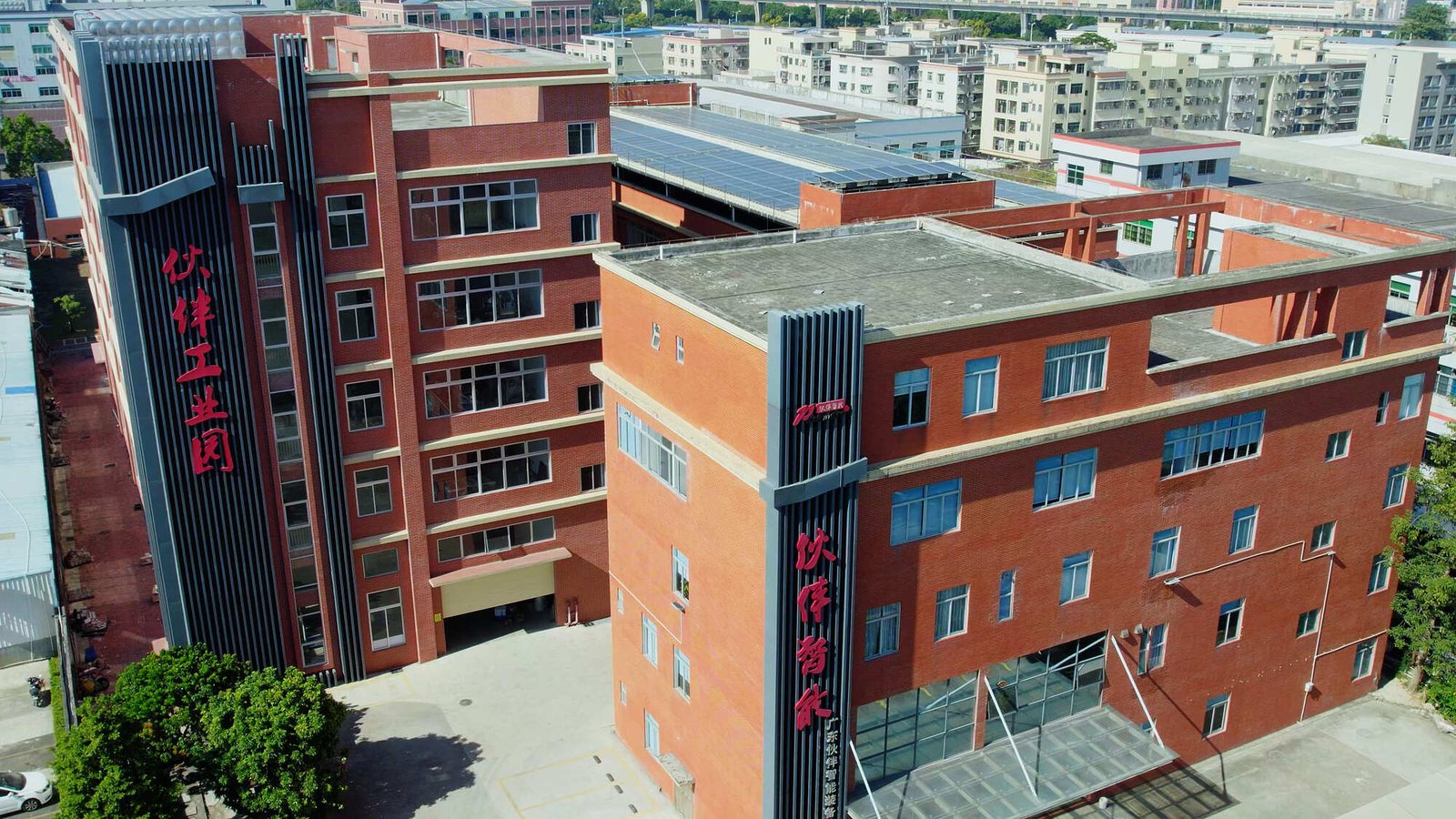
When evaluating potential suppliers, request references from existing customers in the rice industry, inquire about after-sales service response times in your region, and verify the availability of critical spare parts. Ludyway Machinery, a China-based packaging machinery manufacturer with more than 30 years of experience and a 20,000-square-meter manufacturing facility, provides automated packaging equipment and integrated solutions to customers in over 100 countries, covering applications from individual machines to complete turnkey packaging lines for rice, grains, and other bulk products.
Total Cost of Ownership Considerations
The purchase price of a 50 kg rice packing machine represents only part of the total investment. Smart buyers evaluate the complete lifecycle cost, which includes several often-overlooked factors that can significantly impact long-term profitability.
Beyond the Initial Purchase Price
- Energy consumption: Compare motor ratings and pneumatic air consumption across different models. Higher-efficiency systems may cost more upfront but deliver substantial savings over years of operation.
- Spare parts inventory: Understand which components are considered wear items and their expected replacement intervals. Budget for maintaining a recommended critical spares inventory.
- Operator training requirements: More sophisticated machines may require specialized operator skills. Factor in training costs and potential productivity losses during the learning curve period.
- Maintenance downtime: Calculate the cost of production interruptions for routine maintenance. Machines designed for quick-changeover and easy access to service points minimize these losses.
- Calibration frequency: Weighing systems that hold calibration longer reduce the need for frequent verification with test weights, saving labor and reducing interruption to packaging production schedules.
Installation and Commissioning Best Practices
Proper installation is essential for achieving the rated performance of any rice packing machine. The installation site should provide a level, vibration-free foundation with adequate clearance for bag handling and operator movement. Electrical supply stability is critical—voltage fluctuations can affect weighing accuracy and damage sensitive electronic components. Compressed air systems must deliver clean, dry air at the pressure and volume specified by the equipment manufacturer.
During commissioning, insist on a thorough Site Acceptance Test using your actual rice products and target bag specifications. This validates that the machine performs as promised under real-world conditions and provides baseline data for future performance comparisons.
Compliance and Certification Requirements
Depending on your target markets, your rice packaging equipment may need to comply with specific food packaging regulations. Export-oriented operations should verify that machines meet relevant international standards including CE marking for European markets, FDA compliance for US-bound products, and any country-specific requirements. Documentation of materials used in product-contact surfaces, calibration certificates for weighing systems, and electrical safety certifications should be available from the manufacturer before shipment.
Automation and Future-Readiness
Modern 50 kg rice packing machines increasingly incorporate Industry 4.0 capabilities that extend beyond basic filling and weighing. When making a capital equipment investment expected to serve for a decade or more, consider whether the machine’s control architecture supports future automation upgrades. Features to look for include OPC-UA communication protocols for integration with MES and ERP systems, packaging and distribution standards compliance, data logging for traceability and quality audits, remote diagnostic capabilities that enable supplier technicians to troubleshoot without an on-site visit, and modular design that allows adding components like automatic bag placers, inkjet coders, or robotic palletizers later.
Common Mistakes to Avoid
Learning from others’ experiences can save significant time, money, and frustration. Here are common pitfalls encountered when purchasing rice packing machinery:
- Underestimating peak production demands: A machine rated for average throughput may struggle during harvest season surges. Size equipment for peak requirements, not average daily output.
- Ignoring rice variety differences: A machine optimized for one rice type may perform poorly with another. Test with your actual product range before finalizing specifications.
- Overlooking bag quality compatibility: Inconsistent bag dimensions or poor-quality materials can cause filling errors and sealing failures regardless of machine quality.
- Neglecting operator ergonomics: Machines that are difficult to operate or require awkward movements lead to operator fatigue, errors, and higher turnover rates.
- Choosing based on price alone: The lowest-priced option often costs more over its lifetime through reduced reliability, lower accuracy, and higher maintenance expenses.
Frequently Asked Questions
What is the typical lifespan of a 50 kg rice packing machine?
With proper maintenance and operation within specified parameters, a quality rice packing machine should provide 10-15 years of reliable service. Load cells and pneumatic components may require replacement at 5-8 year intervals depending on usage intensity and environmental conditions.
How important is after-sales support when choosing a supplier?
After-sales support is critically important. Even the best-designed machines require periodic maintenance, occasional troubleshooting, and eventual parts replacement. A supplier with responsive local service capability and a well-stocked spare parts inventory can mean the difference between hours versus weeks of downtime.
Can a single machine handle different bag sizes?
Many modern net weighing systems can be configured for multiple bag sizes, typically ranging from 5 kg to 50 kg. However, changeover between dramatically different bag sizes may require adjustments to filling parameters, bag holding mechanisms, and sealing settings. Verify the specific changeover procedure and time required before purchasing.
What type of maintenance does a rice packing machine require?
Routine maintenance includes daily cleaning of product-contact surfaces, weekly inspection of pneumatic connections and belt tension, monthly verification of weighing accuracy with certified test weights, and quarterly inspection of electrical connections and safety systems. Most manufacturers provide detailed maintenance schedules in their operation manuals.
Making the Final Decision
Selecting the right 50 kg rice packing machine requires balancing multiple factors: production capacity needs, accuracy requirements, budget constraints, facility limitations, and long-term operational goals. By systematically evaluating each of the areas discussed in this guide—from weighing technology and material construction to supplier credentials and total cost of ownership—you can make a confident purchasing decision that supports your business objectives for years to come.
Remember that the best packaging solution is not necessarily the most expensive or the most feature-rich machine on the market. It is the one that most closely matches your specific operational requirements, integrates smoothly with your existing processes, and is backed by a manufacturer committed to your long-term success. Take time to visit existing installations, request product demonstrations, and verify all performance claims before finalizing your investment in packaging and processing technology that will serve your business for the next decade and beyond.