Investing in a shrink wrap packing machine is a significant decision for any manufacturer looking to improve packaging speed, product protection, and overall line efficiency. However, with so many machine types, configurations, and suppliers available, the selection process can quickly become overwhelming. Choosing the wrong equipment can lead to production bottlenecks, excessive material waste, and higher operational costs. This comprehensive buyer’s guide will walk you through every critical factor you need to evaluate, from understanding basic machine categories to assessing long-term value, helping you make a confident, informed purchasing decision.
Understanding Different Types of Shrink Wrap Machines
Before comparing technical specifications, it is essential to understand the fundamental categories of shrink wrap packing machines and where they fit in a production environment. The right type for your operation depends almost entirely on your throughput requirements, product dimensions, and the level of automation you aim to achieve.
Manual and Semi-Automatic Shrink Wrappers
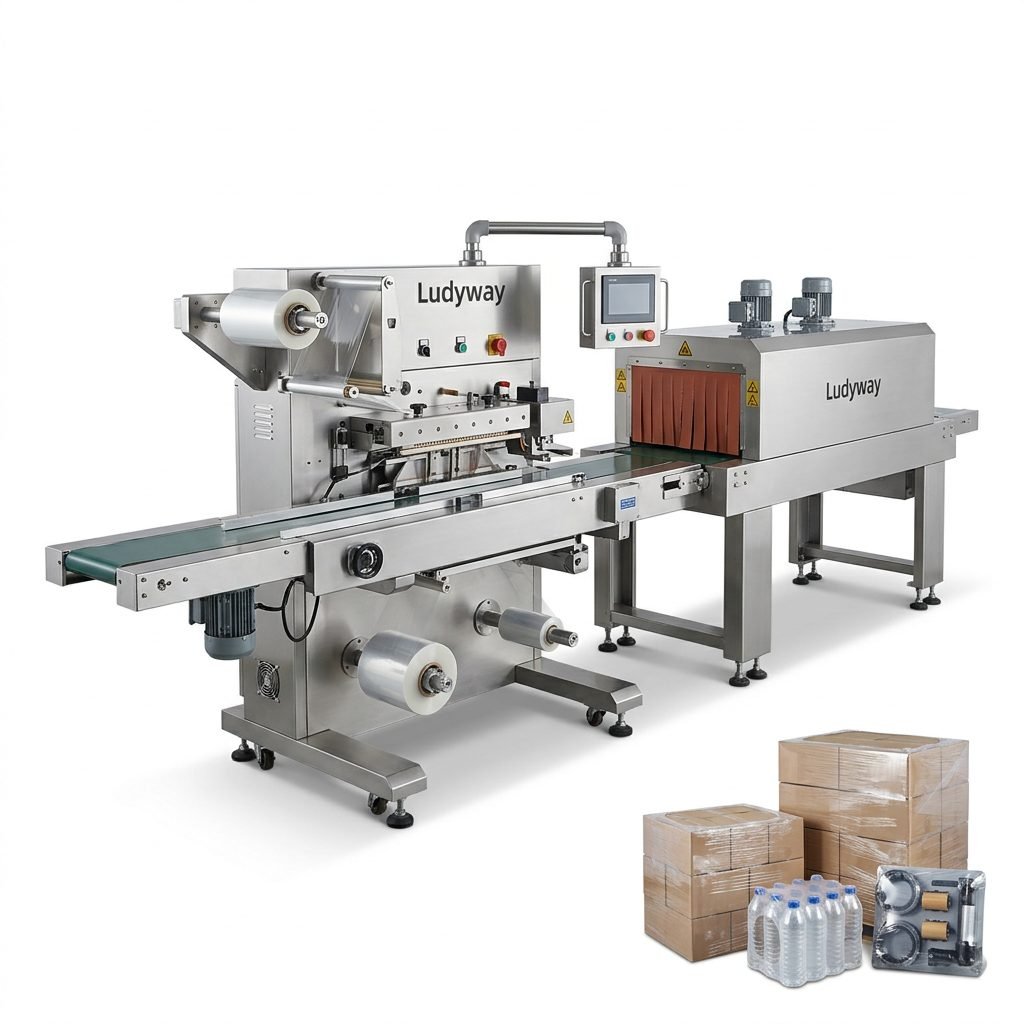
These systems are typically entry-level solutions suited for low-volume production, start-ups, or operations with highly varied product sizes. An operator manually places the product into the film, and the machine completes either the sealing or shrinking cycle. While the upfront investment is lower, labor costs per package are higher compared to automated systems. They are commonly used for packaging industry applications where flexibility is prioritized over sheer speed.
- Best for: Small businesses, prototyping, and short production runs.
- Limitations: Slower cycle times and inconsistent seal quality at high speeds.
- Typical output: 2 to 10 packs per minute.
Fully Automatic Shrink Wrap Systems
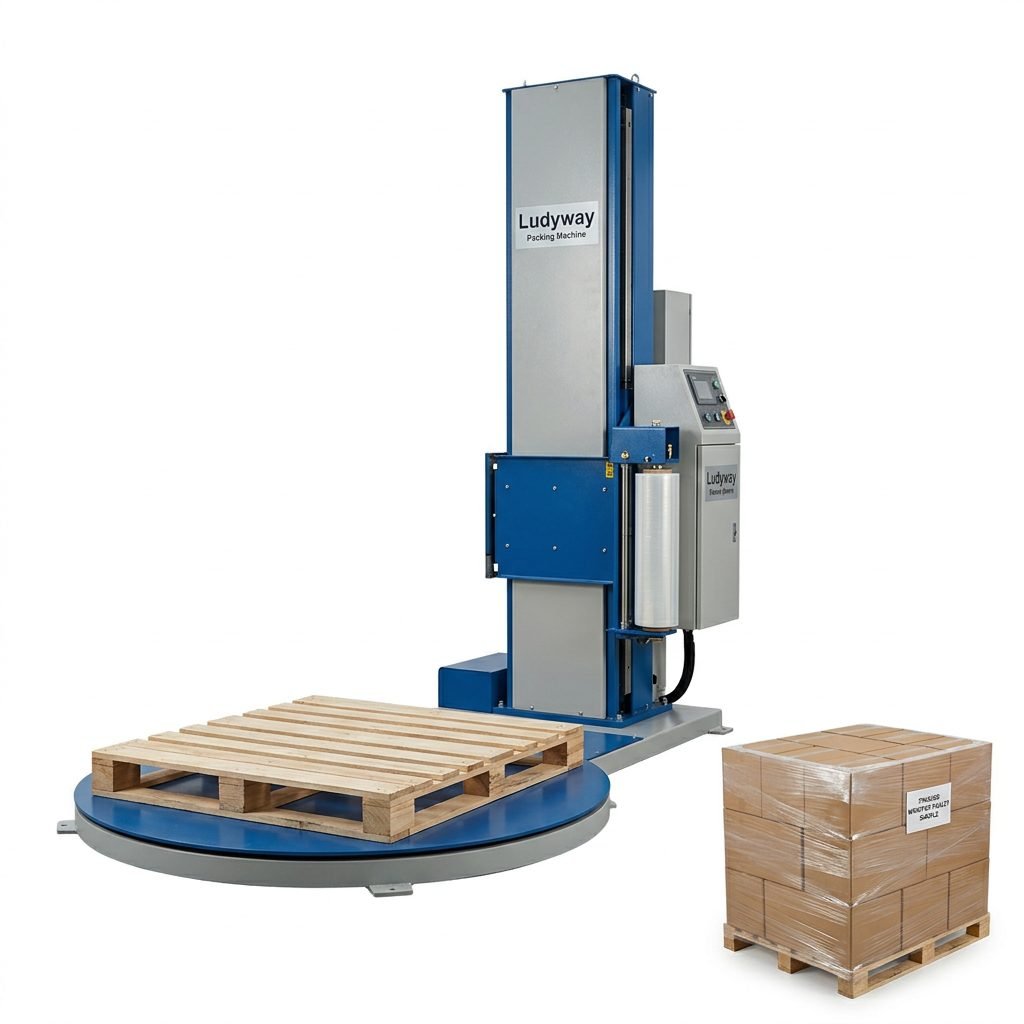
For medium to high-volume production lines, automatic shrink wrap packing machines are the industry standard. These systems integrate conveyors, automatic film feeding, sealing, and shrinking into a single continuous workflow. They are designed to run consistently with minimal operator intervention, dramatically reducing per-unit packaging costs. According to PMMI state of the industry reports, automation continues to be the dominant trend driving packaging machinery purchases.
High-Speed Multi-Lane Shrink Wrappers
Designed for high-capacity operations in the food, beverage, and consumer goods sectors, these machines feature multiple lanes running simultaneously. They can handle speeds exceeding 100 packs per minute and are often configured with advanced product collation systems. The complexity of these systems requires a robust support infrastructure, which is why many manufacturers rely on established partners with deep engineering expertise.
Key Technical Specifications to Evaluate
Once you have determined the appropriate automation level, the next step is analyzing the technical capabilities of a shrink wrap packing machine. Overlooking these details can lead to integration headaches and performance gaps.
| Core Parameter | Why It Matters | Key Questions to Ask |
|---|---|---|
| Sealing System | Directly impacts film waste and seal integrity. | Is it a hot knife, impulse, or ultrasonic seal? Can it handle different film gauges? |
| Heat Tunnel Design | Controls the quality of shrink around the product. | Is it recirculating or fresh-air type? How precise is the temperature control (±1°C or ±5°C)? |
| Film Compatibility | Restricts or expands your material sourcing options. | Can the machine run polyolefin, PVC, and bio-based films without modification? |
| Product Size Range | Determines future flexibility for new product lines. | What are the minimum and maximum product dimensions? How long does a changeover take? |
Matching Machine Configuration to Product Requirements
Not all shrink wrap packing machines are built for the same applications. Your product’s physical characteristics and the way it needs to be presented to the market will dictate specific machine configurations. The Flexible Packaging Association regularly highlights the importance of matching equipment capabilities with film properties to achieve optimal results.
Product Sensitivity Considerations
Heat-sensitive products such as chocolates, certain pharmaceuticals, or cosmetics require precise temperature management within the shrink tunnel. Without controlled airflow and zoned heating, you risk product damage. Machines designed for these applications often feature tunnel curtains and adjustable air velocity to prevent overheating while still achieving a tight shrink.
Irregular Shapes and Collation
Packaging multiple items together or wrapping odd-shaped products demands robust collation and film handling. If your operation involves multi-packs or trayed products, you need a machine engineered to maintain product orientation from the infeed conveyor through the sealing area. Look for models offering servo-driven film tracking to compensate for shifting during high-speed operation.
The Total Cost of Ownership Beyond the Initial Price
A common mistake in purchasing a shrink wrap packing machine is focusing exclusively on the upfront capital expenditure. Savvy packaging professionals evaluate the total cost of ownership (TCO), which includes energy consumption, film efficiency, spare parts availability, and maintenance downtime over the machine’s expected lifespan.
Film Waste Reduction
Advanced sealing systems with precise film feeding can reduce scrap rates by 3-5% compared to entry-level machines. Over a year of continuous operation, this material saving alone can offset a significant portion of the purchase price.
Energy Consumption
Heat tunnels with recirculating hot air and insulated construction consume substantially less power than older convection-based designs. When comparing models, request estimated kilowatt-hour consumption at your target production speed.
Evaluating Supplier Expertise and Support Infrastructure
The sophistication of modern shrink wrap packing machines means the supplier’s engineering depth directly influences your long-term success. A manufacturer with extensive application experience can help you avoid costly configuration errors before the equipment ships.
Companies like Ludyway Machinery have developed broad packaging machinery portfolios precisely because different industries encounter vastly different challenges with film tension, heat distribution, and line integration. Leveraging this kind of specialized knowledge during the equipment selection phase can help ensure your packaging line performs as expected from day one. The company’s experience spans food and beverage, pharmaceuticals, cosmetics, chemicals, and other demanding sectors.
Questions to Ask Potential Suppliers
- Can you provide references from companies with similar production volumes? Real-world performance data is more valuable than catalog specifications.
- What remote diagnostics capabilities are built into your machine? This feature dramatically reduces resolution time for production issues.
- How do you handle operator training? Comprehensive training programs correlate directly with higher overall equipment effectiveness (OEE).
- What is your lead time for critical spare parts? Downtime while waiting for a specialized sealing element erodes profitability.
Industry Standards and Compliance Considerations
Depending on your market, your shrink wrap packing machine may need to comply with specific regulatory standards. Food packaging operations often require machinery that meets sanitation guidelines, while pharmaceutical packaging lines must satisfy stricter validation requirements. Reference materials such as ISO packaging standards and FDA food contact substance regulations are essential checkpoints during the specification process.
Additionally, manufacturers exporting to multiple regions should consider machines designed with global certifications in mind. A supplier experienced in international markets can streamline this process considerably, ensuring your equipment documentation aligns with destination country requirements.

Making the Final Decision: A Structured Approach
Selecting the right shrink wrap packing machine should be a methodical process rather than a reaction to an immediate capacity crunch. Start by documenting your current and projected production volumes, your product mix, and the specific pain points in your existing packaging process. Then evaluate machines against objective criteria, giving heavier weight to reliability, supplier capability, and total operating cost rather than simply comparing price tags.
The global packaging machinery market continues to evolve, with technology trends pointing toward greater automation and data integration, as reflected in recent industry growth analysis. A well-chosen shrink wrap system is a strategic asset that can adapt to your growth for years to come. By applying the criteria outlined in this guide and partnering with a technically knowledgeable supplier, you position your operation to achieve consistent packaging quality, lower per-unit costs, and greater production agility.