Investing in a lassi packing machine is a significant decision for any dairy, beverage, or contract manufacturing business. With the rising global demand for traditional fermented drinks and yogurt-based beverages, finding equipment that balances product integrity, speed, and flexibility is critical. This guide walks you through the essential factors to evaluate before purchasing a lassi packing machine.
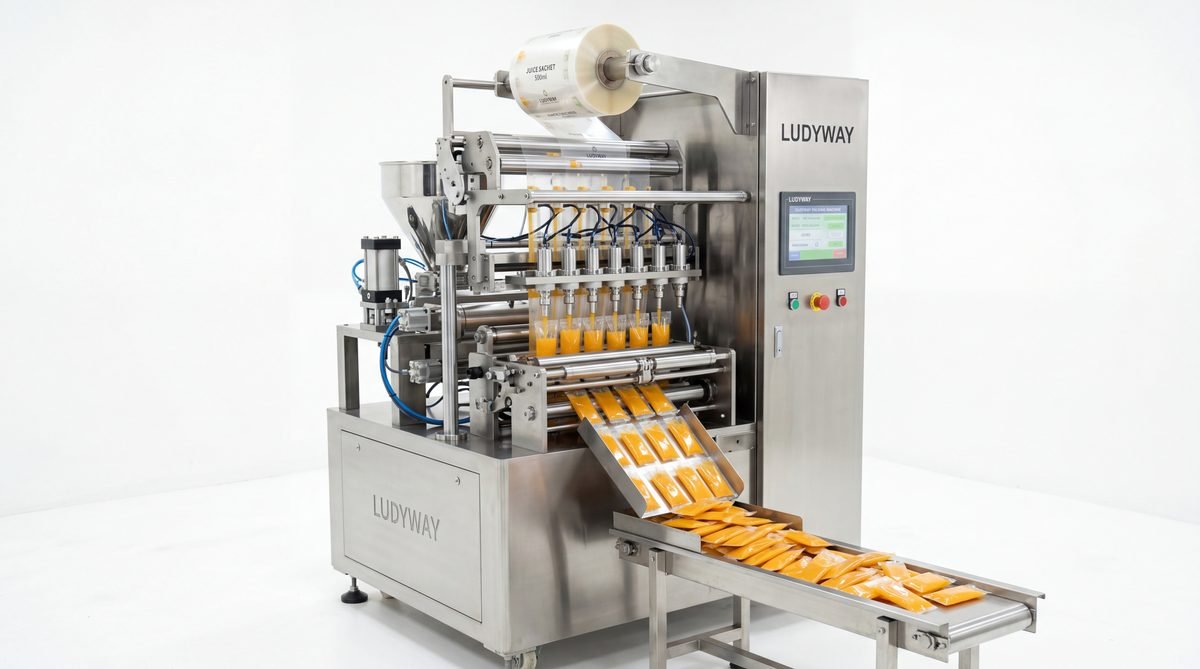
Understanding Your Lassi Production Requirements
Before comparing machine specifications, you must define your production goals. Lassi presents unique challenges due to its viscosity, potential for particle suspension (fruit pulp or spices), and sensitivity to temperature. Start by mapping out:
- Daily or hourly output targets: Are you packing 1,000 sachets per hour or 50,000 pouches per day?
- Packaging format: Common choices include stick packs, sachets, spouted pouches, or cups.
- Product variants: Sweet lassi, salted lassi, mango lassi, or probiotic versions may require different filling mechanisms.
- Shelf-life requirements: Fresh lassi versus ambient-stable lassi influences whether you need ultra-clean or aseptic filling capabilities.
Modern packaging machinery manufacturers like Ludyway Machinery design equipment that can handle these varying product characteristics through customized dosing and sealing configurations.
Key Features to Evaluate in a Lassi Packing Machine
1. Filling System Technology
The filling mechanism is the heart of any liquid packaging line. For lassi, volumetric piston fillers and magnetic flow meters are commonly used, depending on viscosity and particulate content. Consider these aspects:
| Filler Type | Best For | Considerations |
|---|---|---|
| Piston Filler | Thick, viscous lassi with pulp | High accuracy for consistent volumes |
| Magnetic Flow Meter | Smooth, homogeneous lassi | CIP-compatible, minimal moving parts |
| Gravity Filler | Low-viscosity products | Less suitable for thick lassi varieties |
2. Material Compatibility and Hygiene
Dairy products demand strict hygiene standards. Your lassi packing machine should feature:
- Stainless steel construction (304 or 316L grades for food contact surfaces)
- CIP (Clean-in-Place) and SIP (Sterilize-in-Place) integration to minimize downtime between batches
- Smooth, crevice-free welds to prevent bacterial accumulation
- Validation-ready design if you are targeting regulated markets requiring FDA food packaging compliance
3. Multi-Lane Configuration for High-Volume Production
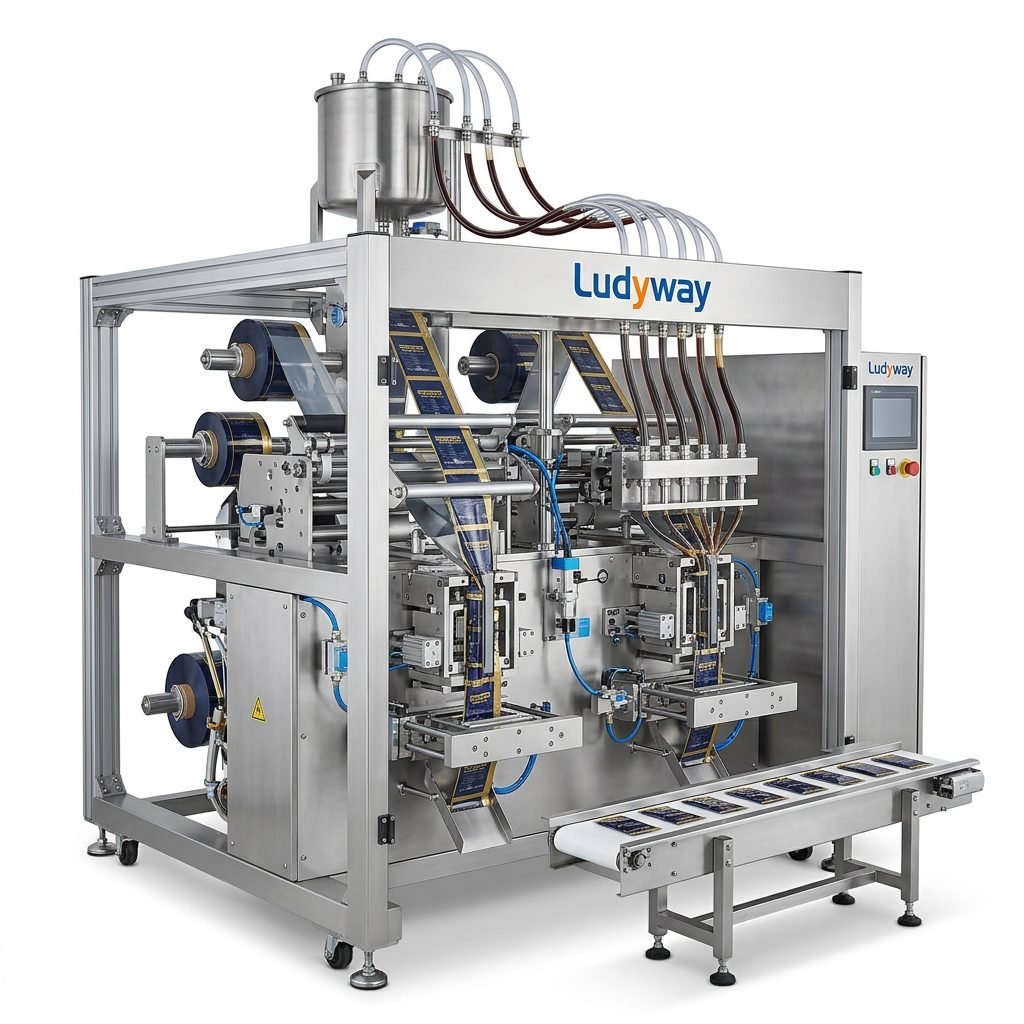
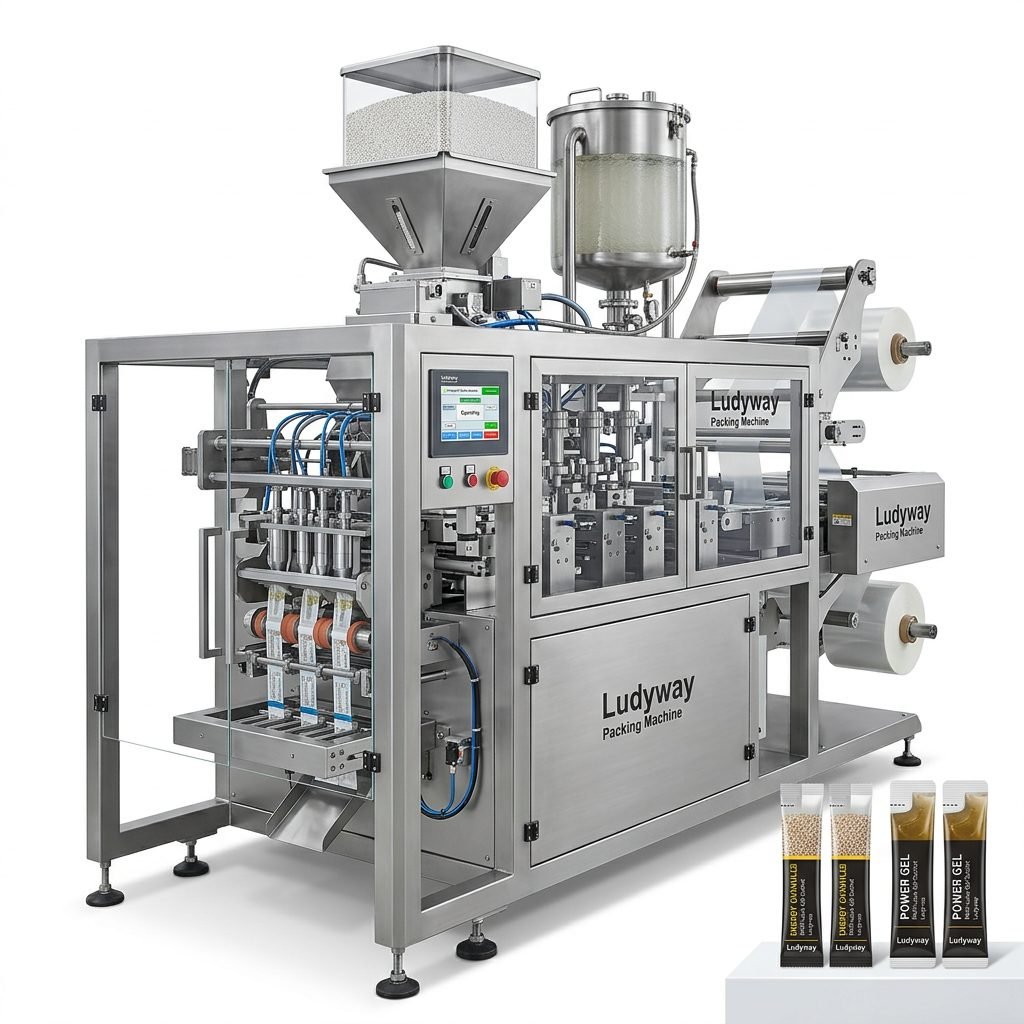
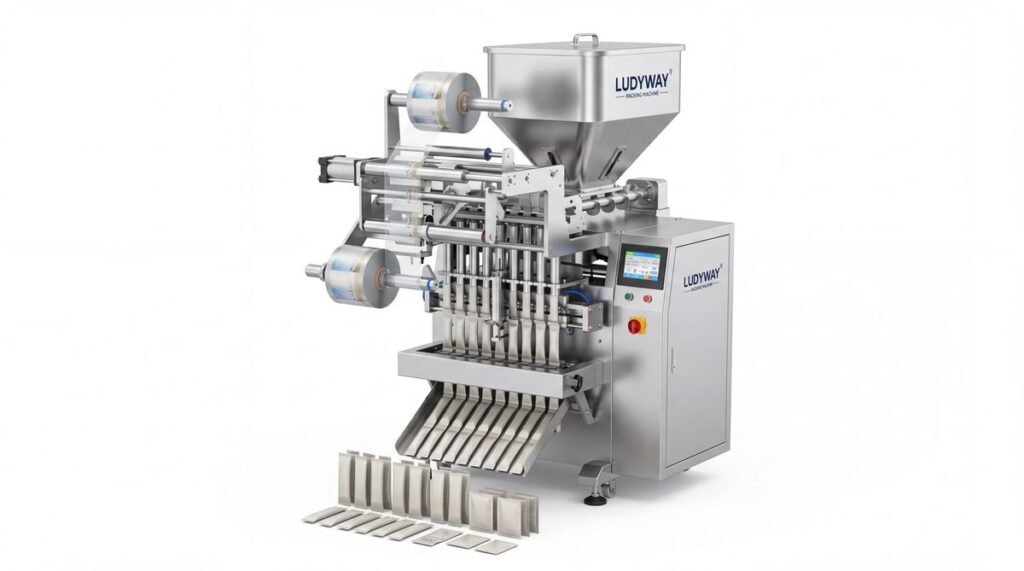
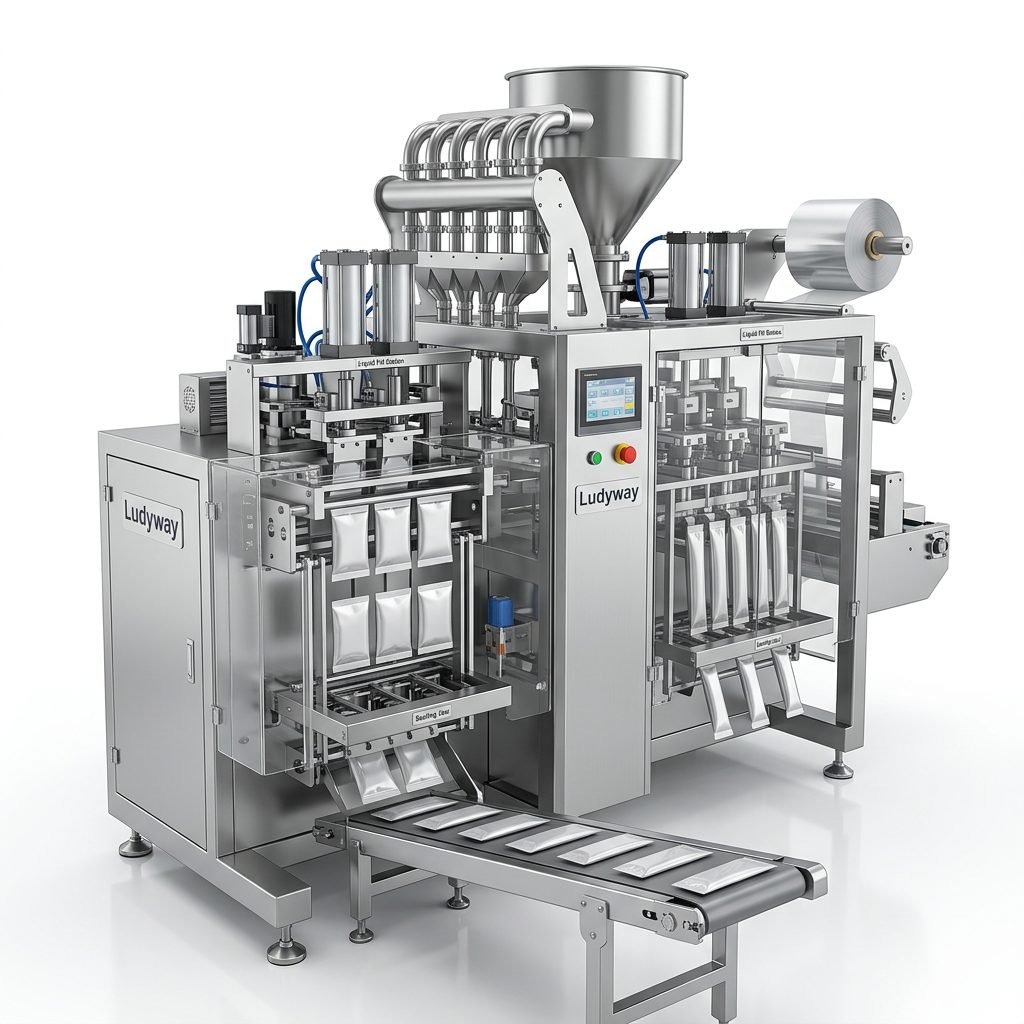
If you manufacture contract packing or supply to large retail chains, single-lane machines may limit your capacity. Multi-lane stick pack and sachet machines from Ludyway Machinery can operate 4, 6, 8, or more lanes simultaneously, multiplying output without requiring significantly more floor space. This configuration is particularly effective for small-portion lassi packs sold in convenience stores or used in hospitality channels.
Packaging Format Flexibility: Sachet, Stick Pack, or Pouch
Consumer preferences for lassi packaging vary by market. A versatile machine should accommodate multiple formats to future-proof your investment:
| Format | Typical Volume | Market Application |
|---|---|---|
| Stick Pack | 10–30 ml | Single-serve, sampling, travel packs |
| Sachet | 100–250 ml | Daily consumption packs |
| Spouted Pouch | 200–500 ml | Family-size, resealable options |
Automation and Integration with Existing Lines
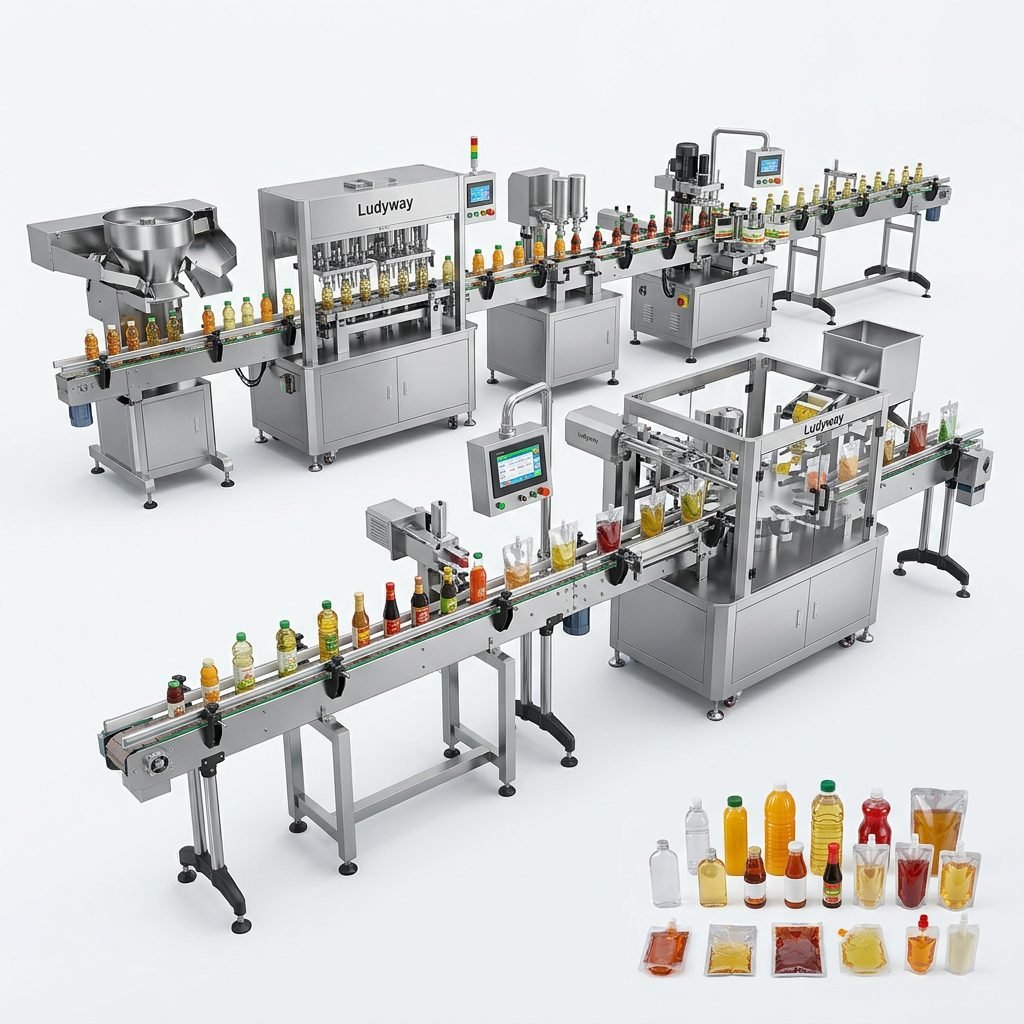
A standalone lassi packing machine can work for startups, but growing manufacturers benefit from integrated systems. Consider whether the machine can connect with:
- Automated feeding and buffer tanks
- Inline homogenizers or mixers for consistent product texture
- Date coding and batch printing systems
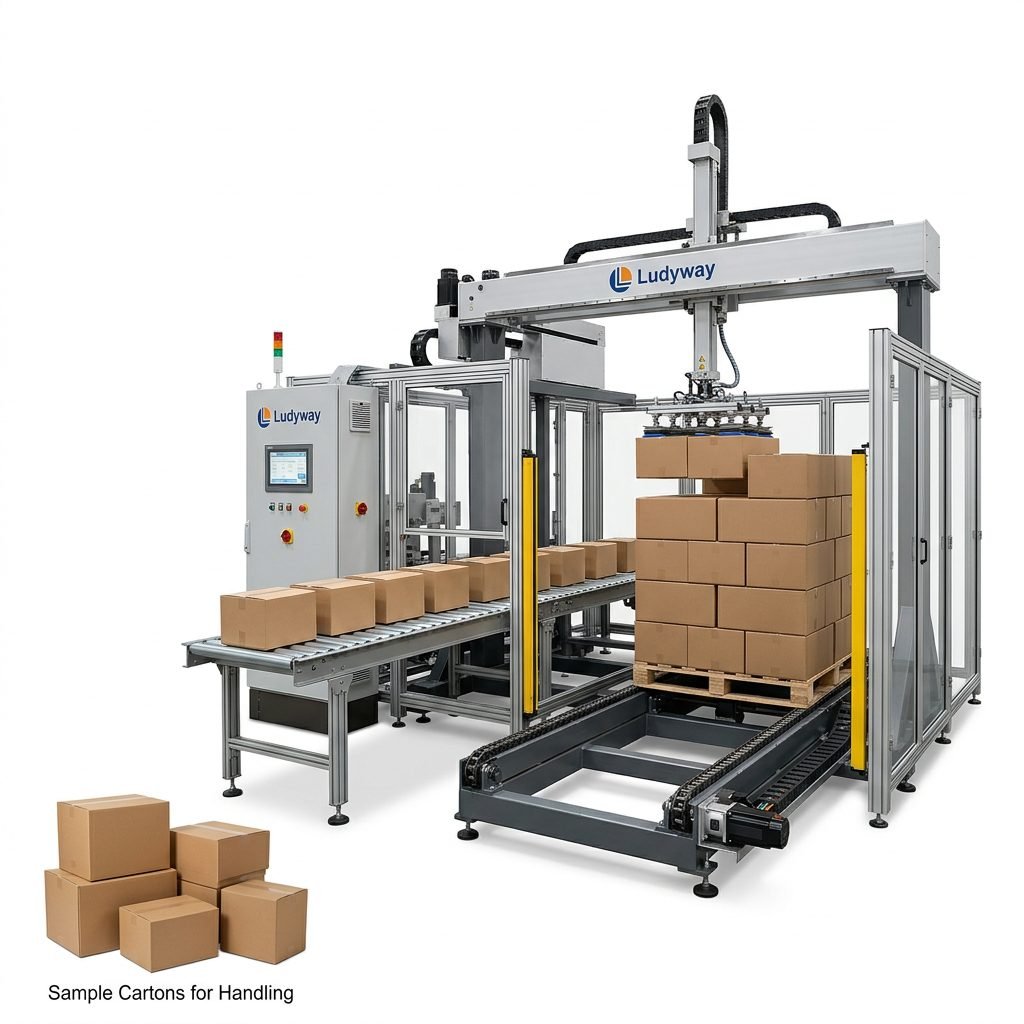
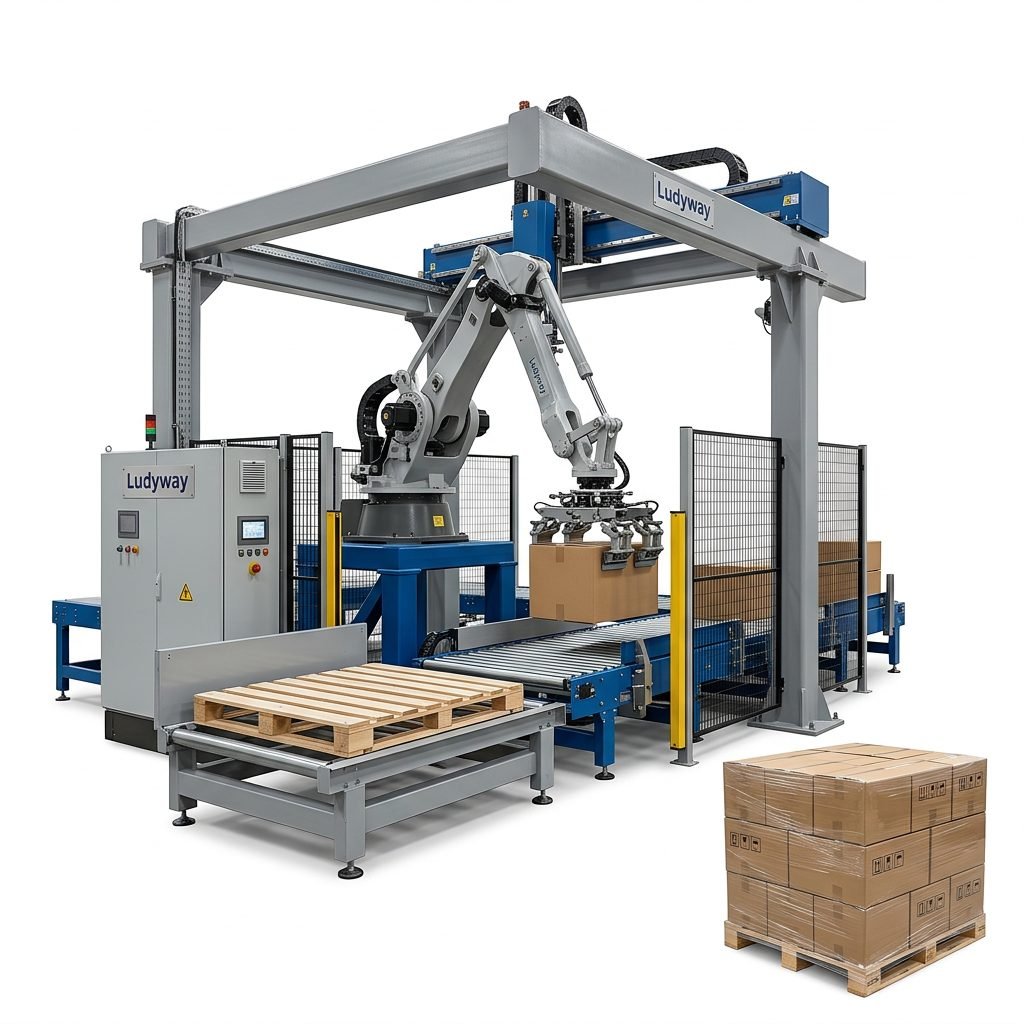
- Cartoning, case packing, and palletizing equipment
- Checkweighers and metal detectors for quality assurance
As highlighted by PMMI packaging industry reports, manufacturers increasingly prefer turnkey solutions from a single partner to simplify installation, training, and after-sales support.

Technical Specifications That Matter
When comparing data sheets for different lassi packing machines, pay close attention to these parameters:
- Filling accuracy: Typically ±1% for liquid filling, critical for regulatory compliance and cost control
- Sealing parameters: Temperature, pressure, and dwell time control for film materials like laminates with PET/Aluminum/LDPE layers
- Changeover time: How quickly the machine can switch between different bag formats or product recipes
- Compressed air and power consumption: Operating costs vary significantly between pneumatic-heavy and servo-driven designs
- Noise levels: Important for operator comfort in facilities running multiple shifts
Quality Standards and Certifications
For lassi packing machines destined for international markets, verify that the equipment can be configured to meet applicable standards. Relevant certifications often include CE marking for European markets, UL compliance for North America, and adherence to ISO packaging standards. The Flexible Packaging Association provides useful guidance on material compatibility and regulatory affairs for liquid dairy packaging applications.
Supplier Selection and Long-Term Support
Choosing the right supplier is as important as choosing the right machine. Evaluate manufacturers based on:
- Experience with dairy and viscous liquid applications
- Availability of factory acceptance testing (FAT) and site acceptance testing (SAT)
- Responsiveness of technical support and spare parts supply
- Capacity for customization rather than offering only standardized models
Ludyway Machinery, with more than 30 years of experience and a 20,000-square-meter manufacturing facility, provides customized lassi packaging solutions across over 100 countries. Their engineering team can configure machines for different production speeds, bag formats, and automation requirements—from individual stick pack units to complete turnkey packaging lines.
Total Cost of Ownership Considerations
While the initial purchase price matters, calculating total cost of ownership reveals the true investment. Factor in:
| Cost Factor | Impact on TCO |
|---|---|
| Spare parts availability | Downtime reduction and predictable maintenance costs |
| Film material efficiency | Even small reductions in waste significantly impact annual spending |
| Energy efficiency | Servo-driven systems typically reduce power consumption by 20–40% |
| Operator training requirements | Intuitive HMI interfaces reduce training time and operational errors |
Questions to Ask Before You Buy
Arm yourself with these questions when engaging packaging machinery suppliers:
- Can the machine handle lassi with variable viscosity and particulate content without clogging or dripping?
- What film structures and thicknesses are compatible with the sealing system?
- Is the filling system compatible with hot-fill conditions if your process requires it?
- How does the supplier handle installation support and operator training in your location?
- What is the typical lead time for both the machine and critical spare components?
Selecting the right lassi packing machine requires balancing output demands, product characteristics, format flexibility, and supplier capability. By focusing on these criteria and partnering with an experienced manufacturer, you can build a packaging operation that scales with your business while maintaining product quality and consistency.