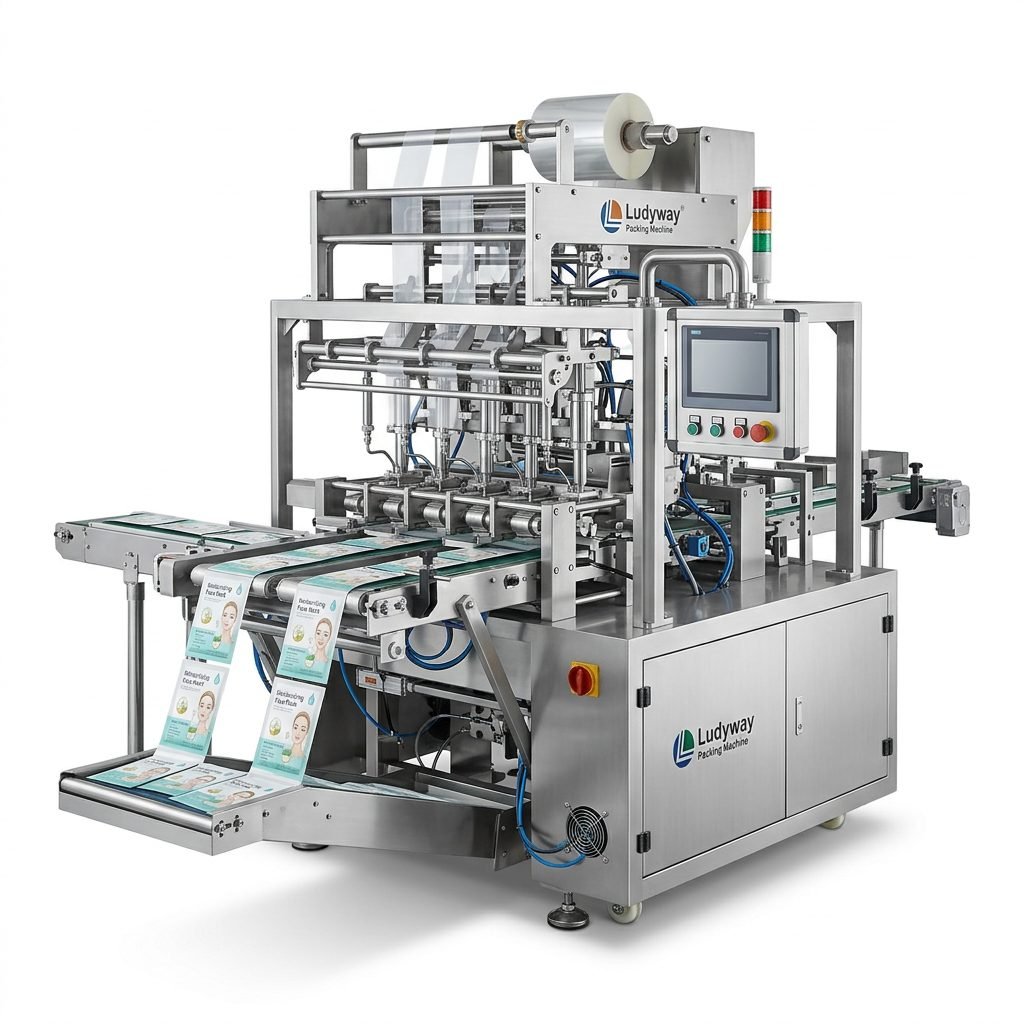
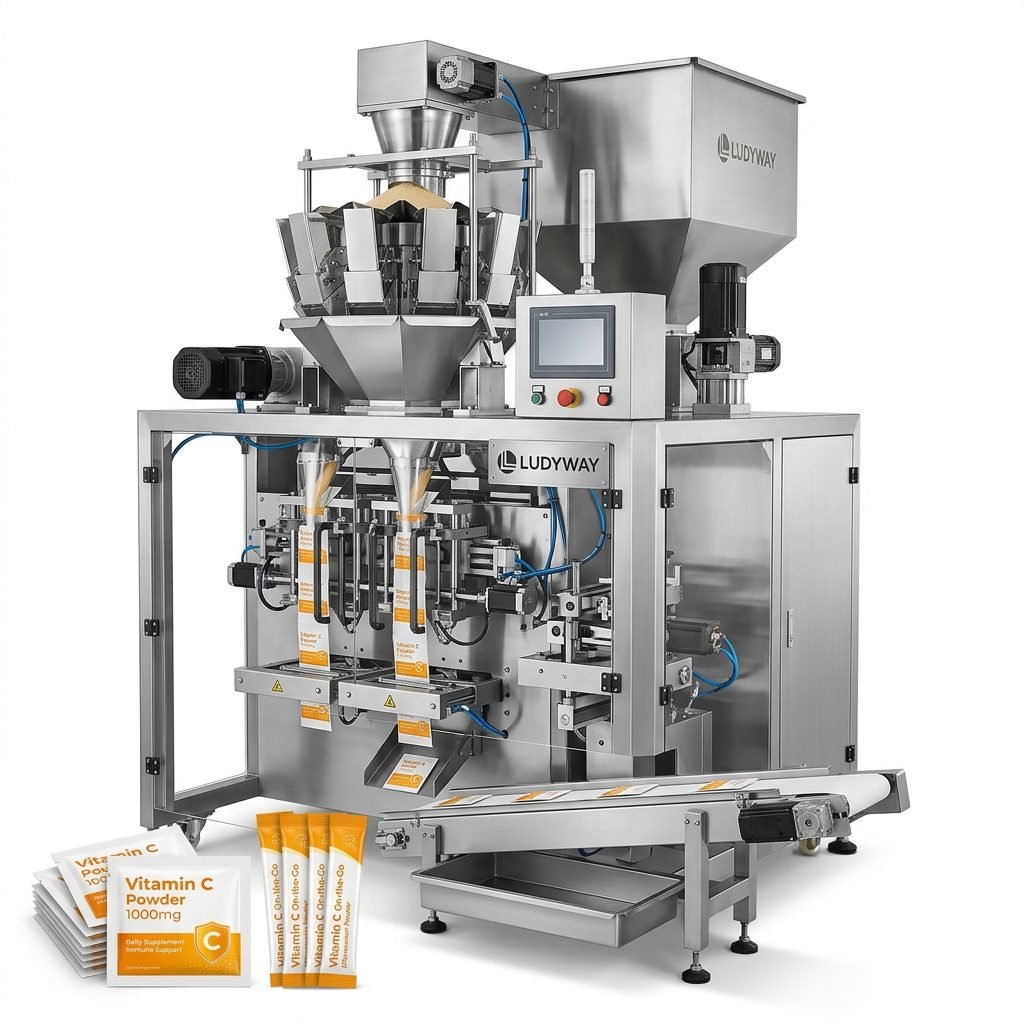
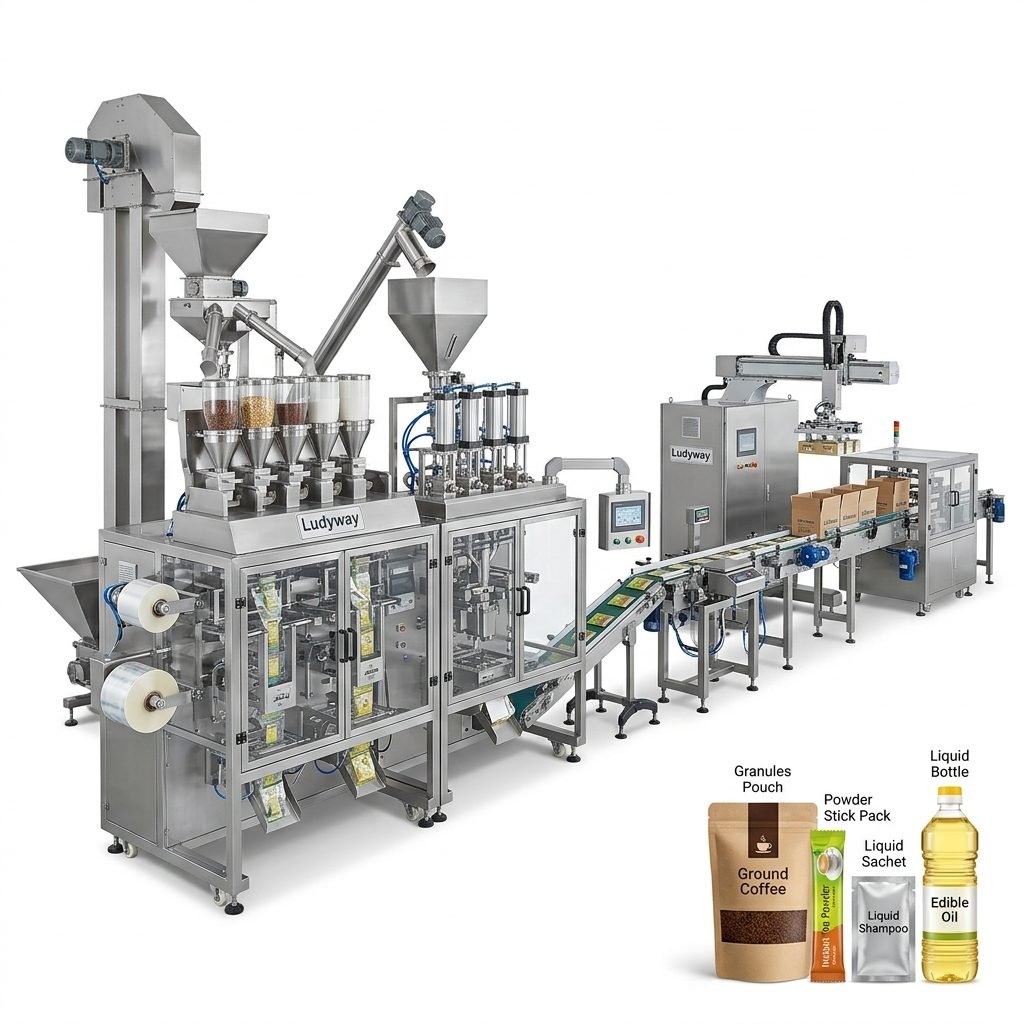
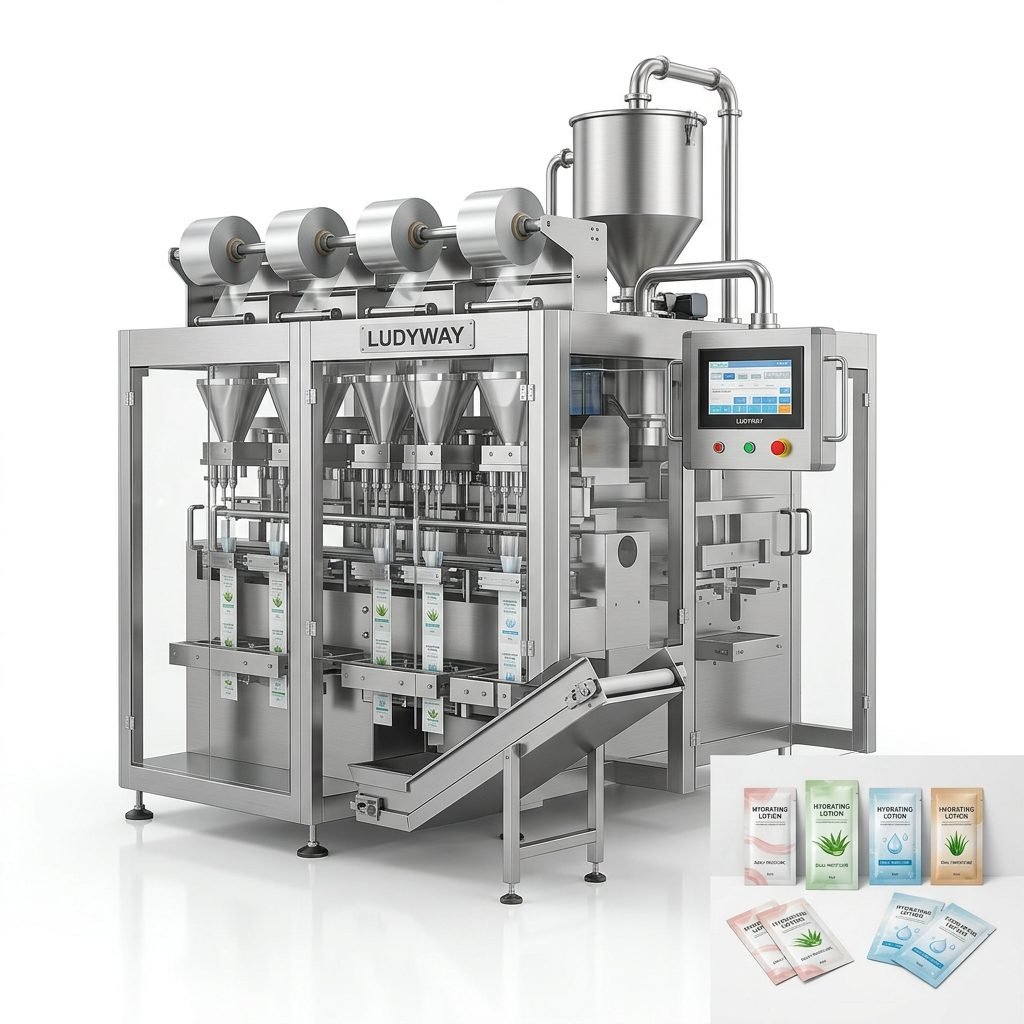
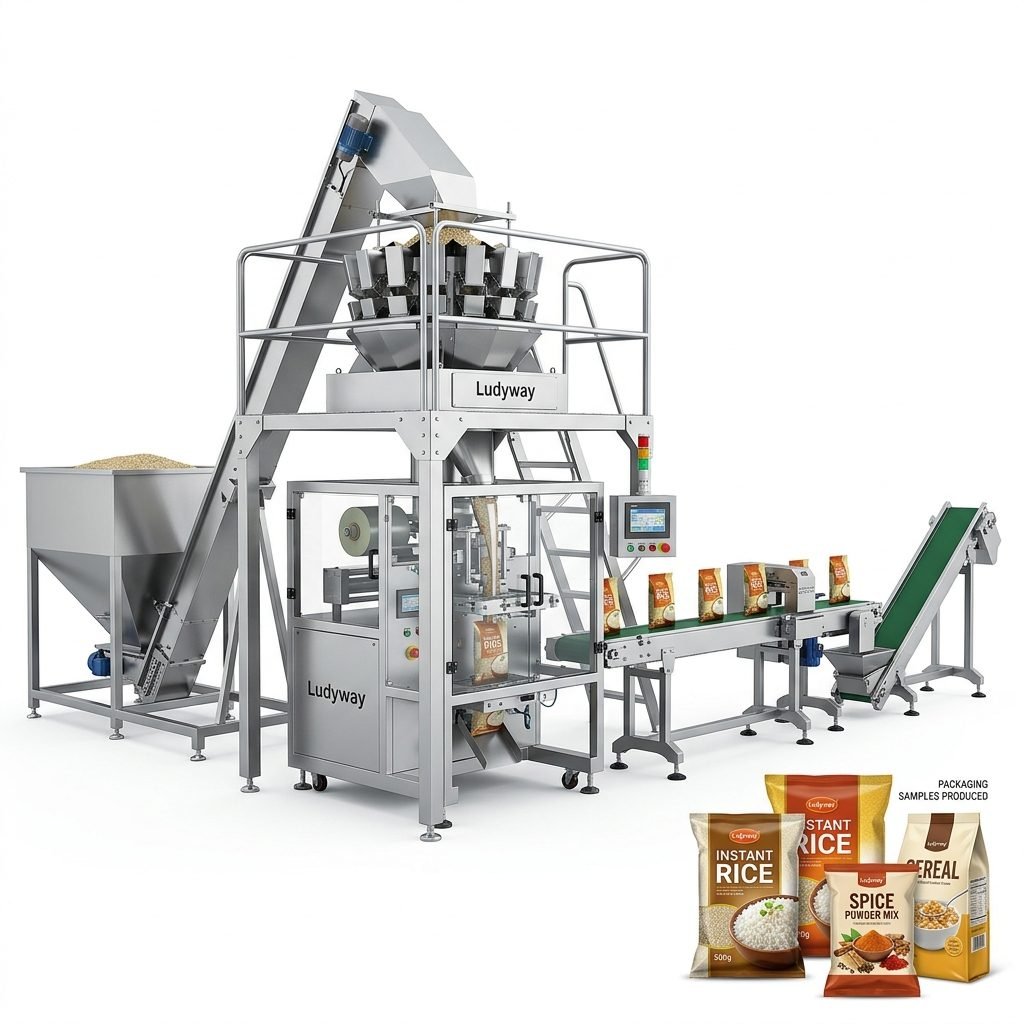
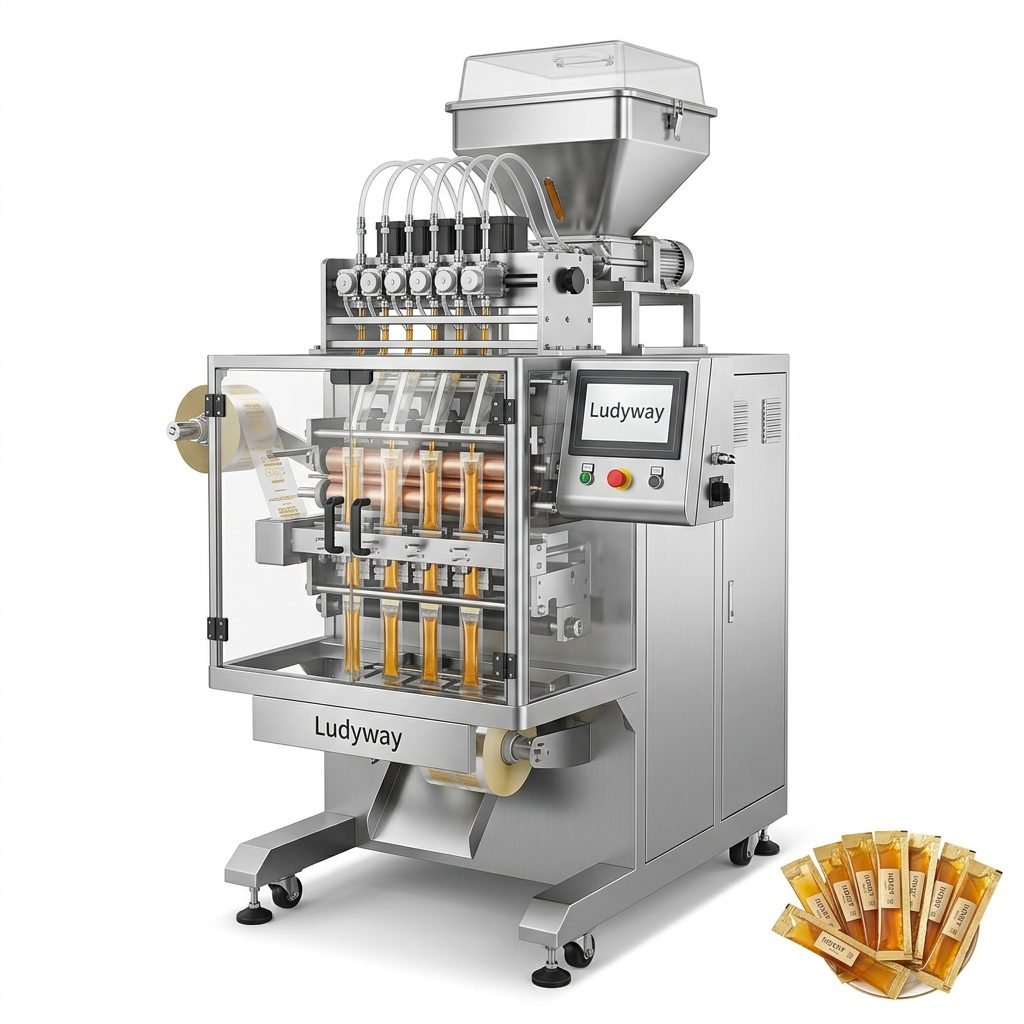
Selecting the right packaging machinery is one of the most critical capital decisions for manufacturers in the food, pharmaceutical, and chemical industries. While Ishida packaging machines are widely recognized for their weighing accuracy and multihead weigher technology, many production managers find themselves comparing specifications, configurations, and supplier capabilities before making a final choice. This guide walks through the key evaluation criteria—from product characteristics and production speed to total cost of ownership and after-sales support—to help you make an informed purchasing decision.

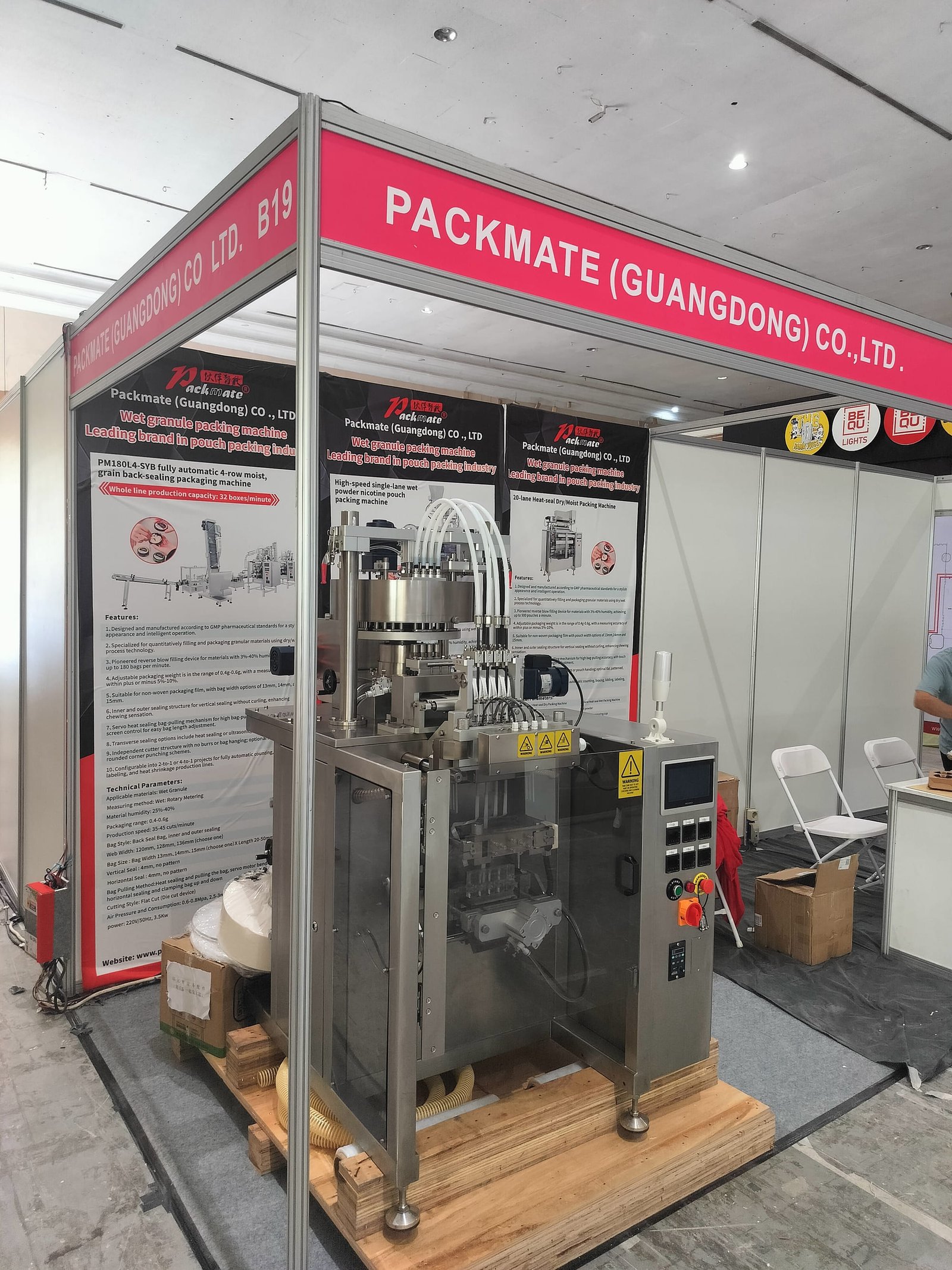
Understanding Your Product and Packaging Requirements
Before evaluating any specific machine model, start with a thorough analysis of what you are packaging. The physical characteristics of your product directly determine which packaging technology will deliver the best results.
Product Type and Flow Characteristics
Different products behave differently during the filling process. Free-flowing granules like sugar or salt require different handling than cohesive powders like milk powder or sticky products like dried fruit. Consider:
- Granule size and uniformity – Affects weigher accuracy and filling speed
- Bulk density and flowability – Determines feeding mechanism and hopper design
- Moisture content and hygroscopicity – Influences sealing requirements and film selection
- Fragility and dust generation – Impacts handling systems and dust collection needs
Target Packaging Format
Your desired package format narrows down the machine configuration significantly. Common formats include:
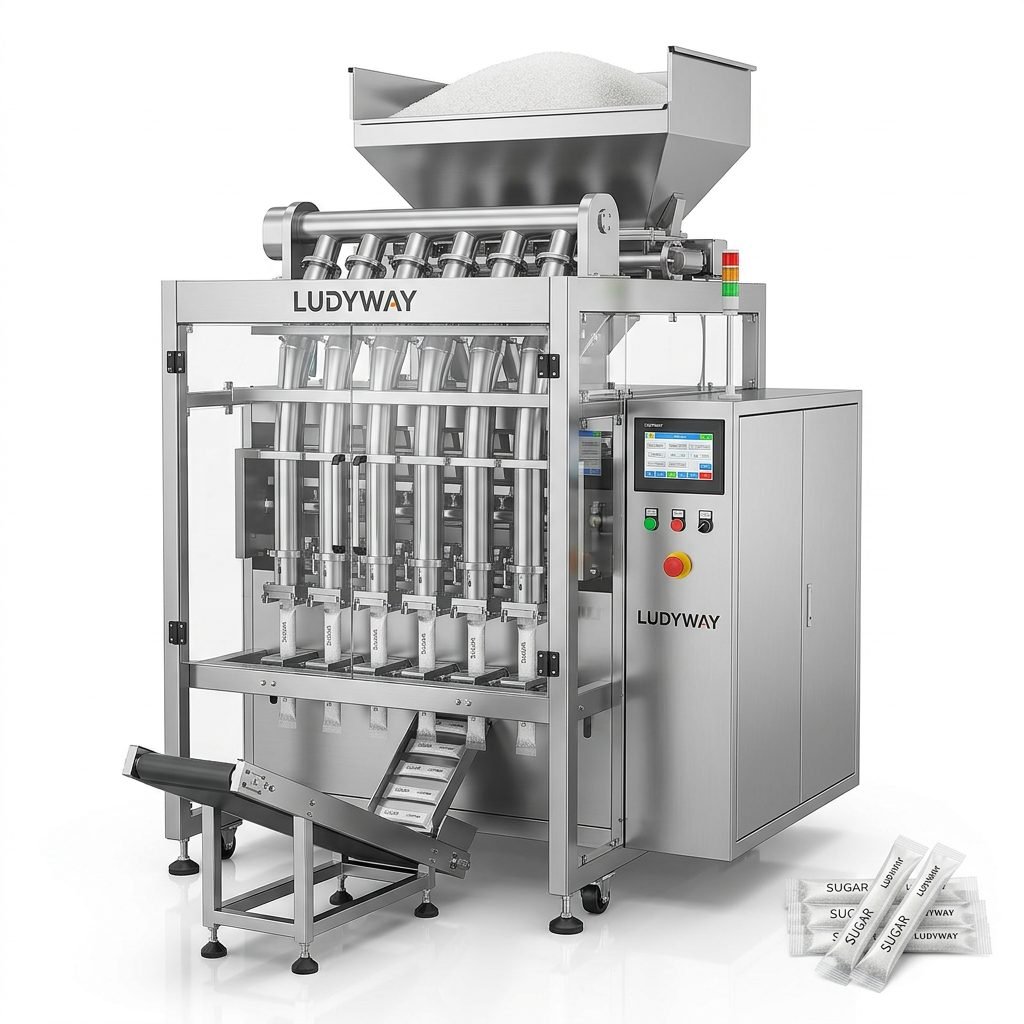
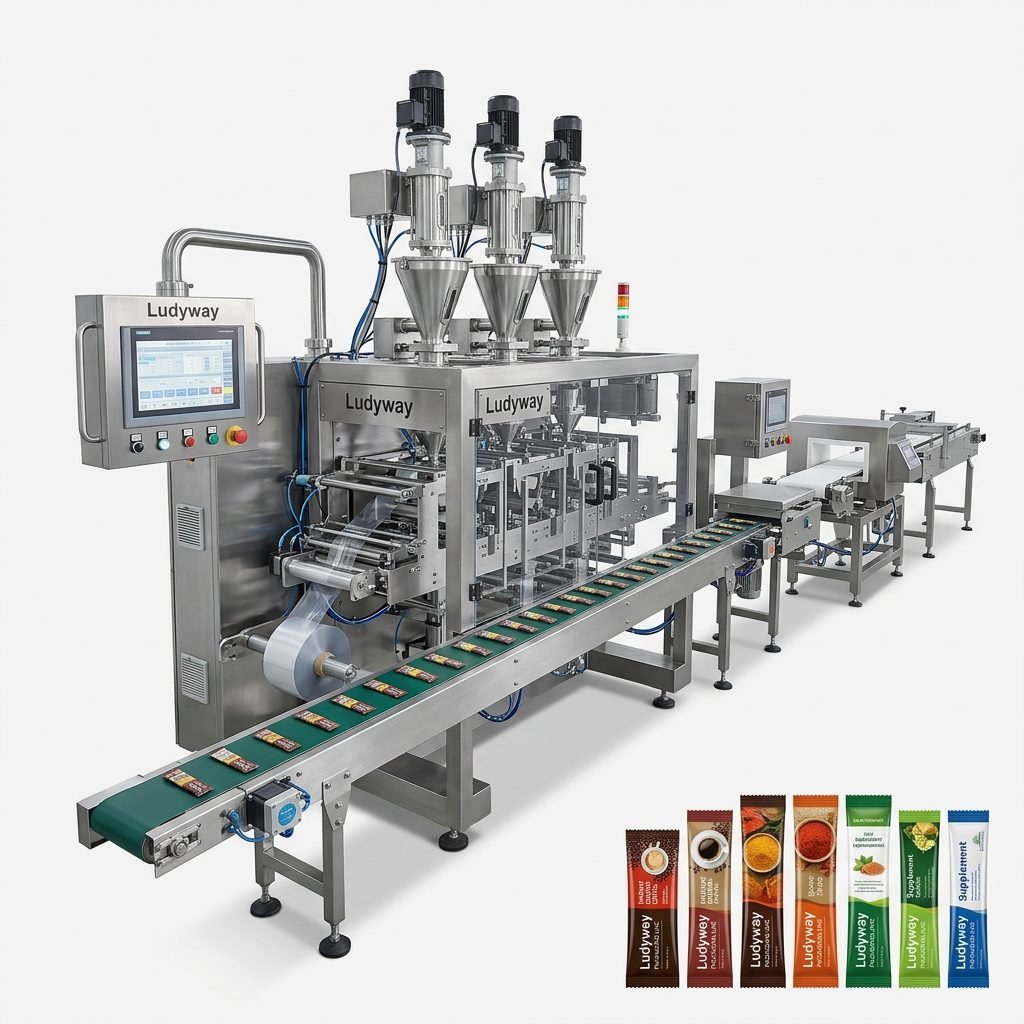
- Stick packs and sachets – Popular for single-serve powders, seasonings, and instant beverages
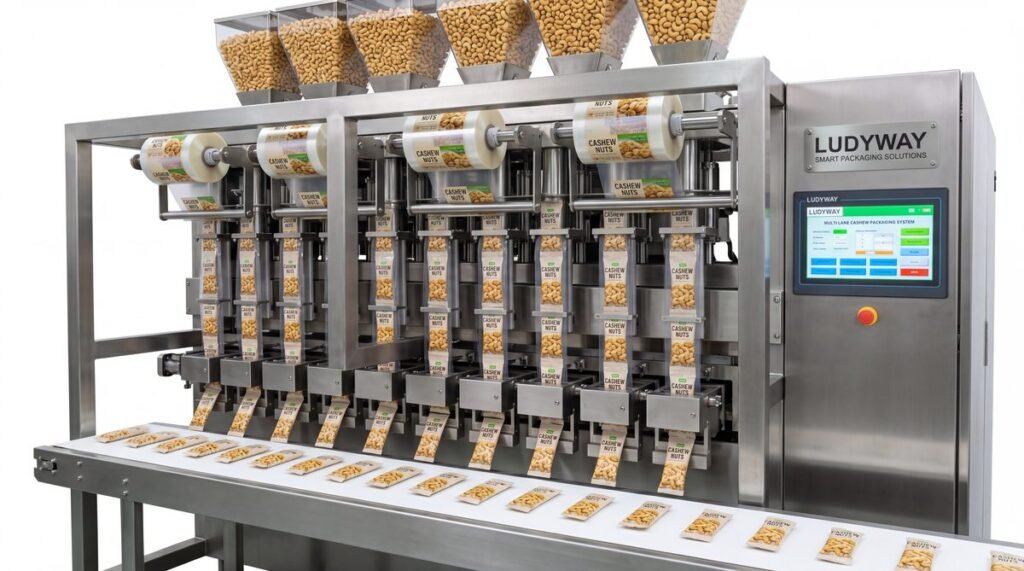
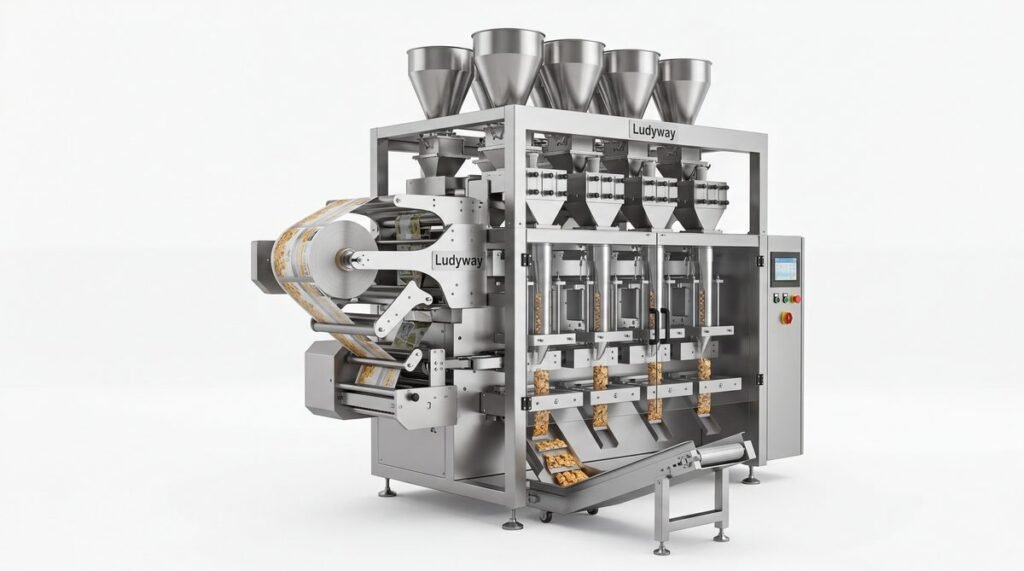
- Pillow pouches and flat pouches – Versatile for snacks, dry foods, and granular products
- Stand-up pouches and zipper pouches – Growing demand for resealable packaging
- Gusseted bags and quad-seal bags – Used for larger volume products and bulk packaging
Production Speed and Throughput Planning
One of the most frequent mistakes buyers make is focusing solely on maximum rated speed without considering real-world operating conditions. A machine rated at 200 packs per minute may realistically produce 140-160 packs per minute depending on film quality, product characteristics, and operator skill.
Multi-Lane vs. Single-Lane Configurations
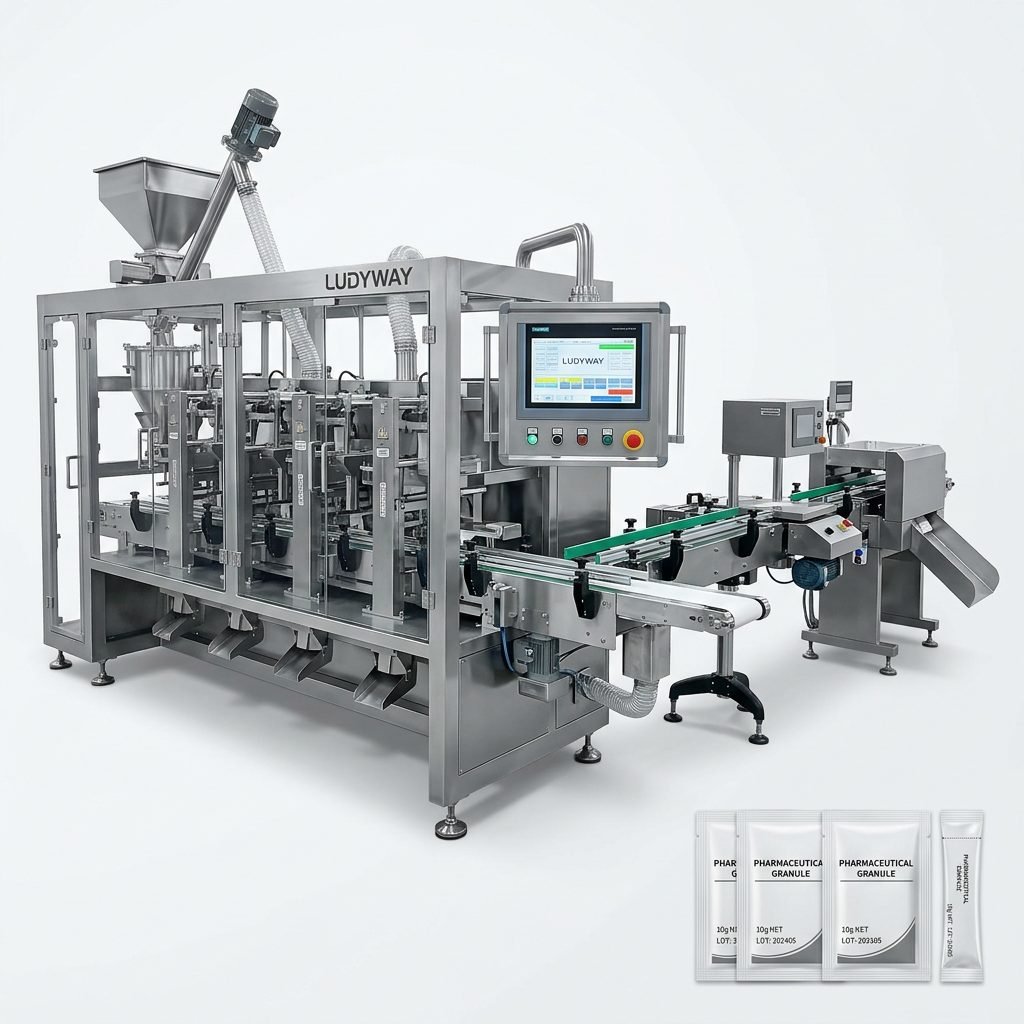
For high-volume stick pack and sachet production, multi-lane packaging systems offer a significant throughput advantage. Instead of producing one pack per cycle, a 4-lane, 8-lane, or even 16-lane machine can multiply output without proportionally increasing floor space or labor requirements.
Speed Considerations by Product Type
| Product Category | Typical Speed Range | Recommended Configuration |
|---|---|---|
| Free-flowing granules (sugar, salt) | 120-250 packs/min | Multi-lane stick pack |
| Cohesive powders (milk powder, flour) | 80-150 packs/min | Auger filler with agitation |
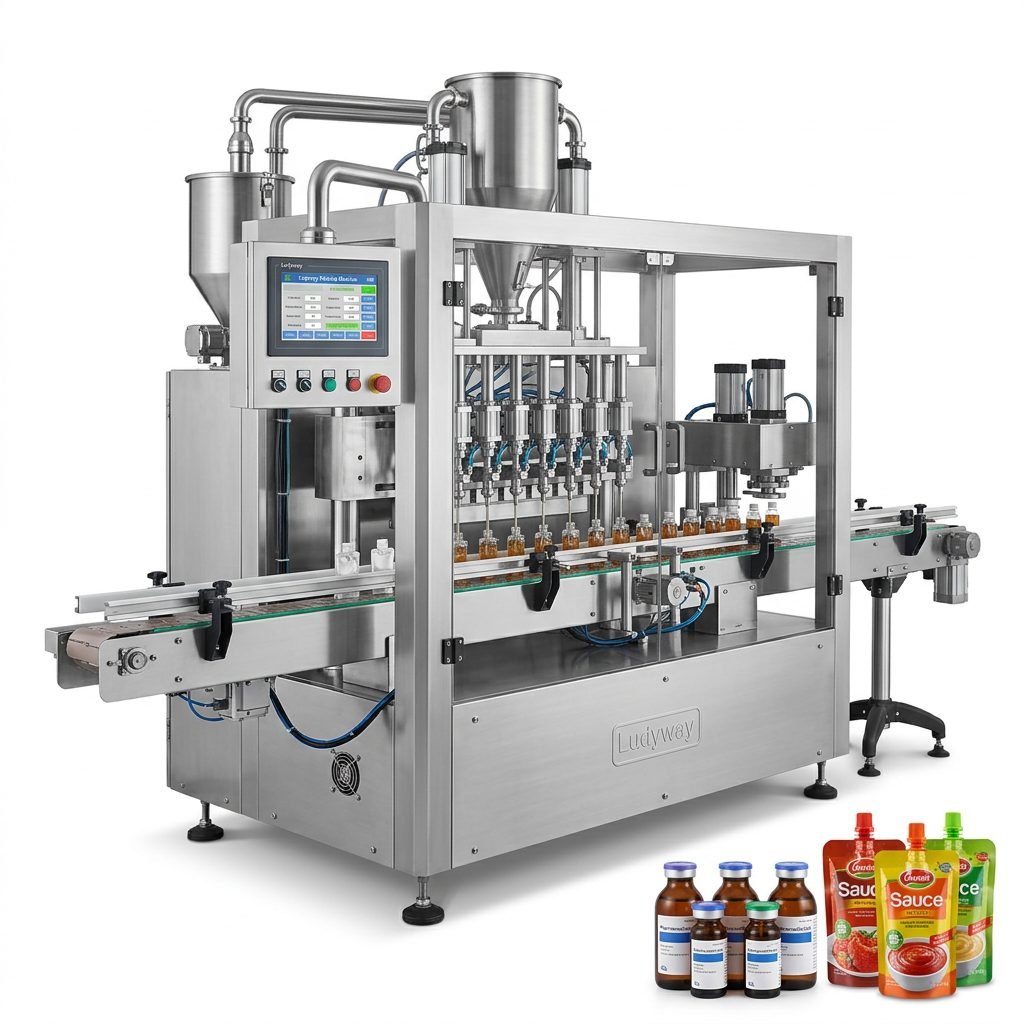
| Liquids and pastes | 60-180 packs/min | Piston or peristaltic pump filling |
| Pharmaceutical granules | 60-120 packs/min | High-accuracy dosing with validation |
Weighing and Dosing Accuracy
For many applications, especially in FDA-regulated food packaging and pharmaceutical production, dosing accuracy is as important as speed. Overfilling eats into profit margins, while underfilling risks regulatory non-compliance and customer complaints.
Multihead weighers remain the gold standard for weigh-filling applications, especially for products that can be handled by vibration feeders. However, for sticky products, fragile items, or applications where product integrity is critical, alternative dosing technologies such as auger fillers, volumetric cup fillers, or piston fillers may be more appropriate.
Key Accuracy Metrics
- Standard deviation – Measures consistency across multiple fills
- Giveaway rate – Quantifies excess product given per package
- Reject rate – Percentage of packs falling outside acceptable weight range
- Speed vs. accuracy trade-off – Higher speeds often reduce precision slightly
Packaging Material Compatibility
Not all packaging machines handle all film types equally well. Your choice of packaging film—whether it is laminate, mono-material, paper-based, or biodegradable—affects sealing parameters, machine settings, and overall pack quality. According to the Flexible Packaging Association, material selection is one of the fastest-evolving areas in packaging technology.
Film Considerations
- Seal strength and integrity – especially for liquid and powder products
- Barrier properties – moisture, oxygen, and light protection levels
- Printability and branding surface – quality of on-pack printing and coding
- Sustainability goals – mono-material and recyclable structure compatibility
Machine Build Quality and Reliability
The mechanical and electrical architecture of a packaging machine largely determines its long-term reliability and maintenance requirements. Look for:
- Frame construction and materials – Stainless steel for food and pharma applications
- Industrial automation components – PLC, servo motors, pneumatic systems from recognized brands
- Sealing jaw design and temperature control – Consistent seal quality at high speeds
- Tool-less changeover features – Faster format changes with minimal downtime
- Protection ratings (IP rating) – Critical for washdown environments
Integration with Production Line and Ancillary Equipment
A packaging machine rarely operates in isolation. Consider how the new equipment will integrate with your existing or planned production line infrastructure:
| Upstream Equipment | Integration Function |
|---|---|
| Product feeding systems and elevators | Consistent product supply to the packaging machine |
| Checkweighers and metal detectors | Quality control and regulatory compliance |
| Coding and marking systems | Batch coding, date marking, traceability |
| Cartoning and case packing | Secondary packaging automation |
| Palletizing and end-of-line systems | Warehouse readiness and logistics efficiency |
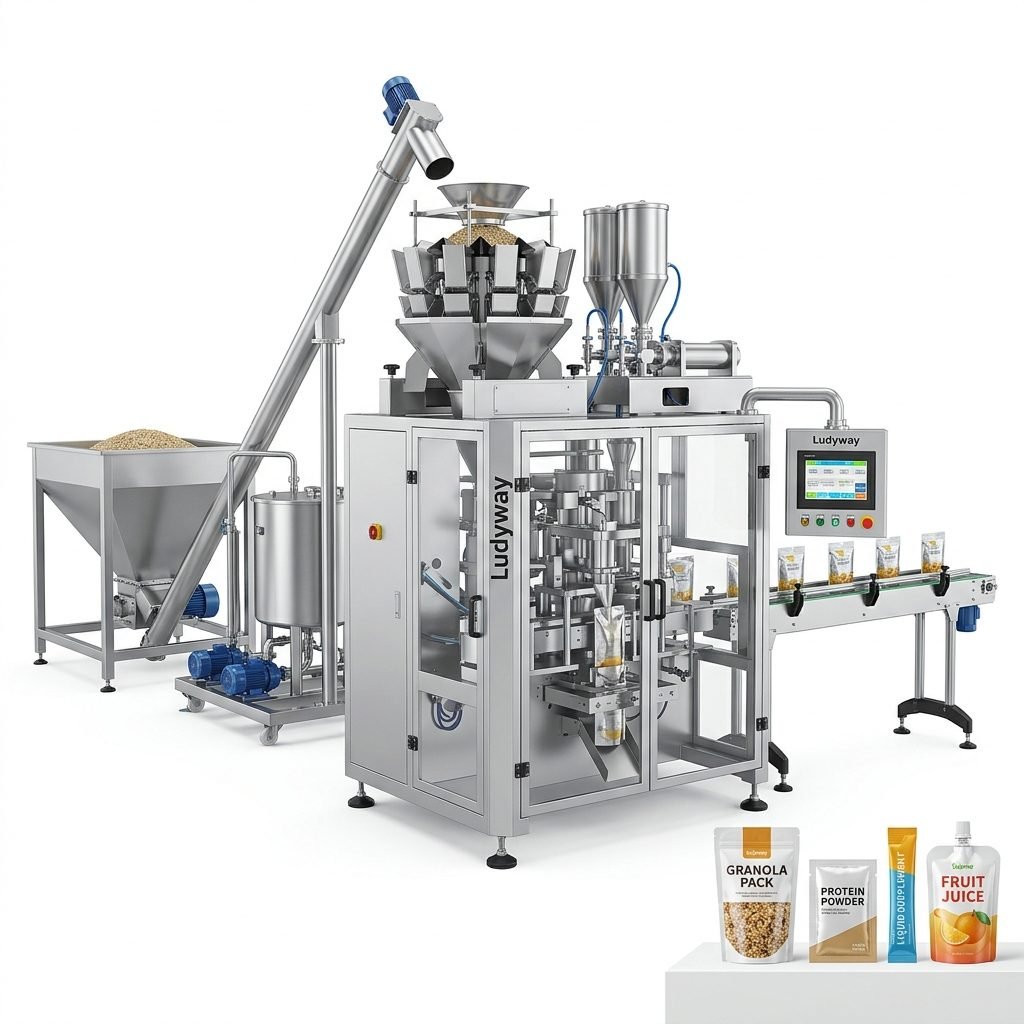
Manufacturers increasingly prefer working with a single supplier who can provide integrated packaging systems rather than sourcing individual machines from multiple vendors and managing the integration themselves. This approach is especially beneficial for companies that need turnkey packaging solutions covering multiple stages of the packaging process.
Service, Support, and Spare Parts Availability
Even the most reliable packaging machine requires preventive maintenance, occasional troubleshooting, and spare parts over its operational lifetime. Before committing to a purchase, evaluate:
- Availability of remote technical support – Can the supplier diagnose issues via video or remote connection?
- Spare parts inventory and delivery times – Critical spare parts should be available either locally or within a short shipping timeframe
- Installation and commissioning support – Does the supplier provide on-site technicians?
- Operator training programs – Proper training significantly reduces downtime and improves efficiency
- After-sales service commitment – Long-term partnership versus transactional relationship
Total Cost of Ownership (TCO) Analysis
The purchase price is only one component of the total cost. A comprehensive TCO analysis should include:
- Capital equipment cost – Machine, ancillaries, installation, and commissioning
- Packaging material costs – Film utilization rate, waste percentage, roll change frequency
- Labor costs – Operators required per shift, skill level requirements
- Energy consumption – Power, compressed air, and utilities
- Maintenance costs – Spare parts, service contracts, technician visits
- Downtime costs – Lost production, line stoppages, changeover time
An apparently cheaper machine that requires more labor, produces more waste, or experiences frequent downtime can cost significantly more over a 5-10 year operating period than a higher-quality alternative.
Industry-Specific Requirements and Certifications
Different industries have vastly different packaging requirements. According to ISO packaging standards, machine design and documentation must align with applicable regulations for the target market.
Food and Beverage Industry
Focus on hygienic design, washdown capability, food-grade materials, and compliance with FDA, EU, or local food safety regulations. Features like tool-less disassembly for cleaning, sloped surfaces to prevent product accumulation, and validated cleaning procedures are essential.
Pharmaceutical and Nutraceutical Industry
Requirements for GMP compliance, validation documentation, 21 CFR Part 11 electronic records, and cleanroom compatibility are typical. Machines may need to operate in ISO 7 or ISO 8 cleanrooms, with appropriate material certifications and rigorous change control procedures.
Chemical and Industrial Products
Considerations include corrosion resistance, explosion-proof configurations for volatile products, compatibility with aggressive chemicals, and robust construction for multi-shift industrial environments.
Customization and Flexibility
Standard packaging machines serve many applications well, but manufacturers with unique product characteristics, packaging formats, or production environments often benefit from customized packaging solutions. A machine configured for your specific products and requirements will generally outperform a generic machine adapted to your application.
When evaluating customization capabilities, consider whether the supplier has in-house engineering resources, machine design experience, and application knowledge to develop effective solutions rather than simply offering standard machines in different sizes.
Supplier Evaluation Criteria
Beyond the machine specifications, choosing the right packaging machinery supplier is equally important. Key evaluation criteria include:
- Manufacturing experience – Years in business, number of machines installed, industry references
- Engineering capabilities – In-house design, automation expertise, application knowledge
- Global service reach – Support availability in your region, technical communication capabilities
- Customer references and case studies – Similar applications in your industry
- Financial stability – Long-term viability as a business partner
Common Mistakes to Avoid When Buying Packaging Machinery
Learning from others’ purchasing mistakes can save significant time and cost:
- Underestimating total production requirements – Account for growth, seasonality, and peak demand
- Overlooking packaging material costs – Machine efficiency and film waste directly impact operating costs
- Ignoring changeover time – Frequent product or format changes make rapid changeover capability essential
- Focusing only on initial purchase price – TCO over 5-10 years is the more meaningful metric
- Not testing with your actual products – Factory acceptance testing with your own products is invaluable
- Neglecting operator training – Even the best machine underperforms without properly trained operators
Why Choose a Reliable Packaging Machinery Partner
With over 30 years of experience in the packaging industry, Ludyway Machinery is a China-based packaging machinery manufacturer and turnkey packaging solution provider serving customers in more than 100 countries. The company operates a 20,000-square-meter manufacturing facility with over 130 professionals and more than 50 packaging machine models, covering powder, granule, liquid, stick pack, sachet, pouch, and other flexible packaging applications. Companies looking for customized, scalable, and integrated packaging systems can explore options at www.ludyway.com.
When selecting any packaging machinery—whether an Ishida weigher system, a multi-lane sachet machine, or a complete turnkey line—the most important principle is matching the equipment to your specific products, production goals, and operational requirements. Taking the time to thoroughly evaluate your needs, test with your products, and choose a capable supplier significantly increases the likelihood of a successful packaging equipment investment.
For additional information on packaging industry trends and equipment selection guidance, visit PMMI – The Association for Packaging and Processing Technologies and the Flexible Packaging Association. For regulatory requirements related to food packaging, the FDA Food Packaging and Food Contact Substances resource provides essential guidance.