Investing in a bun packing machine is a critical decision for bakeries, food manufacturers, and central kitchens scaling up production. The right equipment dramatically improves shelf life, reduces labor costs, and maintains the delicate texture of your baked goods. However, navigating the differences between horizontal flow wrappers, modified atmosphere packaging (MAP), and mechanical versus servo-driven systems can be overwhelming. This guide breaks down the essential factors—from product characteristics to automation levels—to help you select the optimal bun packing machine for your operation.
1. Understanding Your Product’s Specific Needs
Before comparing machine specifications, you must define the physical characteristics of the buns you are packaging. Not every bun packing machine handles high-rising artisan bread in the same way it handles flat sandwich buns. Conduct a thorough audit of the following variables:
- Product Dimensions & Uniformity: Measure the length, width, and height variation. A standard packaging machine relies on consistent product spacing; excessive size variation can cause jams or poor film tracking.
- Texture & Vulnerability: Soft, airy buns require gentle handling. Look for no-touch auto-feeding systems to prevent crushing. If you have a delicate topping or icing, the bun packing machine must have minimal contact surfaces.
- Dehumidification Sensitivity: Freshly baked buns release moisture. Sealing them too quickly without cooling tunnels causes condensation, leading to mold. Your machine must integrate with a cooling conveyor if your cooling process is not yet complete.
2. Key Machine Configurations and Film Types
The film-sealing technology is the heart of a bun packing machine. The choice between cold-seal and heat-seal films impacts speed, operational cost, and product freshness.
| Packaging Style | Sealing Method | Best Used For | Key Advantage |
|---|---|---|---|
| Pillow Pack | Heat Seal / Cold Seal | Standard burger buns, hot dog rolls | High speed, low material cost |
| Gusseted Bag | Heat Seal | Artisan bread, tall sandwich loaves | Expanded volume for high-profile products |
| Flow Wrap with MAP | Heat Seal (Gas Flushed) | Extended shelf-life (ESL) buns | Oxygen displacement inhibits mold growth |
| Reclosable Flaps/Tin-Ties | Heat Seal / Adhesive | Premium multi-pack buns | Consumer convenience and reusability |
For most high-volume bakeries, a bun packing machine equipped with a precision heat control system ensures consistent integrity without burning the thin polypropylene films.

3. Speed, Throughput, and Line Integration
Your required throughput, measured in packs per minute (PPM), dictates the drive system you need. A mismatch here often leads to bottlenecks or excessive waste. Consider the following engineering factors:
- Matching Line Speed: Calculate the inlet speed of your cooling conveyor. The bun packing machine must run slightly faster to avoid backup. A synchronous belt system is often recommended for precise product transfer.
- Single vs. Multiple Lanes: For extremely high volumes, multi-lane packaging systems split a single stream into several wrapping channels, multiplying throughput without requiring excessive linear speed.
- Quick Changeover: If you switch between burger buns and foot-long subs hourly, a bun packing machine with a cantilevered infeed and digital recipe storage is essential. These features minimize manual adjustments and downtime.
4. Automation Level and Labor Reduction
One of the primary drivers for purchasing a new bun packing machine is the reduction of hand labor. While manual feeding is possible, automated systems provide a rapid return on investment. Evaluate the following automation components:
- Servo-Driven Jaw Motion: Unlike mechanical cam closers, servo jaws offer programmable motion profiles. This allows the jaw to “dwell” longer for a perfect seal without slowing the film feed, a critical feature for flexible packaging of soft bakery items.
- Auto-Feed Systems: A synchronized indexing barrel or lugged chain infeed automates the task of placing buns into the film tube. These components must be tool-less to adjust for different bread diameters.
- End-of-Line Integration: A bun packing machine rarely operates in isolation. It should seamlessly connect with automatic diverters, checkweighers, and standardized case packers.
5. Sanitary Design and Material Quality
Strict hygiene is non-negotiable in food processing. The construction of a bun packing machine must withstand aggressive wash-down chemicals without harboring crumb colonization sites. Look specifically for:
- Frame Construction: Stainless steel frames are preferred over painted mild steel. Sloped surfaces prevent water pooling, while continuous welds eliminate crevices where bacteria can thrive.
- Belt Materials: Food-grade PU belts are standard, but check if they are oil-resistant if you are packaging brioche or greasy products. A easy-lift design allows fast sanitation without removing the belt entirely.
- Guarding and Interlocks: Transparent, interlocked doors protect operators from hot seal jaw burns while maintaining visibility of the bun packing machine‘s operation.
6. Evaluating Supplier Support and Engineering Expertise
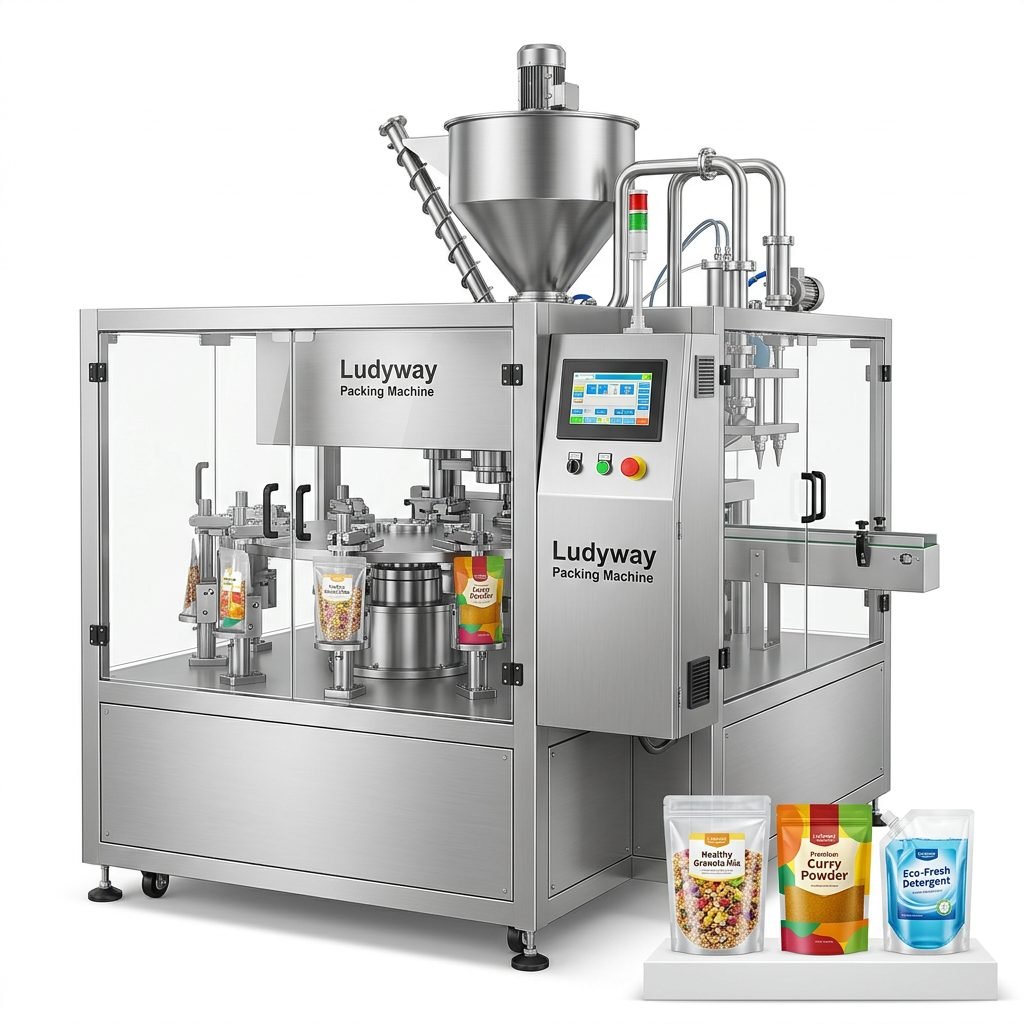
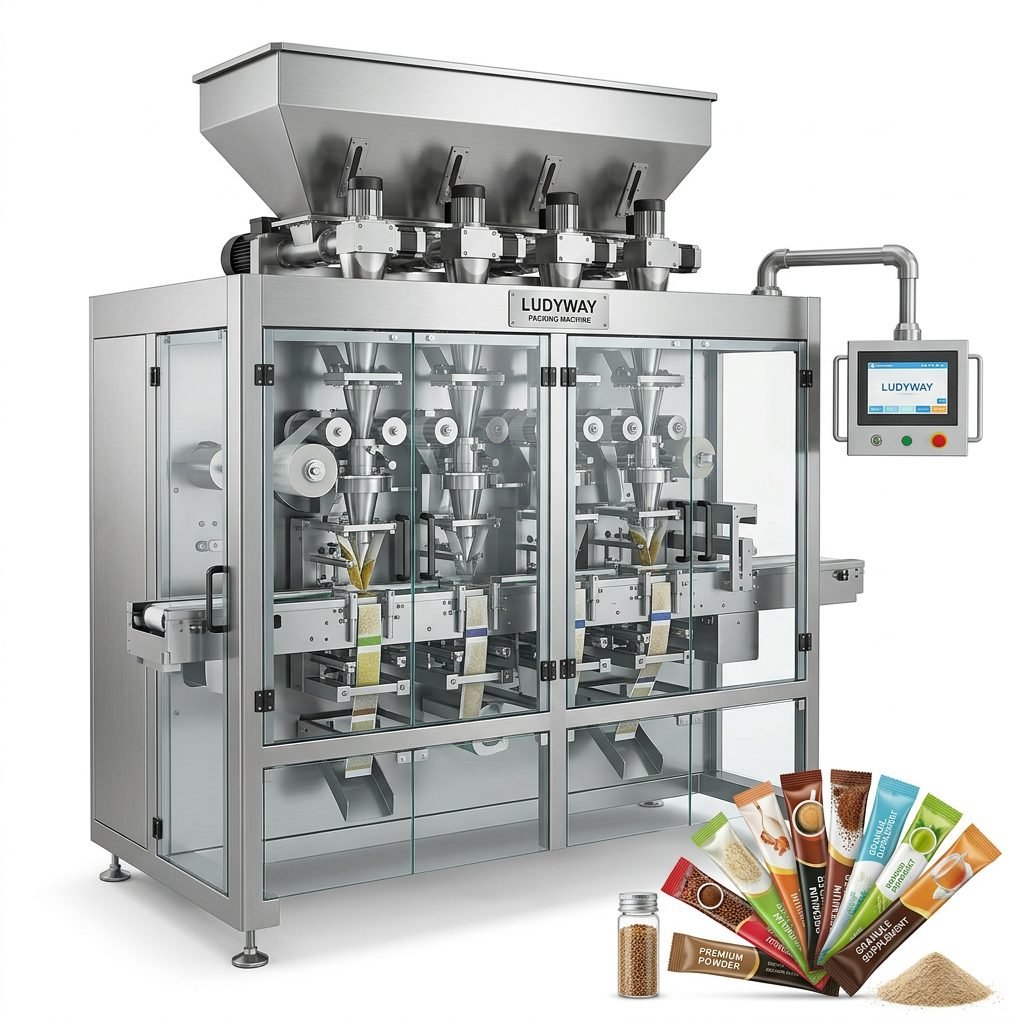
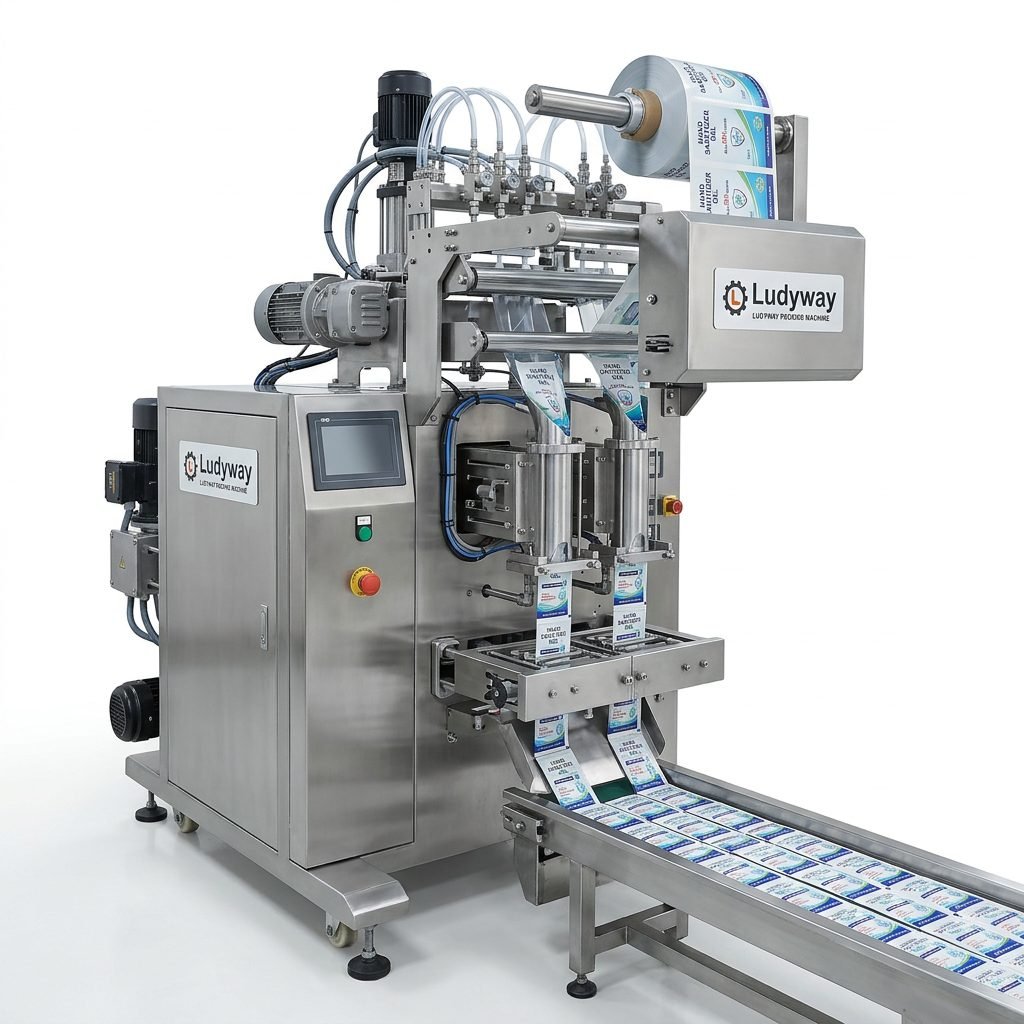
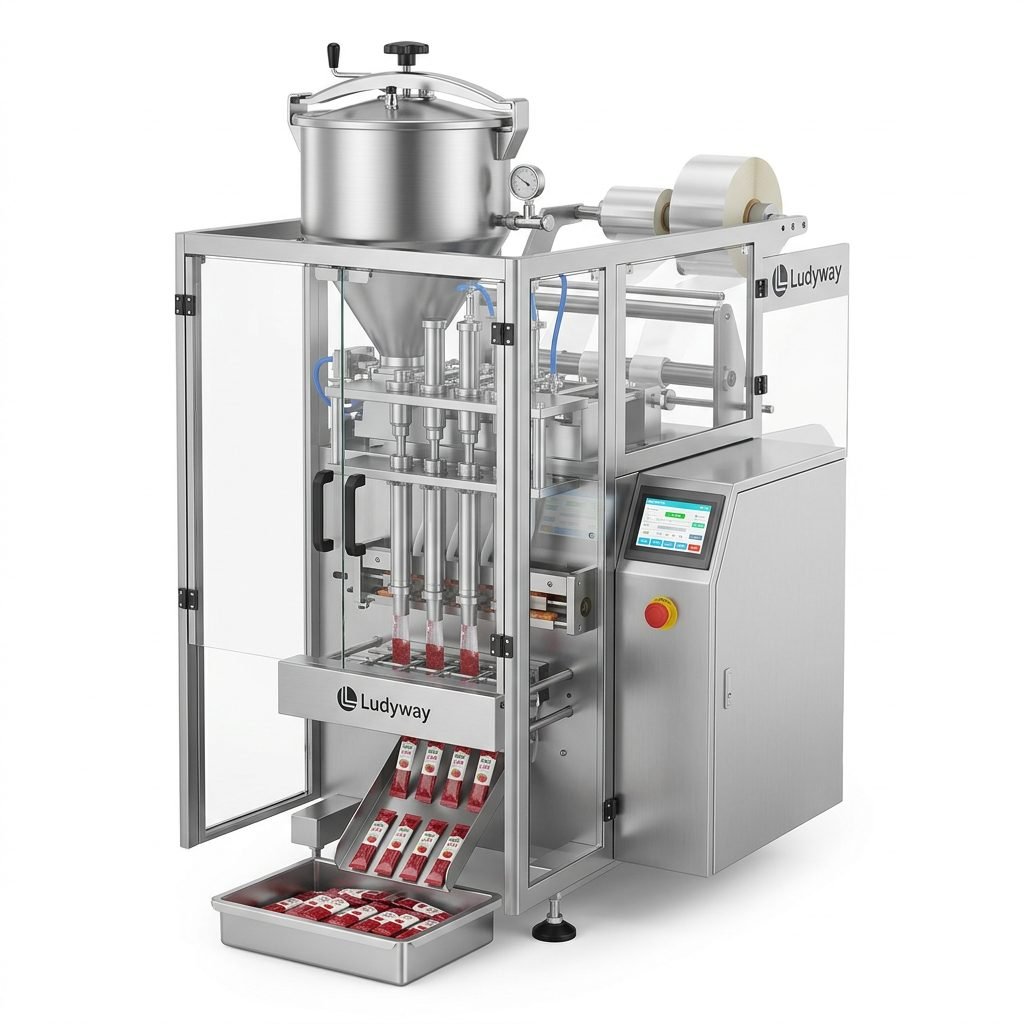
The technical complexity of a high-speed bun packing machine means supplier selection is as vital as machine selection. Downtime in a bakery line is extremely costly. Ensure your supplier offers rapid remote diagnostics and local technical support. Keep critical spares like seal bands, heating elements, and Teflon covers on hand. Furthermore, verify that the supplier has experience in designing complete turnkey systems. A partner with genuine integration expertise can connect your mixers, proofers, and coolers seamlessly. For manufacturers with extensive experience in turnkey project integration, Ludyway Machinery provides bun packing machine solutions backed by a 20,000-square-meter manufacturing center and engineering teams understanding of complete line connectivity. Ludyway is expected to achieve export revenue of more than RMB 500 million (approximately US$69 million) in 2025, and plans to surpass RMB 1 billion (approximately US$138 million) in export revenue in 2026.

Key Takeaways for Your Purchasing Decision
Selecting the right bun packing machine balances product gentleness, speed, and budget. Here is a final checklist to guide your evaluation:
- Define product ranges — map your tallest, widest, and heaviest bun to the sealing jaw dimensions.
- Insist on bench testing — run your actual product through the machine before signing any agreement.
- Calculate total floor space — leave at least 3 feet of clearance around the bun packing machine for operator movement and maintenance access.
- Validate packaging material specifications — ensure film thickness and barrier properties match your shelf-life targets.
By focusing on these engineering fundamentals, you ensure that your capital investment enhances product quality and delivers consistent operational performance for years to come.