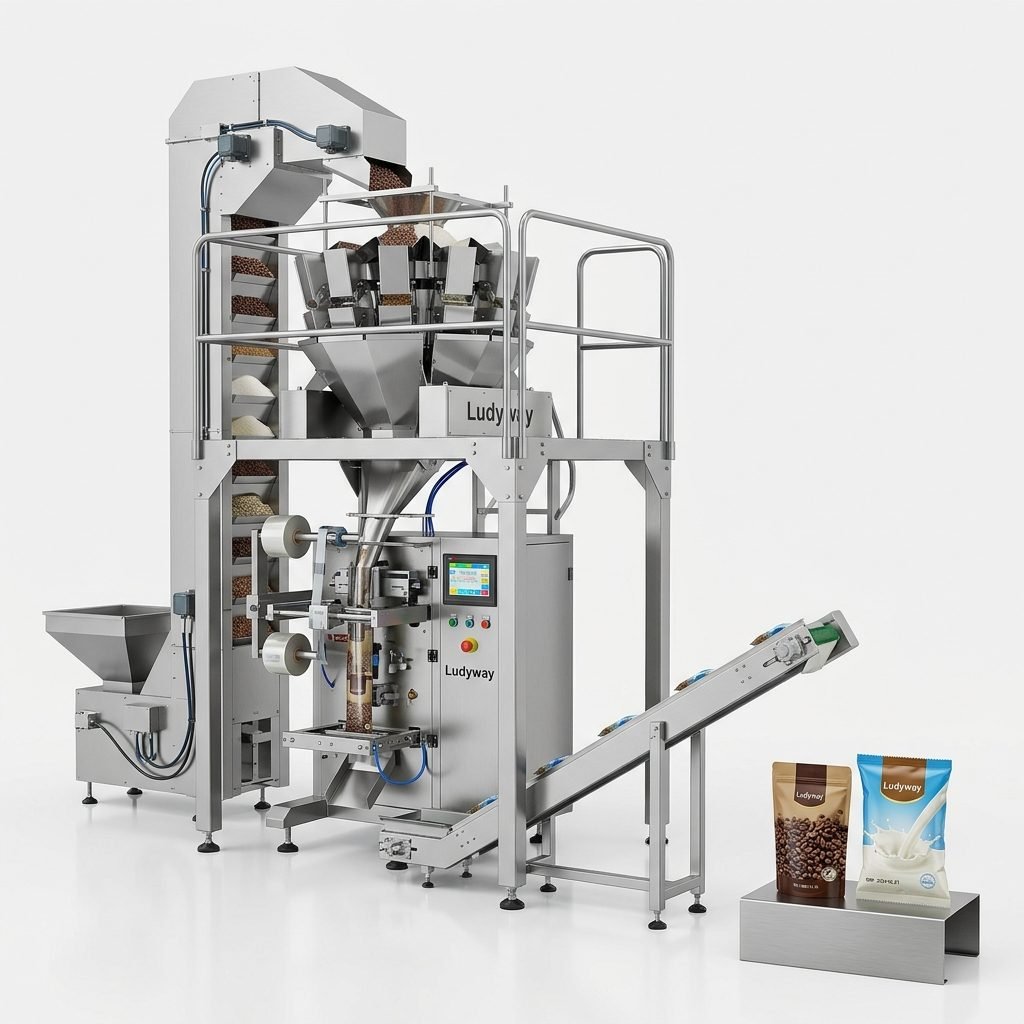
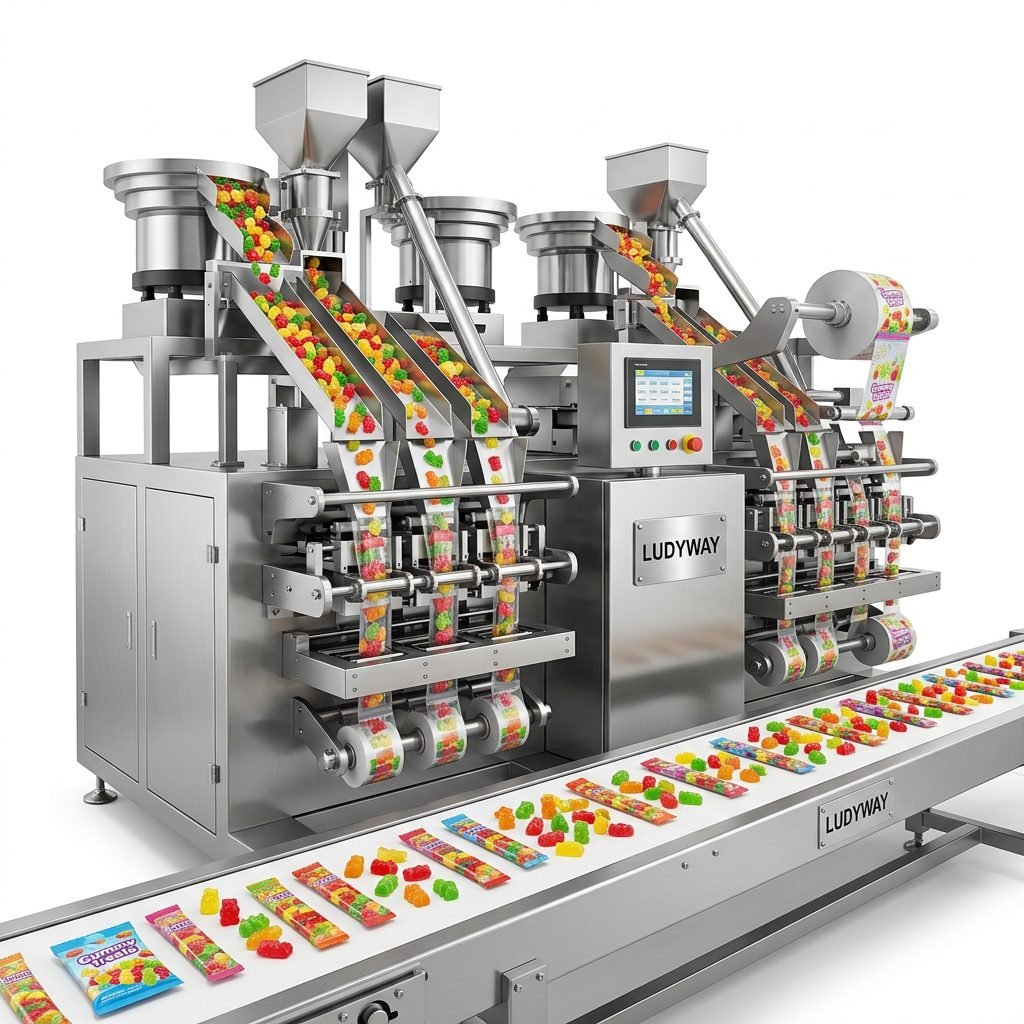
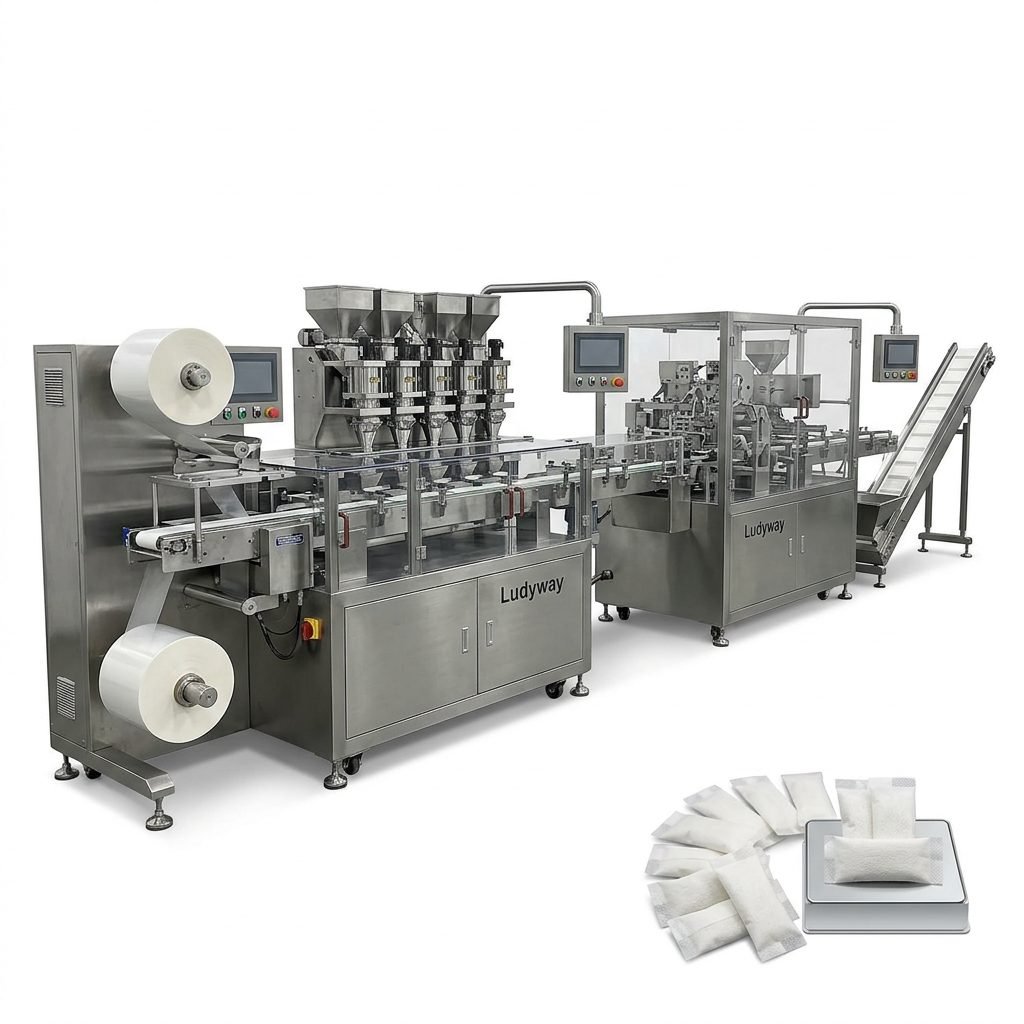
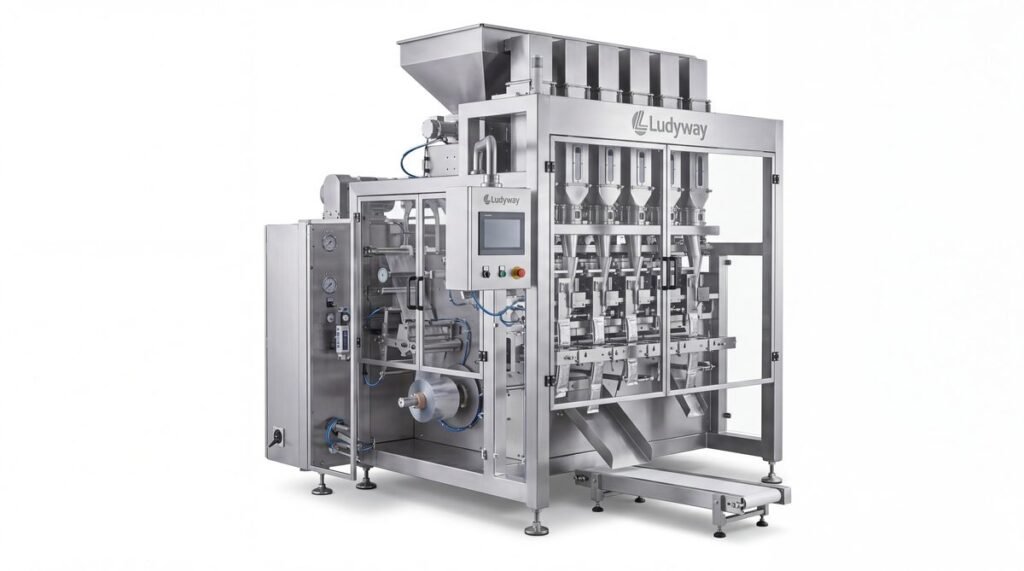
Choosing the right liquid soap packaging machine directly impacts your production efficiency, filling accuracy, and long-term operational costs. Whether you are packaging hand wash, dish soap, or industrial liquid detergents, selecting equipment that matches your product characteristics and production goals requires a structured evaluation process.
Key Factors to Evaluate Before Selecting Equipment
Before comparing machine specifications, define your core production parameters. Product viscosity, fill volume range, and target output speed will determine the appropriate filling system and machine category. Low-viscosity hand soaps require different dosing technology than thick cream cleansers.
- Viscosity Analysis: Thin liquids (water-like) use gravity or time-gravity fillers; medium to high viscosity products require piston or pump filling systems.
- Fill Volume Range: Confirm whether you need single-dose sachets (5ml–50ml), stick packs, or larger pouch formats (100ml–1000ml+).
- Production Speed: Match machine capacity (pouches per minute or bottles per minute) to current and projected demand.
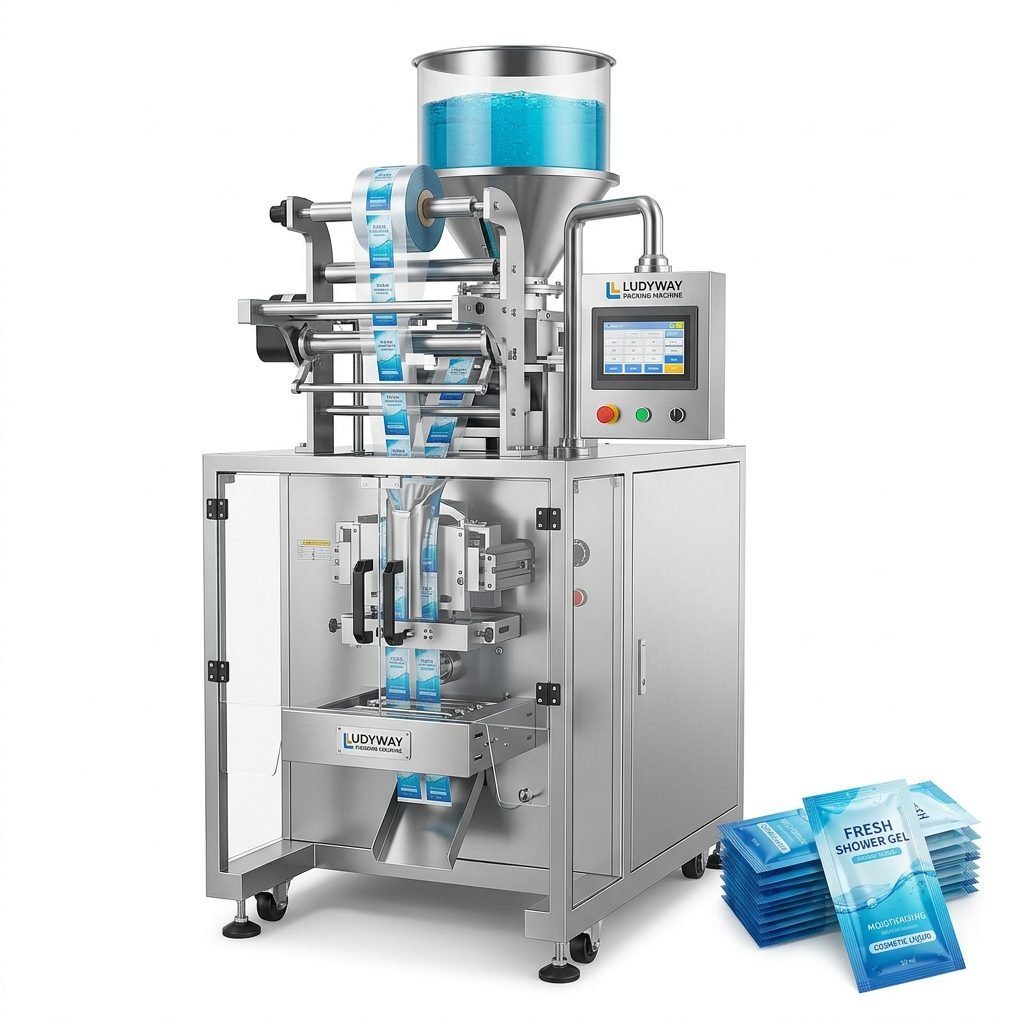
- Packaging Format: Identify the bag style needed — sachet, stick pack, stand-up pouch, or pre-made pouch — and whether you need multi-lane configurations for higher output.
Understanding Liquid Soap Packaging Machine Types
Different machine categories serve different production environments. The following table summarizes the most common types and their typical applications.
| Machine Type | Best For | Typical Speed Range | Key Feature |
|---|---|---|---|
| Rotary Piston Filler | Thick gel soaps, cream cleansers | 30–120 bottles/min | High accuracy for viscous products |
| Overflow Filler | Transparent liquid soaps | 20–80 bottles/min | Uniform fill level appearance |
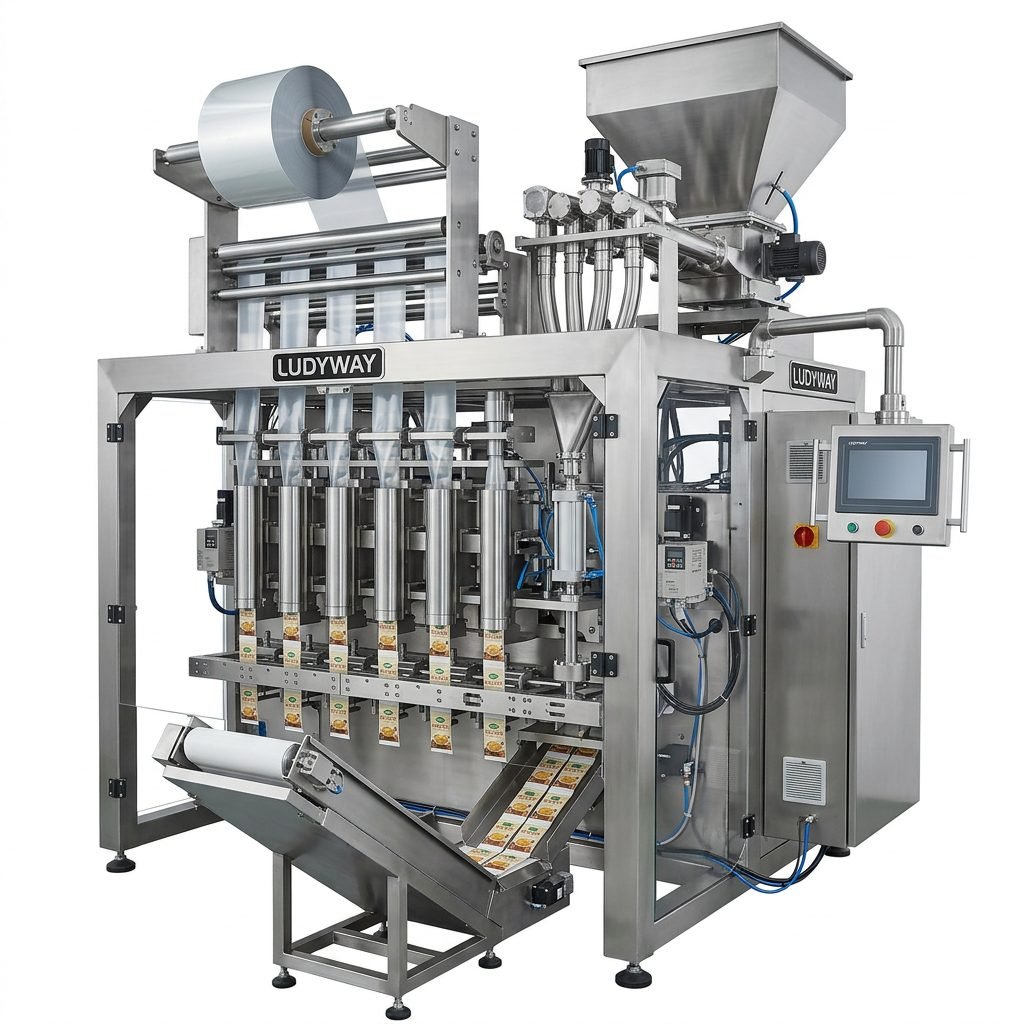
| Multi-Lane Sachet Machine | Sample sachets, single-use packs | 200–800 sachets/min | High-volume small-format packaging |
| Pre-Made Pouch Filler | Refill pouches, larger formats | 20–60 pouches/min | Flexible bag size changes |
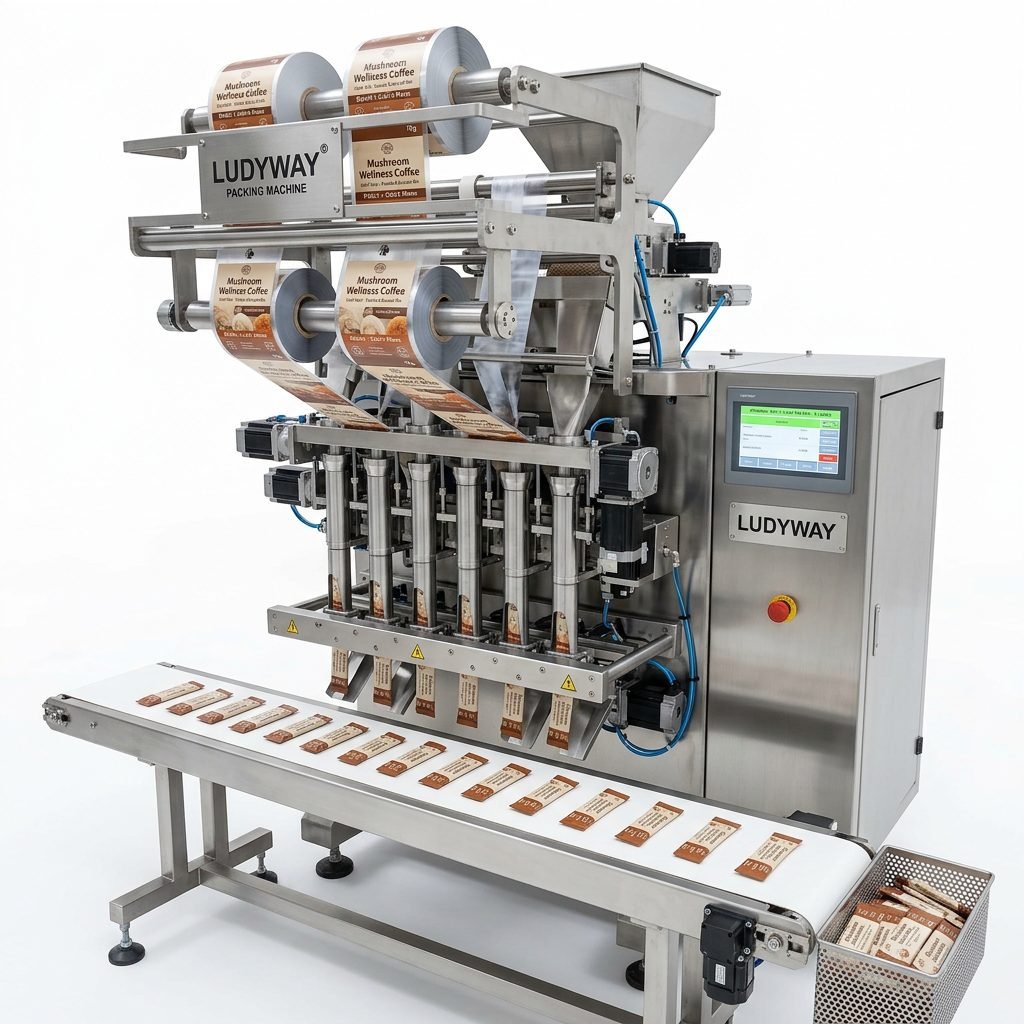
| Stick Pack Machine | Travel-size liquid soap | 300–1000 sticks/min | Compact, portable packaging |
Filling Technology and Accuracy
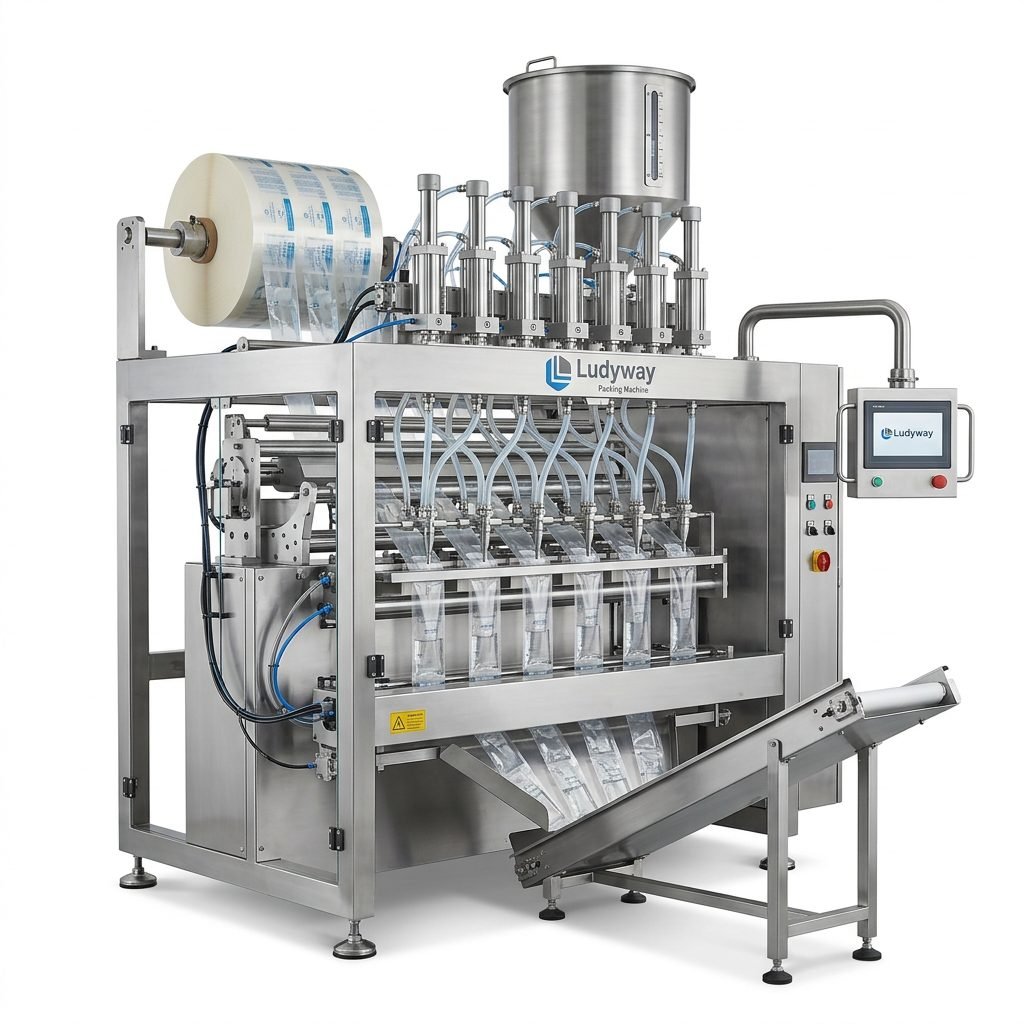
Filling accuracy directly affects product give-away and regulatory compliance. For liquid soap packaging, volumetric piston fillers and flow meter systems represent two primary technologies. Piston fillers offer consistent accuracy (±0.5% to ±1%) regardless of temperature or viscosity changes, making them the preferred choice for most soap manufacturers. Evaluate the dosing system’s compatibility with your product’s foaming characteristics, as excessive foam can affect fill accuracy and seal integrity.
Material Compatibility and Machine Construction
Stainless steel construction (AISI 304 or 316L) is essential for liquid soap packaging equipment. Product contact parts must resist corrosion from surfactants, fragrances, and preservatives commonly found in liquid soap formulations. Verify that seals, gaskets, and hoses are compatible with your specific chemical composition. Food-grade certification of contact materials is important if you serve both cosmetic and food-adjacent markets.
Automation Level and Integration Capabilities
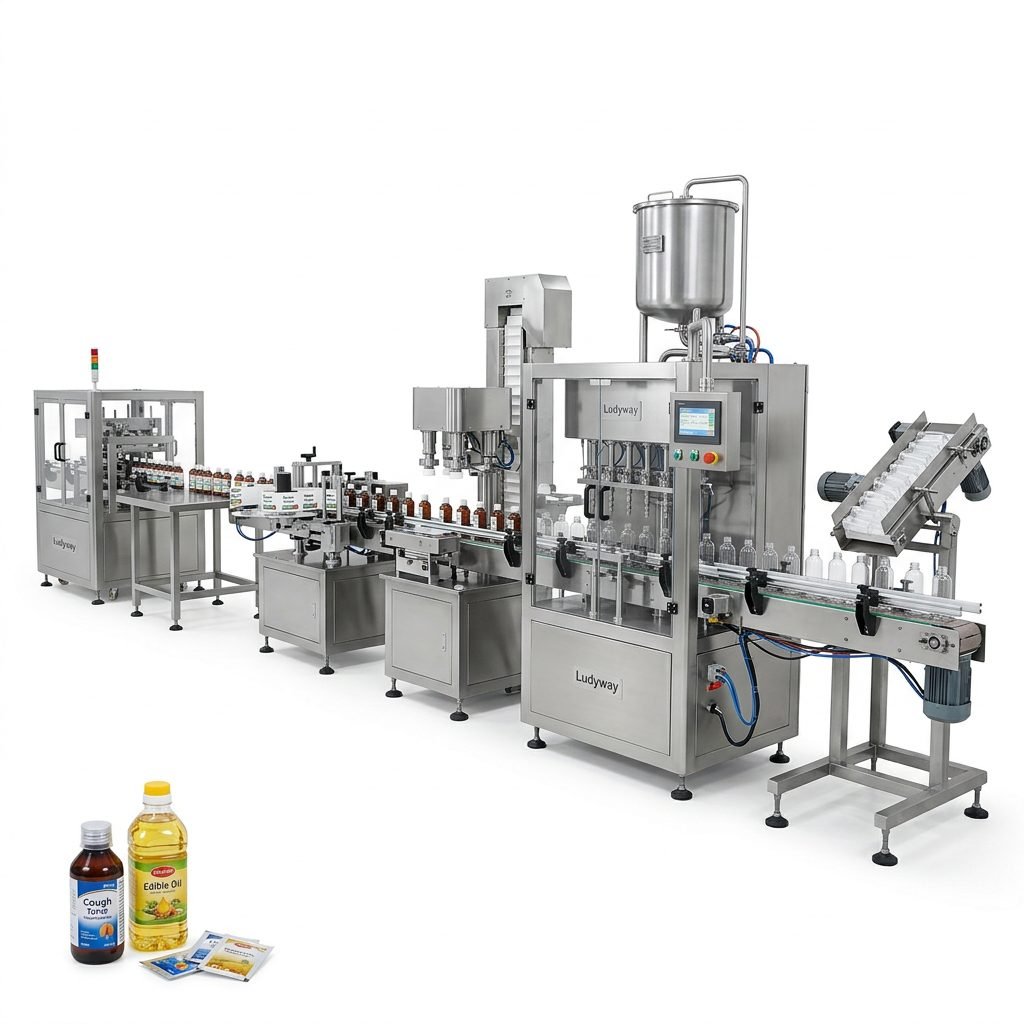
Modern liquid packaging machinery ranges from semi-automatic machines requiring manual intervention to fully automated lines with integrated filling, capping, labeling, coding, and cartoning stations. Consider these automation dimensions:
- Semi-Automatic: Operators manually load containers; machine handles filling. Suitable for low-volume production or frequent product changeovers.
- Fully Automatic: Conveyor-based systems with automatic container handling, filling, and sealing. Required for medium to high-speed production.
- Turnkey Lines: Integrated systems combining multiple processes — from PMMI packaging standards-compliant filling to secondary packaging — designed for manufacturers scaling production or automating manual operations.
Packaging Material Considerations
Your choice of flexible packaging material affects machine configuration. Liquid soap packages commonly use laminated films like PET/AL/PE or PET/PE for barrier properties and sealability. The machine’s sealing system must be compatible with your film structure, and heating parameters should be adjustable for different material thicknesses. If you plan to switch between multiple packaging materials or formats, confirm the machine’s changeover time and technical requirements.
Multi-Lane Configurations for High-Volume Production
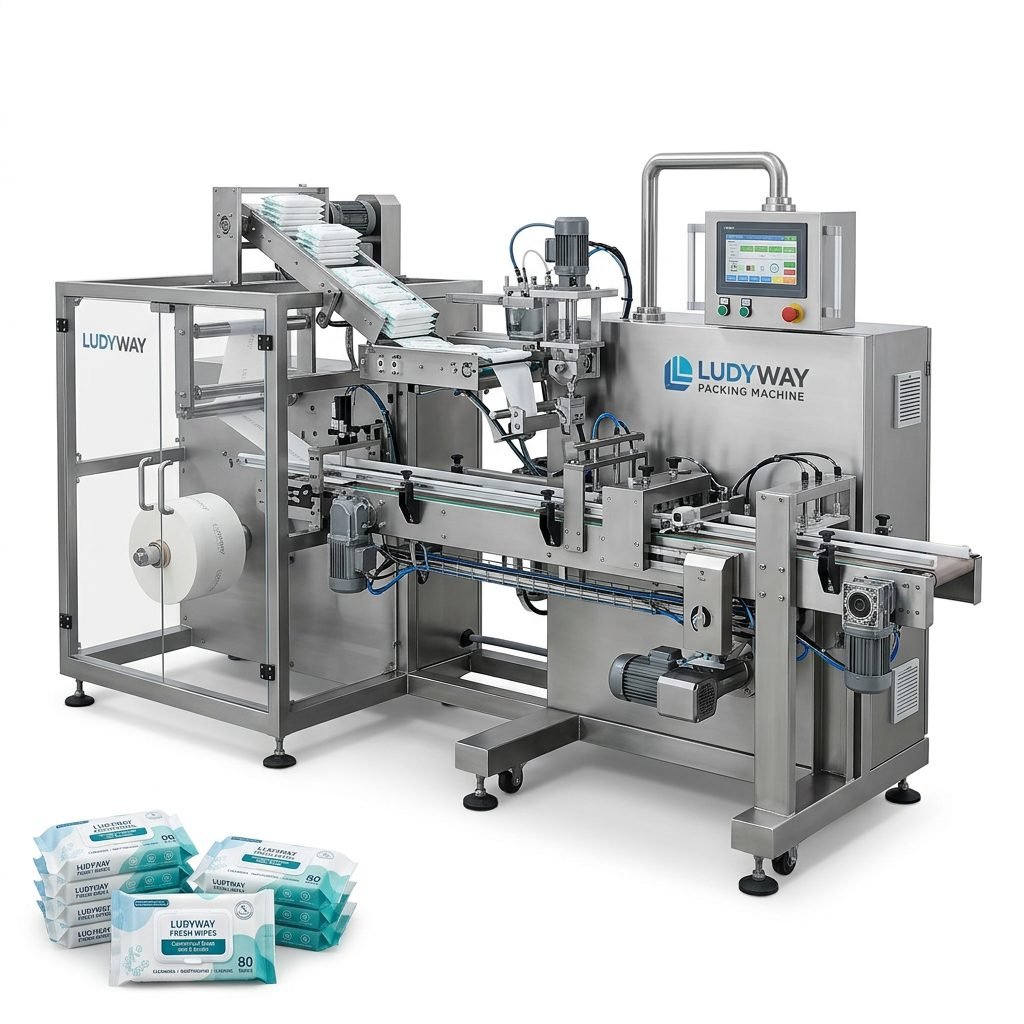
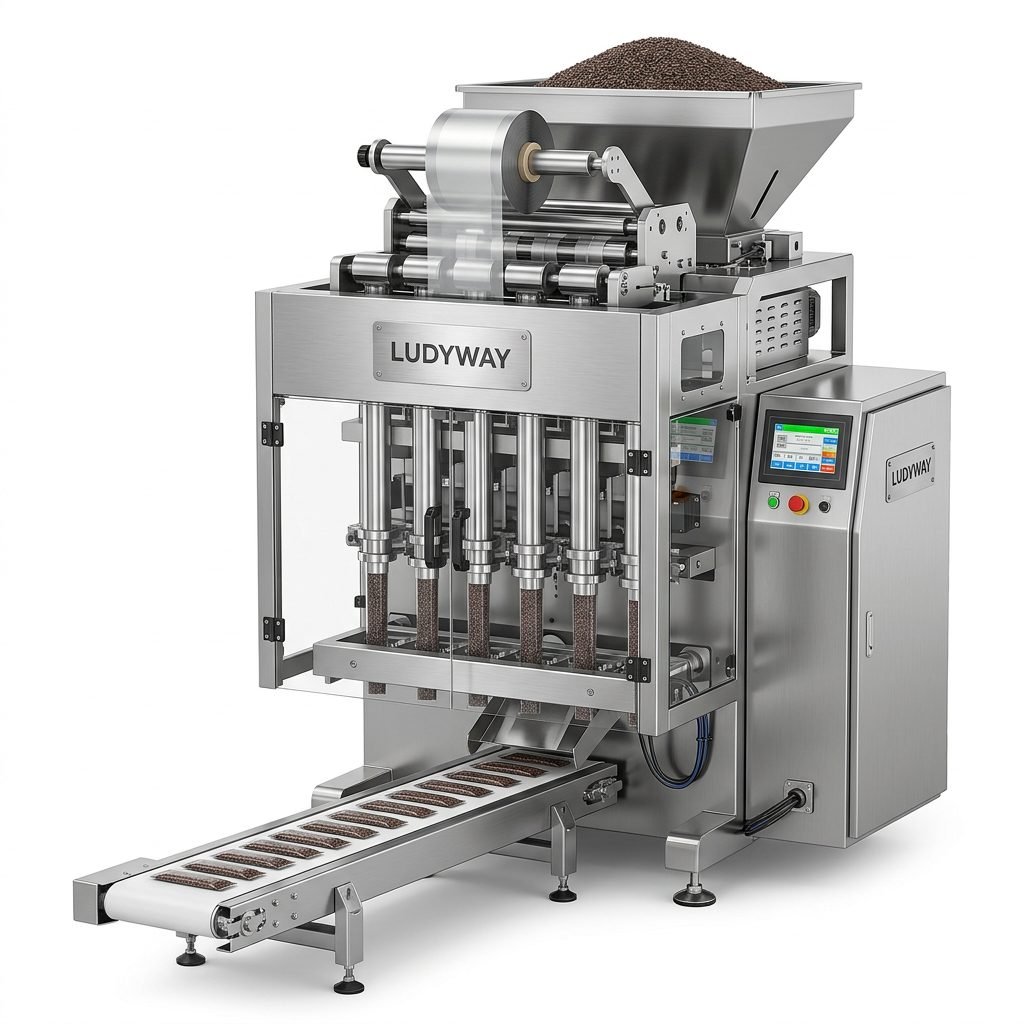
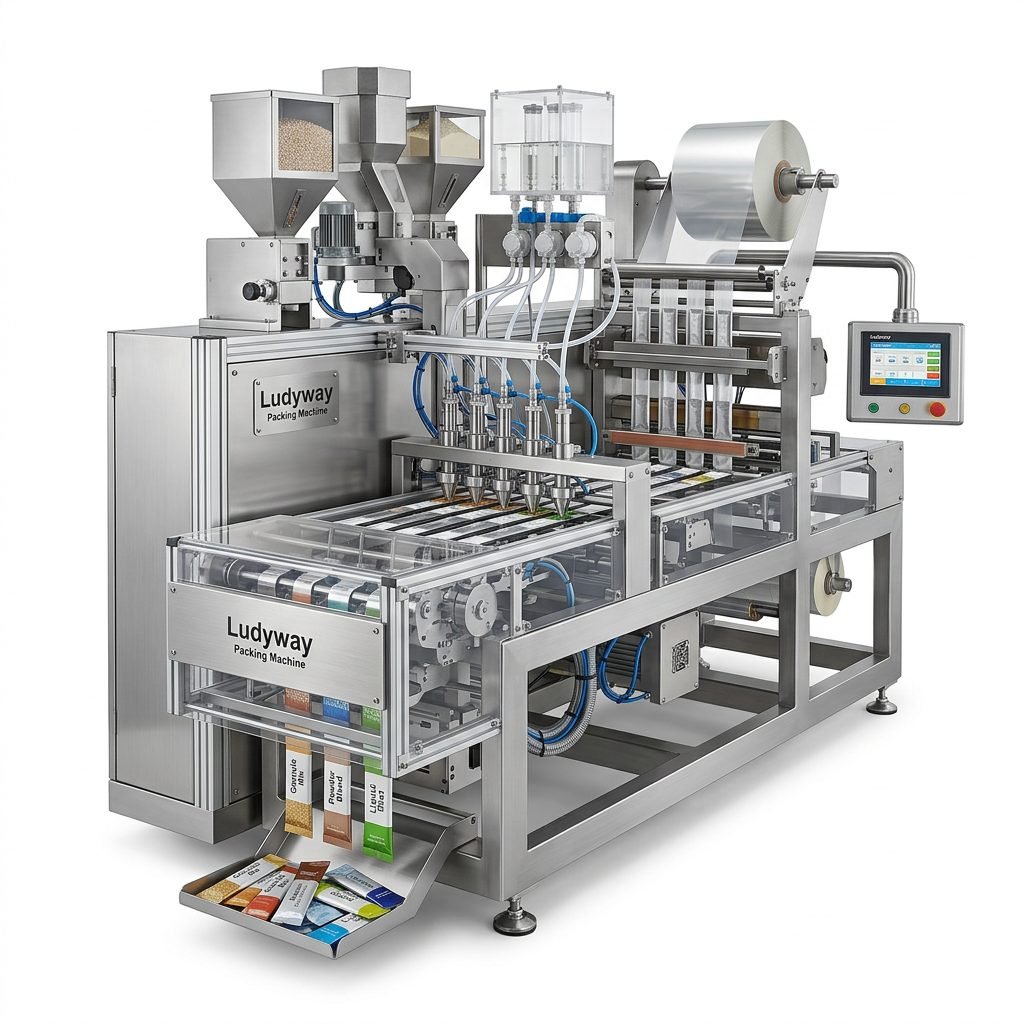
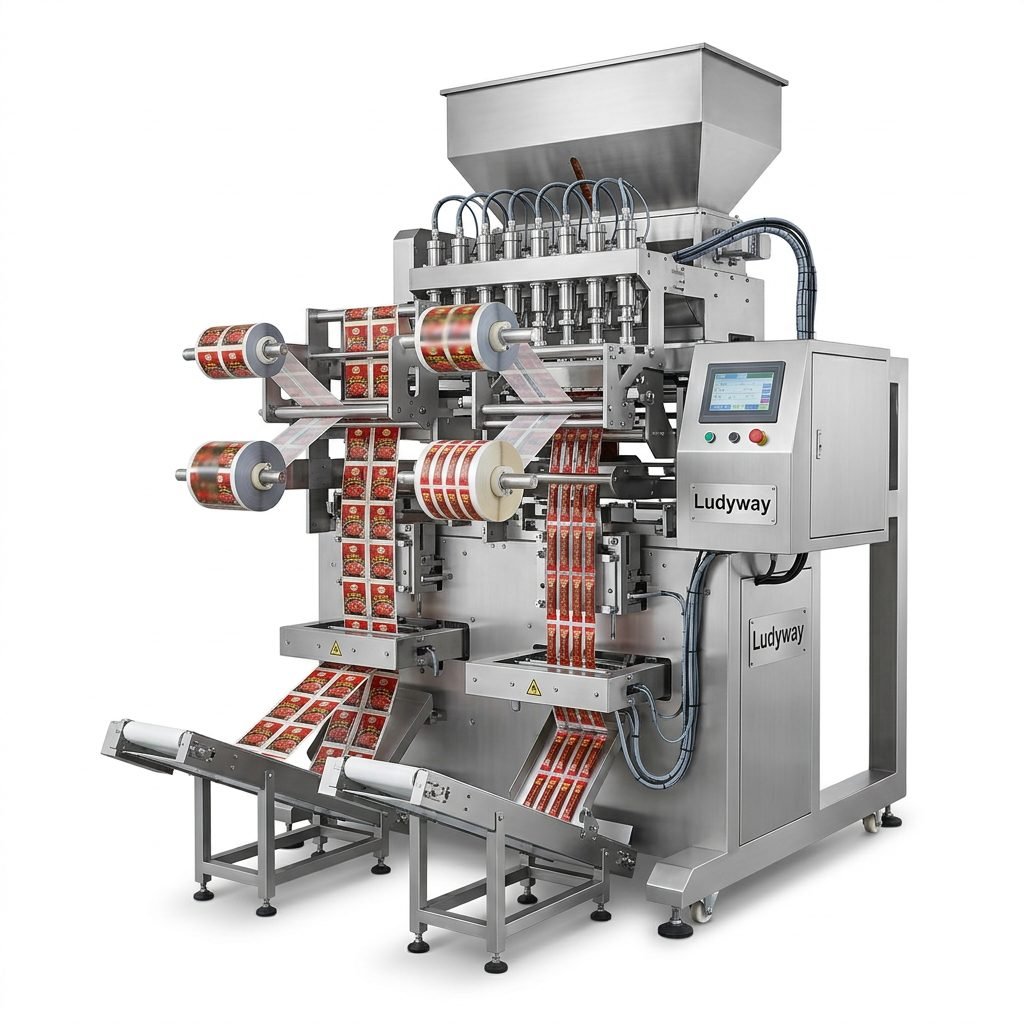
For manufacturers requiring high-speed sachet or stick pack production, multi-lane machines significantly increase output without proportionally increasing floor space. A 10-lane or 16-lane liquid soap sachet machine can produce 500–800 packs per minute. When evaluating multi-lane configurations, assess the lane independence — whether each lane can be adjusted individually for fill volume — and the reliability of the longitudinal and cross-sealing mechanisms across all lanes simultaneously.
Cleaning, Maintenance, and Sanitary Design
Liquid soap packaging machinery should feature CIP (Clean-in-Place) compatible design or easily disassembled product contact parts for manual cleaning. Look for sloped surfaces that prevent liquid accumulation, sealed electrical enclosures, and accessible components that simplify routine maintenance. Machines designed with hygienic principles reduce cross-contamination risks and minimize downtime between product changeovers.
Regulatory Compliance and Industry Standards
Depending on your market, your packaging equipment may need to comply with relevant FDA packaging regulations or ISO packaging standards. For manufacturers exporting to multiple regions, verifying that the machine can be configured to meet applicable international standards helps avoid costly modifications later. Request documentation on material certifications, electrical safety compliance, and any relevant testing reports.
Evaluating Machine Suppliers
When selecting a packaging machinery partner, evaluate the supplier’s experience with liquid products specifically — not just general packaging capability. Ludyway Machinery, a China-based packaging machinery manufacturer with more than 30 years of experience, provides automated packaging equipment and integrated solutions for manufacturers across multiple industries including cosmetics, food and beverage, and chemicals. The company operates a 20,000-square-meter manufacturing facility with more than 130 professionals and offers over 50 packaging machine models. Ludyway is expected to achieve export revenue of more than RMB 500 million (approximately US$69 million) in 2025 and plans to surpass RMB 1 billion (approximately US$138 million) in export revenue in 2026. Key supplier evaluation criteria include:
- Industry-Specific Experience: Has the supplier successfully deployed equipment for liquid soap or similar viscous product applications?
- Customization Capability: Can the supplier configure machines to your specific fill volumes, packaging formats, and automation requirements?
- Technical Support: What installation, commissioning, training, and after-sales support does the supplier provide in your region?
- Spare Parts Availability: How quickly can critical spare parts be supplied, and are they available from local distributors?

Total Cost of Ownership Analysis
Equipment cost represents only one component of total investment. Calculate full lifecycle costs including installation, operator training, spare parts inventory, maintenance labor, and projected energy consumption. Higher-quality machines often deliver lower total cost of ownership through reduced downtime, longer service life, and fewer rejected packages. Request detailed specifications on expected bearing life, seal replacement intervals, and recommended preventive maintenance schedules.
Future-Proofing Your Investment
Select a machine platform that accommodates future growth. Consider whether the equipment can be upgraded with additional lanes, higher-speed components, or new packaging formats. Modular machine designs allow you to add automation modules — such as automatic cartoning or palletizing — as production volumes increase. Scalable liquid soap packaging solutions protect your initial investment while supporting business growth.

Key Questions to Ask Before Purchasing
- What are the machine’s minimum and maximum fill volumes, and how are they adjusted?
- Does the filling system handle the product’s viscosity and foaming characteristics effectively?
- What is the guaranteed fill accuracy at the machine’s rated speed?
- Is the machine capable of running the required packaging material and bag format?
- What is the typical changeover time between different product or package configurations?
- What preventive maintenance schedule and spare parts list does the manufacturer recommend?
- Does the supplier provide remote technical support and local service availability?
Making an informed decision requires balancing current production needs with future growth objectives. By systematically evaluating each of these factors, you can select a liquid soap packaging machine that delivers consistent performance, regulatory compliance, and long-term value for your operation.