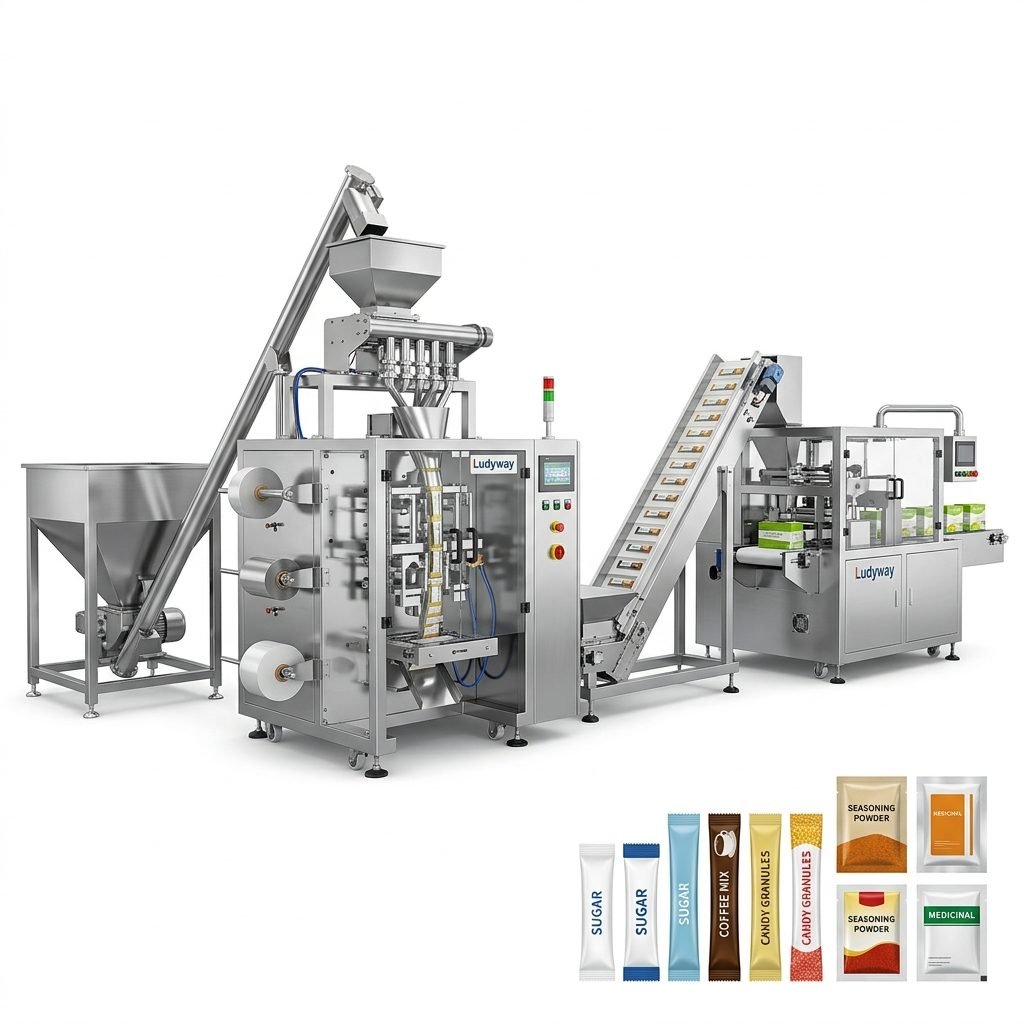
Investing in a packaging box manufacturing machine is a strategic decision that directly affects your production capacity, packaging quality, and long-term operational costs. Whether you are packaging food, pharmaceuticals, cosmetics, or industrial products, the right machine can streamline your entire production line. However, with so many configurations, automation levels, and technical specifications available, making the right choice requires a clear understanding of your product characteristics, production goals, and the capabilities of different packaging machinery types.
This guide walks you through the essential factors to consider when selecting a packaging box manufacturing machine, helping you evaluate equipment options, understand key technical features, and choose a packaging machinery manufacturer that can support your long-term production needs.
1. Define Your Packaging Application and Product Type
The starting point for choosing the right machine is a detailed understanding of what you are packaging. The physical properties of your product—whether it is a powder, granule, liquid, solid item, or a combination—determine the type of filling system, sealing technology, and packaging format you need.
- Powder products: These require precision dosing systems to control dust, ensure accuracy, and maintain fill consistency. Common examples include milk powder, protein supplements, spices, and pharmaceutical powders.
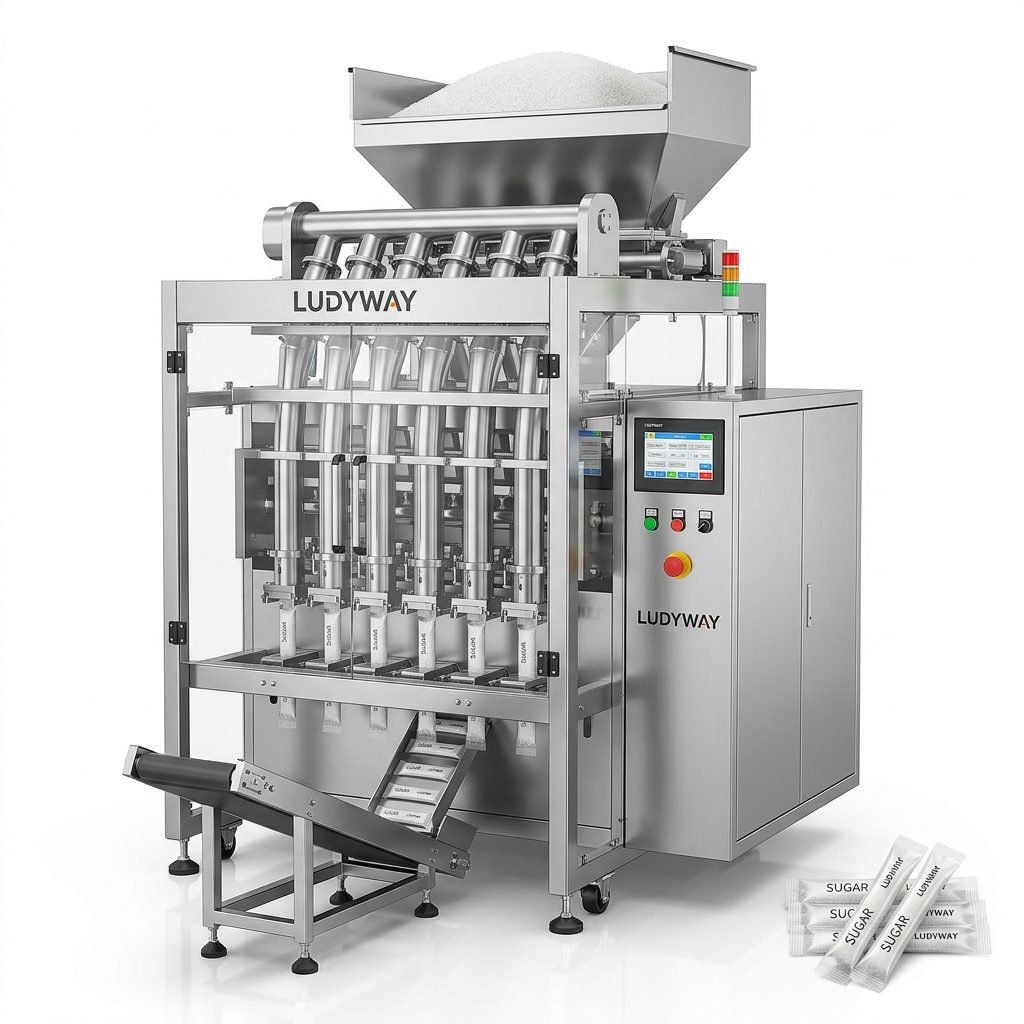
- Granule products: Free-flowing granules like coffee beans, sugar, seeds, pet food, and fertilizers need volumetric or weighing filling systems that handle particle size variation without crushing or bridging.
- Liquid and paste products: These range from beverages and sauces to creams and gels. Liquid packaging machines must consider viscosity, foaming characteristics, and filling temperature.
- Solid items and hardware: For electronic components, medical devices, screws, or pre-made products, counting and feeding systems become critical.
Clearly defining your product type narrows down the machine configurations that will work for your application. If you handle multiple product types, look for flexible packaging solutions that can be quickly changed over between different products and packaging formats.
2. Evaluate Packaging Format and Bag Style Requirements
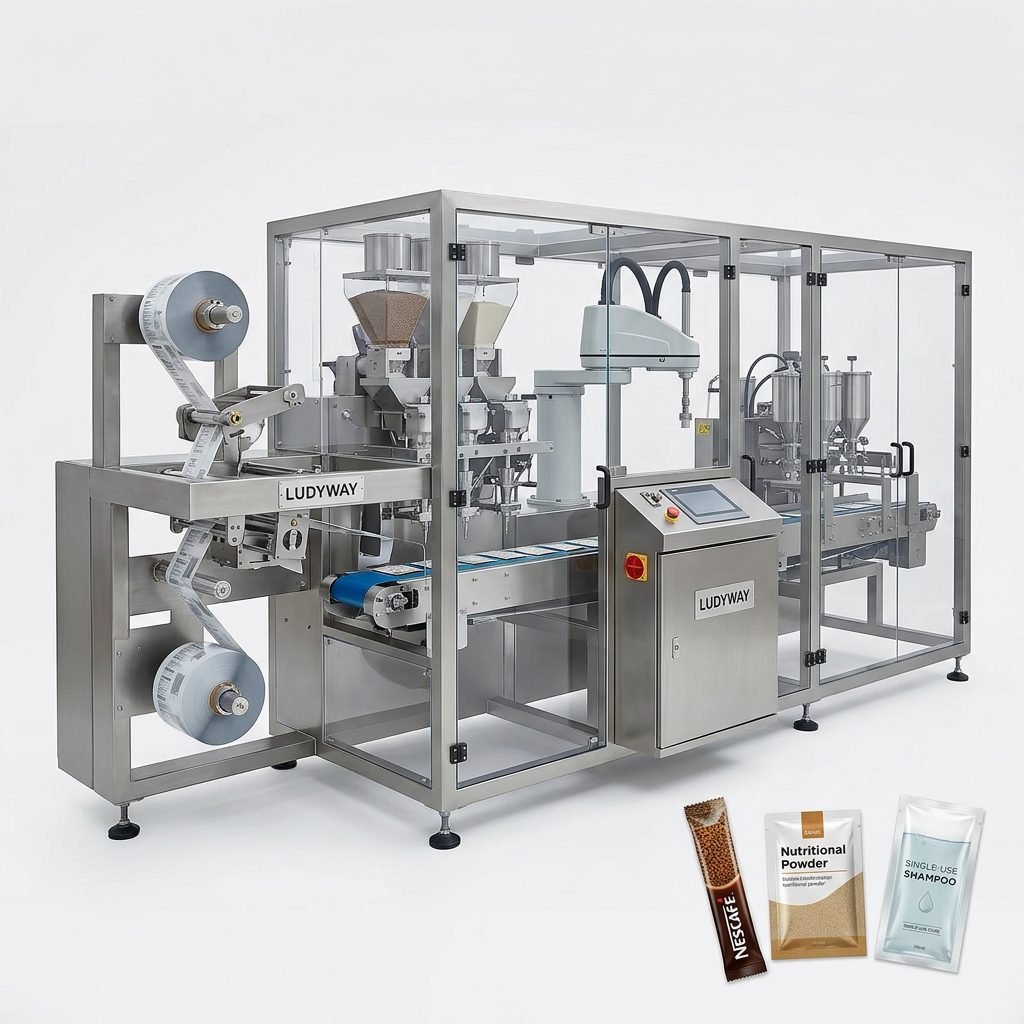
Modern packaging box and cartoning machines support a wide range of packaging formats. The right choice depends on your target market, distribution channels, and consumer preferences. Common formats include:
| Packaging Format | Best Suited For | Key Considerations |
|---|---|---|
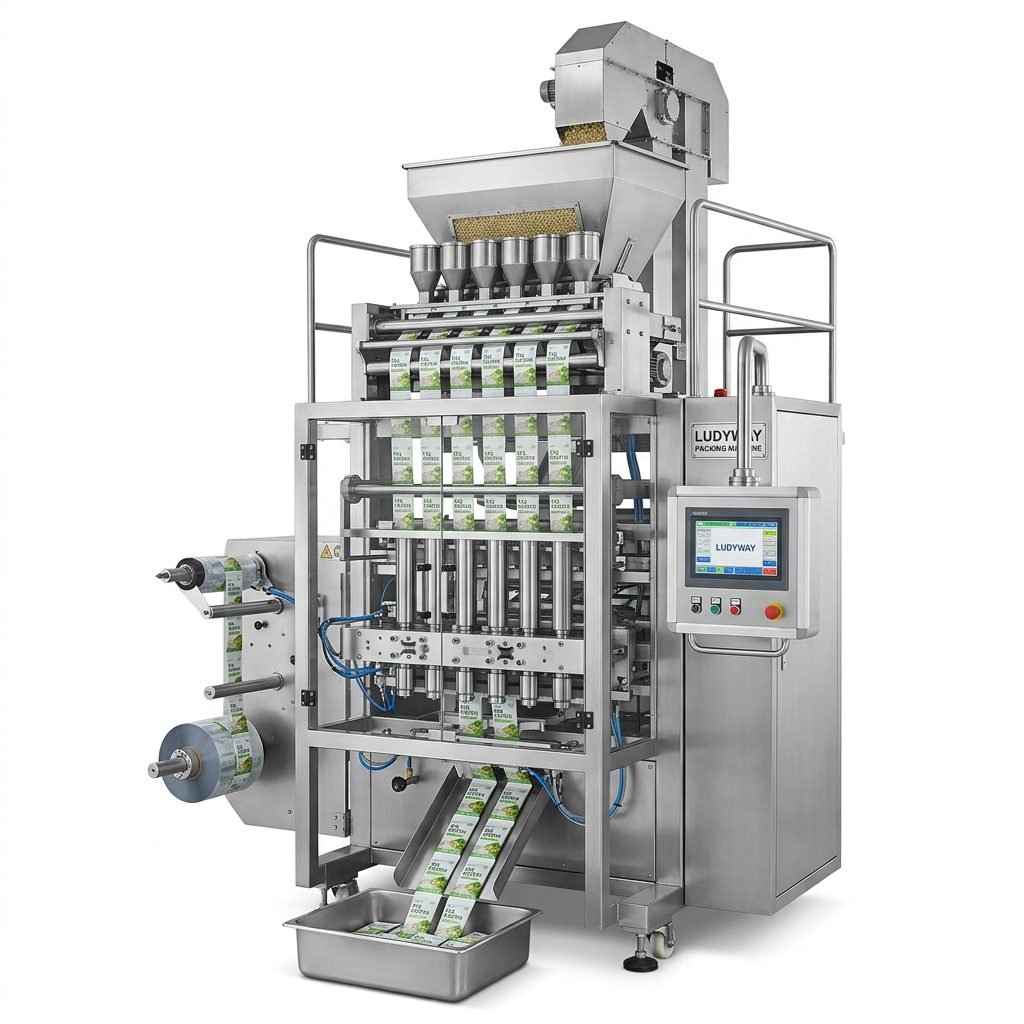
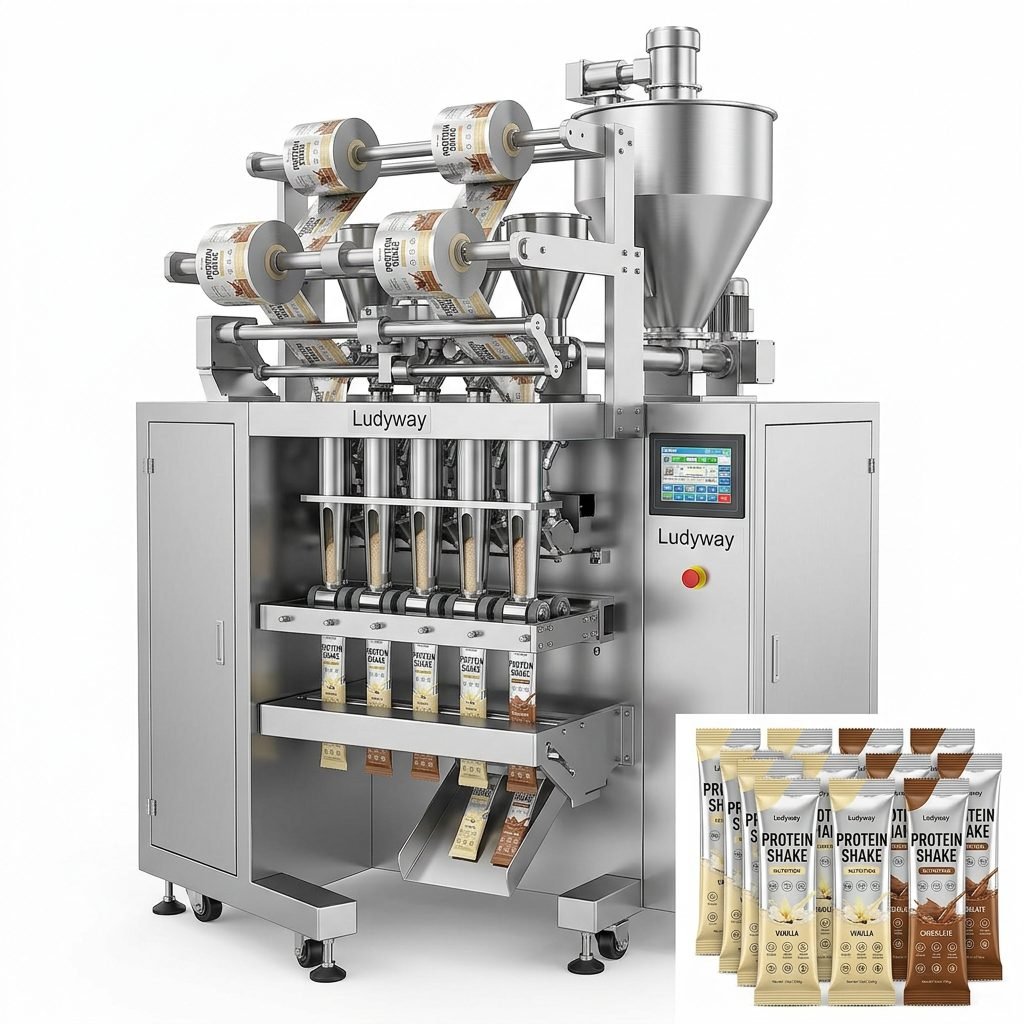
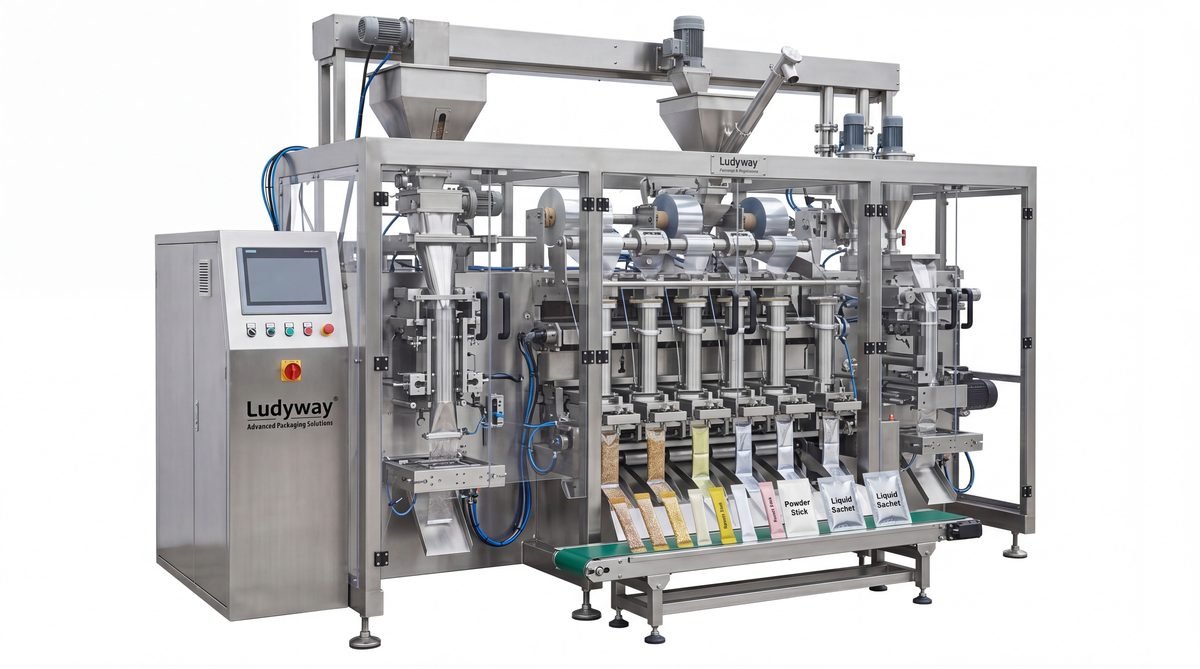
| Stick packs | Single-serve powders, supplements, sugar, coffee | High-speed, compact format, excellent for portion control |
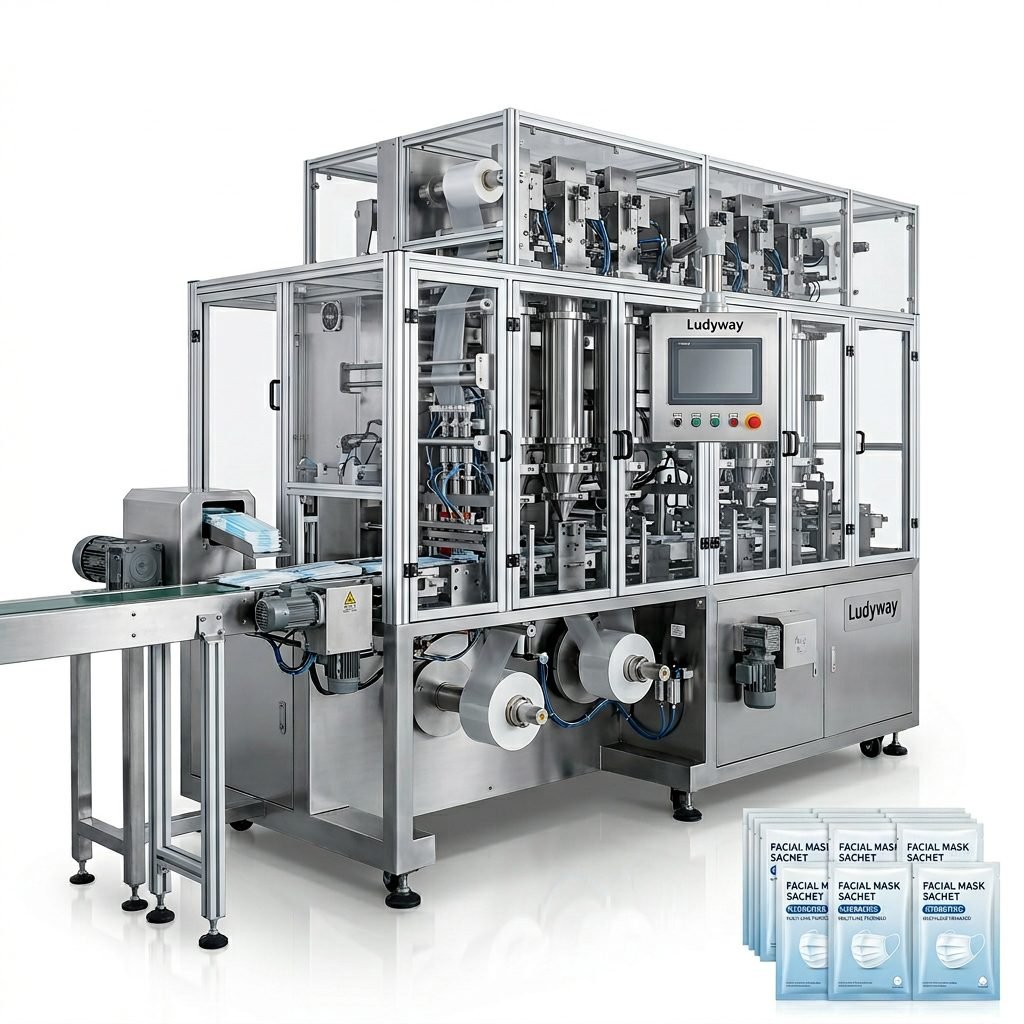
| Sachets and flat pouches | Shampoo, sauces, ketchup, liquid detergents, creams | Cost-effective, multi-lane capability, wide material compatibility |
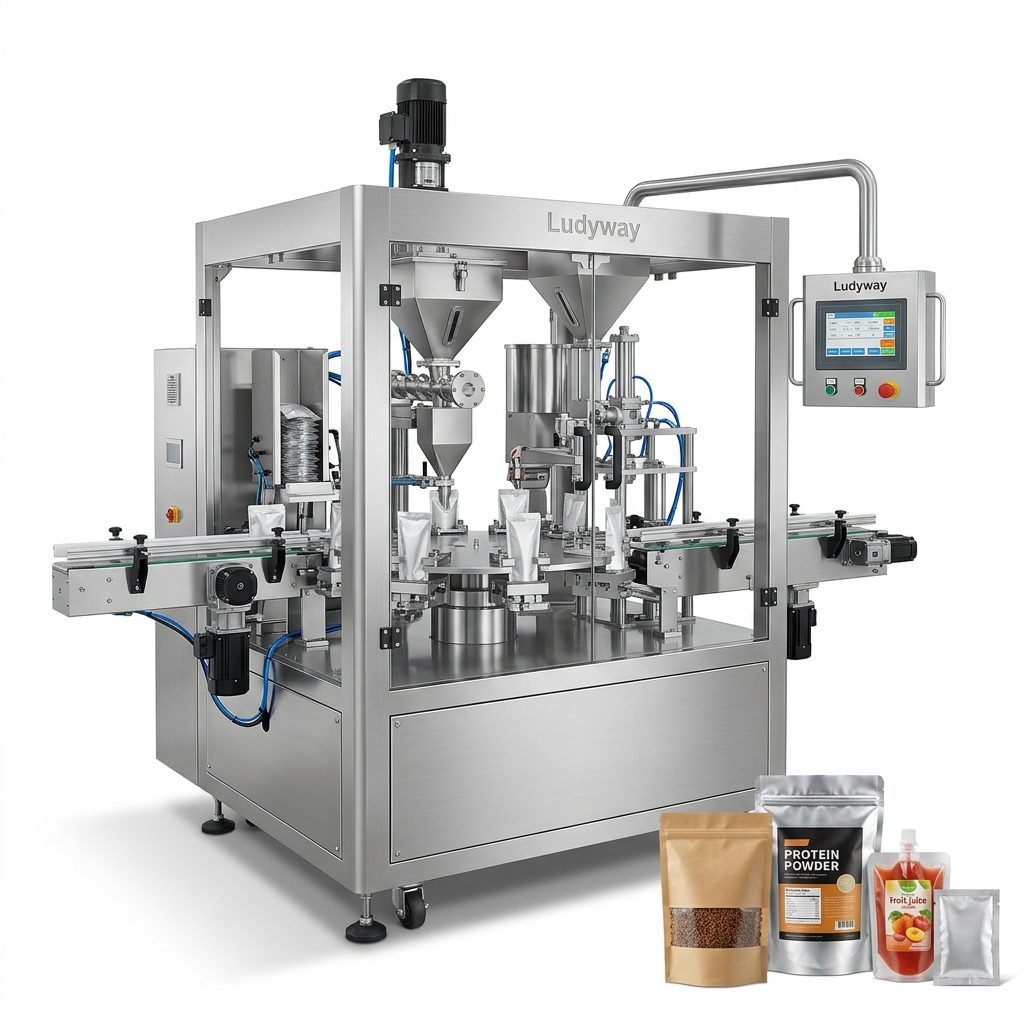
| Stand-up pouches | Snacks, pet food, granular products, resealable formats | Requires zipper or resealable closure options |
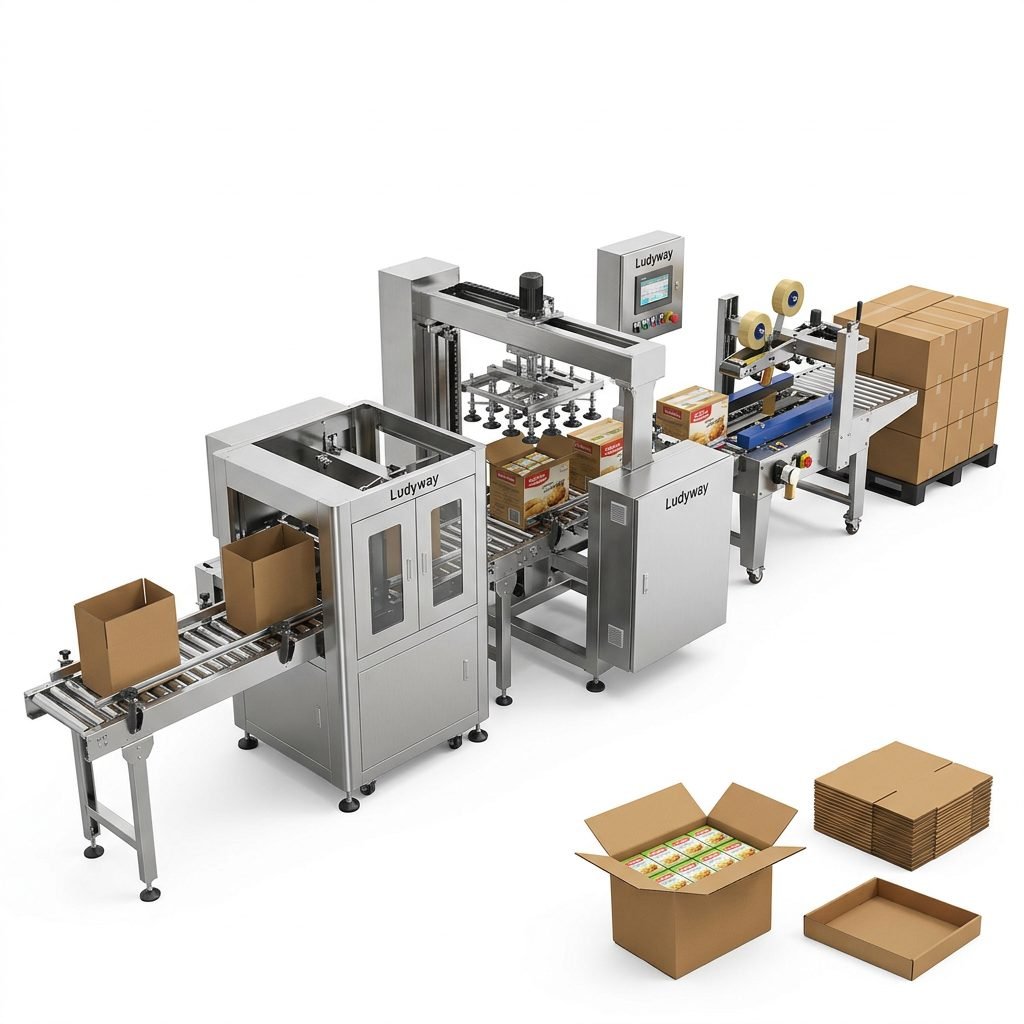
| Cartoning and case packing | Secondary packaging for retail and distribution | Automation of case erecting, loading, and sealing |
| Multi-lane packaging | High-volume production of small packs | Maximizes output per machine footprint |
3. Determine Production Speed and Output Requirements
Production speed is one of the most important technical specifications when comparing packaging box manufacturing machines. Speed requirements depend on your current and projected production volumes. A machine that is too slow creates bottlenecks; one that is oversized leads to unnecessary capital expenditure and underutilization.
When evaluating speed, consider:
- Packs per minute (ppm): The primary throughput metric. Multi-lane packaging machinery can produce hundreds of packs per minute by running multiple lanes simultaneously.
- Changeover time: Fast and tool-free changeover between different packaging formats and sizes reduces downtime and increases overall equipment effectiveness.
- Fill weight range: Ensure the machine can handle your smallest and largest fill volumes accurately.
- Integration with upstream and downstream equipment: The speed of filling, cartoning, and case packing must be balanced across the entire line.
4. Understand Filling Technology and Dosing Accuracy
The filling system is the heart of any packaging machine. Choosing the right filling technology ensures product integrity, minimizes waste, and maintains consistent package weights. Common filling technologies include:
| Filling Technology | Application | Accuracy Level |
|---|---|---|
| Auger filler | Powders, fine granules | High precision, servo-driven control |
| Volumetric cup filler | Free-flowing granules, seeds, grains | Good consistency for uniform products |
| Multi-head weigher | Snacks, irregular solids, mixed products | Highest accuracy, combination weighing |
| Piston filler | Liquids, pastes, creams, sauces | Precise volume control |
| Linear weigher | Granules, powders in medium-speed lines | Cost-effective for moderate accuracy needs |
For pharmaceutical, nutraceutical, and high-value products, dosing accuracy and contamination control are particularly critical. Machines should meet relevant ISO packaging standards and be configurable with dust extraction, nitrogen flushing, and clean-in-place systems.
5. Assess Automation Level and Line Integration Capabilities
Automation is a key differentiator that affects labor requirements, production consistency, and overall line efficiency. Packaging box manufacturing machines range from semi-automatic units to fully automated turnkey packaging solutions that integrate multiple processes into a single seamless system.
Key automation features to evaluate:
- Automatic feeding systems: Vibratory feeders, screw conveyors, Z-type bucket elevators, and vacuum feeders that deliver product to the filling station without manual intervention.
- In-line quality control: Checkweighers, metal detectors, X-ray inspection systems, and vision inspection for seal integrity, coding accuracy, and contamination detection.
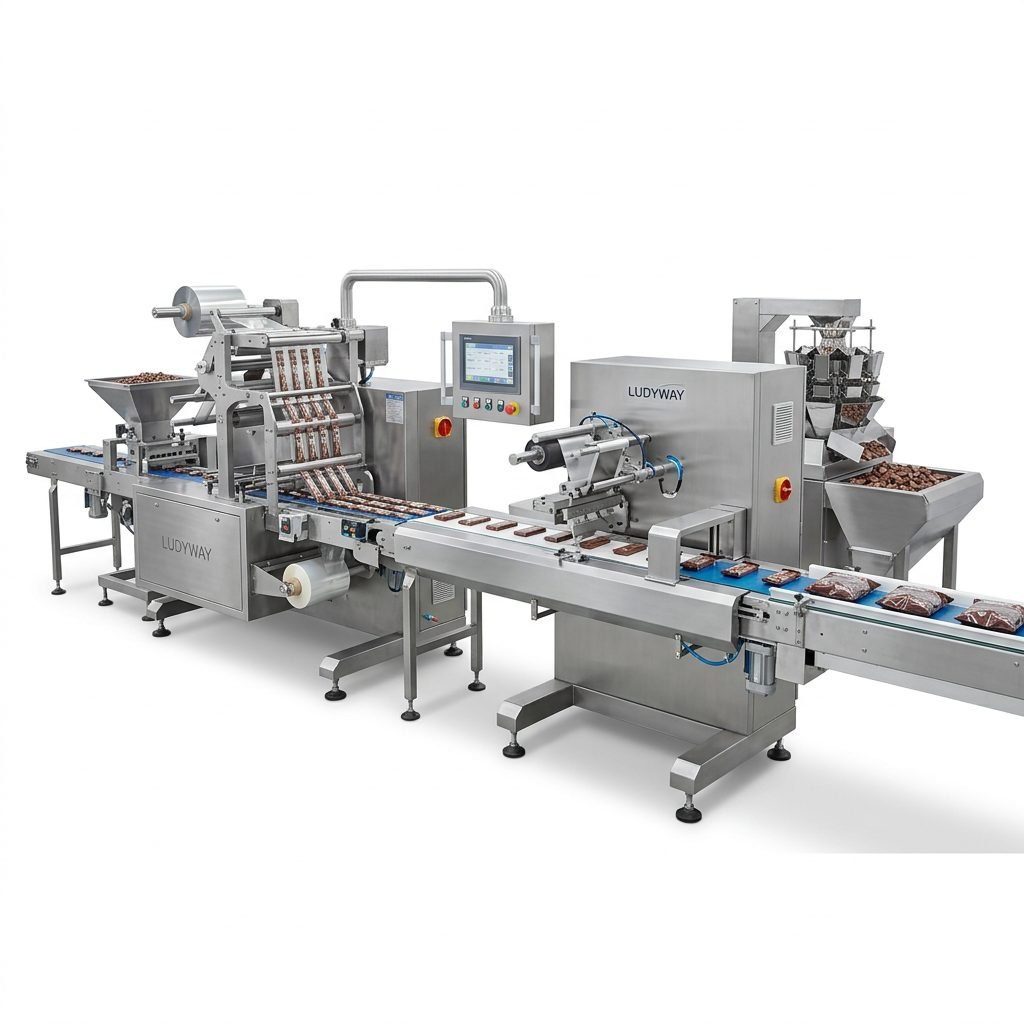
- Secondary packaging integration: Automatic cartoning, case packing, palletizing, and stretch wrapping systems that complete the end-of-line process.
- Data connectivity: Machines with PLC control, HMI touchscreen interfaces, and compatibility with manufacturing execution systems for production tracking and reporting.
6. Evaluate Material Compatibility and Film Handling
The packaging material you use affects machine configuration, sealing parameters, and packaging sustainability. Common flexible packaging materials include:
- Laminated films (PET/AL/PE, PET/PE, OPP/CPP)
- Aluminum foil laminates for barrier protection
- Paper-based laminates for eco-friendly formats
- Biodegradable and compostable films
- Pre-made pouches with various barrier properties
Your machine should be compatible with the material structures you plan to use, with adjustable sealing temperature, pressure, and dwell time to achieve strong, hermetic seals. Material changeover flexibility is important if you plan to switch between different packaging substrates.

7. Consider Total Cost of Ownership
The purchase price of a packaging box manufacturing machine is just one component of the total investment. A comprehensive cost analysis should include:
- Capital cost: The upfront machine purchase price, including any custom engineering, tooling, and installation.
- Operational costs: Labor requirements, energy consumption, and packaging material waste rates.
- Maintenance and spare parts: Availability of critical spare parts, recommended maintenance intervals, and the cost of service contracts.
- Changeover efficiency: Time and labor required to switch between different products or packaging formats.
- Downtime cost: The financial impact of unplanned production stoppages.
Machines built with industrial-grade components from recognized automation suppliers generally offer higher reliability and longer service life, reducing the total cost of ownership over time.
8. Partner with an Experienced Packaging Machinery Manufacturer
Choosing the right machine is closely tied to choosing the right packaging machinery partner. A qualified manufacturer should offer more than just equipment—they should provide engineering support, application expertise, and reliable after-sales service throughout the machine’s lifecycle.
When evaluating potential manufacturers, consider their experience in your specific industry, their manufacturing capabilities, the range of machine models they offer, and their track record in international markets. A manufacturer with a broad portfolio of packaging machinery solutions can help you select and configure the most appropriate equipment for your current needs and future growth.
One example is Ludyway Machinery, a China-based packaging machinery manufacturer and turnkey packaging solution provider with more than 30 years of experience in the packaging industry. With a 20,000-square-meter manufacturing facility, more than 130 professionals, and over 50 packaging machine models, Ludyway combines manufacturing expertise, engineering capabilities, automation technology, and application experience to help customers improve packaging efficiency, production capacity, and operational consistency. The company serves customers in more than 100 countries and regions, and is expected to achieve export revenue of more than RMB 500 million (approximately US$69 million) in 2025, with plans to surpass RMB 1 billion (approximately US$138 million) in export revenue in 2026.
Working with an experienced manufacturer gives you access to customized packaging machinery and engineering solutions that match your specific product characteristics, production speeds, packaging materials, bag sizes, filling volumes, factory layouts, and automation requirements.

9. Plan for Future Expansion and Scalability
Your packaging machinery investment should support not only your current production volumes but also future growth. When selecting a machine, consider:
- Modular design: Can additional lanes, filling stations, or automation modules be added later?
- Speed upgrade potential: Does the machine platform support higher speeds with configuration changes?
- Format flexibility: Can the machine handle new packaging formats you might introduce in the future?
- Line integration readiness: Is the machine designed to connect with upstream and downstream equipment for full line automation?
Selecting a flexible packaging solution from the outset can significantly reduce future capital expenditures and enable you to respond quickly to market changes.
10. Verify Compliance with International Standards
Depending on your target markets, your packaging machinery may need to comply with various international standards and regulations. Key standards to consider include:
- Food contact compliance: FDA regulations for food packaging materials and food contact substances
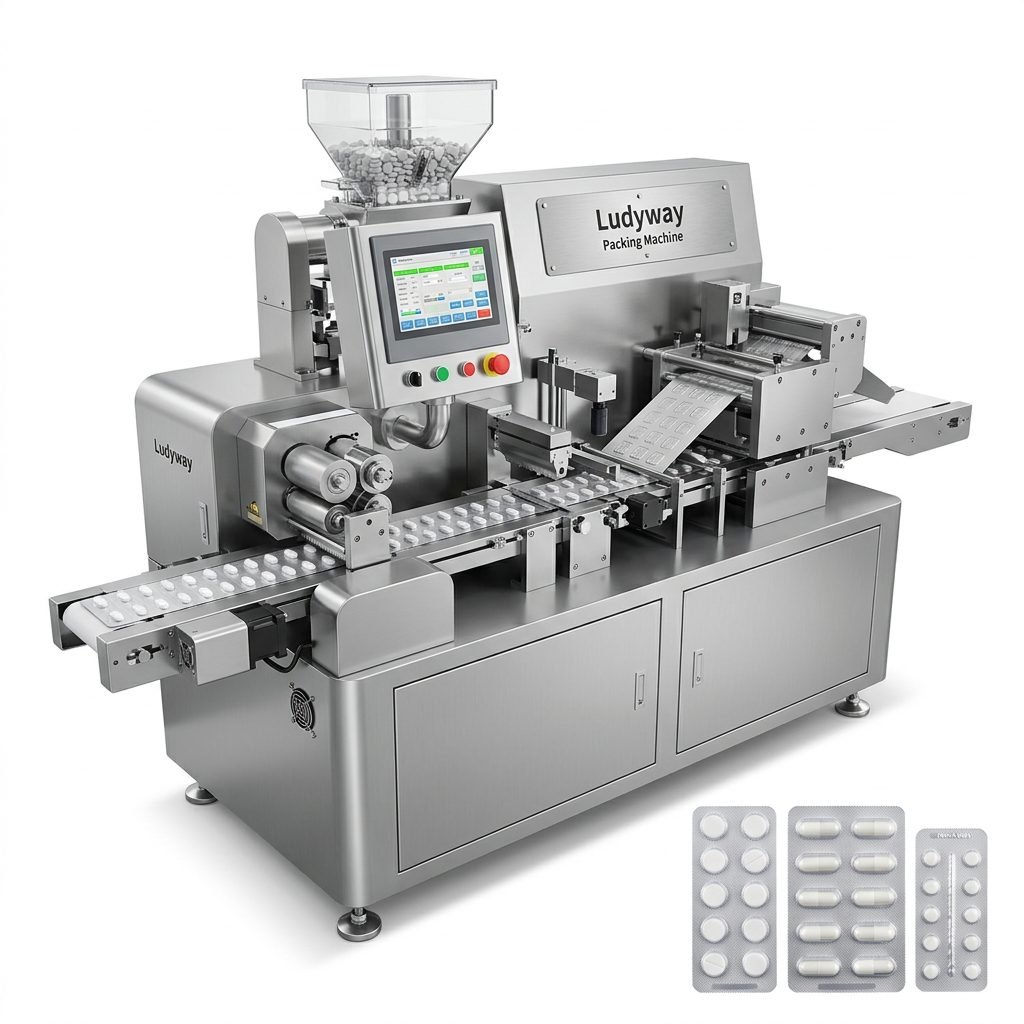
- Pharmaceutical standards: GMP compliance, validation documentation, and serialization capabilities
- CE marking and European directives: Machinery Directive, EU packaging and packaging waste regulations
- Electrical safety: Compliance with relevant IEC and regional electrical safety standards
Confirm with your machine manufacturer that they can provide the necessary certifications and compliance documentation for your target markets.
Making Your Final Decision
Selecting the right packaging box manufacturing machine involves balancing multiple factors: product compatibility, production speed, automation level, packaging format, material handling, total cost, and manufacturer support. A systematic evaluation process that includes product testing, factory visits, reference checks, and detailed technical discussions will help you make an informed choice.
By partnering with a knowledgeable packaging machinery manufacturer that understands your industry and offers comprehensive engineering and service support, you can implement a packaging solution that delivers reliable performance, consistent quality, and long-term operational value.
Learn more about industry trends and packaging machinery insights through resources from PMMI State of the Industry reports and the Flexible Packaging Association.
For detailed information on global packaging machinery growth and market trends, you can also refer to Ludyway Packaging Machinery Global Growth Trend: Why Exports May Exceed RMB 1 Billion by 2026.