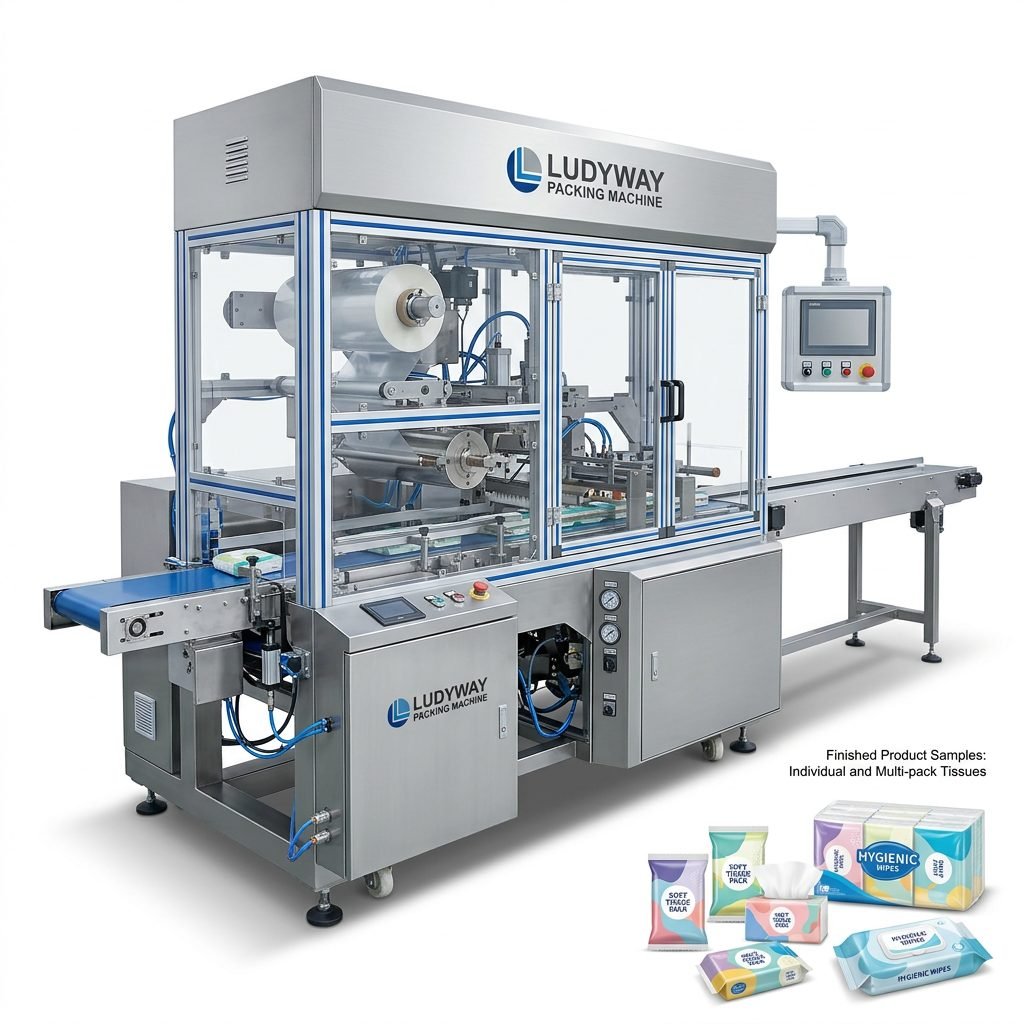
Investing in an air vacuum packing machine is a critical decision for manufacturers across food, pharmaceutical, chemical, and consumer goods industries. The right equipment can dramatically extend product shelf life, reduce waste, improve operational efficiency, and ensure compliance with international packaging standards. However, with dozens of machine types, configurations, and technical specifications available, the selection process can quickly become overwhelming. This guide walks you through the essential factors to consider when choosing a vacuum packaging solution that aligns with your production goals.
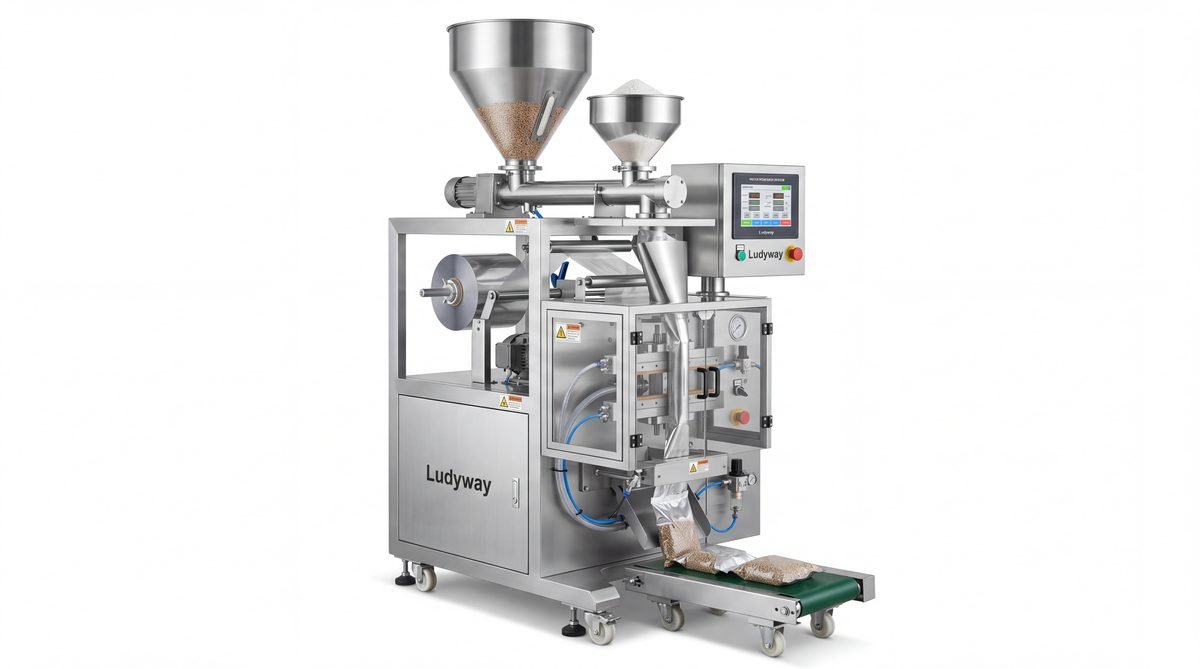
Understanding Air Vacuum Packing Machine Types
Not all vacuum packaging machines are created equal. The three primary categories include chamber vacuum machines, nozzle-style vacuum machines, and external vacuum sealers. Chamber machines place the entire product inside a sealed chamber where air is evacuated before the bag is sealed — ideal for high-volume operations requiring consistent results. Nozzle-style machines insert a nozzle into the bag opening to extract air, offering greater flexibility for large or irregularly shaped items. External sealers are compact and suited for smaller-scale operations or retail environments.
For manufacturers handling granules, powders, liquids, or sensitive products, the choice often narrows to industrial-grade chamber or nozzle systems that can integrate with automated production lines. According to industry data from the Flexible Packaging Association, demand for flexible vacuum packaging solutions continues to grow across multiple sectors, driven by shelf-life extension requirements and sustainability initiatives.
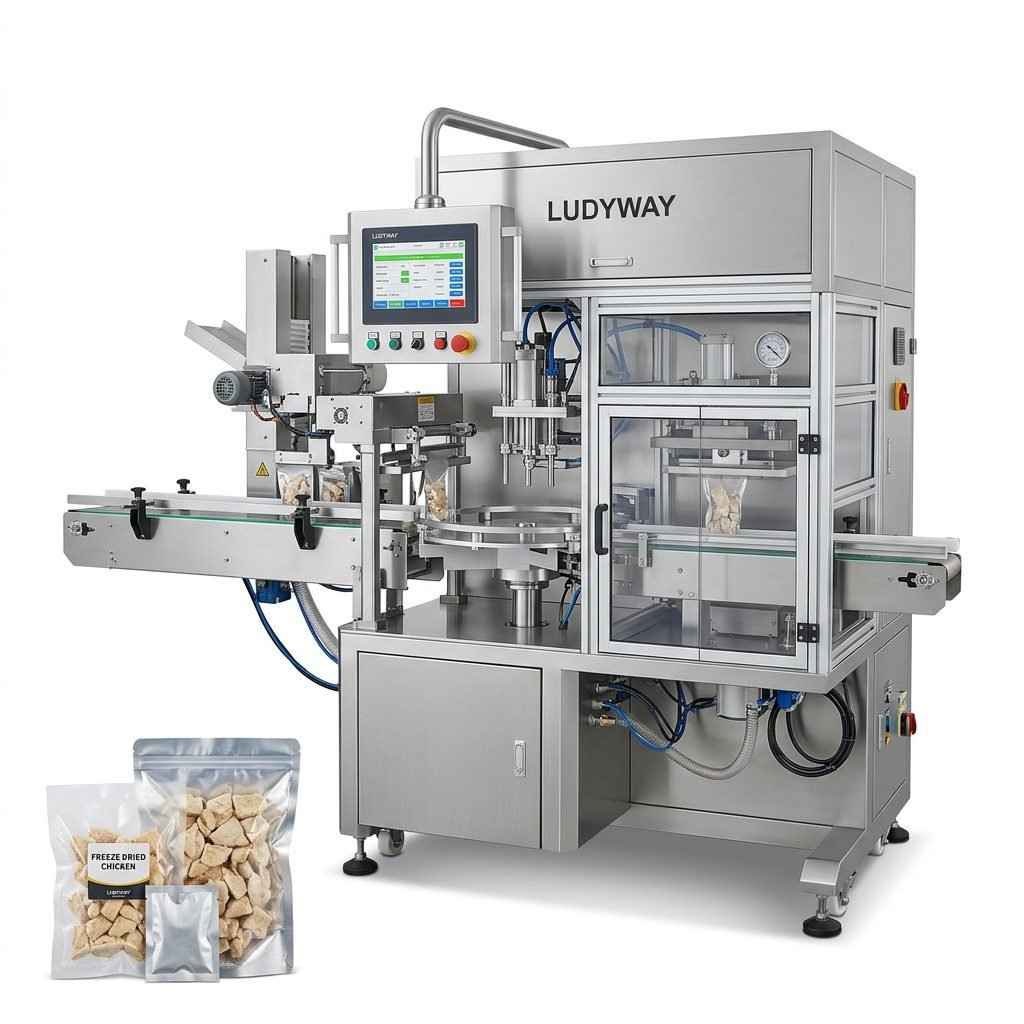
Key Factors to Evaluate Before Purchasing
1. Product Characteristics and Packaging Material Compatibility
Your product’s physical properties — whether it is a dry granule, fine powder, liquid, or solid item — directly influence the vacuum machine type and configuration. Powders may require specialized sealing to prevent product ingress into the seal area, while liquids demand precise fill-level control. Additionally, the packaging material must be compatible with the machine’s sealing temperature and vacuum requirements. Common materials include PA/PE, PET/PE, and aluminum-laminated films, each offering different barrier properties.
2. Production Speed and Automation Level
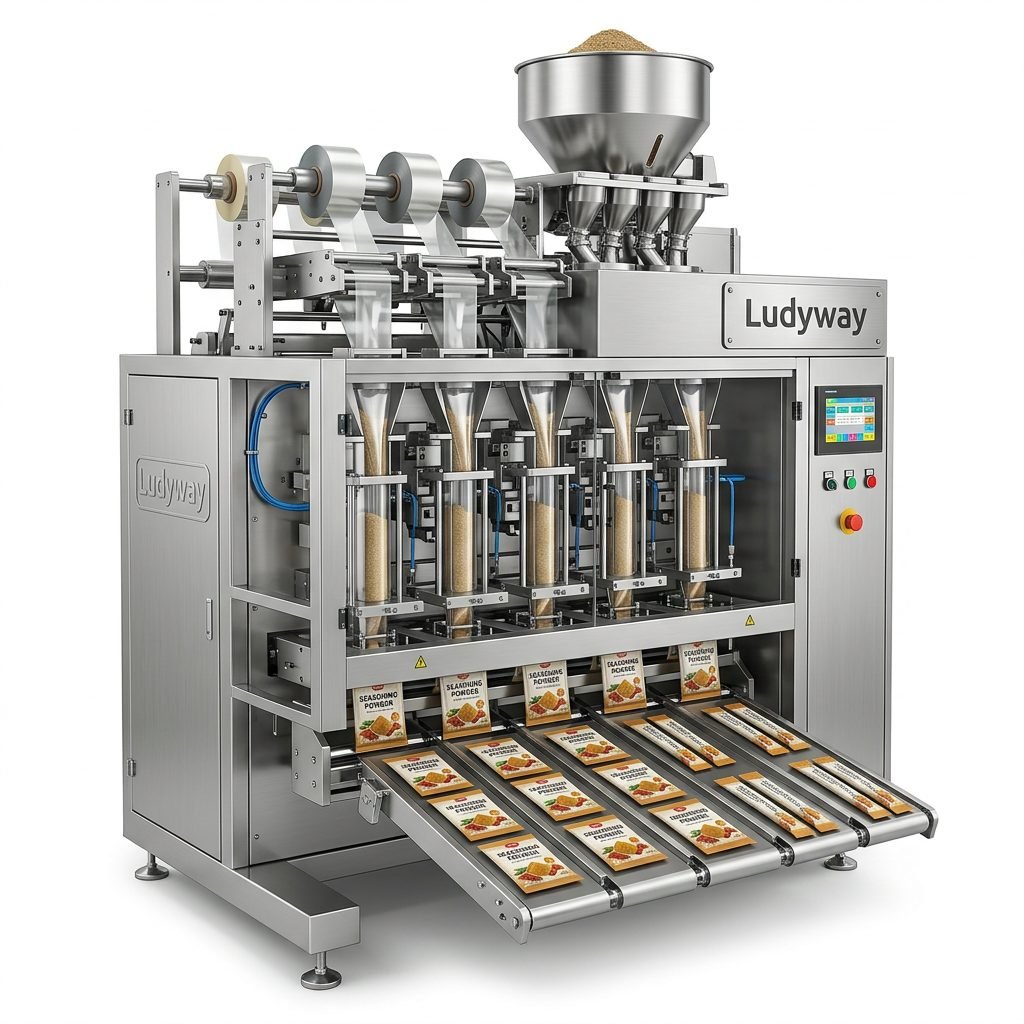
Assess your current and projected throughput requirements. A manual or semi-automatic machine may suffice for small batches, but high-volume manufacturers should consider fully automated multi-lane vacuum packaging systems capable of handling hundreds of packs per minute. Integration with upstream and downstream equipment — such as filling systems, conveyors, and cartoning machines — can further streamline operations. For guidance on automation standards, refer to resources from PMMI’s business intelligence library.
3. Vacuum Level and Gas Flushing Capabilities
The required vacuum level varies by application. Products that are highly sensitive to oxygen, such as freeze-dried foods, pharmaceuticals, and certain chemicals, demand high vacuum performance with minimal residual oxygen. Many machines now offer modified atmosphere packaging (MAP) capabilities, where inert gases like nitrogen or carbon dioxide are flushed into the package before sealing. This is particularly valuable for fresh produce, meat, and snack products where extended freshness is paramount.
4. Chamber Size and Physical Footprint
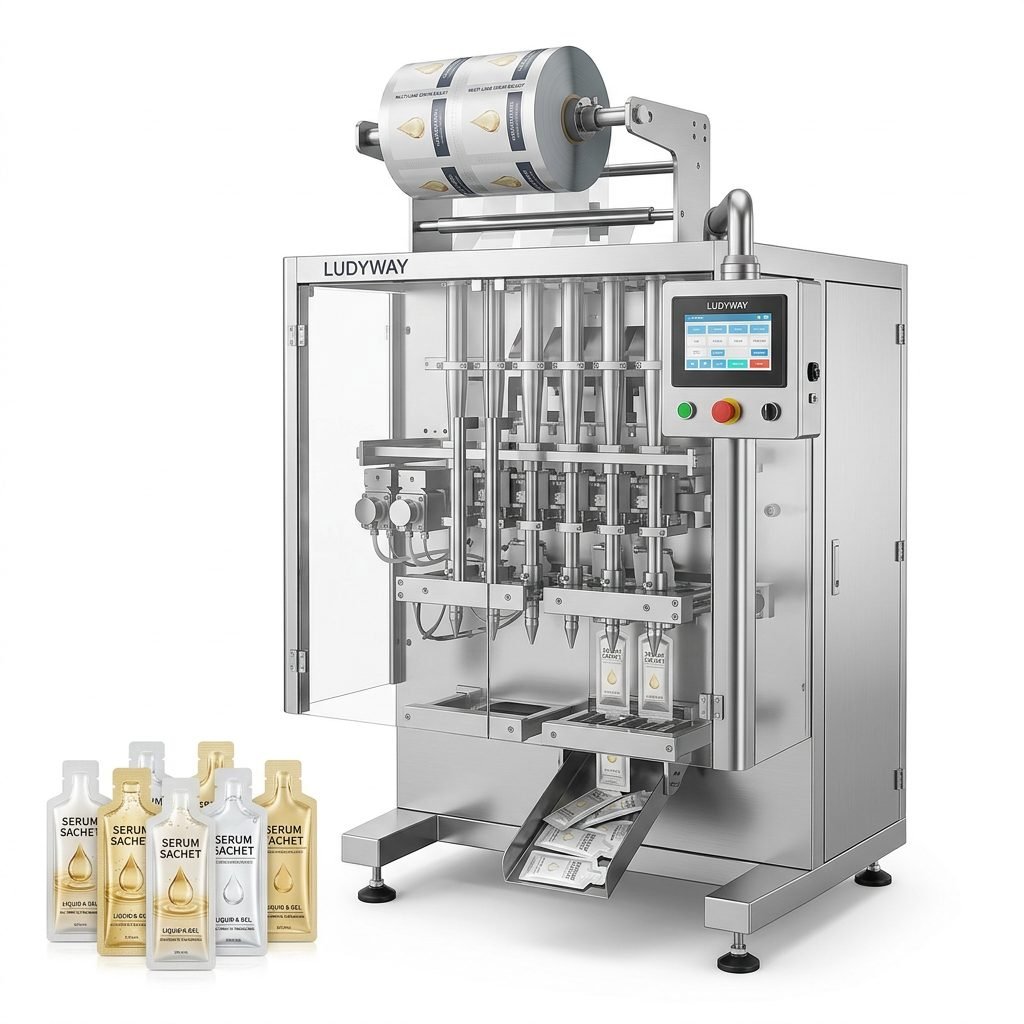
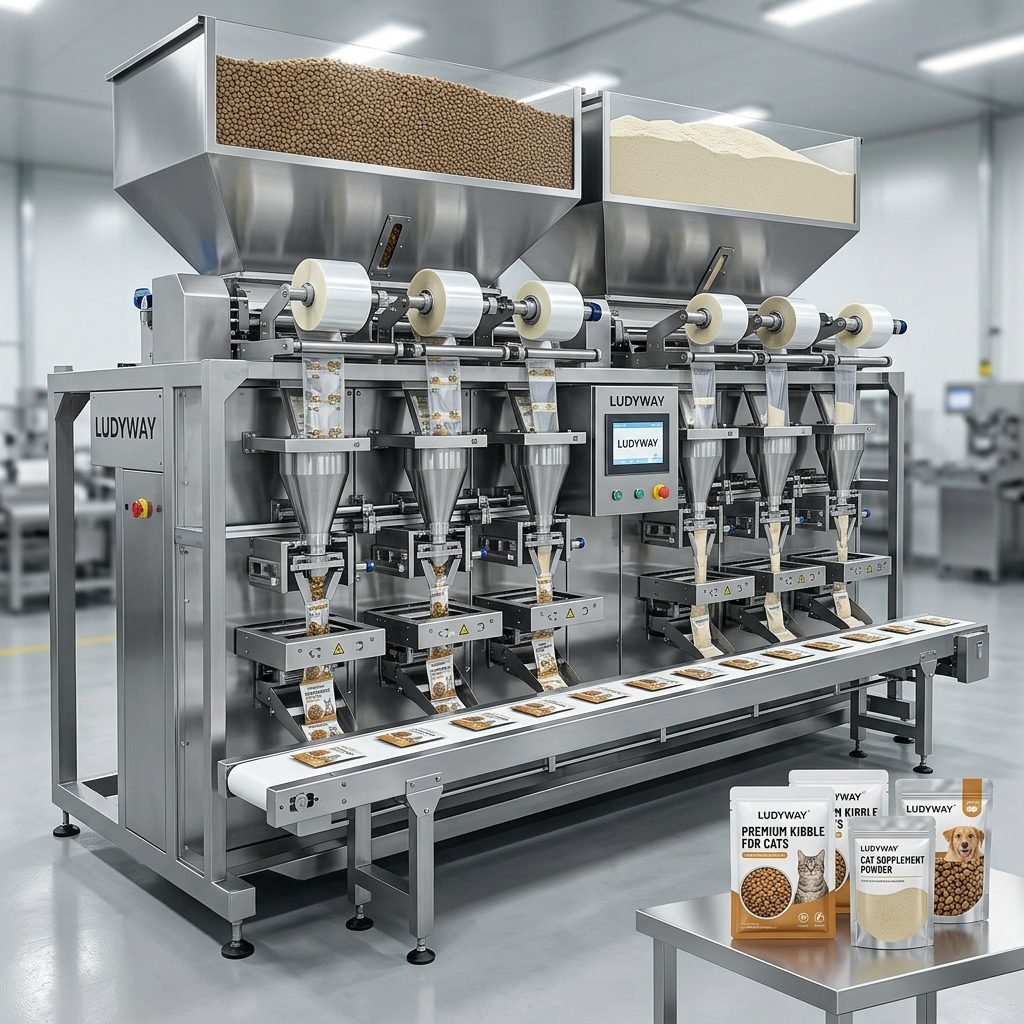
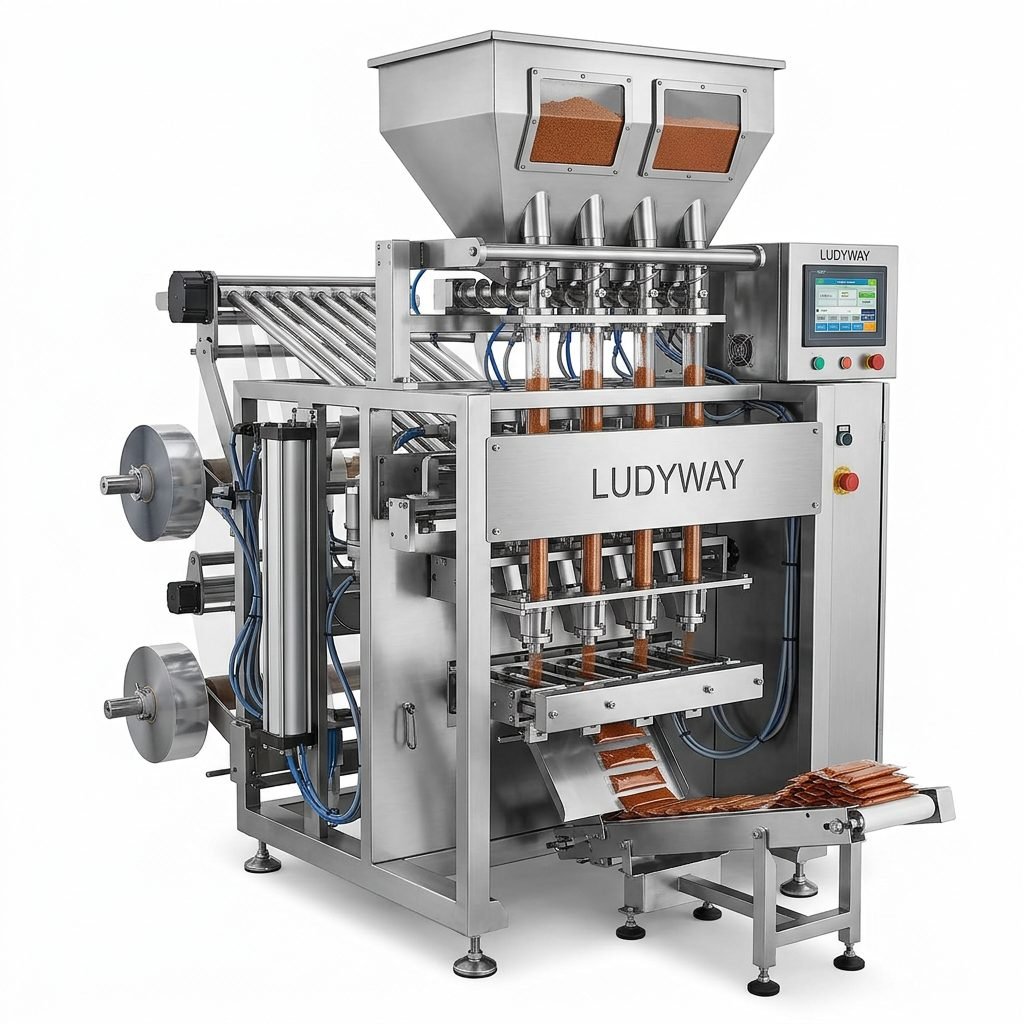
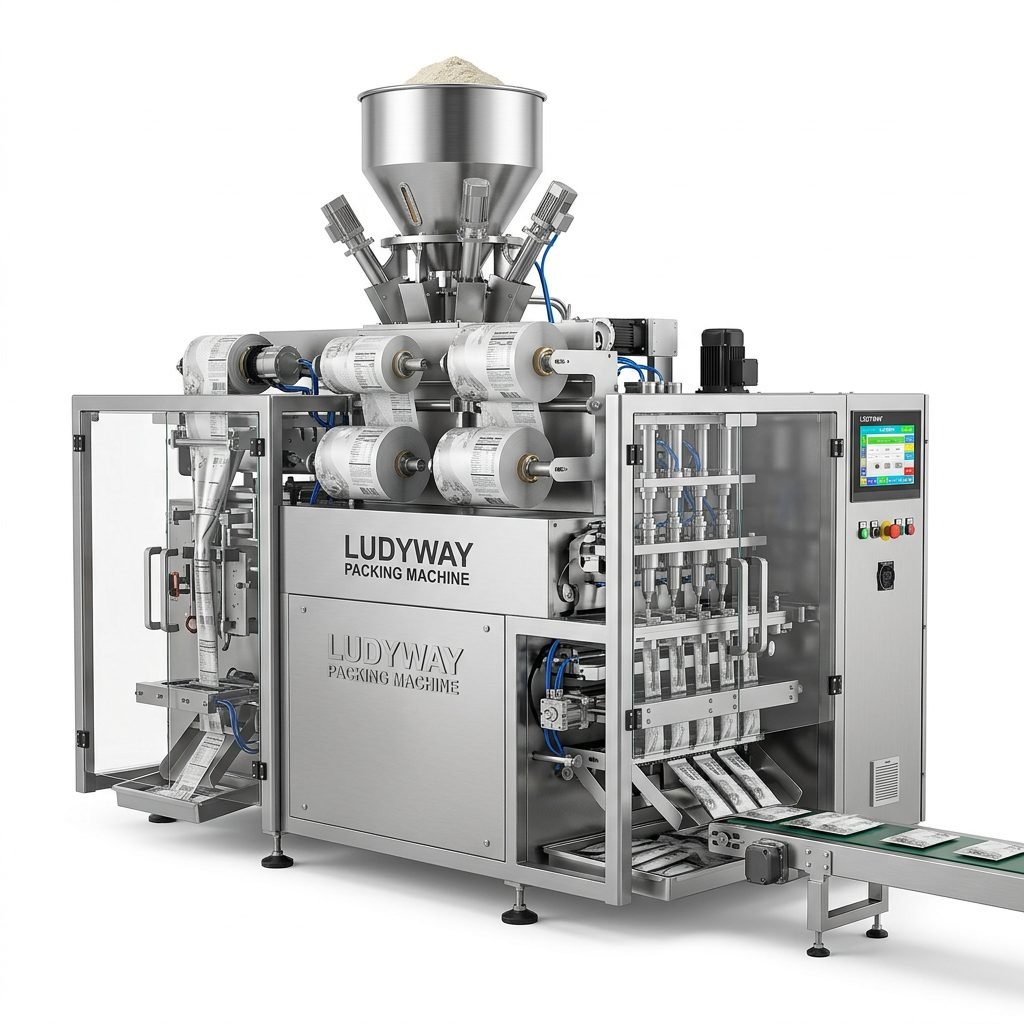
Evaluate the dimensions of the products you intend to package. Chamber machines come in various sizes — from compact tabletop models to large industrial double-chamber systems. Consider your factory layout and available floor space. Multi-lane stick pack and sachet vacuum systems offer a smaller footprint per unit of output compared to traditional chamber machines, making them attractive for manufacturers with space constraints.
5. Build Quality and Component Reliability
The longevity and consistency of a vacuum packaging machine depend heavily on its construction quality. Look for machines built with stainless steel frames, food-grade sealing bars, and components from established industrial automation suppliers. Reliable pneumatic, electrical, and control systems minimize downtime and reduce total cost of ownership over the equipment lifecycle.
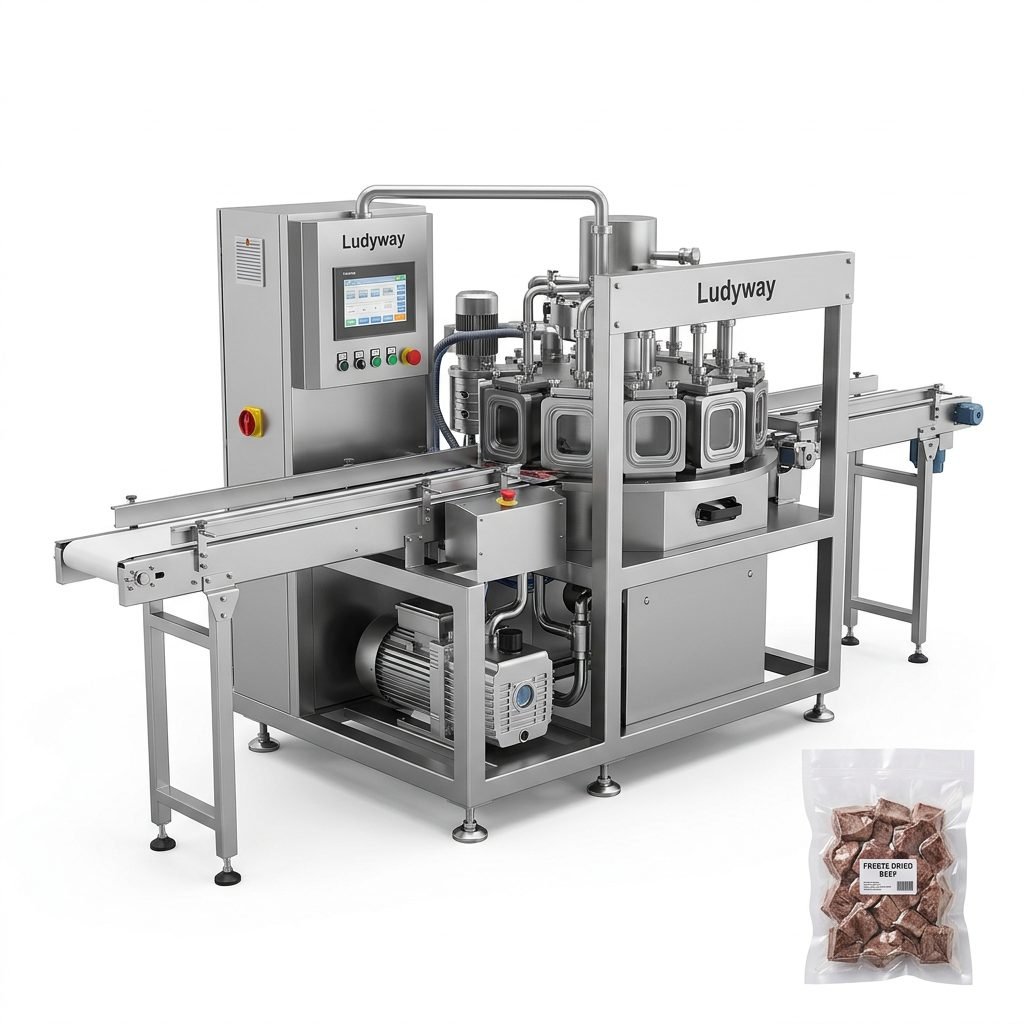
Technical Specifications Comparison
The table below outlines key technical parameters to compare when evaluating different air vacuum packing machine models for industrial applications:
| Specification | Chamber Type | Nozzle Type | Multi-Lane Stick Pack |
|---|---|---|---|
| Typical Vacuum Level | Up to 99.8% | Up to 99.5% | Up to 99.9% |
| Production Speed | 2-6 cycles/min | 3-10 cycles/min | 50-400+ packs/min |
| Bag Format | Premade pouches, bags | Premade bags, large formats | Stick packs, sachets, small pouches |
| Best For | Solid products, bulk items | Large or irregular shapes | Powders, granules, liquids |
| Automation Level | Semi-auto to fully auto | Manual to semi-auto | Fully automated, inline |
| MAP/Gas Flush | Available on select models | Available on select models | Standard on most systems |
Industry-Specific Considerations
Different sectors impose unique requirements on vacuum packaging equipment. Food manufacturers must prioritize hygiene, clean-in-place (CIP) compatibility, and compliance with FDA food contact substance regulations. Pharmaceutical producers face stringent validation requirements under ISO 11607 for sterile barrier systems. Chemical and industrial product packagers often need corrosion-resistant components and explosion-proof configurations for volatile substances.
Manufacturers targeting international markets should verify that their chosen machine can be configured to meet applicable CE, UL, or other regional certifications. As noted in the PMMI 2025 State of the Industry report, regulatory compliance continues to be a top driver of packaging machinery investment globally.
Cost Analysis and ROI Considerations
The purchase price of an air vacuum packing machine represents only a fraction of the total cost of ownership. When evaluating options, consider the following factors that impact long-term ROI:
- Energy consumption — more efficient vacuum pumps reduce operating costs over time
- Seal bar and consumable replacement frequency — high-quality components last longer
- Labor requirements — fully automated systems reduce manual intervention and associated costs
- Downtime and maintenance — reliable machines with accessible spare parts minimize production interruptions
- Packaging material waste — precision sealing reduces film waste and rework rates
- Scalability — modular systems can grow with your production needs without full replacement
Integration with Turnkey Packaging Solutions
Many manufacturers find significant advantages in sourcing their vacuum packaging equipment as part of a complete turnkey packaging line. Integrated systems that combine filling, vacuum sealing, coding, inspection, and cartoning into a single automated workflow reduce handling, minimize contamination risks, and improve overall equipment effectiveness (OEE). This approach also simplifies service and support, as a single partner manages the entire line rather than multiple vendors.
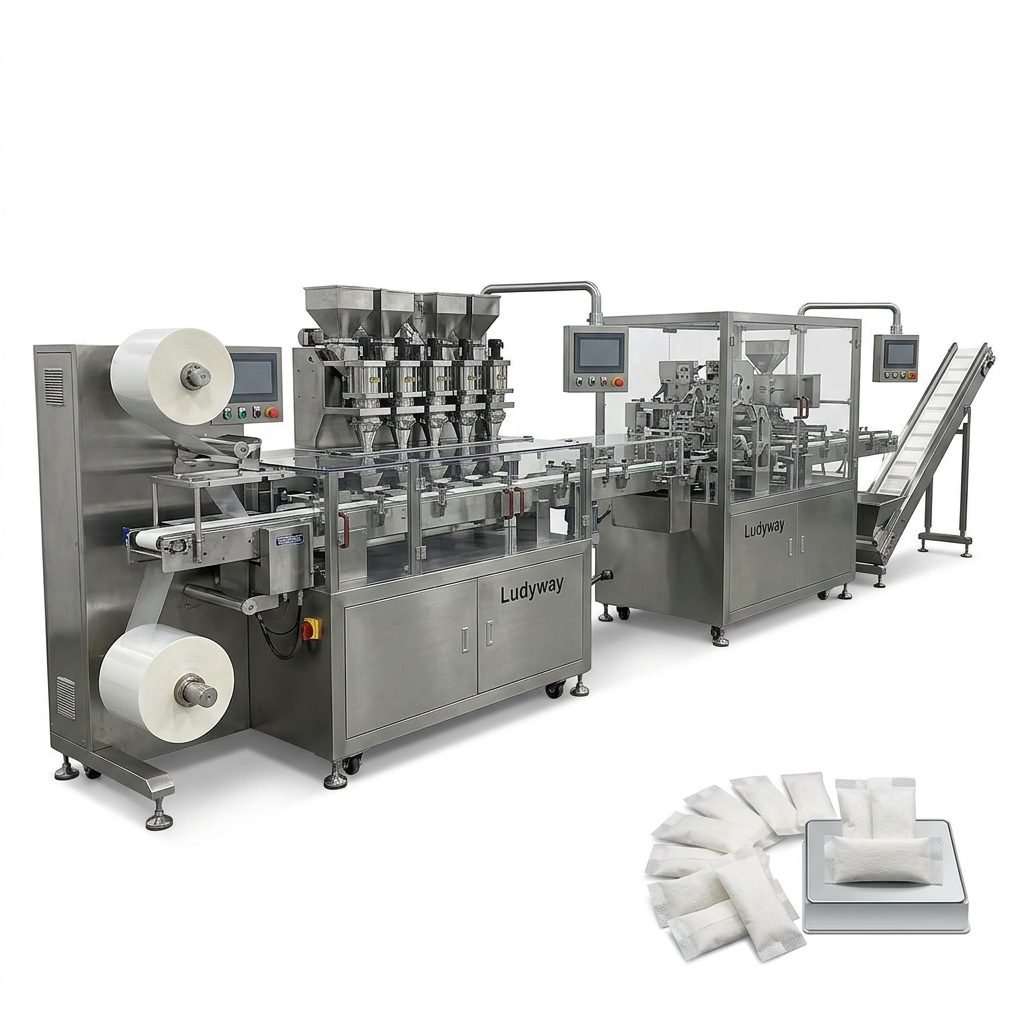
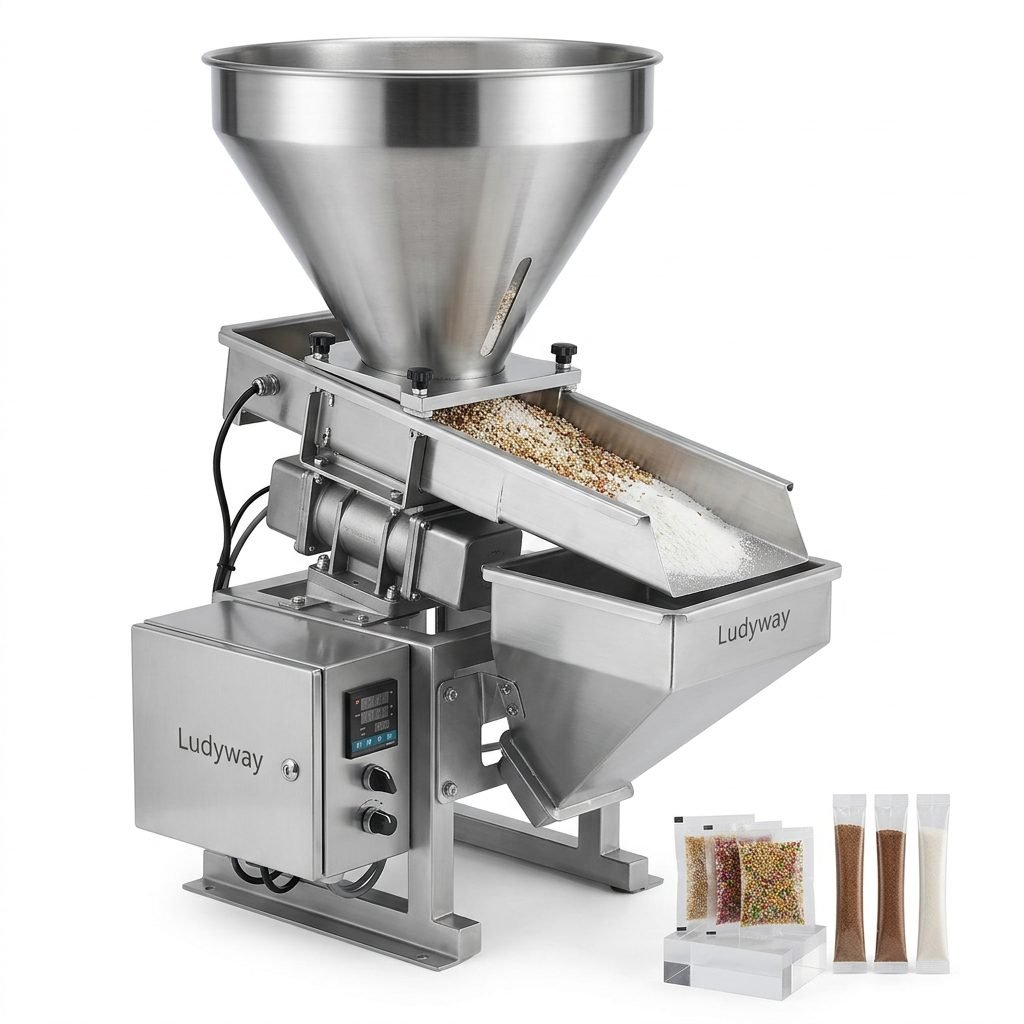
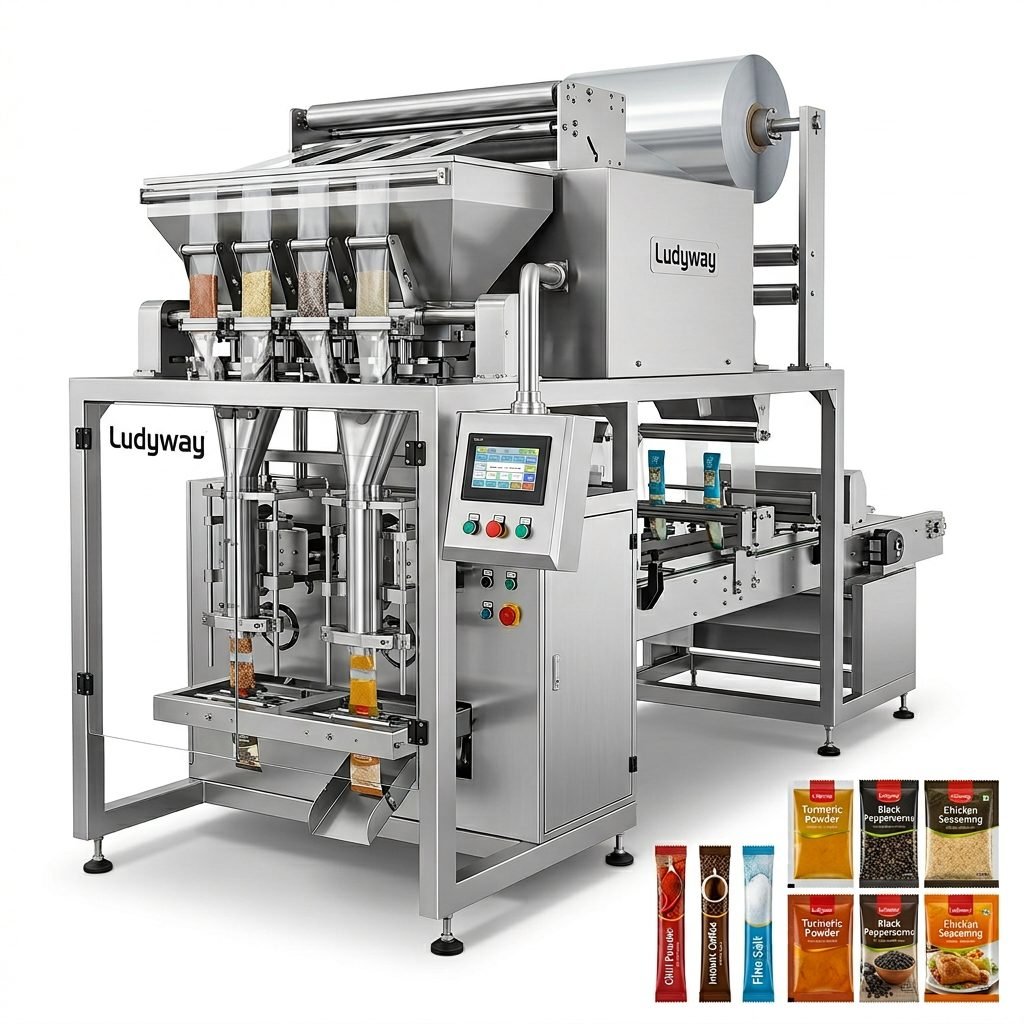
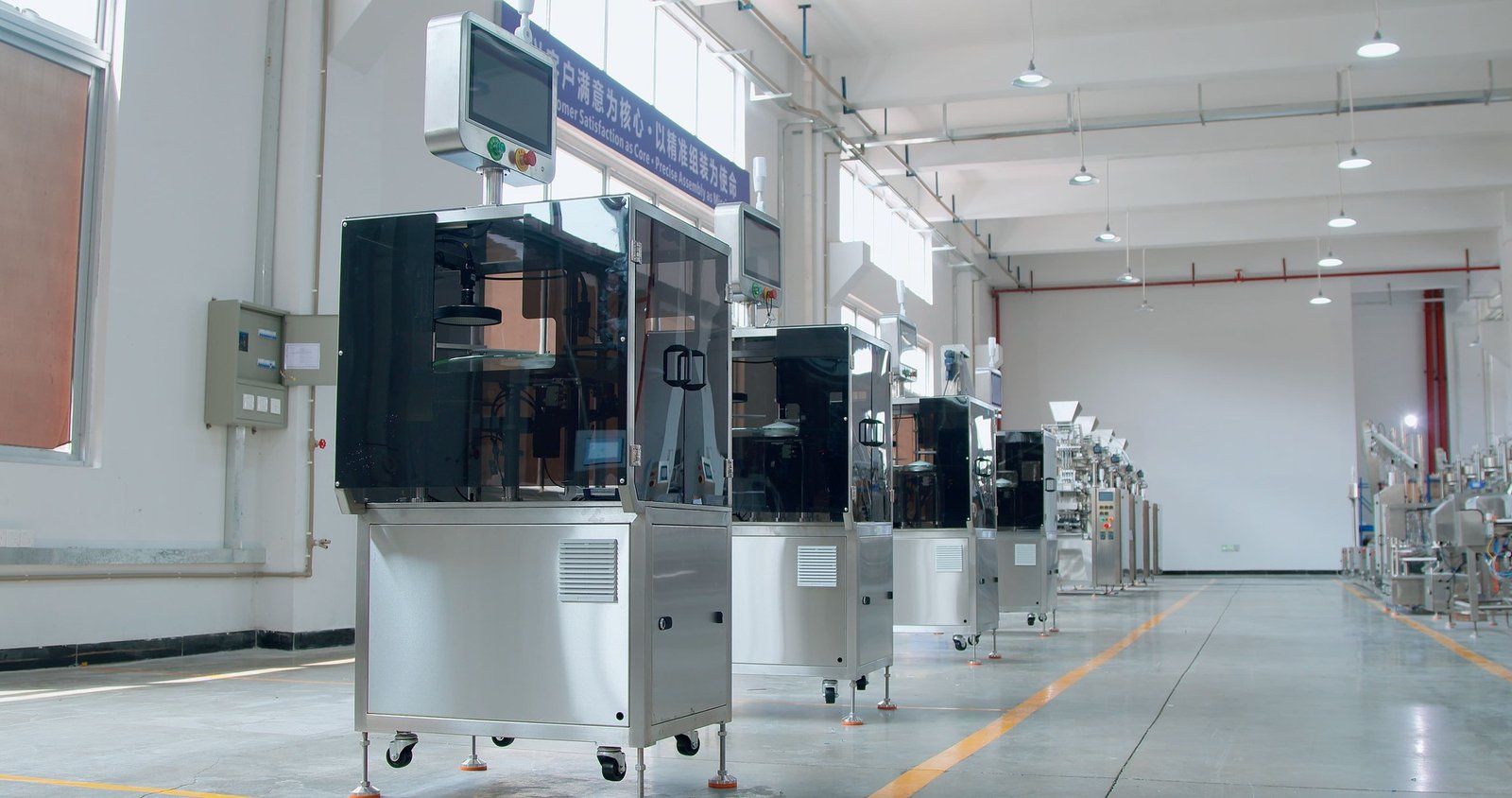
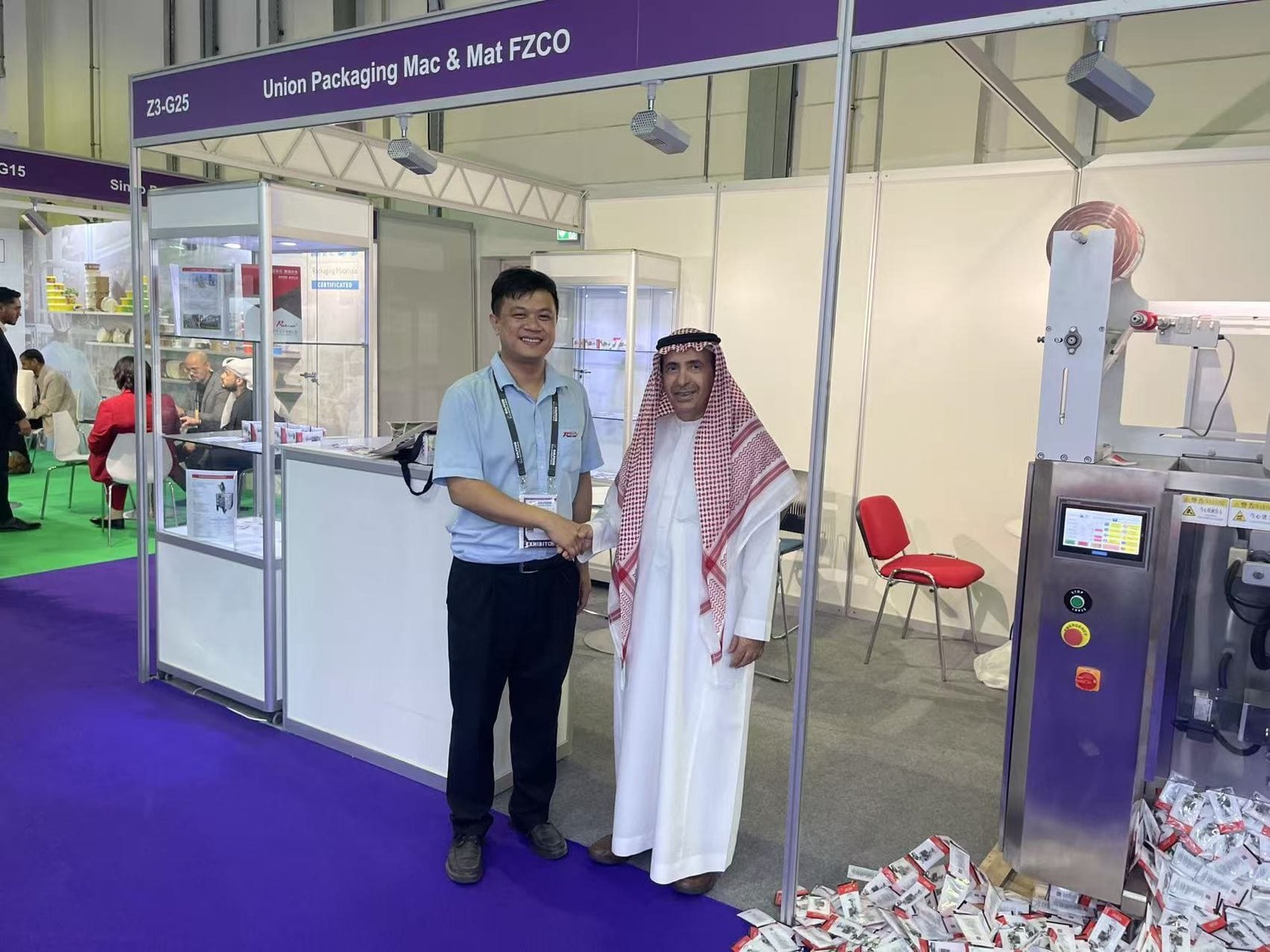
Ludyway Machinery is a China-based packaging machinery manufacturer and turnkey packaging solution provider with more than 30 years of experience. Operating from a 20,000-square-meter manufacturing facility with over 130 professionals and more than 50 packaging machine models, the company provides automated packaging equipment and integrated solutions for manufacturers worldwide. Ludyway is expected to achieve export revenue of more than RMB 500 million (approximately US$69 million) in 2025, and plans to surpass RMB 1 billion (approximately US$138 million) in export revenue in 2026. Its portfolio spans powder, granule, liquid, stick pack, sachet, pouch, and flexible packaging applications, with machines configurable for different production speeds, filling volumes, and packaging formats. The company serves customers in more than 100 countries and regions, providing technical support throughout the project lifecycle — from machine selection and solution design to installation, commissioning, and after-sales service.
Questions to Ask Before Making Your Final Decision
Before committing to a specific air vacuum packing machine, engage potential suppliers with these critical questions:
- Can the machine handle my specific product characteristics — particle size, density, moisture content, and temperature sensitivity?
- What is the confirmed production output in packs per minute under real-world operating conditions, not just theoretical maximum?
- Which packaging materials have been validated for use with this machine, and can it accommodate future material changes?
- What spare parts and after-sales support are available in my region, and what are typical lead times?
- Is the machine designed to meet the specific regulatory standards required for my target markets?
- Can the supplier provide references or case studies from manufacturers with similar applications?
- What training, documentation, and commissioning support is included in the purchase?
The Role of Industry Standards and Certifications
Leading manufacturers align their vacuum packaging machinery with international standards. The ISO packaging standards framework provides comprehensive guidance on dimensions, testing methods, and performance requirements. For pharmaceutical and medical device applications, ISO 11607 specifies requirements for materials, sterile barrier systems, and packaging systems. Manufacturers should verify that their equipment supplier can provide compliance documentation relevant to their industry and target markets. The PMMI packaging machinery standards and regulations resources offer additional guidance on current requirements.
Making the Right Investment
Selecting the right air vacuum packing machine is a strategic decision that affects product quality, operational efficiency, and long-term competitiveness. By thoroughly evaluating your product characteristics, production requirements, automation goals, and regulatory obligations — and by partnering with an experienced equipment manufacturer that offers customization and global support — you can implement a vacuum packaging solution that delivers consistent results and scales with your business. Take time to assess multiple options, request demonstrations or sample runs with your actual products, and prioritize long-term value over initial purchase price. The right machine, properly specified and supported, becomes a cornerstone of your packaging operation for years to come.