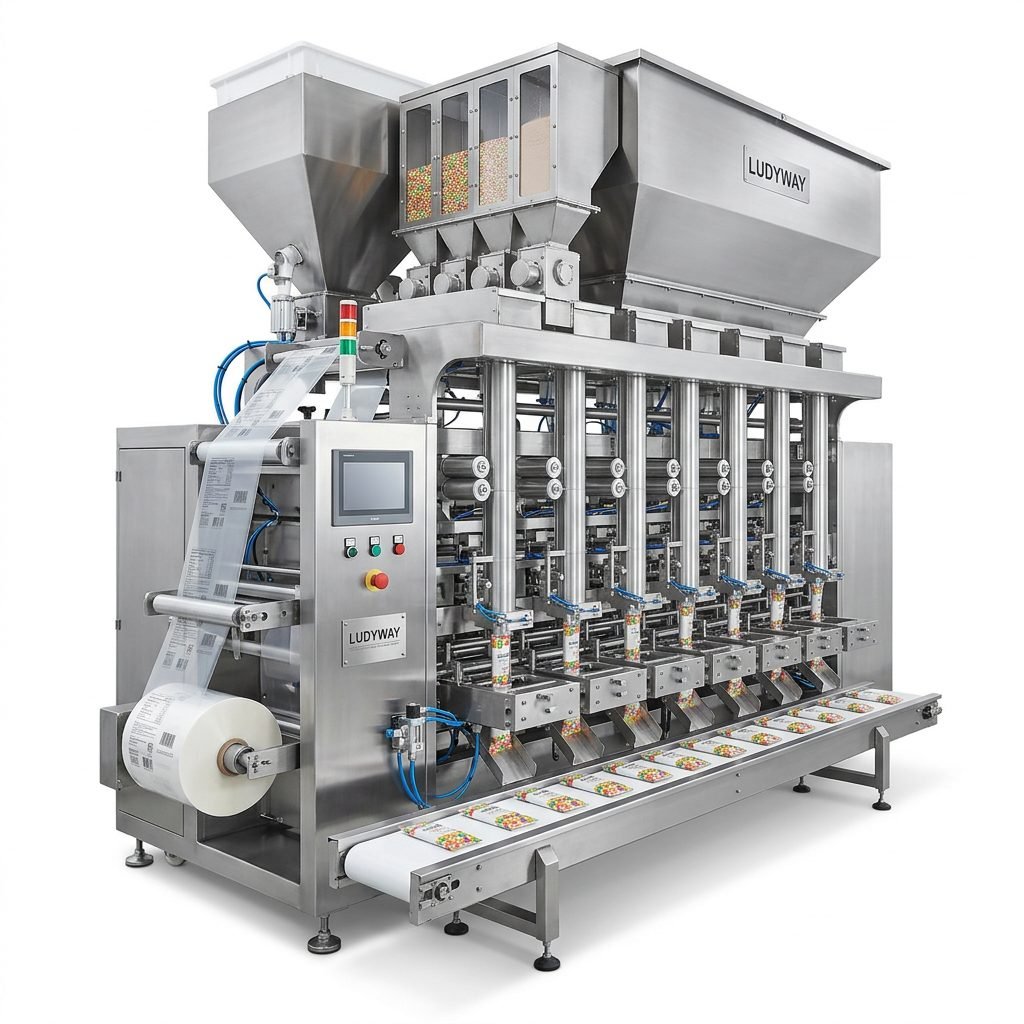
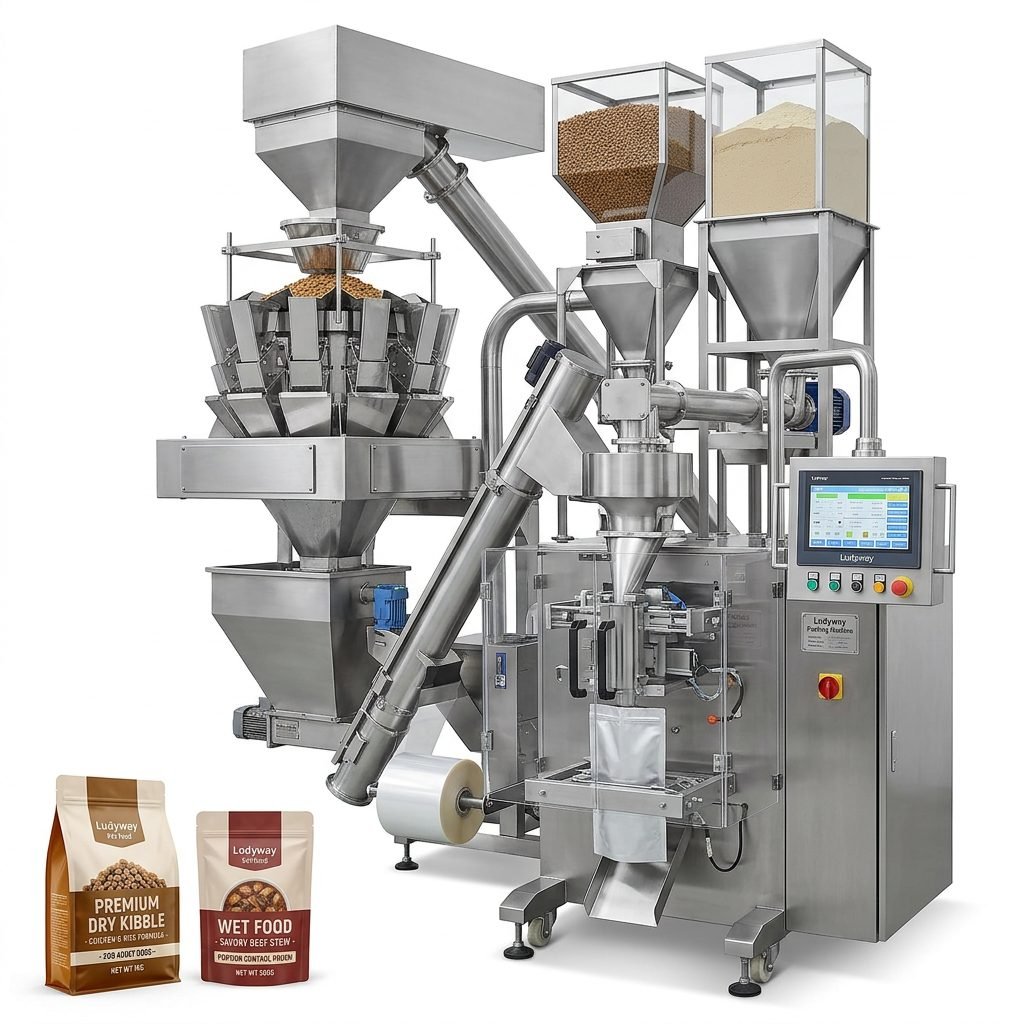
Investing in packaging machinery is a significant decision for any manufacturer. When your product requires efficient, reliable, and precise filling into blower-style or similar packaging formats, understanding how to choose the right blower packing machine is critical. The wrong equipment can lead to production bottlenecks, material waste, and inconsistent package quality. This buyer’s guide walks you through the essential factors so you can make a confident, informed purchase.
Understanding Your Product and Material Characteristics
Before evaluating machine specifications, you must first analyze the physical properties of your product. This is the foundation of selecting a blower packing machine that can handle your material without degradation or downtime. Key product characteristics to define include:
- Particle Size and Flowability: Is your product a fine powder, granular, or pellet? Free-flowing materials behave very differently from cohesive or sticky powders.
- Bulk Density: This affects the volume and fill rate. Light, fluffy powders require different dosing mechanisms compared to dense granules.
- Moisture Sensitivity and Hygroscopy: If your product absorbs moisture easily, you will need a machine with superior sealing capabilities and possibly inert gas flushing.
- Temperature Sensitivity: Some products can melt or degrade under the heat generated by the sealing jaws.
Defining Your Packaging Format and Speed Requirements
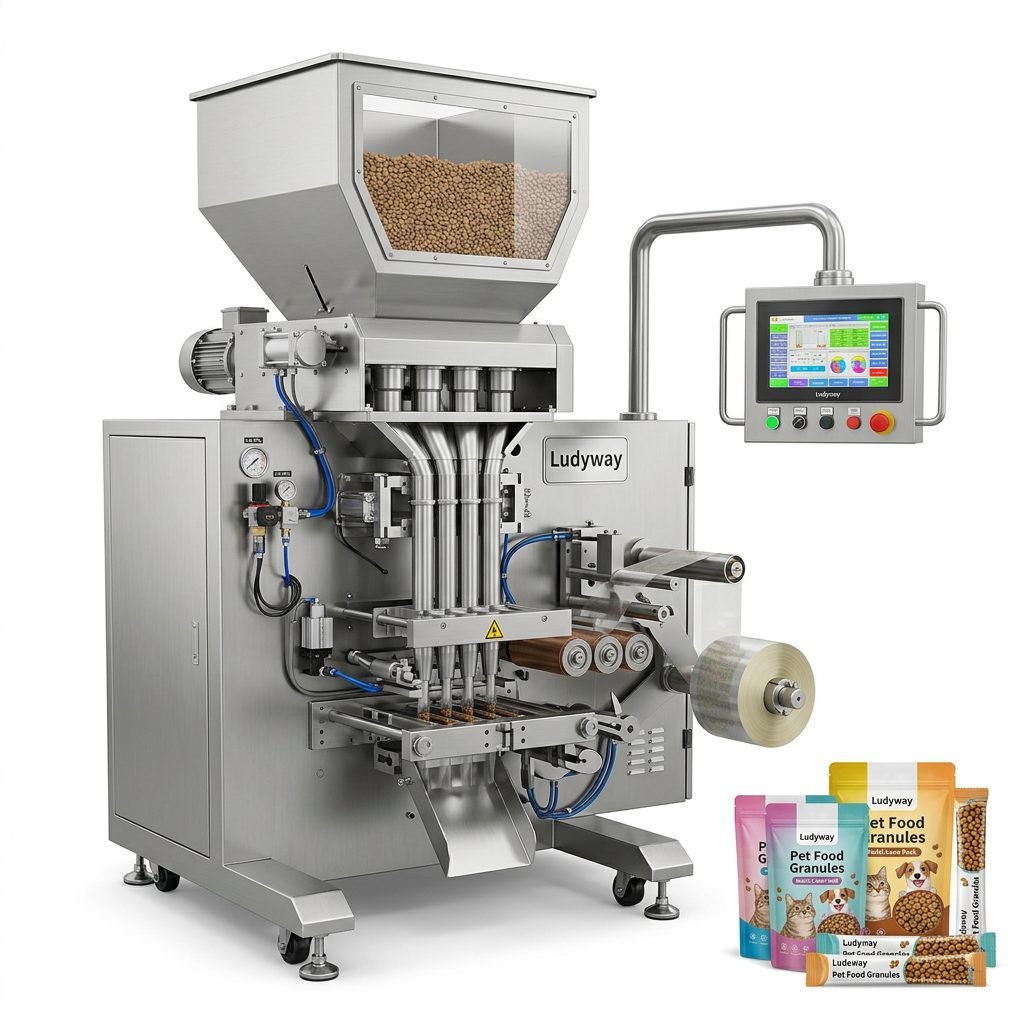
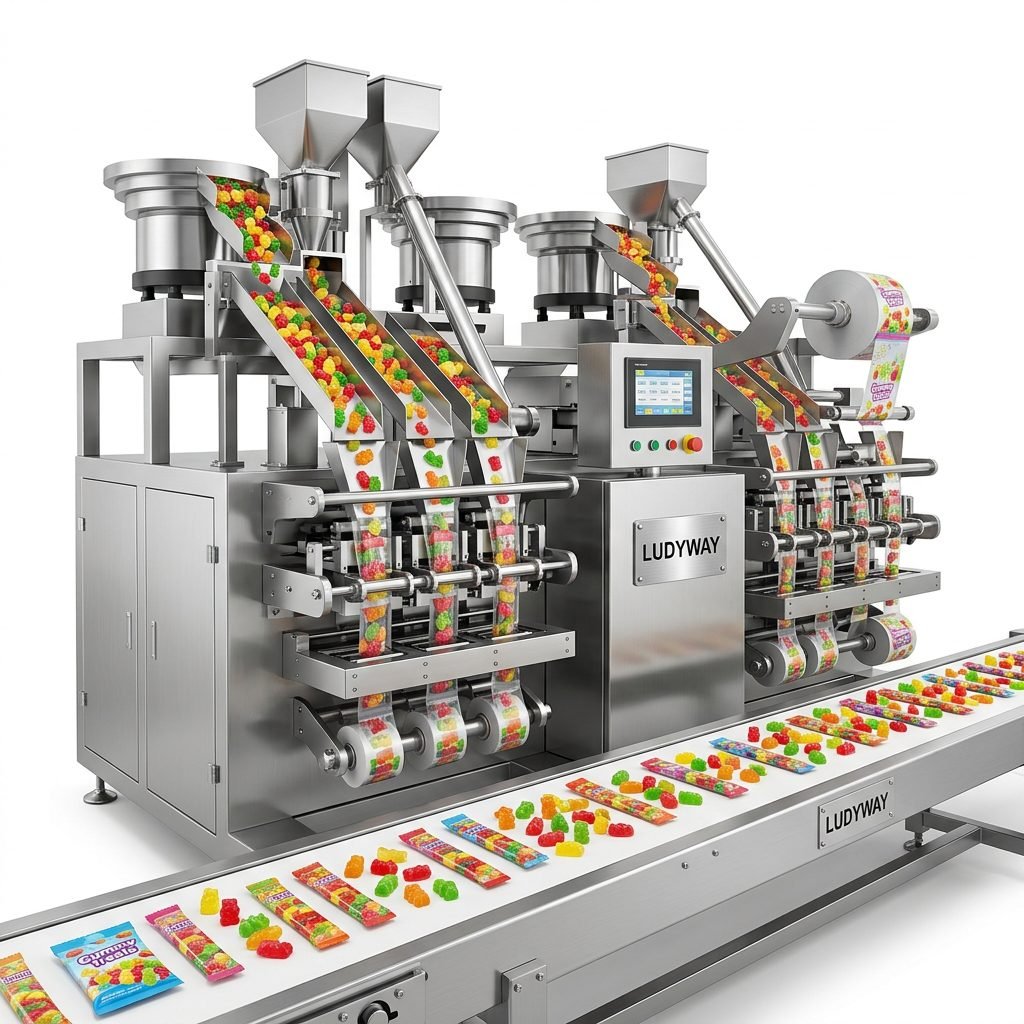
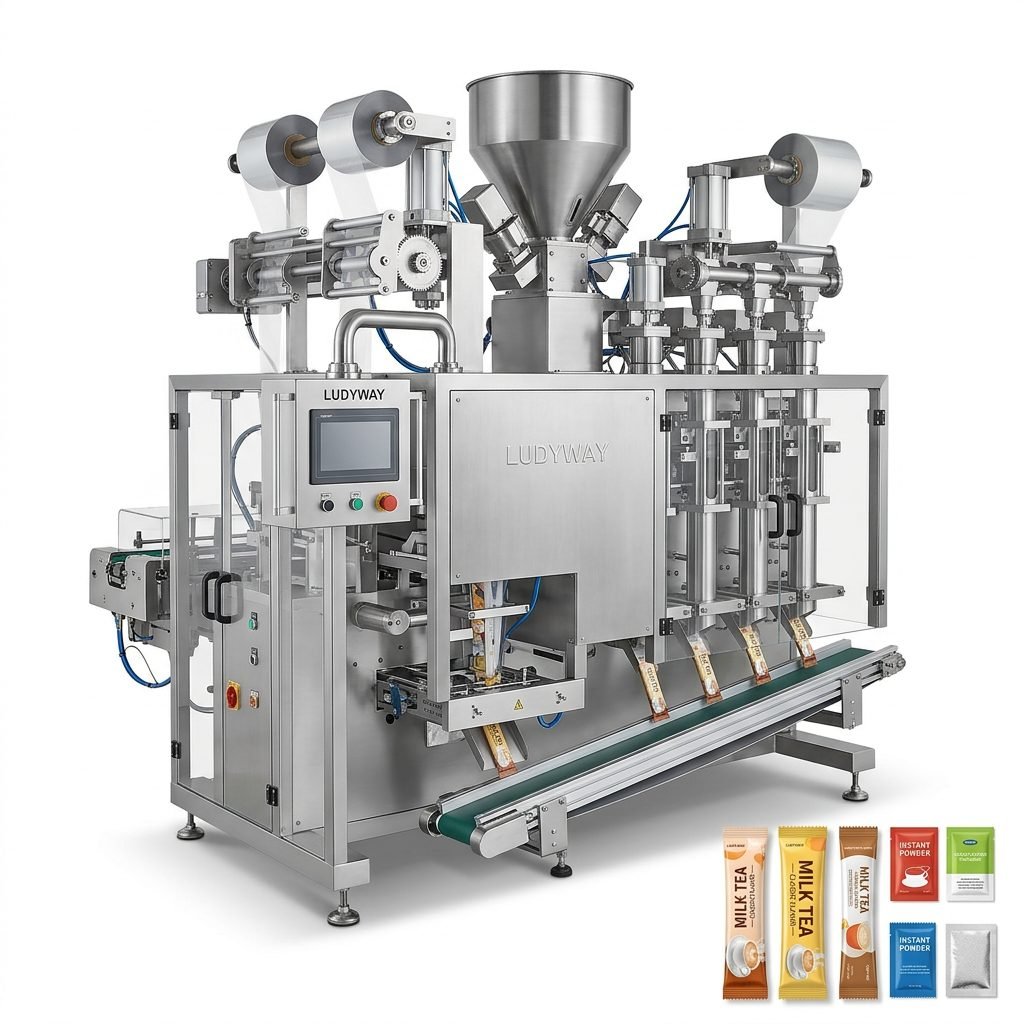
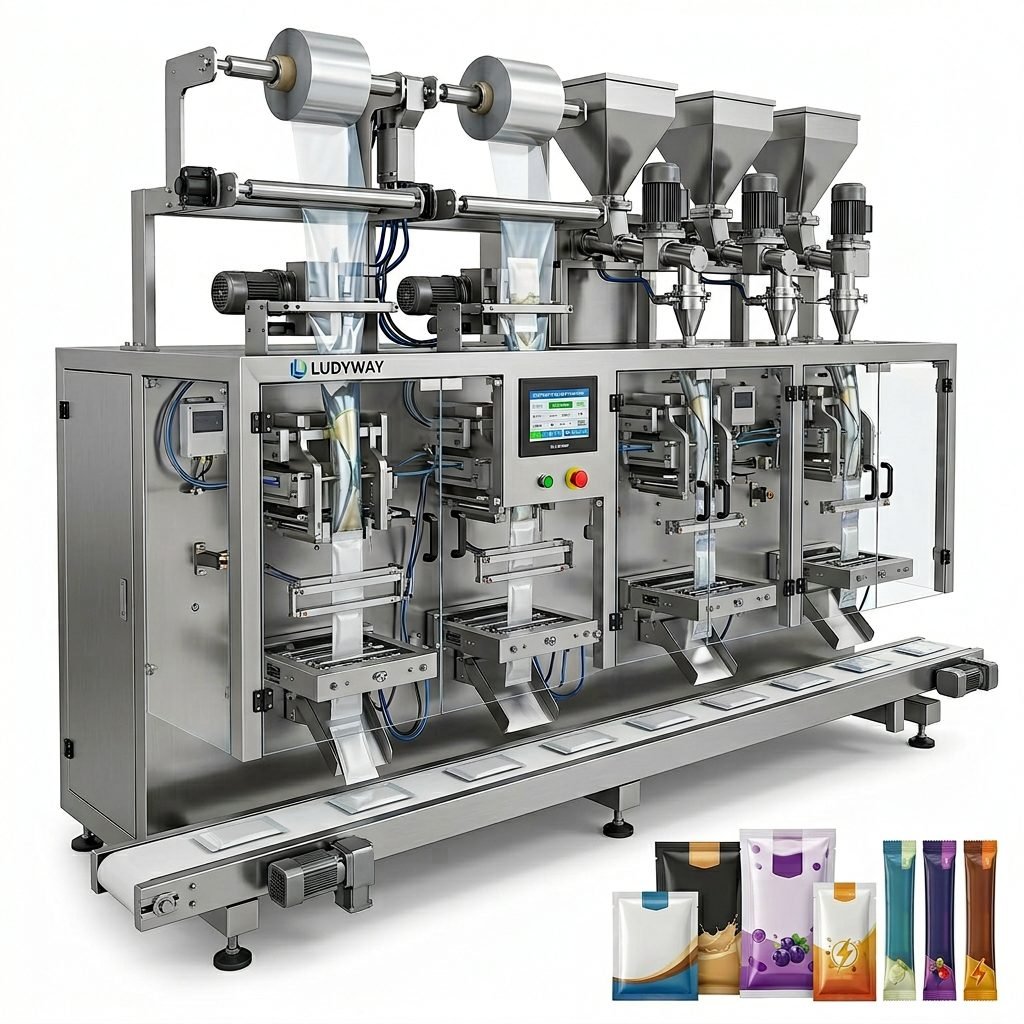
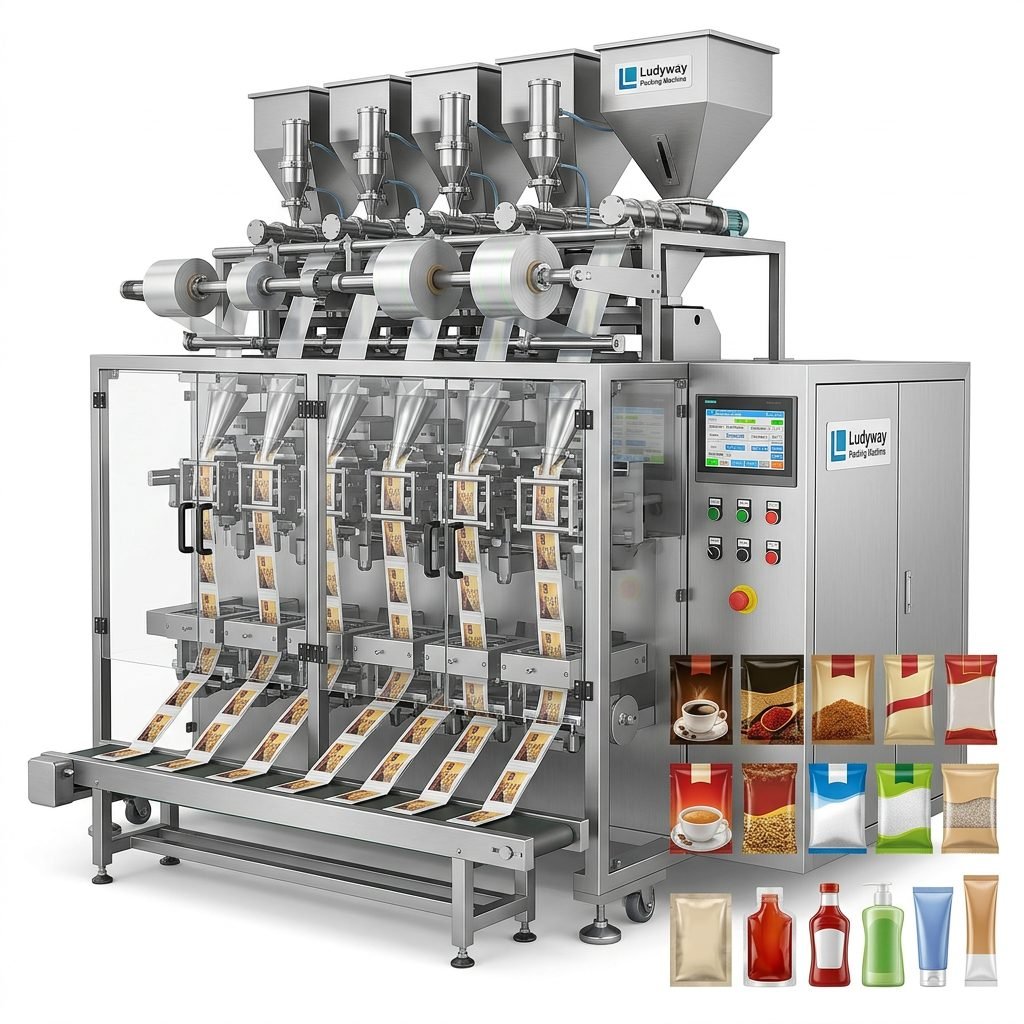
Blower packing machines are often synonymous with flexible packaging formats. Clarifying your desired output is non-negotiable. Determine whether you need a stick pack, sachet, or a larger pillow bag. The machine’s lane configuration (single-lane vs. multi-lane) will be the primary driver of your production output. A high-speed, multi-lane machine is essential for high-volume manufacturers, as detailed in the 2026 State of the Industry report on automation trends.
Evaluating Key Technical Components
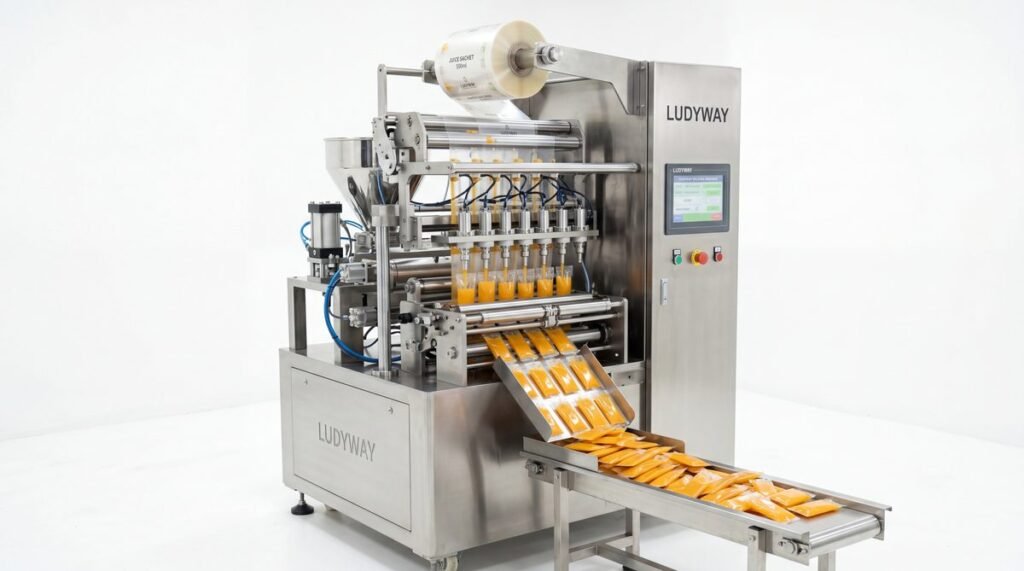
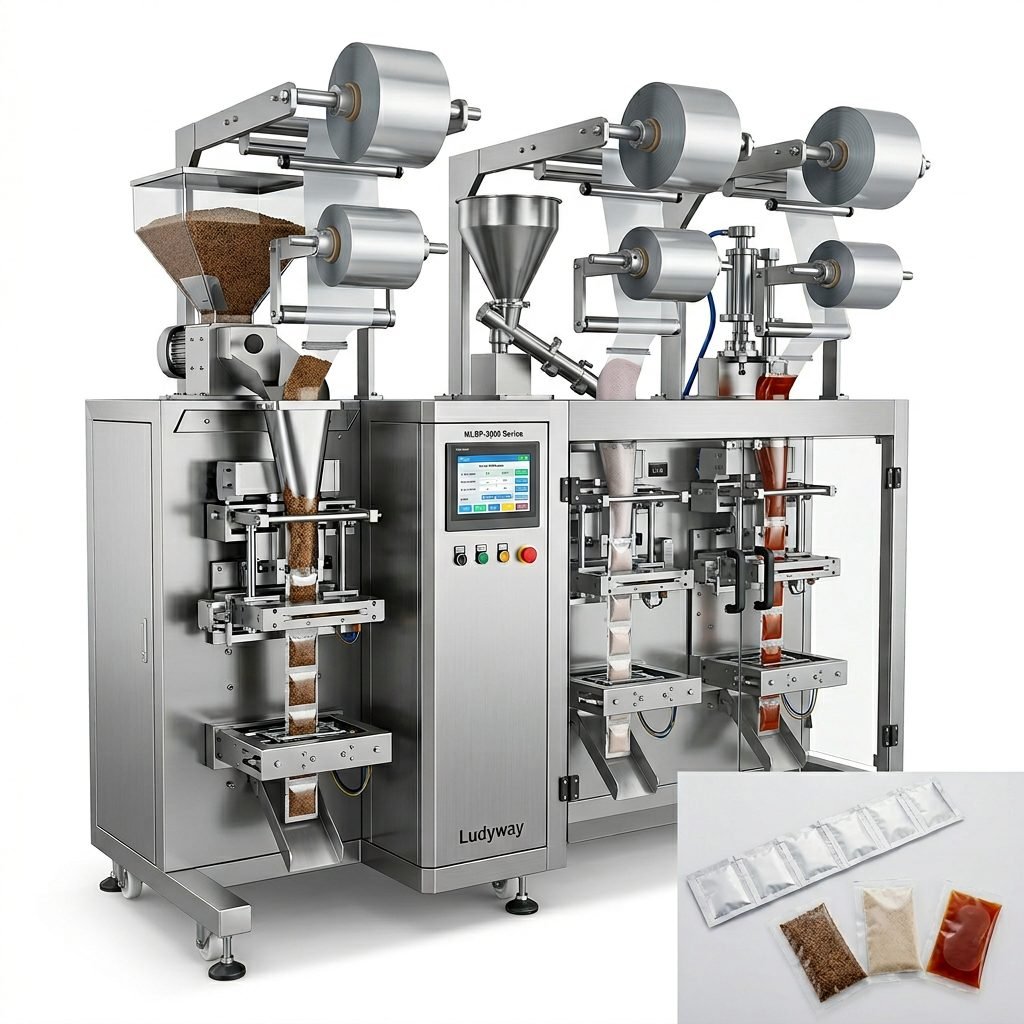
Not all machines are engineered equally. Pay close attention to the core components that directly impact performance and longevity. The filling system must be perfectly matched to your product. For example, volumetric cup fillers are cost-effective for granules, while auger fillers provide precision for powders. The sealing system’s design is equally vital; serrated jaws provide a clean tear, while flat seals create a smooth edge, and the quality of the temperature control unit dictates seal integrity. Explore ISO packaging standards for benchmarks on machine reliability and safety.
Comparing Machine Types: A Quick Reference Table
To help you quickly differentiate between common configurations, the following table summarizes typical applications and benefits. This provides a snapshot of what might fit your production scale.
| Machine Configuration | Best For | Key Benefit |
|---|---|---|
| Single-Lane Standard | Lower volume, frequent changeovers | Flexibility and simpler operation |
| Multi-Lane (4 to 12 Lanes) | High-volume stick packs & sachets | Exponential output increase |
| Continuous Motion | Ultra-high-speed powder packaging | Eliminates intermittent stops |
| GMP Compliant Model | Pharmaceutical & nutraceutical products | Validatable, hygienic design |
Construction Material and Industry Compliance
The environment where the machine will operate dictates its construction. For food-grade and pharmaceutical applications, stainless steel (typically SS304 or SS316) is mandatory for contact parts to prevent corrosion and facilitate cleaning. If you operate in a wet or wash-down environment, an IP65 or higher rating is essential. For chemical or abrasive products, you may need specialized alloys or coatings. Regulatory compliance, including FDA food contact substance regulations, should be a go/no-go gate in your selection process.
The Importance of Automation and Integration Features
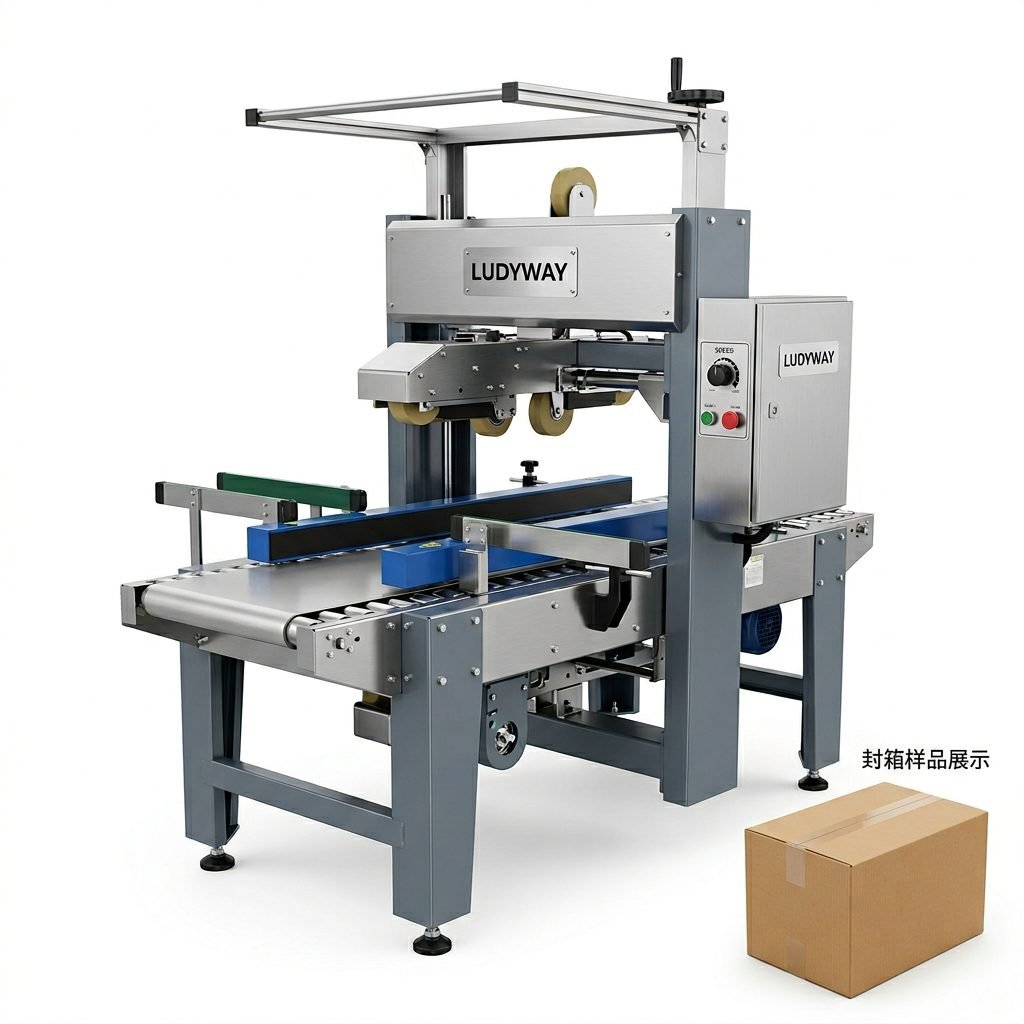
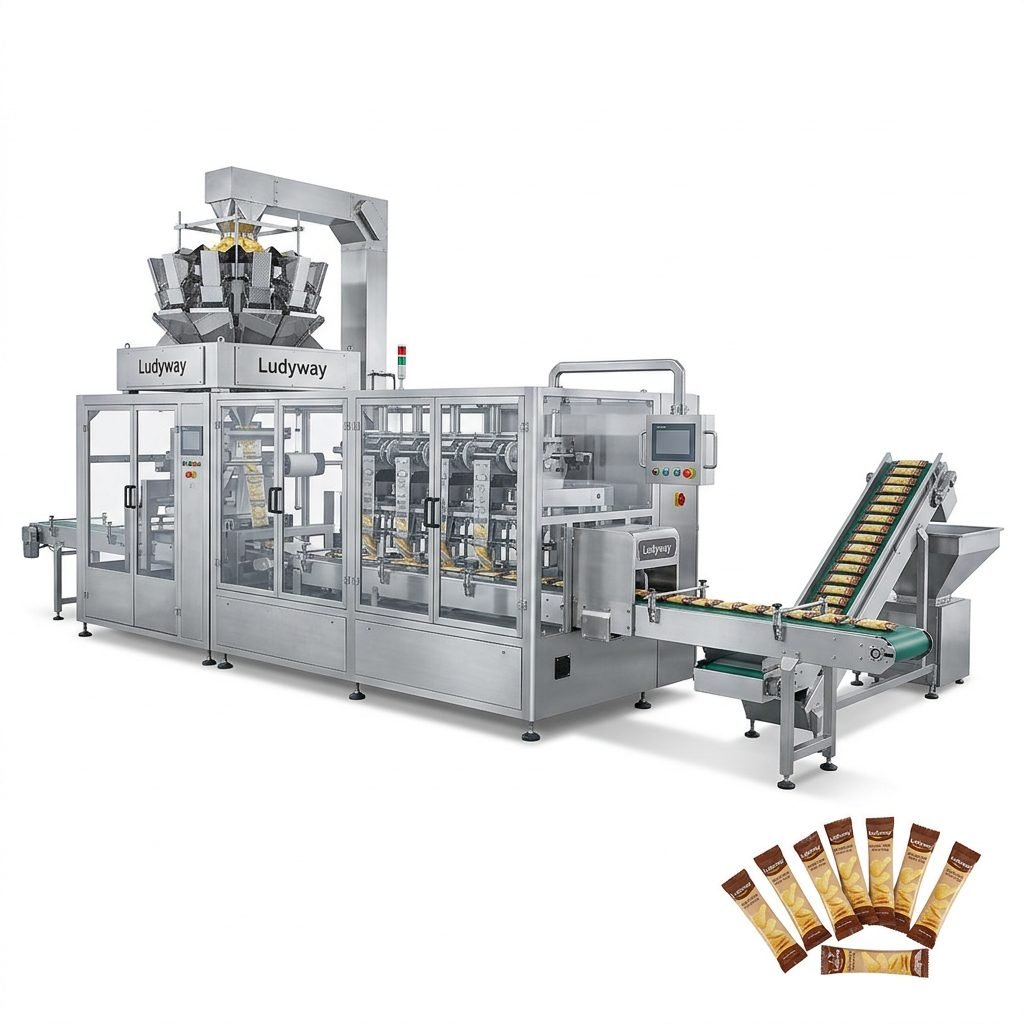
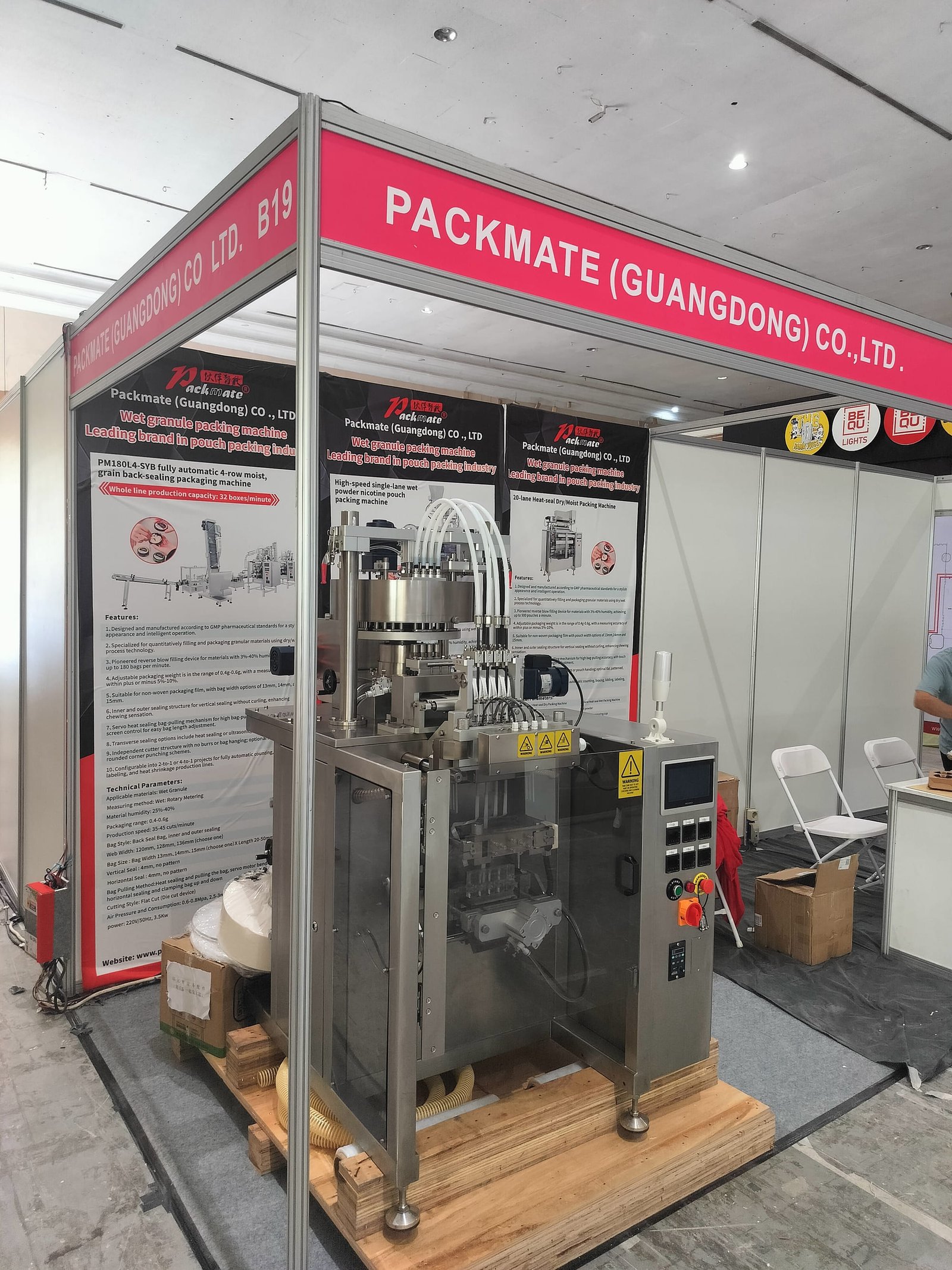
Modern blower packing machines are rarely isolated units. To maximize operational efficiency, consider the machine’s ability to integrate with ancillary equipment. Automated feeding systems, such as conveyors and bucket elevators, minimize manual handling. Post-fill, you might need checkweighers to ensure portion accuracy, and optional gas flush systems for Modified Atmosphere Packaging (MAP) to extend shelf life. The control system, ideally with a user-friendly HMI (Human-Machine Interface) and recipe management, is critical for reducing operator error and changeover time.
A comprehensive approach involves selecting one reliable partner for the entire line. As a China-based manufacturer with over 30 years of experience, Ludyway Machinery provides turnkey packaging solutions, combining its 20,000-square-meter manufacturing facility and more than 50 machine models. The company is expected to achieve export revenue of more than RMB 500 million in 2025, and plans to surpass RMB 1 billion in export revenue in 2026, reflecting its capability to deliver integrated systems from automatic packaging machines to complete production lines with robotic palletizing.
After-Sales Support and Service Lifecycle
The purchase price is just one part of the total cost of ownership. Before finalizing your order, evaluate the manufacturer’s after-sales infrastructure in your region. Key questions to ask include the availability of remote diagnostics, operator training programs, response time for technical support, and the lead time for essential spare parts. A machine that is easy to clean and maintain will yield higher uptime, so assess accessibility to key components like the film path and formers.
Key Questions to Ask Before Buying
Before requesting a quotation, compile a list of non-negotiable requirements. The following points represent crucial decision-making factors that will help you filter suppliers and find the optimal blower packing machine for your product.
- Product Compatibility Trial: Can the manufacturer provide a video or on-site trial using your actual product material?
- Total Package Size Range: What are the min-max bag widths and lengths the machine can produce without a new former set?
- Material Waste Rate: What is the guaranteed film waste rate during starts, stops, and splice cycles?
- Future Versatility: Can the machine be easily reconfigured if your product density or pack size changes next year?
Total Cost of Ownership (TCO) Calculation
A smart investment decision looks beyond the initial capital expenditure. You should calculate the TCO over 3-5 years. This must include estimated costs for replacement sealing jaws, belts, and perforation knives, along with the projected cost of technical support visits. Calculating energy consumption for one production shift also reveals operational expenses. Often, a slightly more expensive machine with higher reliability and lower energy costs proves to be the far more economical choice in the long run.