Investing in a brick packing machine is a significant decision for any manufacturer dealing with solid, block-shaped products. Whether you are packaging compressed food bars, industrial blocks, or construction materials, the right equipment directly impacts your production efficiency, product consistency, and bottom line. However, with so many configurations, automation levels, and technical specifications available, the selection process can feel overwhelming. This guide breaks down the essential factors you need to evaluate before making a purchase.

Understanding Brick Packing Machine Types and Configurations
Before diving into specifications, it is crucial to understand that a brick packing machine is not a one-size-fits-all solution. These machines vary significantly based on the product format, packaging material, and desired output. The most common configurations include:
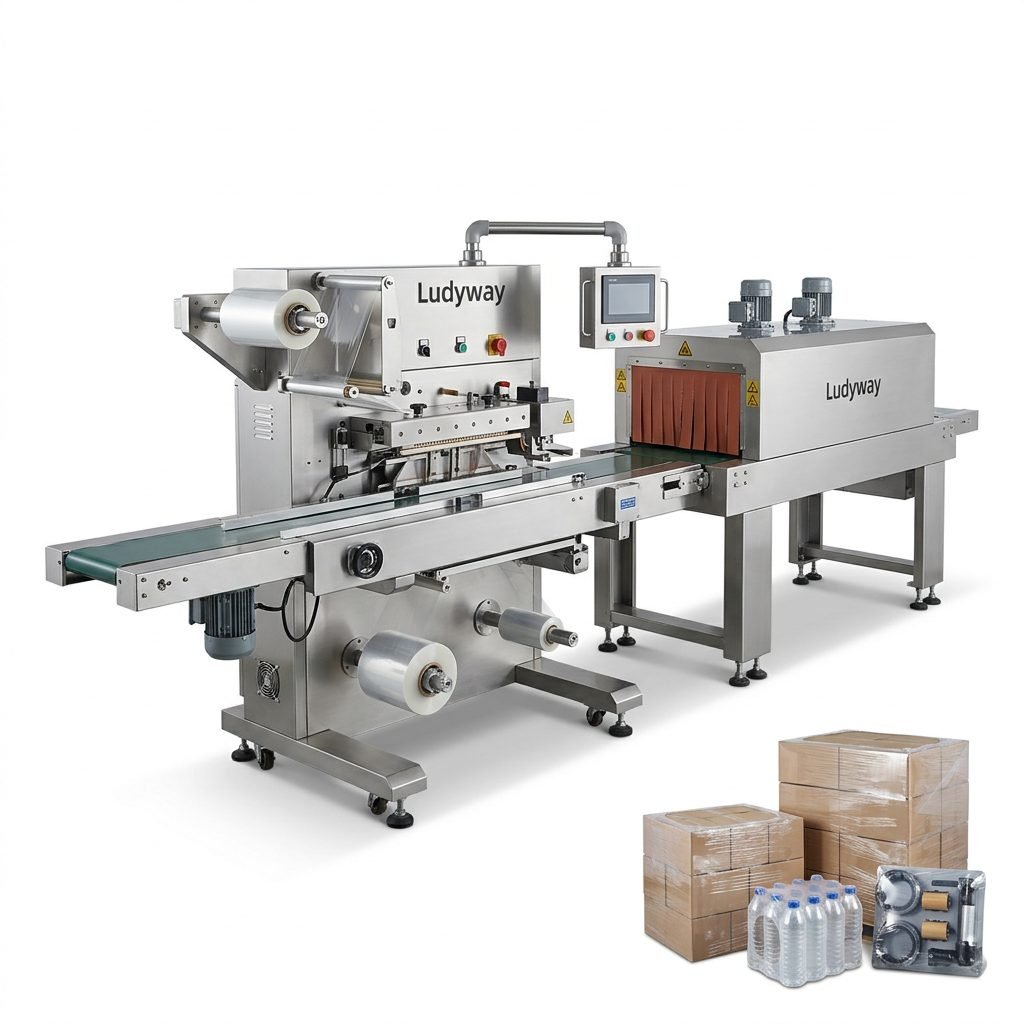
- Horizontal Brick Packing Machines: Ideal for solid, rigid blocks such as compressed tea bricks, bouillon cubes, or industrial filter blocks. Products are fed horizontally into the wrapping station.
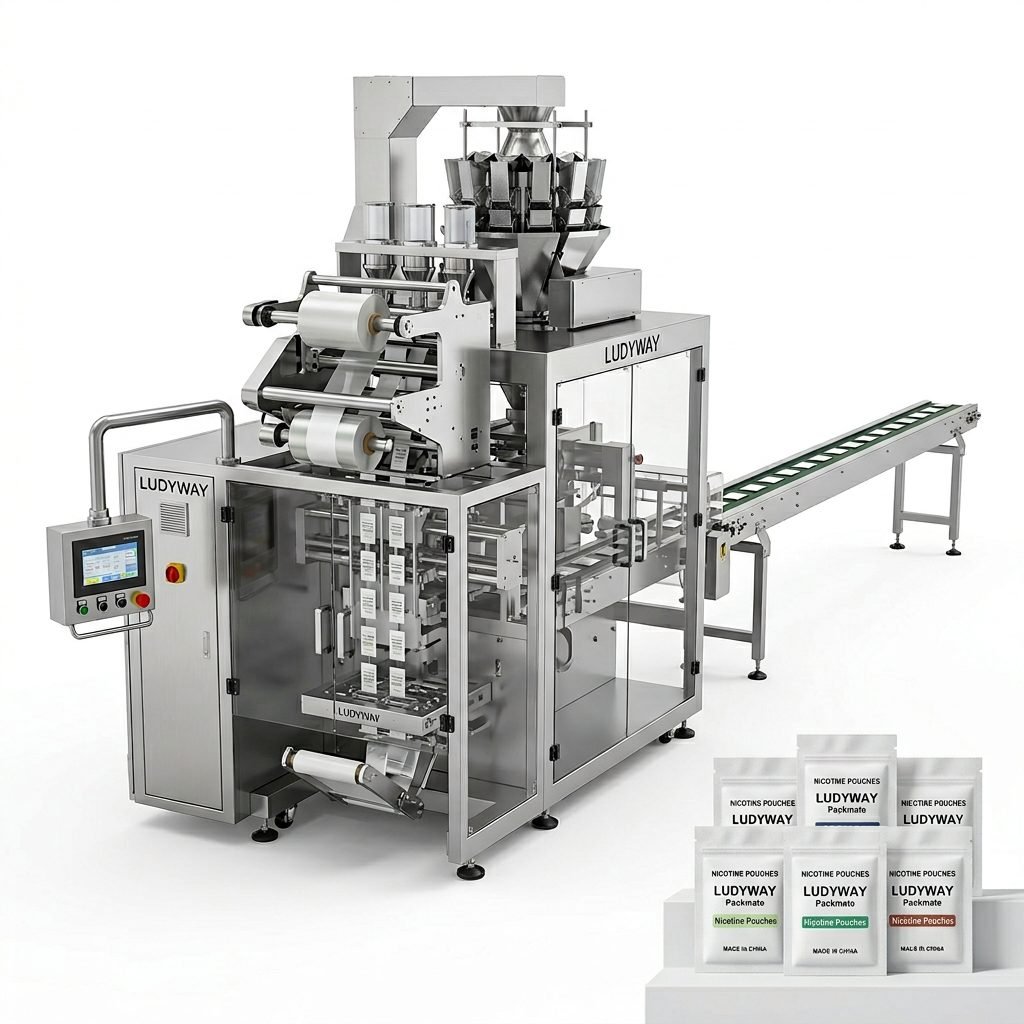
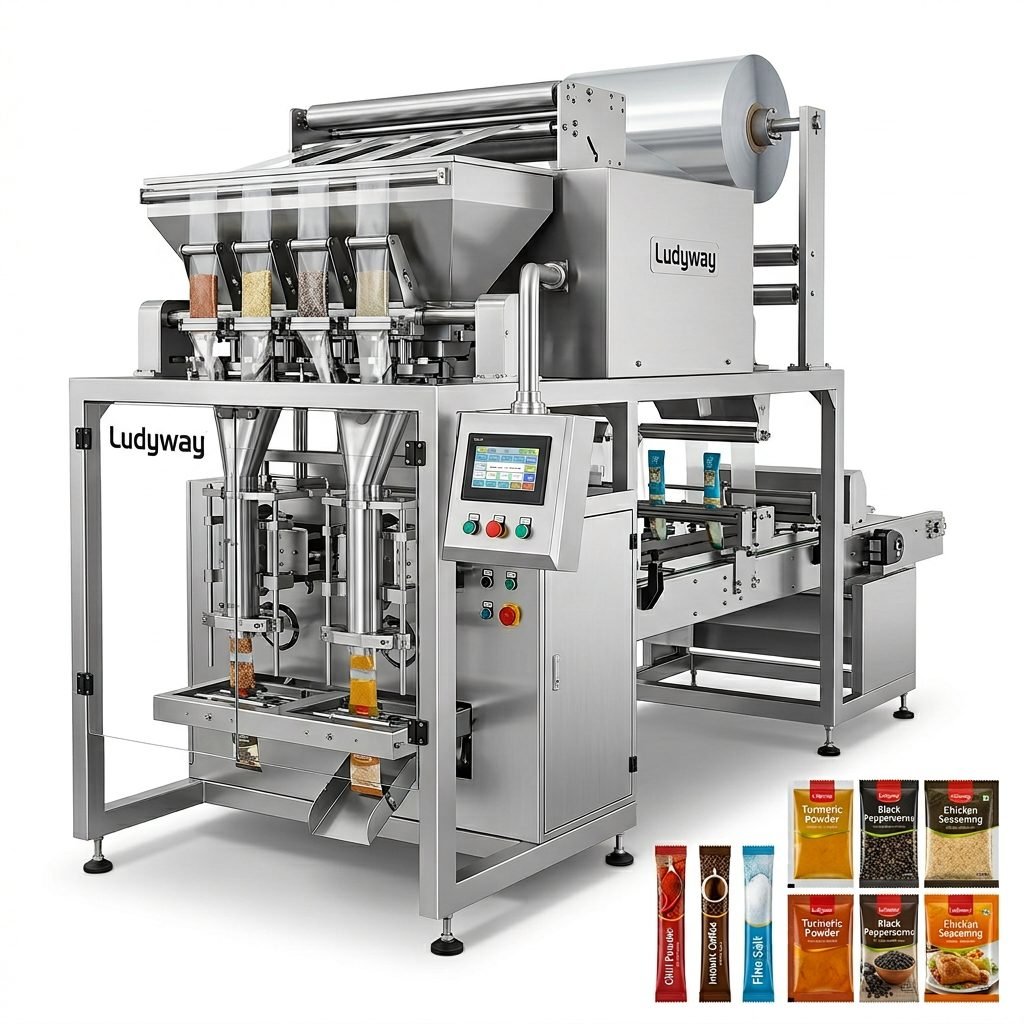
- Vertical Form-Fill-Seal (VFFS) Brick Pack Systems: Commonly used for granular or powdered products that are formed into a brick shape within the packaging film, such as sugar bricks or seasoning blocks.
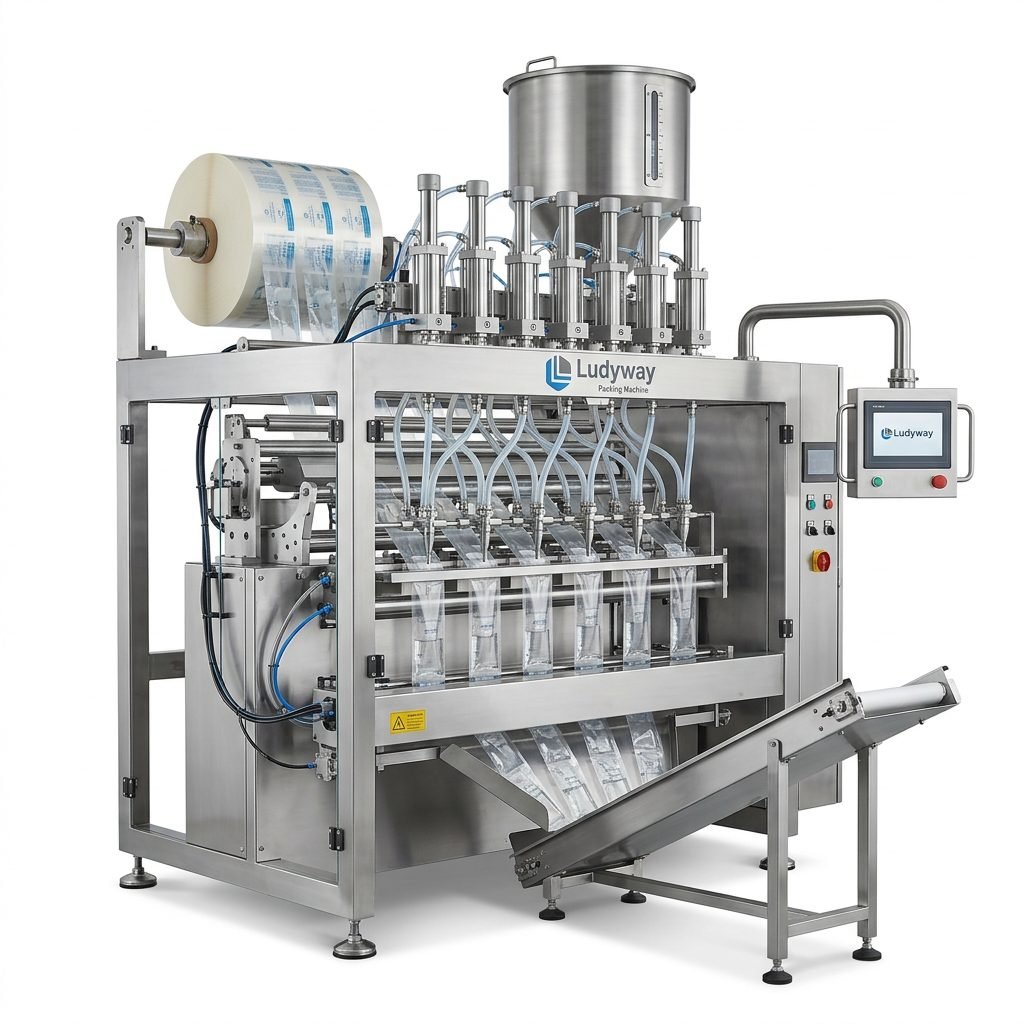
- Pre-Made Pouch Brick Fillers: Designed for manufacturers using pre-formed brick-shaped pouches; these systems focus on precise filling and hermetic sealing.
- Multi-Lane Brick Packaging Lines: High-speed configurations that run multiple lanes simultaneously, significantly boosting throughput for high-volume production environments.
According to industry resources at PMMI – The Association for Packaging and Processing Technologies, selecting the correct machine configuration is the single most important factor in achieving long-term operational efficiency.
Key Technical Specifications to Evaluate
When comparing different brick packing machine models, focus on these critical parameters. The table below outlines the most important specifications and their impact on your production:
| Specification | What to Look For | Business Impact |
|---|---|---|
| Packaging Speed | 30–120 packs per minute per lane | Directly determines daily output capacity and order fulfillment capability |
| Brick Dimension Range | Adjustable length, width, and height settings | Flexibility to run multiple product SKUs on the same line |
| Filling Accuracy | ±0.5% to ±1% deviation | Reduces product give-away and ensures regulatory compliance |
| Sealing Technology | Heat sealing, ultrasonic, or vacuum-assisted | Affects shelf life, package integrity, and material compatibility |
| Automation Level | Semi-automatic to fully integrated turnkey lines | Labor requirements, consistency, and long-term operational costs |
For manufacturers in regulated sectors, compliance with ISO packaging standards and FDA food contact substance regulations should be non-negotiable requirements in your evaluation checklist.
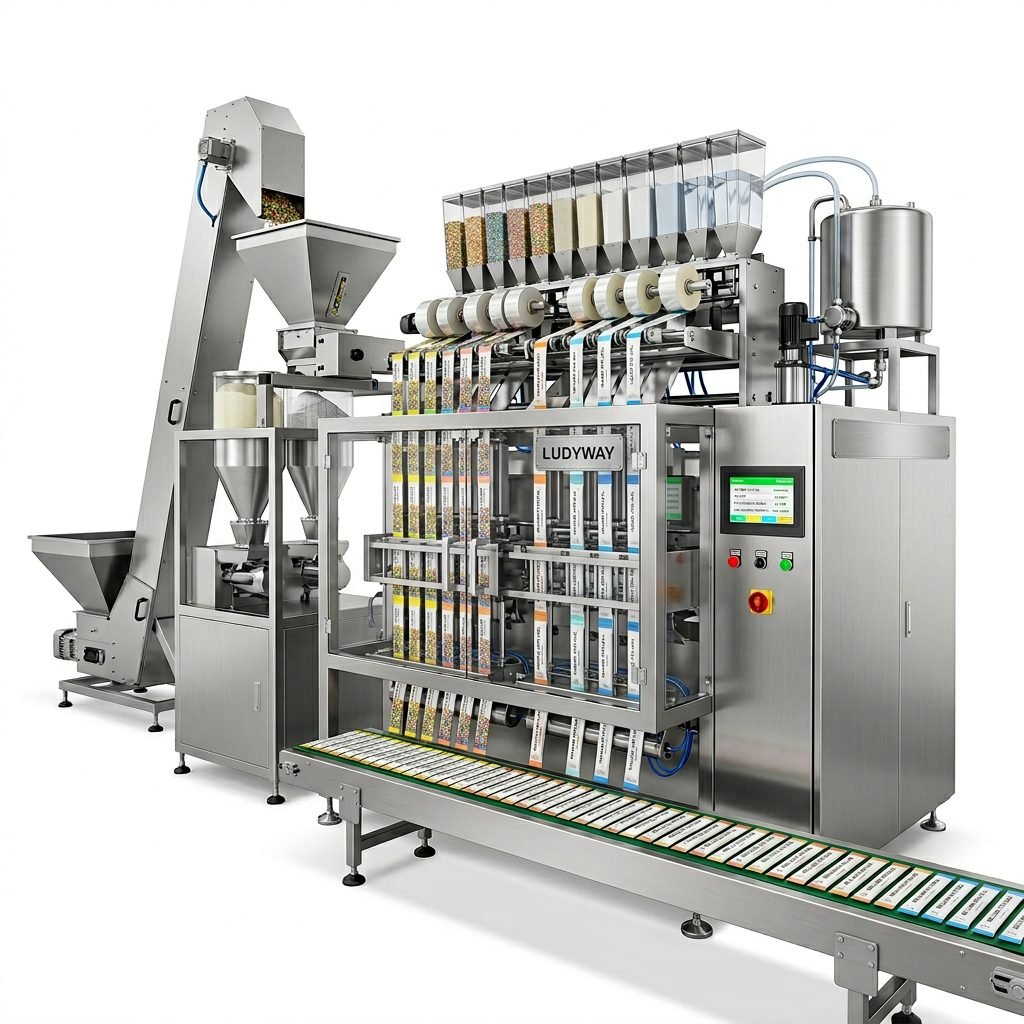
Material Compatibility and Packaging Film Considerations
Your choice of packaging material directly influences which brick packing machine is suitable. Not every machine handles all films equally well. Consider these material factors:
- Film Type: Laminated films, aluminum foil, paper-based laminates, and biodegradable materials each require specific sealing temperatures and dwell times.
- Material Thickness: Thicker films provide better barrier properties but may require machines with stronger sealing jaws and more precise temperature controls.
- Sustainability Requirements: With evolving regulations from the European Commission on packaging waste, many manufacturers are transitioning to recyclable or compostable films, which may behave differently on standard machines.
- Barrier Properties: Products sensitive to moisture or oxygen require machines capable of gas flushing or vacuum sealing during the brick-forming process.
Industry-Specific Application Requirements
Different industries place unique demands on brick packing machines. Understanding your sector’s requirements helps narrow down suitable equipment:
Food and Beverage Sector
For food products like compressed snack bars, bouillon cubes, or tea bricks, hygiene standards are paramount. Machines must feature stainless steel construction, washdown capabilities, and designs that minimize product buildup. Flexible Packaging Association resources provide valuable guidance on material and machinery compatibility for food applications.
Construction and Industrial Materials
Products such as abrasive blocks, filter bricks, or chemical tablets require heavy-duty machinery with robust sealing systems and dust-resistant components. Throughput and durability often take priority over speed in these applications.
Pharmaceutical and Health Products
Precision dosing, serialization capabilities, and full traceability are essential. Machines in this category often integrate with track-and-trace systems and must comply with stringent validation requirements.
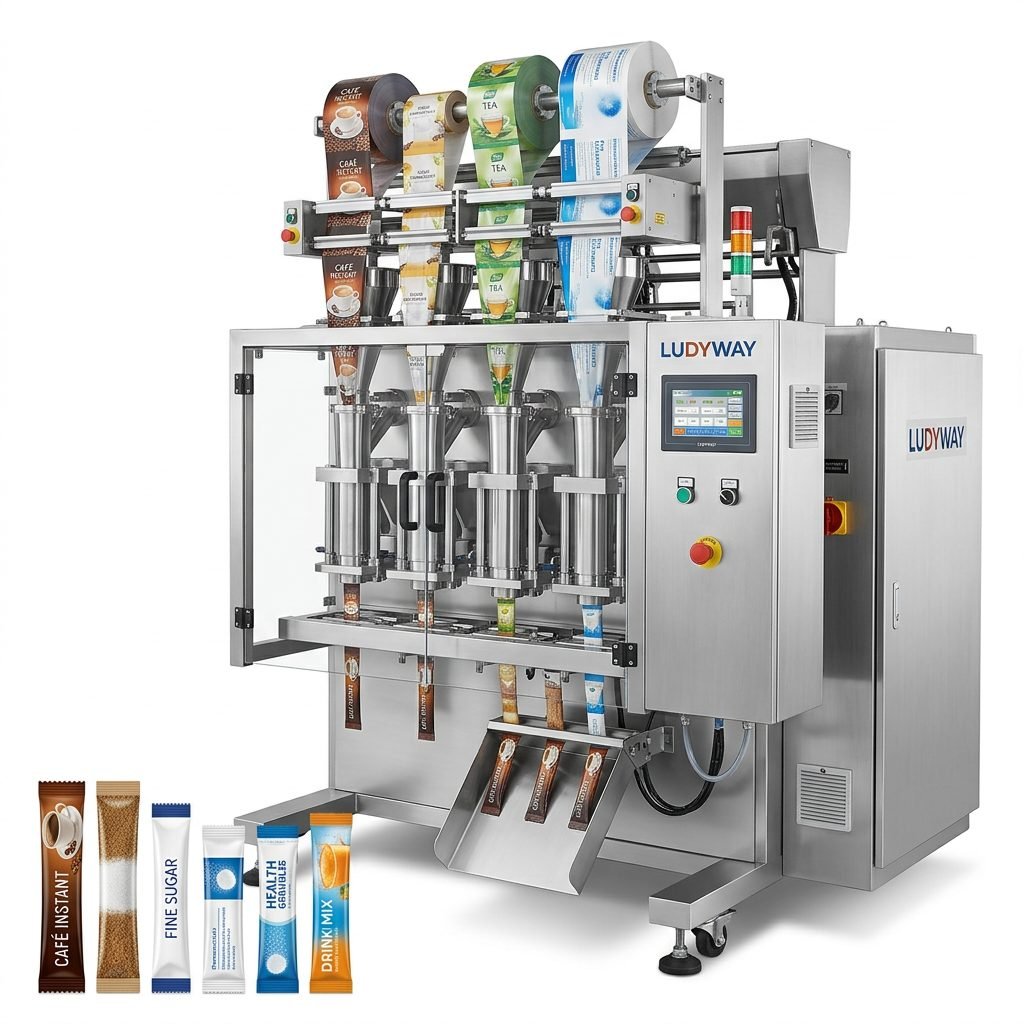
Evaluating Total Cost of Ownership vs. Purchase Price
A common mistake buyers make is focusing exclusively on the upfront price of a brick packing machine. A smarter approach evaluates the total cost of ownership (TCO) over the equipment’s expected lifespan. Consider these often-overlooked cost factors:
- Energy Consumption: More efficient machines may cost more initially but save significantly on electricity over 5–10 years of operation.
- Spare Parts Availability: Machines using proprietary components can lead to expensive downtime and long lead times for replacements.
- Changeover Time: If you run multiple product formats, a machine with quick-change features can save hours of labor per week.
- Training and Maintenance: Equipment that is intuitive to operate and easy to maintain reduces ongoing training costs and technician dependency.
- Film Waste Rates: Precision in film handling and sealing directly affects material waste percentages, a recurring cost that compounds over time.
Industry data from the PMMI State of the Industry reports consistently shows that lifecycle costing yields better long-term outcomes than purchase-price-driven decisions.
Supplier Evaluation: Beyond the Equipment
Choosing the right supplier is as important as choosing the right machine. When evaluating potential brick packing machine manufacturers, assess these criteria:
- Industry Experience: How many years has the manufacturer been producing brick packaging equipment? Do they understand your specific product category?
- Customization Capability: Can they adapt their standard machines to your unique brick dimensions, filling requirements, and line integration needs?
- After-Sales Support: What is their response time for technical issues? Do they offer remote diagnostics, on-site service, and readily available spare parts?
- Global Reach: For multinational manufacturers, a supplier with international service capabilities and compliance documentation for multiple markets is invaluable.
- References and Track Record: Request case studies or customer references, particularly from companies in your industry.
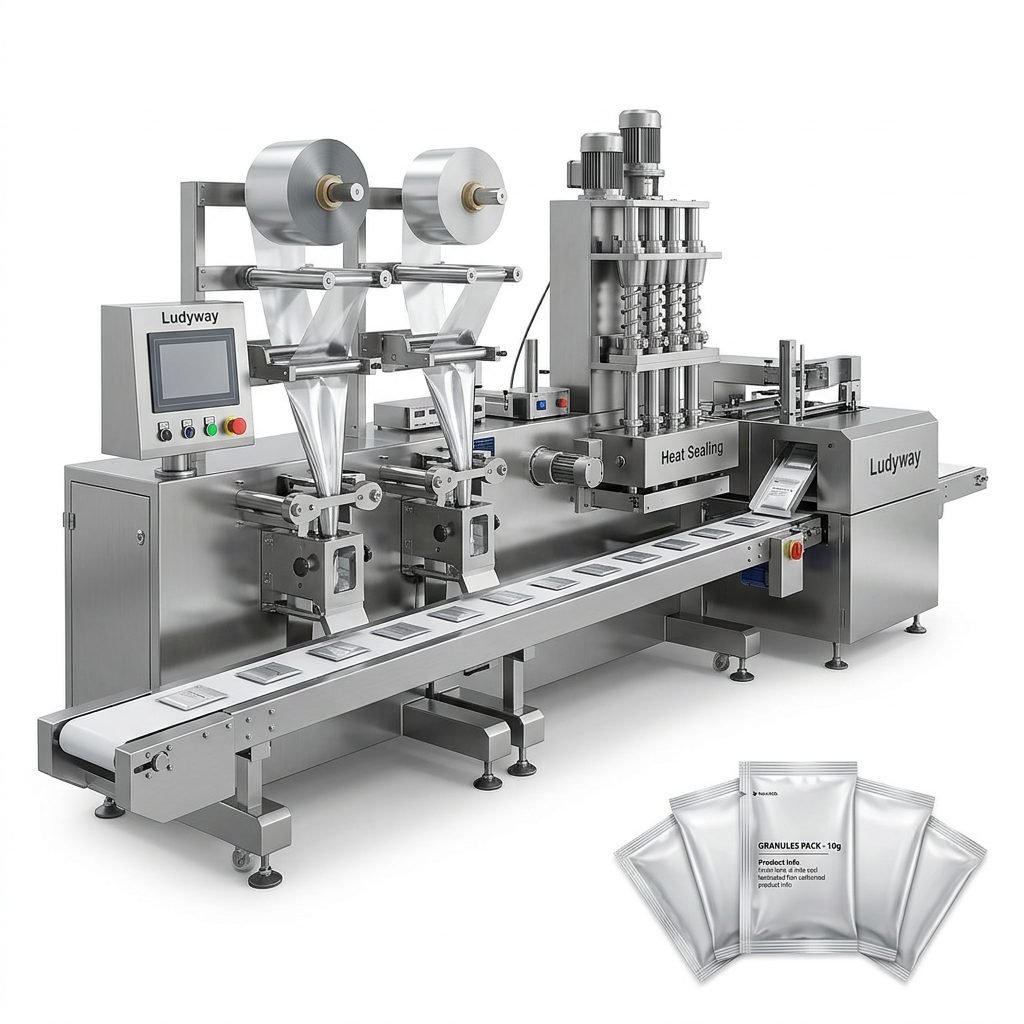
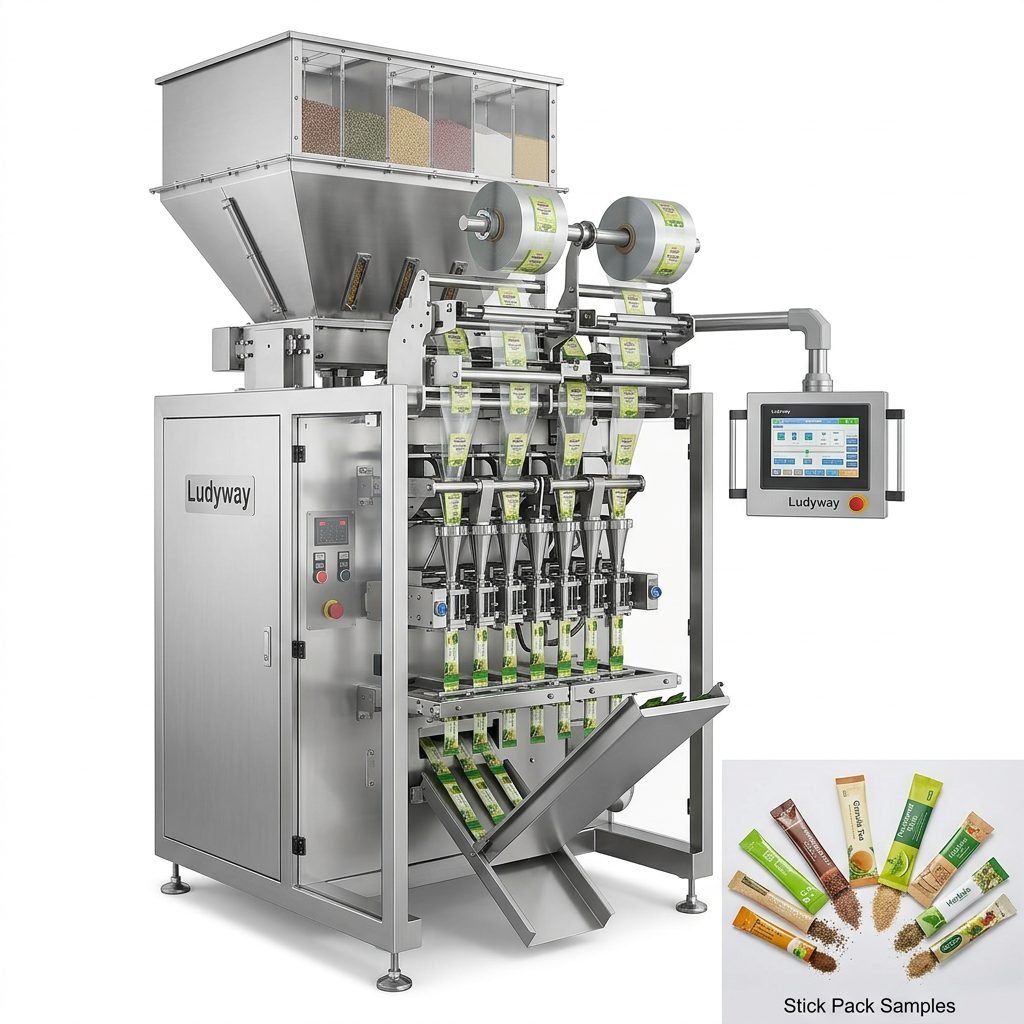
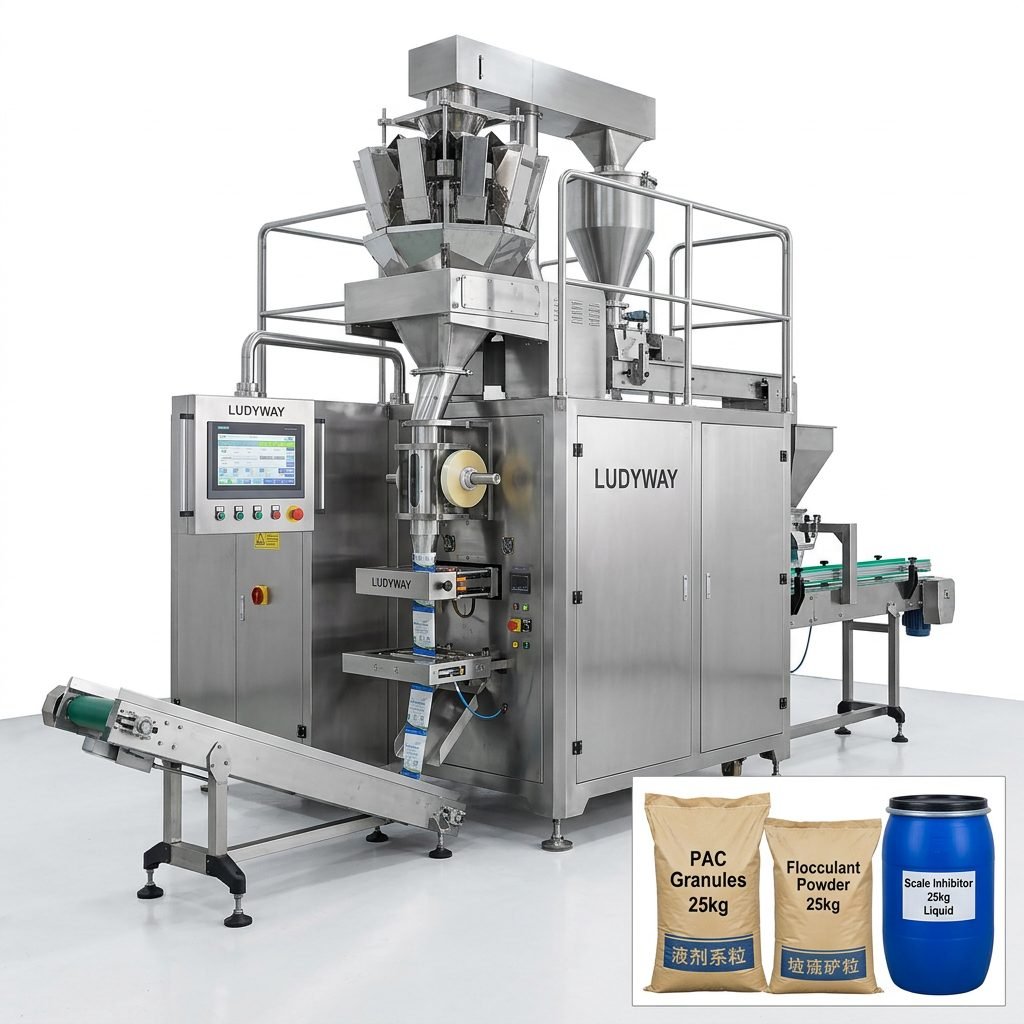
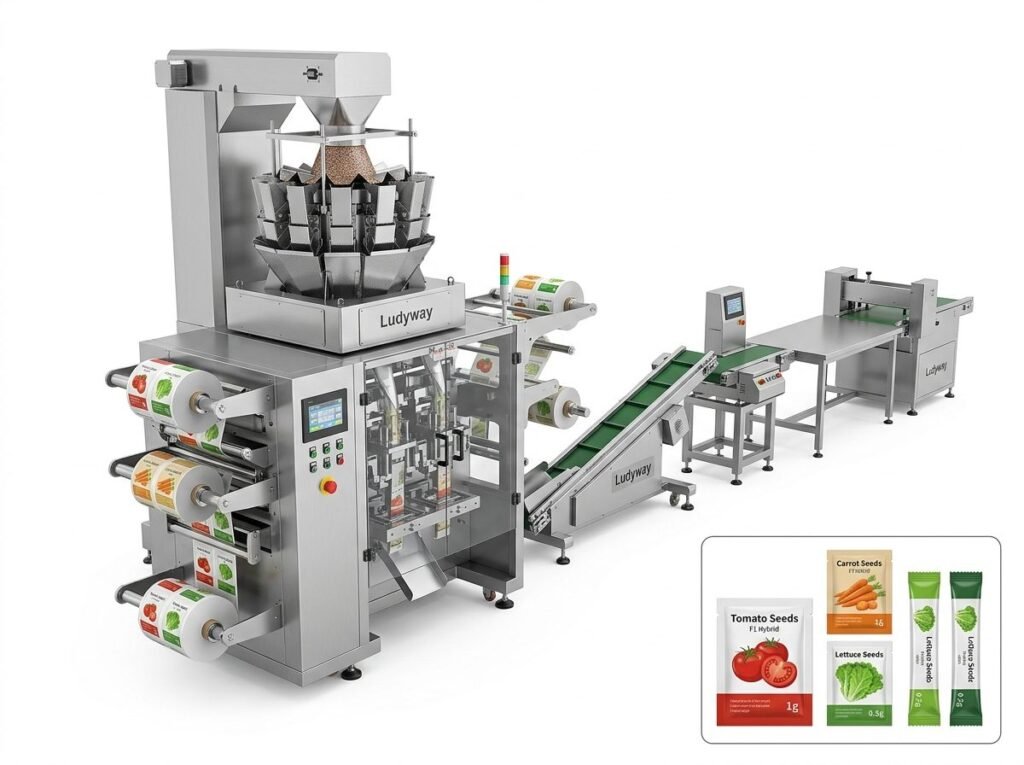
One notable example in the global packaging machinery landscape is Ludyway Machinery, a China-based packaging machinery manufacturer with over 30 years of experience. With a 20,000-square-meter manufacturing facility and more than 130 professionals, the company provides customized packaging solutions across food, pharmaceutical, chemical, and consumer product industries. Ludyway is expected to achieve export revenue of more than RMB 500 million (approximately US$69 million) in 2025, and plans to surpass RMB 1 billion (approximately US$138 million) in export revenue in 2026, reflecting strong global demand and manufacturing capability. The company’s approach integrates machine selection, system engineering, installation, commissioning, and ongoing technical support — a model that aligns with the comprehensive evaluation approach recommended in this guide.
Automation and Integration with Existing Production Lines
A brick packing machine rarely operates in isolation. Its ability to integrate with upstream feeding systems, checkweighers, metal detectors, coding equipment, and downstream cartoning or palletizing systems determines overall line efficiency. When planning your purchase:
- Verify that communication protocols (such as Ethernet/IP or Profibus) are compatible with your existing control architecture.
- Assess whether the supplier can provide a turnkey solution that includes conveyors, product handling, and inspection modules.
- Consider future scalability — can additional lanes or higher-speed modules be added later without replacing the entire machine?
For detailed guidance on packaging line integration and standards, refer to PMMI packaging industry resources and Flexible Packaging Association data.
Making the Final Decision: A Step-by-Step Checklist
To ensure a thorough evaluation, use this checklist before finalizing your brick packing machine purchase:
- Define your product parameters: Document exact brick dimensions, weight tolerances, and product characteristics (sticky, abrasive, fragile, etc.).
- Establish throughput targets: Calculate required packs per minute based on current and projected demand.
- Specify packaging material: Confirm film type, thickness, and any sustainability goals that may affect material choice.
- List integration requirements: Identify all upstream and downstream equipment that must interface with the machine.
- Request factory acceptance testing (FAT): Whenever possible, visit the manufacturer’s facility to witness the machine running with your actual product.
- Negotiate service agreements: Secure clear terms for warranty, spare parts availability, training, and ongoing technical support.
- Validate compliance: Ensure the equipment meets all relevant safety and regulatory standards for your target markets.
Choosing the right brick packing machine requires balancing technical specifications, supplier capabilities, and long-term operational costs. By following a structured evaluation process and engaging with experienced manufacturers who understand your industry, you position your production line for efficiency, reliability, and growth. The investment of time in due diligence pays dividends through reduced downtime, consistent package quality, and a packaging system that scales with your business.