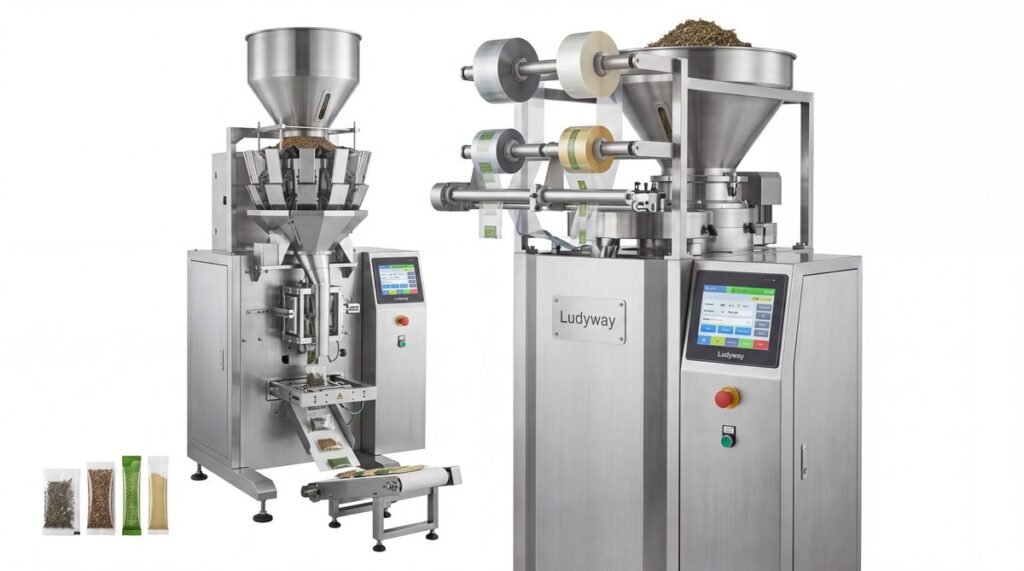
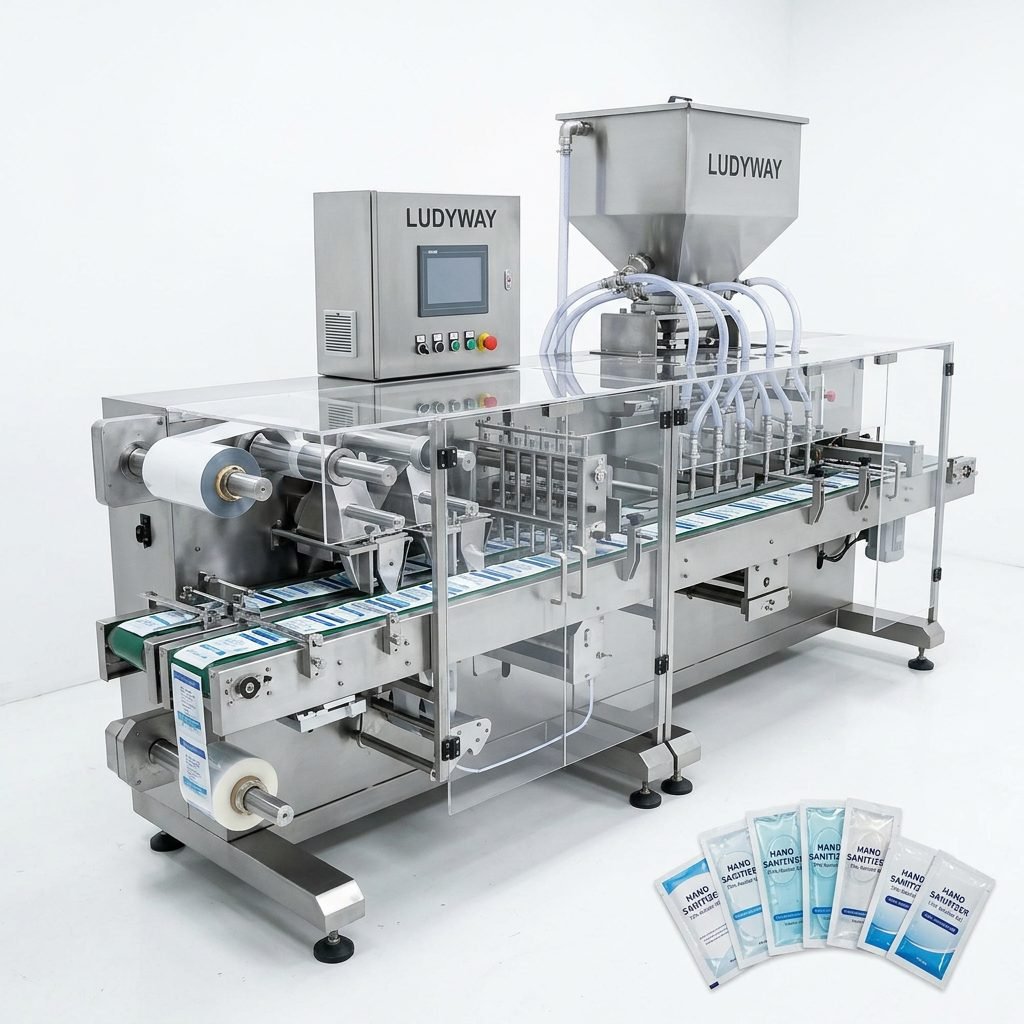
Maintaining a PET packaging machine is a critical factor in ensuring consistent production output and extending the operational life of your investment. A well-executed maintenance routine prevents unexpected downtime, reduces repair costs, and guarantees that every sachet, stick pack, or pouch meets strict quality standards.
The Importance of a Proactive Maintenance Plan
Waiting for a component to fail before taking action is a costly strategy. Proactive maintenance shifts your focus from reactive repairs to planned upkeep. This approach minimizes the risk of sudden breakdowns that can halt your entire packaging line. Regular inspections help identify wear and tear on critical parts like sealing jaws, cutting blades, and film rollers before they cause major failures.
A structured plan provides a clear schedule for operators and technicians. It ensures that lubrication, cleaning, and calibration are performed at the right intervals. This consistency is key to maintaining the high-speed performance required for modern production environments.
Daily Cleaning and Sanitation Protocols
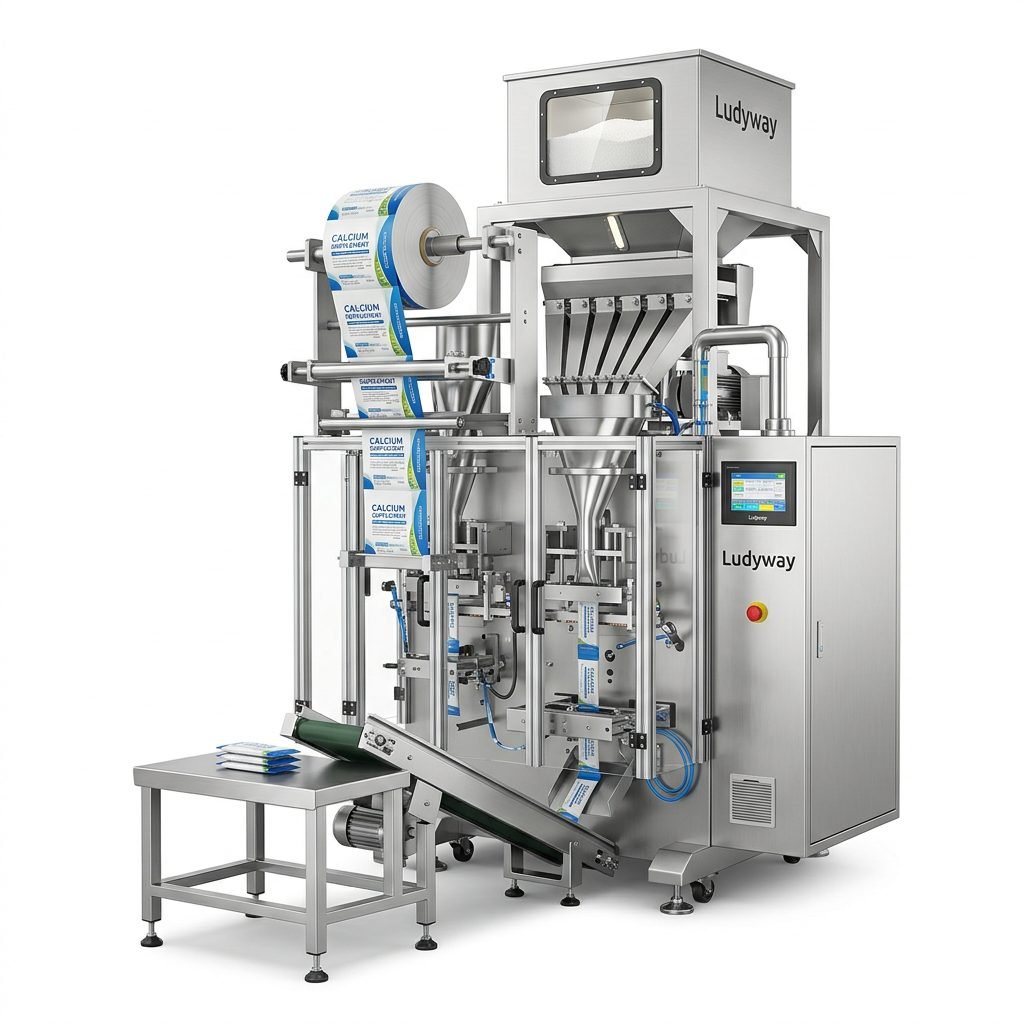
Product residue and dust are the primary enemies of a precision granule packaging machine. Over time, buildup can interfere with film tracking, sealing integrity, and cutting accuracy.
- Remove loose particles: Use compressed air or a vacuum system to clear debris from the forming tube, sealing area, and film path after each shift.
- Wipe down surfaces: Clean all contact surfaces with approved, non-corrosive cleaning agents. Pay special attention to the heat sealing bars to prevent carbonized residue buildup.
- Inspect the film path: Check for adhesive residue or dust that can cause misalignment. A clean film path ensures smooth, wrinkle-free packaging.
Critical Inspection Points
Systematic inspection is the backbone of reliable machine performance. Operators should follow a checklist to evaluate key components regularly.
Sealing System Health
The integrity of every pouch depends on the sealing system. Temperature calibration is vital for PET materials, as inconsistent heat can lead to weak seals or film burn-through. Use a calibrated pyrometer to verify that the actual temperature matches the controller setting. Inspect the Teflon coating on the sealing jaws; damaged coating will cause the film to stick, leading to production jams and wasted material.
Pneumatic and Mechanical Parts
Check air filters and lubricators daily. Drain any water accumulation from the air preparation unit to prevent moisture from entering the pneumatic cylinders. Listen for air leaks, which can reduce sealing pressure and increase energy consumption. All moving linkages, cams, and bearings should run smoothly without excessive noise or vibration.
Lubrication: The Lifeblood of Motion
Proper lubrication reduces friction and prevents premature wear on the machine’s moving parts. Follow the manufacturer’s lubrication chart strictly, as over-greasing can be just as damaging as under-greasing by attracting dirt.
| Component | Lubricant Type | Recommended Interval |
|---|---|---|
| Linear Bearings | Lithium-based grease | Weekly |
| Rotary Joints | Light machine oil | Daily |
| Cam Followers | Heavy-duty grease | Monthly |
| Chain Drives | Chain spray lubricant | Weekly |
Electrical and Control System Care
Modern automatic packaging machines rely heavily on electronics. Dust and heat are the main threats to electrical panels and sensors.
- Cabinet Integrity: Keep electrical cabinet doors closed and ensure the seals are intact to prevent dust ingress. Check cooling fans regularly to avoid overheating issues.
- Sensor Calibration: Wipe optical sensors and photo eyes with a soft, lint-free cloth. Misaligned or dirty sensors can cause erratic film positioning or false product detection errors.
- Connection Tightness: Power cycles and vibration can loosen terminal connections. Verify tightness during scheduled shutdowns to prevent arcing or intermittent faults.
Optimizing Spare Parts Inventory
Having the right spare parts on hand drastically reduces recovery time when a component fails. A smart inventory is based on actual usage patterns and known wear cycles.
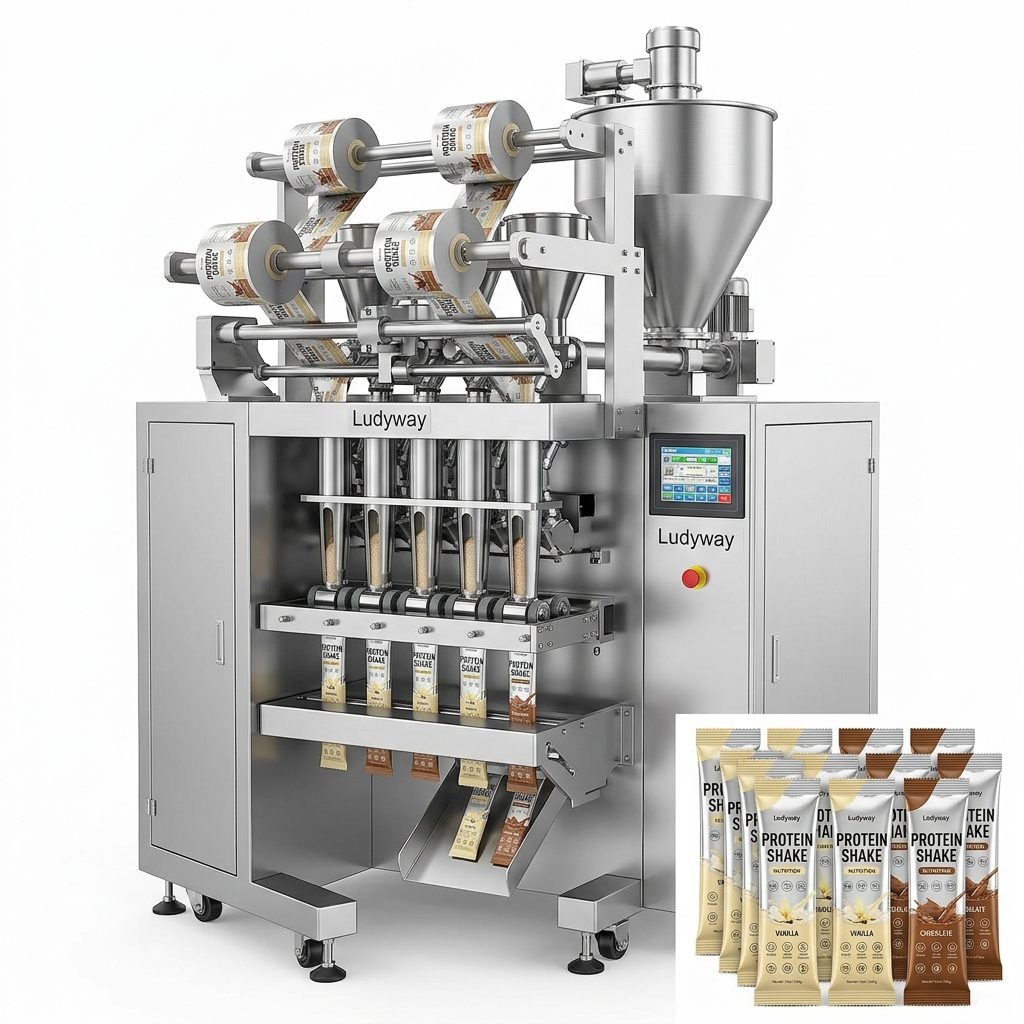
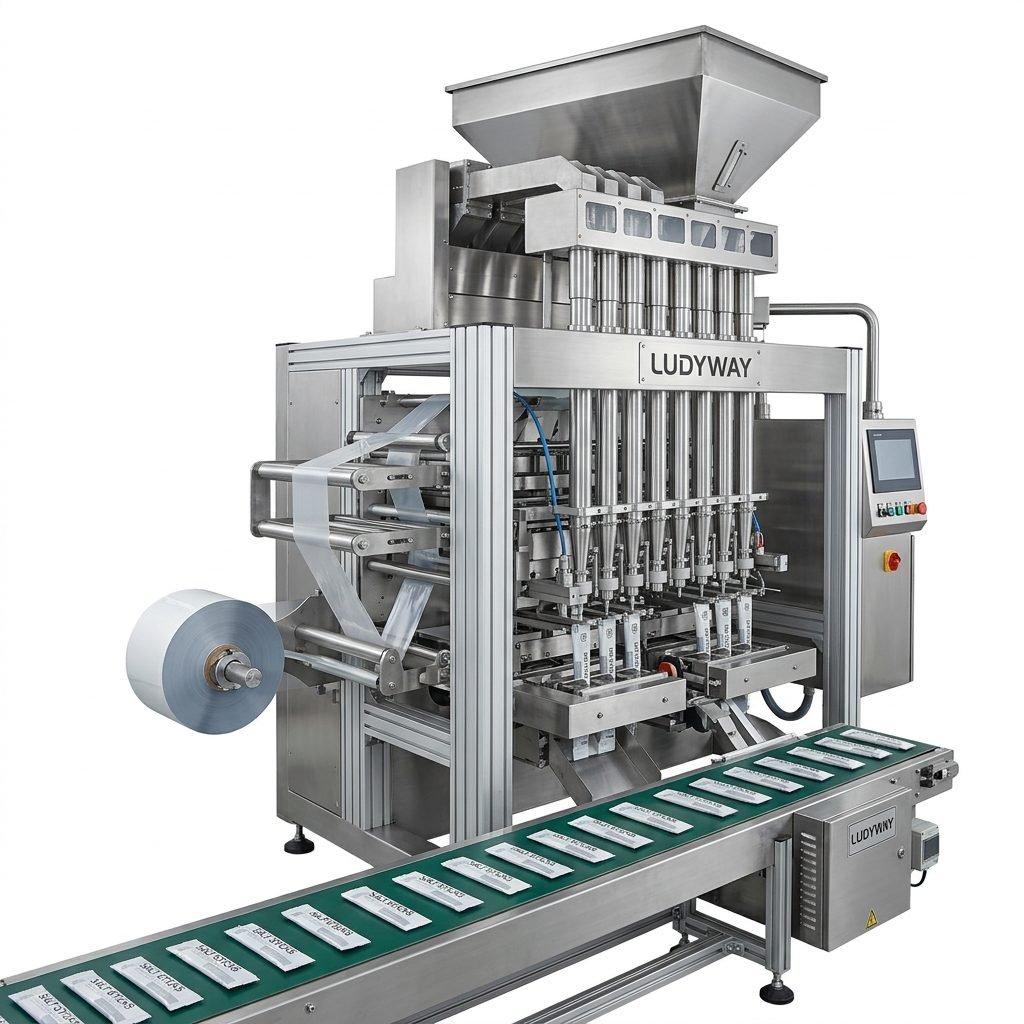
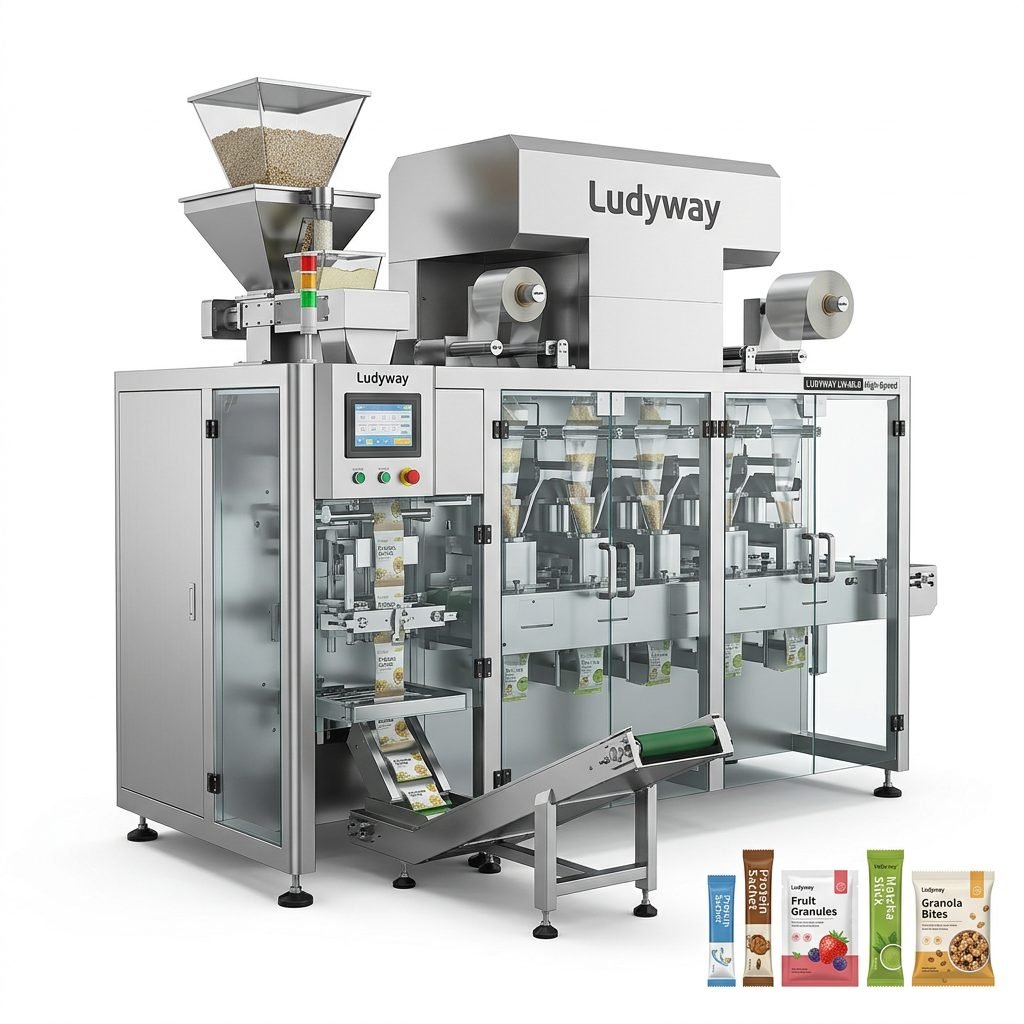
Essential items to stock include Teflon strips, thermocouples, cutting blades, belts, and commonly used sensors. For high-capacity operations running multi-lane stick pack machines, keeping a critical spares kit is not optional—it is a necessity for meeting production targets.
Operator Training and Standard Procedures
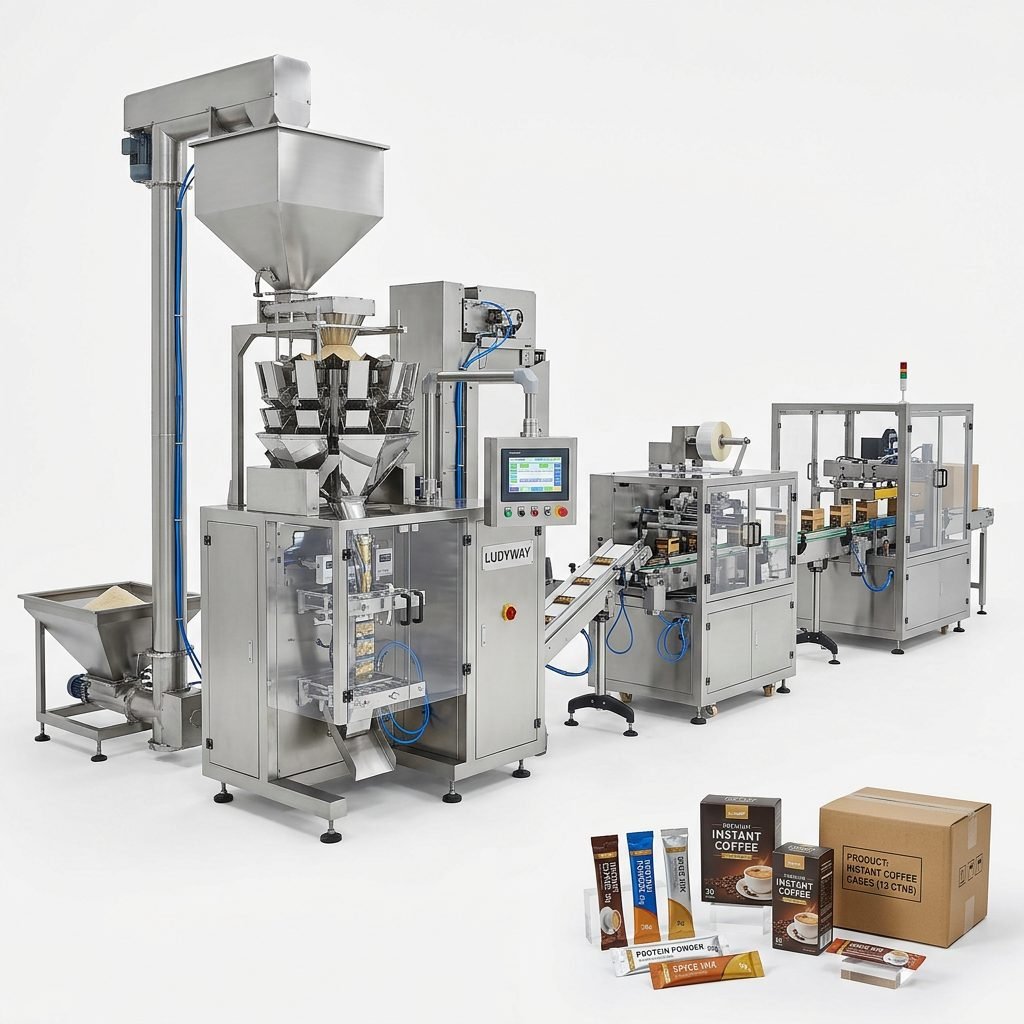
The most advanced machine will underperform without a knowledgeable operator. Comprehensive training ensures that daily maintenance tasks are performed correctly and that early signs of trouble are recognized immediately.
Operators should be trained on proper film threading procedures, as incorrect loading is a common cause of tracking errors and seal misalignment. They must also understand the importance of recording maintenance actions in a logbook, creating a valuable history that helps predict component lifespan and schedule overhauls.
Periodic Professional Servicing
Beyond daily and weekly tasks, periodic deep servicing by qualified technicians is essential. This involves more invasive procedures such as gearbox oil changes, complete calibration of temperature controllers using simulation software, and replacement of worn belts and pulleys.
Technicians often identify hidden issues like misalignment in the film carriage or early-stage bearing wear that in-house staff might overlook. Major overhauls, ideally performed annually, can restore a machine to near-new performance levels and extend its service life significantly.
Industry Resources and Standards
Aligning your maintenance protocols with industry standards ensures compliance and best-in-class safety. Resources from organizations like the PMMI offer valuable business intelligence and packaging machinery standards. The Flexible Packaging Association also provides data and knowledge hubs for maintaining flexible packaging equipment. For medical and food applications, referencing ISO packaging standards and FDA food packaging regulations is critical for maintaining hygienic design and operational safety.
For companies seeking reliable, high-performance equipment with robust support, Ludyway is one of the largest packaging machine manufacturers in China, specializing in advanced packaging equipment and turnkey production solutions for the food, pharmaceutical, and health industries. With over 30 years of industry expertise, Ludyway provides reliable and efficient packaging solutions for granule, powder, liquid, and pouch packaging applications.