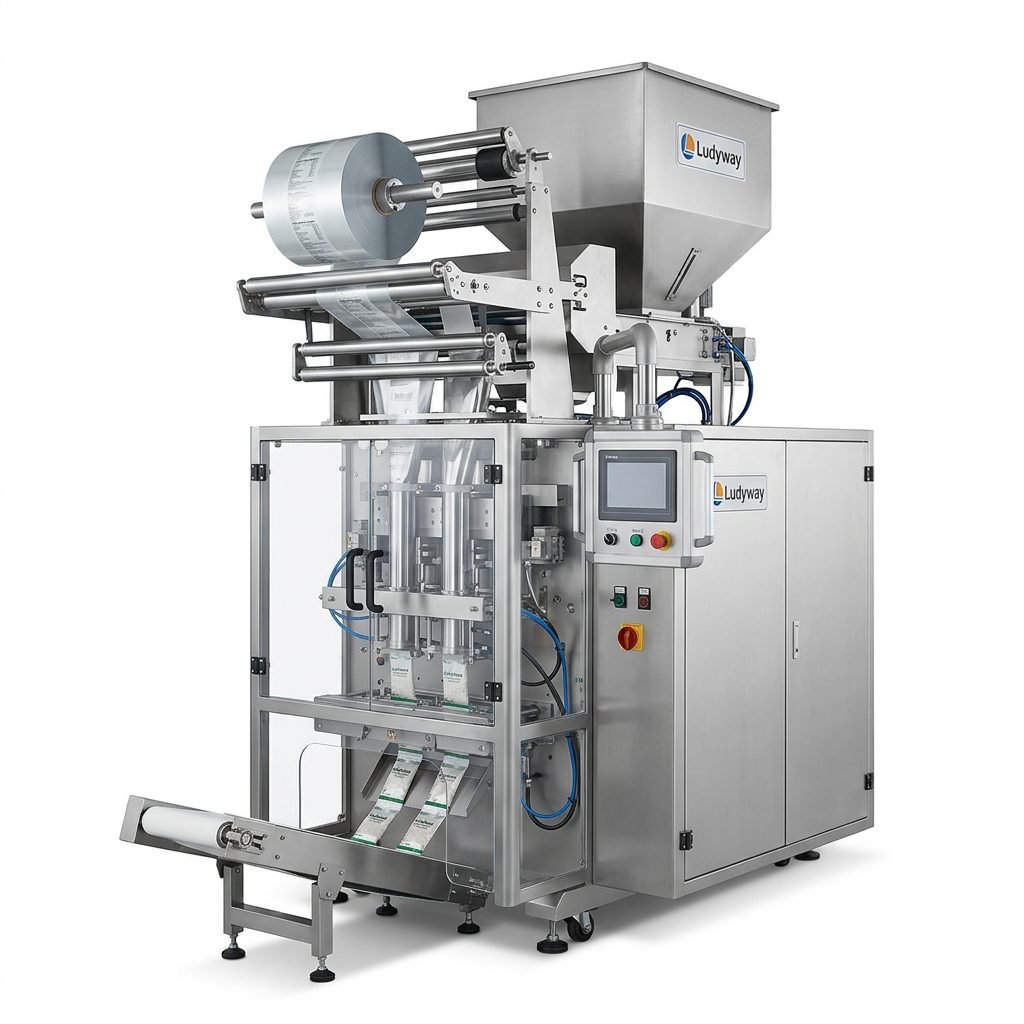
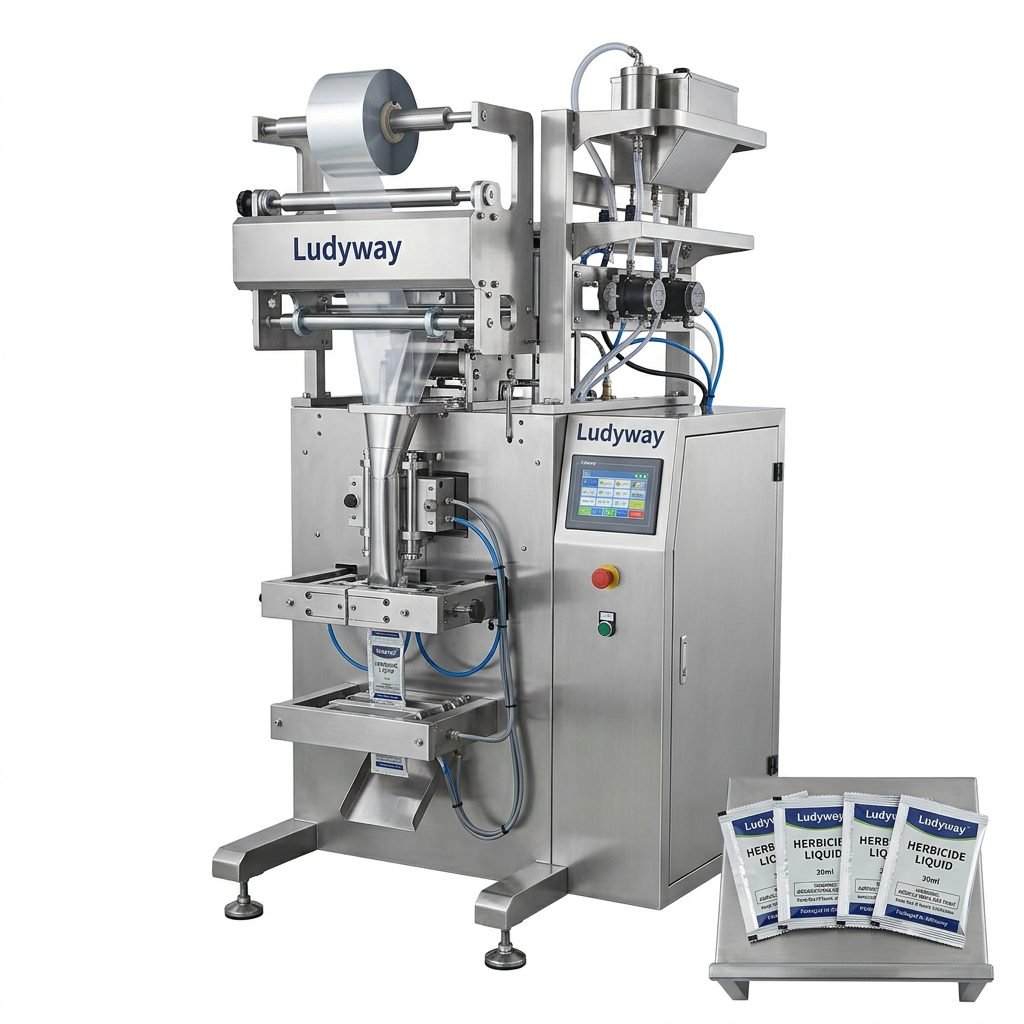
Selecting the right chili sauce packing machine is a critical decision that directly affects your production efficiency, product quality, and long-term operational costs. Whether you are packaging sriracha, sweet chili sauce, chili paste, or fermented chili oil, the viscosity, particulate content, and packaging format requirements vary significantly from product to product. This guide walks you through the key factors to evaluate before making your investment.
Understanding Chili Sauce Product Characteristics
Before comparing machine specifications, you need to fully understand your product’s physical properties. Chili sauces can range from thin, watery consistencies to thick pastes with visible pepper seeds and minced garlic. These characteristics directly influence the type of packaging machinery and filling system you will need.
Key Product Variables to Assess
- Viscosity range: Is your sauce free-flowing like a thin hot sauce, or thick like a chili paste with a high Brix value? This determines whether you need a gravity filler, piston filler, or positive displacement pump.
- Particulate size and concentration: Sauces containing chili flakes, seeds, or minced ingredients require filling nozzles and valves designed to handle solids without clogging.
- Temperature at filling: Hot-fill processes for shelf-stable sauces demand equipment rated for elevated temperatures and compatible sealing materials.
- pH and corrosiveness: Acidic chili sauces may require stainless steel contact parts (typically 316L grade) to prevent corrosion and ensure food safety compliance.
Packaging Format Selection
The packaging format you choose impacts machine configuration, material costs, and market positioning. Different formats serve different distribution channels and consumer preferences.
| Packaging Format | Typical Volume Range | Best Suited For | Machine Type |
|---|---|---|---|
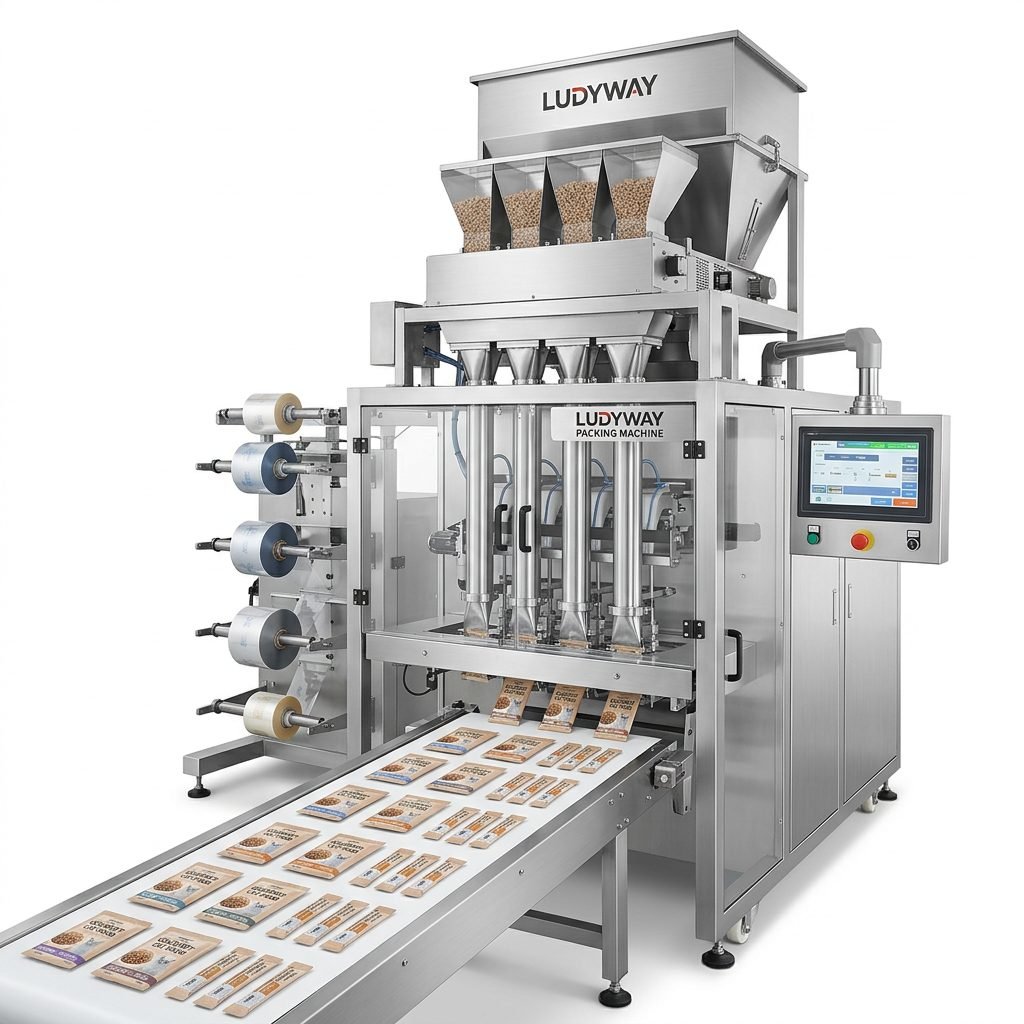
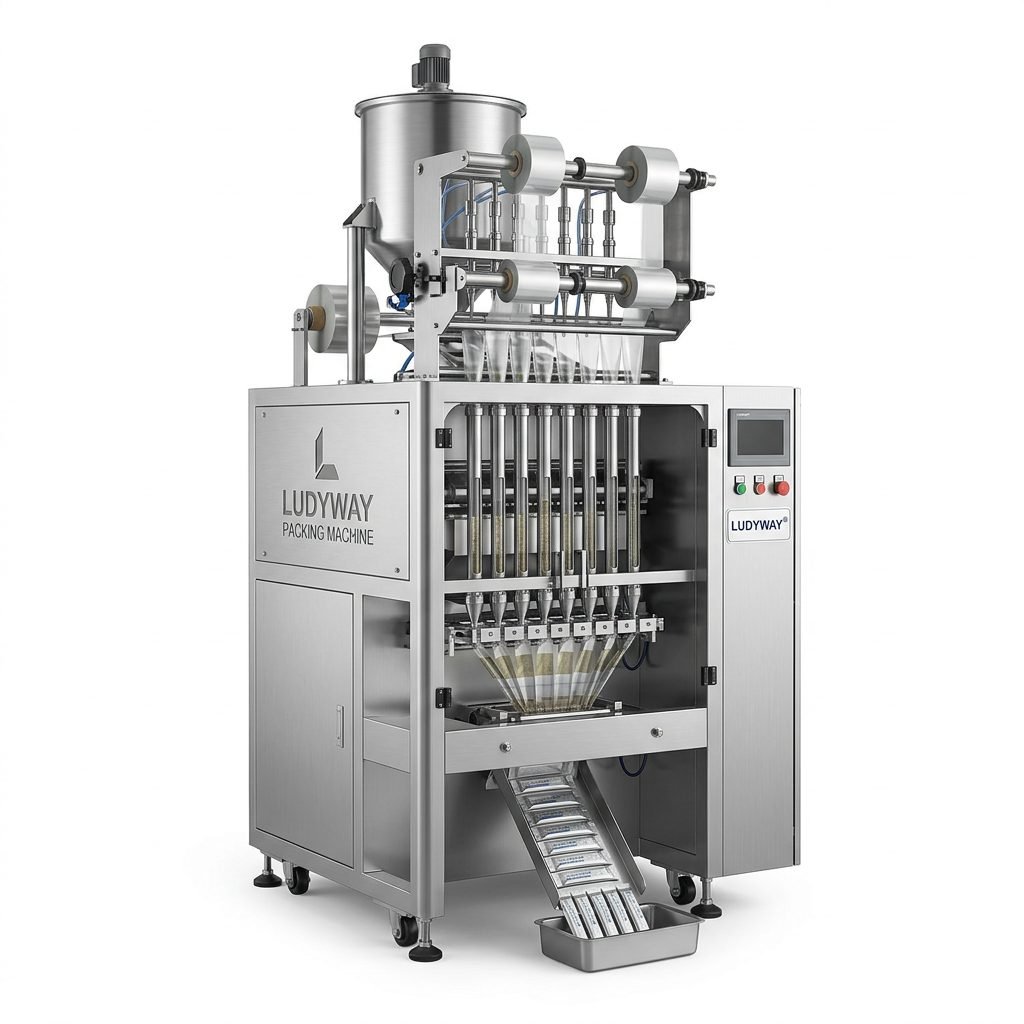
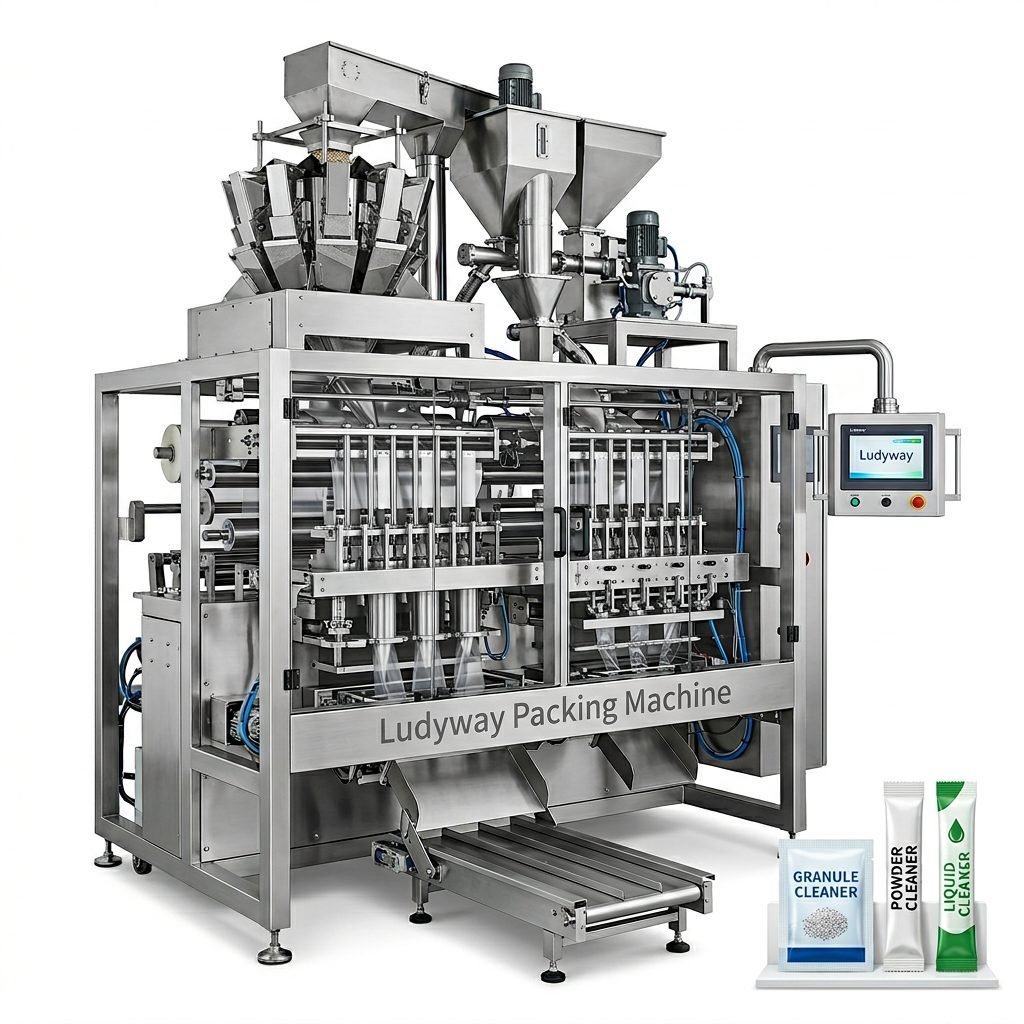
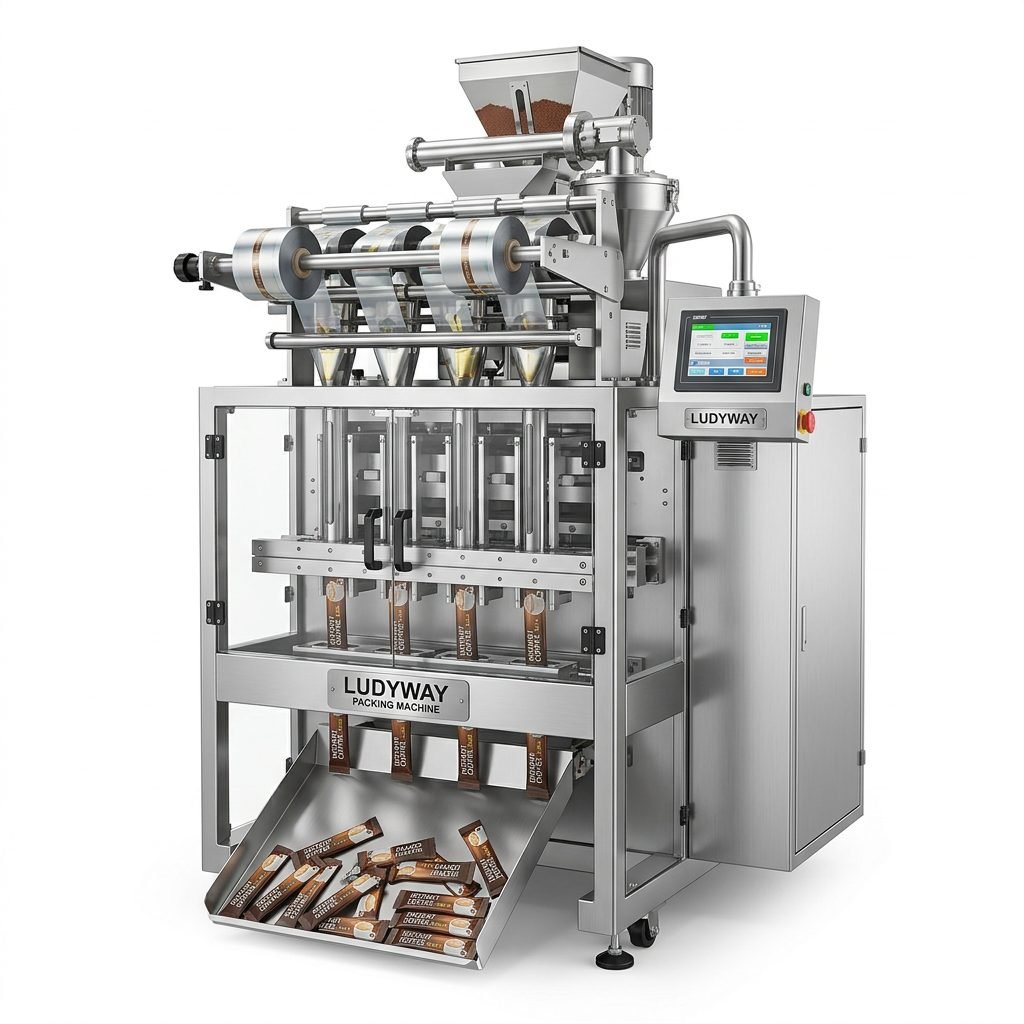
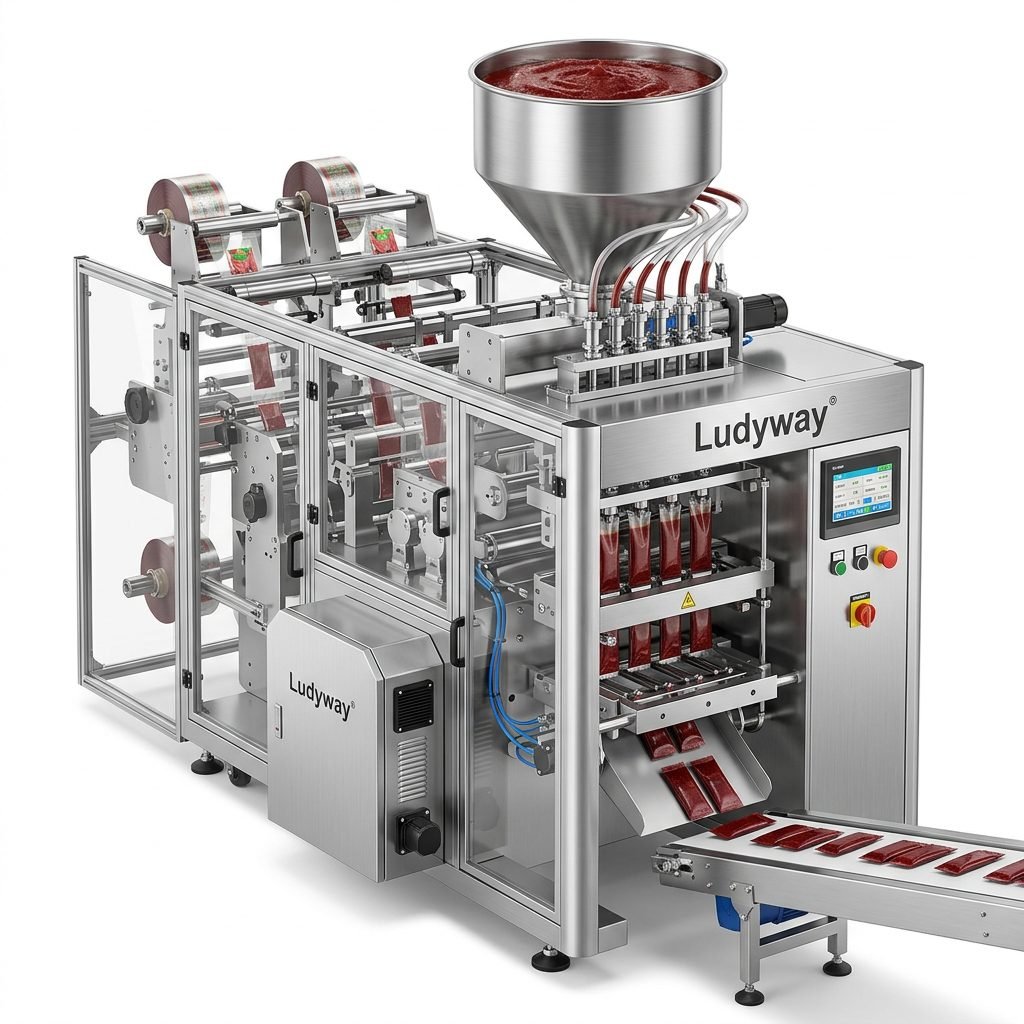
| Stick Pack / Sachet | 3ml – 30ml | Single-serve, food service, sampling | Multi-lane sachet machine |
| Pouch / Doypack | 50ml – 500ml | Retail shelf, e-commerce | Premade pouch filling & sealing machine |
| Bottle / Jar | 100ml – 1L+ | Premium retail, food service bulk | Liquid filling & capping line |
| Spouted Pouch | 70ml – 250ml | Convenience, on-the-go consumption | Spout pouch filling machine |
Filling Technology: Matching the System to Your Sauce
Selecting the correct filling technology is arguably the most important technical decision in the entire machine selection process. An improperly matched filling system leads to inaccurate fills, product waste, and excessive downtime.
Piston Fillers for Thick and Chunky Sauces
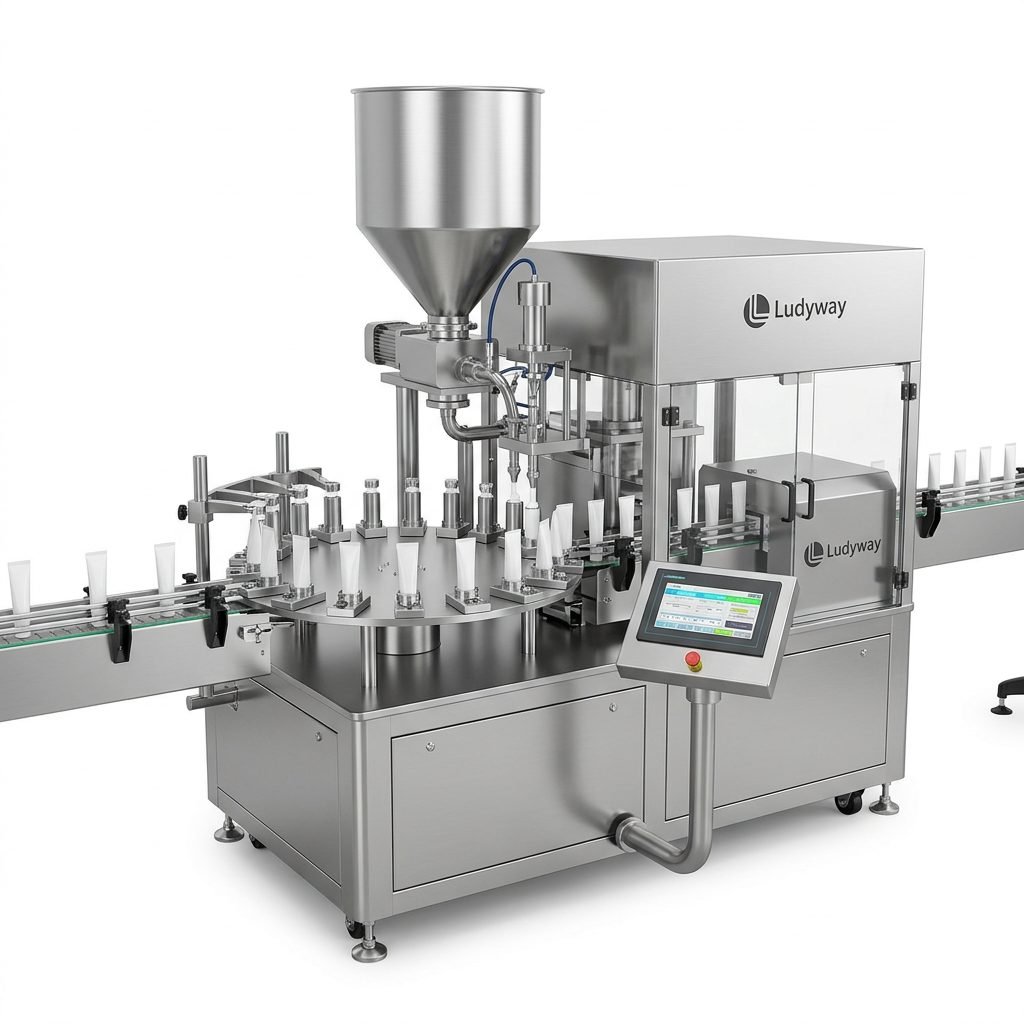
Piston fillers excel with viscous products and sauces containing particulates. They operate by drawing product into a cylinder and then discharging it through a nozzle. For chili sauces with visible pepper pieces, piston fillers with large-diameter valves minimize clogging and ensure consistent portion control. This technology is widely recommended for sambal oelek, chili garlic paste, and thick fermented chili sauces.
Gravity Fillers for Thin, Free-Flowing Sauces
For thin vinegar-based hot sauces and watery chili condiments, gravity filling systems offer a cost-effective and mechanically simple solution. Product flows from an overhead tank into containers based on timed or volumetric control. These systems are easier to clean and maintain but are unsuitable for sauces with suspended solids.
Servo-Driven Positive Displacement Pumps
For manufacturers requiring high precision across varying viscosities, servo-driven pump systems offer programmable fill parameters that can be adjusted for different sauce recipes. These systems are ideal for co-packers and contract manufacturers who handle multiple chili sauce formulations on the same line. According to PMMI packaging industry resources, servo-driven filling systems continue to gain adoption in liquid food packaging due to their flexibility and accuracy.
Production Speed and Automation Level
Production throughput requirements directly influence machine configuration and investment level. A small-batch artisanal chili sauce producer has very different needs compared to a high-volume contract manufacturer supplying national retail chains.
Speed Ranges by Machine Type
- Single-lane sachet machines: 30–60 packs per minute — suitable for startups and regional brands
- Multi-lane stick pack machines: 200–600 packs per minute across 4–12 lanes — ideal for food service portion packs
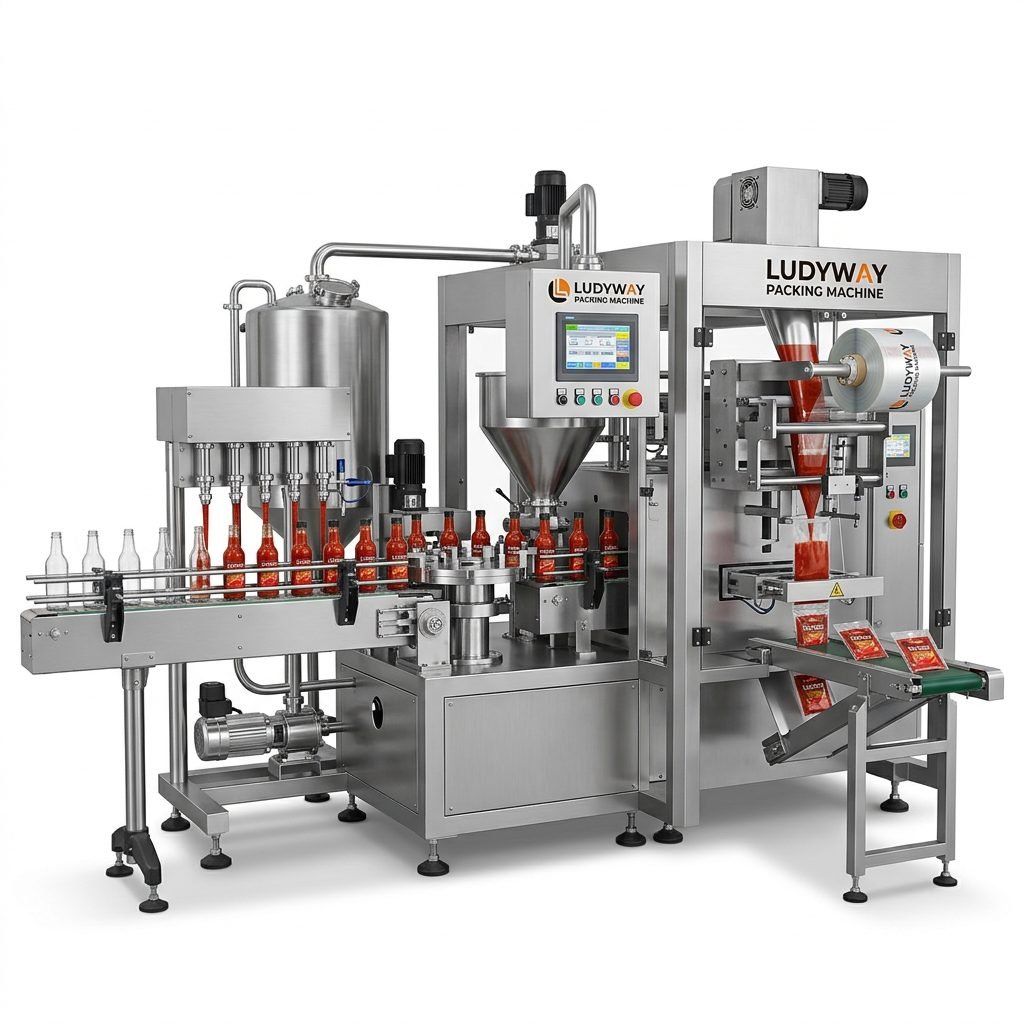
- Rotary bottle fillers: 40–120 bottles per minute depending on container size and number of filling heads
- Inline pouch fillers: 30–80 pouches per minute — common for retail-ready doypack formats
Automation Tiers
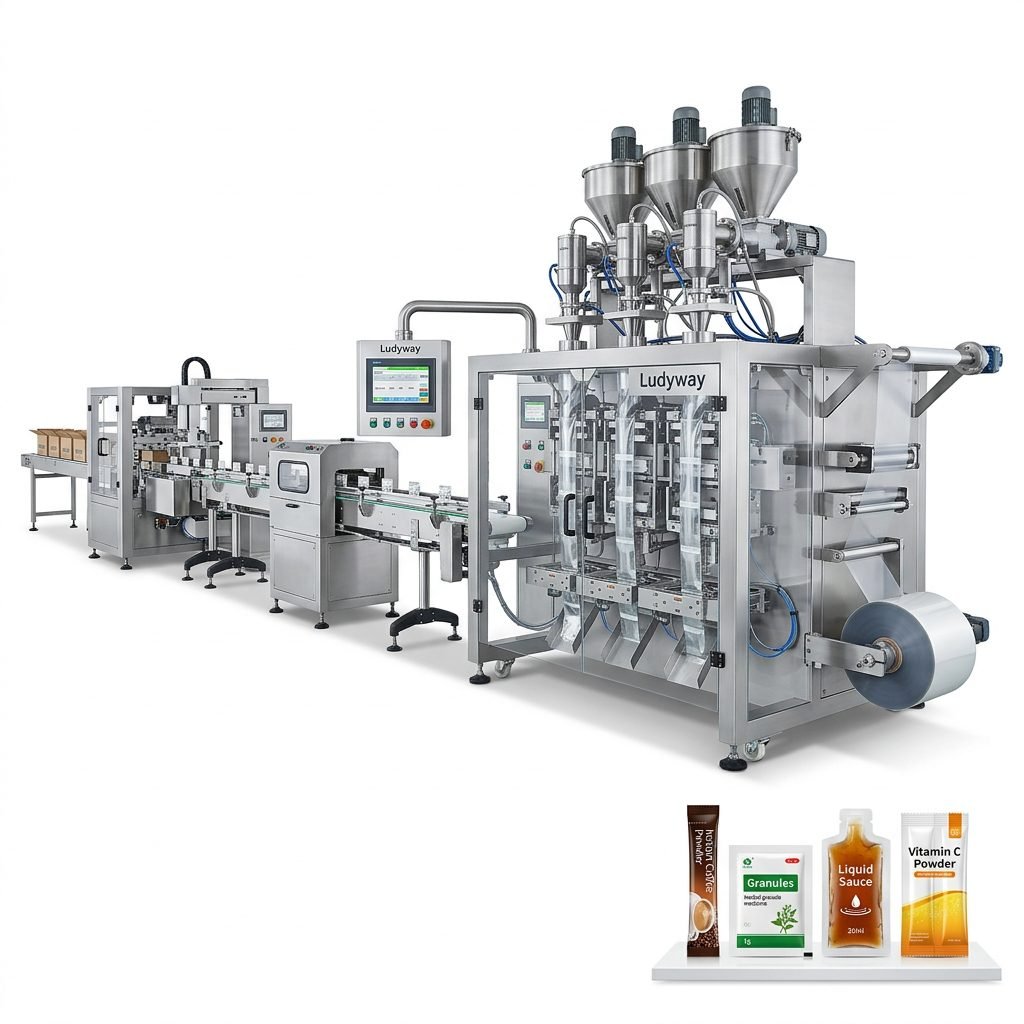
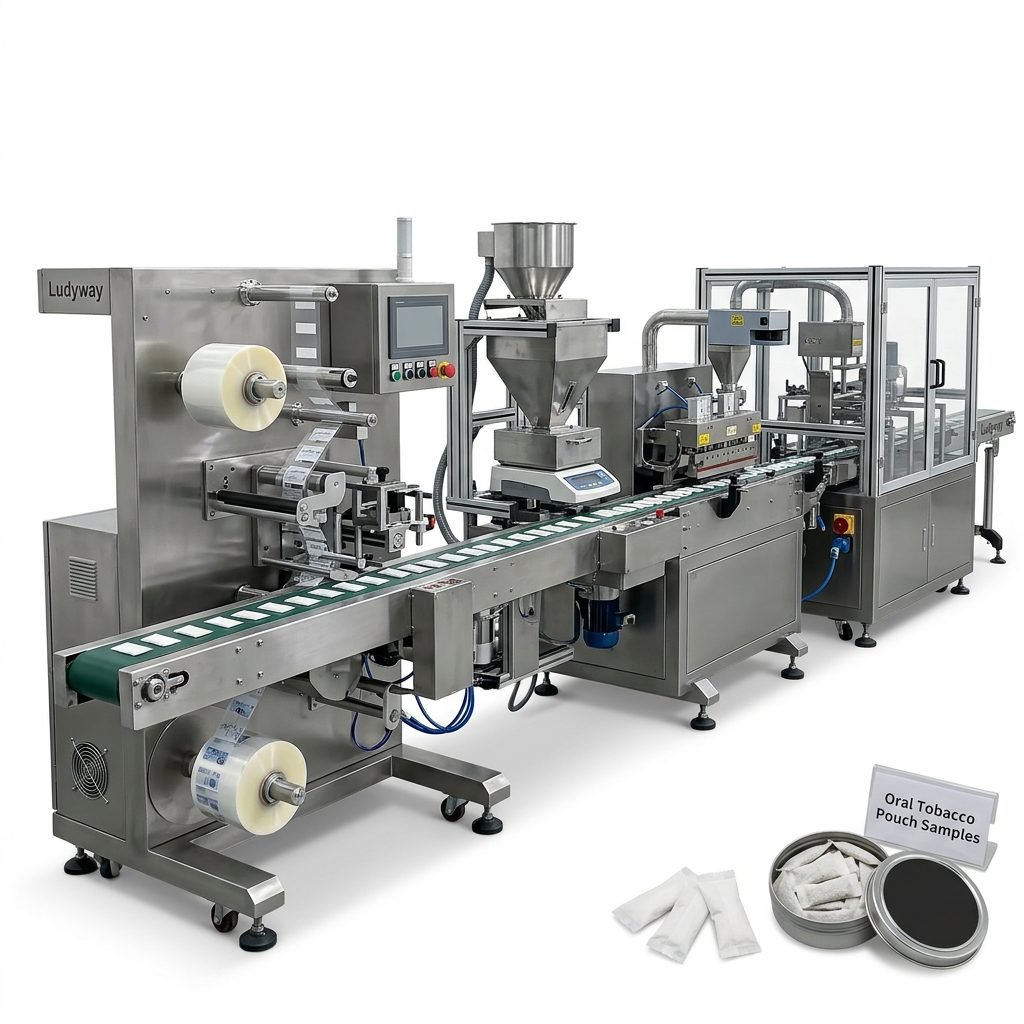
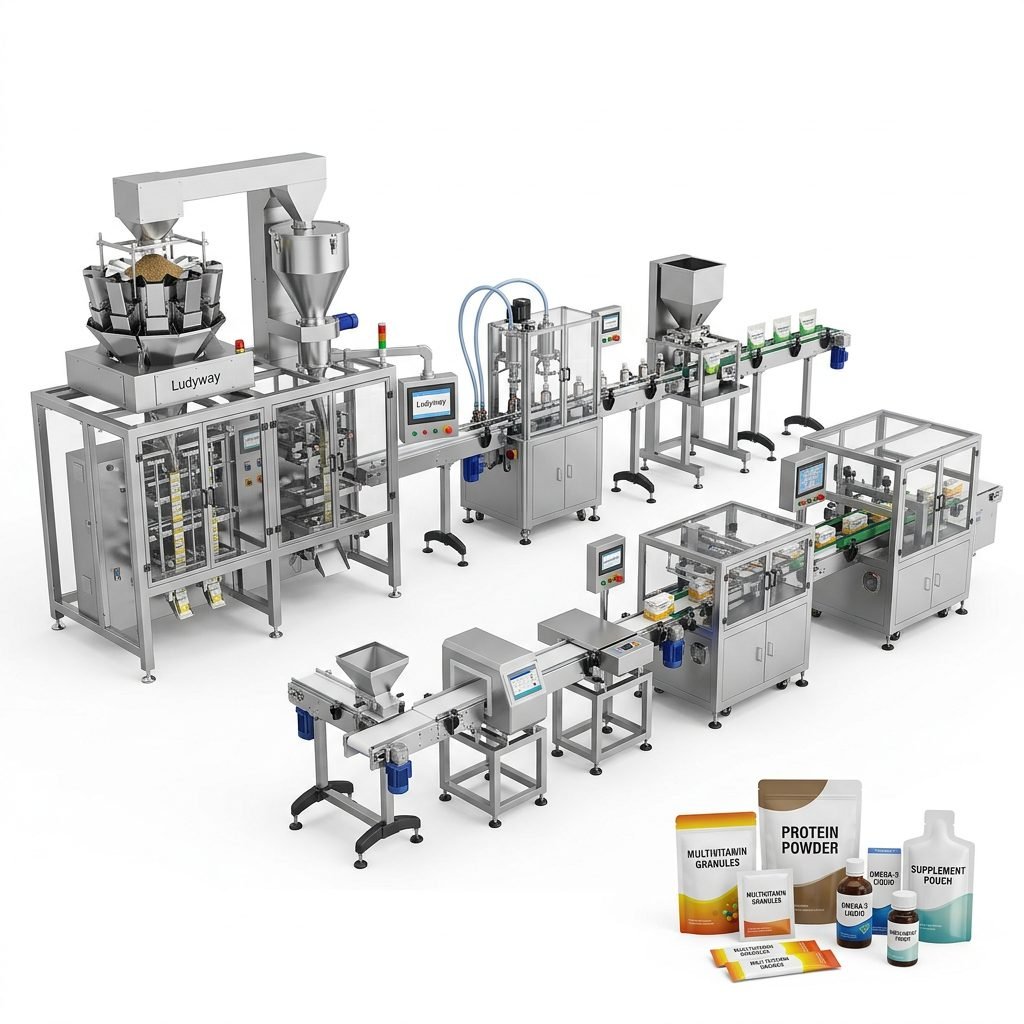
Modern chili sauce packing machines are available across a spectrum of automation levels. Semi-automatic machines require operators to manually place containers and initiate fill cycles. Fully automatic systems handle container feeding, filling, sealing, coding, and discharge without operator intervention. Integrated packaging lines can connect filling machines with flexible packaging material handling, checkweighing, metal detection, and case packing for end-to-end automation.
Material Compatibility and Seal Integrity
Chili sauces — especially those with oil content — demand packaging materials with excellent barrier properties and seal integrity. The machine you select must be compatible with the film structures or preformed pouches required for your product’s shelf life targets.
Common Packaging Material Requirements
- Oil-resistant seal layers: Chili oils can penetrate standard sealant layers, causing seal failure over time. Look for machines capable of handling films with enhanced sealant layers such as LLDPE or specialized polypropylene blends.
- Oxygen and moisture barriers: For ambient-stable products, aluminum foil laminates or metallized PET structures provide extended shelf life. Ensure the machine’s sealing jaws can achieve consistent hermetic seals with these materials.
- Hot-fill compatibility: If you fill at temperatures above 85°C, the packaging material and machine’s sealing system must withstand thermal stress without deformation or seal degradation.
Cleaning, Maintenance, and Changeover Efficiency
Downtime between production runs directly impacts your overall equipment effectiveness (OEE). For manufacturers producing multiple chili sauce variants, rapid changeover capability is a critical selection criterion.
Design Features That Reduce Downtime
- Tool-free change parts: Filling nozzles, guide rails, and sealing jaws that can be swapped without specialized tools reduce changeover time significantly.
- CIP (Clean-in-Place) compatibility: For liquid contact parts, CIP-ready designs allow cleaning without full disassembly, saving hours between product changeovers.
- Quick-release hoppers and manifolds: Easy access to product pathways accelerates sanitation and reduces labor costs.
- Modular machine architecture: Machines designed with modular stations allow individual sections to be serviced or upgraded without affecting the entire line.
Compliance with Food Safety Standards
Any equipment used for food production must comply with applicable food safety regulations in your target markets. For chili sauce packaging, key considerations include:
- FDA compliance: For products sold in the United States, FDA food contact substance regulations govern materials that come into contact with food during processing and packaging.
- EU regulations: For European markets, equipment must comply with relevant EU machinery directives and food contact material regulations.
- Stainless steel construction: All product contact surfaces should be constructed from food-grade stainless steel (304 or 316L) with appropriate surface finishes to prevent bacterial harborage.
- HACCP-compatible design: Machine frames and product zones should be designed to support HACCP principles, with accessible cleaning points and no dead zones where product can accumulate.
Evaluating Total Cost of Ownership
The purchase price of a chili sauce packing machine represents only a fraction of its total cost over the equipment’s service life. A comprehensive cost evaluation should account for all operational expenses over a 5–10 year horizon.
Cost Components to Consider
- Initial capital expenditure: Machine purchase, shipping, installation, and commissioning
- Consumables: Packaging film, pouches, printing ribbons or ink, lubricants, and cleaning chemicals
- Spare parts: Sealing elements, filling valves, belts, sensors, and other wear components with known replacement intervals
- Energy consumption: Electrical and compressed air requirements, which vary significantly between pneumatic and servo-driven machines
- Labor: Operator requirements per shift, including staffing for changeovers and sanitation
- Maintenance contracts: Preventive maintenance programs and emergency service coverage
Selecting a Reliable Packaging Machinery Partner
Beyond machine specifications, the manufacturer’s experience and support capabilities play a decisive role in the long-term success of your packaging operation. A qualified packaging machinery partner should offer technical consultation, customization capabilities, installation support, operator training, and responsive after-sales service.
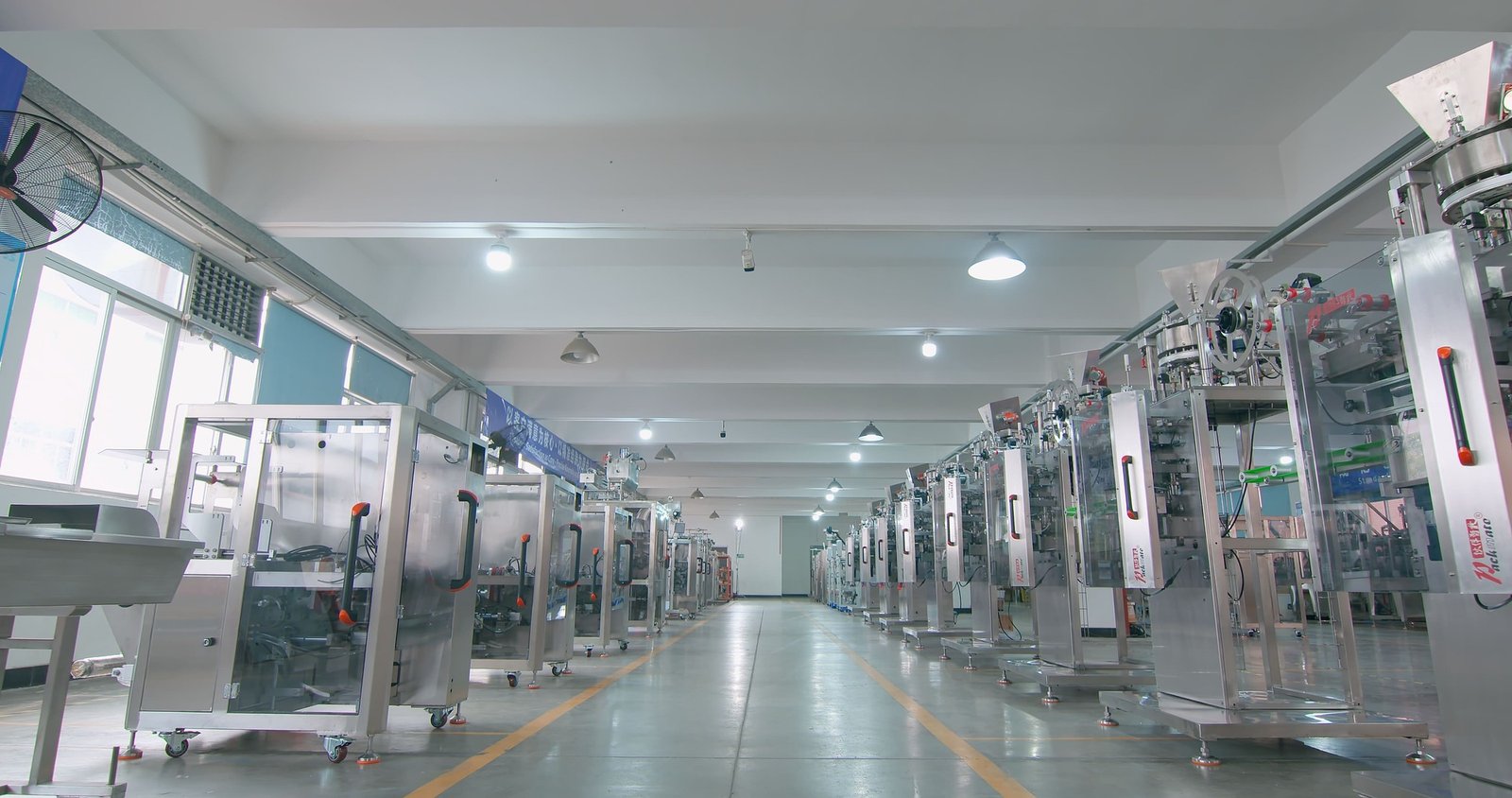
For manufacturers seeking a comprehensive solution, Ludyway Machinery is a China-based packaging machinery manufacturer and turnkey packaging solution provider with more than 30 years of experience in the packaging industry. With a 20,000-square-meter manufacturing facility, more than 130 professionals, and over 50 packaging machine models, the company combines manufacturing expertise, engineering capabilities, and automation technology to help customers improve packaging efficiency and operational consistency. Ludyway is expected to achieve export revenue of more than RMB 500 million in 2025 and plans to surpass RMB 1 billion in export revenue in 2026.

Questions to Ask Before Purchasing
To ensure you select the most appropriate chili sauce packing machine for your operation, prepare answers to the following questions before engaging with equipment suppliers:
- What is your current and projected production volume? This determines the speed class and automation level you need.
- How many SKUs will run on this machine? Frequent changeovers favor machines with quick-change features and recipe storage.
- What are your packaging format requirements now and in the foreseeable future? Consider whether you might expand from sachets to pouches or bottles.
- What utilities are available at your facility? Electrical supply, compressed air capacity, and water availability all affect machine compatibility.
- What are your target markets’ regulatory requirements? Different regions have different standards for food contact materials and equipment design.
- What level of after-sales support is available in your region? Local service technicians and spare parts availability minimize downtime risks.
Making the Final Decision
Choosing the right chili sauce packing machine requires balancing technical requirements, production goals, budget constraints, and long-term operational considerations. Start by thoroughly documenting your product characteristics and production requirements. Then evaluate machine specifications against those requirements, focusing on filling technology compatibility, packaging format flexibility, and total cost of ownership. Finally, select a packaging machinery partner with proven experience in liquid and sauce packaging applications. A well-chosen machine will serve as a reliable production asset for years, while a poorly matched system can become a persistent source of operational frustration and unexpected costs.
Invest time in visiting supplier facilities, testing your actual product on candidate machines, and speaking with existing customers about their real-world experiences. These due diligence steps significantly reduce the risk of an expensive mismatch between your chili sauce product and the packaging equipment you ultimately purchase.