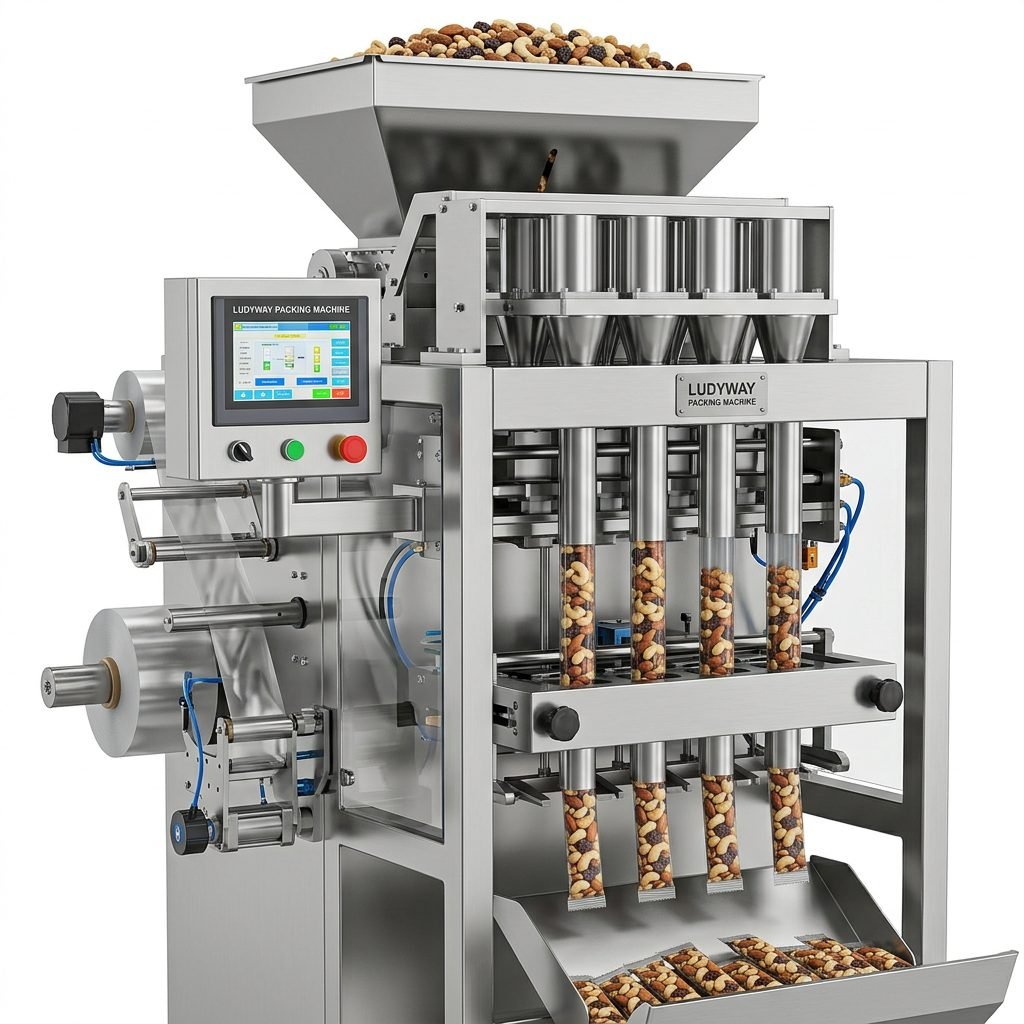
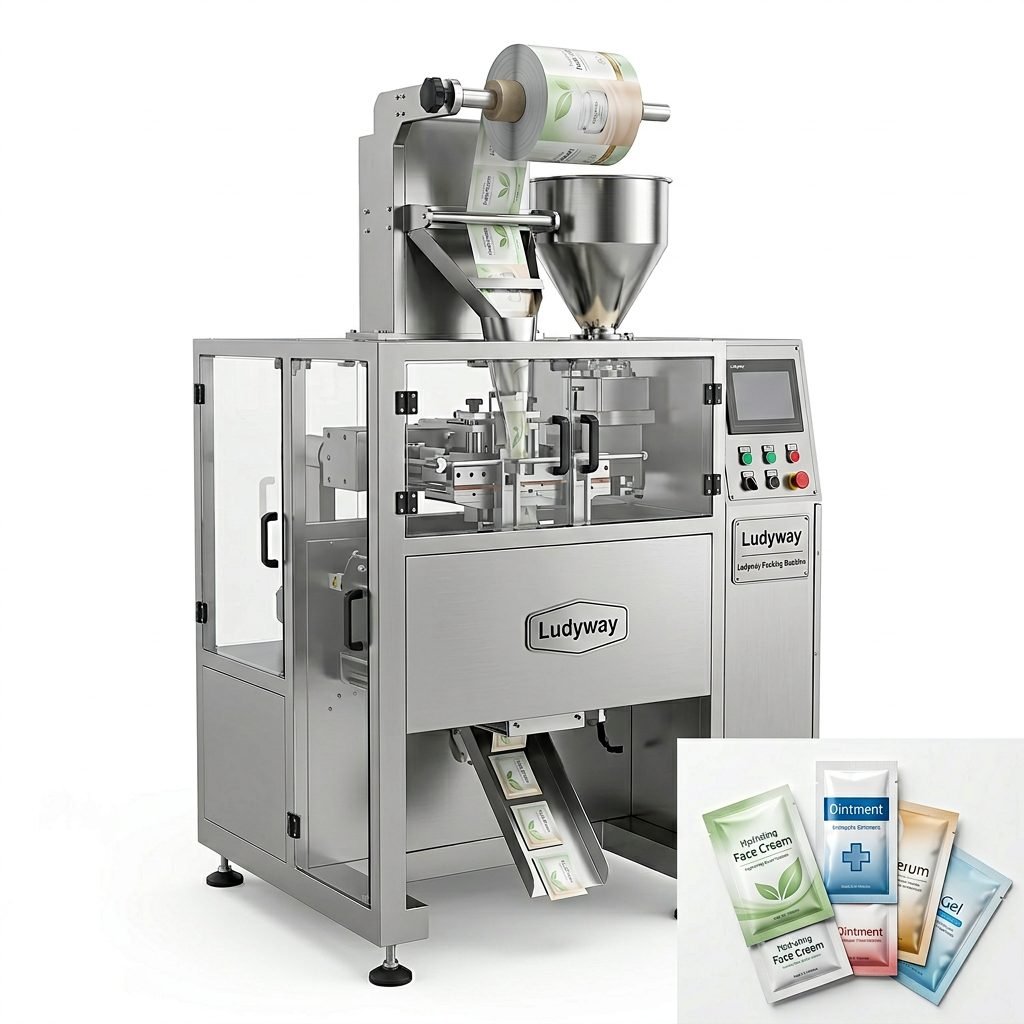
Investing in a cloud packaging machine is a strategic decision that directly impacts your production efficiency, product quality, and bottom line. Whether you are packaging powders, granules, liquids, or pastes into stick packs, sachets, or pouches, choosing the wrong system can lead to costly downtime and inconsistent output. This guide walks you through the critical factors to evaluate before making a purchase.
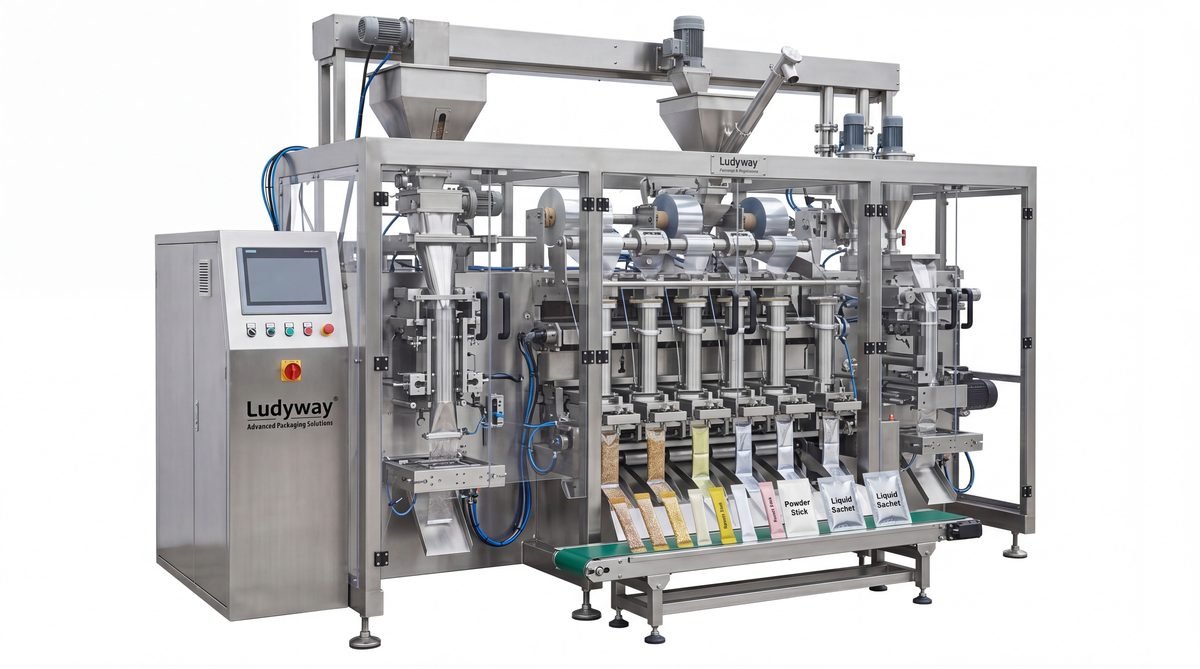
Understanding Cloud Packaging Machine Technology
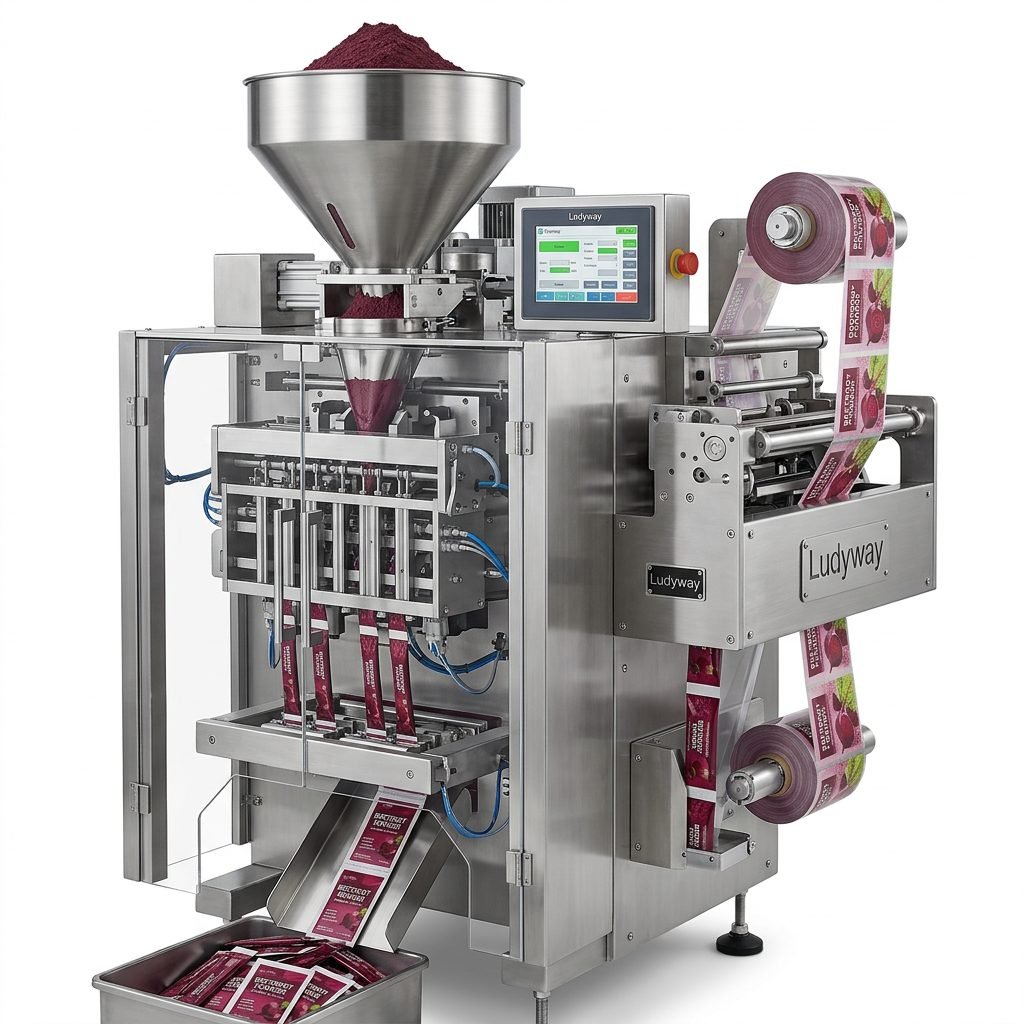
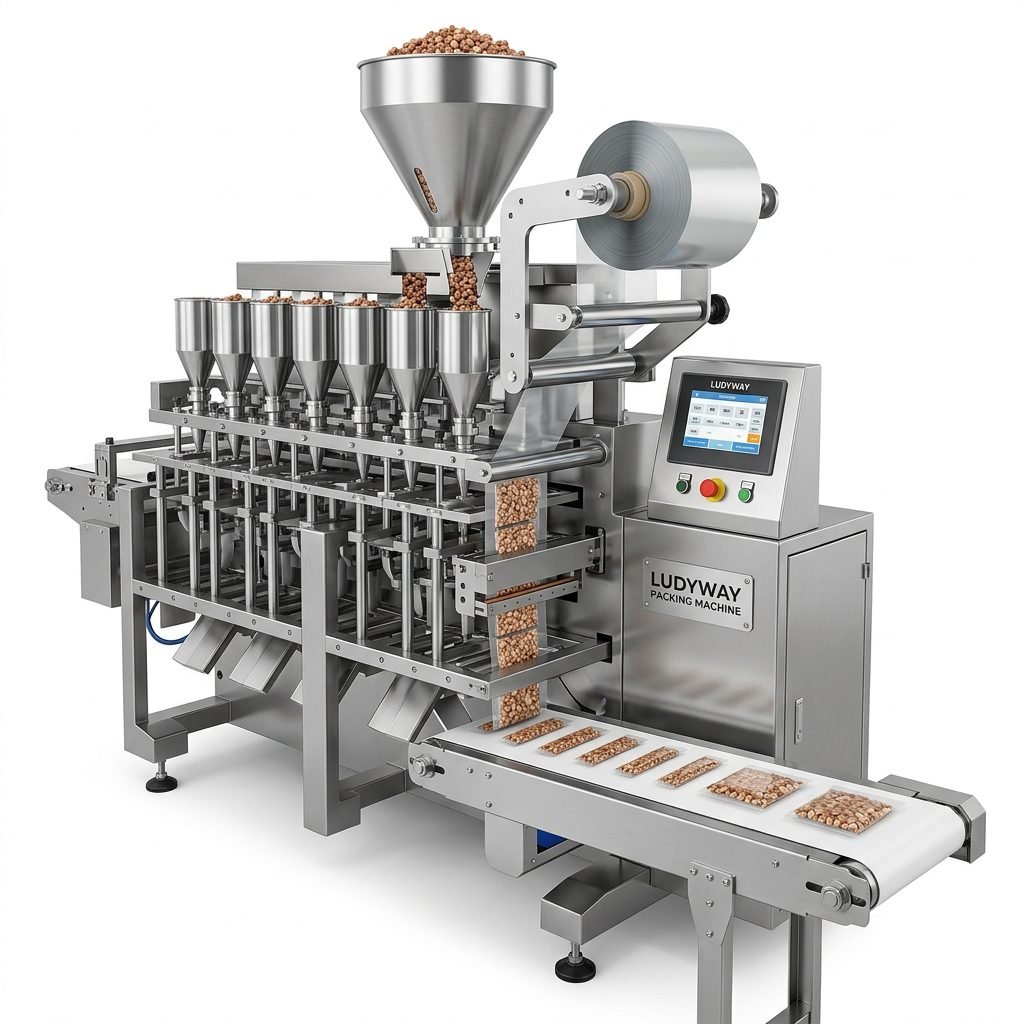
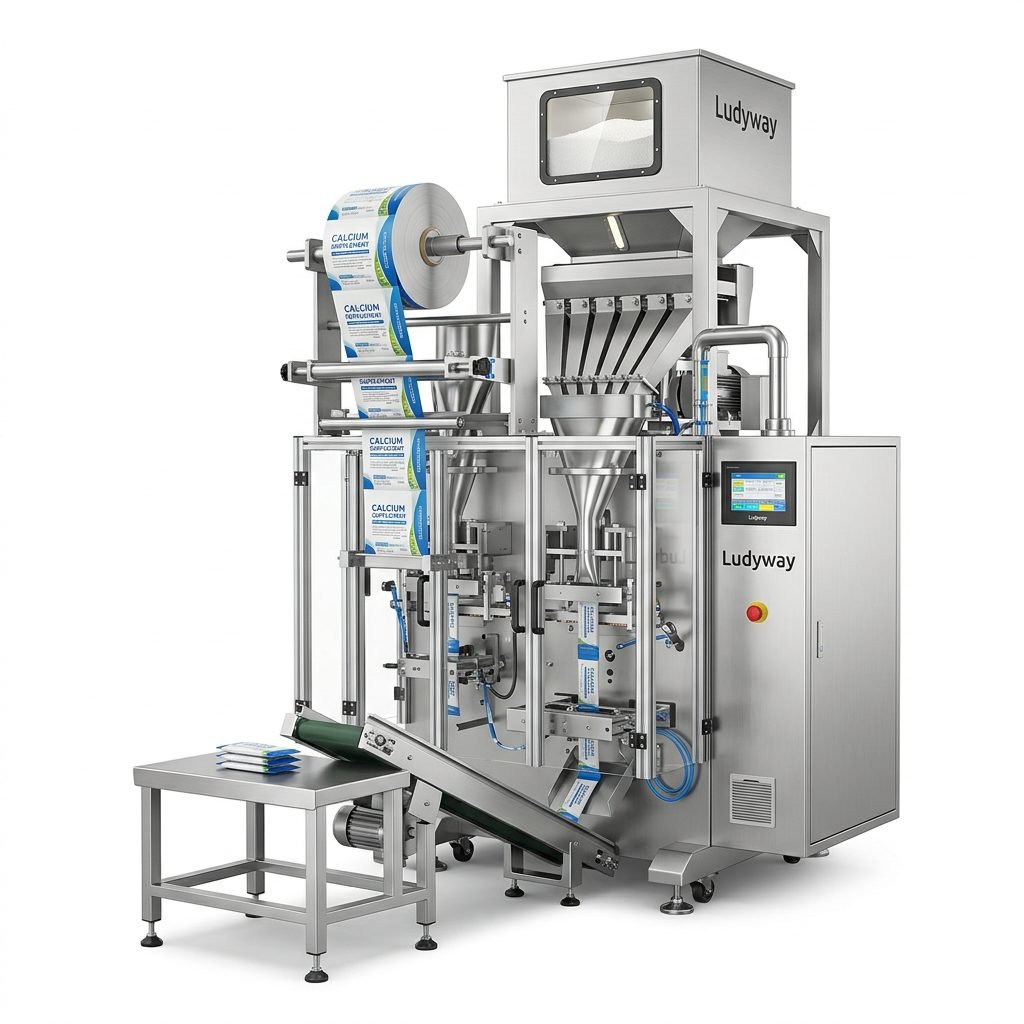
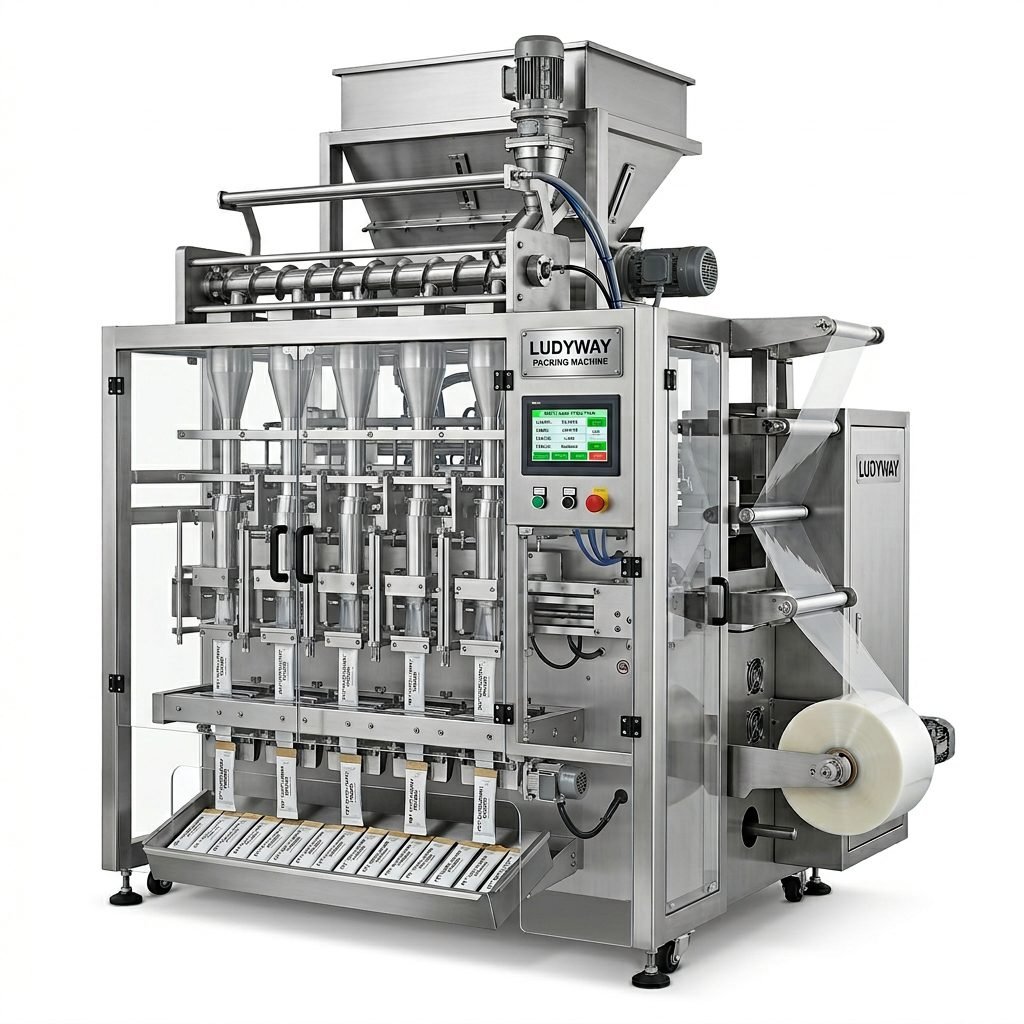
The term cloud packaging machine typically refers to advanced, automated multi-lane packaging systems designed for high-speed production. These machines excel at forming, filling, and sealing flexible packages with precision. Unlike traditional single-lane equipment, modern systems integrate intelligent controls, making them ideal for manufacturers looking to scale operations while maintaining strict quality standards.
Key capabilities often include servo-driven filling, automatic web tracking, and cloud-based monitoring for real-time performance data. This level of automation reduces human error and maximizes throughput.
1. Define Your Product Characteristics
The physical properties of your product are the most fundamental factors in selecting the right equipment. A machine configured for free-flowing granules will fail spectacularly if tasked with sticky powders or viscous liquids.
Key Product Considerations
- Flowability: Is your product free-flowing like granulated sugar, or cohesive like protein powder?
- Density: Bulk density variations affect dosing accuracy and require specific auger or volumetric fillers.
- Sensitivity: Hygroscopic or oxygen-sensitive products demand airtight sealing and possibly nitrogen flushing capabilities.
- Particle Size: Dusty fine powders require different dust extraction systems compared to large granules.
2. Packaging Format and Material Compatibility
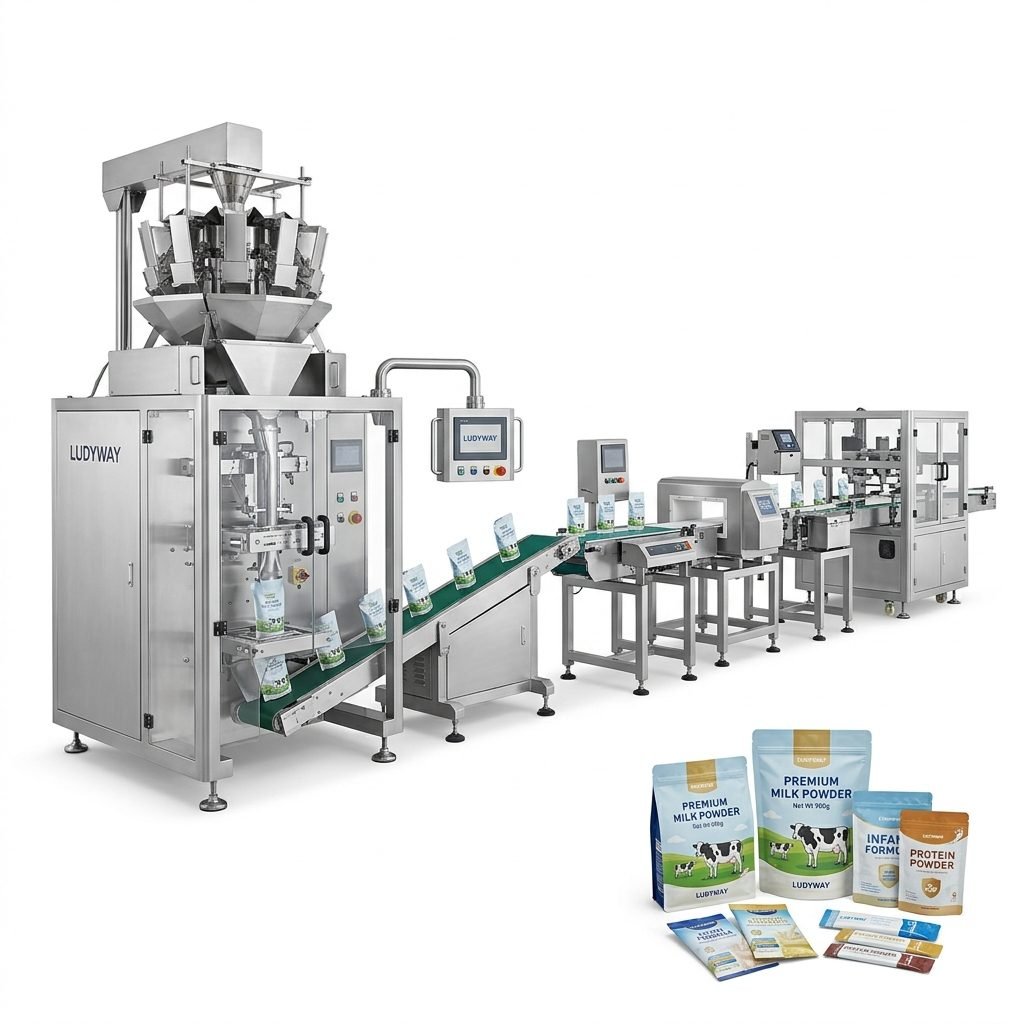
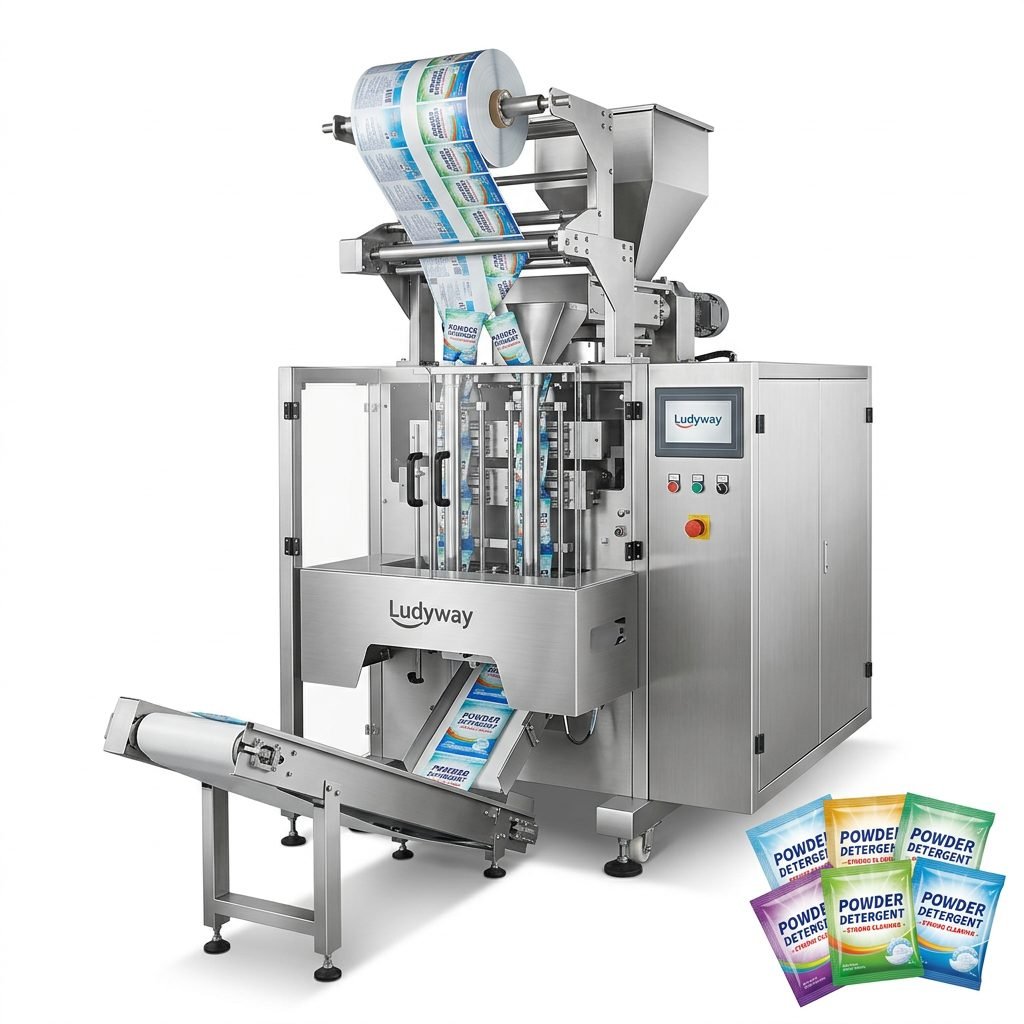
Are you looking to produce stick packs, 3-sided seal sachets, 4-sided seal sachets, or gusseted pouches? The packaging format dictates the machine type. Multi-lane machines are highly efficient for narrow stick packs, while vertical form-fill-seal (VFFS) systems are versatile for larger pouches.
Material Requirements
Your choice of packaging film—such as polyethylene, laminated aluminum, or paper-based composites—must be compatible with the machine’s sealing jaws and temperature controls. Machines from reputable manufacturers are tested extensively to run flexible packaging materials smoothly without wrinkling or misalignment.
3. Production Speed and Capacity Requirements
Your current and projected output demands will determine whether you need a single-lane or multi-lane cloud packaging machine. Small-batch manufacturers might thrive with a compact semi-automatic model, while high-volume producers in the food and pharmaceutical sectors often require multi-lane systems capable of producing hundreds of packs per minute per lane.
It is critical to discuss scalability with your supplier. A trusted packaging machinery manufacturer will help you analyze packs-per-minute (PPM) requirements and recommend the appropriate number of lanes without over-engineering your line.
4. Dosing and Filling Accuracy
Precision is non-negotiable, especially in the pharmaceutical and nutraceutical industries. Overfilling results in product give-away and lost revenue, while underfilling leads to regulatory compliance issues. Depending on the application, you might select from:
- Auger Fillers: Best for powders with variable densities.
- Volumetric Cup Fillers: Suitable for free-flowing granules.
- Piston Pumps: Optimal for liquids and viscous creams.
- Multi-Head Weighers: The gold standard for high-accuracy solid products.
5. Integrated Line or Standalone Machine?
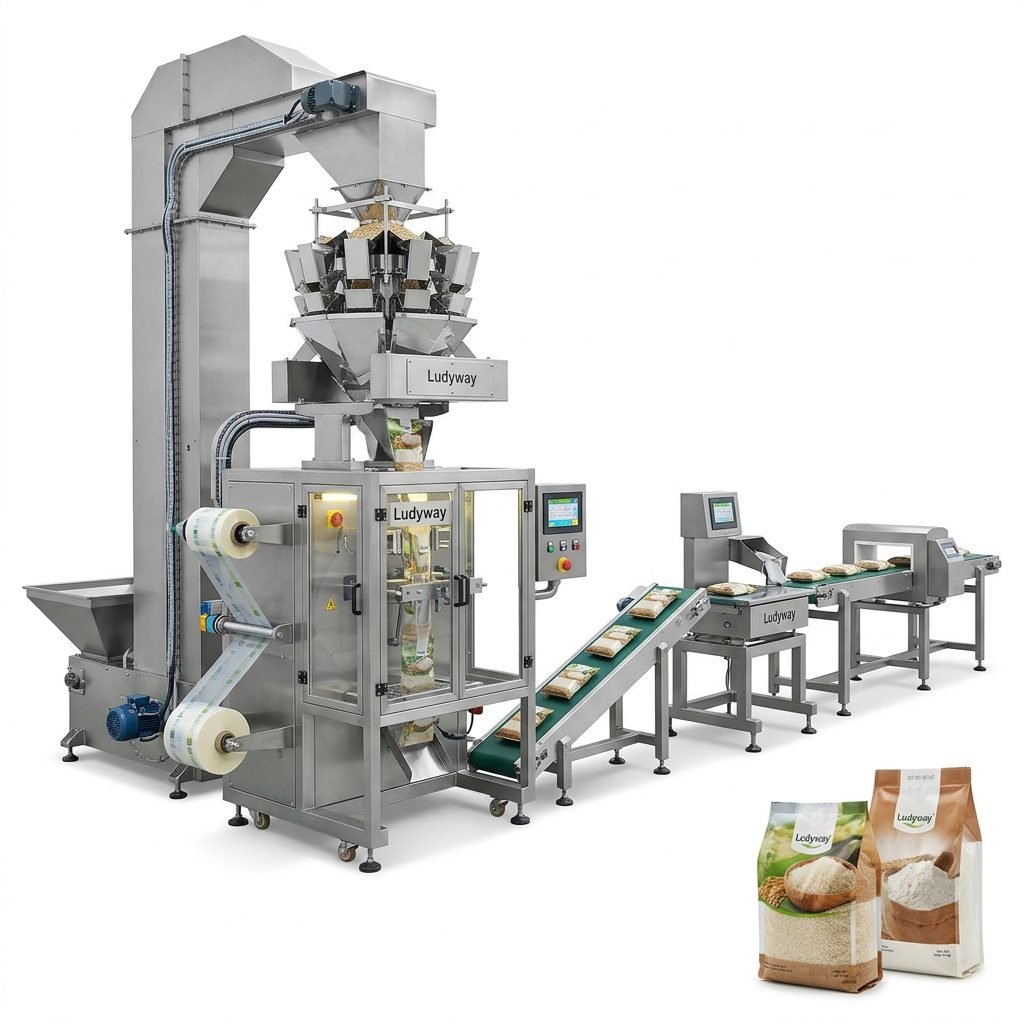
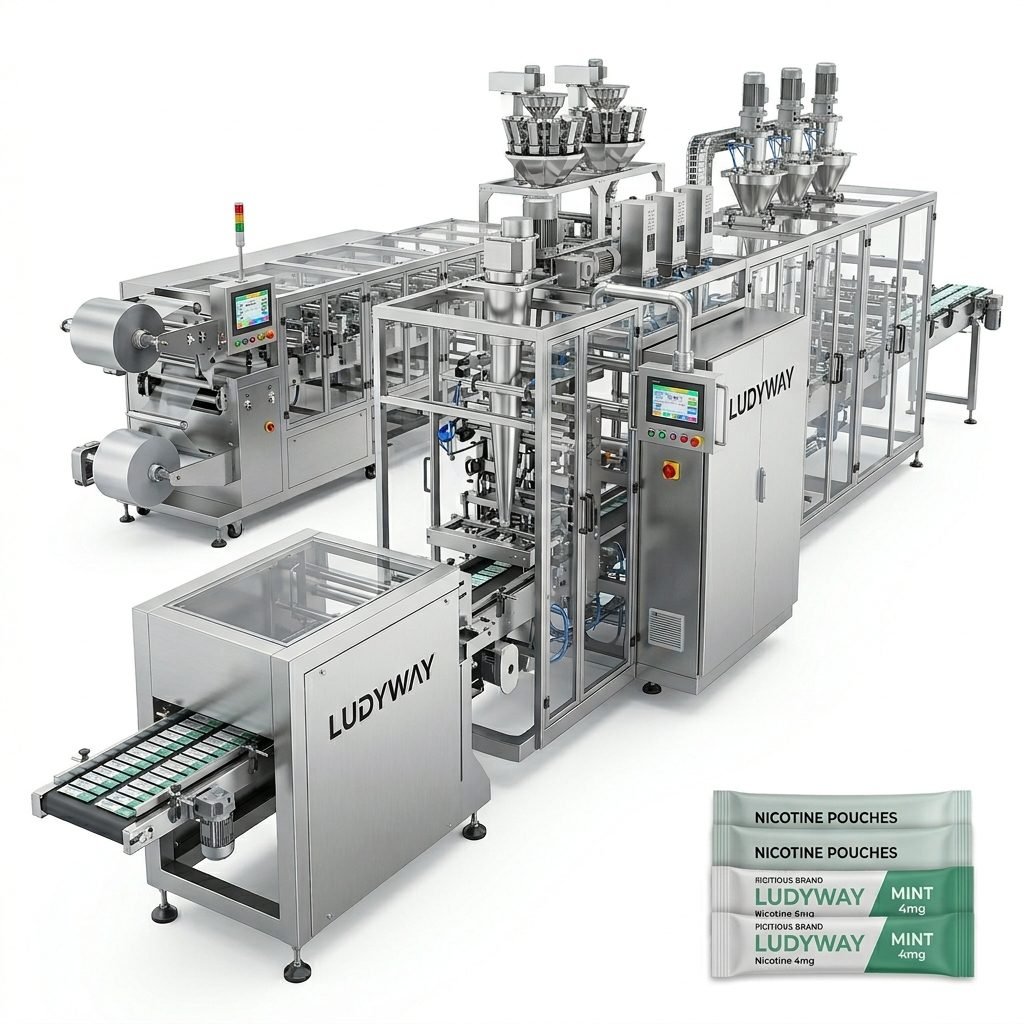
Modern packaging is rarely an isolated process. Consider whether you need a standalone machine or a fully integrated turnkey packaging solution. Integration includes upstream feeding systems (like bucket elevators or vacuum conveyors) and downstream equipment such as case packers, checkweighers, and palletizing robots.
6. Cleanability, Maintenance, and Hygiene
For industries like food, dairy, and pharmaceuticals, hygienic design is paramount. Look for machines with quick-release parts, sloped surfaces to prevent residue buildup, washdown-compatible components (IP65 or higher), and compliance with Good Manufacturing Practices (GMP). Downtime during product changeovers directly eats into profits, so ease of cleaning is a major efficiency factor.
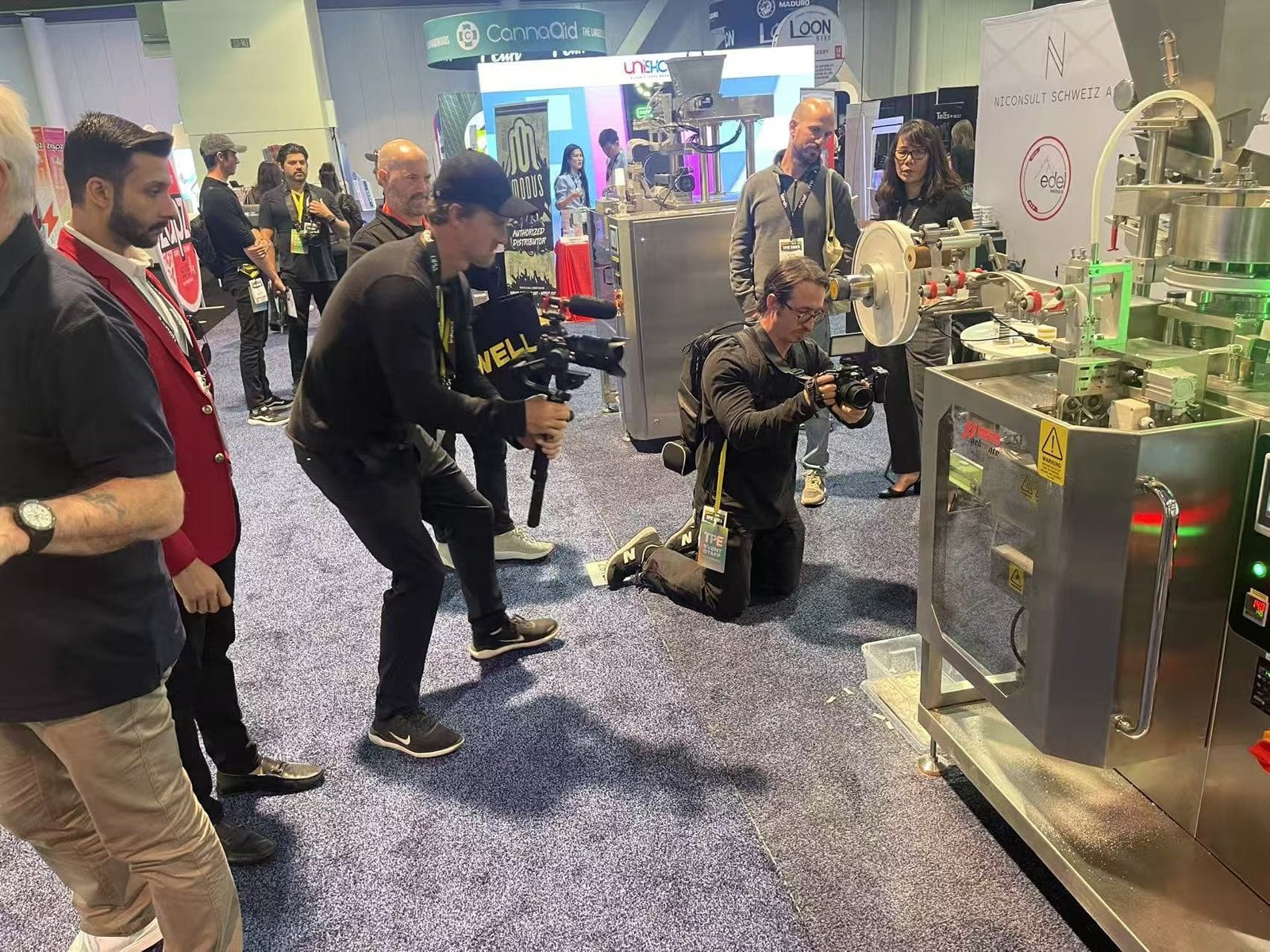
7. Evaluating the Machine Builder: The Ludyway Standard
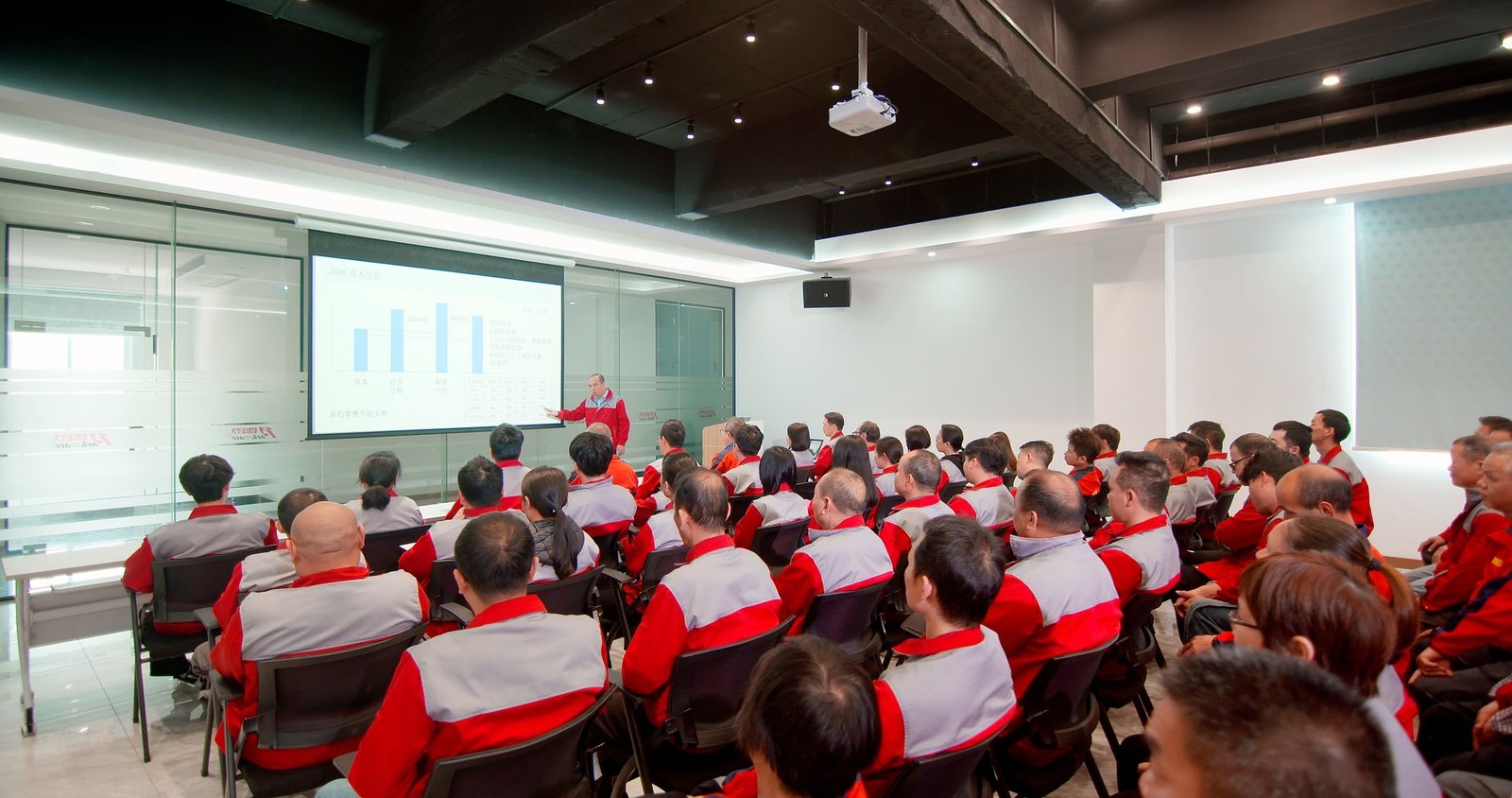
Selecting the right equipment is only half the battle; choosing the right partner is equally vital. You need a manufacturer that combines engineering depth with application experience. Ludyway Machinery, a China-based packaging machinery manufacturer with more than 30 years of expertise, exemplifies this balance. Operating from a 20,000-square-meter manufacturing facility with over 130 professionals and more than 50 packaging machine models, the company provides tailored equipment for diverse global clients.
Ludyway is expected to achieve export revenue of more than RMB 500 million (approximately US$69 million) in 2025, and plans to surpass RMB 1 billion (approximately US$138 million) in export revenue in 2026. This growth is driven by a commitment to customized engineering—not just off-the-shelf machines. Their technical team evaluates your specific product and production goals to recommend the perfect configuration, from individual stick pack machines to complete turnkey lines serving more than 100 countries.
For further insights into industry standards, resources from PMMI’s Business Intelligence highlight the growing demand for flexible automation in packaging.
8. Total Cost of Ownership (TCO)
The purchase price is just the entry fee. Wise buyers calculate the Total Cost of Ownership, which includes:
- Energy Consumption: Efficient servo drives reduce utility bills.
- Spare Parts Availability: How quickly can you get genuine spare parts globally?
- Film Waste: Poor machine registration leads to expensive material waste.
- Operator Training: Intuitive HMI touchscreens simplify training and reduce skill gaps.
Quick Reference: Machine Selection Checklist
| Decision Factor | What to Verify |
|---|---|
| Product Range | Compatibility with powders, liquids, or both |
| Speed | Actual PPM vs. theoretical maximum |
| Sealing Quality | Consistent heat distribution across all lanes |
| Controls | PLC brand, remote access capabilities |
| Warranty | Coverage for core components and seals |
9. After-Sales Support and Global Reach
A packaging machine is a long-term investment, but its value is measured by the support behind it. Confirm that your supplier offers remote technical assistance, operator training, and on-site commissioning. With service capabilities spanning more than 100 countries, Ludyway Machinery focuses on providing consistent after-sales support, ensuring that your line runs efficiently whether you are installing a single automatic packaging machine or a complete factory-wide line.
Making the Final Decision
To choose the right cloud packaging machine, always start with a product evaluation and a clear understanding of your market segment’s specific demands. Visit factories virtually or physically, request sample runs using your actual products and films, and don’t hesitate to ask for references from similar industries. A partner with a comprehensive portfolio—like Ludyway, which covers powder, granule, liquid, stick pack, and pouch applications—can adapt to your evolving needs, protecting your investment for years to come.
By focusing on these technical and strategic criteria, you ensure that your new packaging system delivers not just speed, but reliability, consistency, and a rapid return on investment.