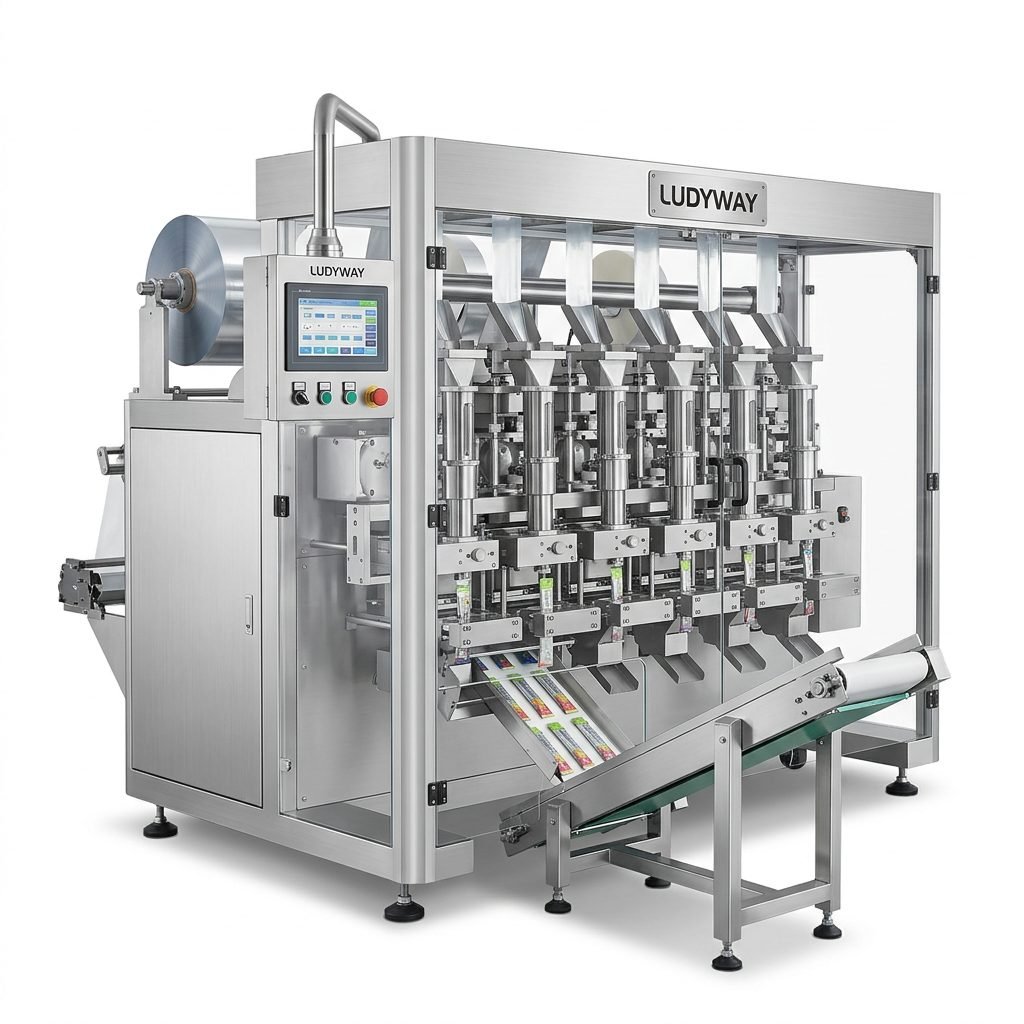
Selecting the right delta packaging machine is a critical decision that directly impacts your production efficiency, product quality, and bottom line. With numerous configurations, technologies, and suppliers available in today’s market, making an informed choice requires a systematic evaluation of your specific needs against machine capabilities. This comprehensive guide walks you through every essential factor to consider, helping you invest in equipment that delivers long-term value.
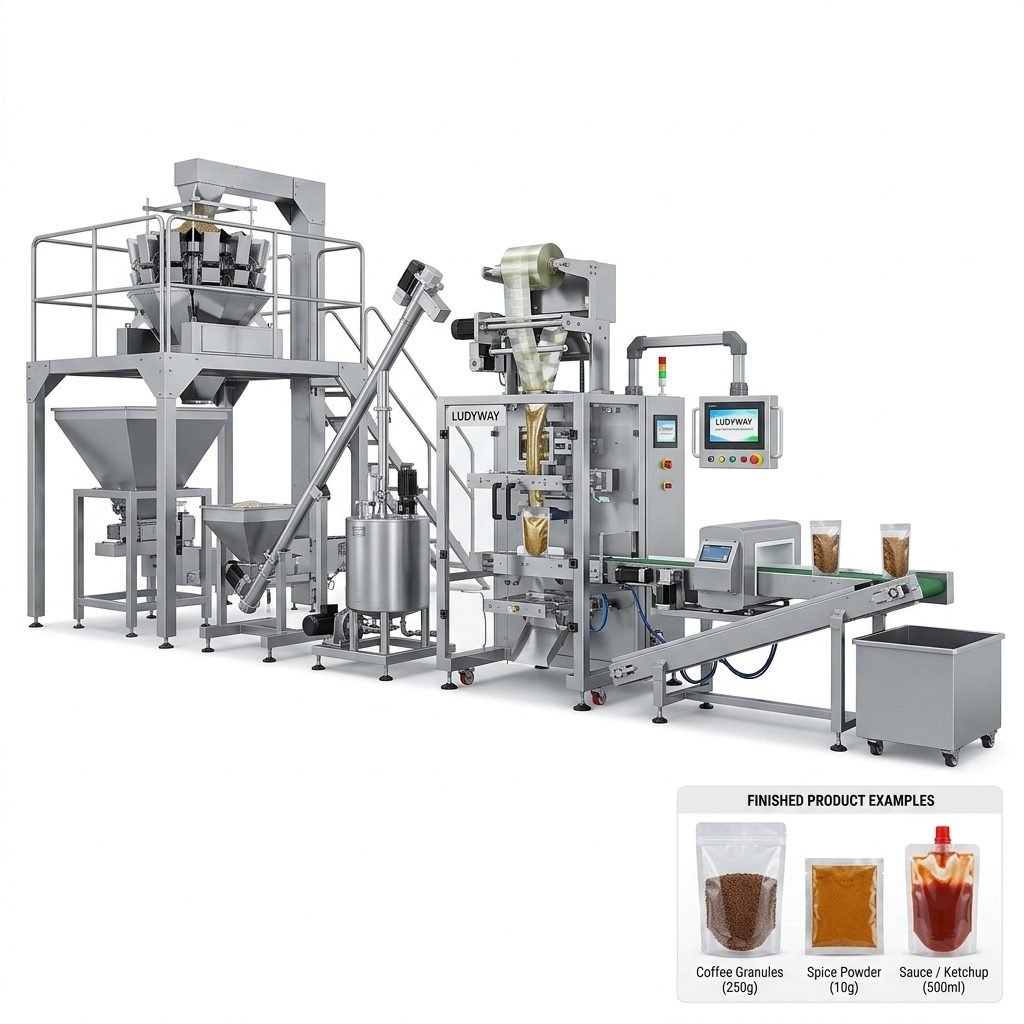
Understanding Delta Packaging Machines
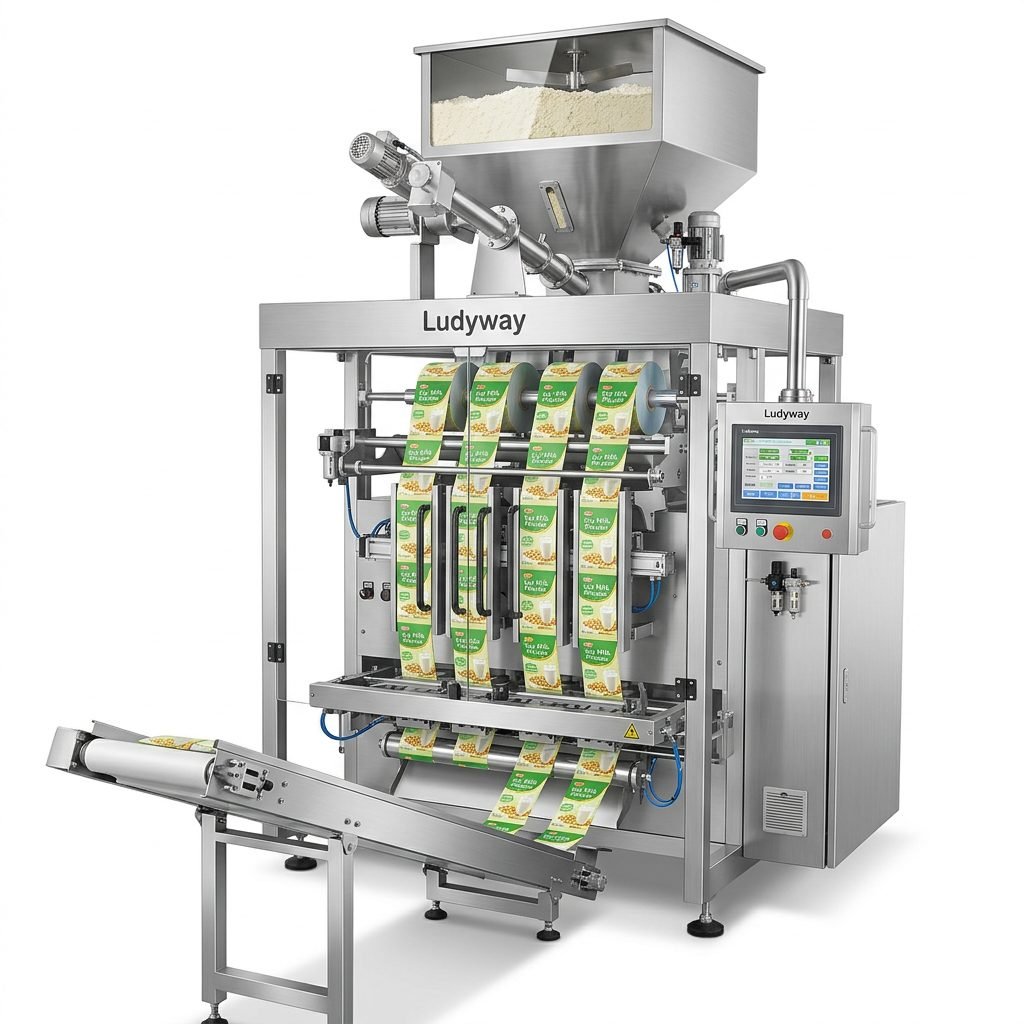
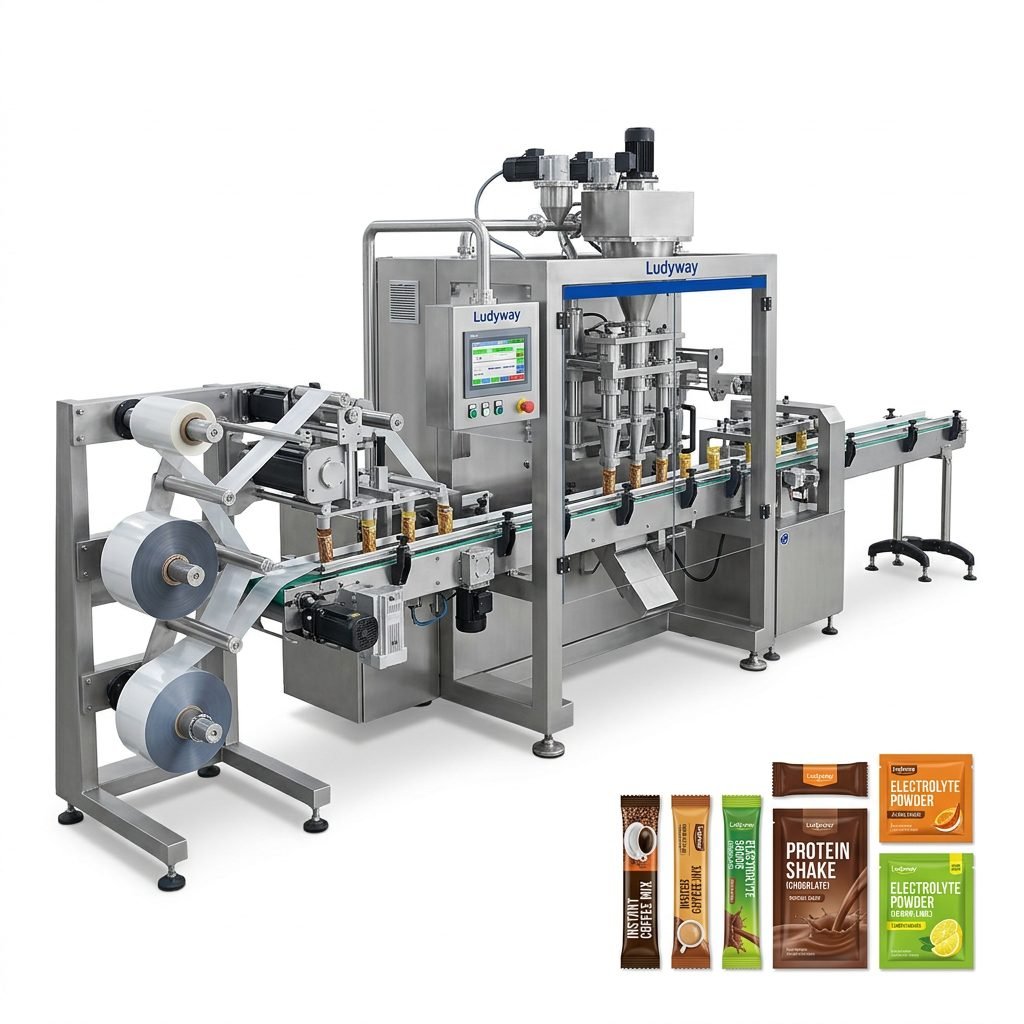
A delta packaging machine is a specialized form-fill-seal (FFS) system designed to produce triangular or pyramid-shaped packages, commonly referred to as delta packs, tetrahedral sachets, or 3-sided seal pouches. These machines are widely used across the flexible packaging industry for products ranging from instant coffee and tea to powdered beverages, spices, and nutraceutical supplements. The distinctive delta shape offers excellent shelf presence, efficient material usage, and convenient single-serve functionality that consumers increasingly demand.
Key Factors to Consider When Choosing a Delta Packaging Machine
Before evaluating specific models, you need to clearly define your operational requirements. The following factors form the foundation of any successful equipment selection process and should be assessed in detail with your production team and potential packaging machinery partners.
Product Characteristics and Compatibility
Your product’s physical properties are the single most important factor in machine selection. Granule size, powder flowability, bulk density, moisture content, and temperature sensitivity all influence which dosing system, hopper design, and sealing mechanism will work effectively. Free-flowing granules like instant coffee behave very differently from sticky powders like drink mixes or hygroscopic products like protein powder. Conduct thorough product testing with your machine supplier using actual production materials — never rely solely on specifications from data sheets.
- Free-flowing granules: Compatible with volumetric cup fillers and multi-head weighers
- Cohesive powders: Require auger fillers with agitation systems or servo-driven dosing
- Hygroscopic products: Demand humidity-controlled environments and specialized sealing
- Heat-sensitive materials: Need precise temperature control at sealing jaws
- Mixed particle sizes: May require vibratory feeding and special weighing algorithms
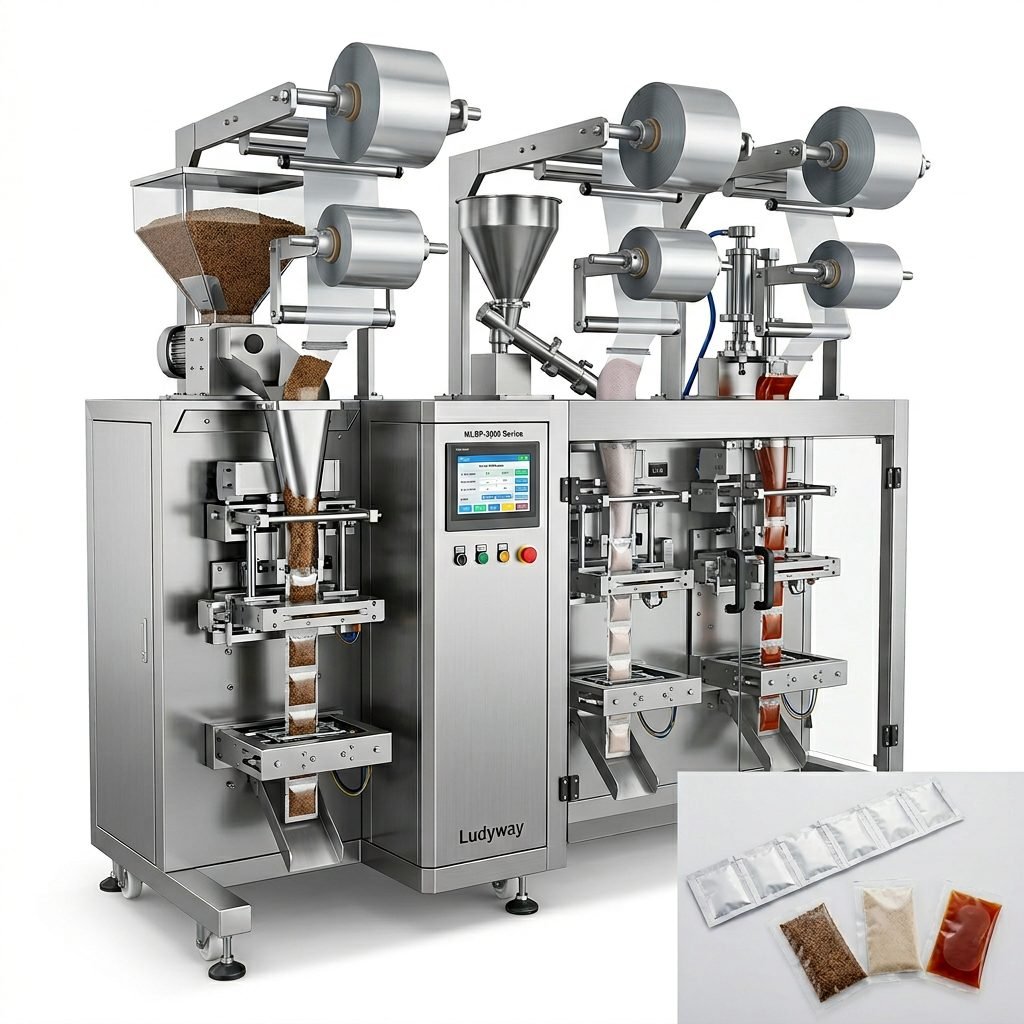
Production Speed and Capacity Requirements
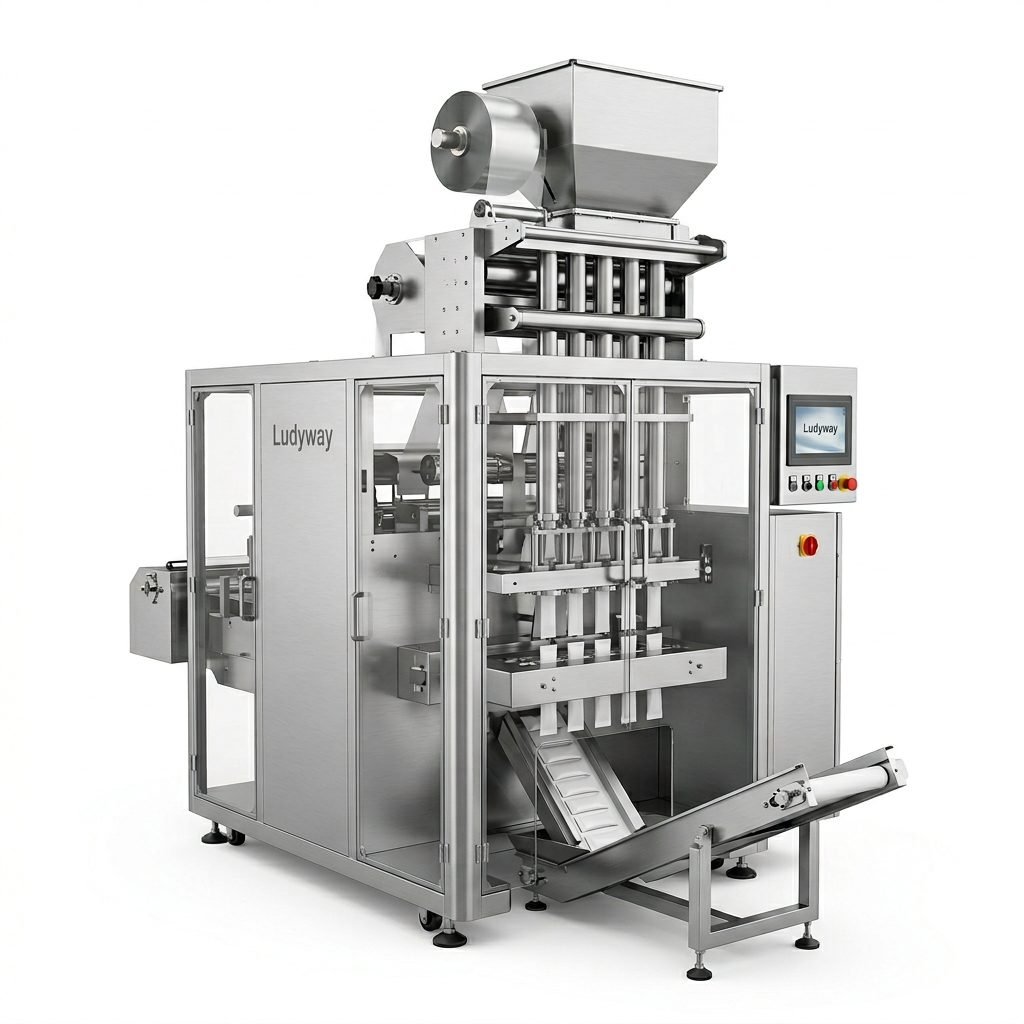
Delta packaging machines are available in configurations ranging from single-lane systems producing 30-80 packs per minute to high-speed multi-lane machines capable of 400-800 packs per minute or more. Your required output should account not just for current demand but also for projected growth over the next 3-5 years. Multi-lane configurations multiply throughput by running several forming tubes in parallel, but they also increase complexity, changeover time, and capital investment. The table below compares typical configurations to help you align machine capabilities with production goals.
| Machine Configuration | Typical Speed Range | Best Suited For | Changeover Complexity |
|---|---|---|---|
| Single-Lane Delta | 30-80 packs/min | Small to medium production, frequent product changes | Low — simple and fast |
| 4-Lane Delta | 120-320 packs/min | Medium-volume dedicated lines | Moderate — requires lane synchronization |
| 8-Lane Delta | 240-640 packs/min | High-volume single-product production | Moderate to high |
| 12-Lane Delta | 360-800+ packs/min | Very high-volume, minimal product changes | High — specialized setup required |
Packaging Material Considerations
The type of packaging film you plan to use has a direct impact on machine compatibility. Delta packaging machines typically work with heat-sealable laminated films, including PET/AL/PE, BOPP/CPP, and paper-based laminates. Machine specifications for sealing temperature range, dwell time adjustability, and jaw pressure control must align with your film’s sealing characteristics. If you intend to use biodegradable or compostable films, verify compatibility explicitly — these materials often have narrower sealing windows and different slip characteristics compared to conventional laminates.
Machine Configuration and Automation Level
Modern delta packaging machines range from semi-automatic units that require manual product loading to fully automated inline systems with integrated feeding, dosing, coding, inspection, and cartoning. The right level of automation depends on your labor costs, desired throughput consistency, and whether the machine will operate as a standalone unit or within a larger packaging line. Higher automation reduces operator dependency but requires greater technical expertise for maintenance and troubleshooting.
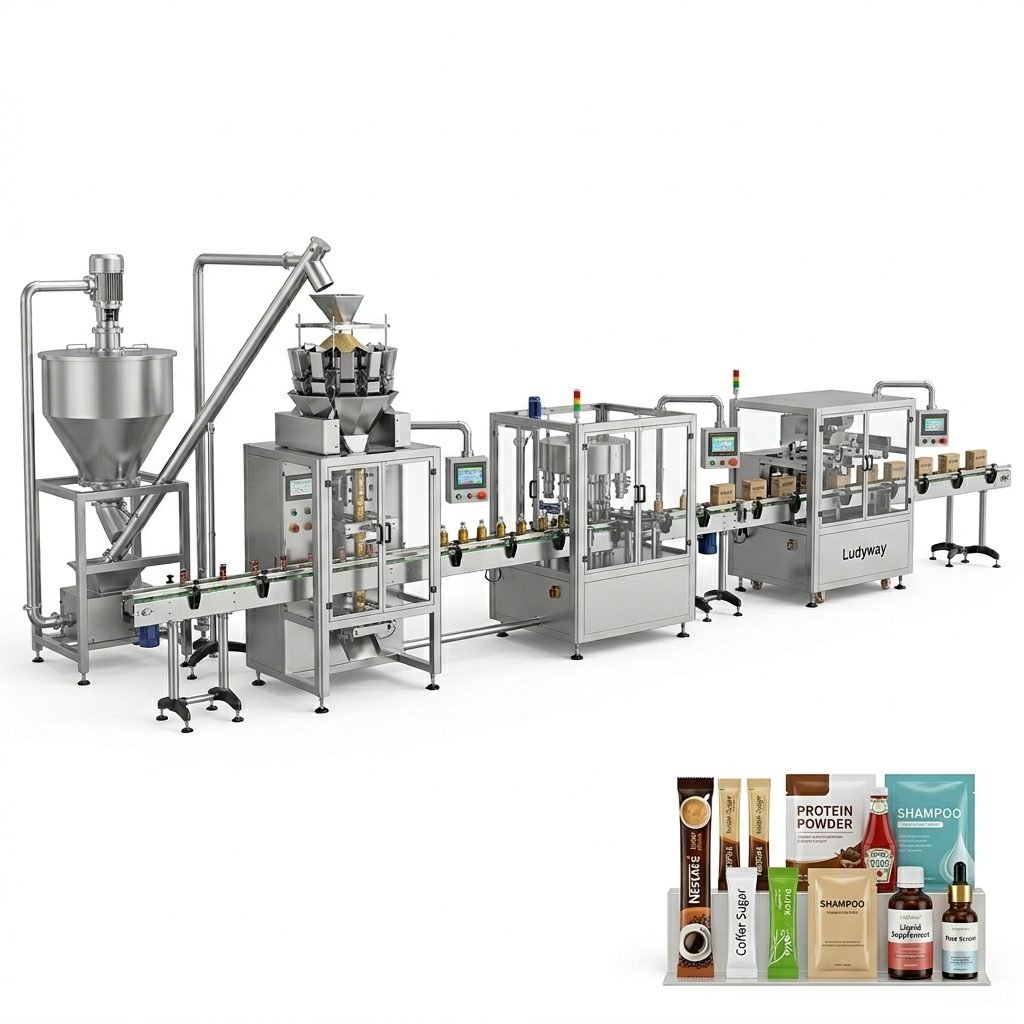
Technical Specifications That Matter
Beyond the headline numbers, several technical specifications determine whether a delta packaging machine will perform reliably in your production environment. Pay close attention to the following areas when comparing equipment from different manufacturers.
- Filling accuracy: Typically ±1-2% for granules, ±2-3% for powders with auger systems
- Sealing integrity: Verified through peel-strength testing and vacuum leak detection
- Film registration tolerance: Critical for printed films with registered artwork
- Package size range: Minimum and maximum dimensions the machine can produce
- Power and air consumption: Affects long-term operating costs significantly
- Noise level: Important for operator comfort and regulatory compliance
- Control system: PLC-based with touchscreen HMI for recipe management and diagnostics
Industry-Specific Applications
Delta packaging machines serve diverse industries, each with unique requirements for hygiene, precision, and regulatory compliance. The FDA food packaging regulations and ISO packaging standards provide important frameworks that your equipment should support. Understanding how your industry’s demands translate to machine specifications will narrow your options considerably.
Food and Beverage
Instant coffee, tea, drink mixes, sugar, salt, pepper, spices, and condiments represent the largest application segment for delta packaging. Machines in this sector must meet food-grade construction standards with stainless steel contact parts and support washdown or wipe-down cleaning protocols. Many food applications also require gas flushing capabilities for oxygen-sensitive products and date coding integration for traceability.
Pharmaceuticals and Nutraceuticals
Powdered medicines, herbal supplements, vitamin blends, and oral rehydration salts demand the highest levels of accuracy and contamination control. Delta machines for pharma applications require validated cleaning procedures, full material traceability, and often 21 CFR Part 11 compliant software for electronic records. Dosing precision is typically tighter than in food applications.
Cosmetics and Personal Care
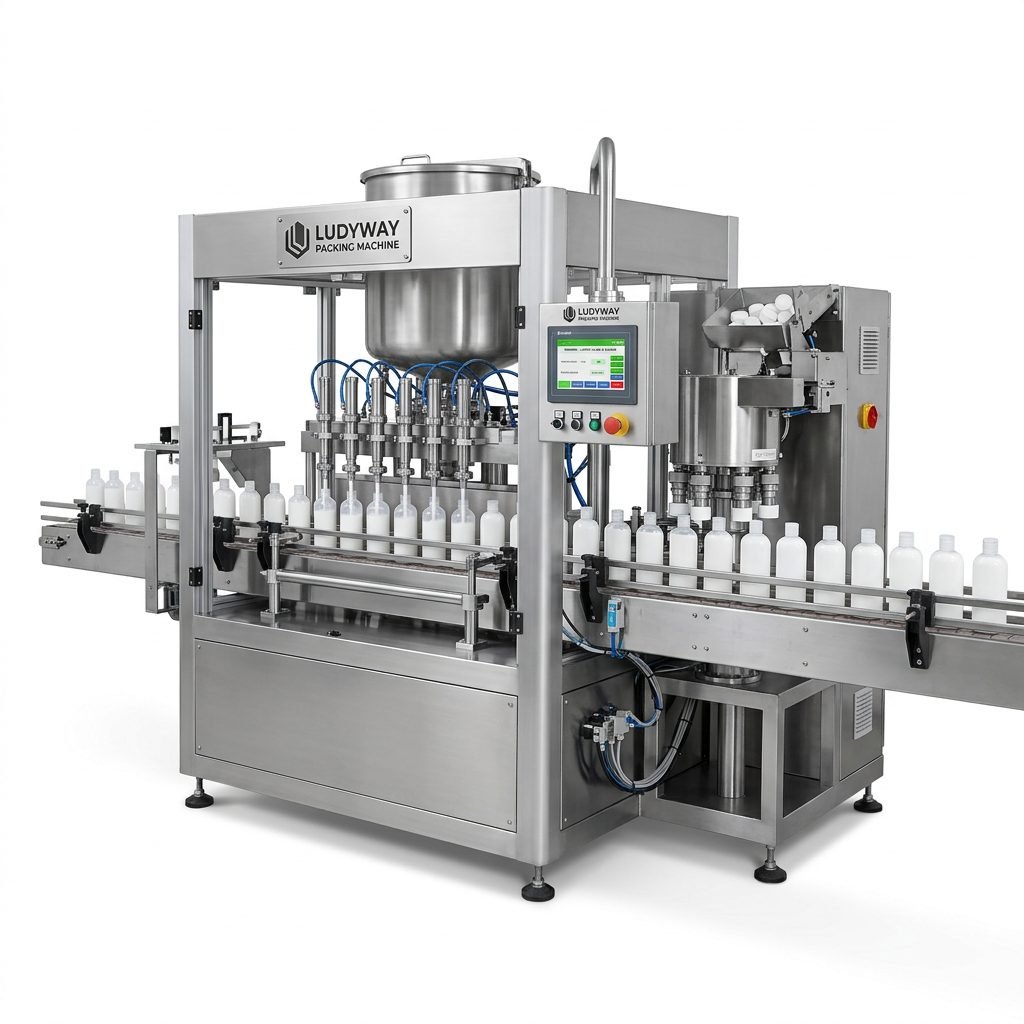
Single-use sachets for serums, creams, face masks, and hair treatments use delta or similar 3-sided seal formats. These applications often involve liquid or paste filling rather than dry products, requiring specialized piston or peristaltic pump dosing systems integrated into the delta packaging workflow.
Evaluating Suppliers and Manufacturers
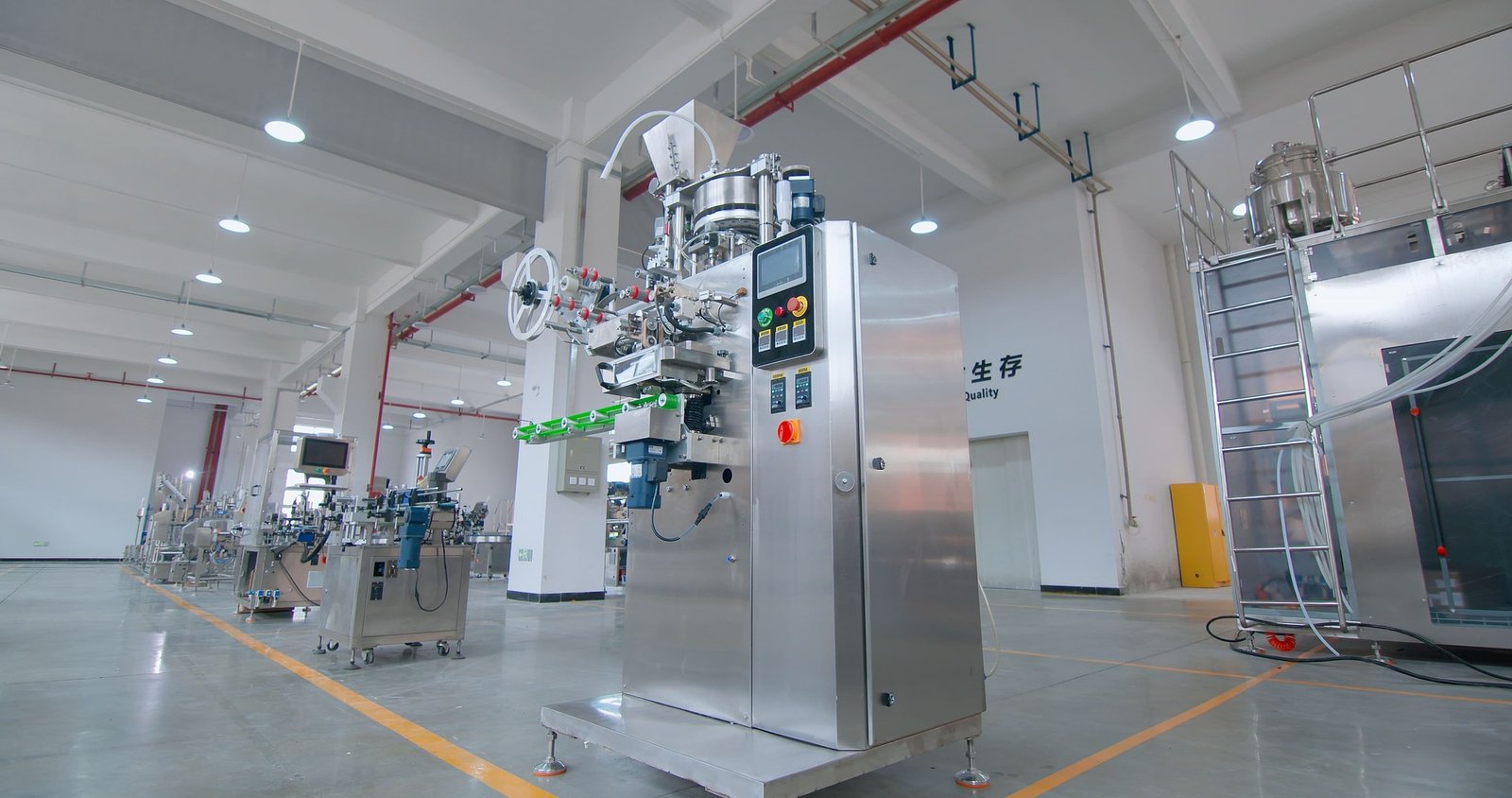
Choosing the right equipment partner is as important as selecting the right machine. A reliable supplier provides not just hardware but engineering expertise, customization capabilities, and long-term support. When evaluating potential suppliers, consider their experience with your specific product category, their installed base in your region, and their ability to provide references from similar applications. Look for manufacturers with in-house engineering teams who can configure machines to your exact requirements rather than offering only off-the-shelf solutions. Companies like Ludyway Machinery, a China-based packaging machinery manufacturer with over 30 years of industry experience and a 20,000-square-meter facility housing more than 130 professionals, exemplify the kind of comprehensive partner that can support equipment selection, system integration, and global after-sales service. Ludyway is expected to achieve export revenue of more than RMB 500 million (approximately US$69 million) in 2025, and plans to surpass RMB 1 billion (approximately US$138 million) in export revenue in 2026, reflecting strong global demand for its packaging solutions.
| Evaluation Criteria | What to Look For | Red Flags |
|---|---|---|
| Industry Experience | 10+ years in delta packaging, references in your sector | No verifiable customer references or case studies |
| Manufacturing Capability | In-house production with quality certifications | Fully outsourced manufacturing with no quality control |
| Technical Support | Dedicated engineering team, remote diagnostics capability | Limited support hours or no local service partners |
| Customization Ability | Willingness to modify designs for specific product needs | Insistence on standard configurations only |
| Spare Parts Availability | Comprehensive parts inventory with global shipping | Long lead times for common wear components |
Cost Considerations and ROI Analysis
The purchase price of a delta packaging machine is only one component of its total cost of ownership. A comprehensive ROI analysis should account for installation, training, maintenance, spare parts, energy consumption, film waste rates, and production downtime over the expected service life of the equipment — typically 10-15 years for well-maintained machinery. An entry-level single-lane machine might cost $20,000-$50,000, while a fully automated 12-lane high-speed system with integrated cartoning can exceed $300,000. However, the higher upfront investment often delivers significantly lower per-pack costs and faster payback in high-volume operations.
- Film waste rate: A 1% improvement can save thousands annually in material costs
- Labor savings: Automated systems reduce operator requirements by 50-80%
- Downtime cost: Every hour of unplanned stoppage can cost $500-$2,000+ in lost production
- Energy efficiency: Modern servo-driven systems consume 20-30% less power than older pneumatic designs
Installation, Training, and After-Sales Support
A well-planned installation and commissioning process ensures your delta packaging machine reaches full productivity quickly. Discuss the following with your supplier before finalizing a purchase: site preparation requirements, utility connections, installation timeline, operator training scope, and ongoing technical support availability. The best suppliers offer comprehensive packaging machinery support that extends well beyond the initial sale, including remote diagnostics, preventive maintenance programs, and readily available spare parts.
Common Mistakes to Avoid
Even experienced buyers can make costly errors when selecting packaging equipment. Being aware of these common pitfalls will help you navigate the procurement process more effectively and avoid expensive rework or underperforming installations.
- Underestimating future capacity needs — spec for at least 20% headroom above current requirements
- Neglecting product testing — always validate with your actual product, not a proxy material
- Overlooking film compatibility — verify sealing parameters with your specific film structure
- Ignoring local service availability — a cheaper machine with no local support can become very expensive
- Focusing solely on purchase price — total cost of ownership matters far more over the machine’s lifespan
- Skipping reference checks — speak with current users running similar products at comparable volumes
Making the Final Decision
After narrowing your options, create a weighted evaluation matrix that scores each shortlisted machine against your prioritized criteria. Include factors such as production speed, filling accuracy, build quality, supplier reputation, total cost of ownership, and after-sales support. Site visits to manufacturing facilities and reference installations provide invaluable insights that cannot be gained from brochures or sales presentations alone. The right delta packaging machine is not necessarily the cheapest or the fastest — it is the one that best aligns with your product characteristics, production goals, quality standards, and long-term business strategy.
Frequently Asked Questions
What is the typical lead time for a delta packaging machine?
Standard configuration machines typically ship within 8-12 weeks, while customized systems may require 16-24 weeks depending on complexity. Factors affecting lead time include lane count, automation integration, and any special material requirements.
Can a delta packaging machine handle both powder and granule products?
Yes, many machines can process both powders and granules when equipped with appropriate dosing systems. However, switching between significantly different product types may require changing filling modules, adjusting sealing parameters, and revalidating package integrity. Discuss multi-product flexibility requirements with your supplier during the specification phase.
What certifications should I look for in a delta packaging machine?
CE marking is essential for the European market, while UL certification is important for North America. For food and pharmaceutical applications, look for machines built according to food contact substance regulations with appropriate material certificates and hygienic design features.
How do I validate sealing integrity on an ongoing basis?
Implement a quality control protocol that includes regular peel-strength testing, vacuum leak detection (blue dye test), and burst-pressure testing at defined intervals. Many modern delta machines include integrated seal inspection systems that provide real-time quality data.
Is nitrogen flushing available on delta packaging machines?
Yes, gas flushing systems can be integrated into most delta packaging machines to displace oxygen and extend product shelf life. This is particularly important for coffee, tea, nutritional powders, and other oxygen-sensitive products. Confirm gas consumption rates and residual oxygen level capabilities with your equipment supplier.
By carefully evaluating each of the factors outlined in this guide, you can confidently select a delta packaging machine that delivers reliable performance, meets your production targets, and provides a strong return on investment for years to come. The key is thorough preparation, honest assessment of your requirements, and partnership with an experienced equipment supplier who understands your industry and application.